
You walk through those heavy doors and the host greets you with a warm smile. Everything looks perfectly orchestrated. But here's the thing most guests don't realize: in the first few seconds, a quiet and remarkably detailed assessment has already begun. Your table, your service, even the way the sommelier approaches you - all of it can be shaped by something you chose to wear that morning.
It sounds a little unsettling, honestly. But it's the reality of fine dining. The world behind those white tablecloths runs on signals, and your outfit is broadcasting loudly. Let's dive into what staff are actually noticing, and why it matters more than most people think.
1. The Shoes Tell the Whole Story First
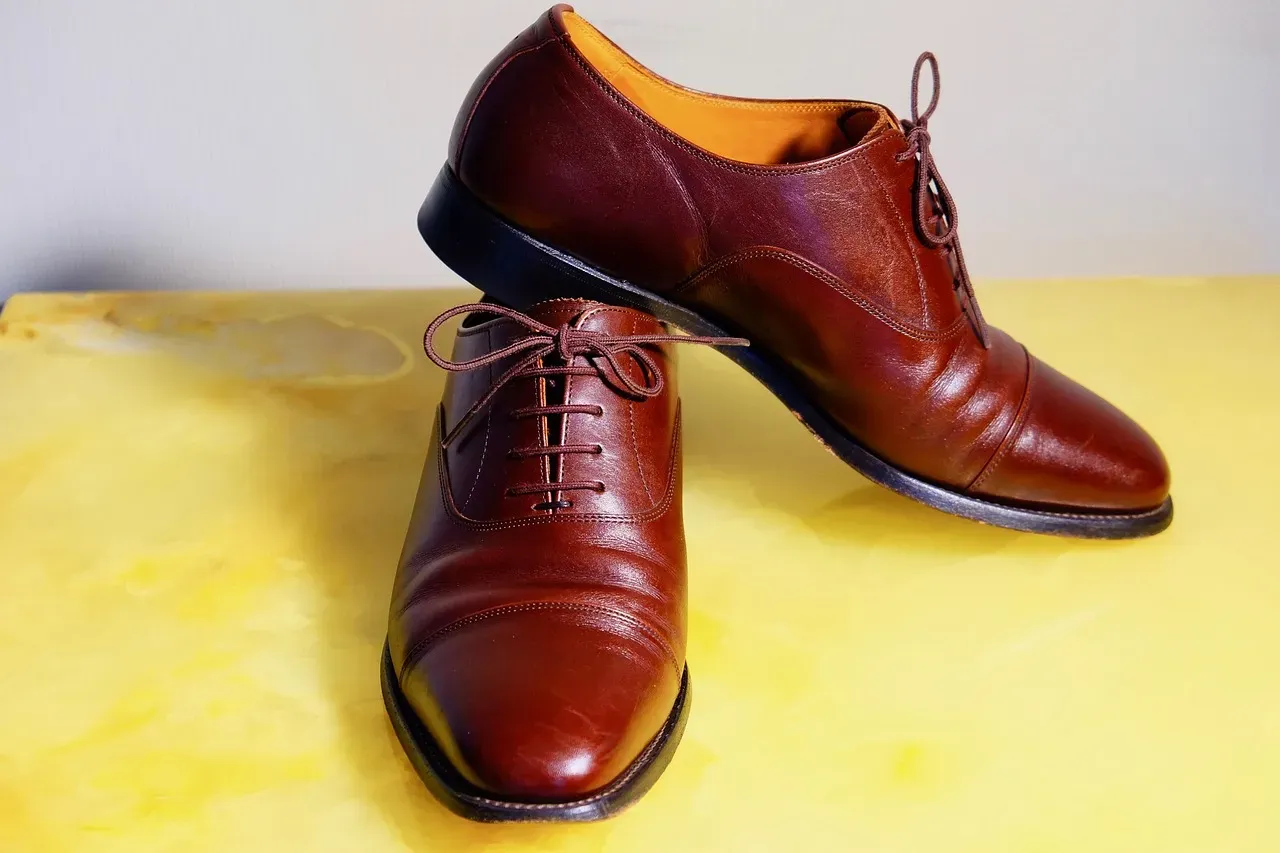
Experienced hosts and servers have a long-standing tradition of glancing down before looking up. Shoes, more than almost any other garment, communicate how seriously a guest has prepared for the evening. A well-polished Oxford or a clean heel signals intentionality. A scuffed sneaker or an open-toed sandal, on the other hand, might prompt a quiet conversation backstage about table placement.
Neat hair, polished shoes, and minimal accessories can elevate your appearance in a fine dining context, and this principle works in reverse too - staff read these same cues immediately upon arrival. Steamed clothing avoids wrinkles, clean shoes complete the look, and light fragrance suits refined air circulation. It really is that granular. The shoe check is the silent entrance exam.
2. The Seven-Second Rule Is Real and Ruthless

You might assume snap judgments are reserved for first dates or job interviews. Think again. Psychology Today published a study that found people determine if someone is good at their job and trustworthy within 7 seconds of meeting them. Staff in fine dining establishments operate within exactly this window when greeting a new table.
For restaurants and hotels, how the staff looks is part of what customers use to make these fast decisions - but the reverse is equally true. Your clothing becomes a rapid shorthand for the kind of guest you are expected to be. Customers subconsciously think specific clothing is associated with ability, cleanliness, and reliability, and service staff apply exactly the same logic in reverse, reading guests with the same unconscious speed.
3. Fabric Quality Is Noticed More Than You'd Think

There's a reason seasoned sommeliers can often guess at a guest's budget before a single bottle is discussed. Fabric tells a quiet but powerful story. Linen that wrinkles easily, polyester that catches the candlelight awkwardly, or cotton that's been over-washed all land differently under the attentive eye of fine dining staff. It's not snobbery - it's pattern recognition built over years of service.
High-quality materials like cotton or cotton blends that resist wrinkles are what fine dining servers themselves are required to wear, precisely because the establishment knows that fabric quality sends a message. Their appearance impacts how customers perceive service quality, cleanliness, and professionalism, and that same standard gets applied when staff assess what guests are wearing at the door. Material matters. Always has.
4. Wrinkled Clothing Signals Carelessness
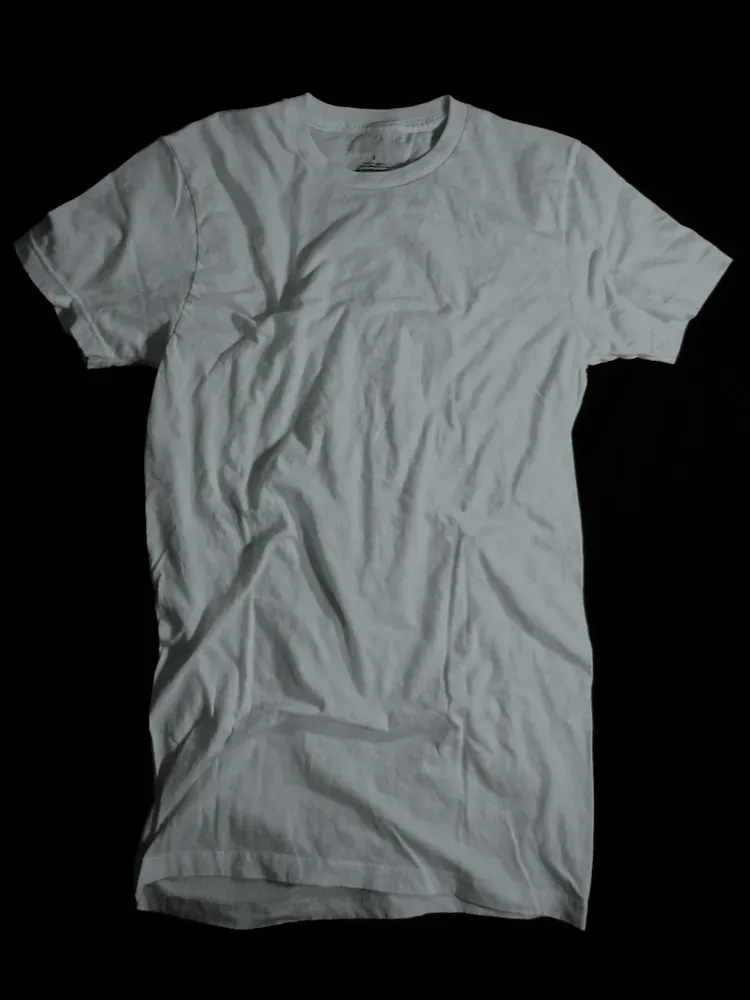
I think most people underestimate this one. A jacket tossed on at the last minute, a shirt that's been stuffed in a bag and re-worn - these things are immediately visible in the low, warm lighting of a fine dining room, which is specifically designed to be flattering and revealing all at once. Wrinkles communicate a lack of preparation, and preparation is the currency of the fine dining world.
Uniforms must be clean, wrinkle-free, and well-maintained at all times - a standard that fine dining staff are held to before every single shift. When guests arrive looking visibly rumpled, it creates a subtle mismatch with the polished environment. Small, thoughtful adjustments elevate an outfit quickly. Steamed clothing avoids wrinkles, clean shoes complete the look and light fragrance suits refined air circulation. These details create a cohesive appearance that matches the room's calm energy.
5. Jackets and Collars Signal Intent
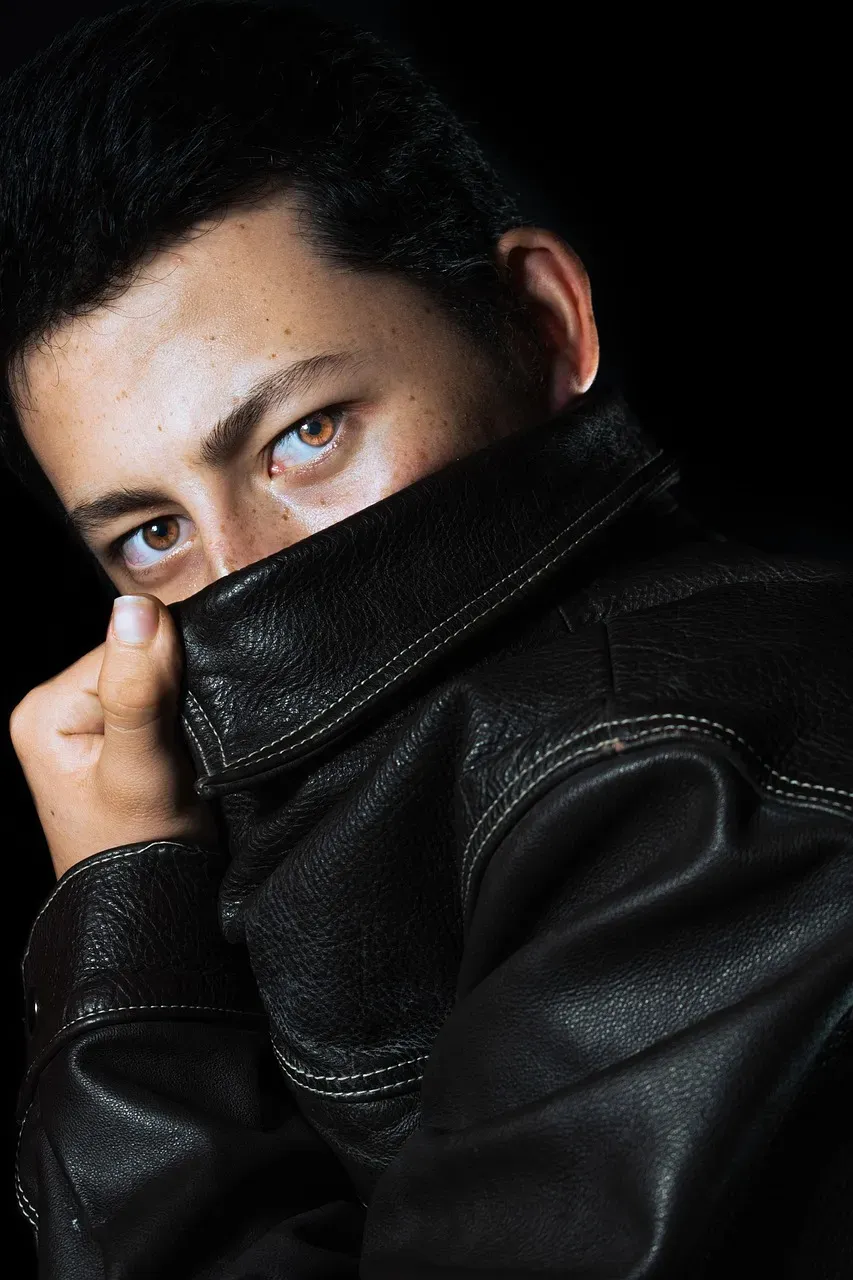
Here's something that might surprise you. Even in 2025 and 2026, when dress codes have softened considerably at many fine dining venues, a collar or a jacket remains the clearest signal of a guest who came prepared to engage with the experience. Staff notice, and it adjusts how they frame recommendations, how much time they invest in conversation, and even how they present the tasting menu.
At bare minimum, men should always wear a collared shirt and women should follow a casual elegant style sans jeans, sneakers, or baseball caps - a standard consistently applied at well-regarded establishments. Fine dining standards typically call for black slacks, white button-down shirts, polished shoes, and ties or vests for staff, which naturally sets the visual tone guests are expected to complement. Walking in with a jacket already signals that you understand the room you're entering.
6. Athletic Wear Is a Conversation Stopper
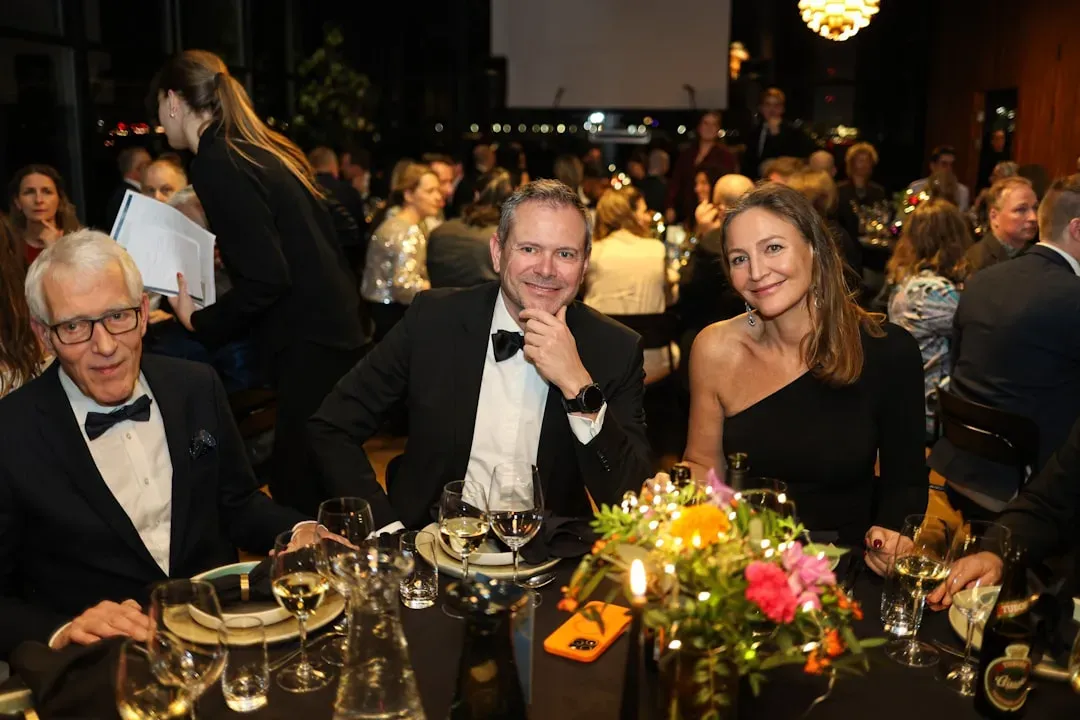
Few things create more internal debate among fine dining staff than a guest arriving in gym clothes. It's not about judgment of the individual - it's about the environment. Fine dining is, at its core, a theatrical experience. The common thread that forms the cornerstone of any restaurant worthy of a Michelin star is sophistication - a dining experience that is clearly and intentionally elevated above more casual alternatives.
At many upscale restaurants, potential customers are turned away if they're wearing clothes that don't match the classy vibe inside. Athletic wear is among the most commonly listed prohibited items. Beachwear, gym wear, and loud prints are explicitly discouraged at most smart-casual-and-above venues. Let's be real: showing up in a tracksuit to a three-course tasting menu sends a signal that you're not invested in the occasion.
7. Grooming Details Speak Before You Do

It's not just about what you wear - it's about the totality of how you present yourself. Fine dining hosts are trained to notice grooming as part of the broader picture. Unkempt nails, unwashed hair, visible stains - these don't go unobserved. The guest who walks in freshly groomed and pressed is given a different internal rating than one who looks like they came straight from a long commute.
A fine dining server's grooming reflects both personal respect and dedication to the restaurant's high standards. Personal hygiene is paramount, requiring regular bathing and the use of deodorant, while ensuring that clothing is clean and pressed. Nails should be kept short and clean. These are the standards staff follow - and they're also quietly used as a benchmark when reading guests. Pay attention to grooming, as first impressions matter. It's that simple.
8. Accessories Reveal the Level of Preparation

A well-chosen watch, a simple necklace, or understated earrings tells a seasoned host something meaningful: this person thought about tonight in advance. Accessories in fine dining function almost like punctuation - they complete the sentence that your clothing started. Too much jewelry can actually work against you, signaling ostentation over taste.
Beyond clothing, many restaurants include expectations for grooming, with minimal jewelry for safety and hygiene. Staff who are required to keep jewelry restrained develop a sharp eye for accessory choices in guests. Small, thoughtful adjustments elevate an outfit quickly, and this applies directly to accessories. The guest wearing a single, quietly elegant piece is read very differently from someone dripping in statement jewelry - both extremes communicate something, just not always what the guest intends.
9. The Dress Code Compliance Gap Is Quietly Tracked
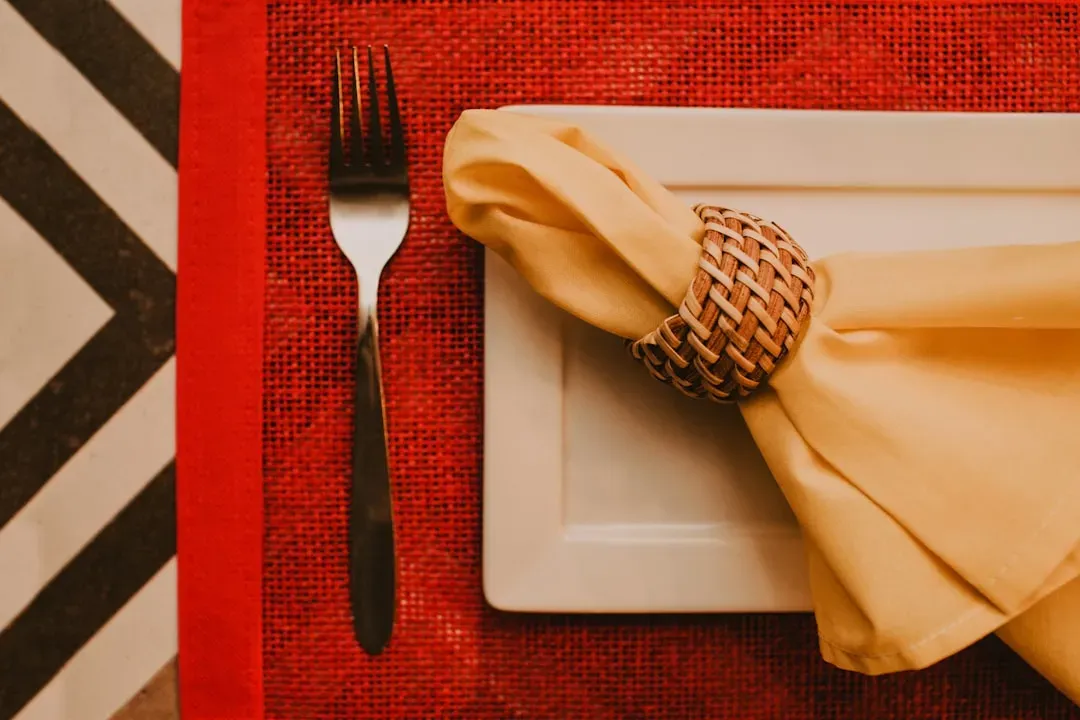
Most fine dining restaurants post their dress codes online, in confirmation emails, and sometimes at the entrance. Staff absolutely notice when guests have clearly read those guidelines versus when they've ignored them entirely. It's not about punishment - it's about atmosphere management. Fine dining restaurants will typically have at least some expectation for how guests should dress, and some places may strictly enforce their rules, to the point that you might be turned away if you show up wearing the wrong thing.
Others agree with restaurant owners who believe that maintaining a minimum standard in their luxury spaces allows patrons to fit in appropriately with the decor, creating an atmosphere that makes everyone feel special. The guest who shows up clearly having done zero research is internally flagged. It's a small thing, but in the economy of fine dining service, it can influence the amount of effort staff invest in making your evening exceptional.
10. Color Choices Carry Psychological Weight
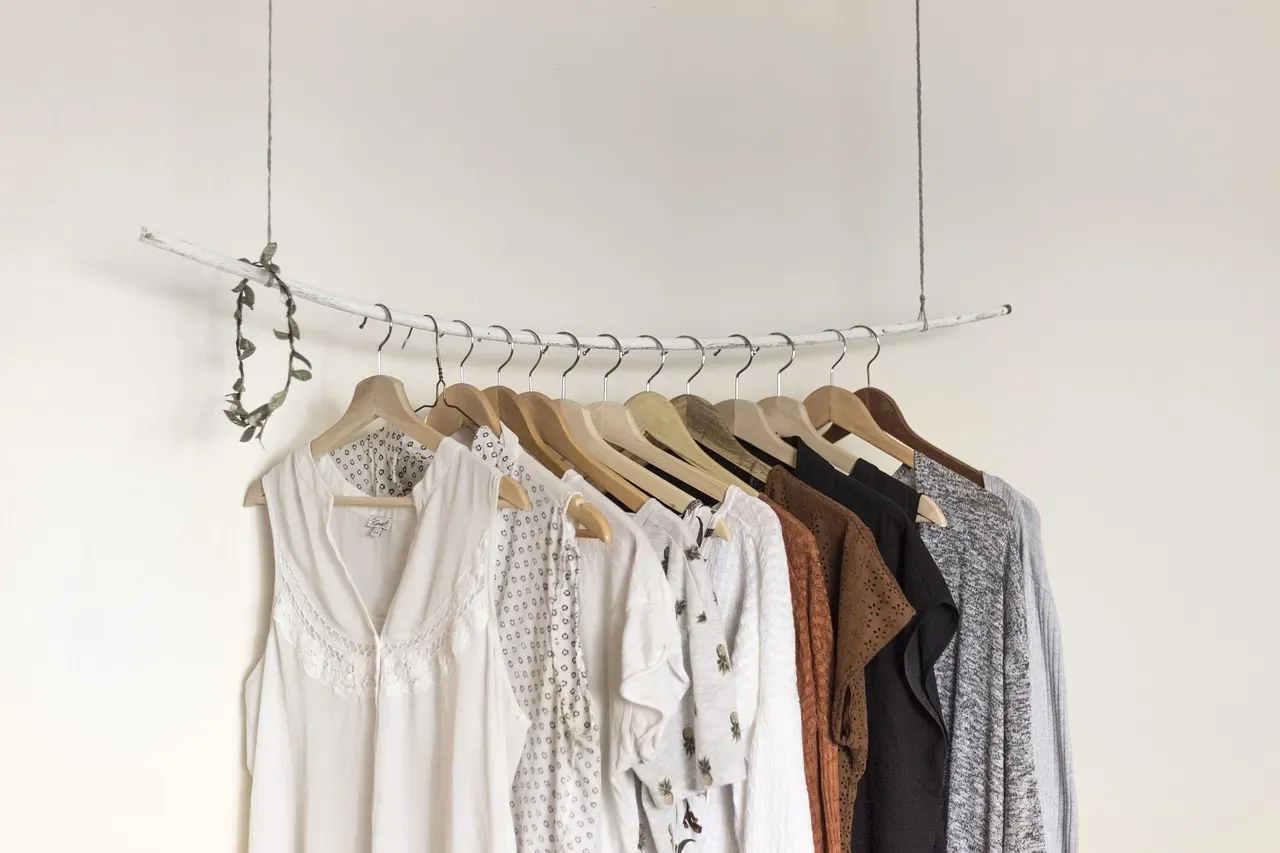
This one flies completely under the radar for most guests. The colors you wear into a fine dining room affect how staff unconsciously perceive you. Neutral tones - navy, charcoal, cream, deep burgundy - sit comfortably in the environment and project calm confidence. Loud prints and neon shades can jar against a carefully curated ambiance, and staff notice the dissonance even if they can't quite articulate it.
The colours of uniforms have a psychological effect on customers in hospitality settings, and this psychology works in both directions. Neutral tones work best, as they match calm lighting and refined spaces. Think of the fine dining room as a painting - every element, including the guests themselves, either adds to or detracts from the composition. Staff have an instinct for this, honed over hundreds of evenings.
11. Whether Dress Codes Are Enforced Equally Is a Growing Debate
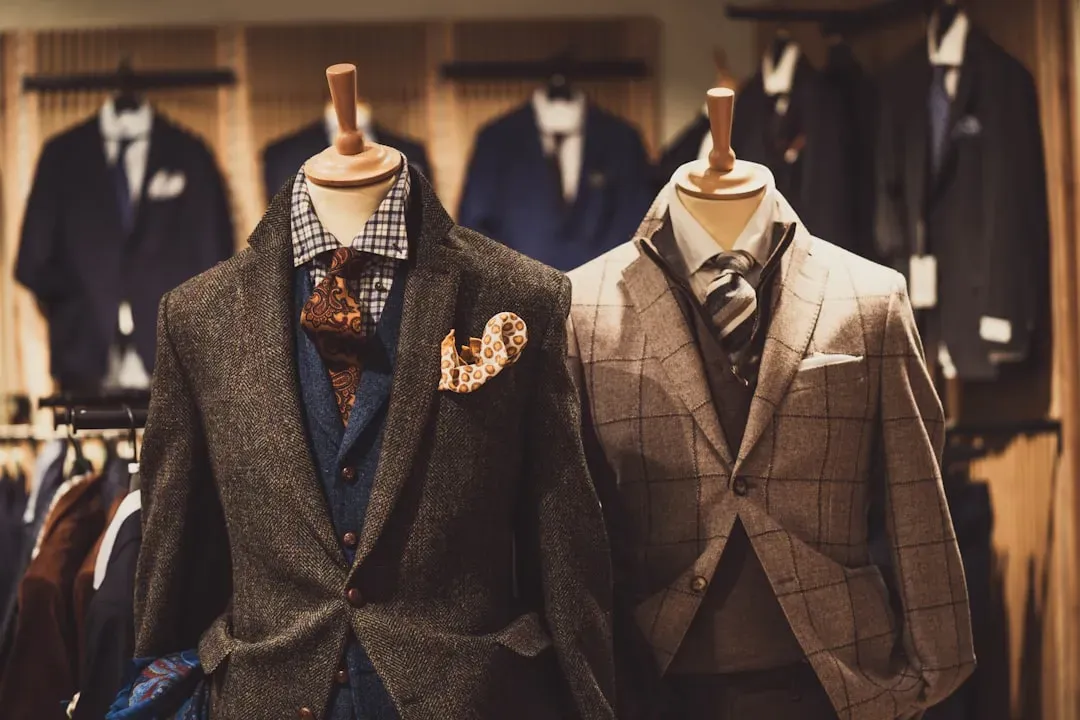
It would be dishonest not to address the uncomfortable reality that wardrobe assessment in fine dining has not always been applied fairly. Some diners have complained about discrimination, especially when dress codes seem to be enforced differently for certain people due to their race, class, or gender. This is a genuine and serious concern that the industry is increasingly being forced to confront.
Some hospitality professionals believe that many places selectively discriminate under the veil of the dress code. If you're going to have rules, then it has to be the same across the board, or it's embarrassing and wrong. Etiquette expert Thomas Farley applauded codes that are "thoroughly communicated, graciously conveyed, consistently applied and non-gender-specific," adding that there should be no loopholes. Honestly, it's hard to say fine dining has always lived up to that standard. The industry still has real work to do here.
12. Appearance Shapes the Entire Service Experience - But It Shouldn't Define It
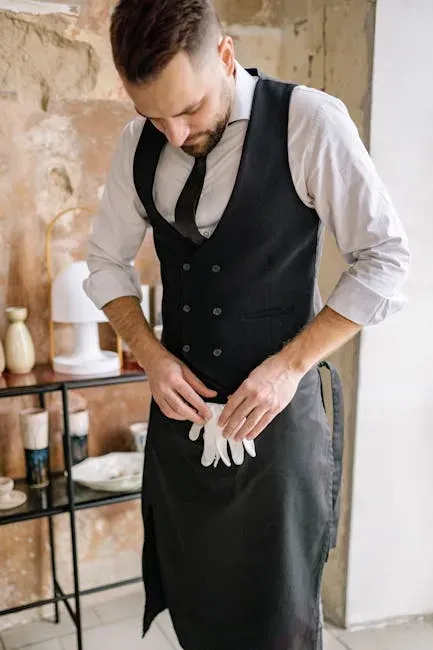
Here's where things get genuinely nuanced. Research confirms what many experienced hosts quietly know. There is a correlation between customer attractiveness and quality of service - which is exactly why employees should be trained not to allow guest appearance to influence the service they provide. The best fine dining establishments actively work against unconscious bias, ensuring every guest receives the same exceptional care regardless of wardrobe.
Based on the experience of industry veterans, you really can't judge the status of a person by how they dress. Millionaires show up wearing sneakers and then leave the best tip of the night. Others wearing fancy clothes walked out once they saw the prices on the menu. The wardrobe read is real, it's constant, and it happens within seconds - but the very best staff use it as context, not as a verdict. Over nearly three quarters of respondents in a Statista survey consider staff professionalism among the most essential elements in choosing a restaurant - and true professionalism means serving every guest with equal excellence, whatever they happen to be wearing.
The next time you step through the door of a fine dining room, remember: your outfit has already started the conversation before you say a word. The more intentionally you dress, the more aligned that conversation will be with the evening you're hoping to have. What would you have guessed staff were noticing first - the shoes or the jacket? Tell us in the comments.




Leave a Reply