There's a silent social contract happening every time you sit down at a restaurant table. You probably think the server is just scanning the menu in their hand, waiting for you to decide between the salmon and the pasta. But honestly? They're already reading you. Like, really reading you.
I spent years waiting tables, and let me tell you, the ability to spot a bad tipper before the appetizers even hit the table is one of the most finely tuned skills in the service industry. Once someone has waited tables for a number of years, an acute sense of awareness comes with the territory, and that keen instinct also lets servers know in advance when a customer is going to leave a bad tip. It's uncomfortable to talk about. But it's very, very real. Let's dive in.
1. You Walk In Already Asking About Prices and Deals
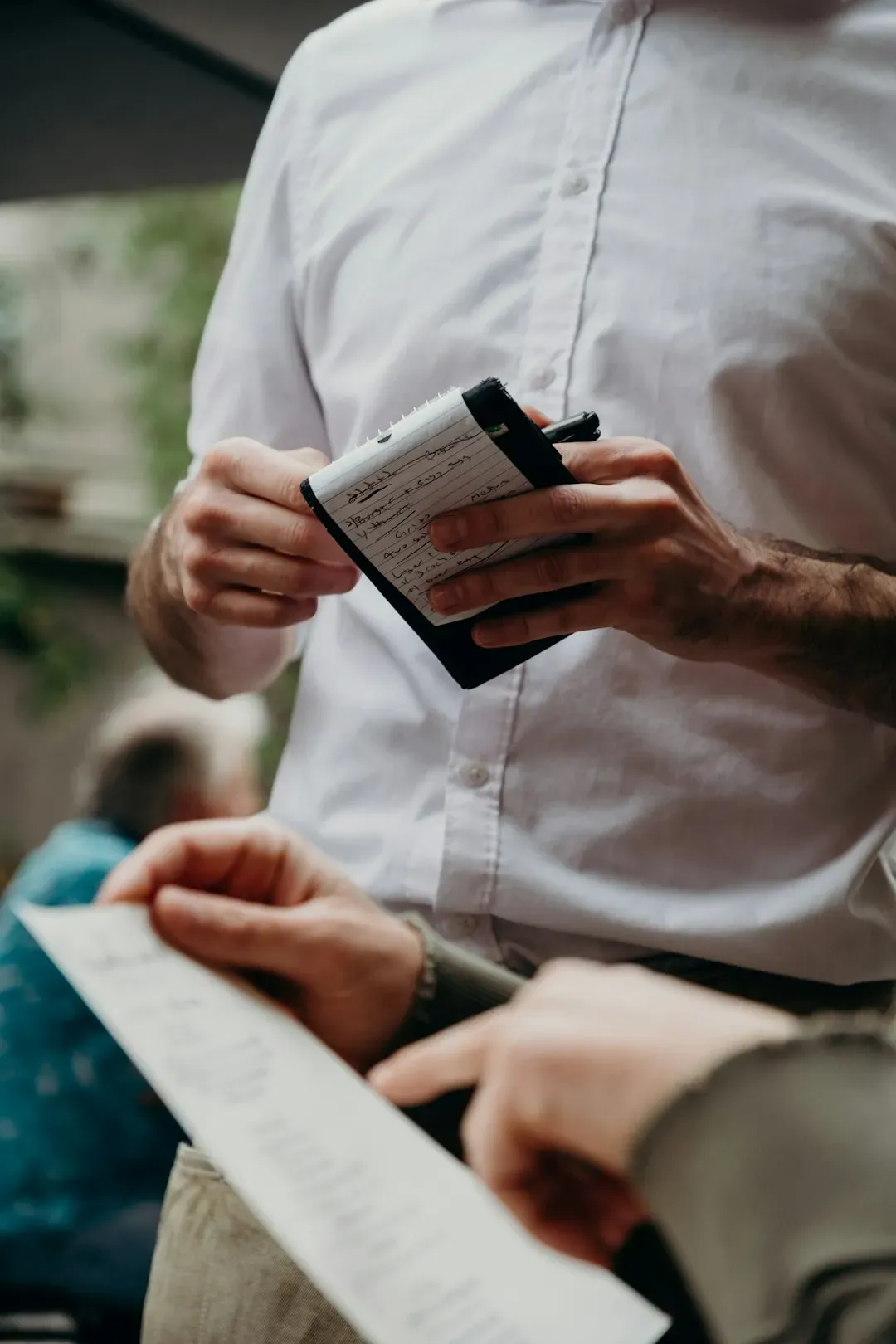
The moment you sit down and your first question is "Do you have any specials that aren't on the menu?" or "Is the bread included?", the wheels start turning in your server's head. A customer who asks things like "How much will this be with tax?" or "Do you offer free refills?" is always a good indication that the customer is watching their pennies, and they for sure aren't going to watch very many of them go into the apron of their server.
Now, being budget conscious is completely normal and not something to be ashamed of. But when the questions come fast and focus entirely on cost, experienced servers piece the picture together quickly. It signals that the final bill, and whatever percentage you leave on it, is something you've been calculating since before the hostess even seated you.
2. You Order Only Water to Drink

A common example of a server's unconscious bias is their attitude towards customers who order water instead of a more expensive beverage. Many servers believe that a customer who orders water is a "cheap" customer and therefore a poor tipper, and this can cause a server to give that table less attention.
In today's health-conscious culture, many people order water to stay hydrated and avoid sugary drinks, and the server's assumption is often incorrect, but it can still affect the quality of service a customer receives. It's a flawed bias, sure. But it's a real and documented one. So if you're a water-only diner who tips well, you're fighting an uphill battle you didn't even know existed.
3. You Come In As Part of a Large Group
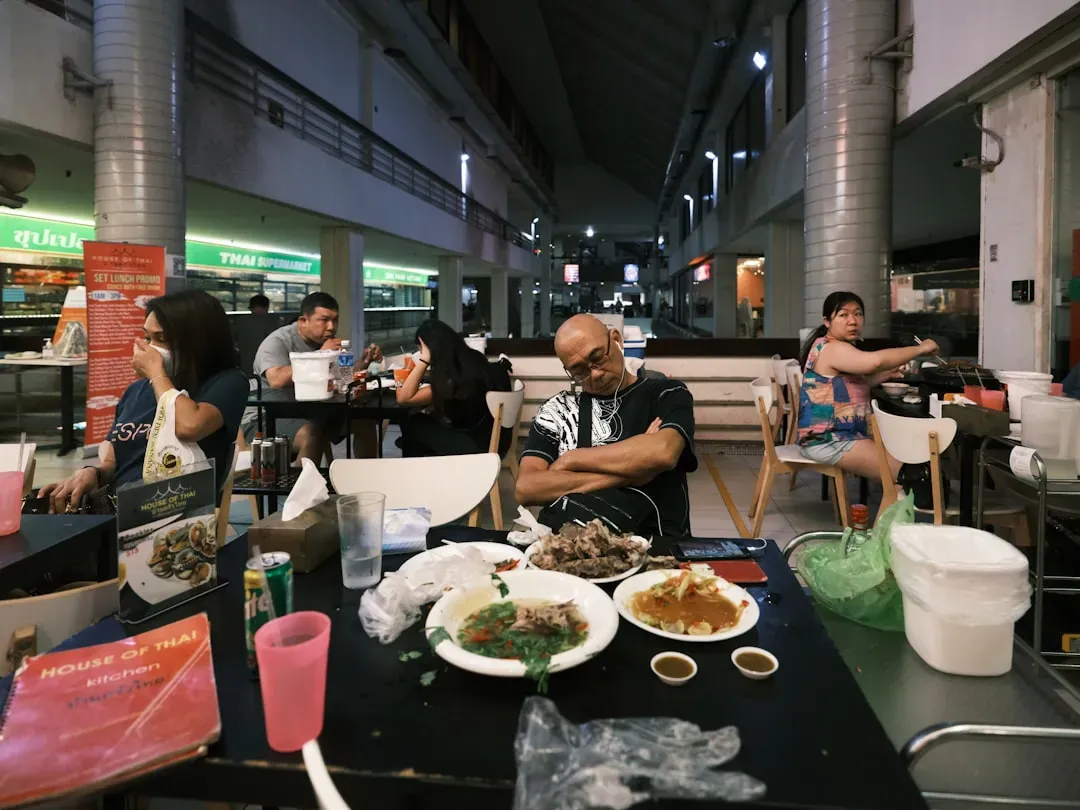
Here's a fascinating piece of science that every server already knows by gut feel. The classic "diffusion of responsibility" study found that groups tip roughly forty percent less per person than solo diners, with a nineteen percent average tip for individuals dropping down to around eleven percent for groups of six.
Credit card customers also tend to tip higher compared to cash tippers because of the difference in tangibility between the two forms of payment. If a group is dining, the larger the party the smaller the per person tip will be because of a diffusion of responsibility, a phenomenon known as the bystander effect. Everyone assumes someone else at the table is calculating the tip generously. Spoiler: they're usually not. Previous literature has shown that as table size increases, tip size decreases, though based on server interviews, a server does not classify a table as a large party until it reaches eight people.
4. You Make Your Order Unnecessarily Complicated
Servers report that when customers make their order "so over the top and complicated, with additions, substitutions, and wild cooking instructions," it is usually done with the purpose of trying to trip the server up and get their entire meal for free. That's a strong statement. Not every modification is malicious, obviously. Allergies exist. Preferences are real.
Still, there is a specific type of customer who weaponizes the order to create a paper trail for complaints. Experienced servers know the difference between someone saying "no onions please" and someone who sends back three different dishes throughout the night in hopes of getting a comp. The latter almost never tips generously. The connection between extreme high-maintenance ordering and low tips is something servers have tracked informally for decades.
5. You Promise to "Take Care" of Your Server
I know it sounds like a good thing. You sit down, you give your server a friendly nod, and you say something like "Don't worry, I always take care of people." Servers report that when a customer indicates that if they're well taken care of, they will in turn "take care of you," it implies a hefty tip, but it never results in that, and is generally far below average.
If someone introduces themselves as a great tipper or promises to "take care" of their server, most of the time the tip doesn't live up to the expectation. Think of it like a movie trailer that overpromises. The more someone builds up the tip before they've even ordered, the more likely they are compensating for the fact that they have no real intention of following through. Servers hear this so often it has become almost a red flag rather than a green one.
6. You Gush About the Service - But Skip the Cash
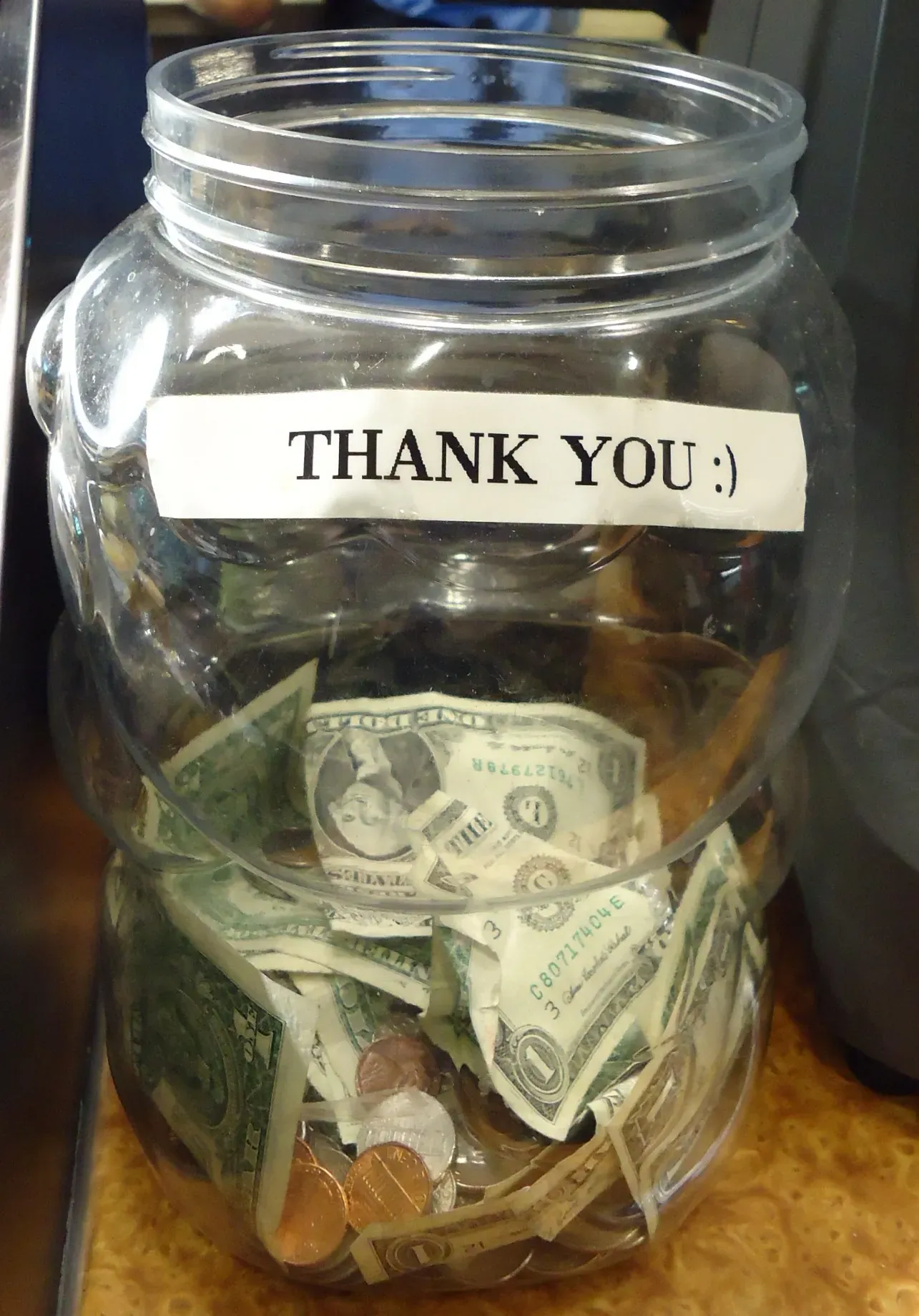
This one genuinely stings. You finish your meal, you look your server in the eye, and you say "This was honestly the best dining experience I've had in years. You were incredible." Then you leave twelve percent. Servers have a name for this type of customer: the "verbal tipper." If they rave and gush about the service and are all smiles and pats on the back, there's a good chance they'll get stiffed on the actual tip.
An affable customer is always a good customer to have, but when someone announces their name and shakes the hand of their server, it very often leads to a lower than average tip. Perhaps they feel that their jovial nature and witty charm will blind the server into thinking that waiting on them is all worth it, but the server knows they are just overcompensating for a lackluster gratuity. This friendliness goes hand in hand with being overly complimentary, and "You deserve a raise" basically means they want their server to be paid more so they no longer have to tip.
7. You Use Rude or Dismissive Body Language From the Start
The concept of tip bias reveals that a server's assumptions about a customer can influence their service. In an industry where a server's income is directly tied to tips, they are often forced to become amateur psychologists. Over time, servers may develop certain assumptions about what makes a customer a "good tipper" versus a "bad tipper," and these beliefs are often based on a customer's appearance, demographics, and even their behavior.
If you don't make eye contact when your server greets you, use clipped one-word responses, or wave them off mid-sentence, you're sending a very loud signal. People also consistently say that those who act "entitled" or "fussy" or "like the world's out to get them" are usually terrible tippers. Servers pick up on energy fast because their income literally depends on it. Contempt, even subtle contempt, is one of the clearest predictors of what that receipt is going to look like at the end of the night.
8. You're Paying With Cash on a Small Bill
This might surprise you, but the method and amount of payment matter deeply. Service quality was positively related to tip amount when customers paid electronically but not when they paid with cash. Research backs up what servers have long suspected. Cash payers are statistically less generous, possibly because parting with physical money feels more painful than tapping a card.
Credit card customers tend to tip higher compared to cash tippers because of the difference in tangibility between the two forms of payment. It's a psychological quirk, not a moral one. Paying with cash isn't wrong in any way, and many servers actually prefer it. But when the bill is modest and the payment is in physical bills, experienced waitstaff quietly lower their expectations. The math, unfortunately, tends to bear that out in practice.
9. You Ask for Separate Checks at the Last Possible Moment
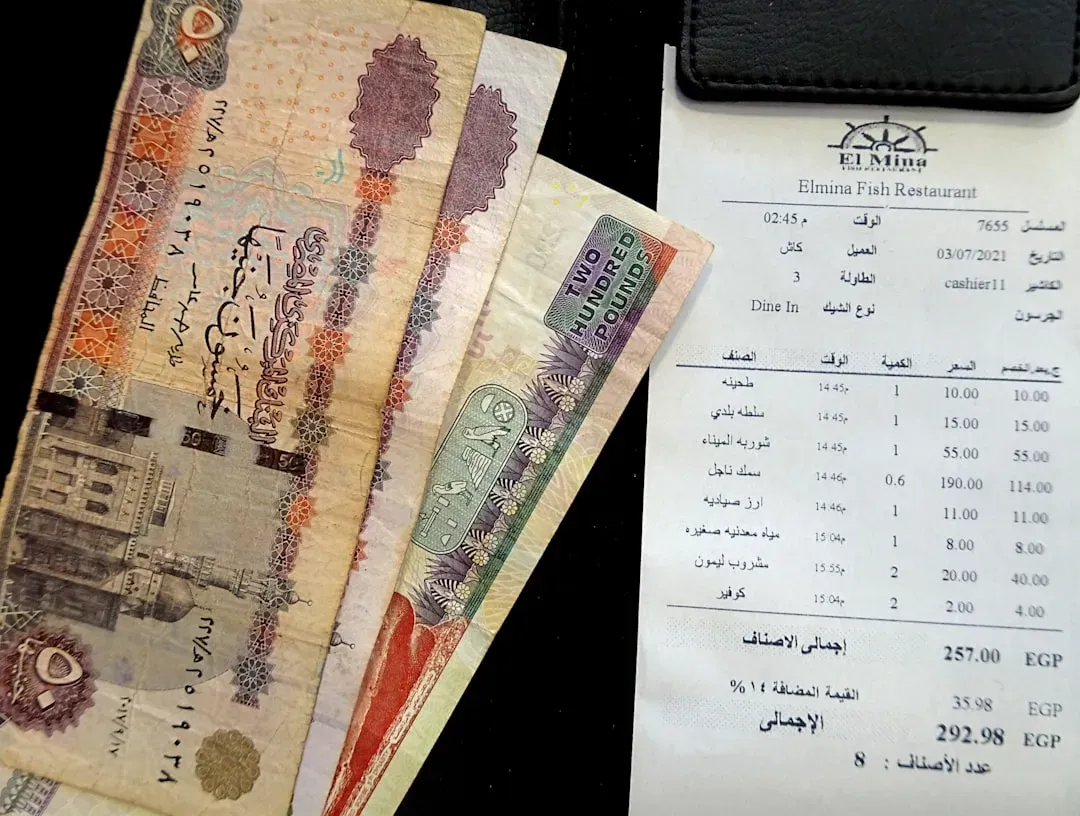
Let's be real. Asking for separate checks is not inherently a problem. Plenty of people do it for completely valid reasons. What catches a server's attention is when a large table waits until everything is done, the meal finished, and then suddenly announces mid-cleanup that they want nine individual bills. Dividing tips based on individual portions of the check, especially in larger groups, can be complex, and it is increasingly recommended to base the tip on the full tab rather than individual portions to simplify the process and avoid confusion.
The late check-splitting request is exhausting for a server. It creates significant extra work at the end of a shift when things need to move fast. Servers believe tips are a function of their performance and the customer's willingness to tip or not, and servers form beliefs about who is likely to be a good or bad tipper. When the effort goes up and the group dynamics kick in, the tip almost always goes down. It's the bystander effect at the dinner table, plain and simple.
10. You've Done It Before - And They Remember
Tipped restaurant employees have a shared culture, and tipping is a topic of conversation during and after scheduled work hours, focusing on customers' tipping behavior, commonly held beliefs, and how their experiences differ. Translation: staff talk. If you left a two-dollar tip on a sixty-dollar bill last month, there is a real chance the same server, or their colleague, remembers your face.
The institution of tipping may encourage restaurant servers to engage in discriminatory services because of the service employees' prior assumptions about customers' tipping behaviors, meaning the prospect of receiving a poor tip from a certain type of customer may lead to poor services. It becomes a self-fulfilling cycle. You leave a bad tip, you get slightly worse service on your next visit, you feel less inclined to tip well, and the pattern repeats. This creates a vicious cycle. The customer receives poor service, and as a result, leaves a smaller tip, which reinforces the server's bias. This is the core problem with the tipping model: it turns a simple exchange of food for money into a complex social game where assumptions and unconscious biases can impact the outcome.




Leave a Reply