
Most people scrub their toilets with strong disinfectants and consider them the germiest spot in the house. It turns out, that assumption is completely wrong. When you think about the dirtiest places in your home, the toilet is probably the first place that springs to mind. However, shocking research reveals that the real germ hotbed may actually rest right beside your sink - and that is your kitchen sponge. The culprit is something almost everyone owns, uses daily, and almost never thinks twice about. What follows is a close, research-backed look at why science keeps reaching the same uncomfortable conclusion.
The Numbers Are Staggering
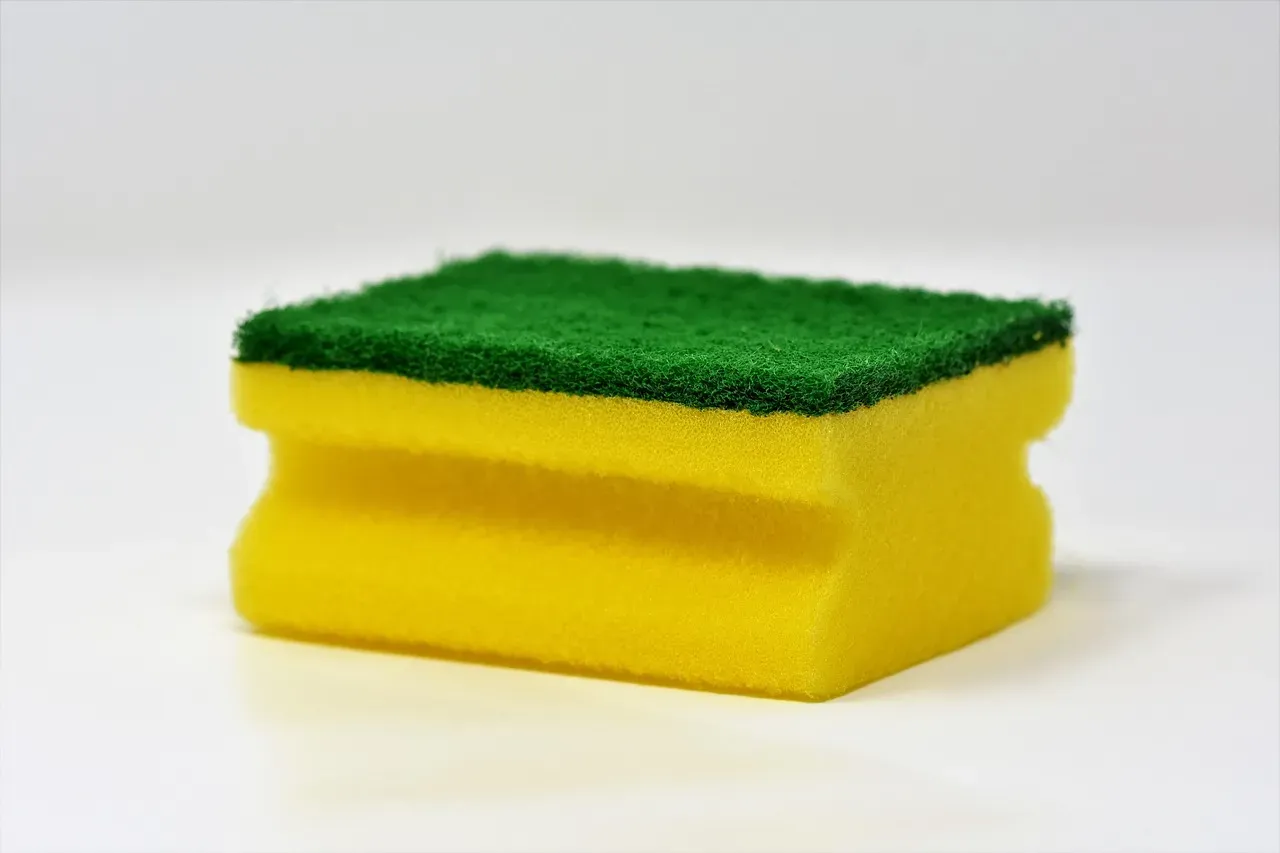
According to a groundbreaking study published in Scientific Reports, kitchen sponges can contain up to 82 billion bacteria per cubic inch - that's about 200,000 times more bacteria than your toilet seat. That number is genuinely difficult to comprehend at first. "We found 362 different species of bacteria, and locally, the density of bacteria reached up to 45 billion per square centimeter," says Markus Egert, a microbiologist at Furtwangen University in Germany, who led the study.
In all, 54 billion microbes per cubic centimeter were found. Just to provide some context, this would be around the same amount of bacteria that one would find in human fecal samples. Toilet seats, by comparison, are regularly treated with disinfectants and are made of smooth, non-porous surfaces that resist microbial colonization. Surfaces like toilet seats are often cleaner because we take care to clean them regularly. Toilet seats are also non-porous, making it harder for bacteria to take hold and multiply.
Why Sponges Are the Perfect Bacterial Habitat
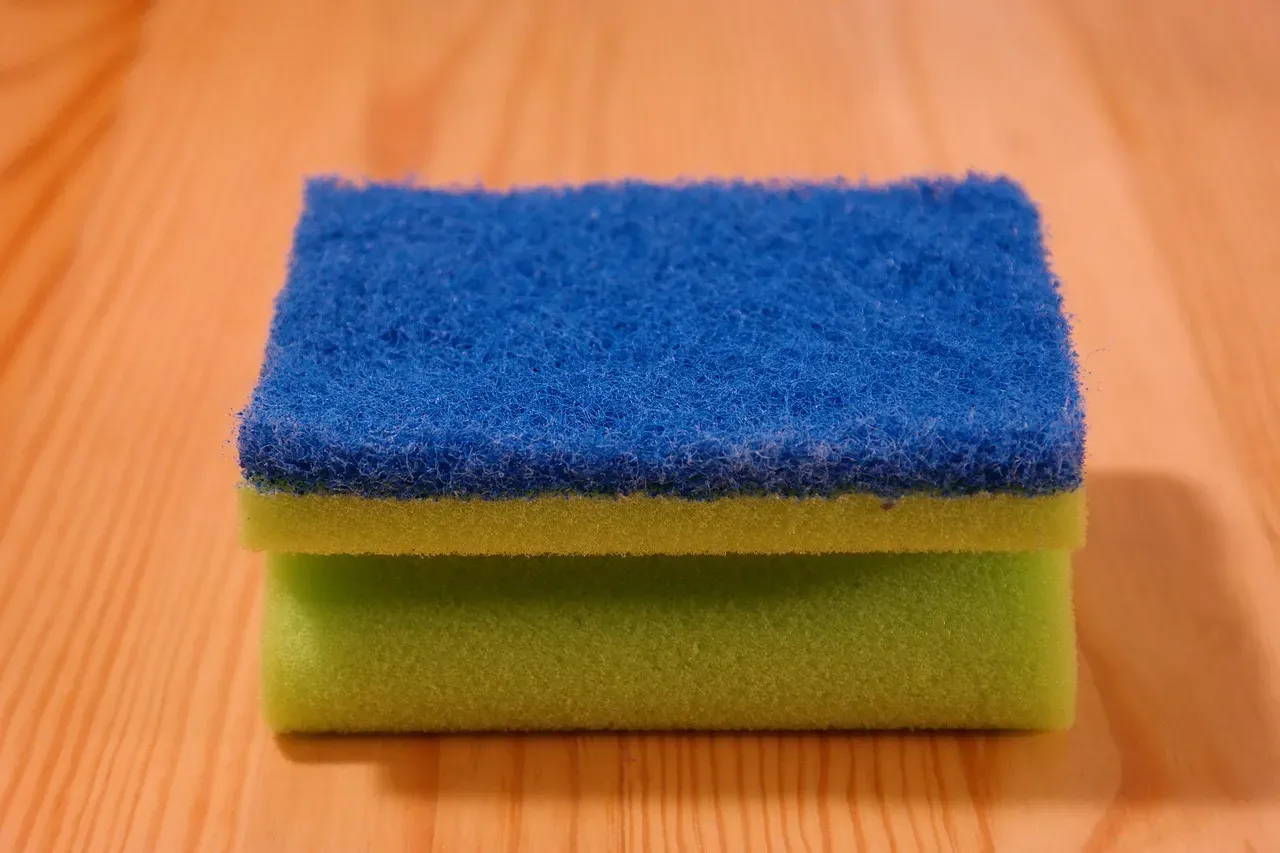
Kitchen sponges are the perfect place for bacteria to live and grow because the sponges have tiny holes that hold water, food bits and food juices that are needed for bacteria to survive. Researchers have described the internal architecture of a sponge in a particularly vivid way. One researcher described the kitchen sponge as "tiny rooms within rooms," where there are plenty of extra places for bacteria to attach (Dr. Lingchong You, Duke University), making sponges the perfect "apartment complex" for bacteria, where they have their own free delivery of food and water from the spills we wipe up.
Sponges retain moisture for extended periods, providing the water bacteria need to survive and multiply. Even when a sponge feels "dry," it typically retains 15–30% moisture content - enough to support bacterial growth. Add to that the constant influx of organic matter from food scraps, and the situation compounds rapidly. Trond Møretrø, a microbiologist at Nofima, a leading food research institute in Tromsø, Norway, said that sponges are a haven for bacteria because they sit at room temperature, never dry out, and are covered in food residue.
The Specific Pathogens Living in Your Sponge
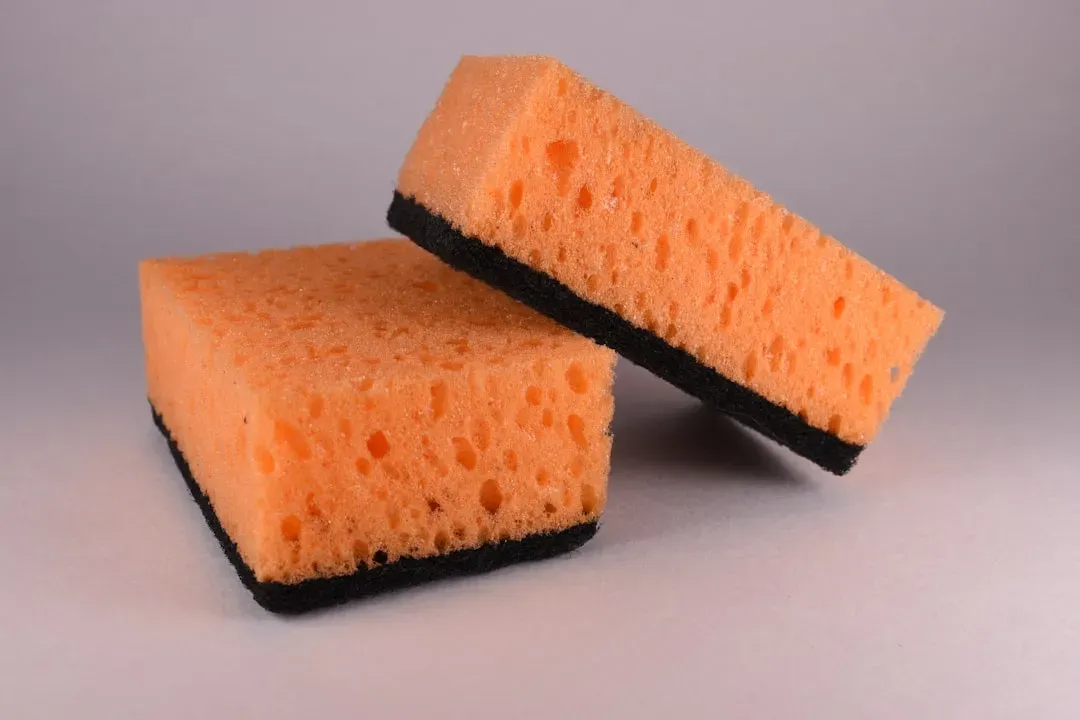
A comprehensive study published in Scientific Reports identified 362 different species of bacteria in kitchen sponges. Not all of those species are harmless background organisms. Scientists have discovered several pathogenic bacteria found in sponges like E. coli, Salmonella, and Staphylococcus aureus. These are exactly the kinds of microorganisms associated with foodborne illness outbreaks, not obscure lab curiosities.
Bacterial pathogens, including Salmonella species, are commonly detected in used dish sponges and have been observed to survive within them for up to 10 days. Research also found a particularly stubborn organism lurking even in sponges that had been sanitized. Markus Egert, a microbiologist at the University of Furtwangen in Germany, discovered that even sponges that had been sanitized and microwaved still contained a bacteria called Moraxella osloensis, which may cause harm to those with compromised immune systems.
Cleaning Your Sponge May Actually Make Things Worse
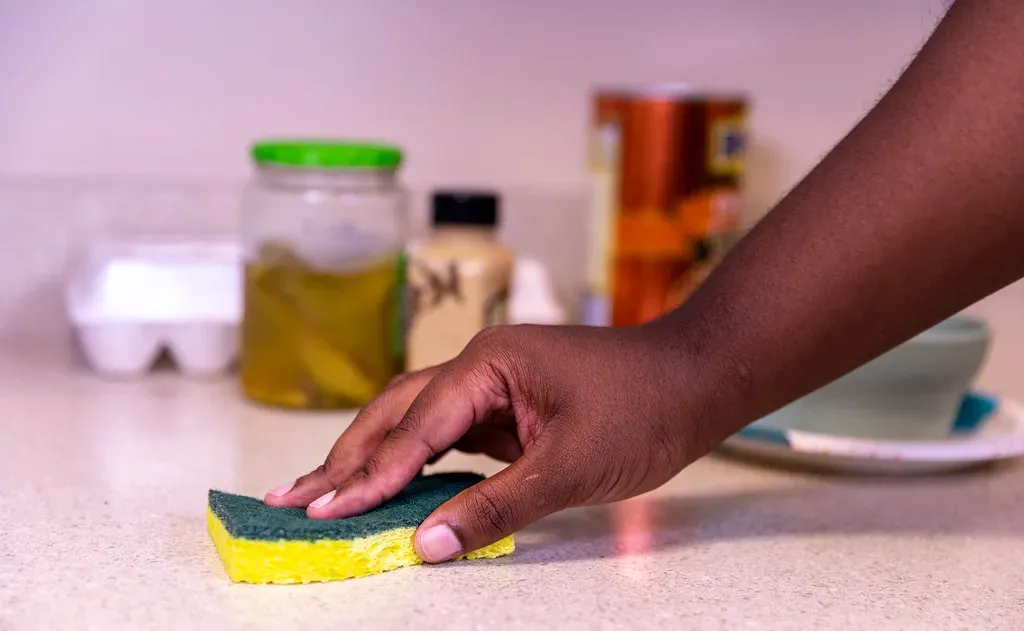
A recent study reported local cell densities of up to 54 billion cells per cubic centimeter as well as biofilm structures inside used kitchen sponges. Regularly sanitized kitchen sponges did not contain less bacteria than uncleaned ones, which is probably due to rapid recolonization of the sponge tissue by the few microorganisms surviving sanitization. The authors further suggested that regular cleaning might even select for higher proportions of potentially pathogenic and malodor-producing bacteria.
Two of the ten dominant bacterial groups, closely related to risk group 2 species Chryseobacterium hominis and Moraxella osloensis, showed significantly greater proportions in regularly sanitized sponges, thereby questioning such sanitation methods in a long-term perspective. In other words, microwaving and boiling your sponge can eliminate weaker, more harmless bacteria, but leave behind the toughest and most potentially dangerous strains. Results were contradictory, showing effectiveness in the laboratory, but not in used kitchen sponges, and no method alone seemed to be able to achieve a general bacterial reduction of more than about 60%.
Cross-Contamination: How the Sponge Spreads Bacteria Everywhere
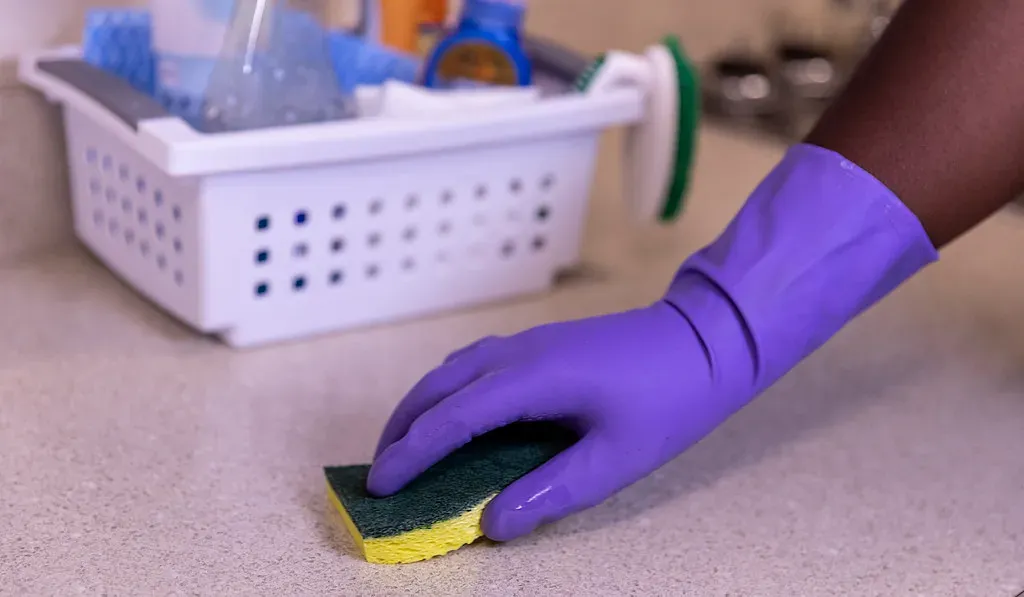
Kitchen sponges not only act as a reservoir of microorganisms, but also as disseminators over domestic surfaces, which can lead to cross-contamination of hands and food, which is considered a main cause of food-borne disease outbreaks. The problem is made considerably worse by how people actually use their sponges at home. Student responses in one study revealed that kitchen sponges used to clean food contact surfaces were also used to clean the oven (32%), sink (26%), refrigerator (10%), and to clean spills on the floor (4%).
Contamination of dish sponges and cloths with S. aureus is significantly associated with the same type of contamination on kitchen counters, sinks, refrigerator shelves and refrigerator handles within the same kitchen. Consequently, contaminated dish sponges may also serve as vehicles for cross-contamination of food and other kitchen surfaces. A 2024 study published in Environmental Microbiology Reports by researchers at the University of Texas underscored this risk directly. In that study, dish sponges were observed to harbour viable bacterial foodborne pathogens and therefore the use of sponges may present a direct exposure risk to these pathogens.
What to Do Instead: Practical, Evidence-Based Alternatives
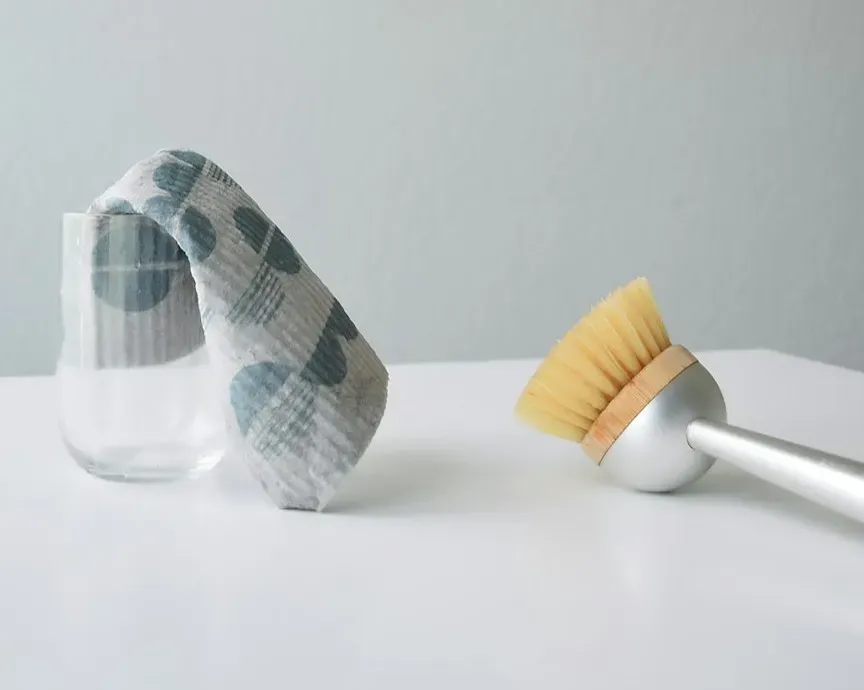
According to Møretrø, it's much better to use a kitchen brush to clean your dishes than a kitchen sponge. His January 2021 study, published in the International Journal of Food Microbiology, found that kitchen brushes tended to dry out sooner and "are more hygienic than sponges." The mechanism behind this is straightforward. Møretrø added bacteria to both sponges and brushes and found that the bacteria died more rapidly on kitchen brushes than they did on sponges, largely because kitchen brushes dry faster at room temperature than sponges do.
Research findings on the hygiene of food cleaning utensils demonstrate that sponges have the highest microbial load compared to all other cleaning utensils, brushes are less contaminated and more hygienic than sponges, thus safer for cleaning cutlery and kitchen utensils, and kitchen dishcloths and hand towels positively contribute to cross-contamination since they are frequently used for multiple purposes at the same time. For those unwilling to part with their sponge entirely, experts agree that replacement must happen far more often than most people think. The study in Scientific Reports recommends replacing your kitchen sponge at least once a week to maintain a reasonable level of hygiene. If you do continue using sponges, one European study found that over 70% of consumers do not change their dish sponges until after 3 days of use or more - a habit that the science firmly does not support.




Leave a Reply