
It seemed like a brilliant idea at first. Restaurants trimming costs, cutting printing waste, and modernizing the entire dining experience with just a tiny square code. No mess. No laminated sticky menus. No problem. Except, well, it turned out to be a very big problem indeed.
The pushback has grown so loud that it's hard to ignore anymore. What started as a boomer complaint has quietly, steadily become a cross-generational chorus of frustration. The trend in question? QR code menus, hidden service charges, deafening dining rooms, and a restaurant culture that increasingly feels designed for the phone camera rather than the plate. Let's dive in.
The QR Code Menu Backlash Nobody Saw Coming
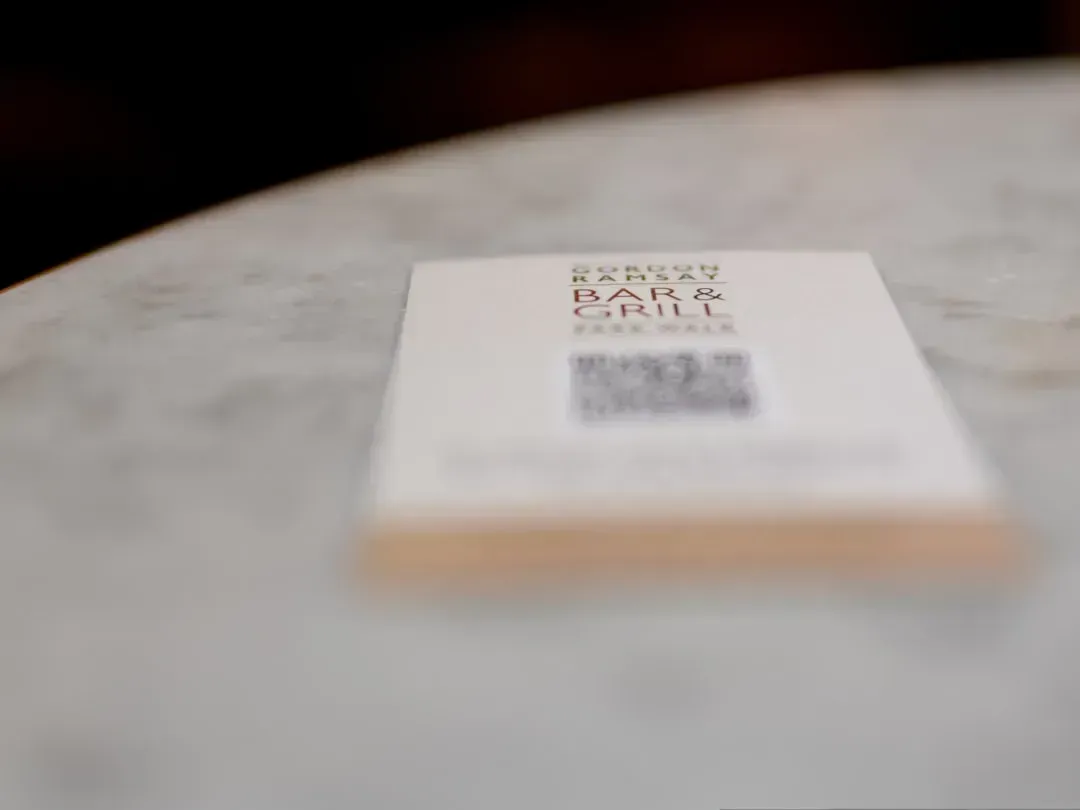
Here's the thing - QR codes made perfect sense during a pandemic. Nobody wanted to touch a shared menu in 2020. It was smart, fast, and honestly kind of necessary. But the emergency ended. The QR codes did not.
During the COVID-19 pandemic, QR code menus rose in popularity because they reduced the need to handle physical menus that could spread germs. It was a brilliant innovation for the time. But, by and large, customers came to hate them.
By 2024, the rejection was overwhelming: roughly nine in ten diners prefer print menus over QR codes, up from about three quarters the year before. The dislike is growing across every generation, with nearly all Baby Boomers increasing their paper menu preference in 2024 versus 2023, and a striking nine in ten Gen Z diners preferring paper over QR codes as well, up sharply from the year prior.
A recent survey found that only about a third of consumers felt positively about viewing menus with QR codes at restaurants. That is a stunning number for a technology that restaurants still widely defend. Honestly, at this point, the data is impossible to spin.
It Is Not Just a Boomer Complaint Anymore
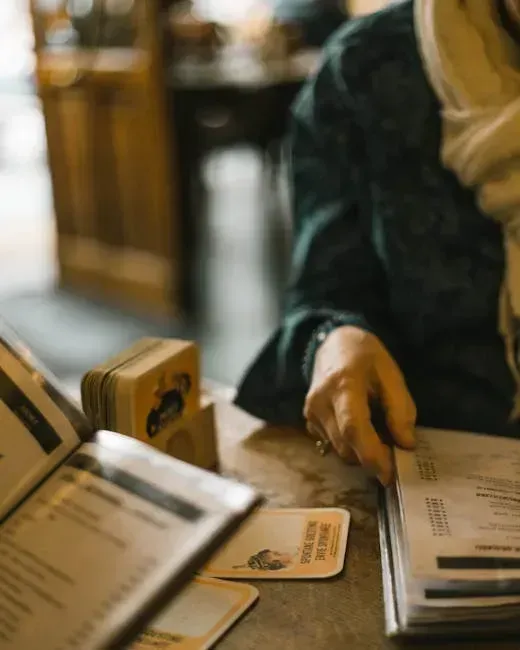
For a while, dismissing QR code frustration as an "old person problem" was easy. But the numbers have made that argument look pretty hollow. Gen Z, the generation that essentially grew up with a smartphone in their hands, is increasingly turning against the digital menu too.
In 2024, even tech-savvy Gen Z showed a strong preference for tangible menus, with around nine in ten favoring print, up from roughly seven in ten the prior year. Older generations are overwhelmingly pro-paper as well, with nearly all Boomers expressing that preference.
The number one gripe among diners is that they simply do not want to pull out their phone the moment they sit down at a restaurant. Roughly two thirds agreed with that statement, and half said QR codes actually lessen the entire dining experience. That is not a fringe opinion. That is a majority talking.
The novelty of QR code menus has given way to a desire for the familiar ease of a printed menu in hand, requiring no Wi-Fi or phone juggling. Some restaurants that introduced digital-only menus have actually reverted to physical ones or taken a hybrid approach in response.
Hidden Service Charges: The Bill Nobody Asked For
If QR codes are the visible annoyance, hidden service fees are the silent ambush. You sit down, enjoy a lovely dinner, feel reasonably good about the price you expected to pay, and then the check arrives with a mysterious line item labeled "kitchen appreciation" or "wellness surcharge." Surprise.
A WalletHub survey conducted in 2024 found that an overwhelming majority of Americans, roughly four out of five, believe automatic service charges should be banned, and nearly half said they tip out of social pressure rather than service quality.
Surcharges covering everything from credit card processing to gratuities to inflation have become more popular on restaurant checks in recent years. According to the National Restaurant Association, roughly one in seven restaurant owners added surcharges or fees to checks because of higher costs. In a recent quarter, the share of restaurant transactions processed by Square that included a service fee more than doubled compared to the beginning of 2022.
Research from TouchBistro found that more than half of Boomer respondents are deterred by service charges specifically, and that restaurants can retain these diners by offering transparent pricing and value-based offerings. Boomers are not alone in feeling blindsided. The frustration cuts across all ages.
The Noise Problem That Is Making Diners Leave Early
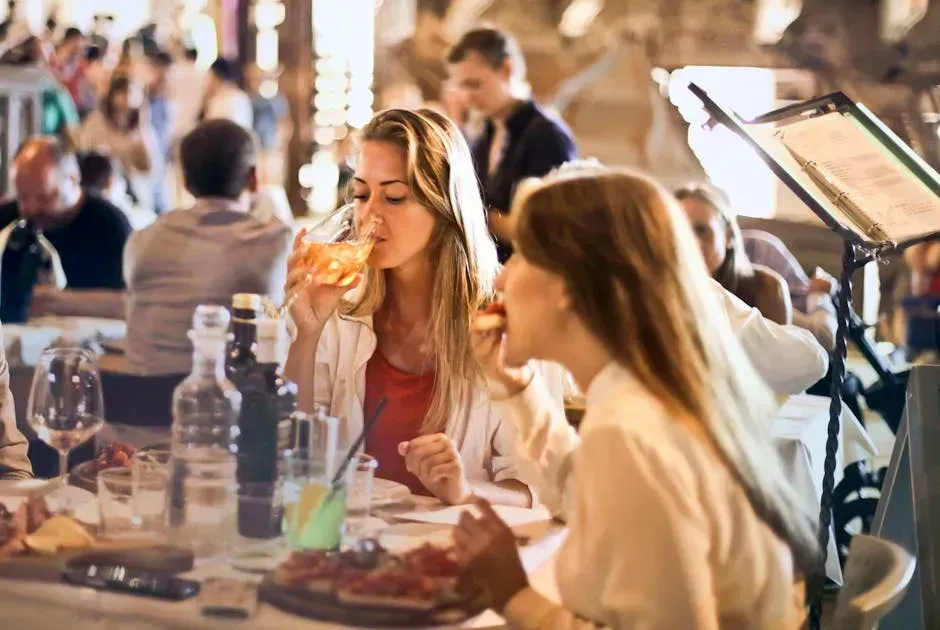
Let's be real: some restaurants today feel less like a place to have dinner and more like standing inside a running blender. The industrial aesthetic trend, with its exposed ceilings, concrete floors, and open kitchens, looks great in photos. In person, it is often unbearable.
By most accounts, the restaurant noise boom began in the 1990s when owners seeking a more modern, industrial aesthetic ditched sound-absorbing materials in favor of hard surfaces and exposed ceilings. They also craved a higher-energy feel, placing open kitchens into dining areas and cranking up the music. By the early 2000s, noise had shot to the top complaint among diners, according to Zagat's Dining Trends Survey, ahead of bad food, high prices, and poor service.
A 2018 study of more than 1,300 restaurants in New York City found that they averaged 77 decibels, roughly vacuum cleaner loud, while a quarter of these eateries blasted diners with more than 81 decibels, which falls into hearing risk territory.
Depending on the age group, several individuals may recall the noisy environment more than the food. This is especially problematic for patrons aged 60 and older suffering from hearing loss, as background noise directly interferes with the comprehension of conversations. For Boomers, this is not just annoying. It is genuinely a barrier to going out at all.
The Rise of the Phone-First, Guest-Second Restaurant Experience
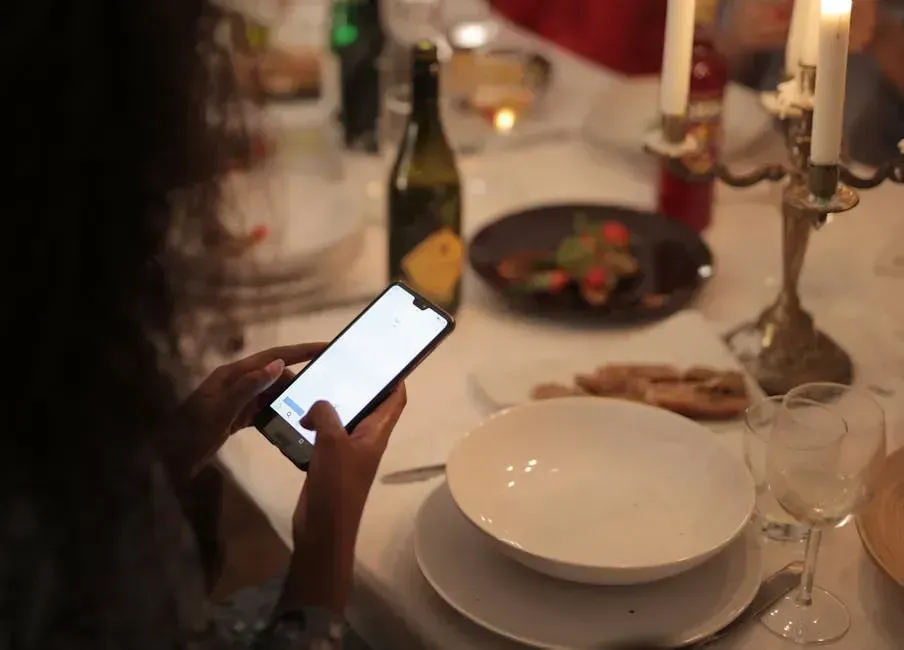
Walk into many trendy restaurants today and you might notice something interesting: the lighting is perfect for an Instagram shot, the plating is architectural, and the server seems almost surprised that you would want to talk to them before opening an app. The restaurant has been engineered for content, not comfort.
According to a Statista September 2024 report, an overwhelming majority of Gen Z respondents, about seven in ten, identify TikTok as their most valuable platform for food recommendations. That has reshaped how restaurants design their spaces and market their dishes. The visual takes priority.
While Gen Zers typically find new restaurants through social media, Millennials still rely on Google and Yelp for reviews, usually looking at ratings rather than just aesthetics. Boomers, meanwhile, largely respond to word of mouth and posts featuring the actual food and drinks rather than curated lifestyle imagery.
I think there is something quietly sad about a dining room designed to look lived-in and warm but acoustically optimized for zero actual conversation. The irony is thick.
What Boomers Actually Want - And Why It Matters Financially
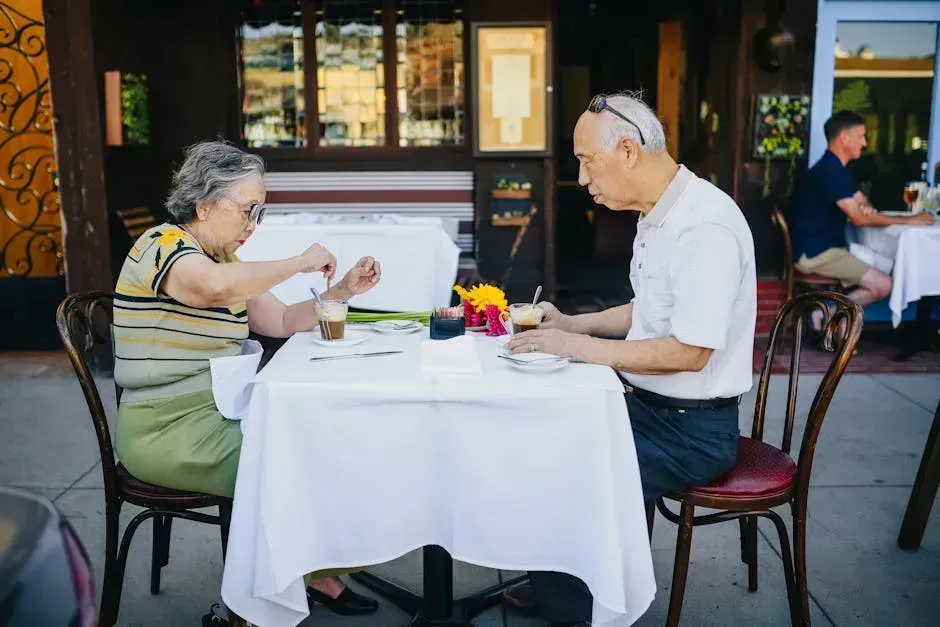
Dismissing Boomer preferences as outdated misses something economically significant. This generation still drives enormous spending in the restaurant industry, and their patience with bad trends is thinning fast.
Gen X and Baby Boomers showed the sharpest pullback in dining and food delivery spending in recent data. Low and middle-income households in these groups cut back most across quick-service, sit-down, and delivery categories, signaling that these consumers are most acutely affected by today's economic pressures.
Despite generally spending less than other generations when dining out, Boomers are a generous generation who tip more than the average diner. However, they have a low tolerance for errors, which means operators who want to retain them should focus on exceptional service and order accuracy.
Meanwhile, 16 popular chain restaurants increased their prices by an average of 42% between 2020 and 2025, according to a Finance Buzz study. When you combine that kind of price inflation with hidden fees, QR code frustration, and ear-splitting noise levels, it is no wonder this generation is increasingly choosing to stay home.
The Shift Back to Basics More Diners Are Demanding
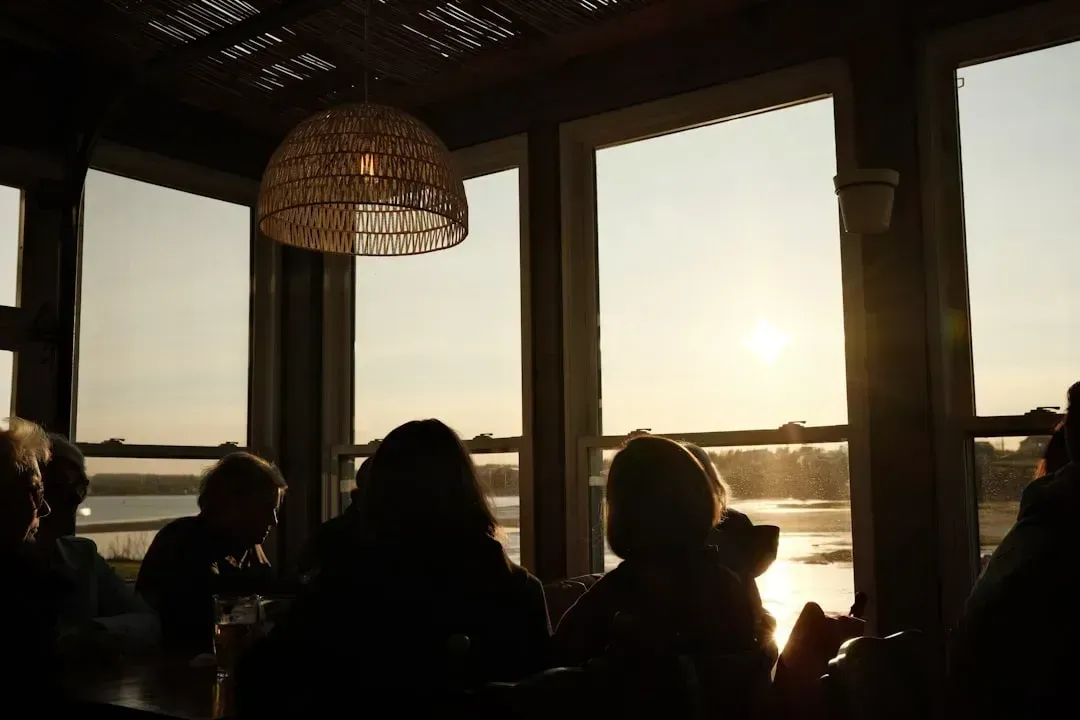
Something interesting is happening beneath all the frustration. Diners across generations are quietly signaling that they want less technology, more warmth, and a meal that actually feels like a meal. The data backs this up in ways that should make restaurant operators pay attention.
Americans love dining out as well as the convenience of takeout, but surveys show a noticeable shift in preference toward eating at restaurants. In a 2024 national survey by US Foods, more than half of consumers said they prefer dining out at restaurants rather than ordering takeout or delivery, a sharp increase from just two years prior.
When people do go out, most are choosing comfort over novelty. Nearly seven in ten diners favor casual sit-down spots, including family restaurants, local chains, or neighborhood places that feel predictable in the best way.
Across research studies, QR code menus have been found to reduce customer loyalty by increasing perceptions of inconvenience. The industry may love the efficiency. The actual guests, increasingly, do not. Paper menus, transparent pricing, and a room quiet enough to hold a conversation are not nostalgic luxuries. They are just good hospitality.
What does this all point to? A dining culture that overcorrected toward tech and efficiency, and is now quietly being pulled back by the very people it forgot to ask. The restaurants thriving in 2026 are the ones that figured out the simplest truth: people go out to eat because they want to feel good, not because they want to work for their meal. Did you expect the most powerful dining trend of the moment to simply be asking for a physical menu?
Leave a Reply