
Something is quietly fracturing the American dining experience, and it starts the moment you sit down and a server hands you nothing - just a small laminated card with a printed QR code. No menu, no warmth, no tactile ritual of flipping through the pages. This is the trend that has drawn the loudest and most sustained complaints from baby boomers, and it turns out their frustration is spreading fast across every generation. From hidden service charges to deafening dining rooms, a collection of modern restaurant habits is turning loyal customers into reluctant ones. The numbers back it up, and the pushback is getting harder to ignore.
The QR Code Menu Revolt
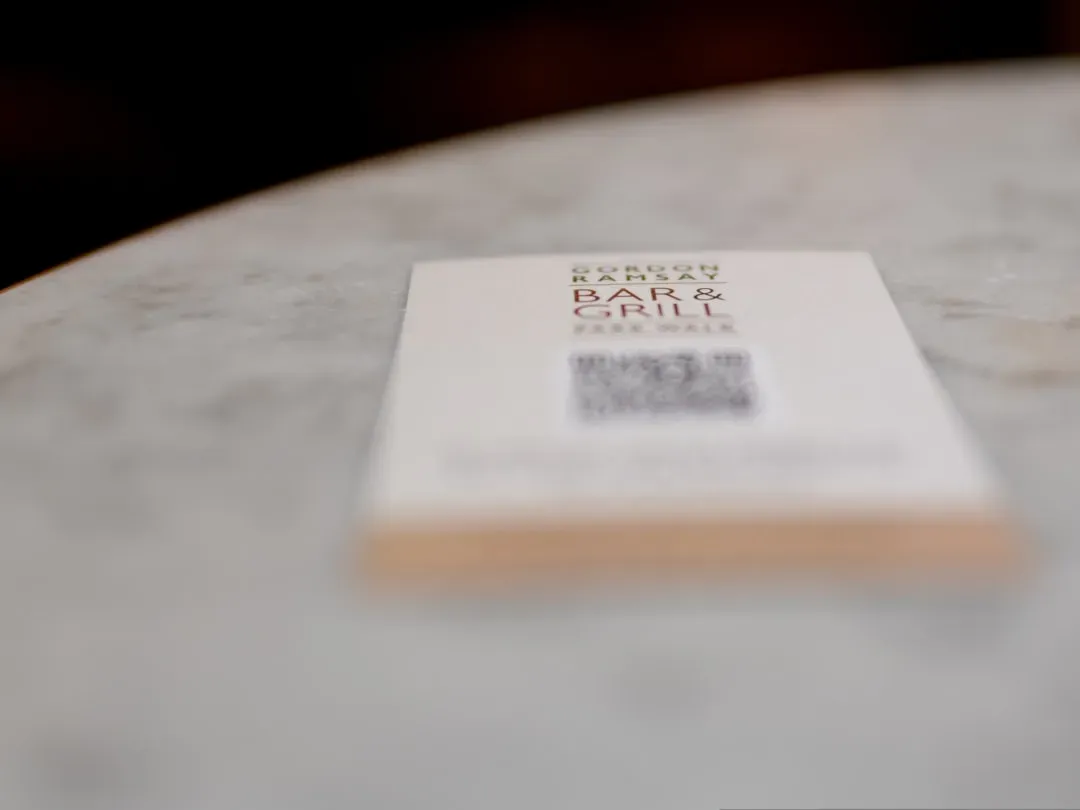
During the COVID-19 pandemic, as the restaurant industry struggled to stay afloat under social distancing guidelines, QR code menus rose in popularity because they reduced the need to handle physical menus that could spread germs. What felt like a sensible emergency measure stuck around long after the emergency ended. Only 31% of consumers felt positively about viewing menus with QR codes at restaurants, according to "Digital Divide: Technology, Customer Service and Innovation in the Restaurant Industry," a PYMNTS Intelligence and Paytronix collaboration. That is a striking number for something restaurants have continued to double down on.
In a survey of 1,000 people by Technomic, the vast majority - 88% - said they prefer paper menus over the digital ones that have become common at sit-down places. Consumers' dislike for the codes spans generations - even tech-savvy Gen Z. Eighty-six percent of younger diners said they prefer paper menus. Meanwhile, almost every boomer surveyed agreed at 95%. The most QR-code-friendly group was millennials, but not by much, with 82% of them favoring physical bills of fare. The resistance, it seems, is nearly universal.
Why Boomers Are Pushing Back the Hardest
Among those most uncomfortable using this technology are consumers over the age of 60, with 65% saying they weren't comfortable viewing menus and ordering at restaurants in this manner. For a generation that grew up with attentive table service and printed menus as a cornerstone of dining out, the shift feels like a loss of something fundamental. Some people don't know how to scan a QR code with their phone, or have models that lack that capability. More to the point, 62% of all QR scans are from customers aged 18 to 34.
Boomers are the least comfortable generation with technology and are the most skeptical of the use of AI, which shows that operators are better off leaving the technology to drive back-of-house operational efficiencies and focusing on the human connection. In 2024, even tech-savvy Gen Z showed a strong preference for tangible menus, around 90% favoring print, up from 69% the prior year. Older generations are overwhelmingly pro-paper as well, at 95% of boomers, up from 86%. The trend toward paper is actually strengthening, not weakening, over time.
The Hidden Cost Problem - Service Charges and Junk Fees
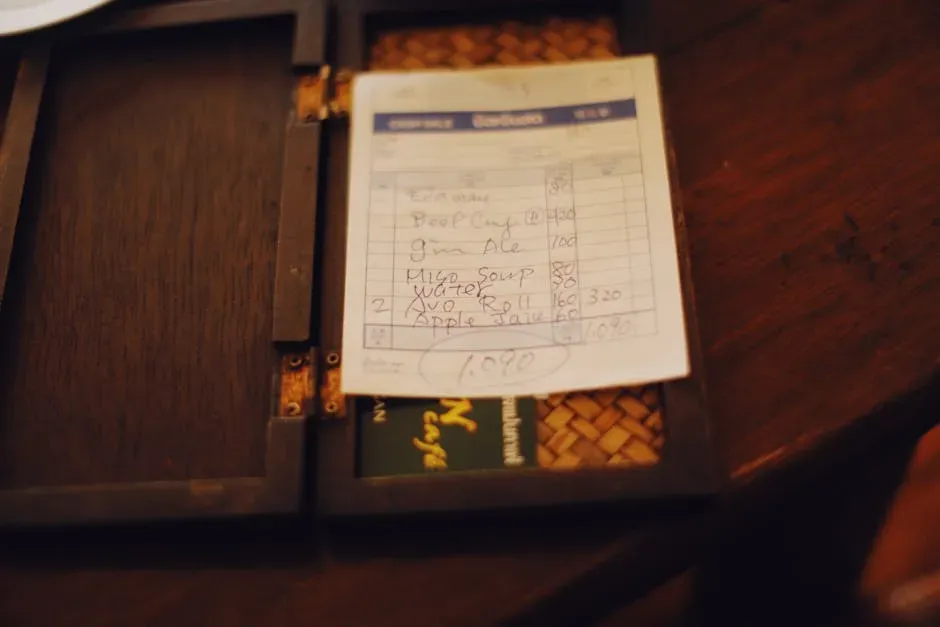
A WalletHub survey conducted in 2024 found that 83% of Americans believe automatic service charges should be banned, and nearly half said they tip out of social pressure rather than service quality. Restaurants have been adding these fees steadily, often framing them as necessary responses to rising labor costs. Square reported in mid-2024 that nearly 4% of restaurant transactions in the U.S. included service fees, up from just over 1% two years prior. That may sound small, but the trajectory is steep and the customer reaction is fierce.
Baby boomers are price sensitive compared to other generations, and 53% of boomer respondents are deterred by service charges. What customers don't accept is feeling blindsided. When fees aren't communicated upfront, even reasonable charges can feel sneaky, unfair, or hostile. In 2024, California introduced Senate Bill 478, often referred to as the "junk fee ban," designed to eliminate hidden fees across various industries including restaurants, by requiring that any mandatory fees be included in the advertised prices - with the goal of ensuring consumers were not surprised by additional charges when the bill arrived.
Ear-Splitting Noise Levels Driving Diners Away

Noise was the most cited complaint in Zagat's last Dining Trends Survey, and it continues to dominate the conversation in online restaurant reviews. Walk into many popular restaurants on a Friday evening and carrying on a conversation becomes an exhausting exercise in shouting. In a 1993 study of restaurant noise commissioned by the federal government, sound levels peaked at 68 decibels, within the range of normal conversation. But a 2018 study of more than 1,300 restaurants in New York City found that they averaged 77 decibels, while a quarter of these eateries blasted diners with more than 81 decibels, which is in hearing-risk territory.
Owners started favoring modernist or industrial looks. Out with carpeting, upholstery, and drapes that were great sound absorbers but deemed stuffy. In with high ceilings, bare floors, and walls and furniture made of hard, sound-reflective materials like concrete, tile, metal, plaster, and glass, which send noise careening around the space. A 2024 study found that the frequency of noise complaints from diners started ramping up around 70 decibels, and online reviews citing loudness were one star lower, on average. For boomers, many of whom contend with age-related hearing loss, these environments are not just uncomfortable - they are genuinely inaccessible.
An Increasing Intergenerational Backlash
Despite potential benefits for restaurant operators, the nuanced effects of QR code menus on customer behavior and experience remain relatively unknown. Research investigating the influence of menu presentation on customer loyalty found that QR code menus diminish customer loyalty compared to traditional menus due to perceived inconvenience. The loyalty loss is not confined to one age group. Across two studies, the findings showed that QR code menus reduced customer loyalty by increasing perceptions of inconvenience, with this effect being stronger among customers with a high need for interaction.
Gen X and baby boomers showed the sharpest pullback in dining and food delivery spending, with low- and middle-income households in these groups cutting back most across quick-service, sit-down, and delivery categories. Restaurant and takeout costs climbed faster than grocery prices, which started to level off after sharp increases in 2022. According to the U.S. Consumer Price Index, "food away from home" rose about 6% from January 2024 to September 2025, while "food at home" rose only around 3% over the same period. When the experience feels impersonal and the bill feels inflated with surprise charges, it is little wonder that older diners are pulling back.
The Future of Dining Out and Finding the Right Balance
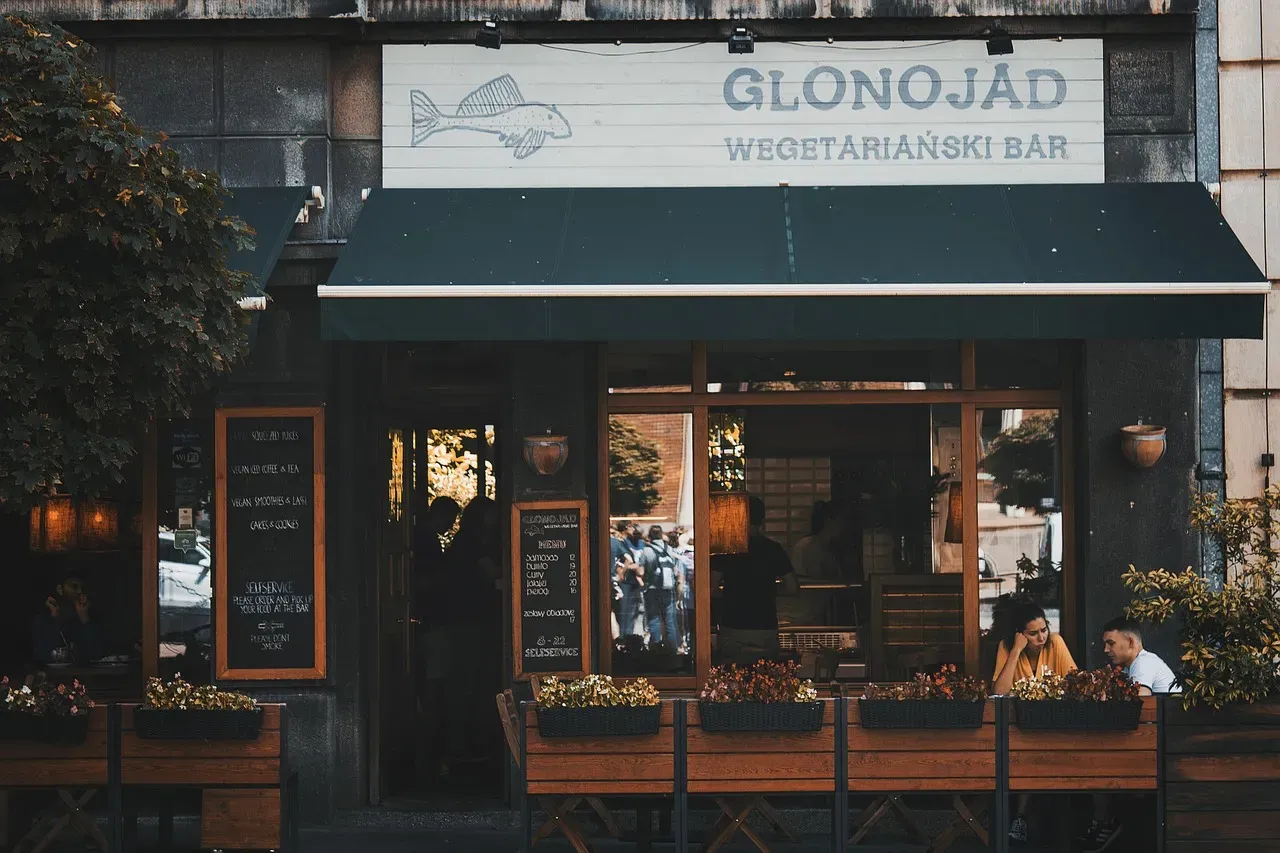
In response to customer complaints, many sit-down eateries are ditching QR codes and reintroducing paper menus. Some establishments stopped using QR codes on menus altogether. Others have adopted a hybrid approach, catering to the preferences of different customers by discontinuing QR code offerings at one location while maintaining them at another, or by offering both printed menus and QR codes and allowing customers to choose their preferred method of ordering. The hybrid model appears to be the most sensible path forward for operators who want to retain efficiency without alienating their customer base.
A study showed that while QR codes provide benefits such as cost savings, operational efficiency, and contactless hygiene, they are often perceived as inconvenient due to the extra time, effort, and disruption they require, especially for customers who value social interaction during dining. Across two studies, the findings showed that QR code menus reduced customer loyalty, with this effect being stronger among customers with a high need for interaction. The study highlighted the tension between technological efficiency and customer experience, suggesting that restaurants should balance digital and traditional options to retain loyalty while reaping the benefits of digitalization. One restaurant group experienced a 10% decrease in check averages when using QR code menus, as diners often failed to scroll through all the offerings. The evidence is mounting that convenience for the operator does not always translate to a better experience for the guest - and the guest, ultimately, holds the power to walk out the door.



Leave a Reply