
Every city has that one neighborhood people talk about. The one that was "sketchy" five years ago and is now plastered all over Instagram travel guides. The one where rents doubled quietly before anyone noticed. Most people only recognize the shift after it's already happened. The smart money, though, catches it early.
There are real, measurable signals that a neighborhood is on the verge of going from overlooked to "oh, you live there? I love that area." These signals aren't random. They follow patterns that researchers, urban economists, and savvy real estate investors have been tracking for years. And if you know what to look for, you can spot them before the masses do.
Whether you're a homeowner wanting to know what your block's future holds, an investor sniffing out opportunity, or just plain curious about urban change, these 12 signs are your field guide. Let's dive in.
1. The First Independent Coffee Shop Opens Up
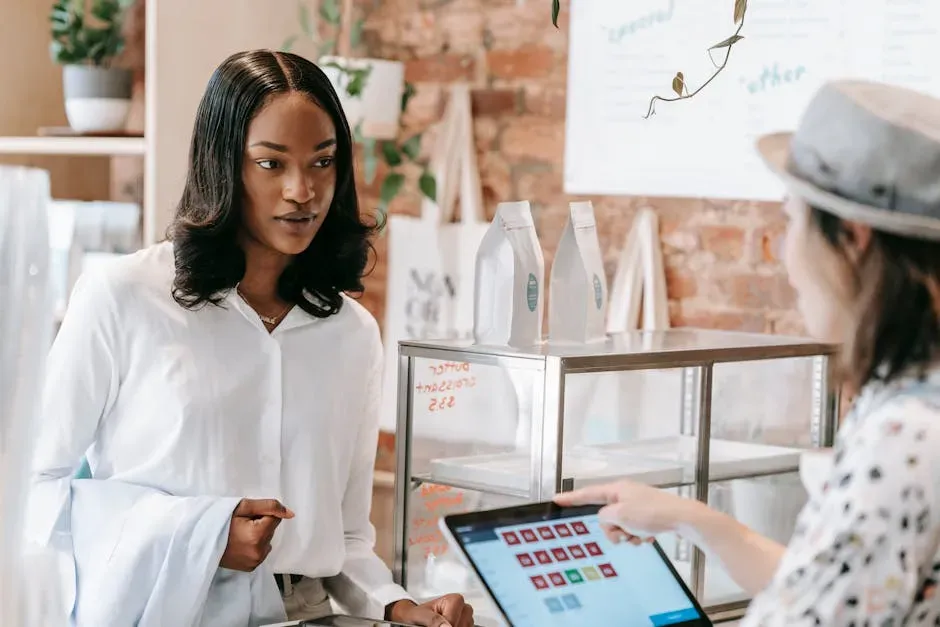
Here's the thing: it's never the Starbucks. The real tell is the small, locally owned spot with mismatched furniture and a single-origin pour-over menu. The opening of a coffee shop is a leading indicator of neighborhood change, and research has associated it with an increase in local housing prices of roughly half a percent per new establishment. That might sound small, but it adds up fast once more follow.
The key distinction is the kind of coffee shop. A locally owned, grassroots operation that directly targets the vibe and culture of the neighboring area is a strong indicator that new residents with higher incomes are beginning to move in. Think of it like an early scout. The coffee shop appears, locals with disposable income follow, and the neighborhood's trajectory quietly shifts. For investors, this tends to be only the beginning of a neighborhood's transformation.
2. New Concrete, Fresh Paint, and Curb Appeal Upgrades
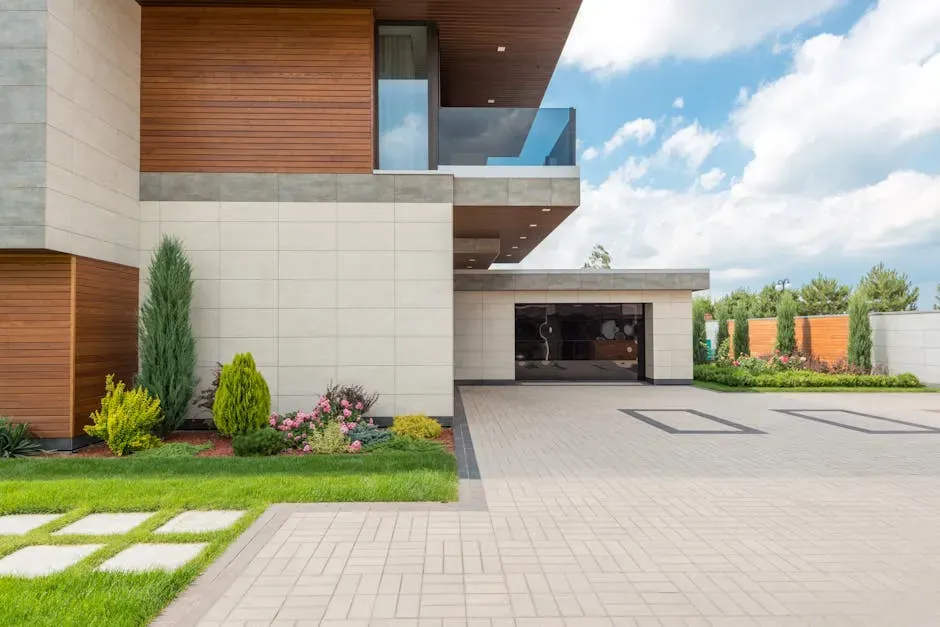
Walk down a block and notice who's pouring new concrete driveways or refreshing their front yard. It sounds almost too basic. In lower-graded areas, new concrete adds basically zero value to a property in terms of higher rents or sales price. It's purely aesthetic, and investors typically avoid it because it's expensive and doesn't directly improve cash flow. So when it appears, it's homeowners who are behind it, and that's the tell.
People don't spend money on curb appeal unless they believe their property value is going to increase. Seeing new concrete is like a flashing sign that the neighborhood is about to take off. Pair this with fresh exterior paint (often in new monochromatic tones), and you have a very reliable early-stage signal. Researchers found that "better paint on buildings and better landscaping" measurably change a neighborhood's visual score, which is itself one of the first indications of a neighborhood change.
3. Murals and Street Art Start Appearing
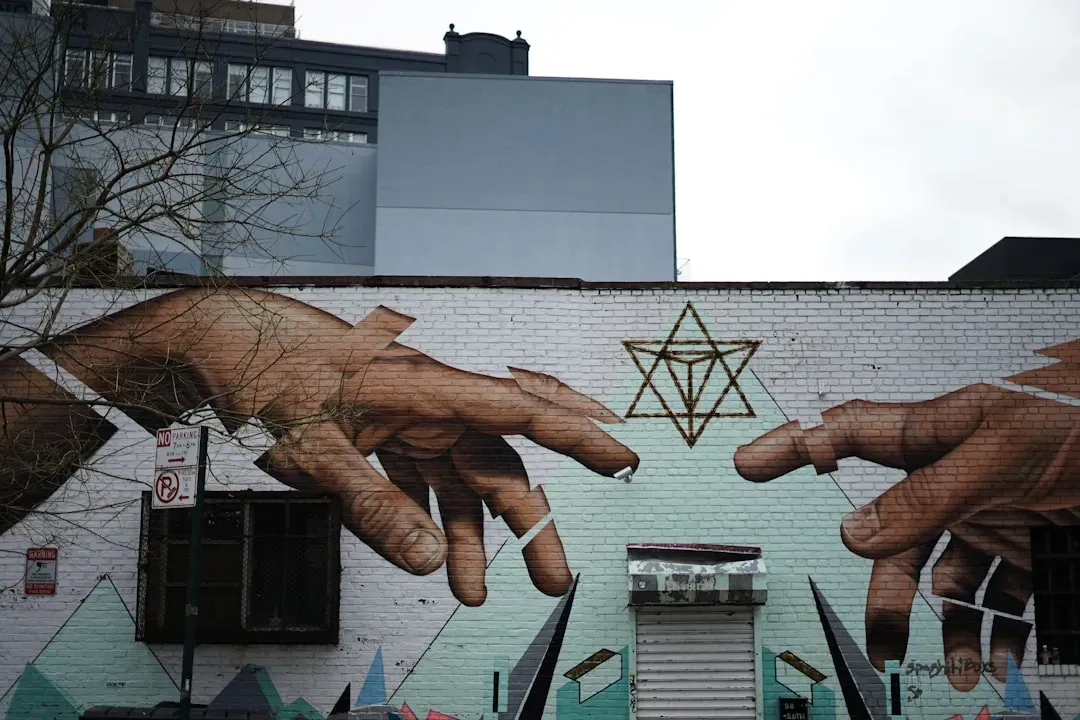
New murals on blank walls often get celebrated as community beautification. Honestly, they can be both that and something more complicated at the same time. High-income neighborhoods like Cobble Hill, Dumbo, and Williamsburg all have rent prices higher than median rent prices in Brooklyn and New York City as a whole, and these neighborhoods consistently show higher concentrations of public art, including murals and installations, compared to their more affordable counterparts.
According to the Global Urban Arts Report 2024, neighborhoods with recognized mural districts saw an average twelve percent increase in tourism-related spending, with cafes, boutique shops, and galleries thriving in these areas while property values often rise due to the perceived cultural richness. The pattern is consistent across cities. One key trend in gentrifying environments is the use of street art murals connected to government-sanctioned arts festivals, which help decorate urban neighborhoods in designated creative districts and turn everyday environments into sites of adventurous exploration.
4. Art Galleries and Creative Studios Move In
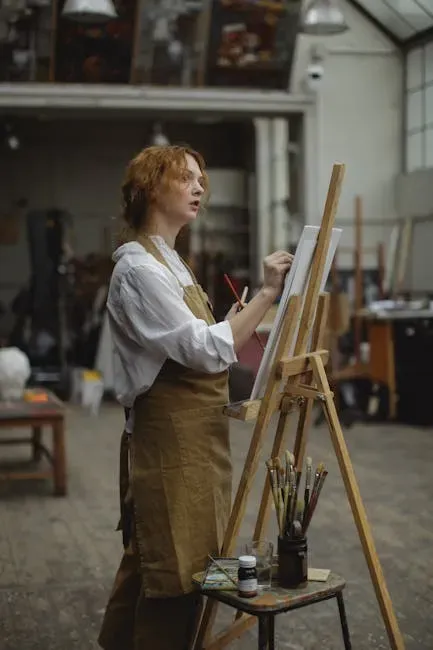
Art galleries are practically the advance scouts of neighborhood transformation. It's not a new phenomenon. Case study work demonstrates that individual artists, artistic businesses, and artistic spaces such as small galleries, theaters, music venues, and art studios function as a "colonizing arm" that helps create the initial conditions that spark gentrification. They come first because rents are cheap and the space is raw and large.
Fine arts activities like visual and performing arts companies tend to be associated with indicators of neighborhood revitalization, while commercial arts industries such as film, music, and design-based industries are strongly associated with gentrification. Commercial arts clusters are found in rapidly changing areas. So a neighborhood gaining a few indie galleries is one thing. A cluster of design studios and music production spaces? That's a more powerful signal pointing toward accelerated change ahead.
5. Rising Rents in Nearby Neighborhoods Push People Outward
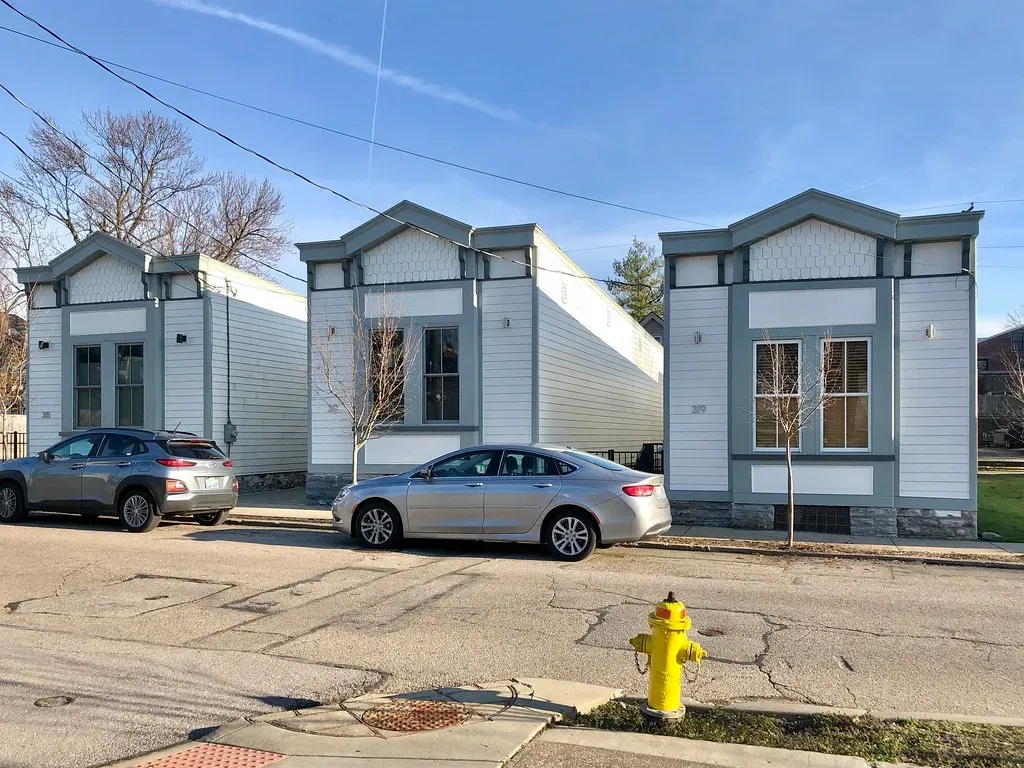
Think of it like a ripple. When a popular neighborhood becomes too expensive, renters and buyers don't just disappear. They look at the next block over, then the next neighborhood. Research from the Urban Institute reveals that high housing costs, resulting from a lack of available housing, cause affluent buyers to look for homes in low and moderate income neighborhoods, meaning cities' housing supply directly determines how fast gentrification may occur.
Gentrification is more likely when there is an undersupply of housing and rising home values in a metropolitan area. The process is typically the result of increasing attraction to an area by people with higher incomes spilling over from neighboring cities, towns, or neighborhoods. In practical terms, if the hip part of town is full and expensive, watch its edges very closely. Those adjacent pockets are almost always next. It's not guesswork. It's basic pressure mechanics applied to real estate.
6. New Construction Begins Appearing on Vacant Lots
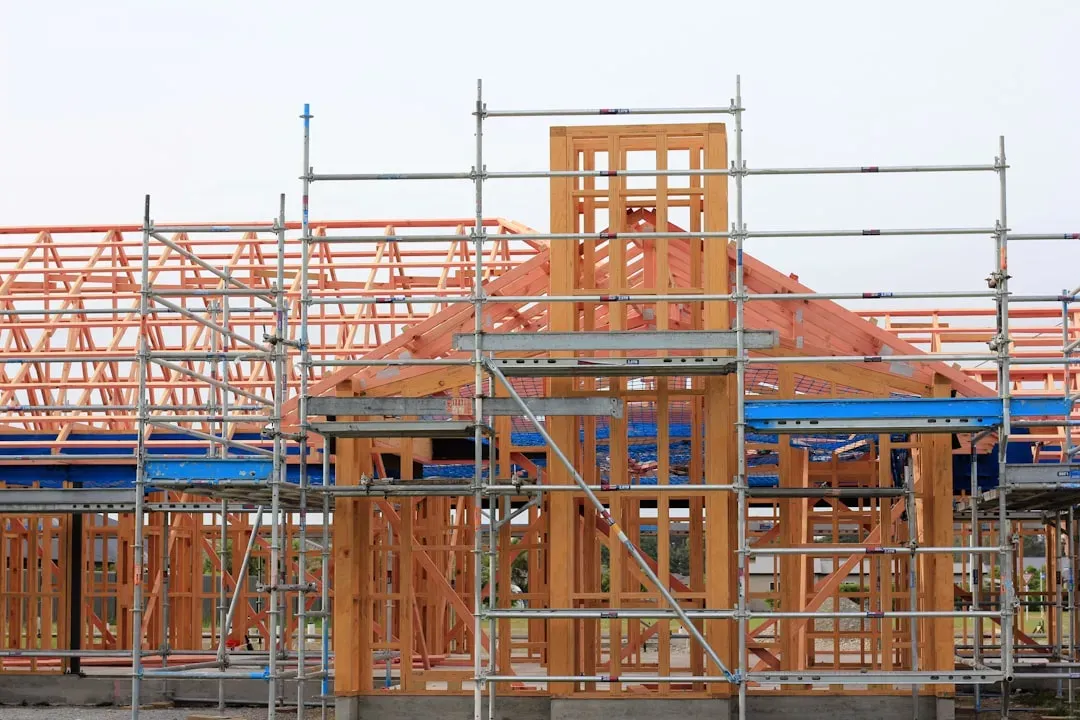
Researchers at Stanford have noted that "if there are new apartments, the neighborhood population grows very fast, and that's a change that can be quite visible." Empty lots getting developed isn't just a sign of investor confidence. It's a sign that somebody with capital has already run the numbers and believes the area is heading somewhere profitable. That decision doesn't happen casually.
Rising home prices and an influx of trendy shops are classic omens of neighborhood change, and in the modern market, developers are flipping houses at the highest rate since 2000, often churning out homes that are boxy, black and white, and minimalist. Research shows that rents in lower-tier units close to new development were notably higher than units further away, which researchers interpret as an "amenity effect" whereby new construction increases demand to live in the surrounding neighborhood, attracting new restaurants, entertainment, and other amenities.
7. Declining Crime Rates Over Multiple Consecutive Years
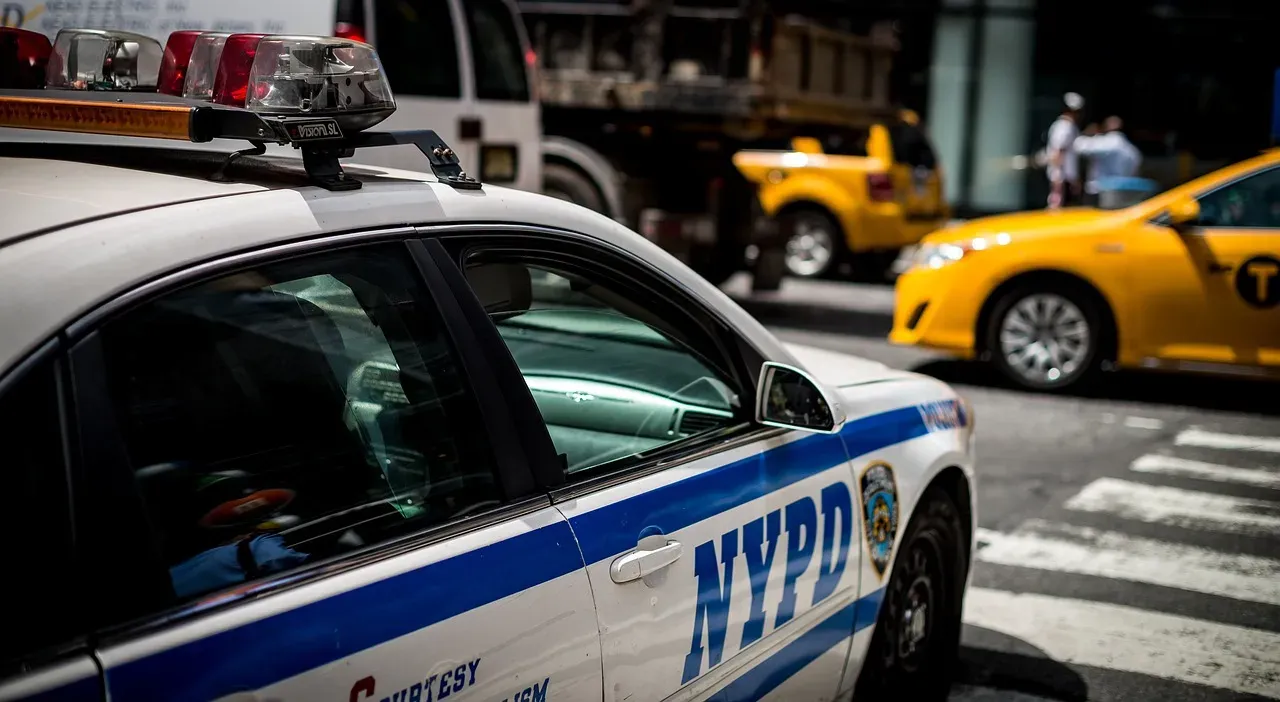
Safety is arguably the biggest invisible driver of neighborhood change. People don't often announce that they moved somewhere because crime went down, but they absolutely factor it in. One of the biggest changes in U.S. cities over the past two decades has been a steady reduction in crime rates. When crime rates decline in a neighborhood, property values tend to rise, and research shows a clear correlation between declining crime and an increase in the number of higher income and better educated residents.
The effect compounds quickly. Lower crime attracts new residents, new residents attract businesses, businesses attract more new residents. Factors that attract households to a neighborhood, including increases in amenity value and improved access, ultimately attract investors, which eventually leads to gentrification. I think this particular signal is one of the most underrated ones on this entire list, partly because it's harder to notice than a coffee shop but far more consequential in drawing in capital investment.
8. An Influx of Young, College-Educated Residents
Demographics shift quietly at first. The first groups to gentrify an area are often young, childless, well-educated adults, and with their influx, neighborhood culture changes, with amenities directed toward families increasingly being replaced by bars, retail, and nightlife that appeal to young adults. You start to notice it at the dog parks, the yoga studios, the late-night bars filling up on weeknights.
Educational gentrification, defined as lower-income neighborhoods where the percentage of residents with college degrees increases faster than the metropolitan average, often goes hand in hand with occupational gentrification, where professional employment rises above metro norms. Real data from New York City shows that the share of residents with bachelor's degrees in certain transitioning neighborhoods has grown from roughly eleven percent to eighteen percent over a single decade. That's not a subtle drift. That's a meaningful demographic reorganization happening in plain sight.
9. New Parks, Green Spaces, and Infrastructure Investment
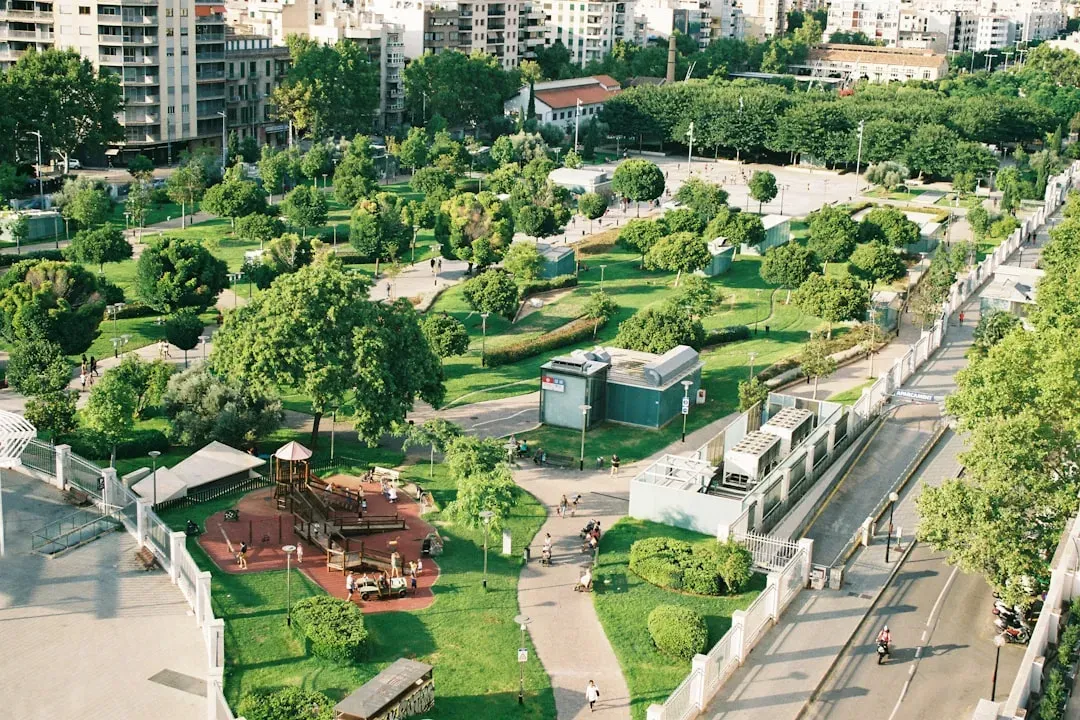
Nothing says "a neighborhood is being repositioned" quite like a city suddenly caring about its parks. This isn't a cynical take. It's documented urban policy reality. New York City's High Line is a textbook example: a decrepit elevated railroad was converted into a landscaped park, the city upzoned the area, development took off, and the phenomenon was eventually dubbed the "High Line effect," with critics noting that "our new parks are Trojan horses for gentrification."
Poor neighborhoods often have worse pollution and less green space than other areas, but when these environmental problems are addressed, property values rise. Research shows that neighborhoods experiencing gentrification saw roughly an eight percent increase in public infrastructure investments, including parks and transit, over the course of ten years. New bike lanes, repaved sidewalks, and shiny new benches are not just aesthetic upgrades. They are financial signals embedded in concrete and asphalt.
10. Improved Transit Access or New Transit Lines Nearby
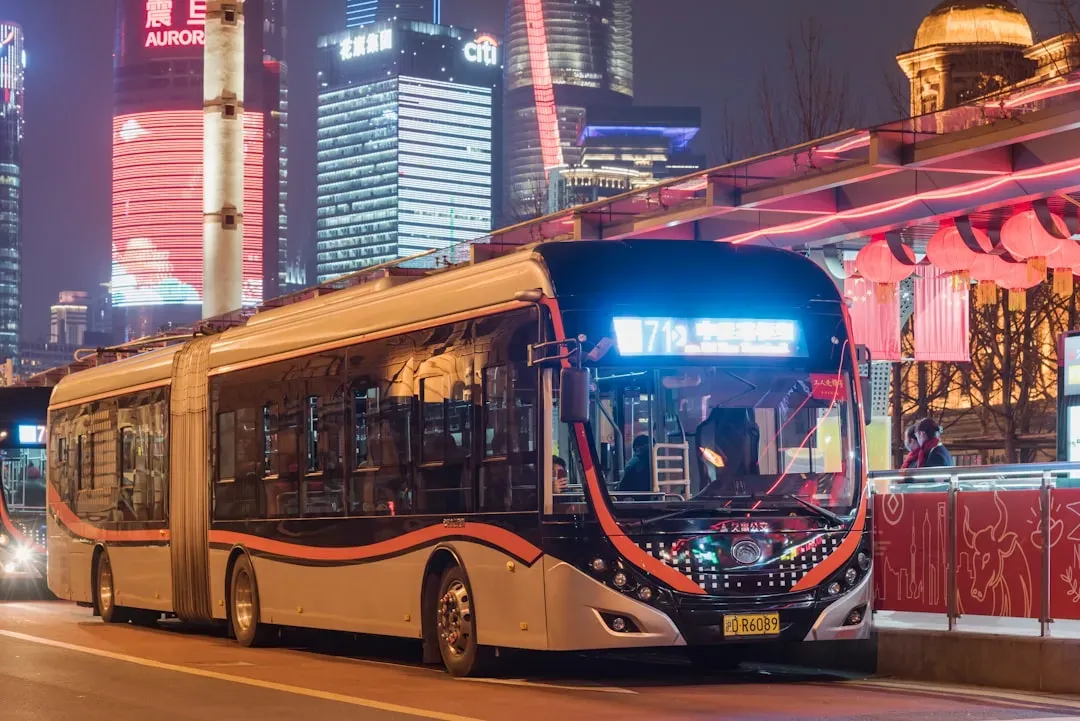
Few things inflate neighborhood desirability faster than a new subway stop or an improved bus rapid transit corridor. It's hard to say for sure how much any single transit addition is worth, but the general pattern is well established. Improved transit is frequently cited as driving up rents and property values and attracting gentrifiers, as developers race to erect apartment buildings and condominiums catering mainly to young professionals in neighborhoods adjacent to established or newly planned transit hubs, leaving longtime residents increasingly priced out of their own communities.
Connectivity is everything in urban real estate. Public transportation usage increased by roughly eighteen percent in gentrified districts, facilitating new commuting patterns and accessibility. Think about it this way: a neighborhood that was previously inconvenient suddenly becomes a practical choice for anyone working downtown. That single change in commute viability can unlock years of pent-up demand almost overnight. Watch transit maps as closely as you watch listing prices.
11. Independent Boutiques and Specialty Retailers Replace Vacant Storefronts
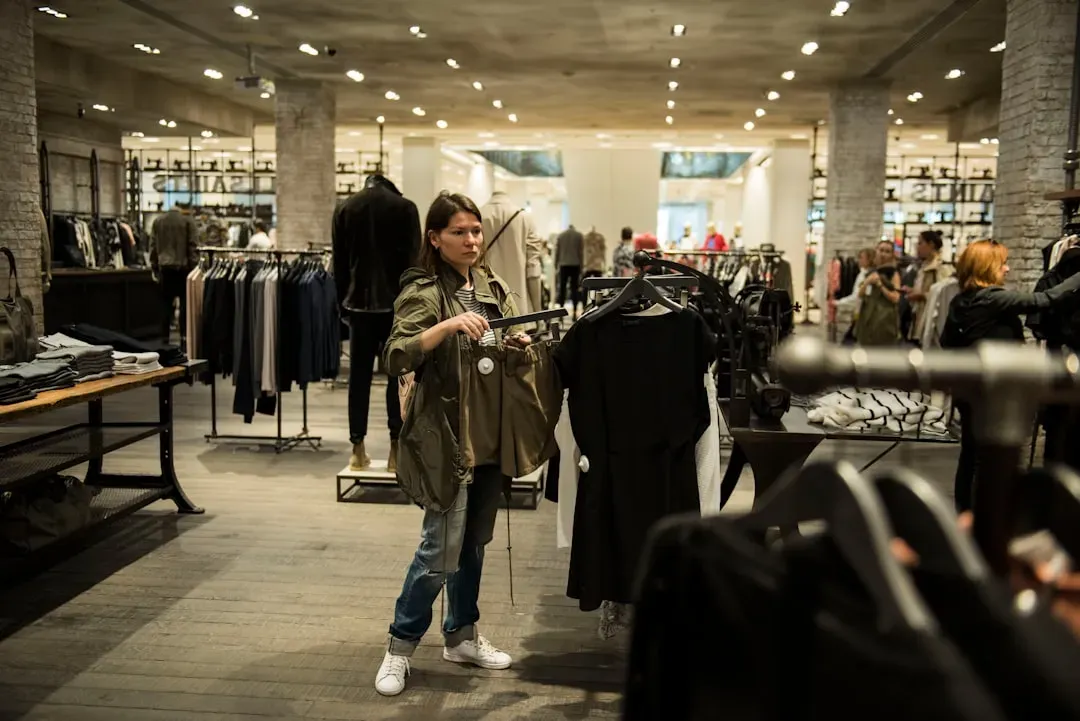
There is a specific moment in a neighborhood's evolution when the boarded-up storefronts start getting leases again. First it's the scrappy independent bookstore, then the plant shop, then the natural wine bar. Researchers studying several cities found that florists, grocery stores, and bars all tend to go hand in hand with gentrification as businesses track incoming demographics. These aren't random arrivals. Business owners do their research.
Stereotypical gentrifiers share consumer preferences and favor a largely consumerist culture, which fuels the rapid expansion of trendy restaurants, shopping, and entertainment that often accompany the gentrification process. The number of new high-end retail stores in gentrified areas has increased by roughly twenty-five percent, often pushing out local, independent businesses. It's a layered process. The independent boutiques arrive first, making the area feel cool, then the chains and luxury retailers move in once the risk is reduced. By then, it's usually too late for bargain hunters.
12. Property Values and Rents Start to Creep Upward Consistently
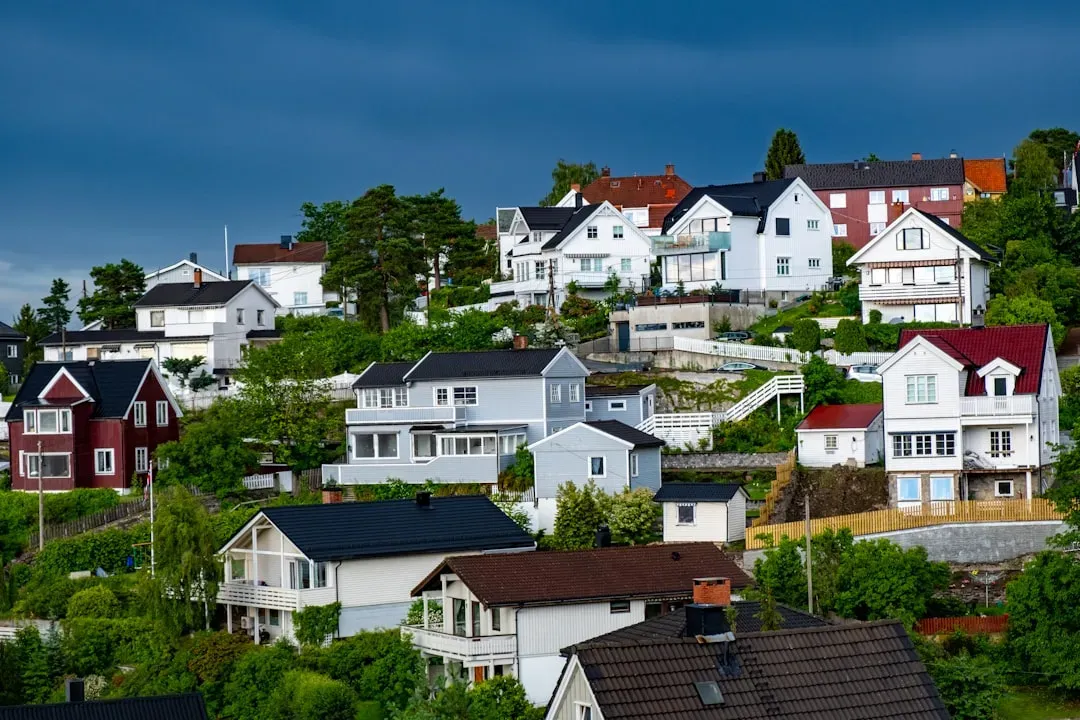
The final sign is the most measurable, but by the time you clearly see it in the data, you may already be late. While gentrification may boost property values with a roughly four and a half percent yearly appreciation compared to roughly two percent elsewhere, the nearly thirty percent median surge seen in places like Los Angeles over a decade underscores how it can rapidly transform neighborhoods. The compounding effect is real and it is fast.
Research from PropertyShark found that while New York City home prices appreciated by roughly half over a decade, the median sale prices in twenty-four specific NYC neighborhoods recorded gains as high as nearly three hundred percent in the same period. The number of gentrifying urban neighborhoods in America increased from 246 during the 1970s to 1,807 in the 2010s, with the five most gentrified cities of that decade being Nashville, Washington D.C., the San Francisco Bay area, Denver, and Austin. Rents are moving too. Slowing new housing supply and strong renter demand are setting the stage for tighter markets and rising rents heading into 2026 and beyond.



Leave a Reply