
There's something instinctively refreshing about a glass of cold water with a bright yellow lemon wedge perched on the rim. It feels clean. It feels healthy. But if you've ever worked a restaurant shift, that image tends to collapse pretty fast. Seasoned servers and bartenders know things about those little citrus garnishes that most diners would never guess, and the science, it turns out, is firmly on their side. The humble lemon wedge has a genuinely troubling story behind it, one that starts long before it ever touches your glass.
The Science Is Alarming: What Studies Actually Found

A 2007 study published in the Journal of Environmental Health tested the flesh and rinds of 76 lemon slices from 21 restaurants across 43 visits, and the data was staggering. Nearly 70% of the lemon slices had microbial growth on them. That's not a fringe result from a single dodgy diner. It's a systematic finding across dozens of establishments, and it raised serious questions about how lemon garnishes are treated throughout the entire industry.
Researchers detected 25 different microorganisms including bacteria and yeasts, and the study noted that "The microbes found on the lemon samples in our investigation all have the potential to cause infectious diseases at various body sites." Among the bacteria genera recovered from the flesh and rind of lemon slices were Acinetobacter, Bacillus, Corynebacterium, Enterobacter, Enterococcus, Escherichia, Klebsiella, Micrococcus, Proteus, Pseudomonas, Staphylococcus, and Streptococcus, as well as fungal Candida spp. That's a remarkably long list for something dropped into a glass of drinking water.
Bare Hands, Dirty Tables, and Your Drink
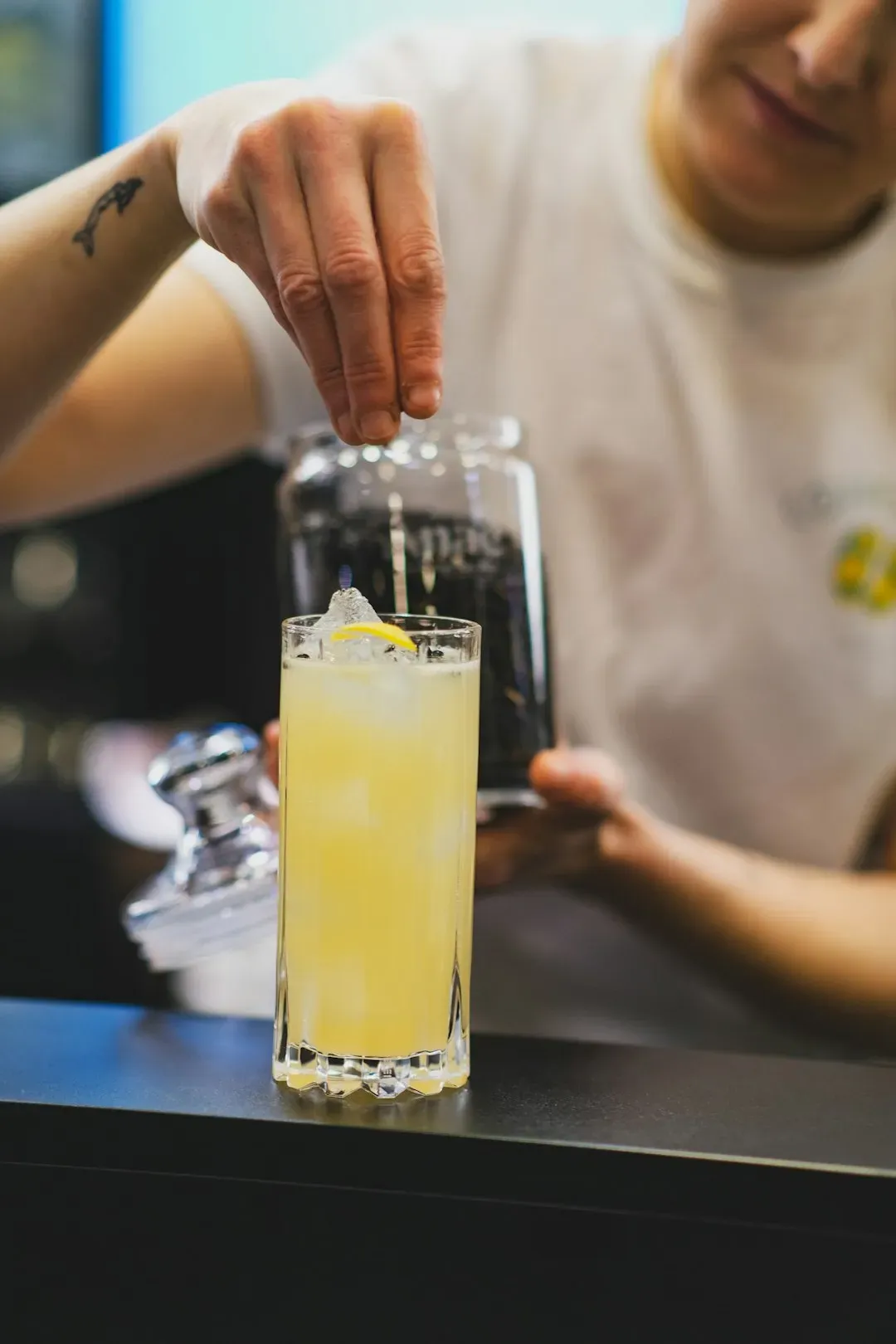
Philip Tierno, Ph.D., clinical professor of microbiology and pathology at NYU Langone Medical Center, conducted experiments commissioned by ABC News that found half of lemon wedges collected from various restaurants were contaminated with human fecal matter. The ABC cameras also caught employees handling lemons with their bare hands. That's not a rare oversight. It's a window into the kind of routine handling that happens hundreds of times per shift in busy restaurants across the country.
Picture the typical restaurant bar setup during a busy Friday night. Servers and bartenders move at lightning speed, clearing tables, handling money, touching their phones, wiping down surfaces, and then reaching directly into the lemon container. In many establishments, those lemon slices sit in open trays filled with soda water, supposedly to keep them fresh and hydrated. If servers aren't using tongs to fish them out, there are a lot of hands going in and out of that dish, which means a lot of germs are likely going into the customers' drinks.
Wet Lemons Are the Worst Offenders
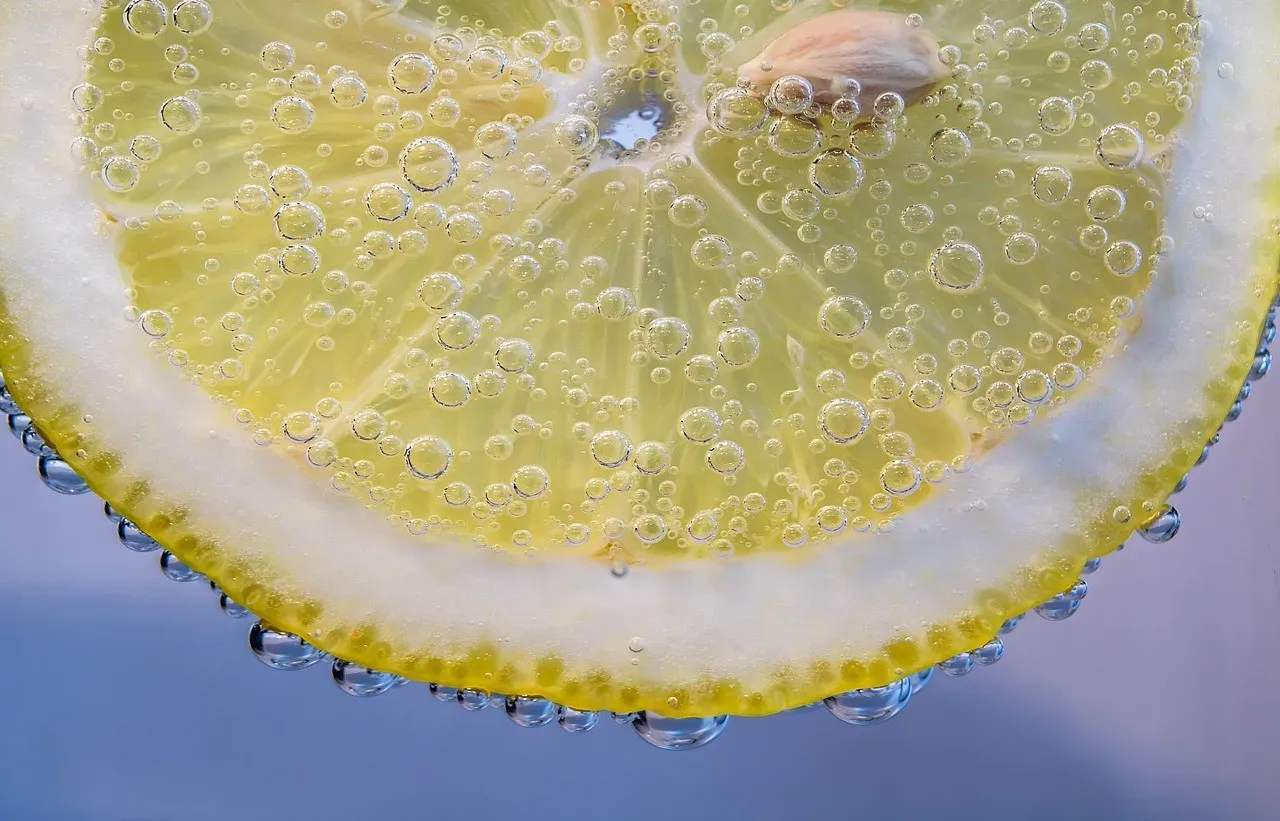
Research from Clemson University published in 2017 found that "when hands were contaminated with E. coli, the bacteria were transferred to wet lemons and ice 100 percent of the time." That's a complete transfer rate. If the lemons were dry, bacteria were transferred roughly 30% of the time. The implication is stark: those lemon slices soaking in soda water trays behind the bar are essentially operating as a bacterial relay station every time someone reaches in.
The same study found that when lemons were inoculated with E. coli, the bacterial population increased over five times when held at room temperature from four to 24 hours. So a day of people reaching into the bowl for lemon slices might result in a microorganism party. A separate experiment in the same research found that between 2 and 67% of the bacteria on hands were transferred to ice by hands, and between 30 and 83% of the bacteria on scoops were transferred to ice. The ice in your glass carries its own set of risks, compounding what the lemon is already bringing.
The Problem Starts Before the Restaurant
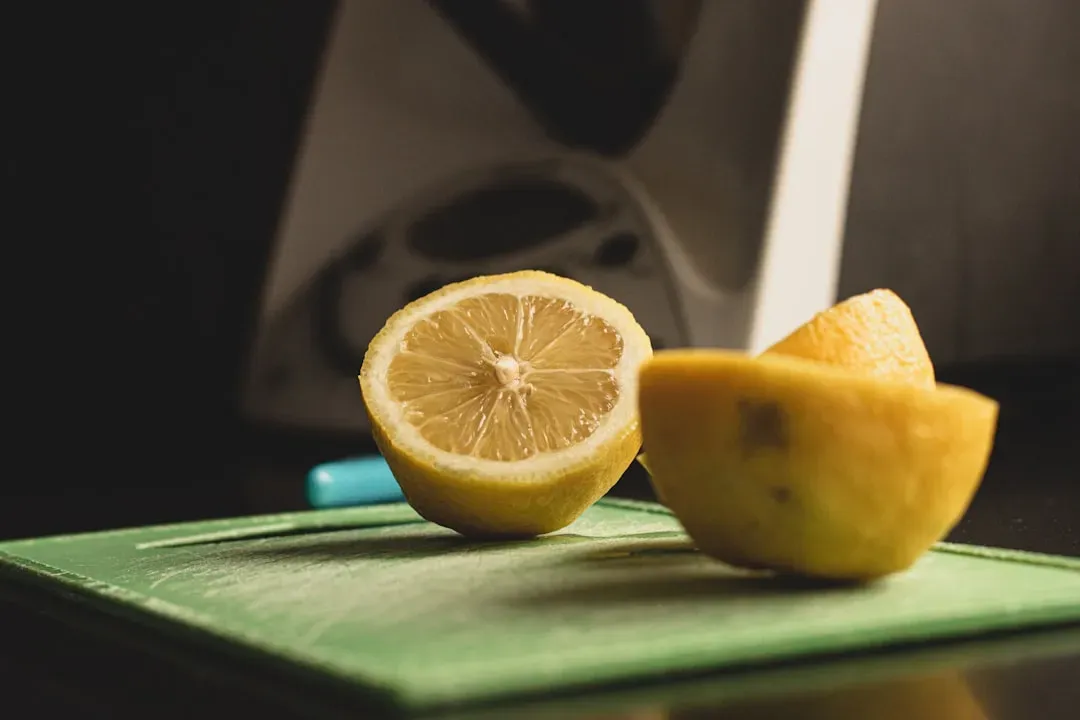
Lemons arrive in bulk from distributors, usually unwashed. During bar prep, staff slice them quickly and toss the pieces into open containers. On a busy shift, those slices get grabbed dozens of times by different people, often with bare hands, in between pouring drinks and wiping surfaces. The assumption that lemon acidity offers some protective barrier is one of the most widespread myths in dining culture, and it simply doesn't hold up.
Without proper washing, lemon rinds can harbor pesticide residue, dirt, and bacteria from everyone who touched them along the supply chain. When bartenders or servers slice through unwashed lemons, the knife blade drags whatever contamination exists on the outside directly through the flesh of the fruit. That same slice then sits in your drink, releasing everything on its surface into the liquid you're about to consume. While lemons do have antimicrobial properties, you can still get sick from contaminated lemons because the amount of lemon juice in the wedges in your drink isn't sufficient to kill the germs that may be present.
Alcohol Won't Save You Either

In another study, pathogens frozen in ice then allowed to melt were not killed even in 80–86 proof mixtures of Scotch and soda or tequila. In most beverages, many of the pathogenic bacteria in the ice survived long enough to get into the drink once the ice melted. So alcoholic and acidic drinks are not guaranteed protection from bacteria that may get into your drink from ice or other garnishes. This surprises a lot of people who assume that spirits or the acidity of a mixed drink would neutralize any biological hitchhikers on a lemon wedge.
According to Philip Tierno, the bacteria found in restaurant lemon research include those from respiratory secretions, skin contamination, and fecal waste, leading to the presence of E. coli, norovirus, enterococcus, and staph on the skins of the wedges. Lemon wedges are way more likely to have bacteria than the food you order on a plate because restaurant health standards tend to be less strict for garnishes. A beautifully plated entrée goes through more scrutiny than the wedge floating in your water glass, which is a rather unsettling disparity.
What Servers Themselves Have to Say
In a viral video that accumulated over 144,000 views, server Adrianah Lee explained her own insider warning: "I don't know who needs to hear this, but do not get a lemon in your water at a restaurant. Don't ask for a lemon in your water. The minute I became a server I realized this." Her reasoning was straightforward: servers touch money, handle dirty plates while pre-bussing, and interact with countless surfaces before reaching for lemon slices. Even frequent handwashing doesn't fully break that chain of contact during a hectic service.
According to a thread on Reddit discussing restaurant server secrets, the lemons used to flavor water or garnish cocktails may not always be the cleanest. For anyone who has worked in a restaurant bar, this may sound eerily familiar. After all, while food preparation areas are often carefully scrutinized, the bar can sometimes get forgotten about. One bartender shared that their venue stores sliced lemons and limes in sealed Kilner jars to keep them fresh. Others state that lemons and limes should be cut fresh every day and discarded at the end of a shift rather than kept overnight. These are sensible practices, but they're far from universal. The good news for anyone unwilling to give up citrus entirely: squeezing the juice directly into your water rather than letting the wedge float will reduce exposure, though not eliminate it entirely, since even the flesh of the lemon can be contaminated.




Leave a Reply