
Something is changing at the drive-thru window. Not just the prices on the menu boards, though those certainly tell part of the story. Something deeper is shifting in how Americans relate to fast food - a category that was once practically synonymous with affordable, guilt-free convenience. People are voting with their wallets, and the verdict is getting harder for fast-food chains to ignore.
A 2024 survey by consumer-finance company LendingTree found that nearly four out of five Americans now view fast food as a luxury. That's an astonishing number for an industry built on the promise of cheap, fast, and easy. What's even more telling is which specific items are being left off the tray. Let's get into it.
1. Premium Burgers
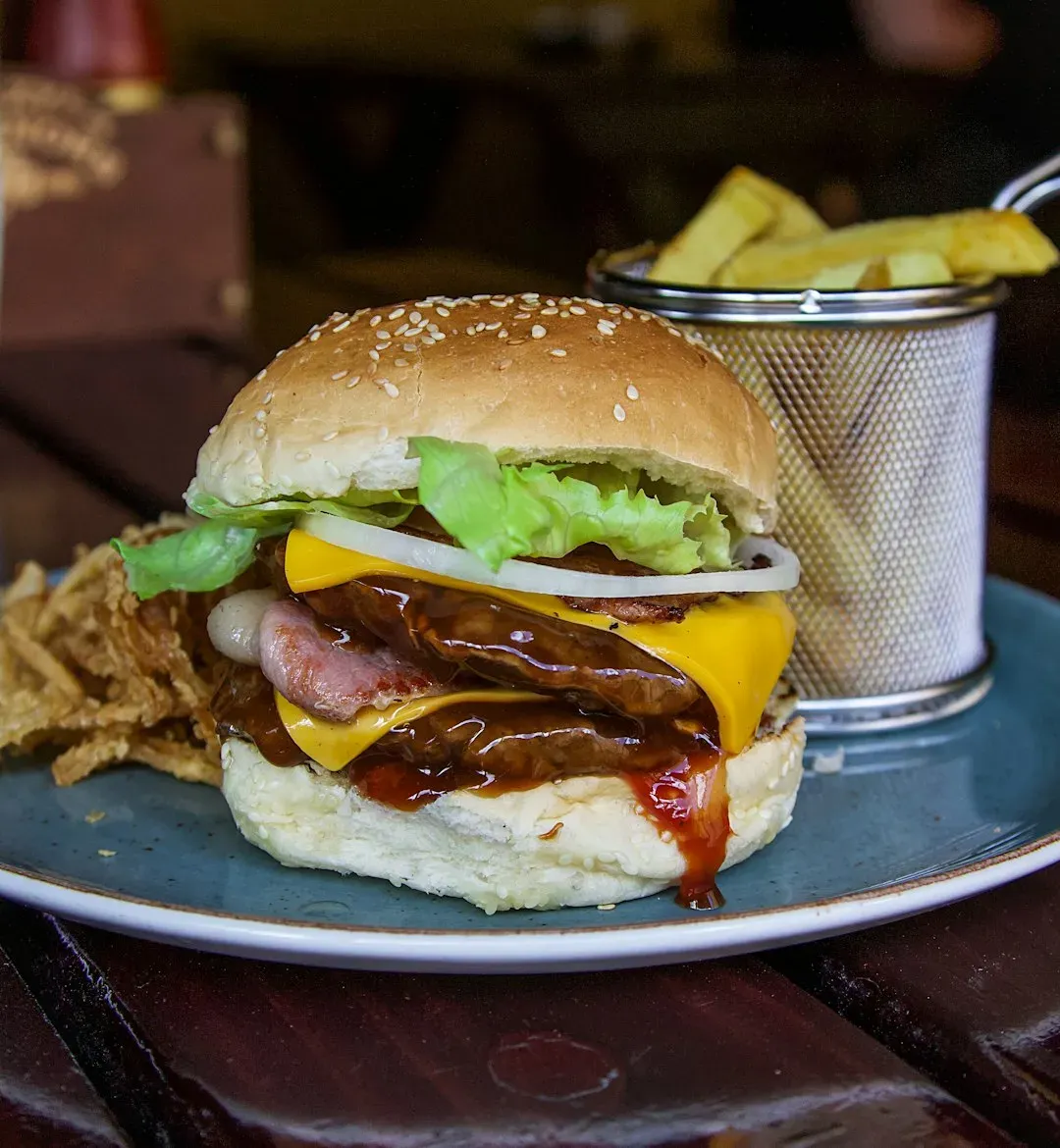
Honestly, the premium burger was supposed to be fast food's great upgrade story. Chains invested heavily in bigger, better, more "gourmet" options, and for a while, it worked. Then the price tags started catching up with the ambition.
When McKinsey asked consumers which types of cuisines they would decrease their spending on, the greatest share of respondents - well over half - said burgers, followed by other American food categories. That's a staggering signal from a country that practically invented the fast-food burger.
According to data collected by FinanceBuzz, from 2014 to 2024, average fast food menu prices rose between roughly 40% and 100% across major chains - all outpacing overall inflation. McDonald's menu prices doubled over that period, the highest of any chain analyzed. When a burger combo starts competing with a sit-down restaurant on price, the math stops working for a lot of families.
Something unusual is happening in the restaurant space that wouldn't have been imaginable five years ago: casual dining and fast food are now competing for the same customer at the same price point. Chili's leaned into a $10 value positioning and saw same-store sales growth that left most of the industry stunned. The premium fast-food burger is suddenly caught in an awkward middle ground.
2. Fast-Food Breakfast Items
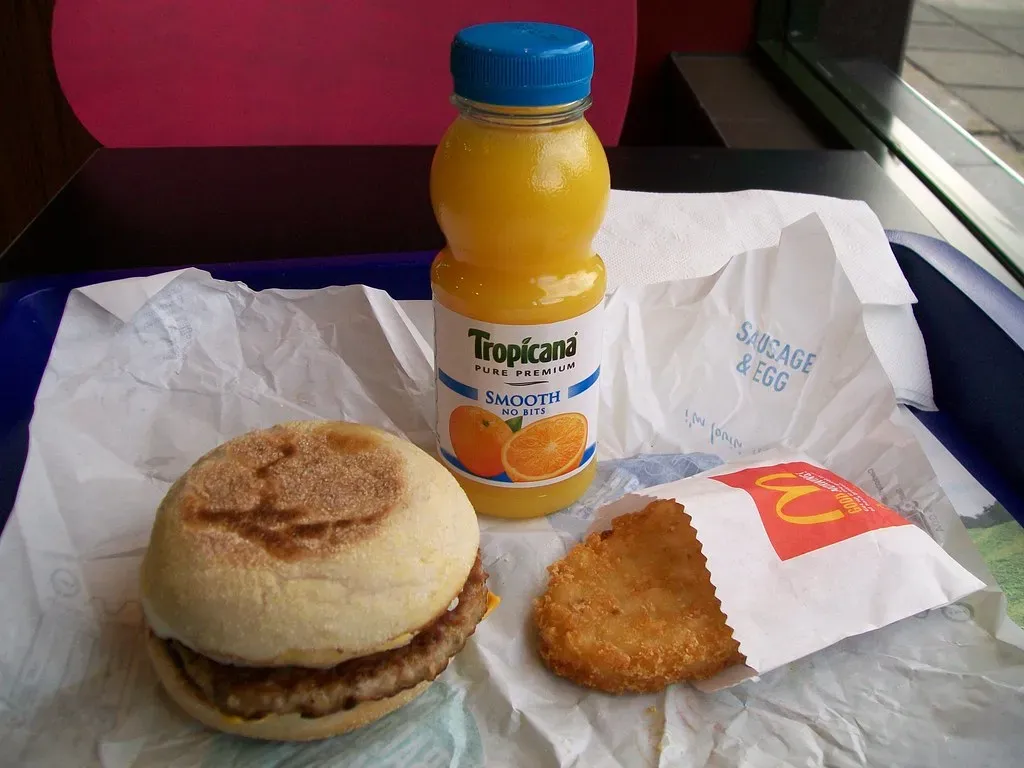
Breakfast used to be fast food's golden hour - a reliable morning ritual for millions of commuters. That habit is now cracking under the pressure of rising costs and changing work patterns. People are either eating at home or simply skipping the meal altogether.
Breaking down performance by mealtime, data shows that breakfast traffic decreased the most - dropping nearly one in ten visits year over year in April 2025 - while lunch also declined noticeably compared to the previous year. Those are hard numbers to spin.
The sharpest shift in consumer spending is happening at breakfast, once the hottest growth area for restaurant operators. In both limited-service and full-service restaurants, breakfast spending growth now lags behind all other dayparts. When consumers feel their budgets are pinched, they tend to cut back on breakfast spending first, since it is often seen as a more discretionary dining category.
One way the trend is manifesting is that people are simply skipping breakfast altogether, or choosing to eat at home instead. When a breakfast sandwich and a coffee can run close to $10, the cereal box at home starts looking a lot more appealing. It's that simple.
3. Specialty Coffee Drinks
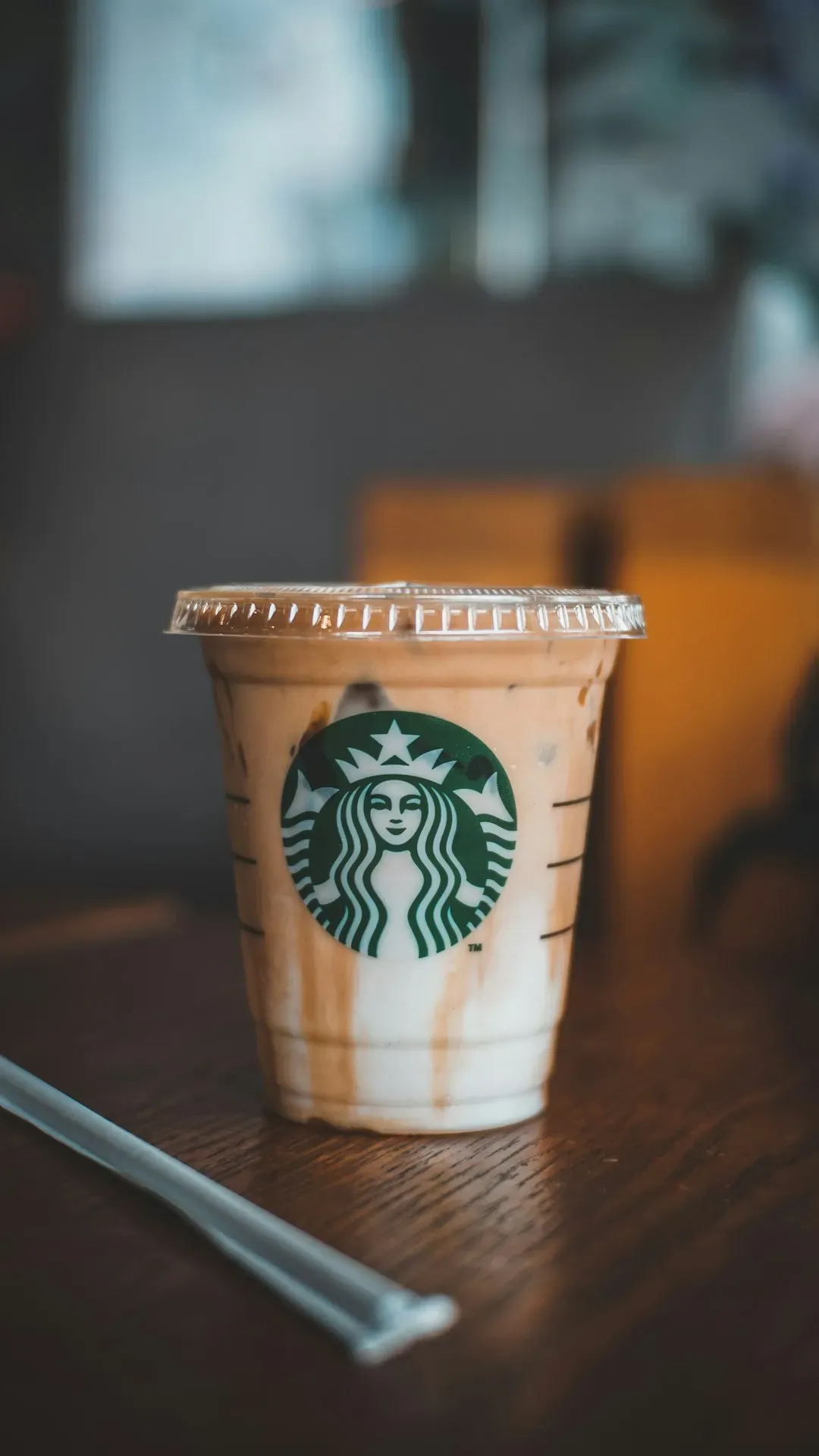
Few categories illustrate fast food's identity crisis better than specialty coffee. Starbucks turned an everyday commodity into an aspirational lifestyle product - and for years, people paid happily. That story has taken a very sharp turn.
Starbucks, which caters to a more affluent demographic, faced significant headwinds, with U.S. comparable transactions falling in 2025. The coffee giant itself noted that grocery prices rising far more slowly than restaurant meals was incentivizing consumers to brew coffee at home.
Starbucks comparable sales declined in the most recent reporting quarter - marking its fifth consecutive quarterly decline. Five consecutive quarters. That is not a blip. That is a structural shift in how Americans feel about paying premium prices for a cup of coffee they could make at home for a fraction of the cost.
Consumers' social media posts echo this sentiment, with many noting that rising menu prices - well over $5 for a soft drink - have made fast food feel like a luxury for some, pushing customers to cook at home or seek cheaper alternatives. Specialty coffee drinks have become the single clearest symbol of that frustration.
4. Chicken Wings at Fast-Food Chains
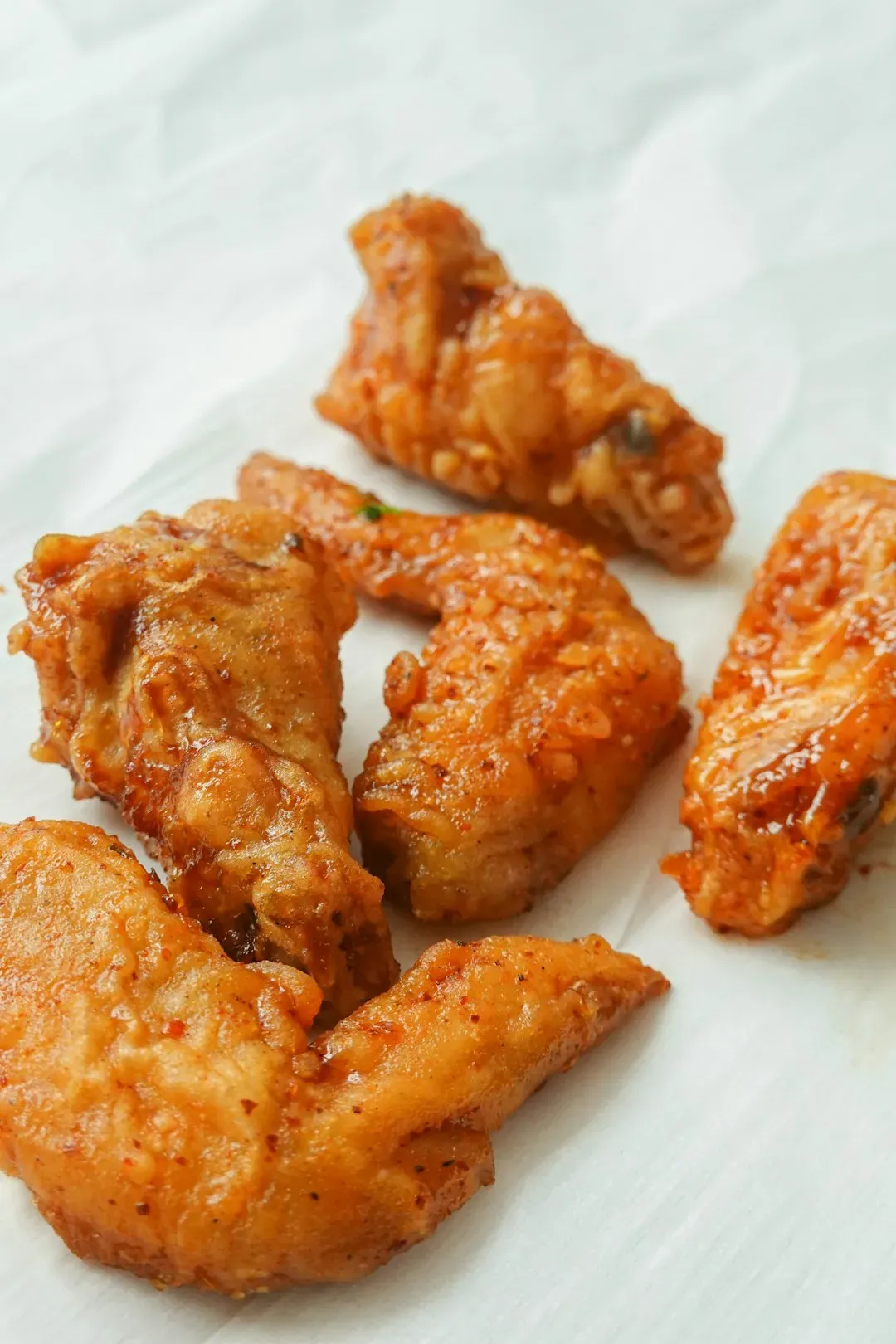
Chicken wings have always had an almost cult-like following in America. Sports nights, game days, Friday takeout - wings were the go-to. They still are, to a degree. The problem is the price per wing has become genuinely shocking to many consumers.
Data from Toast's Menu Price Monitor shows wing prices reached a median of nearly $14 per order in mid-2025, up more than 2% compared to the same period in 2024. That's a lot of money for what used to feel like casual comfort food.
Chicken-wing chain Wingstop pointed to sales declines in areas made up largely of lower-income customers. Wingstop's CEO warned the flagging performance had spread to more geographies as well as to middle-income consumers, with domestic same-store sales declining by more than 5% over one recent quarter.
Wingstop CEO Michael Skipworth specifically flagged "a meaningful pullback" in the business across specific pockets, including lower-middle-income consumers. Here's the thing - when wing lovers start calculating cost-per-wing at the counter, the romance fades fast. Home cooking wins that math nearly every time.
5. Delivery-Only Pizza
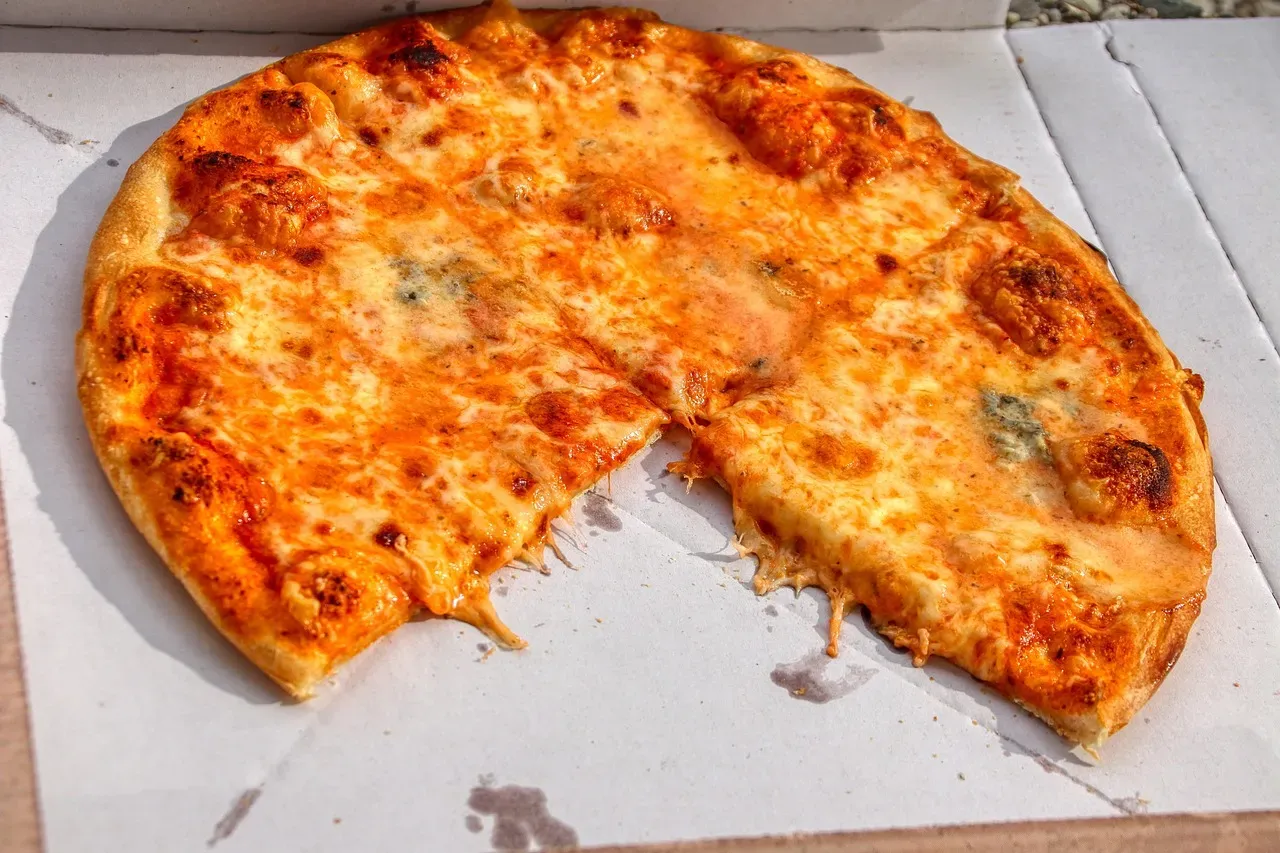
Pizza occupies a very specific emotional space in American dining. It used to be the quintessential affordable family meal, the automatic Friday night call. That image has taken a serious beating from inflation, and the numbers are now telling a sobering story.
Once the second-largest restaurant category in the 1990s, pizza ranked sixth in 2024. That's a dramatic fall from grace for a food that once felt practically invincible in the American market.
A $20 pie can feel expensive compared to $5 fast-food deals, frozen pizzas, or eating at home. Delivery fees and app surcharges are stacking on top of already inflated menu prices, and consumers are doing that mental math more carefully than ever before. The frozen pizza aisle at the grocery store has never looked so good to so many people.
Domino's Pizza itself said consumers are gravitating away from more expensive delivery options toward cheaper carryout instead. Even the chain that essentially invented modern pizza delivery is watching its own customers choose to drive to the store rather than pay delivery fees. That shift says everything.
6. Large Sodas and Fountain Drinks
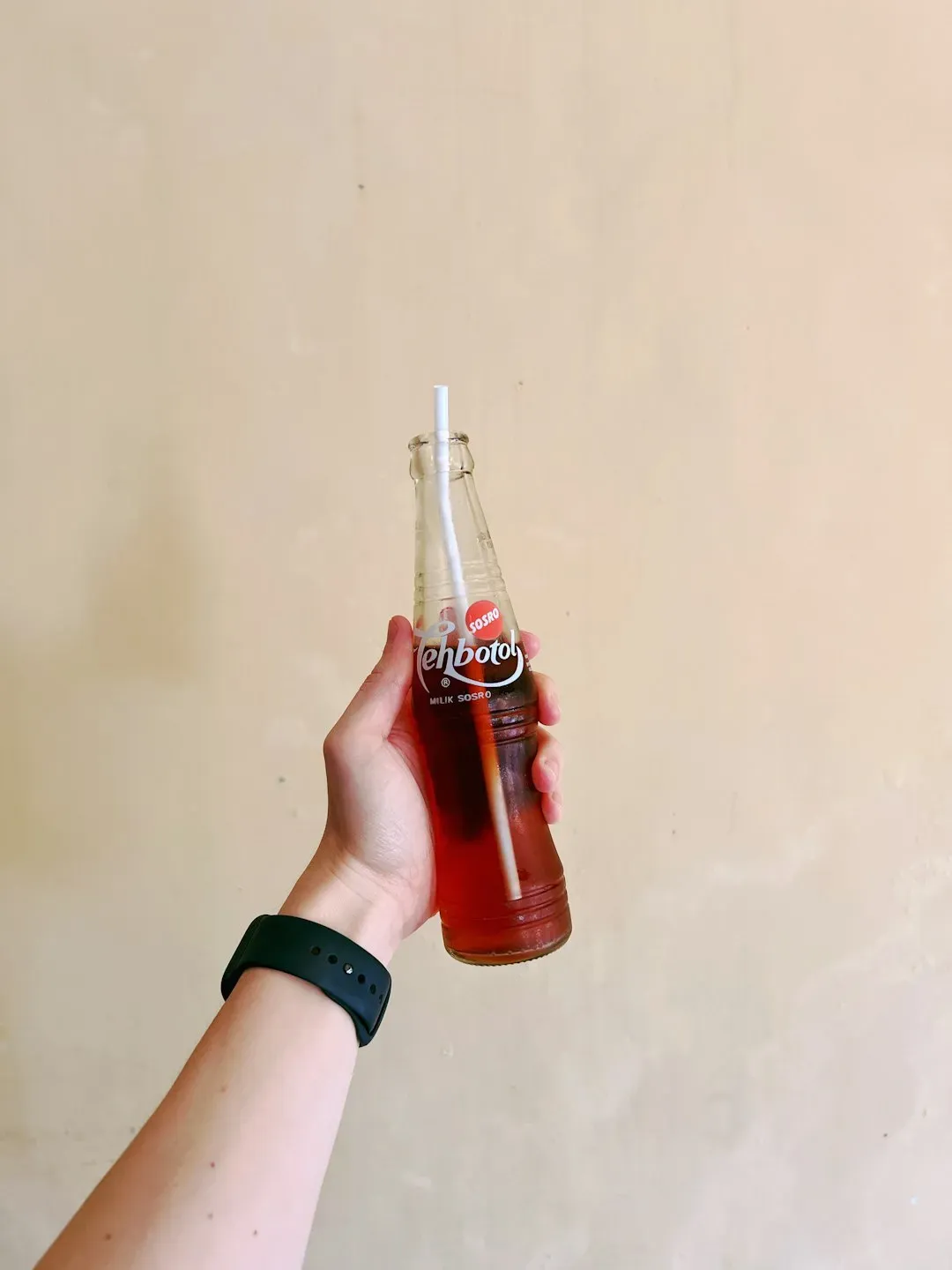
It sounds almost too small to matter - a soda at the drive-thru. Except it really doesn't feel small anymore when it's priced at $4 or $5 for a large cup of fizzy sugar water. Fountain drinks have quietly become one of the most visible symbols of fast food's pricing overreach.
Videos about pricey Filet O'Fish sandwiches, double cheeseburgers, single hash browns, and even reports about the end of free refills have generated thousands of views and incited real anger on social media. Free refills specifically generated enormous pushback - a small thing, but symbolically enormous.
Around a third of consumers are actively reducing their processed food consumption, with nearly as many making efforts to limit products or ingredients perceived as unhealthy. This includes a specific focus on avoiding artificial preservatives, sweeteners, and additives. Large sodas hit multiple pain points simultaneously: price, health, and the sense that you're getting ripped off.
Think of it like this: a large soda at a fast-food chain now costs about the same as a two-liter bottle at the grocery store. Consumers have noticed that arbitrage. The math is brutally simple, and it's costing chains real traffic.
7. Upsized and Supersized Combo Meals
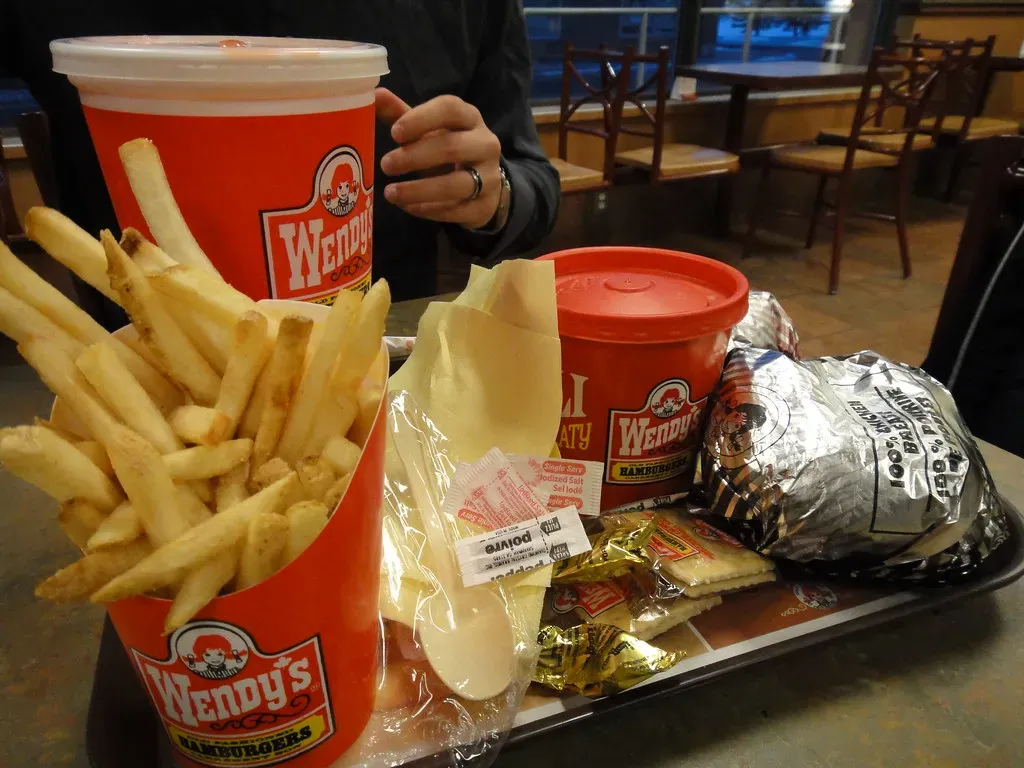
The classic fast-food upsell - "would you like to supersize that?" - once worked because it felt like genuine value. A bit more food for a little extra money. That framing has collapsed under the weight of cumulative price hikes that have made every "upgrade" feel like a trap.
A consumer survey from Revenue Management Solutions found that roughly two in five American diners said they're spending less of their disposable income on restaurants, with one in four U.S. consumers reporting they're shopping at grocery stores instead, citing better value.
A meaningful portion of American consumers who plan to cut back on dining out intend to reduce both how often they go and how much they spend per visit. Rather than switching chains entirely, most prefer to trade down within their usual restaurant - using more promotions, skipping add-ons, or choosing cheaper menu items. Skipping the upsell is exactly that kind of strategic pullback.
When customers are paying more, they won't put up with getting less than they're used to. Portion sizes are one trigger. Food quality is another. Paying more for a larger combo and still feeling shortchanged is the worst of both worlds for today's cost-conscious consumer.
8. Fast-Casual "Bowl" Meals
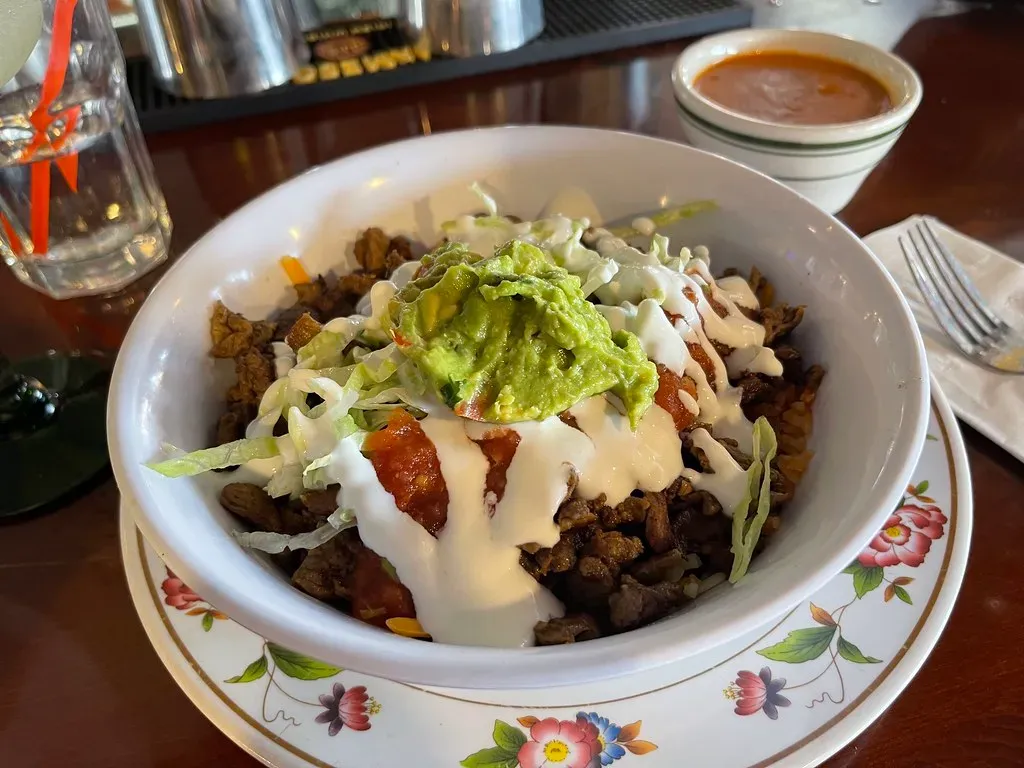
The rice bowl was fast casual's great promise: healthier, more customizable, more satisfying than a burger but still quick and accessible. Chains like Chipotle and Sweetgreen built entire empires on that idea. Consumers are now reassessing whether those bowls are really worth what they cost.
Several fast-casual brands "suffered bruising earnings reactions after customers began to push back against steady inflation in 'slop bowl' pricing, leading to lower traffic." That phrase "slop bowl" came from industry analysts - not consumers - but it captures a real sentiment that the category had started to feel overpriced for what it delivers.
Chipotle's comparable restaurant sales decreased in the first quarter of 2025 - its first decline since COVID lockdowns in 2020. That's a genuinely significant milestone for a brand that had been the darling of the fast-casual movement for years. Gravity, it turns out, is real even for the most successful chains.
Sweetgreen reported a serious sales decline in recent quarters, while Chipotle also dropped. Analysts say these chains are caught in the middle: too pricey to compete with budget deals at fast-food chains, yet not premium enough to justify the cost when consumers are watching their spending. That's a genuinely uncomfortable place to be positioned.
9. Kids' Meal Upgrades and Premium Add-Ons
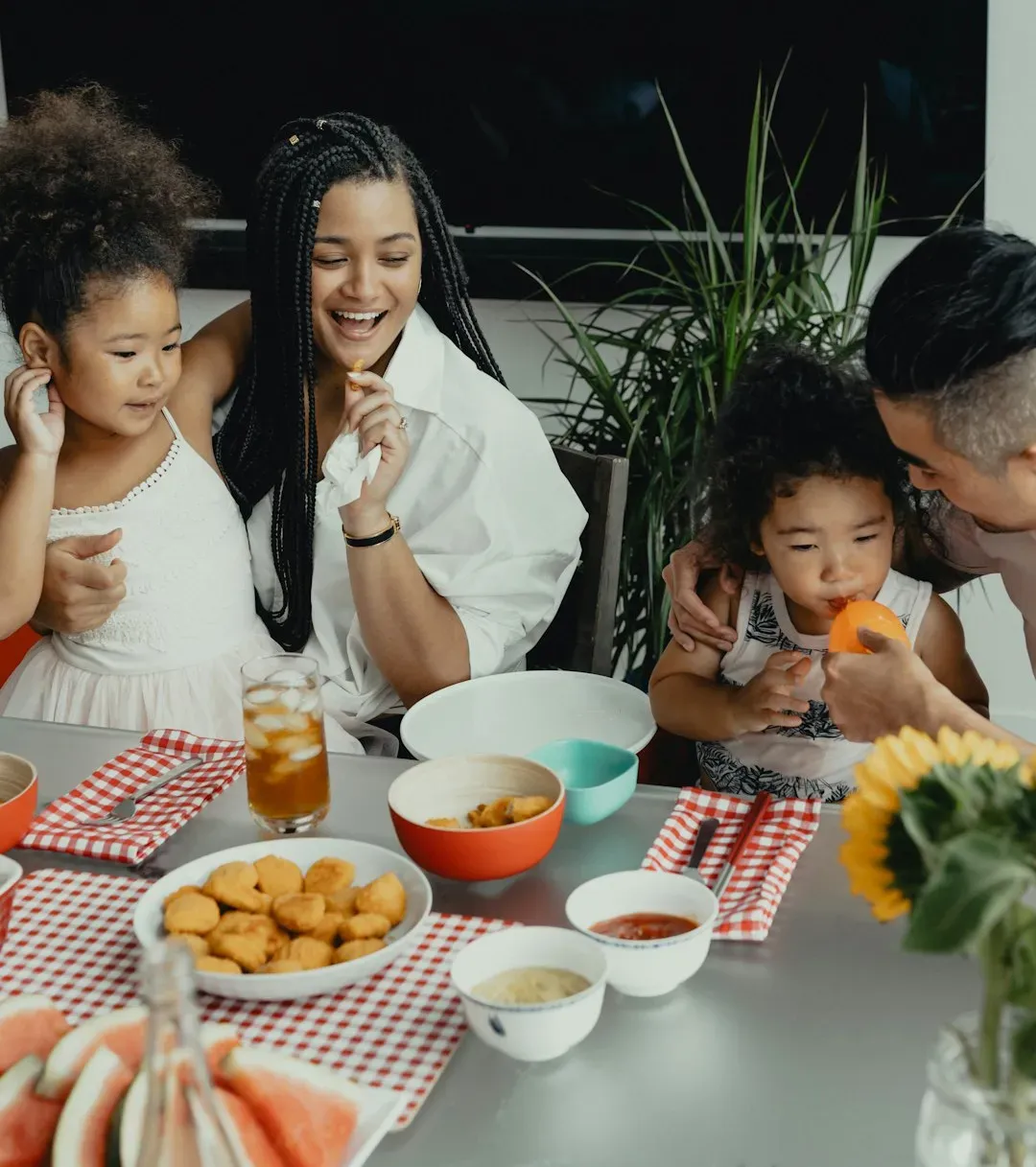
Parents have historically been some of the most loyal fast-food customers, dragged through the drive-thru by the gravitational pull of a happy child demanding nuggets. However, the premium add-ons that chains tack onto kids' meal bundles - toy upgrades, apple slices at extra cost, premium drinks - are now getting quietly skipped.
The number of lower-income consumers visiting U.S. fast-food restaurants was down nearly double digits in early 2025 compared to the previous year. Visits from middle-income consumers across the industry fell nearly as much. Families are clearly the ones bearing the brunt of this squeeze.
The 25-to-35 consumer group is among the most financially pressured, making up a substantial portion of major chains' customer bases. Sales to that demographic dropped sharply in recent reporting periods. This is precisely the age group raising young children and managing household budgets on tight margins.
McKinsey research from late 2025 found that poor quality and small portions were the top factors keeping consumers away from fast food restaurants - not just price alone. When parents feel their kids are getting less food of lower quality for more money, they stop adding the extras. First the upgrades go, then eventually the whole visit.
10. Premium Chicken Sandwiches
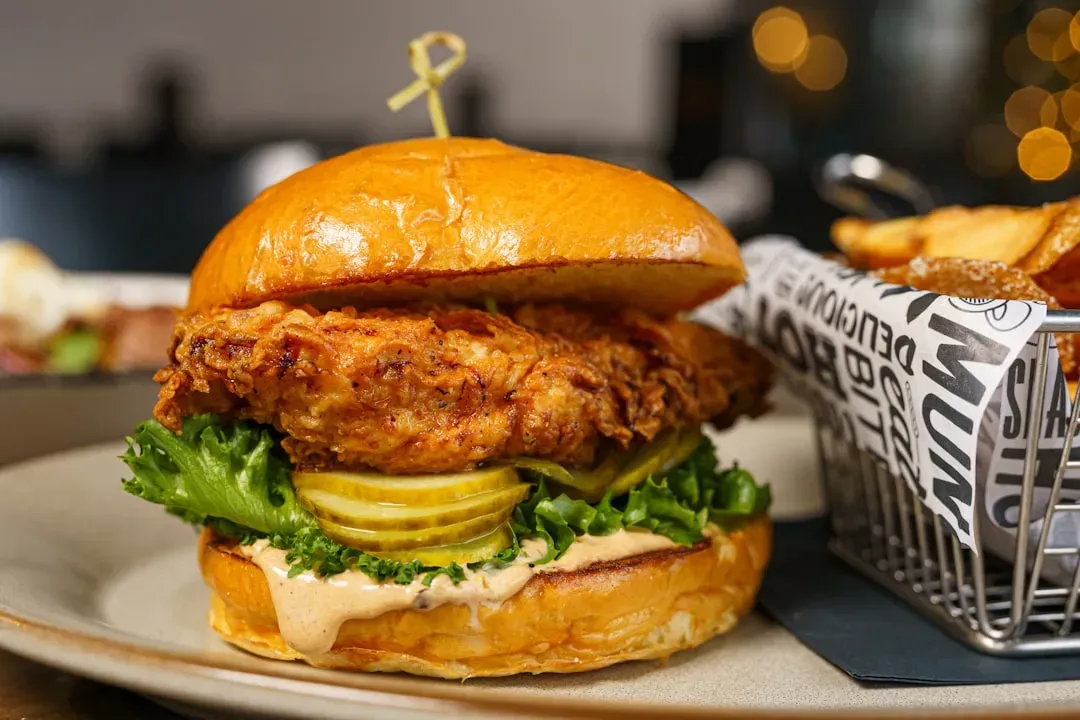
The so-called "chicken sandwich wars" of 2019 and 2020 genuinely captivated America. Popeyes versus Chick-fil-A, long lines around the block, sold-out menus. It felt like a cultural moment. Fast-forward to today, and that fever has broken in a very specific way.
A major fast-food chicken meal saw a price jump of over 20% in just two years at some chains, and overall quick-service restaurant price inflation ran into the double digits. Beef price inflation actually outpaced chicken in 2024 and 2025, which encouraged many fast-food brands to emphasize chicken items to protect their own margins. That strategy has a ceiling, though.
A LendingTree survey showed that roughly two-thirds of consumers said they're shocked by how expensive fast food has become, and nearly the same proportion say they're eating out less often due to rising prices. Premium chicken sandwiches - often priced between $7 and $12 - have become a specific flashpoint in that frustration.
Restaurant prices have risen significantly faster than grocery prices over the past year, driving consumers toward eating at home. This shift reflects a broader squeeze on disposable income, as cumulative price hikes since 2020 for restaurant meals have far outpaced grocery price increases. The premium chicken sandwich is still delicious. It's just starting to feel like a special-occasion splurge rather than a casual weekday lunch - and that is a very expensive problem for the chains that bet everything on it.


Leave a Reply