
Working in professional kitchens for years and then cooking in countless client homes has taught me something important. Most people waste money on the wrong upgrades. They buy flashy gadgets that collect dust while ignoring the basics that actually transform how you cook every day.
Let's be real, the kitchen industry loves selling you complicated solutions to problems you didn't know you had. I've seen it over and over again. Clients spend thousands on gear that barely gets touched, then struggle with the fundamentals because they skipped the upgrades that truly matter.
Here's what I've learned from thousands of meals prepared in all kinds of kitchens. Some investments completely change your cooking life. Others? Pure marketing hype wrapped in stainless steel. Time to separate the essentials from the expensive mistakes.
Upgrade Worth It: Induction Cooktop
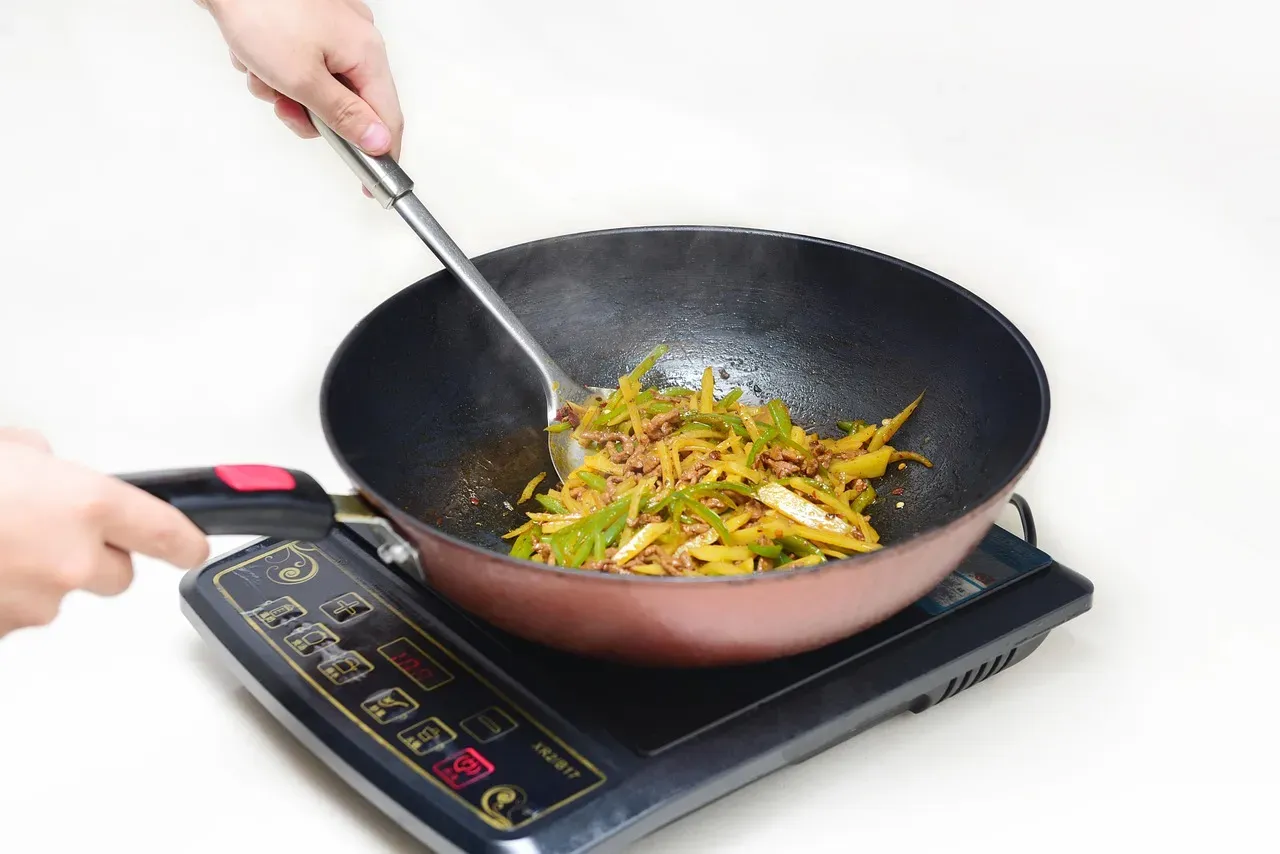
This one surprised me at first. I grew up cooking on gas, loved that instant flame control. Then I tried induction in a client's remodeled kitchen and honestly, I haven't looked back.
Induction cooktops generally outperform every other kind of cooktop in performance tests, delivering fast heat and superb simmering, and professional chefs love the greater control, wider temperature range, and quick response time. On average, an induction stovetop can boil water two to four minutes faster than a traditional stovetop. That's not just a convenience thing. When you're managing multiple dishes during service, those minutes add up fast.
The safety factor matters too, especially if you have kids around. You can't heat up a burner without a pan in place, and the surface surrounding the pan stays cooler, which means there's a smaller surface area that needs to cool down once it's turned off. I've accidentally left gas burners on more times than I'd like to admit. With induction? The burner shuts off when you remove the pan. Simple as that.
Energy efficiency is the hidden win here. Residential induction cooktops are 5 to 10 percent more efficient than electric stoves and three times more efficient than gas stoves. Your utility bill notices, even if you don't track it closely. Plus, spilled food, boiled-over pots, grease splatters and other common messes are less likely to get burned onto the cooktop surface and can be wiped up quickly once cooking is done. Cleanup alone makes this upgrade worth considering.
Upgrade to Skip: Single-Use Specialty Gadgets
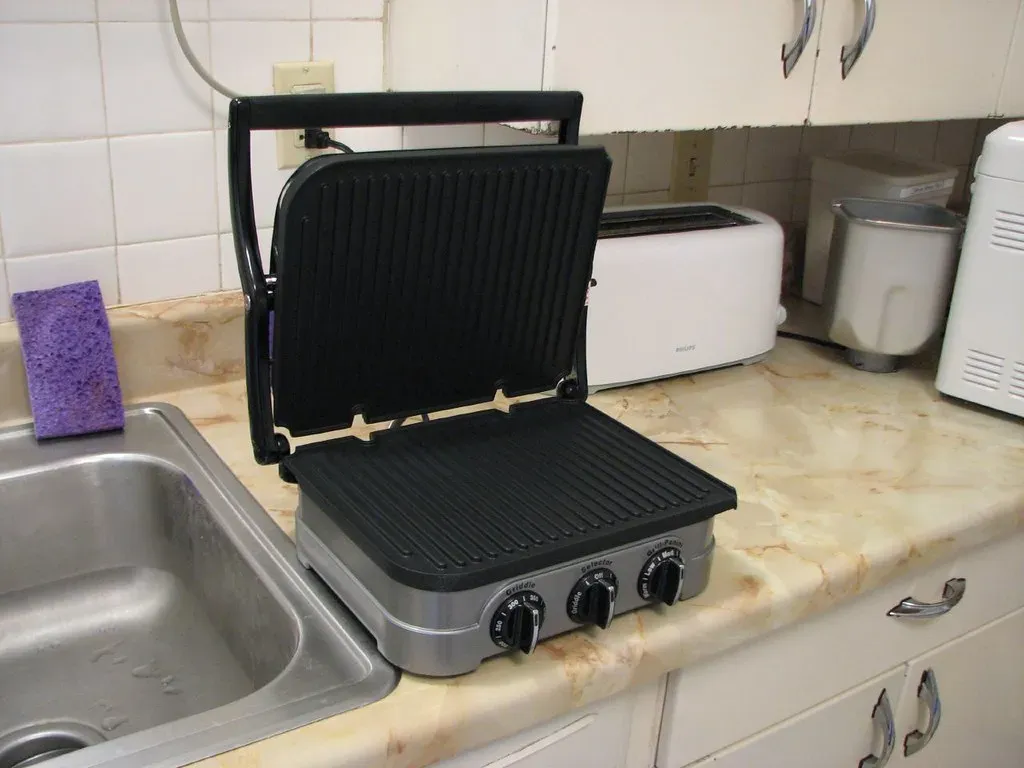
Walk into any kitchen supply store and you'll see them. Panini presses, quesadilla makers, egg cookers, avocado slicers. It's hard to say for sure, but I think most of these end up in the back of cabinets within months.
Professional chefs generally frown upon any item that's only designed to complete one culinary task, as they can contribute to clutter and can often be replaced by items that you already have in your kitchen. The panini press is not a necessary piece of equipment, and a non-stick griddle pan paired with a small weighted grill press can be used for all types of sandwiches, including melts and burgers, along with French toast and even griddled vegetables like carrots, asparagus, green beans, and zucchini.
I know it sounds crazy, but those ridiculous vegetable choppers and spiralizers mostly just waste space. The inescapable zoodle trend from a few years ago led to the rise in spiralizers and other forms of specialized chopping devices, but according to professional chefs, these items aren't worth the money or the kitchen drawer real estate. Learn basic knife skills instead. It's faster, more versatile, and you'll actually use it.
The worst offenders? Bread makers, yogurt makers, single-serve blenders for most people. Professional chefs say it's best to eschew single-use appliances and opt for things that have multiple purposes, and for most people that breadmaker, yogurt maker, and egg cooker might not be the best choices. If you're not absolutely certain you'll use something weekly, skip it.
Upgrade Worth It: Quality Chef's Knife
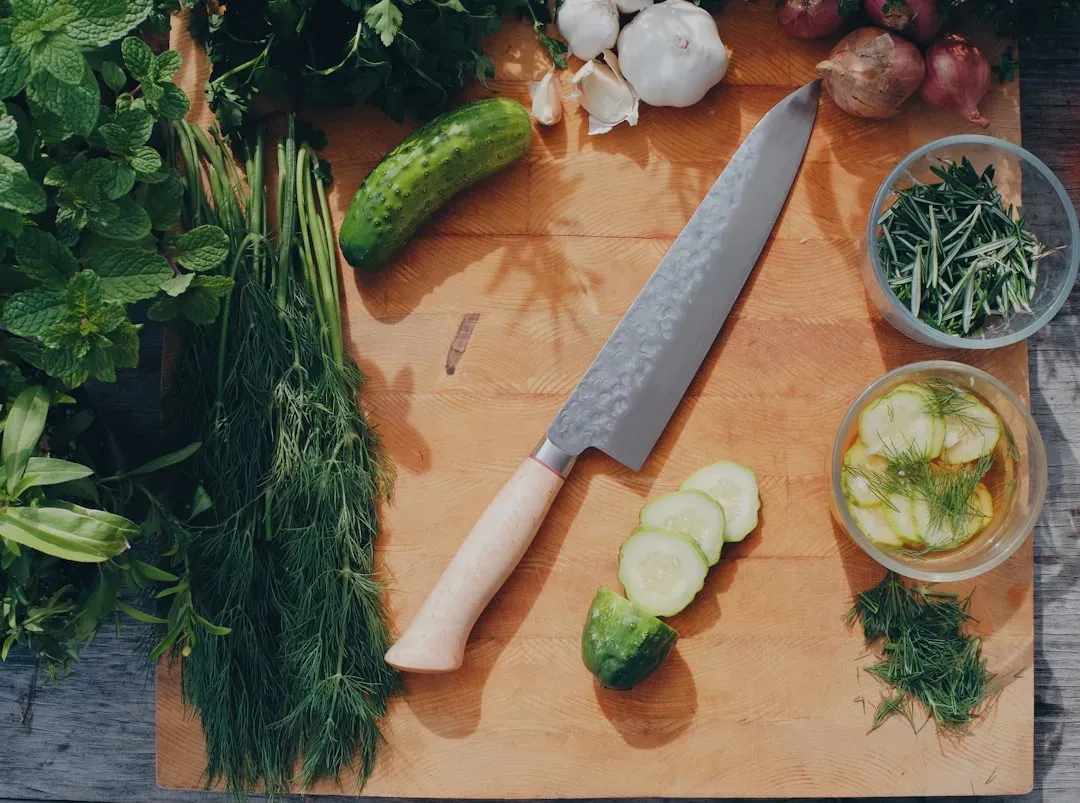
This one's non-negotiable. I honestly think a proper chef's knife is the single most important upgrade any home cook can make. Not a knife set in a fancy block. Just one exceptional knife.
Upgrading from a stamped, dull blade to a hand-forged, razor-sharp chef's knife is the single most transformative change you can make. You're not just buying a sharper edge; you're buying control, efficiency, and safety, as a proper knife does the work for you, gliding through food with minimal effort and responding to your hand, making precise cuts intuitive. Bad knives make you work harder and dramatically increase the risk of slipping and cutting yourself.
Professional chefs agree you can skip the full knife set and instead invest in a few essentials, including a chef's knife, a serrated bread knife, and a paring knife, as these three knives would cover basically anything you would need to cut. That's it. Three knives that you maintain properly will outlast a drawer full of mediocre ones.
Look for full-tang construction and high-carbon steel. Full-tang construction provides balance, a high-carbon steel core like AUS-10 or SLD offers edge retention, and an ergonomic handle should feel like an extension of your hand. The difference between chopping vegetables with a quality blade versus a dull one? It's like night and day. Your prep time drops, your cuts improve, and cooking becomes genuinely more enjoyable.
Upgrade to Skip: Fancy Stand Mixers (for Most People)
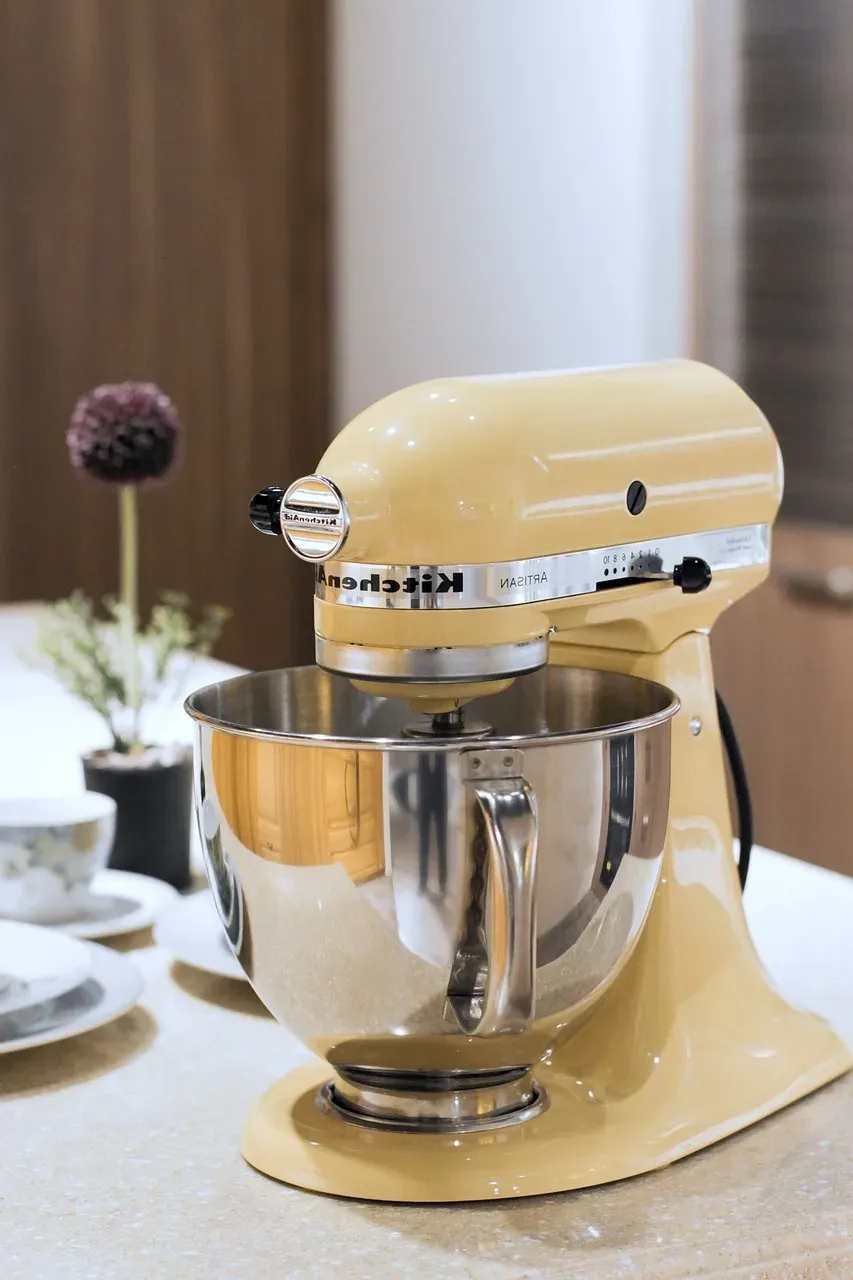
Here's the thing. Stand mixers are gorgeous. They look professional sitting on your counter. Everyone recommends them. Yet I've noticed something interesting in client homes.
Stand mixers collect dust in many chef's homes despite being considered essential by home bakers, as chefs who bake desserts professionally all day rarely want to bake at home, making expensive stand mixers poor investments for their personal kitchens. If you're not baking bread or making cookies multiple times a month, that three hundred dollar mixer becomes expensive counter clutter.
Don't get me wrong. Professional chefs who bake regularly recommend KitchenAid stand mixers, as they produce smooth, even mixes no matter how tough the mixture. But most home cooks use these machines maybe three times a year. Holidays, birthdays, that one time you promised homemade cookies.
A hand mixer costs roughly one fifth as much, stores in a drawer, and handles most home baking tasks just fine. Unless you're truly passionate about baking and do it constantly, spend that stand mixer money on something you'll actually use daily. Like that quality knife we just talked about. Or proper cookware. Things that improve every meal instead of sitting pretty between occasional uses.
Upgrade Worth It: Heavy-Bottomed Cookware
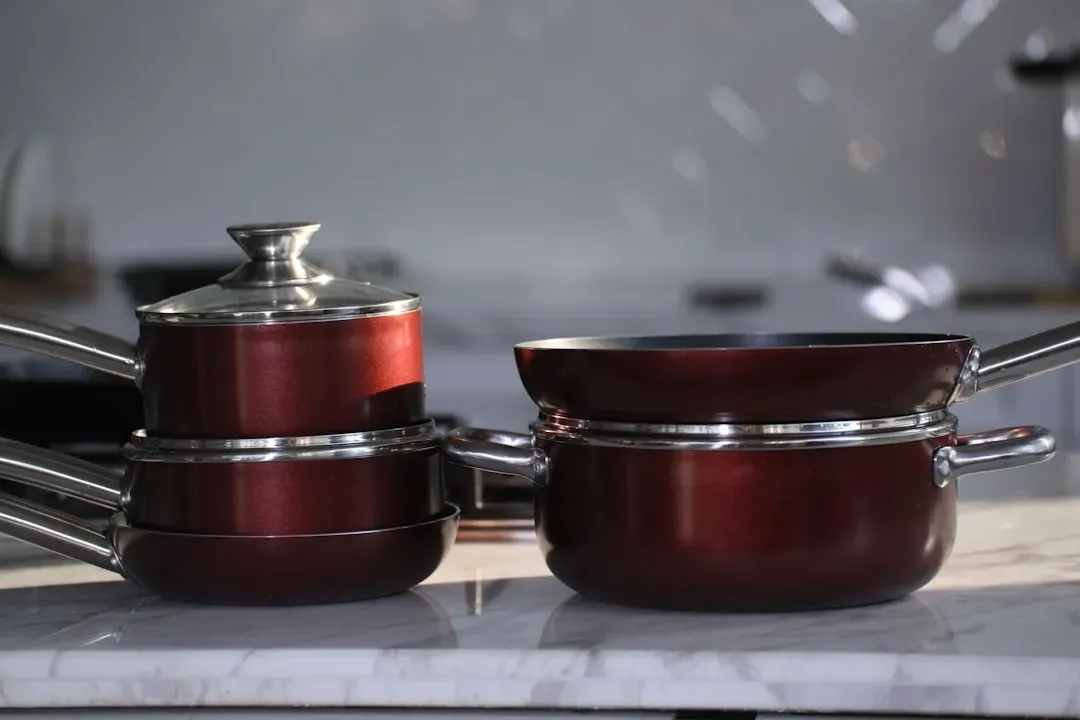
People obsess over brands when it comes to pots and pans. They want All-Clad or Le Creuset or whatever celebrity chef is hawking this season. Here's what actually matters: weight and construction.
Heavy-bottomed pots and pans matter far more than brand names or complete sets. Stainless steel and copper pans are the gold standard in professional kitchens as they are durable, responsive, and easy to clean, distributing heat evenly and withstanding the intense daily use of a fast-paced environment. Thin, cheap cookware creates hot spots that burn your food in some areas while leaving it undercooked in others. Frustrating and wasteful.
You don't need twenty pieces either. Start with a heavy 3-quart saucepan, a 12-inch stainless or non-stick skillet, and half-sheet pans, as with those pieces you can sauté, bake, roast, and check doneness accurately, covering 90 percent of everyday recipes. Add a good Dutch oven for braises and soups, maybe one solid nonstick for eggs. Done.
Cast iron deserves special mention. A well-seasoned cast iron skillet or braiser only improves with age, providing unparalleled even heat retention for the perfect sear, and can go from stovetop to oven effortlessly while outliving you with proper care. I've used the same cast iron skillets for over a decade. They just keep getting better. That's the kind of investment that pays off meal after meal, year after year.
Upgrade to Skip: Commercial-Grade Ranges
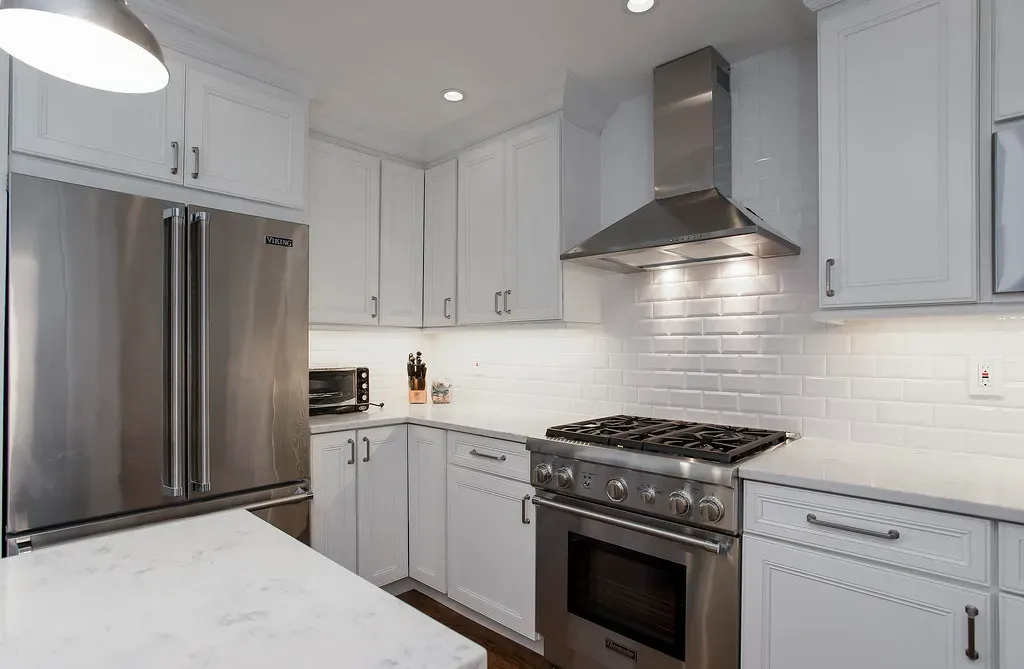
This might be controversial, but hear me out. Homeowners love the idea of restaurant-quality ranges. Those massive stainless steel beasts with six burners and a griddle. They look incredibly impressive. Yet they're often massive overkill.
Commercial ranges rarely make it into chefs' home kitchens despite their professional familiarity with high-BTU cooking power. Why? They require serious ventilation upgrades, consume ridiculous amounts of energy, and honestly provide more power than most home cooking needs. Poor ventilation is one of the biggest mistakes homeowners make, as a stylish kitchen means nothing if smoke, grease, and heat linger because of a weak hood or a poorly placed downdraft.
Installing one of these monsters properly can cost tens of thousands once you factor in electrical upgrades, ventilation systems, and potential gas line work. Midrange kitchen remodels recover about 75 percent of costs according to remodeling reports, and even minor updates like countertops or cabinet refacing provide over 60 percent ROI on average. That commercial range? It rarely adds equivalent value when you sell.
A quality residential induction or dual-fuel range gives you precise control, easier cleanup, and better energy efficiency for roughly half the cost. Save that commercial equipment budget for upgrades you'll actually notice daily. Better storage, lighting, or that induction cooktop we talked about earlier.
Upgrade Worth It: Proper Ventilation System
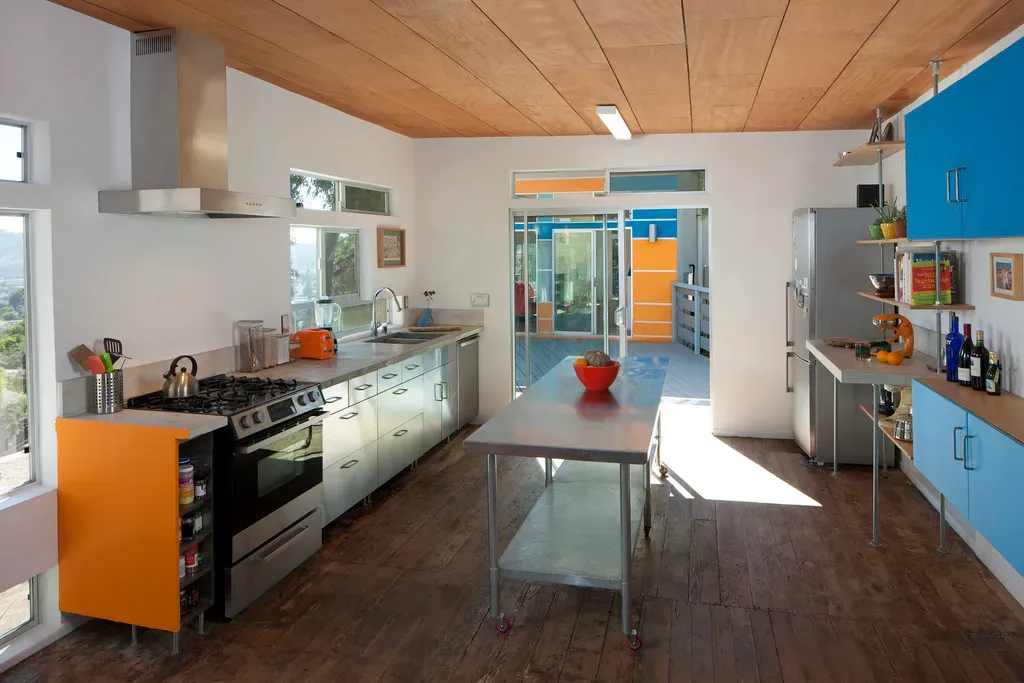
Nobody gets excited about range hoods. They're not sexy. They don't photograph well for Instagram. Yet this is one upgrade I push harder than almost anything else.
Ventilation clears away smoke, grease, and odors, and ducting the range hood outside is most effective for optimal airflow, with a minimum of 400 CFM needed for a 30-inch range. Post-pandemic awareness has kept air quality in focus, with restaurants upgrading ventilation systems with high-efficiency filtration while homes see an uptick in demand for hoods with built-in air purifiers, as cleaner air in the kitchen isn't just about comfort but has become a health standard.
Cooking indoors without proper ventilation means you're breathing everything you're cooking. Steam, smoke, grease particles, combustion byproducts if you have gas. Cooking with natural gas emits harmful chemicals and particulates into your living space, including carbon monoxide, nitrogen oxides, and particulates that could have long-term negative impacts on health, particularly for children, seniors, and those suffering from respiratory conditions. Even electric cooking produces moisture and airborne particles that need to go somewhere.
While stainless steel hoods were popular, with the return of brass and polished nickel, steel hoods now make a kitchen look dated, as plaster hoods are the new trend in 2026 kitchen design. Beyond aesthetics though, focus on CFM ratings and actual ducting to the outside. Recirculating hoods that just blow air through a filter? They're better than nothing but not by much. Real ventilation means actually removing that air from your home, not just filtering it and blowing it back at you.
Upgrade to Skip: Ultra-Quiet Dishwashers at Premium Prices
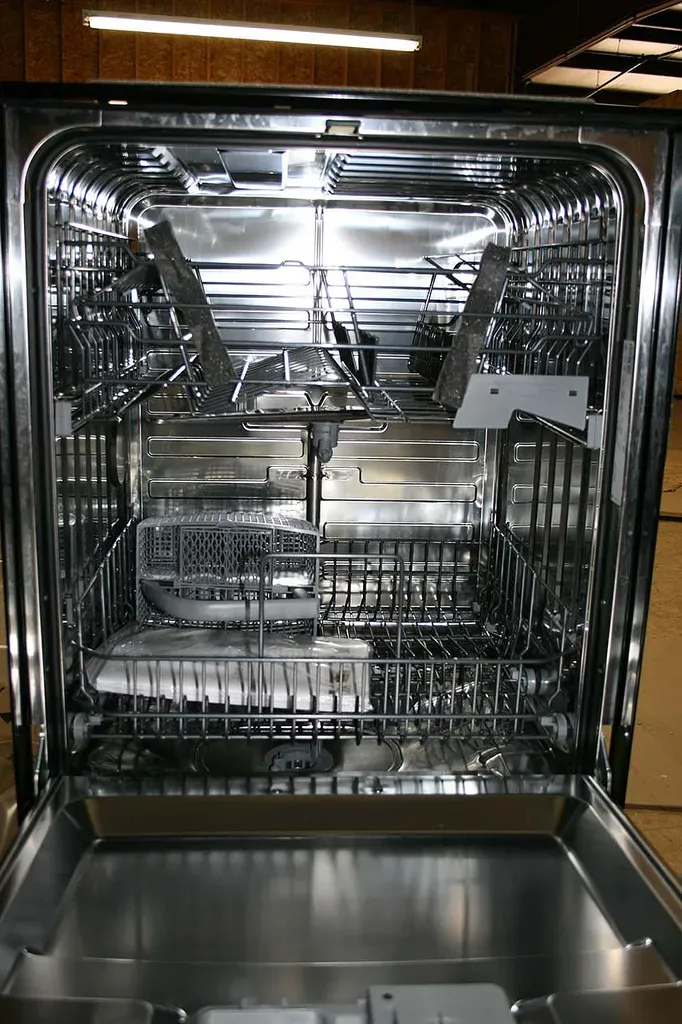
The appliance industry has figured out how to sell silence. Dishwashers marketed as whisper-quiet command premium prices, sometimes hundreds more than slightly louder models.
You can't hear a dishwasher at 44 dB, so spending $400 to $1,000 more just to shave off a few decibels is a waste of money, as if a dishwasher is under 44 dB it's already silent and there's no need to overpay for marketing hype. That threshold represents genuinely quiet operation. Going from 44 dB to 38 dB? You won't notice the difference in real-world use, especially once you factor in normal household noise.
Focus instead on cleaning performance, rack layout, and energy efficiency. Dishwashers have become remarkably efficient, with top models using less than three gallons per cycle while delivering spotless results. A well-designed rack system that accommodates your actual dishes beats obsessing over decibel ratings you can't perceive.
Midrange remodels recover about 75% of costs per remodeling reports, and that ultra-premium silent dishwasher rarely adds proportional value. Put those saved dollars toward something that genuinely improves your cooking experience instead of marketing specs that sound impressive but don't deliver real benefits.




Leave a Reply