
Pizza conversations usually go one of two ways. Either someone's raving about New York's foldable slices or they're defending Chicago's deep dish like their life depends on it. Honestly, I get it. Those styles are iconic for a reason.
But here's the thing. America's pizza landscape is way more interesting than that tired debate. Hidden in corners of the country you might never think about are pizza styles so unique, so deeply rooted in their communities, that most people outside those areas have never heard of them. These aren't gimmicks or trendy experiments. They're authentic regional traditions that locals have been perfecting for decades.
Let's dive into five pizza styles that deserve way more attention than they're getting.
1. Detroit-Style: The Crispy-Edged Rectangle That Changes Everything
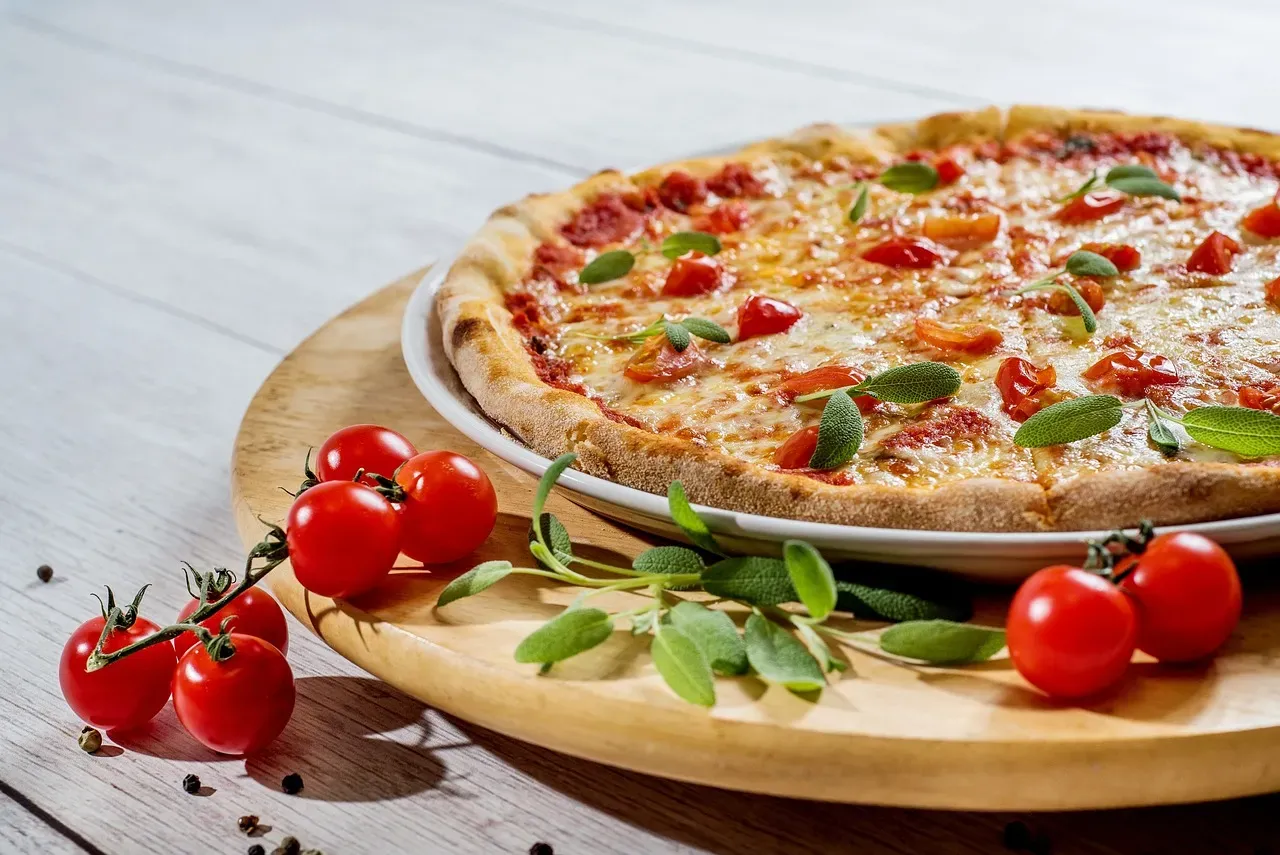
Detroit-style pizza is having a moment, but most people still haven't experienced the real deal. Born in automotive city factories during the 1940s, this style gets baked in blue steel pans originally used for holding car parts. That's not just a fun fact. Those industrial pans create something magical.
The dough gets pressed all the way to the edges, where it fries in its own oil against the pan sides. What you get is a crispy, caramelized cheese crust that shatters when you bite into it. The cheese goes on first, then the toppings, with stripes of sauce ladled on top after baking.
It's thick but somehow lighter than you'd expect. The bottom stays crispy while the inside remains airy. Traditional Detroit spots use Wisconsin brick cheese, which melts differently than mozzarella and creates those legendary crispy edges. Once you've had it done right, it's hard to go back to anything else.
2. St. Louis-Style: The Thin, Cracker-Crisp Underdog
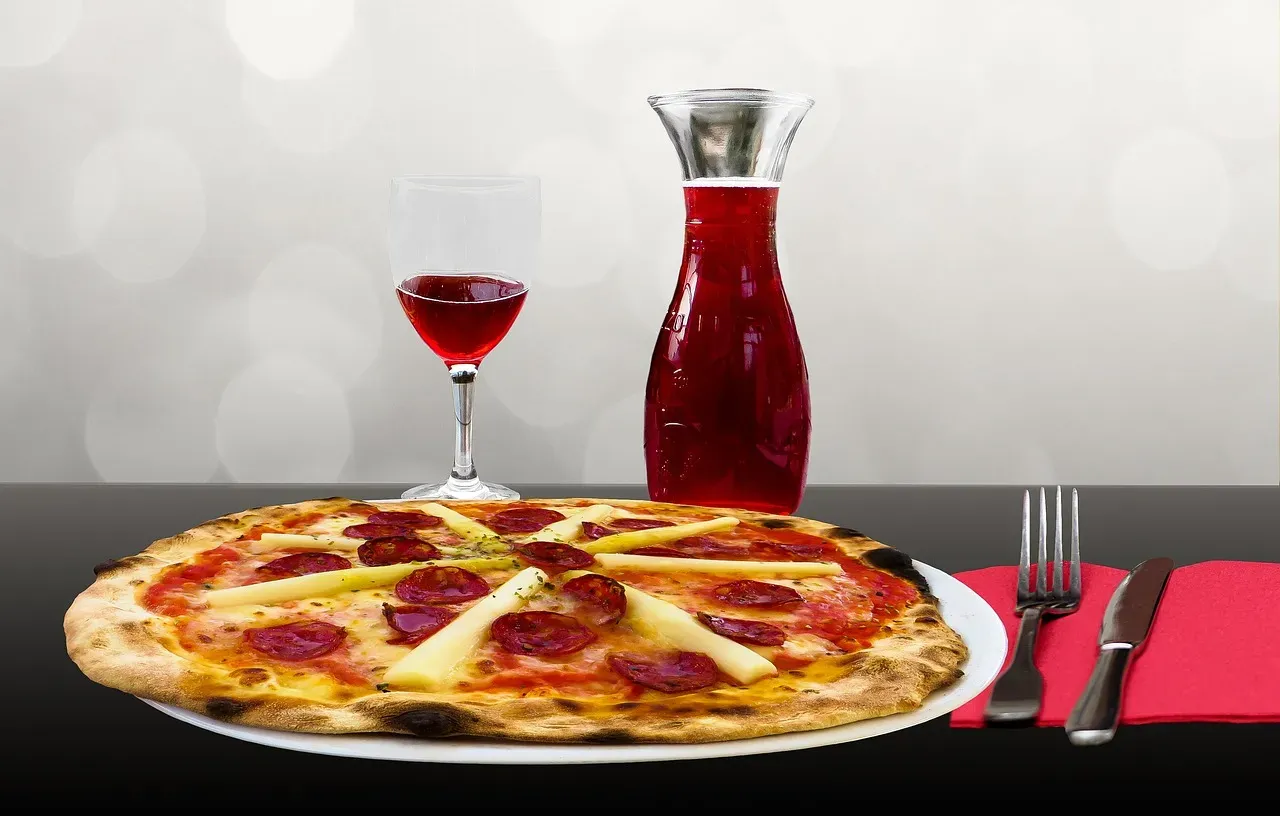
St. Louis pizza divides people immediately. There's no middle ground here. You either love the ultra-thin, cracker-like crust or you're completely baffled by it.
The real controversy is the cheese. St. Louis pizza uses Provel, a processed blend of cheddar, Swiss, and provolone that melts into this gooey, slightly sweet layer. It doesn't stretch like mozzarella. It pools and spreads, creating a texture that's honestly unlike any other pizza cheese you've tried.
The crust is unleavened, rolled incredibly thin, and cut into squares instead of triangles. Locals call those square pieces "party cut" or "tavern cut." It's the kind of pizza you can eat while standing at a backyard barbecue, holding a beer in your other hand.
Imo's Pizza is the most famous chain serving this style, but neighborhood spots across St. Louis have been making it this way since the 1940s. People from St. Louis will defend this pizza with an intensity that's almost intimidating.
3. Ohio Valley-Style: The Cold Cheese Phenomenon
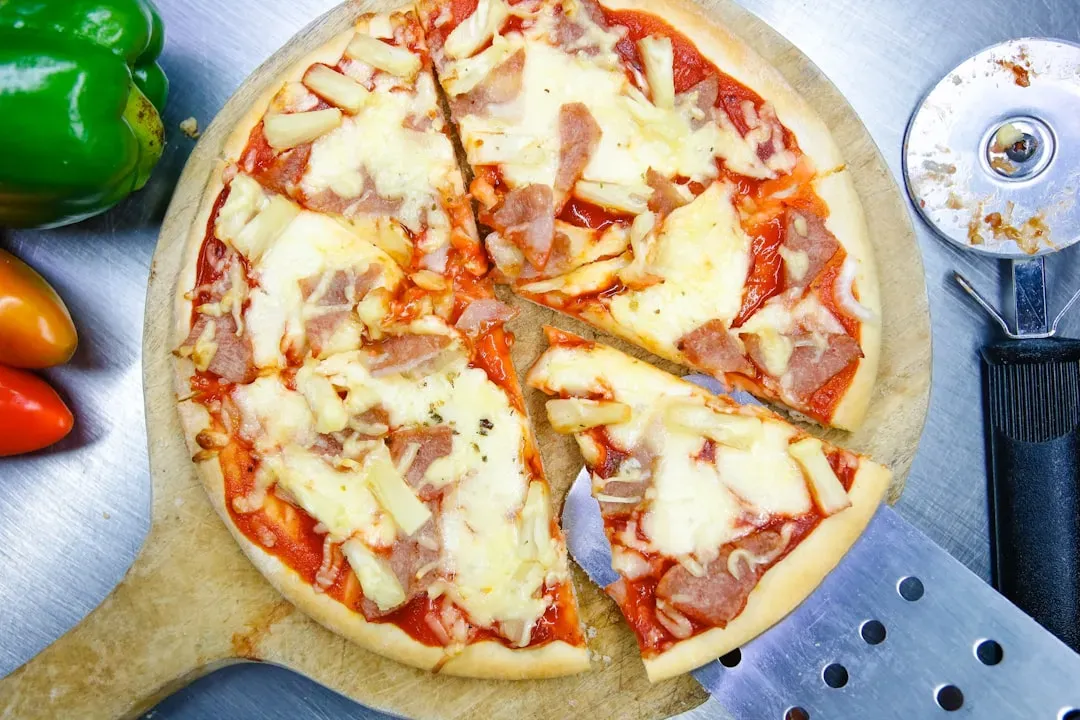
This one sounds wrong until you try it. Ohio Valley pizza, found primarily in the eastern part of the state and parts of West Virginia, comes out of the oven with the cheese added cold on top of the hot sauce and crust.
Yes, cold cheese. On purpose.
The pizza bakes with just sauce and toppings. Right before serving, they pile on handfuls of shredded cold mozzarella and provolone. The heat from the crust and sauce starts melting it slowly, but you're definitely eating some cold cheese with your first few bites. It creates this interesting temperature contrast that somehow works.
The crust itself is thick and focaccia-like, sturdy enough to support the weight of all that cheese. DiCarlo's Pizza is the most well-known chain doing this style, but locals swear by smaller spots scattered through the Ohio Valley region. It's hard to say for sure, but this style might have started as a practical solution for serving large crowds at events where pizza needed to sit out.
4. New Haven-Style: Coal-Fired Charred Perfection
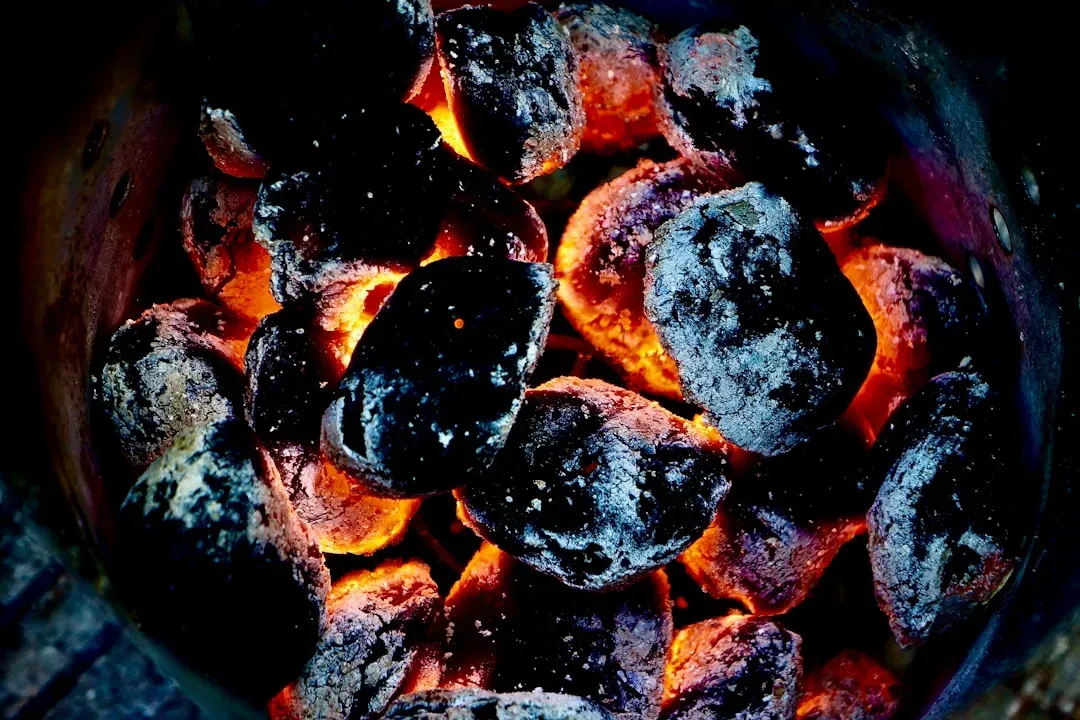
New Haven doesn't get enough credit in pizza conversations. This Connecticut city created something special back in the early 1900s, and the locals there still call it "apizza" (pronounced ah-BEETZ).
The defining feature is the coal-fired oven that reaches temperatures most home ovens can only dream about. The crust gets charred, almost burnt in spots, creating a chewy texture with a distinctive smoky flavor. It's thin but not cracker-thin. More like a proper Neapolitan crust with a New England attitude.
Here's where it gets interesting. The default apizza comes with just sauce, garlic, oregano, and maybe some grated Parmesan. No mozzarella unless you specifically ask for it. When you do order cheese, locals call it "mootz."
Frank Pepe Pizzeria Napoletana and Sally's Apizza have been doing this since the 1920s and 1930s, and people still line up for hours to get in. The white clam pizza at Pepe's is legendary. Fresh clams, garlic, olive oil, oregano, and that's it. Nothing else needed.
5. Quad Cities-Style: The Malt-Infused Mystery
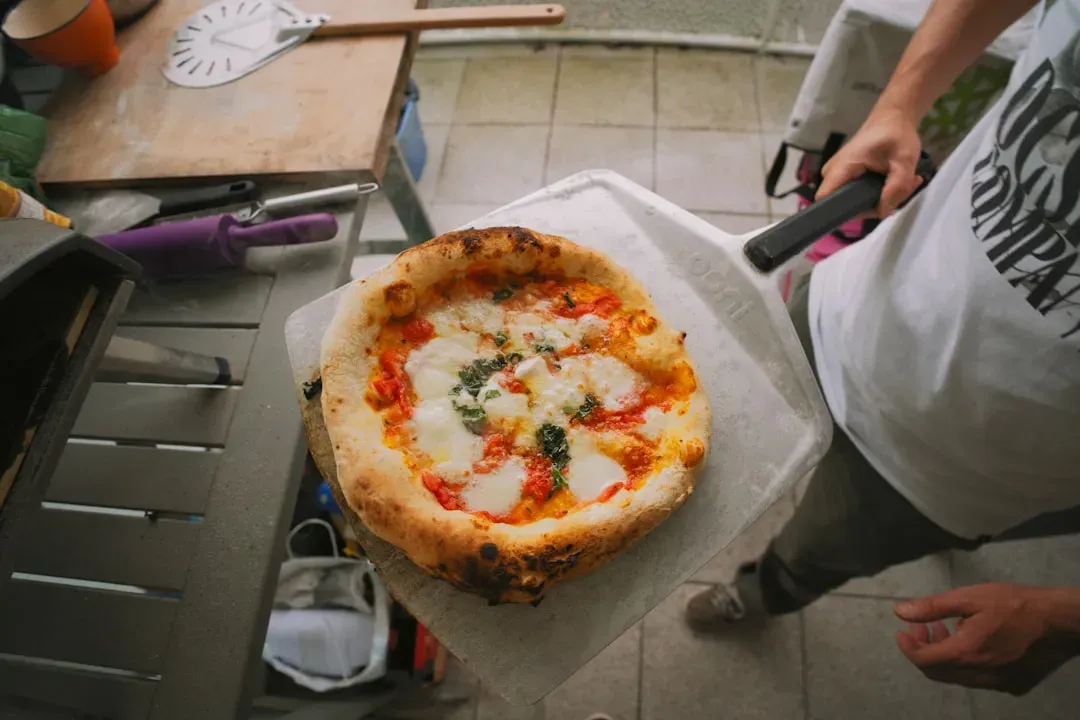
The Quad Cities area (straddling Iowa and Illinois) created something genuinely weird and wonderful. This style doesn't make sense on paper, but it absolutely works in practice.
The dough contains malt, giving it a slightly nutty, almost beer-like flavor that's completely unique. The crust is thin and crispy but with a distinctive taste you can't quite place until someone tells you about the malt. They use a spicy, fennel-heavy sauce that kicks harder than your standard pizza sauce.
Instead of mozzarella, Quad Cities pizza uses a generous amount of aged, sharp cheese that gets scattered all the way to the edges. The pizza gets cut into strips instead of traditional slices. Not squares, strips. Long rectangular pieces that you pick up and fold.
Harris Pizza and Frank's Pizza are the go-to spots, and both have been serving this style since the 1950s. The combination of malt crust, spicy sauce, and sharp cheese creates a flavor profile that's completely different from any other regional style. It shouldn't work, but somehow it absolutely does.
Conclusion: Pizza Beyond the Usual Suspects
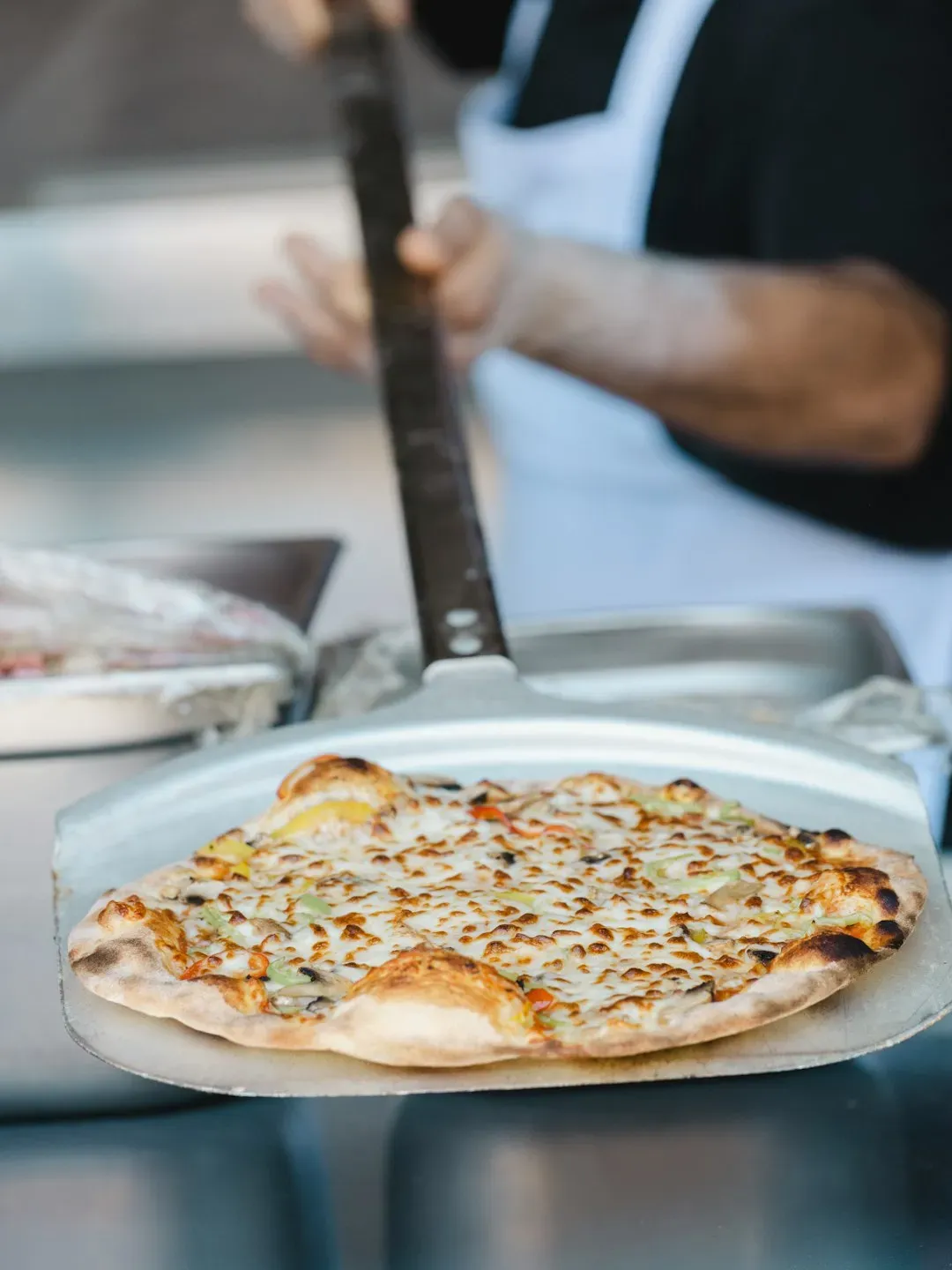
These five styles prove that American pizza culture is so much richer than the coastal rivalry everyone keeps rehashing. Each region created something that perfectly suited their community, using local ingredients and solving practical problems in creative ways.
The best part is that most of these places still do it the old-fashioned way. Family-owned spots that have been using the same recipes and techniques for decades. No trends, no fusion experiments, just honest pizza that means something to the people who grew up eating it.
Next time you're traveling through these areas, skip the chain restaurants and find the local pizza joint. Order whatever the regulars order. You might discover your new favorite style in a place you never expected. What's your take on regional pizza styles? Have you tried any of these, or is there another hidden gem we should know about?


Leave a Reply