
There's a quiet revolution happening behind restaurant kitchen doors. Dishes that once anchored menus and dazzled diners are being quietly pulled, replaced, or flatly refused by the very chefs who used to champion them. The reasons range from food safety nightmares to crashing sales and shifting diner expectations. According to a Menu Matters survey, the overriding demand from consumers heading into 2025 was simply "just give me something new," and that restlessness is reshaping what lands on tables and what quietly disappears from menus. These are five of the most blacklisted dishes in professional kitchens right now - and the real stories behind why chefs are done with them.
1. Hollandaise Sauce - The Brunch Staple Hiding a Dangerous Secret

Few dishes are more synonymous with weekend brunch than eggs Benedict, and yet hollandaise sauce - its silky, butter-rich crown - is increasingly the dish that experienced chefs refuse to serve or endorse. Hollandaise sauce is made using melted butter and raw egg yolks, which can pose a serious salmonella risk, and that concern only deepens given the warmth and relative freshness required to keep this sauce table-ready. The sauce is usually made well ahead of service and kept between 120 and 145 degrees Fahrenheit - a range that sits on the upper cusp of what the USDA refers to as the "danger zone," where microbes can flourish rapidly.
The late Anthony Bourdain was one of the most vocal critics of restaurant hollandaise for exactly this reason. Bourdain was blunt about the reality of kitchen practice: "Nobody I know has ever made hollandaise to order. Most likely, the stuff on your eggs was made hours ago and held on station." The Centers for Disease Control and Prevention warns that some restaurants use raw or unpasteurized eggs, which can lead to Salmonella infection - a condition that may cause fever, diarrhea, vomiting, and stomach pain, with symptoms kicking in within 12 to 72 hours and lasting up to one week. For chefs who care about their guests' wellbeing and their own reputation, that is an unacceptable gamble to keep on the menu.
2. The Plant-Based Burger - From Revolution to Rejection
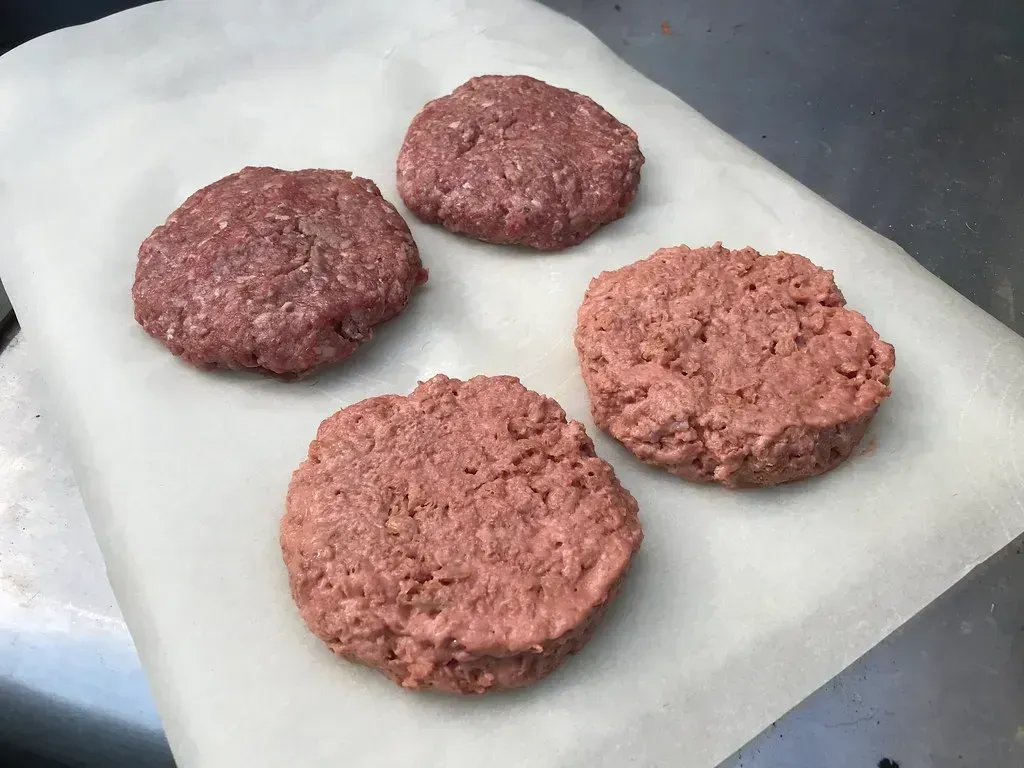
For a few years around 2019 and 2020, the plant-based burger felt unstoppable. Every major chain rushed to add one, investors poured billions into alt-meat startups, and chefs across the country were told this was the future of food. That future arrived - and then reversed dramatically. According to SPINS data analyzed by the Good Food Institute, US retail sales of most plant-based categories were down in 2024, with sales of plant-based meat and seafood specifically dropping 7% to $1.2 billion, while unit sales fell an even steeper 11%. The decline wasn't a blip; it was a collapse.
Chefs and restaurant operators started pulling these items from menus at scale, and the reasons were more than just sales numbers. Consumers began moving away from heavily engineered "fake meats" in favor of whole foods, with clean-label, minimally processed options winning while ultra-processed plant-based products lost consumer trust. Major early adopters followed suit: Del Taco took Beyond Meat off its menus, and Carl's Jr. scaled back its Beyond offerings, with plant-based burgers no longer available at "most" of its restaurants as of April 2024. Even fine dining wasn't immune - Eleven Madison Park made headlines by reintroducing meat and seafood to its menu after a four-year period as a fully vegan establishment, with chef Daniel Humm citing the need for financial sustainability, acknowledging that the exclusive vegan menu had unintentionally alienated some guests and impacted business.
3. The Multi-Course Tasting Menu - A Dying Ritual of Fine Dining
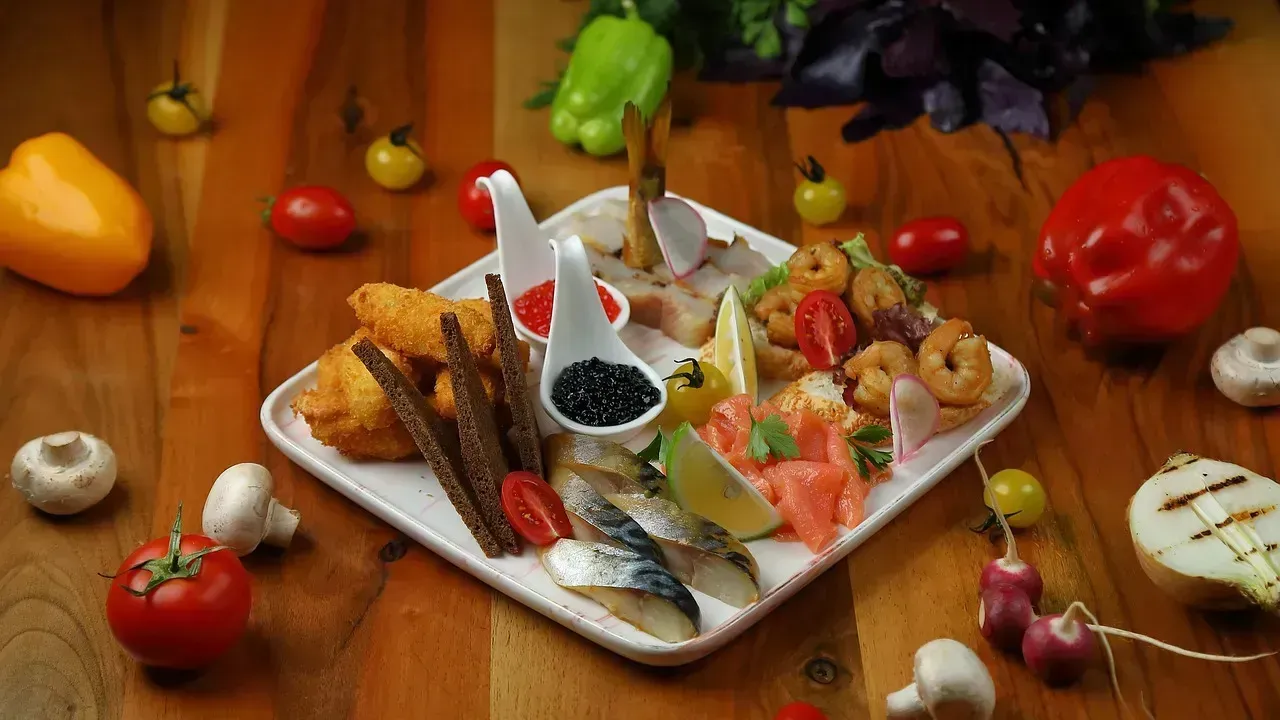
The prestige tasting menu - a marathon of tiny plates, elaborate preparations, and price tags to match - was once the gold standard of serious dining. Today, many chefs are quietly abandoning it or radically rethinking it. According to the US Consumer Price Index, "food away from home" rose about 6 percent from January 2024 to September 2025, driven by rising labor, rent, and ingredient costs, putting the lengthy and expensive tasting menu under particular pressure. Inflation has reshaped consumer dining habits broadly, and a sixteen-course dinner costing several hundred dollars per person is a harder sell when grocery bills feel punishing.
The sentiment from chefs on the ground is equally direct. As chef Danielle Duran Zecca, co-owner of Amiga Amore in Los Angeles, noted, tasting menus will always have a place, but people are now looking for "more loaded dishes that don't skimp on flavor and satisfy without breaking the bank." As restaurant-goers become more discerning with their dollars, operators are focusing their menus on fewer things done well - with chef Jhonny Reyes of Lenox in Seattle describing smaller menus that "change more often, built around what's fresh, what's local, and what feels right for the season." The show-off format of the tasting menu increasingly feels like the wrong answer to the moment.
4. The Out-of-Season Seafood Dish - A Quality and Ethics Minefield
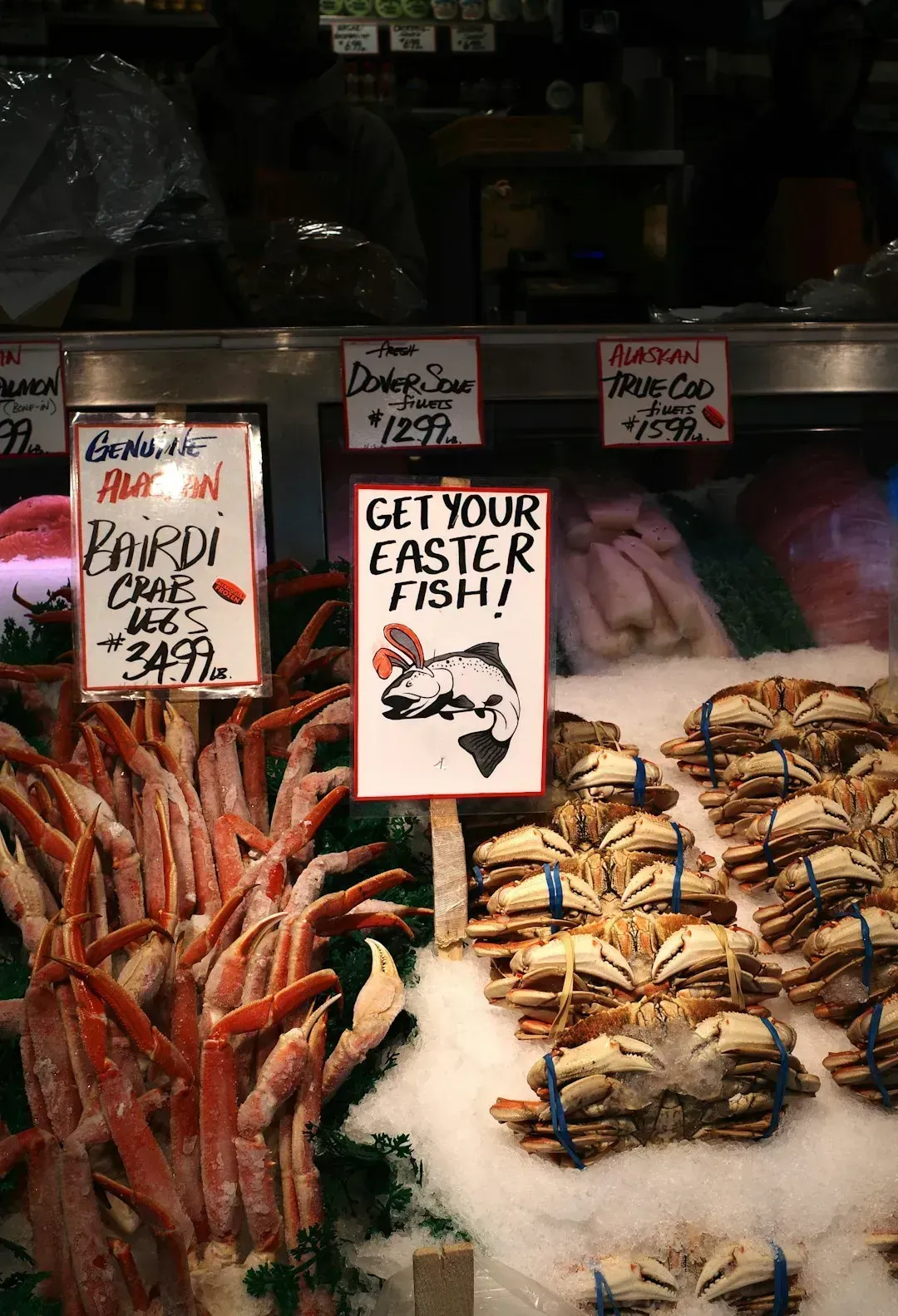
Ordering seafood off-season used to be something restaurants did routinely to keep menus full year-round. Today, chefs with any real standard refuse to do it - and many won't even recommend it to diners. When it comes to seafood, timing is everything, and many chefs refuse to order or recommend seafood that is not in season. This not only affects taste and quality but also impacts sustainability - ordering fish like swordfish out of season, for instance, can contribute to overfishing and a decline in fish populations. The problem isn't just flavor; it's responsibility.
The broader culinary industry has reinforced this position with hard data. The National Restaurant Association named "Sustainability and Local Sourcing" as the number one trend in its "What's Hot 2025 Culinary Trend Forecast," with chefs and industry professionals identifying restaurants' commitment to sustainability as the leading factor impacting where consumers choose to eat out. Chefs like Alice Waters have built entire culinary philosophies around this principle. Waters, the farm-to-table pioneer, refuses to use tomatoes in winter and only cooks with local, seasonal ingredients - a stance that underpins the sustainable food movement she helped found. Serving pale, imported, out-of-season fish is, to serious chefs, not a menu option at all.
5. The Generic House Salad - A Symbol of Culinary Laziness
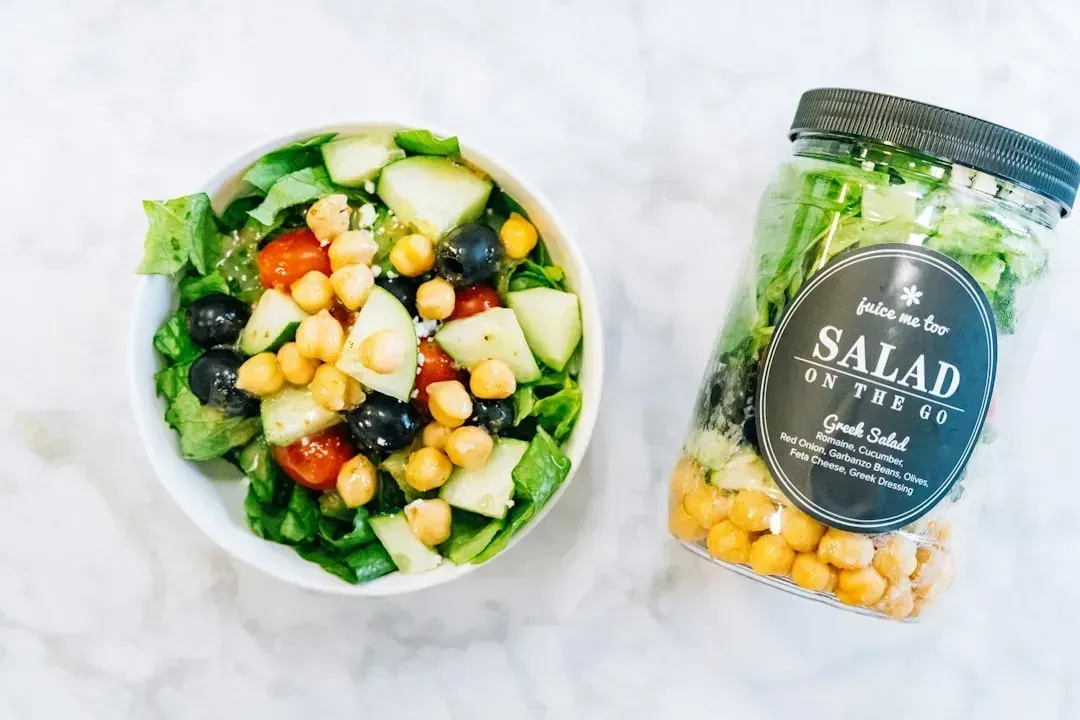
It sits at the top of almost every casual dining menu: the house salad. Iceberg lettuce, a pale tomato wedge, a crouton or two, and a dressing from a bottle. It costs almost nothing to make, eats up menu space, and communicates to every chef in the building that no one really thought hard about vegetables. Executive chef Kayson Chong of The Venue in Los Angeles says he stays away from the house salad entirely when dining out, preferring "something special that a chef created with seasonal products and interesting combinations" - something new and exciting, not something findable anywhere.
The problem goes deeper than laziness. In Menu Matters' survey of consumers, the overriding need heading into 2025 was "just give me something new," with 39% of consumers expressing optimism and a clear desire for more genuine newness on menus. Industry insiders warn operators not to offer the same foods everyone else is offering - "kale salads and hot honey, anyone?" - and explicitly advise chefs to "get away from the single ingredient or dish that's everywhere." The house salad is the ultimate expression of that stale, interchangeable approach to food. Complexity and confusion can make a dish sound intriguing on a menu but often leads to an unbalanced plate, while these uninspired menu items are typically designed to attract attention rather than provide a coherent dining experience. Chefs who care about craft have decided the house salad - in its generic, thoughtless form - simply has no place on their menus anymore.



Leave a Reply