
We all know berries are good for you. They're colorful, delicious, and packed with nutrients that sound impressive on paper. Yet when you're standing in the produce aisle trying to decide between blueberries and strawberries, the question becomes less abstract. Which one actually delivers more of what your body needs?
Let's be real, both berries have their loyal fan base. Some people swear by the deep purple hue of blueberries as proof of their nutritional superiority. Others argue that strawberries are the ultimate winner because they're bursting with flavor and freshness. The truth is more nuanced than you might expect.
The Antioxidant Showdown: Which Berry Wins?
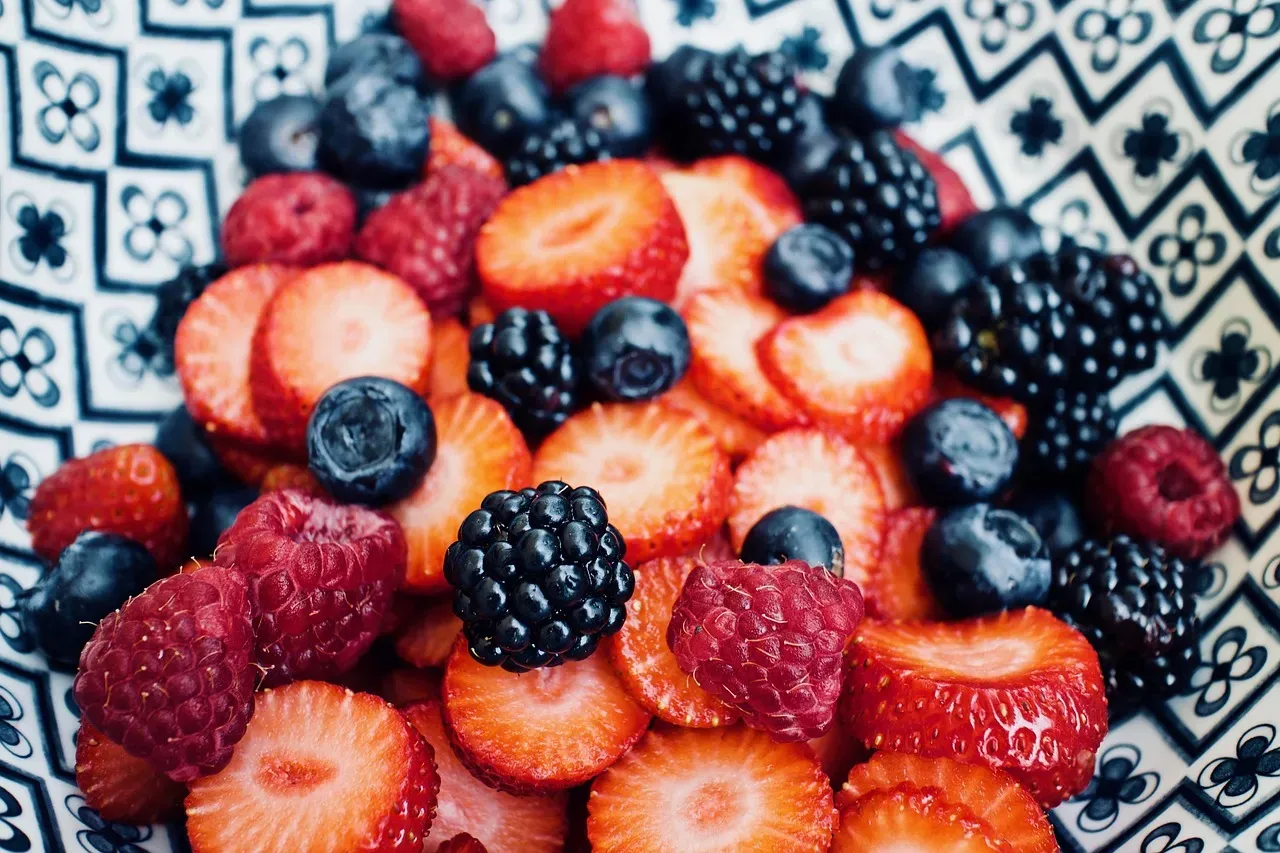
Blueberries are often considered the best berry source of antioxidants and are frequently called antioxidant superstars. Research backs this up in a big way. Studies found that blueberries have the strongest total antioxidant capacity and the highest total phenolic content, total flavonoid content, and total anthocyanidin content compared to strawberries.
According to a 2004 study, a cup of cultivated blueberries has 9,019 antioxidants, while wild blueberries have 13,427 total antioxidants per cup. Strawberries, while still impressive, simply can't match those numbers. When scientists compared ORAC values, which measure antioxidant capacity, blueberries scored 9,019 ORAC units per cup compared to strawberries at 5,938 ORAC units per cup.
The anthocyanins in blueberries give them that deep blue color and are responsible for much of their antioxidant punch. Blueberries are very high in anthocyanins, which are also found in chokeberries and elderberries. Strawberries do contain anthocyanins too, but at significantly lower levels.
Vitamin C Content: The Surprising Winner
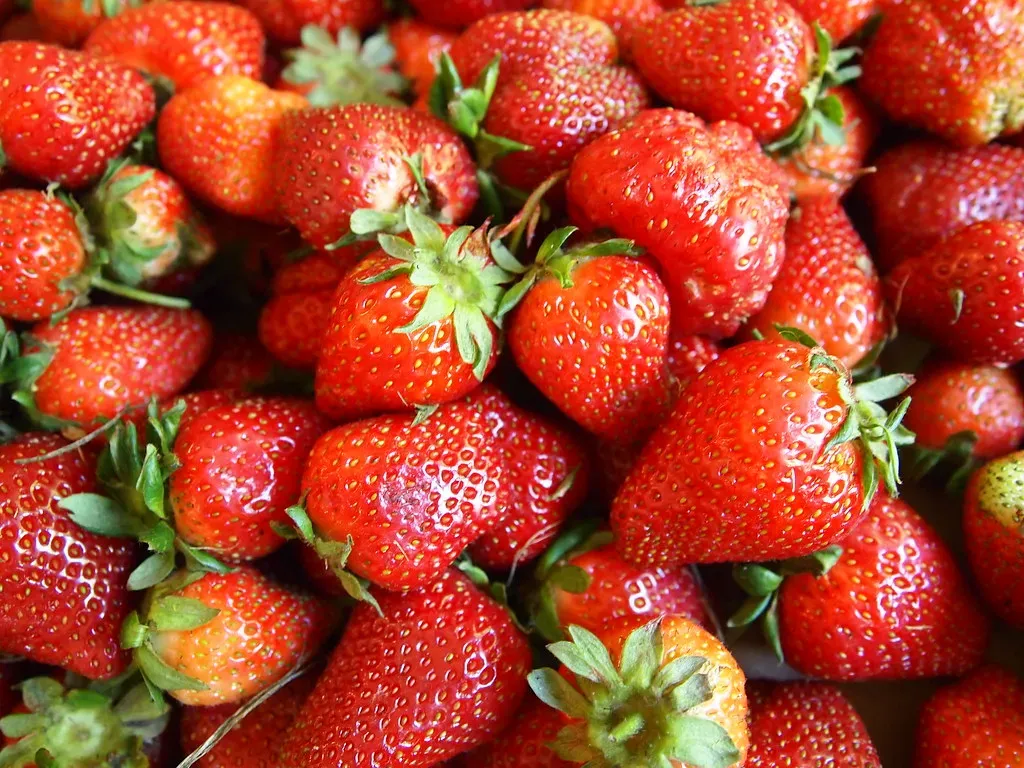
Here's where things flip. Among berries, blueberries have the lowest vitamin C levels at 9.7 mg per 100g, while strawberries have the highest at 60 mg per 100g. That's a massive difference.
One cup of strawberries has more vitamin C than an orange and contains only 45 calories and 3 grams of dietary fiber. In fact, eight medium strawberries contain 160% of your daily recommended amount of vitamin C. Meanwhile, a cup of blueberries provides only 24% of the daily value for vitamin C.
If you're looking to boost your immune system or protect your skin from oxidative stress, strawberries are clearly the superior choice in this category. Their vitamin C content is roughly five times higher than blueberries, which is hard to ignore.
Fiber Face Off: A Closer Contest
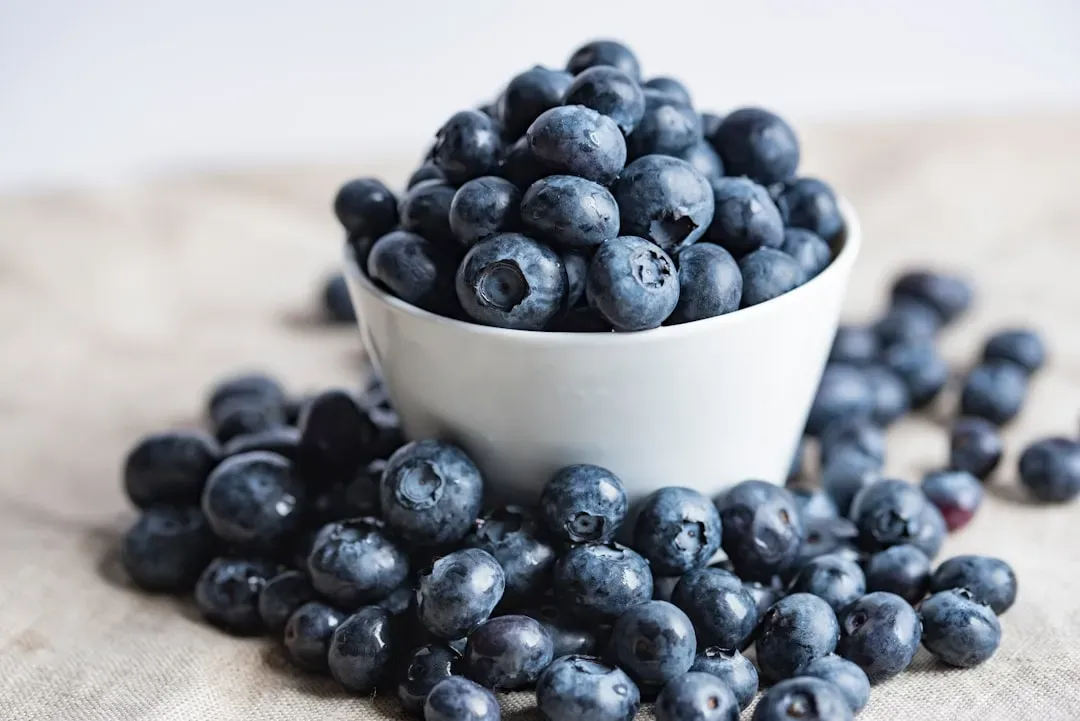
When it comes to dietary fiber, both berries perform admirably, though the difference is subtle. A cup of blueberries provides 14% of your daily value for dietary fiber. Strawberries come in just slightly lower at 3 grams of dietary fiber per cup, which equals 12% of your daily value.
Honestly, the difference here is minimal enough that you'd be splitting hairs trying to declare a winner. Both berries contribute to digestive health, help maintain stable blood sugar levels, and keep you feeling full longer. The fiber content in both is respectable but not dramatically different.
Wild blueberries do have an edge, though. Wild blueberries contain about twice as much fiber and calcium as regular farmed blueberries. So if you can get your hands on wild varieties, you're getting an upgraded nutritional profile.
Calorie and Sugar Comparison
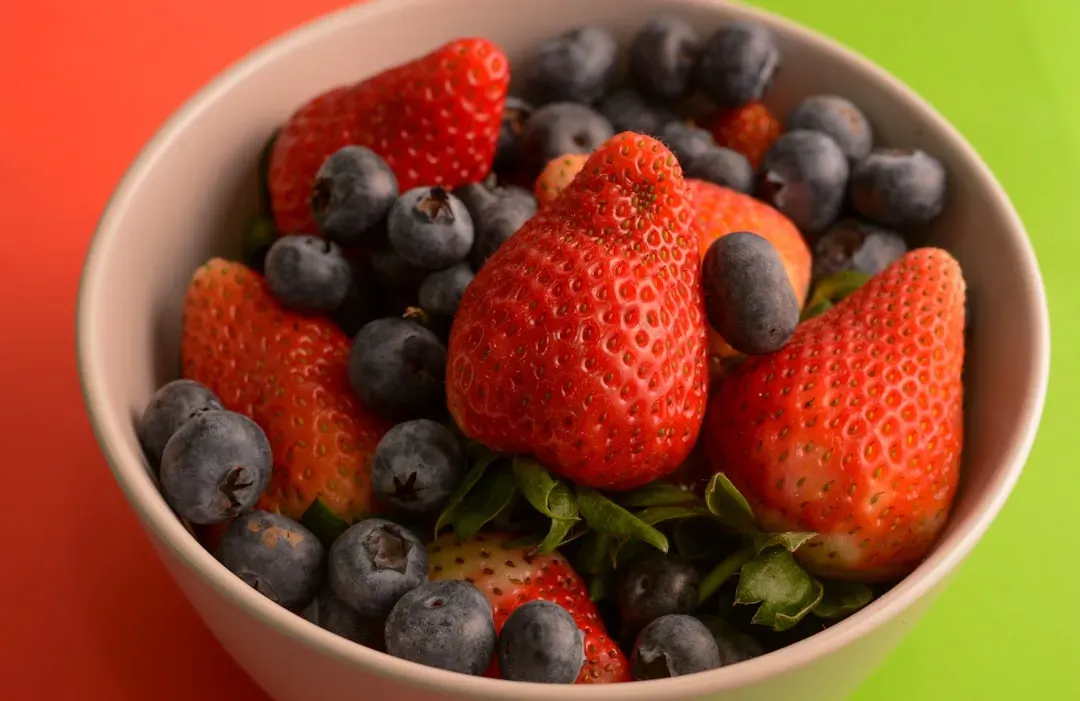
Both berries are low in calories, making them excellent choices for anyone watching their weight. One cup of strawberries has only 45 calories, while blueberries are slightly higher but still modest.
Strawberries are also naturally low in sugar and contain only 7 grams of natural sugar per cup serving. Strawberries contain only 4.9g sugar per 100g with a low glycemic index of 40, making them excellent for weight loss at just 32 calories per 100g. Blueberries contain slightly more sugar, but both berries are considered safe for people managing diabetes due to their relatively low glycemic impact.
The natural sugars in both berries come packaged with fiber and antioxidants, which slows down absorption and prevents blood sugar spikes. This is a stark contrast to processed foods with added sugars.
Brain Health Benefits: Blueberries Take the Lead
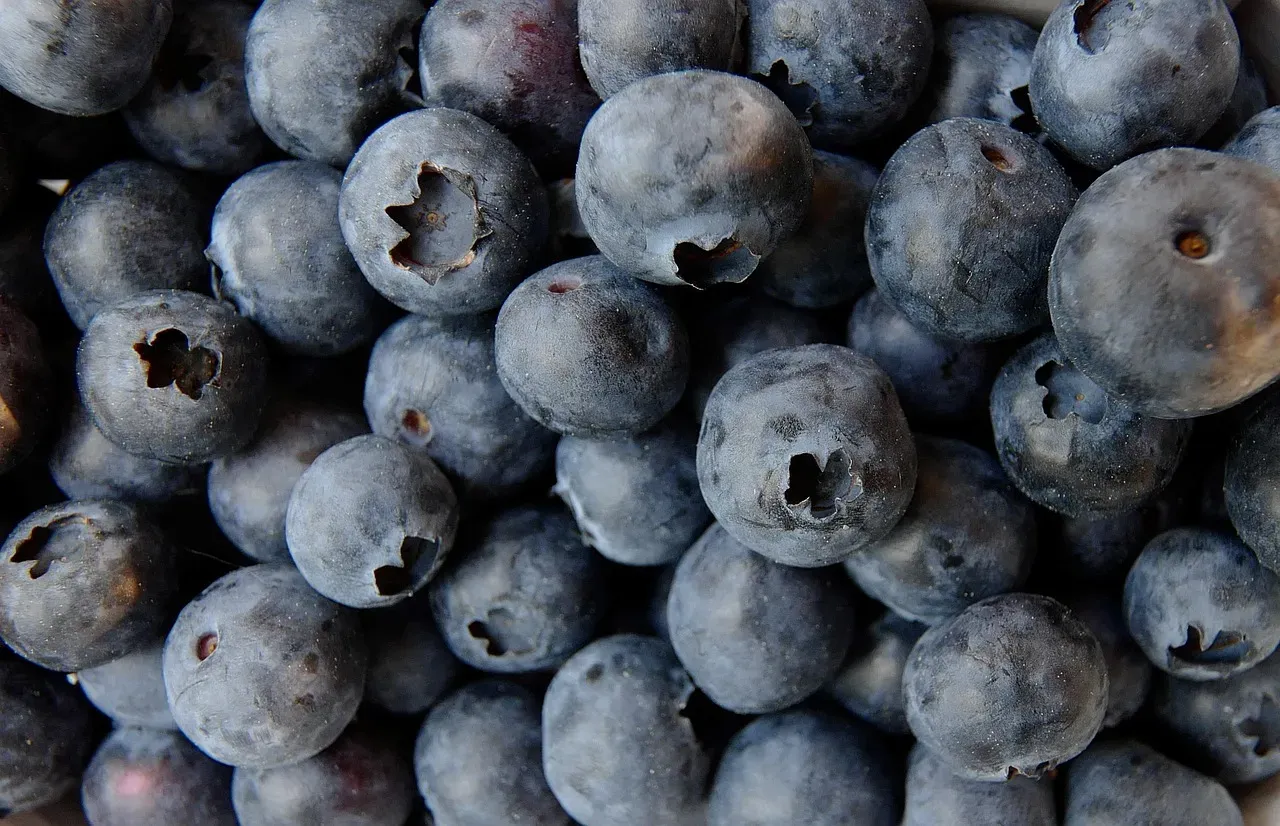
Blueberries are often cited as a food associated with brain health and healthy aging. Recent research supports this reputation in compelling ways. A 2025 randomized controlled trial found that consuming 26 grams of freeze dried strawberry powder daily over 8 weeks led to improvements in cognitive processing speed in adults with a mean age of 72, equivalent to 2 cups of fresh strawberries.
Wait, that was strawberries. Yet blueberries have their own impressive track record. Researchers showed that blueberries are highly beneficial in maintaining memory function and preventing cognitive degeneration, with consumption of blueberry supplemented diets improving memory function and mood in older adults with early memory decline.
Both berries support brain health, but the mechanisms differ slightly. The anthocyanins in blueberries appear particularly effective at crossing the blood brain barrier and protecting neural tissue. Strawberries offer cognitive benefits too, but blueberries remain the go to recommendation for brain health among nutritionists.
Heart Health and Cardiovascular Protection
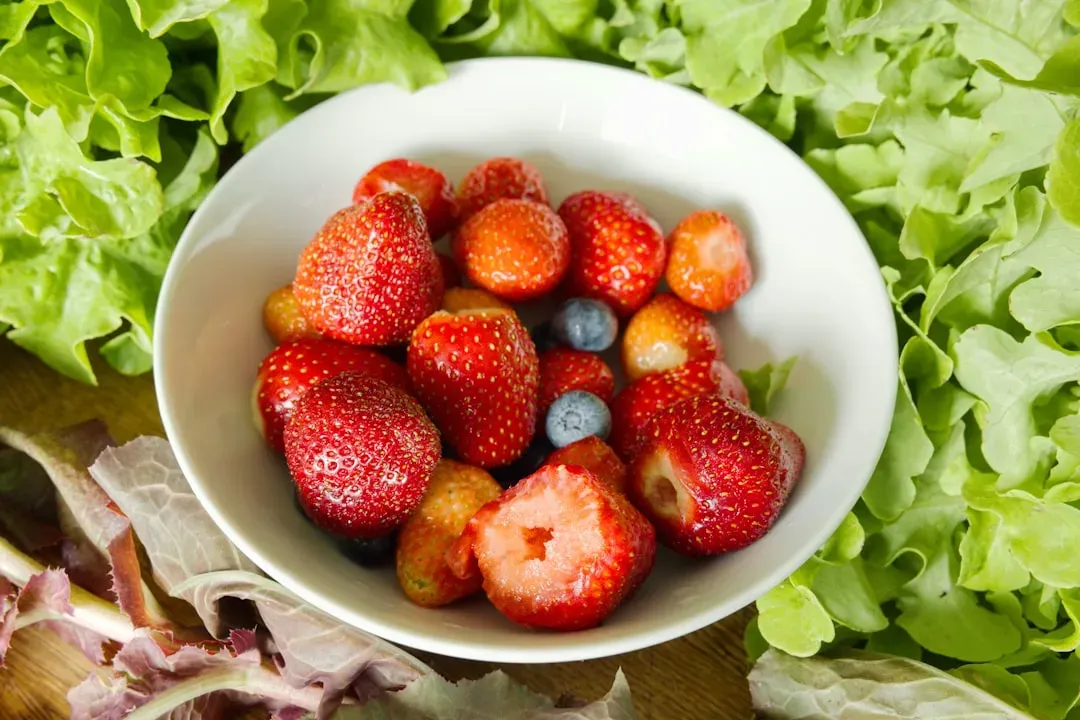
Cardiologists have stated that berries, especially blueberries, come with some of the most notable heart health benefits of all fruits. The combination of antioxidants, fiber, and polyphenols in both berries works synergistically to protect cardiovascular health.
Current research suggests that consuming 1 cup of strawberries may help improve heart health by reducing total cholesterol levels and lowering blood pressure. Strawberries' high levels of vitamin C and other antioxidants help reduce the risk of serious health conditions like cancer, diabetes, stroke, and heart disease.
Blueberries offer similar cardiovascular protection through different pathways. Their high anthocyanin content specifically targets inflammation and oxidative stress, two major contributors to heart disease. The reality is both berries are heart healthy choices, and rotating between them might offer the most comprehensive protection.
Fresh vs. Frozen: Does It Matter?
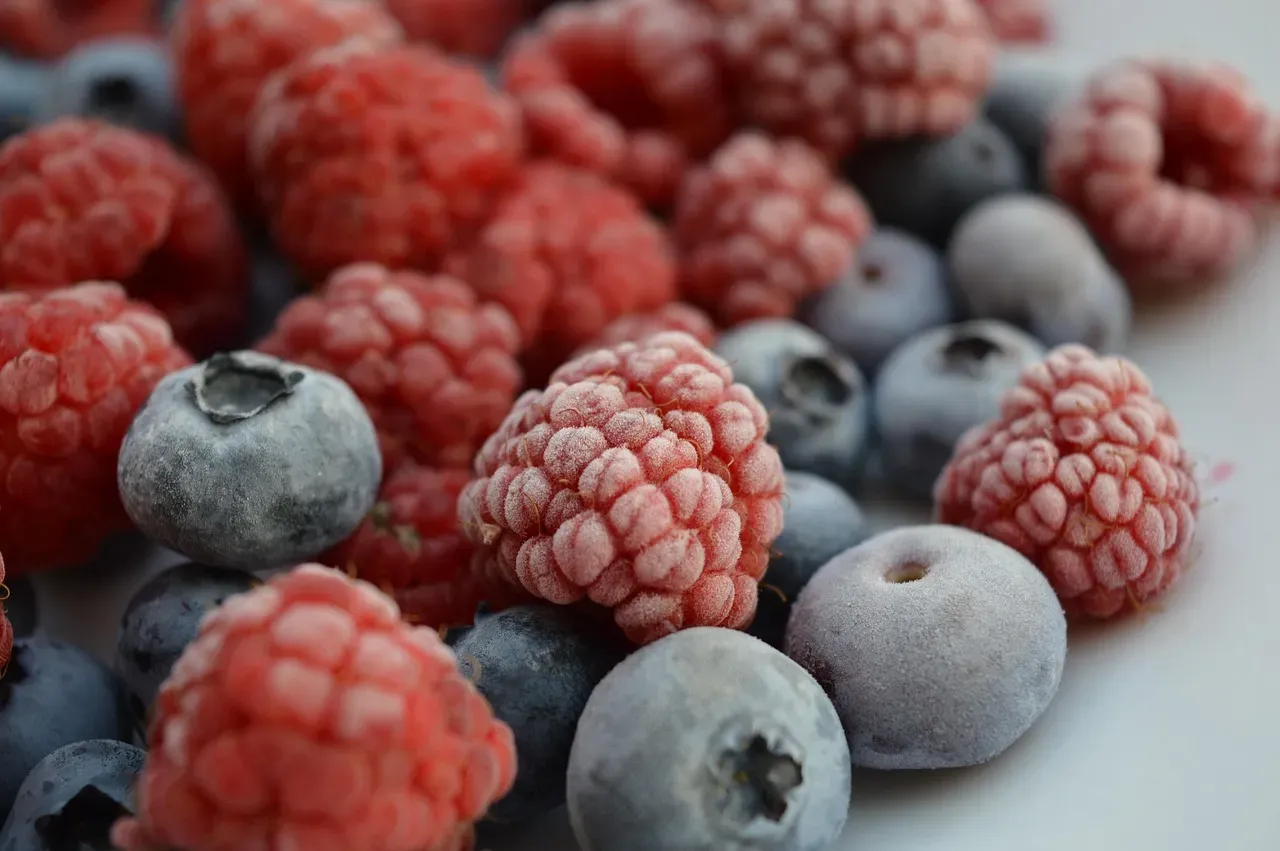
This is where things get interesting. Many people assume fresh is always better, but that's not necessarily true with berries. Individual quick freezing is a widely used means to preserve blueberries and retain vitamin C, total phenolics, anthocyanins, and antioxidant capacity.
Frozen strawberries retain nearly all their nutrients, with studies showing anthocyanin and vitamin C content remaining stable in frozen berries, as freezing actually preserves nutrients at peak ripeness. In some cases, frozen berries might actually be more nutritious than fresh ones that have been sitting on shelves for days.
The key is proper storage. The percentage loss of blueberry anthocyanins during storage at negative 18 degrees Celsius was only 12% after 10 months. Frozen berries give you year round access to these nutritional powerhouses without sacrificing quality.
Practical Ways to Maximize Berry Benefits
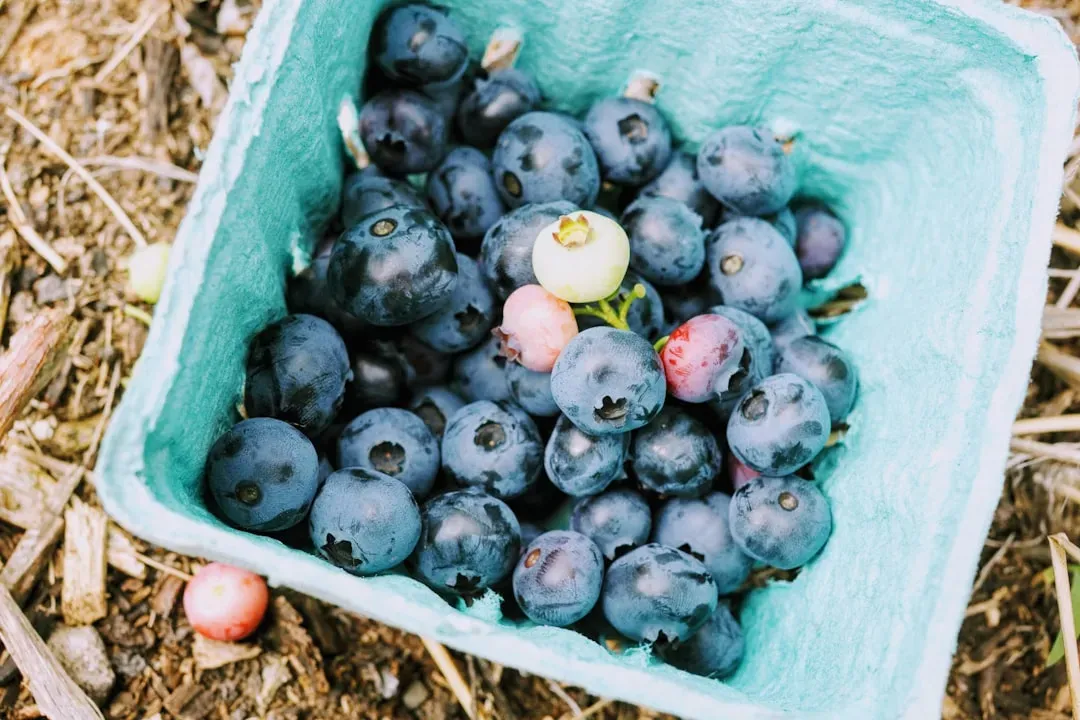
Getting the most nutrition from your berries involves more than just choosing the right variety. Heat can affect the antioxidant content, so raw, fresh, and organic blueberries are the best way to go, as you don't kill the fiber and still have the vitamins and minerals.
Consider adding berries to your morning oatmeal, blending them into smoothies, or simply eating them as a snack. The important thing is consistency. Studies show people who eat half a cup of strawberries or blueberries three times each week get health benefits.
Combining both berries might be the smartest strategy. You'll get the antioxidant power of blueberries along with the vitamin C boost from strawberries. Mix them in yogurt, salads, or homemade desserts for a nutritional one two punch.
Cost and Availability Considerations
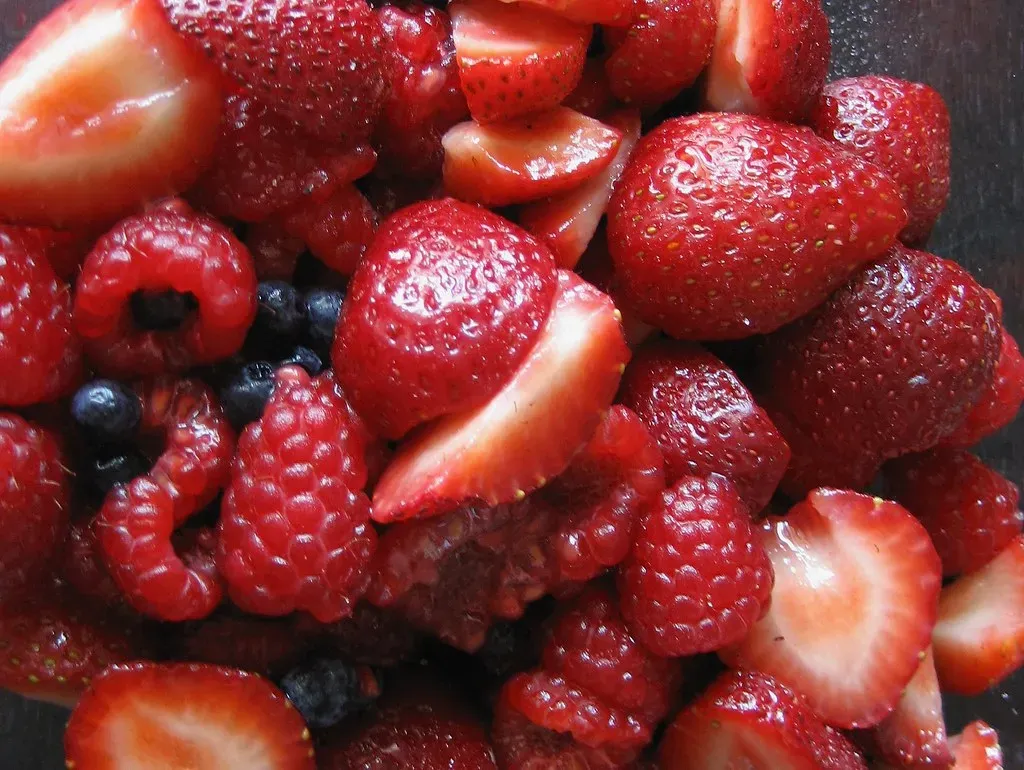
Let's talk practicality. Blueberries have more vitamins, copper, zinc, and carbs, and they are also cheaper than strawberries. This price difference can influence your purchasing decisions, especially if you're buying berries regularly.
Strawberries tend to be more seasonal in some regions, while frozen blueberries are consistently available and affordable year round. If budget is a concern, buying frozen versions of either berry offers excellent value without sacrificing nutritional content.
Organic options are worth considering too. Both berries can carry pesticide residue when conventionally grown, so if you can afford organic versions, that's ideal. Otherwise, washing thoroughly before eating helps reduce pesticide exposure.
The Verdict: Which Berry Reigns Supreme?
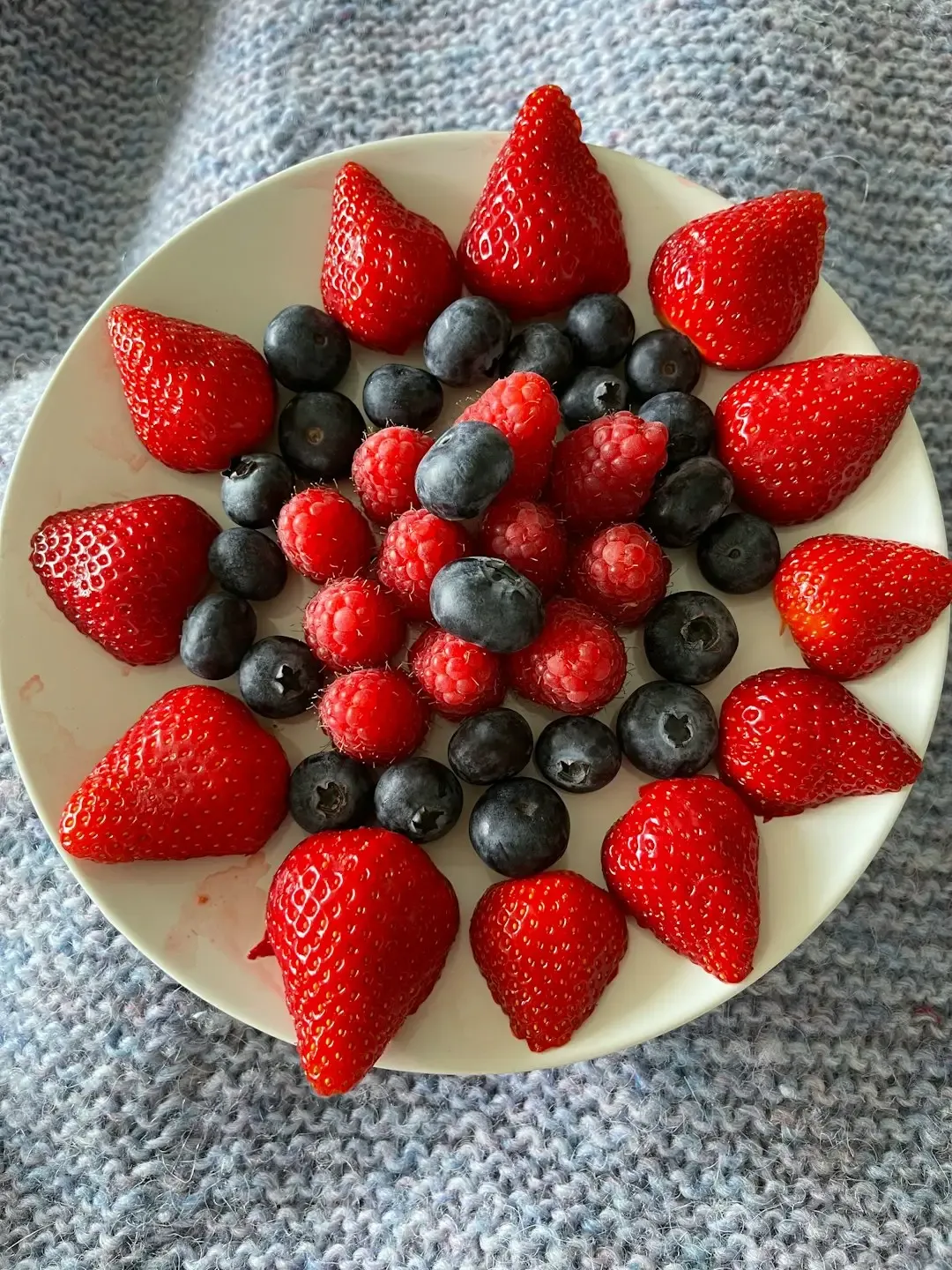
The honest answer is that it depends on your specific health goals. Strawberries are richer in minerals, contain 5 times more vitamin C and 3 times more folate, and have a lower glycemic index and sugar than blueberries, while blueberries have more vitamins, copper, zinc, and carbs.
For antioxidant power and brain health, blueberries are unmatched. For vitamin C and immune support, strawberries dominate. Both offer fiber, heart health benefits, and anti inflammatory compounds. Rather than choosing one over the other, the smartest approach is incorporating both into your regular diet.
The beauty of berries lies in their diversity. Eating a variety ensures you're getting the widest range of protective compounds. What works for your body might be different from someone else's needs. Did you expect the comparison to be this close? Sometimes the best nutritional strategy isn't picking a winner but celebrating what each food brings to your plate.



Leave a Reply