
Every restaurant menu tells a story. Some dishes rise to fame fast, becoming the dishes everyone talks about, photographs, and orders on autopilot for years. Then, almost without warning, those same plates quietly start collecting dust. The orders slow down. The servers stop recommending them. Chefs begin wondering why they're still making space for them at all.
What dazzles diners one year can quietly fade into irrelevance the next, and chefs across the country are watching it happen in real time. According to a Menu Matters survey of consumers, the overriding need for 2025 was simply "just give me something new." That restlessness is reshaping what lands on tables and what quietly disappears from menus.
So what exactly is losing its grip? Let's get into it.
1. The Plant-Based Burger - A Revolution That Lost Steam
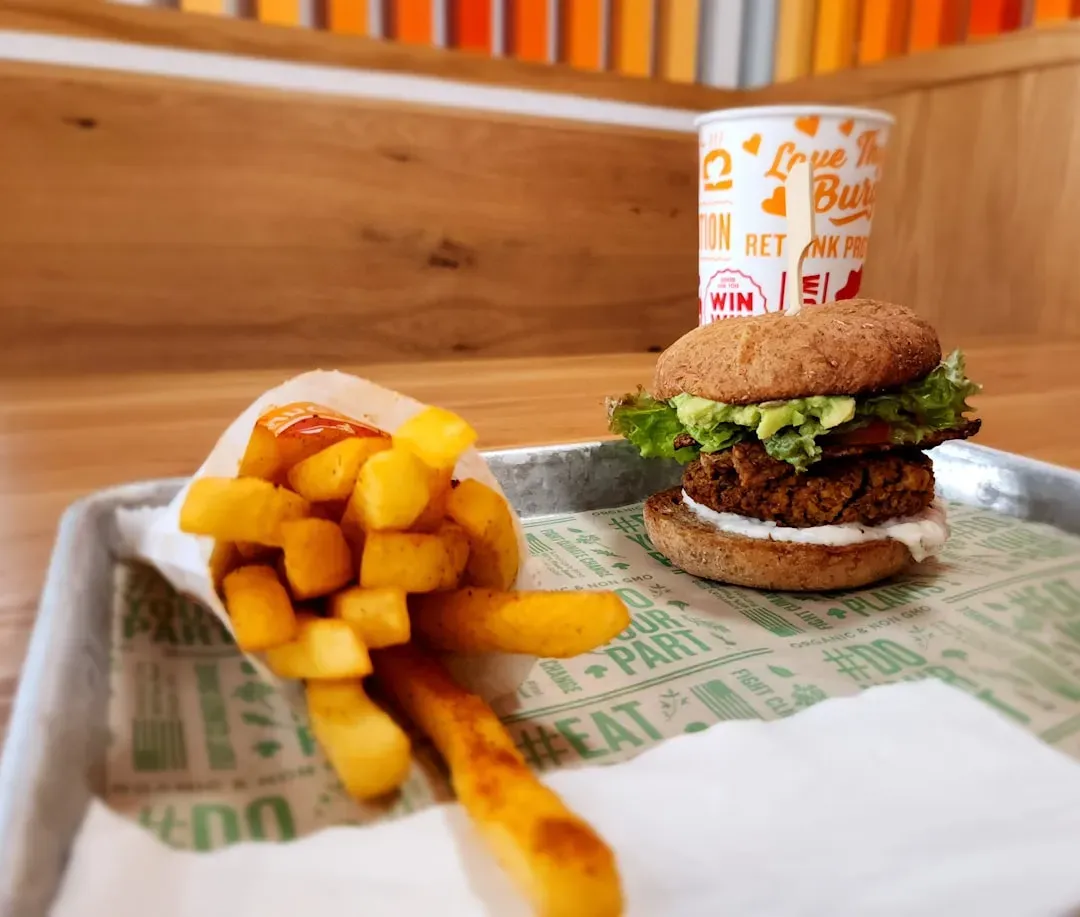
Few dishes captured the imagination of the restaurant world quite like the plant-based burger. For a few years, it felt unstoppable. Nearly every major chain jumped on board, and even fine-casual spots rushed to add a meatless patty to their lineup.
According to SPINS data analyzed by the Good Food Institute, US retail sales of most plant-based categories were down in 2024 against a backdrop of rising sales for conventional meat. Sales of plant-based meat and seafood specifically dropped roughly seven percent to $1.2 billion in 2024, with unit sales falling an even steeper eleven percent. That is not a minor dip. That is a category in retreat.
The decline wasn't a blip. Chefs and industry observers now largely agree that the plant-based burger peaked somewhere around 2021 and has been losing diners steadily since. The novelty wore off, the texture never fully convinced committed meat-eaters, and the price premium felt harder to justify once grocery budgets got squeezed.
Nearly half of US restaurants now offer plant-based options, highlighting a jump of sixty-two percent over recent years, yet ordering behavior tells a completely different story. Availability and actual demand have diverged sharply. Honestly, the plant-based burger might be the most overstocked, under-ordered item in American dining right now.
2. Avocado Toast - From Cultural Icon to Cultural Punchline
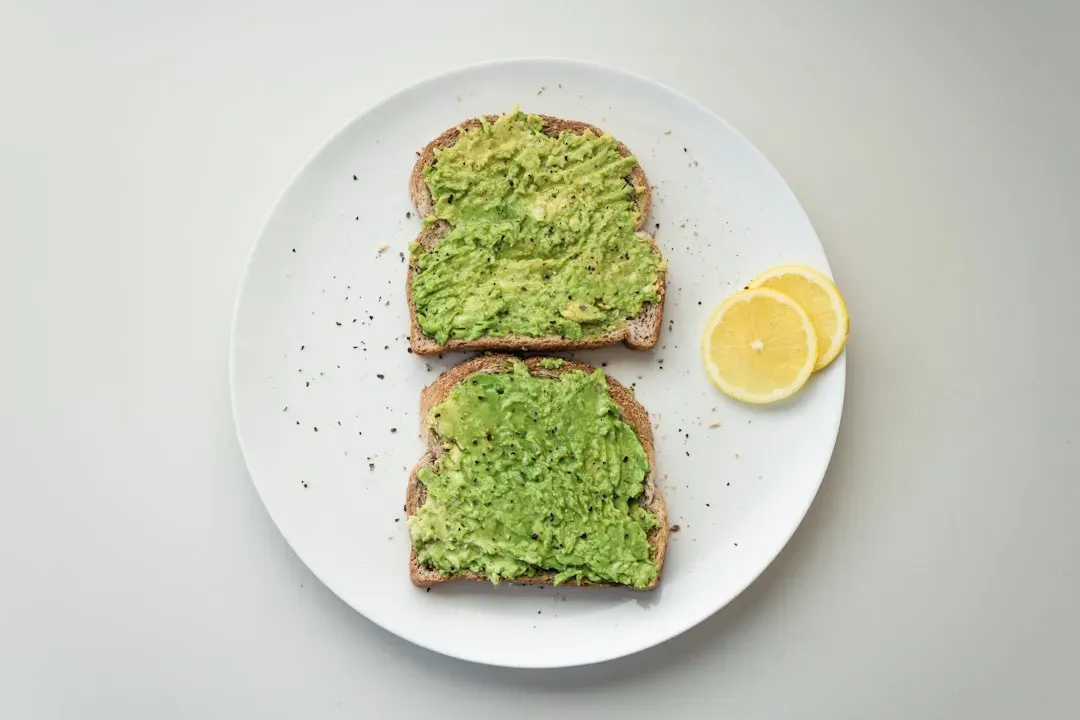
Avocado toast had one of the most remarkable runs in modern food culture. It went from health-café curiosity to restaurant staple to cultural punchline in under a decade. Now, even chefs are questioning its staying power.
Think about it like this: avocado toast was the fidget spinner of brunch menus. Everyone needed one for a season or two, and then everyone got tired of seeing it everywhere. Experts now warn that it is a mistake to offer the same foods everyone else is offering. "Kale salads and hot honey, anyone?" one industry consultant remarked. "Get away from the single ingredient or dish that's everywhere."
The economics are shifting too. Spending growth in both full-service and limited-service restaurants has declined at roughly twice the rate of transaction growth in recent years, indicating that diners are still showing up to restaurants but trading down when they do. Shelling out sixty dollars for a dish stacked with luxury garnishes feels harder to justify when budgets are tighter and expectations for genuine flavor have never been higher.
Diners want something that surprises them. A slice of sourdough with green mash? That ship has sailed. Chefs who still anchor their brunch menus to avocado toast are playing it safe in a room that stopped rewarding safety.
3. Truffle Everything - A Word That Lost Its Magic
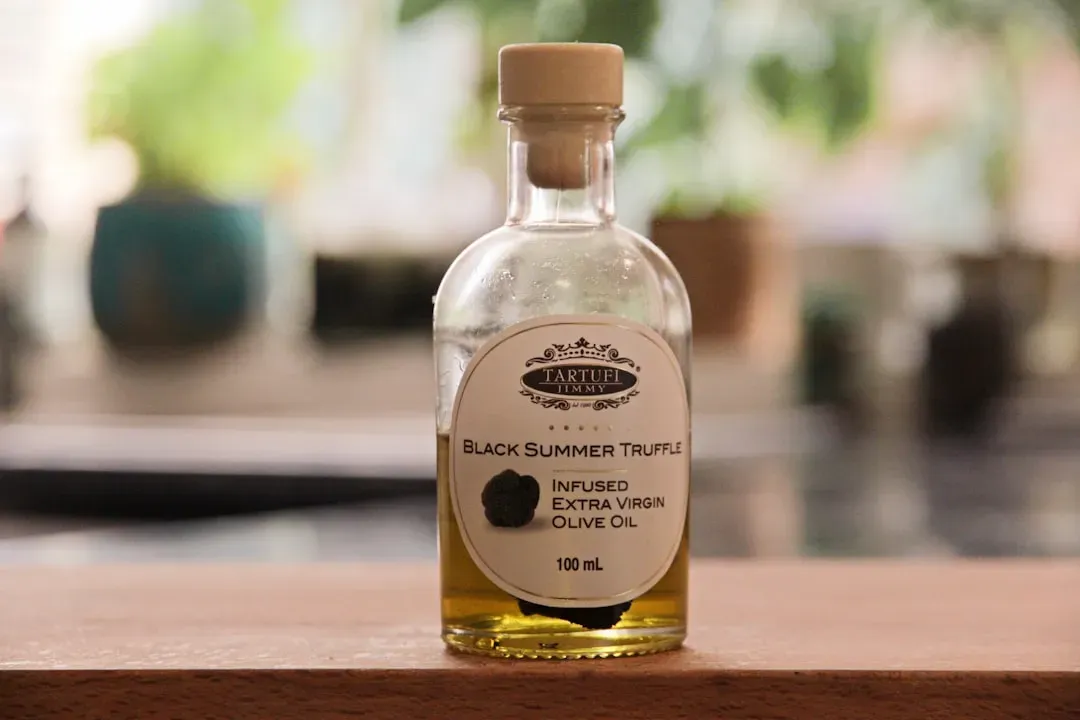
Truffle oil on fries. Truffle shavings on pasta. Truffle butter on bread. For a solid decade, restaurants leaned on the word "truffle" the way marketers lean on the word "premium." It worked. For a while.
Chef Chuck Valla, owner of Valla Table, noted that he doesn't think truffles taste any better than dried shiitake mushrooms, while chef Sarabjit Singh Assi of Sanjh Restaurant and Bar warned that the obsession with truffle mushrooms, especially when synthetic truffle oil is being used, overpowers dishes and often masks what could have been great ingredients.
Mostly made from cheap oils and synthetic flavoring, truffle oil has little to do with real truffles. And even shaving the real thing half an inch thick onto pasta is often a waste, since it is usually stale by the time it arrives. The gap between the promise on the menu and the experience on the plate has become impossible to ignore.
Pastry chef Saura Kline of Local Jones in Denver advises never ordering anything with "truffle" in it, unless you are at a high-class fine dining restaurant. This is because it usually means truffle oil, which is very rarely made with actual truffles, and tends to be used aggressively while immediately increasing the price of any dish regardless of actual quality. Diners have caught on. The truffle illusion is over.
4. The Long Tasting Menu - A Three-Hour Commitment Nobody Has Time For
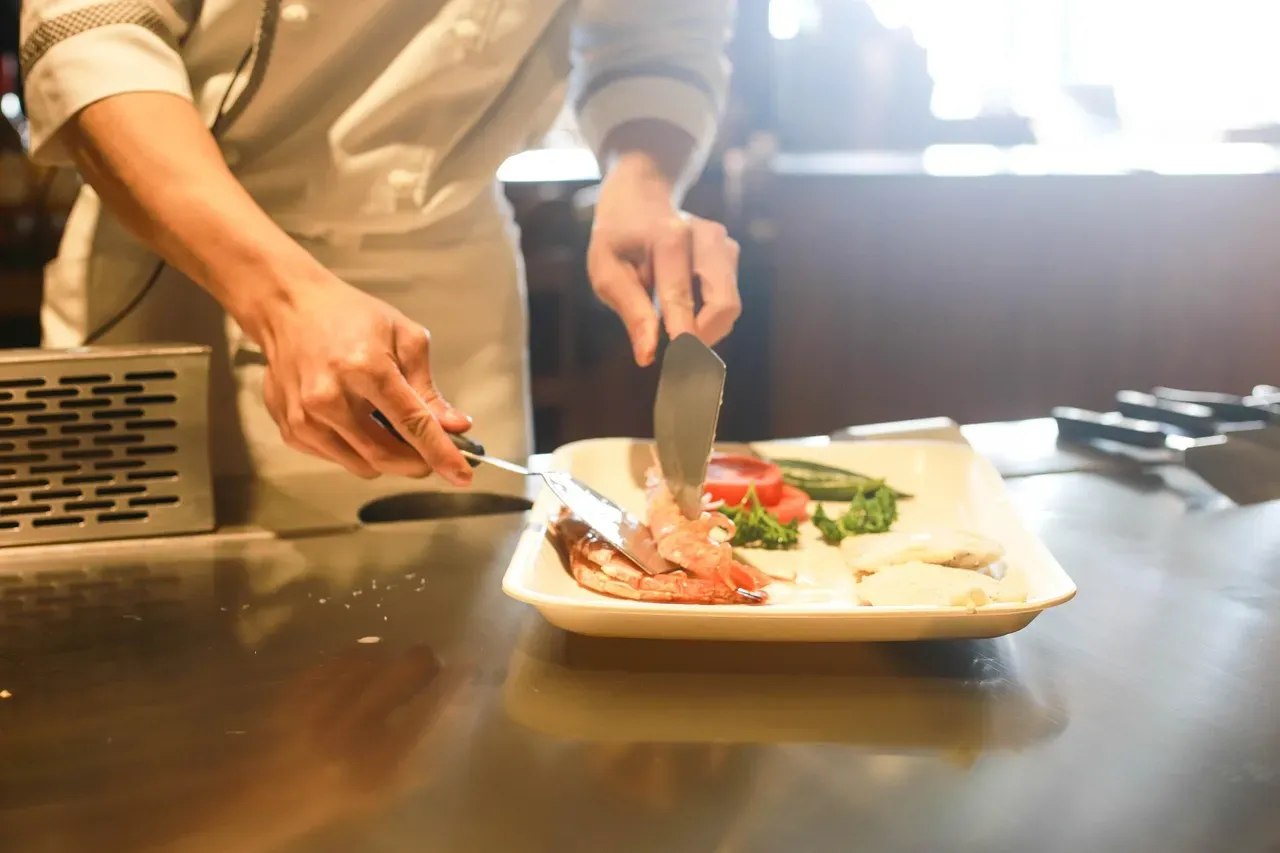
There was a time when booking a sixteen-course tasting menu felt like a genuine life event. You cleared the calendar, made a reservation weeks in advance, and surrendered an entire evening to a chef's vision. It was dramatic, immersive, and deeply satisfying. For a certain kind of diner, at least.
Tasting menus traditionally require three-hour commitments, but modern diners want chef-driven experiences in one-hour windows. According to the US Consumer Price Index, "food away from home" rose about six percent from January 2024 to September 2025, driven by rising labor, rent, and ingredient costs. That kind of inflation puts the lengthy, expensive tasting menu under particular pressure.
As one respected chef put it: "Recession brain has reduced the general public's tolerance for the unbridled creativity of a tasting menu if it means they may not come away completely full by the end of a meal." That is a remarkably honest take. When every course is three delicate bites and your wallet just took a two-hundred-dollar hit, the romance starts to crumble fast.
Chefs now reflect: "It feels less about experiencing the uniqueness of that restaurant's edible perspective at that specific moment in time, and more about 'does this menu feel like a deal at this price point?'" The lengthy tasting menu format is not dead, but it is under serious pressure from budget-conscious diners who demand real satisfaction, not just artistry.
5. Kale - The Vegetable That Became a Cliché
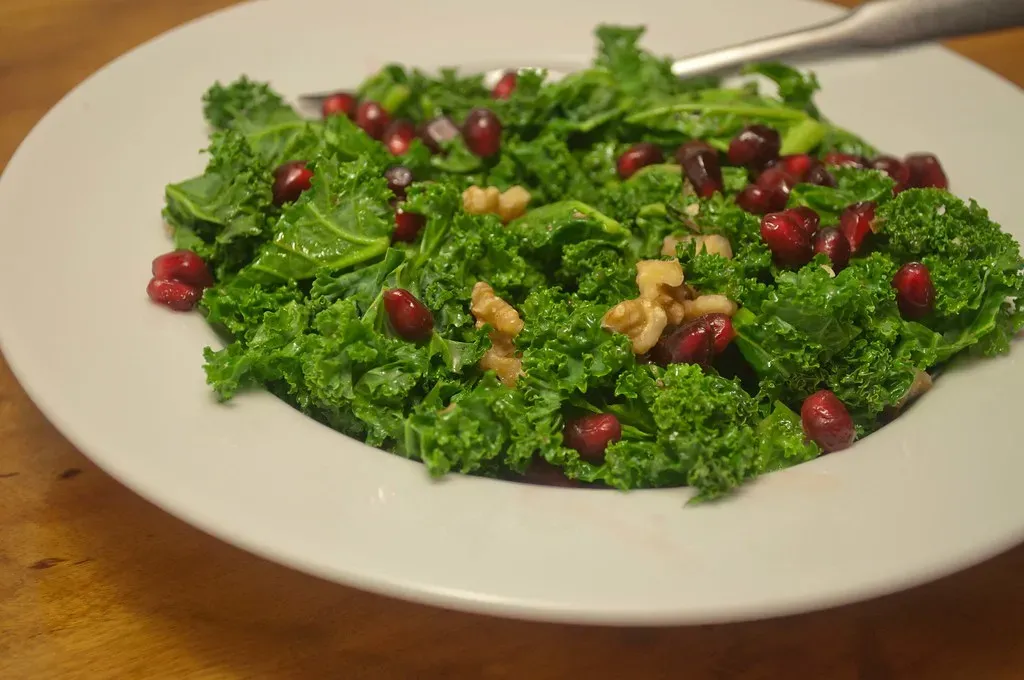
For years, kale was the poster vegetable of the health-conscious restaurant movement. It showed up in salads, smoothies, sides, and grain bowls with relentless enthusiasm. Now it signals menu fatigue more than culinary creativity. Think about every café you visited between 2013 and 2020. Kale was practically wallpaper.
The kale problem is a perfect case study in what happens when an ingredient becomes shorthand for "healthy restaurant." Menus started using it as a lazy signal rather than a genuine culinary choice. Diners noticed. In Menu Matters' survey of consumers, the overriding need state for 2025 was "just give me something new." A full thirty-nine percent of consumers are hopeful and optimistic going into this year, and they are looking for more newness on menus.
Kale is the classic victim of overexposure. It is not a bad ingredient. It is actually quite nutritious. But slapping it on every salad, chip, and grain bowl for a decade will kill any ingredient's appeal. Experts noted that celery root has now overtaken cauliflower as the vegetable of the moment, which suggests the industry has been quietly moving on from yesterday's green darlings for a while now.
The smarter chefs are pivoting to brassicas with more personality, roasted cabbages, bitter chicories, braised radicchio. Ingredients that require actual technique, not just a quick sauté and a lemon squeeze.
6. Luxury Garnish Overload - Caviar and Uni on Everything
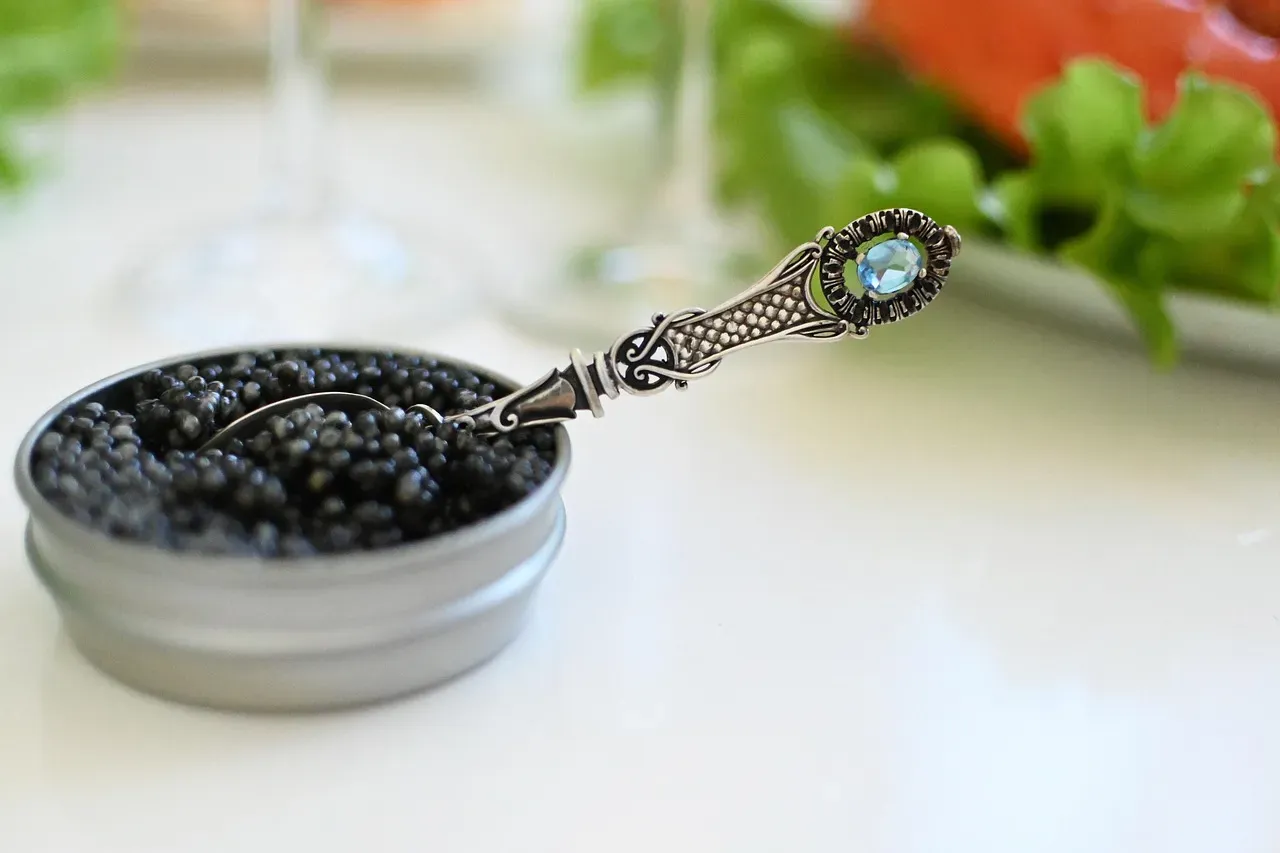
Here is the thing about luxury ingredients: they stop feeling luxurious the moment you find them on a fast-casual sandwich. Executive chef David Garcia noted that caviar can now be found on pretty much anything, "from a lobster roll to a fried chicken sandwich," which has made it "more of a mainstream, household staple rather than this luxury, special item." That observation hits hard.
Caviar has become another faux luxury that has gotten out of hand. When you see caviar piled generously onto a plate for under sixty dollars an ounce, you are almost certainly eating fish roe, not true caviar. The restaurant industry essentially taught diners to distrust the word caviar entirely. That is quite the achievement.
The same logic applies to uni and other "premium" toppings that got stacked onto dishes purely for Instagram value. Multiple chefs have now pushed back, with one executive chef stating: "Uni, truffles, caviar - these ingredients used to be special. Now they're often tossed onto dishes just to make them seem more luxurious for Instagram."
It is hard to say for sure exactly when the tipping point came, but at some point, diners started seeing right through the performance. Spending growth in both full-service and limited-service restaurants has declined at roughly twice the rate of transaction growth in the last two years. This indicates that diners are still showing up to restaurants, but when they do, they're trading down. Paying a premium for something that feels theatrical rather than genuinely delicious is no longer flying.


Leave a Reply