
Restaurant menus have always been living things. What dazzles one year can silently vanish from the specials board the next, and right now that cycle is spinning faster than ever. Somewhere between a pandemic-era reset, ongoing inflation, and a dining public that is frankly a little tired of the same old, the industry is going through something genuinely unexpected.
A Menu Matters survey of consumers found that the overriding dining need heading into 2025 was simply "just give me something new," and that restlessness is reshaping what lands on tables and what quietly disappears from menus. Chefs across the country are watching it happen in real time. So which beloved dishes are losing their grip? You might be surprised.
1. The Plant-Based Burger
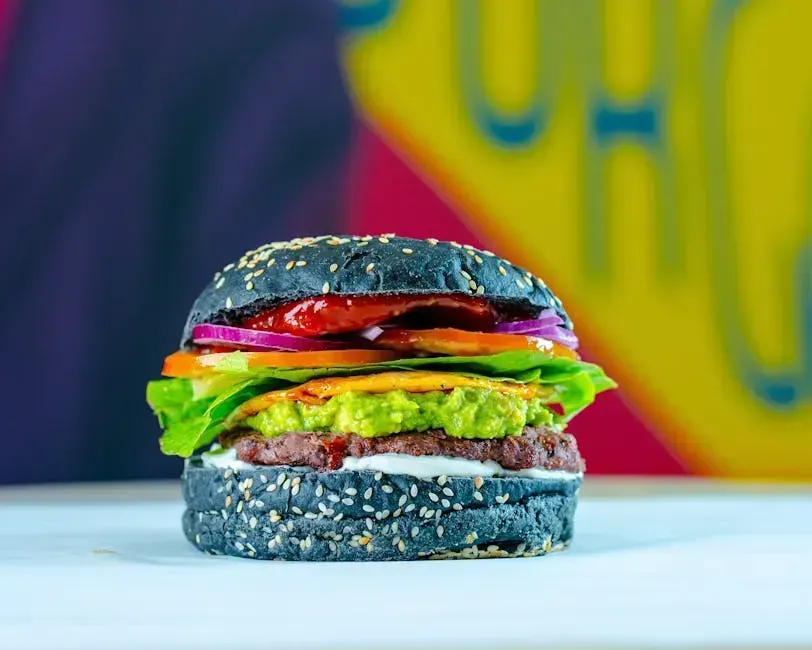
Few dishes captured the restaurant world's imagination quite like the plant-based burger. For a few years, it felt genuinely unstoppable - tech-forward, ethical, and seemingly everywhere. Every major chain had a version, and chefs positioned the category as the future of protein on restaurant menus.
According to SPINS data analyzed by the Good Food Institute, US retail sales of most plant-based categories were down in 2024 against a backdrop of rising sales for conventional meat. Sales of plant-based meat and seafood specifically dropped 7% to $1.2 billion in 2024, with unit sales falling an even steeper 11%. That's a steep correction for a category that once seemed infallible.
Consumers are increasingly moving away from heavily engineered "fake meats" in favor of whole foods, with clean-label, minimally processed whole foods winning while ultra-processed plant-based products are losing consumer trust. In fact, nearly a quarter of consumers say lack of flavor is the number one reason they avoid plant-based foods, more than price or complexity. That's a tough combination for any menu item to overcome.
2. Avocado Toast
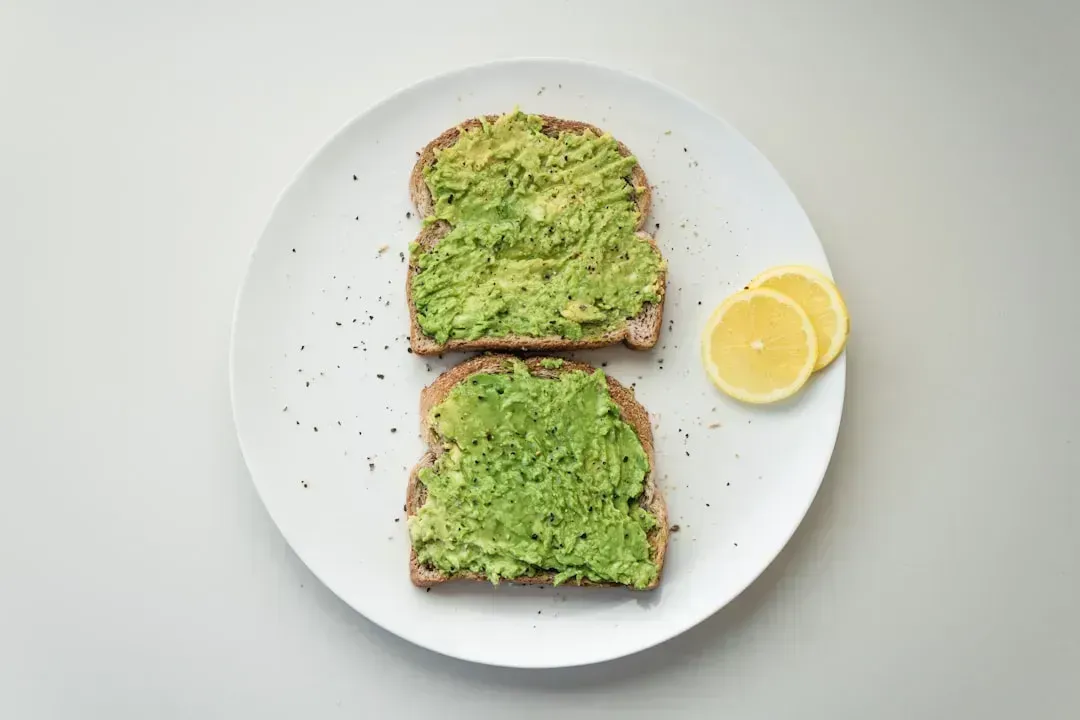
Honestly, avocado toast had one of the most remarkable runs in modern food culture. It went from a health-café curiosity to a restaurant staple and, eventually, to a cultural punchline - all in under a decade. Avocado toast had one of the most remarkable runs in modern food culture, going from health-café curiosity to restaurant staple to cultural punchline in under a decade, and now even chefs are questioning its staying power.
Its popularity is also part of a wider trend being challenged, as restaurants and diners seek out alternative toast toppings to the environmentally problematic avocado, with chefs showing that other ingredients needn't be boring. Think about it: a dish that once signaled urban sophistication now signals a menu that hasn't been updated in years. That's a brutal image shift for any restaurant to carry.
The problem is also a price one. According to the US Consumer Price Index, "food away from home" rose about 6 percent from January 2024 to September 2025, driven by rising labor, rent, and ingredient costs, while "food at home" rose only around 3 percent over the same period. Charging fifteen dollars for smashed avocado on bread is a harder sell than it used to be.
3. The Multi-Course Tasting Menu
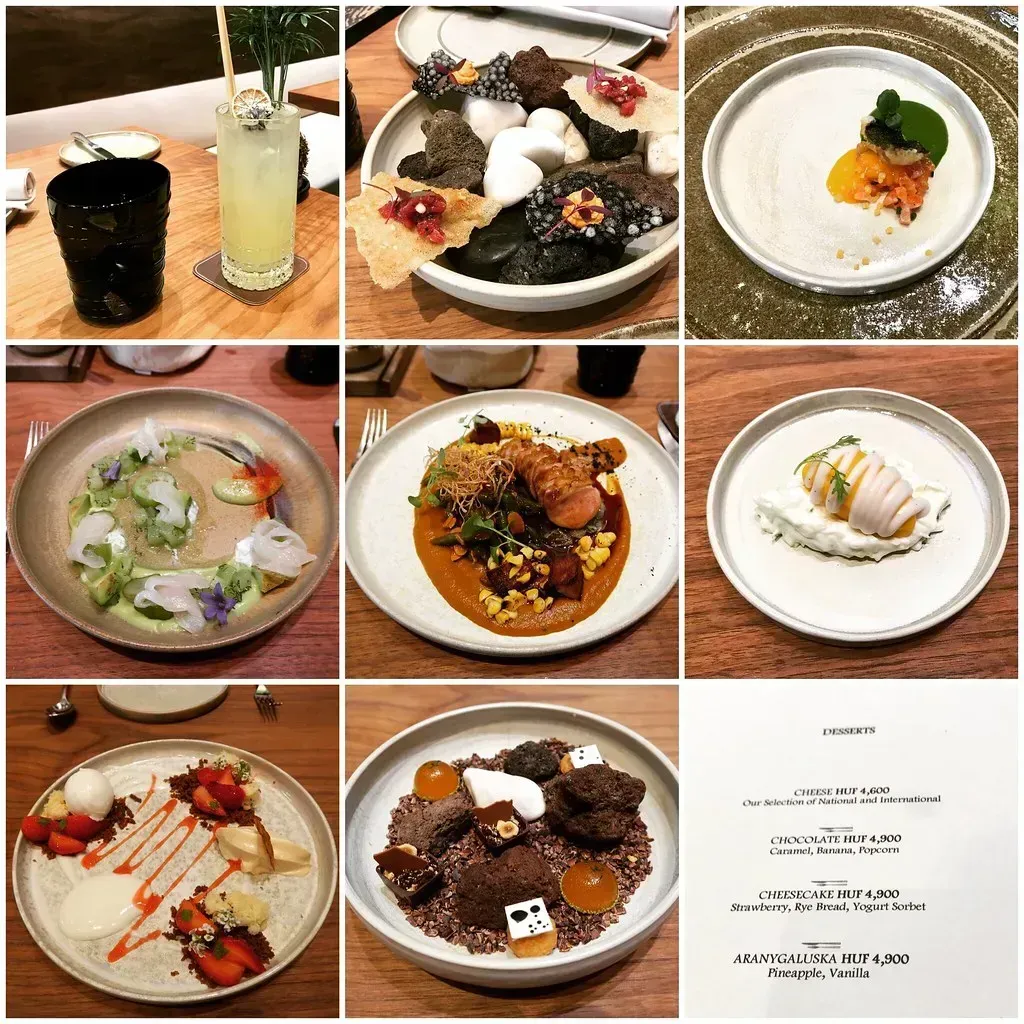
There was a time when booking a twelve-course tasting menu felt like the pinnacle of a special evening out. Chefs designed them as culinary journeys, and certain diners happily cleared an entire evening for the experience. The multi-course, three-hour tasting menu was once the ultimate expression of fine dining ambition, with chefs designing them as culinary journeys and certain diners happily clearing an entire evening for the experience, but that appetite has cooled considerably.
Tasting menus traditionally require three-hour commitments, but modern diners want chef-driven experiences in one-hour windows, with abbreviated formats catering to customers with time-conscious schedules or a simple preference for efficient dining. The time investment alone is starting to feel indulgent in the wrong direction.
Inflation has reshaped consumer dining habits broadly, with guests still wanting to eat out but in more rational, budget-conscious ways, and after sharp price hikes, a sixteen-course dinner costing several hundred dollars per person is a harder sell when grocery bills feel punishing. It's not that people don't appreciate excellence. They just want it to fit within two hours and a reasonable budget.
4. The Overworked Kale Salad
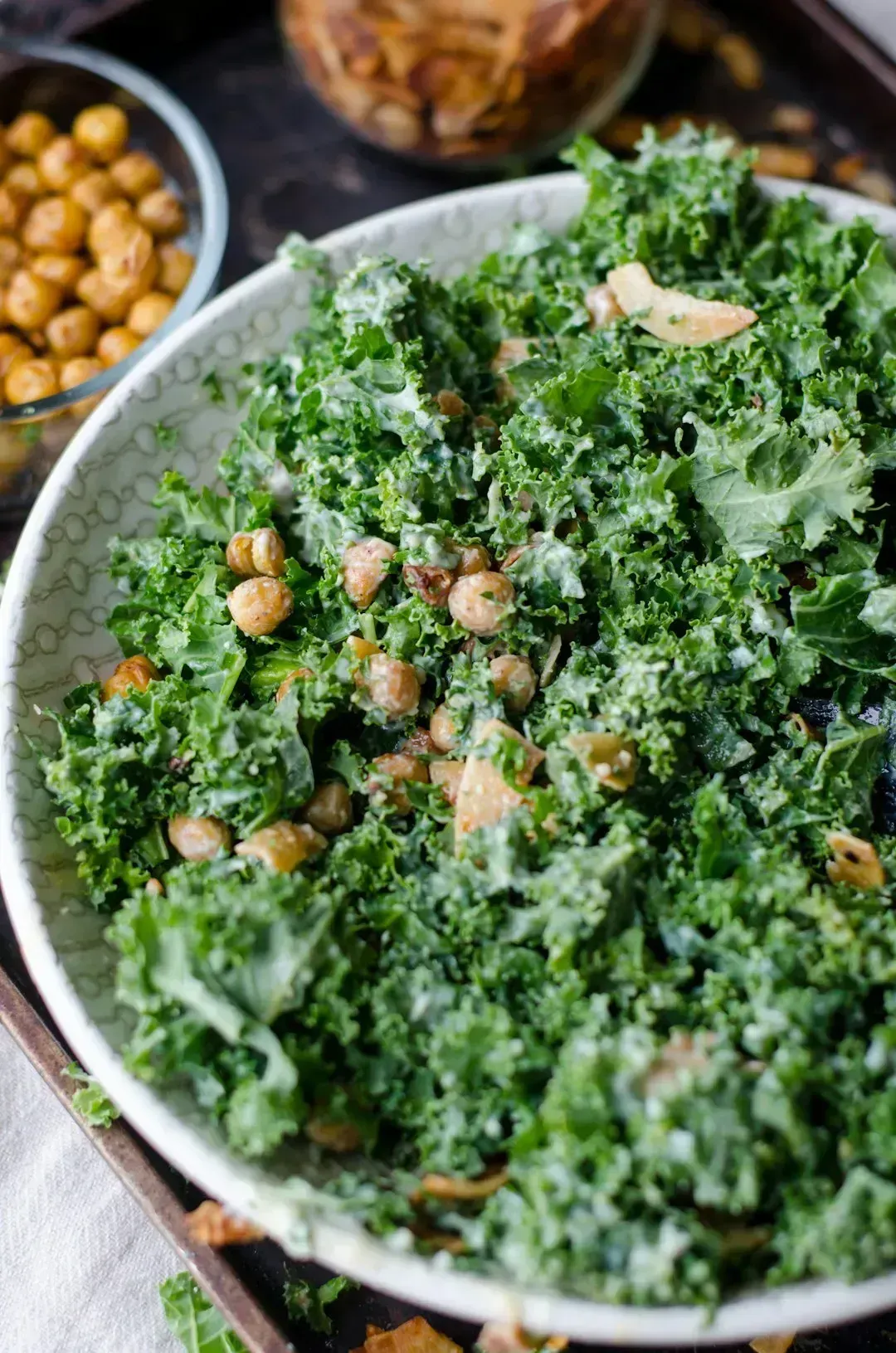
For years, kale was the poster vegetable of the health-conscious restaurant movement, showing up in salads, smoothies, sides, and grain bowls with relentless enthusiasm - and now it signals menu fatigue more than culinary creativity. That's a brutal fall from grace for a leafy green that was genuinely exciting for about five minutes in 2012.
According to insight gathered by booking platform Resy, today's diners have "discerning palates" and look for "quality, transparency and uniqueness" in their meals, and a predictable kale salad dressed in lemon vinaigrette checks none of those boxes anymore. The problem isn't kale itself. The problem is laziness. Throwing it on a menu without any imagination became a shortcut, and diners noticed.
Industry consultant Mike Kostyo pointed to kale salads as one of the overplayed menu items operators need to reconsider, advising, "Get away from the single ingredient or dish that's everywhere." When the industry's own advisors are telling chefs to move on, it's a pretty clear signal. Still, kale is not disappearing from menus entirely - it's just no longer the only salad green getting called out for its health benefits.
5. Deconstructed Dishes
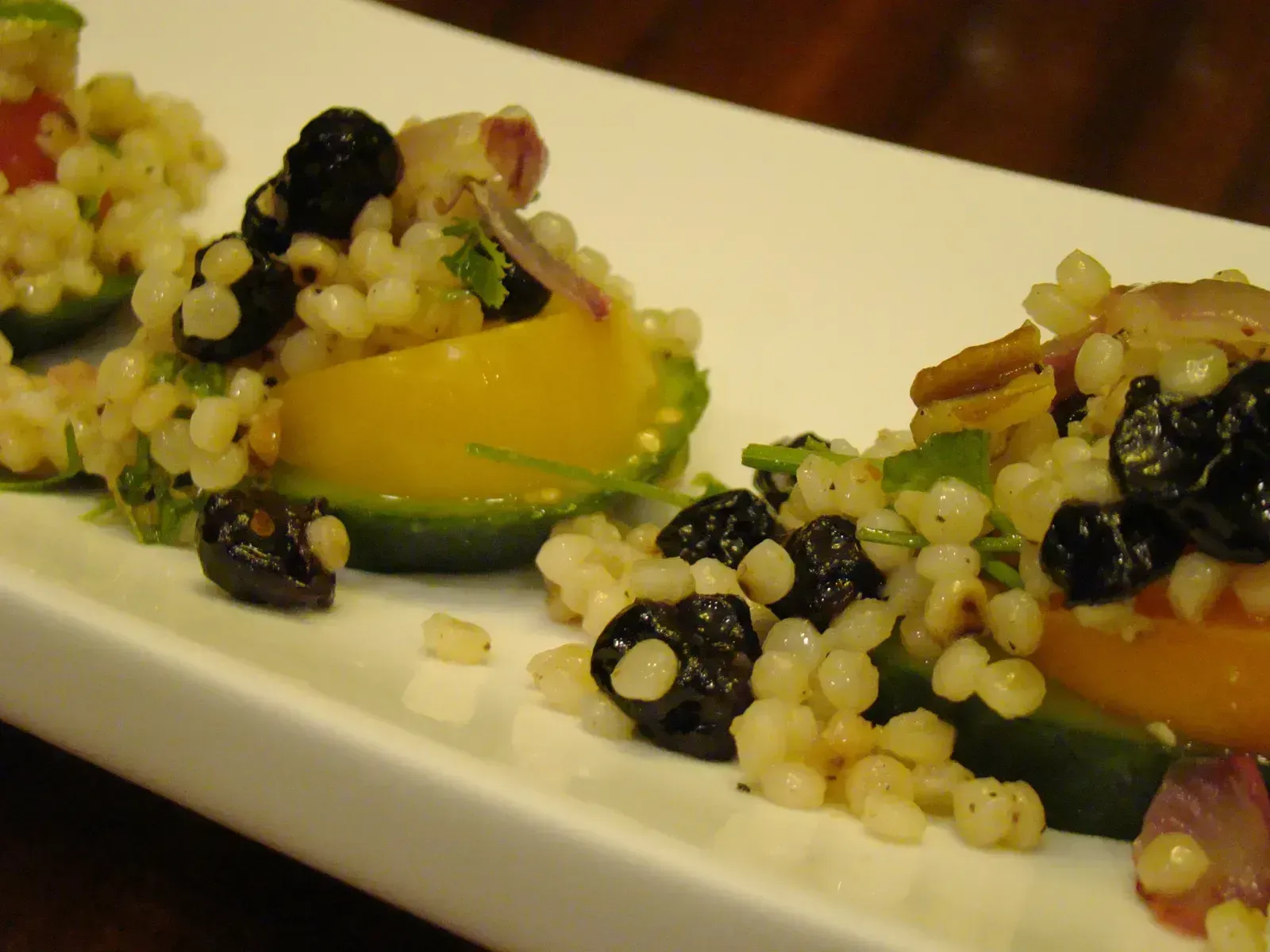
At some point in the mid-2010s, "deconstructed" became the culinary world's favorite word. Deconstructed nachos. Deconstructed lasagna. Deconstructed cheesecake. The concept felt avant-garde and clever - the idea being that separating classic components let diners appreciate each element individually. In practice? It mostly just annoyed people.
Diner frustration is growing, with some openly complaining about paying high prices for what amounts to assembling the dish themselves, with no indication on the menu that it was "deconstructed," and the concept, while it still lingers, is no longer the statement dish it once was. That frustration is real and widely documented online, where diners have been venting for years.
Here's the thing: diners go to restaurants to be taken care of. They want someone else to do the work. As one industry expert noted, diners are looking for menu items that are hard to make at home, as well as higher quality proteins and global ingredients they can't purchase in a grocery store. A pile of disassembled nachos doesn't exactly fit that bill. It reads less like artistry and more like the kitchen taking a shortcut and charging extra for the privilege.
6. Luxury Ingredient-Stacked Dishes
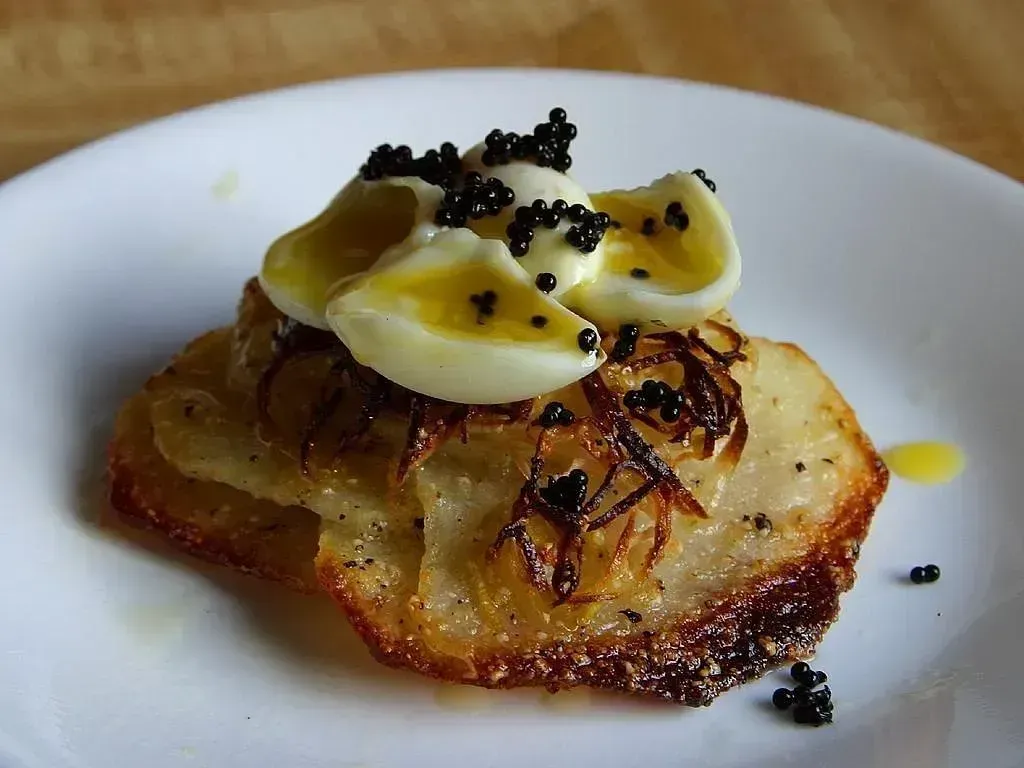
Wagyu beef topped with uni, finished with caviar, drizzled with truffle oil. A few years back, this kind of dish was a status symbol on a plate. Stacking multiple luxury ingredients onto a single dish became a kind of arms race in restaurant dining, with the more expensive the components, the more impressive the dish seemed. That race has apparently reached its finish line.
Chef Chuck Valla noted that he doesn't think truffles taste any better than dried shiitake mushrooms, while chef Sarabjit Singh Assi warned that "the obsession with truffle mushrooms, especially when synthetic truffle oil is being used, overpowers dishes, lacks nuance and often masks what could have been great ingredients." I think that's a pretty brave thing for a chef to say out loud, and it resonates deeply.
When chefs themselves are calling a signature menu move overrated, diners tend to agree and stop ordering it. The shift away from pile-it-high luxury signaling aligns with a broader diner attitude shift: as consumers felt inflationary pressure, the once-a-month expensive steak meal is being replaced by frequent trips to casual dining and limited-service restaurants offering multi-item bundles and deals. Value and authenticity are now the new status symbols.
7. The Oversized Portion Gimmick
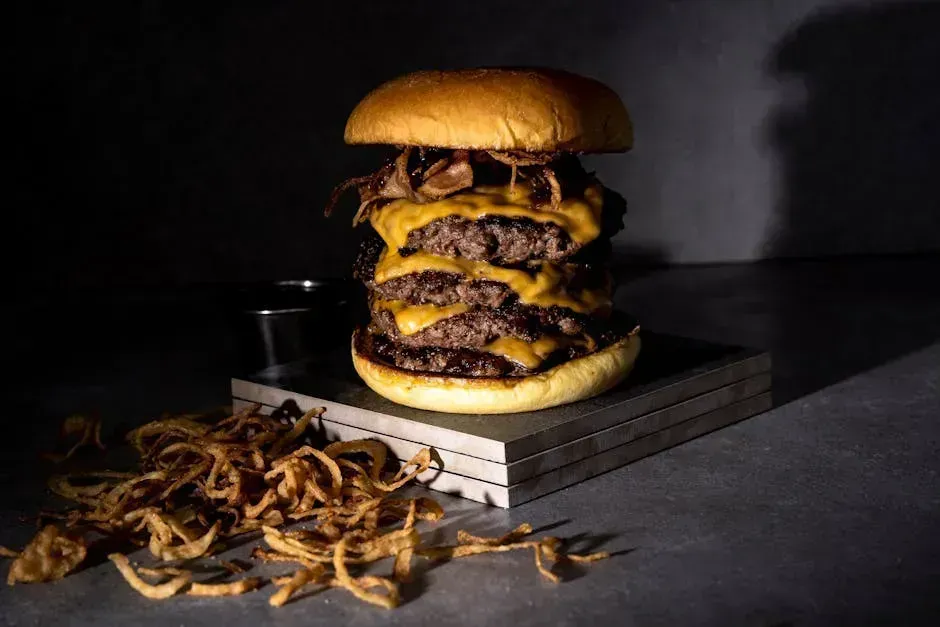
Restaurants built cult followings for years around portion sizes that bordered on absurd. Giant loaded fries, towering burgers, bottomless pasta bowls - the spectacle of excess was the selling point. Posting the mountain of food on Instagram was half the experience. It felt fun, it felt American, and for a while it drove serious traffic.
That era is quietly winding down. According to a 2025 report by the National Restaurant Association, nearly three quarters of all adults say they'd prefer smaller portions at lower prices across various types of restaurants, with the percentage skewing even higher among younger generations. That's a genuinely striking number and a real signal that the "go big or go home" playbook has run its course.
Beautiful but tiny portions left diners wanting more, but while artistry in plating is important, guests still expect to leave satisfied. There's a balance somewhere between the absurd mountain of food and the mockably precious four-bite plate, and restaurants are still searching for it. Olive Garden tested this balance in 2025 with lighter or regular portion options for several existing menu items, and customers rated the chain notably higher for affordability as a result.
8. The Endless Grain Bowl
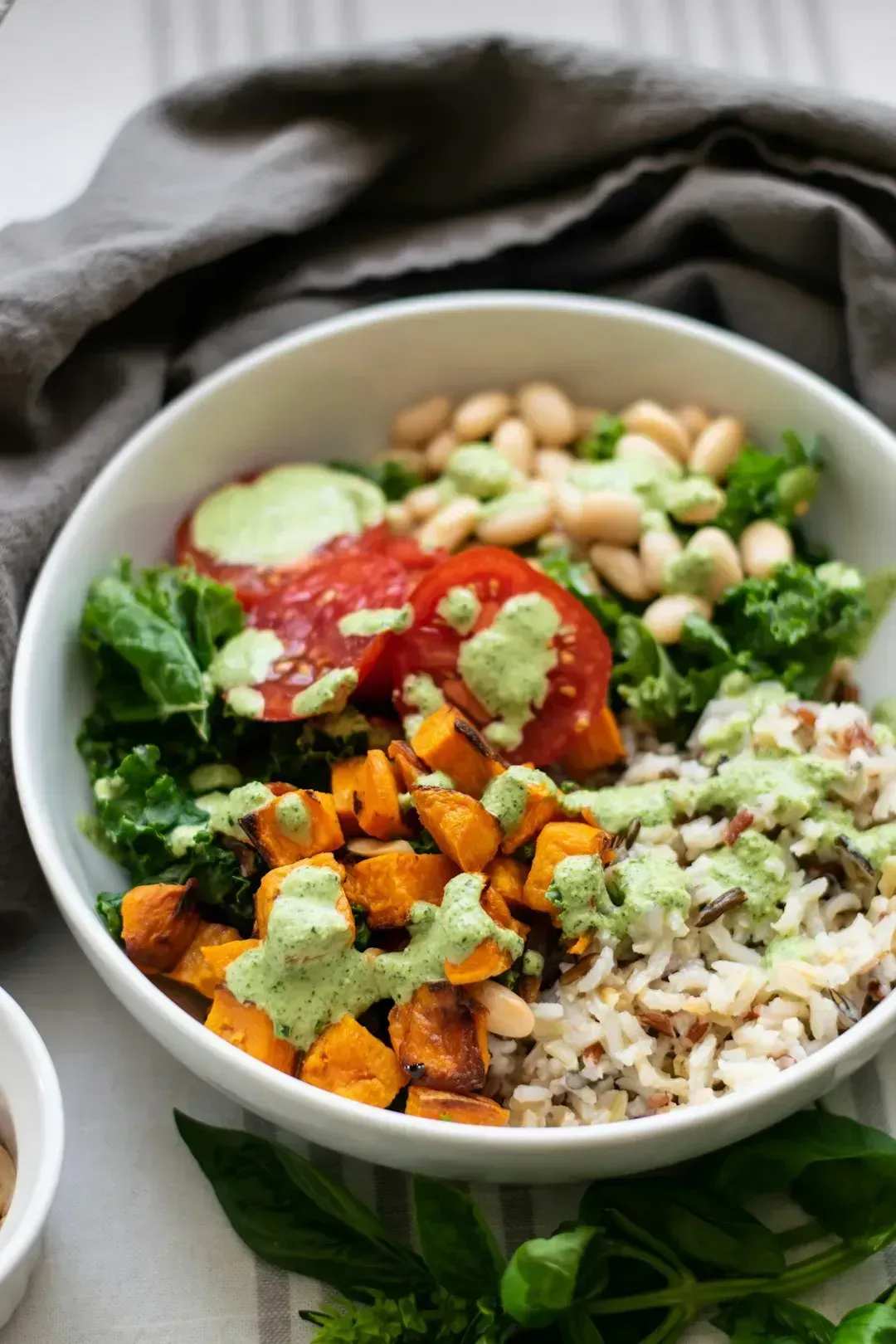
The grain bowl had its moment, and honestly it earned it. Quinoa, farro, roasted vegetables, some kind of tahini drizzle - it felt modern, healthy, and customizable. Restaurants built entire concepts around the format, and for a while the formula seemed unstoppable. Here in 2026, though, the ubiquity has become its weakness.
In Menu Matters' survey of consumers, the overriding need for 2025 was "just give me something new," with nostalgia and comfort overtaking health-forward formats as the dominant dining mood, and nearly four in ten consumers were looking for more newness on menus going into the year. A farro bowl with roasted beets doesn't exactly qualify as surprising or memorable anymore.
The format also got caught in the inflation squeeze. Diners are still showing up to restaurants, but when they do, they're trading down, whether at a full-service or limited-service restaurant. A twelve-dollar grain bowl feels like a bad deal when a satisfying burger costs the same. Inflation has reshaped consumers' dining habits, guests still want to eat out but in more rational and budget-conscious ways, and after sharp price hikes in 2025, more affordable concepts and menus are attracting wider audiences.

Leave a Reply