
The restaurant world never stops shifting. What thrilled diners yesterday suddenly feels tired, overpriced, or downright exhausting today. In the last year alone, chefs and hospitality professionals have watched certain menu features lose their luster with remarkable speed.
From synthetic luxury ingredients that fooled nobody to viral gimmicks that wore out their welcome, customers are voting with their wallets - and their patience. Here's what industry insiders say patrons are quietly abandoning as we move through 2026.
Truffle Oil Dousing Everything In Sight
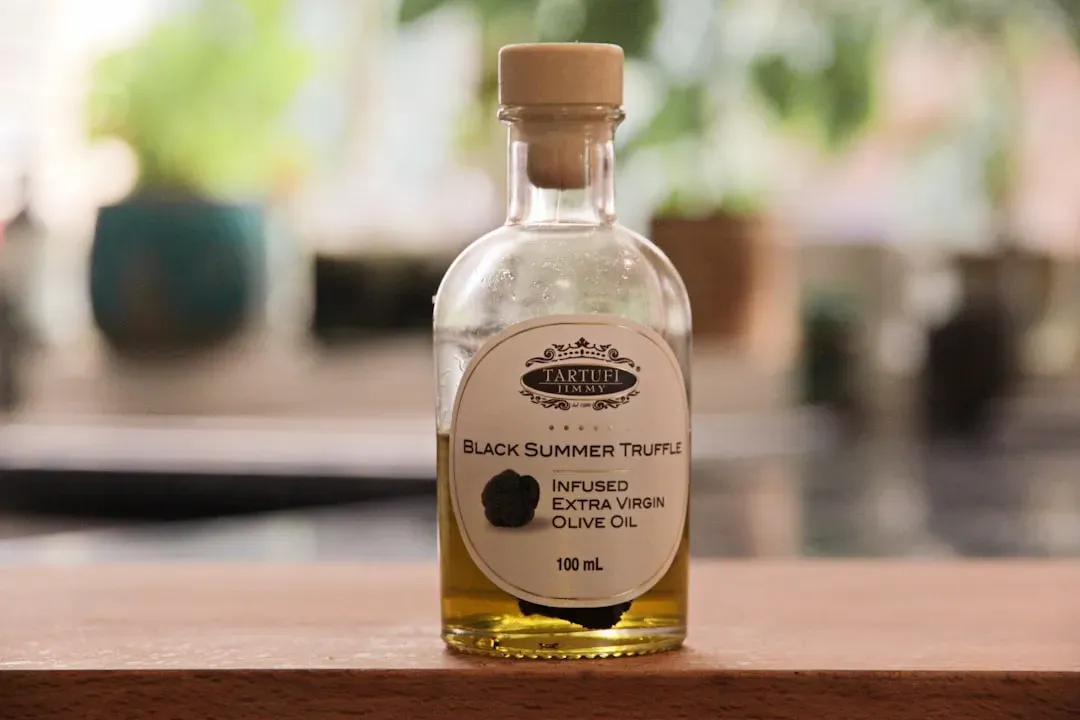
Chefs say diners are fed up with truffle oil drowning their fries, fish, and pasta dishes, especially when the scent arrives before the server does. Mostly made from cheap oils and synthetic flavoring, truffle oil has little to do with real truffles and is best left to chain brewpubs and carnival food trucks, according to restaurant industry reports. When even the aroma announces itself from across the dining room, something has gone terribly wrong. The overuse has become so pervasive that many upscale restaurants are quietly removing it from their kitchens altogether.
And while we're on the subject, there's no need to shave the real thing half an inch thick onto pasta - it's usually stale by the time it arrives. Real truffles deserve respect and restraint. Drowning a dish in either version signals desperation more than sophistication, and frankly, diners are over it.
Faux Caviar Piled On For Show
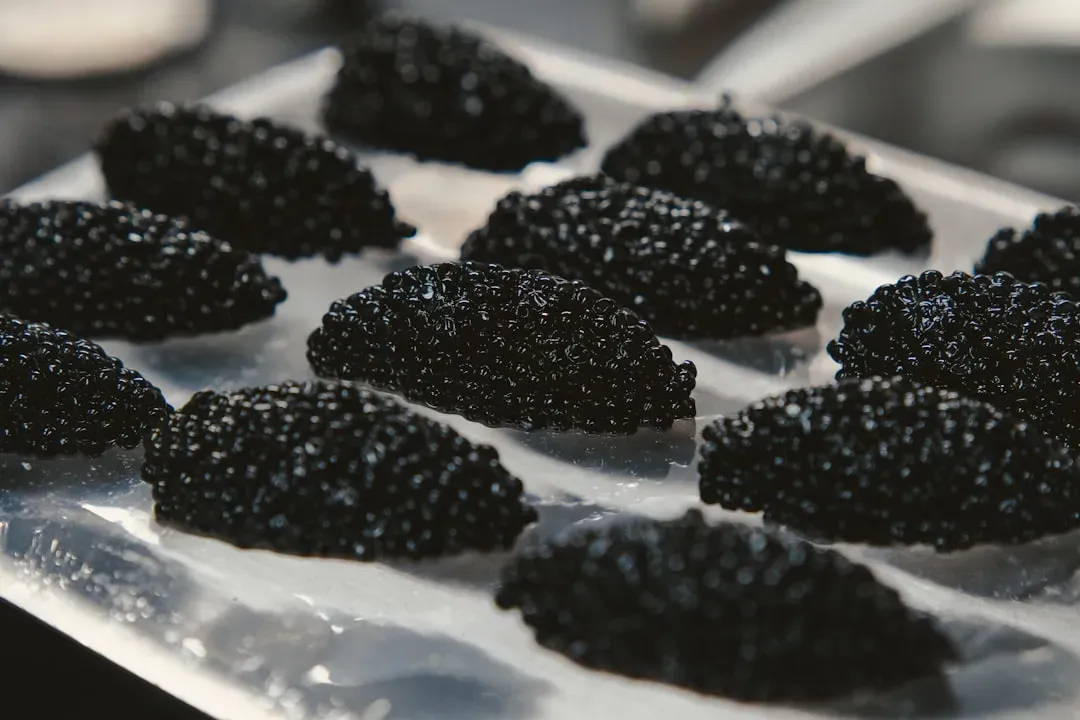
Another faux luxury that's gotten out of hand is caviar: when you see caviar piled generously onto a plate for less than sixty dollars an ounce, you're almost certainly eating fish roe, not true caviar. It's become theater rather than taste, and patrons are catching on faster than restaurants anticipated. The practice dilutes genuine luxury and leaves savvy diners feeling played.
Restaurants leaning heavily on "caviar bumps" and dramatically garnished plates might be surprised when customers stop ordering these items. Transparency about what's actually on the plate matters now more than ever. Customers want authenticity, not smoke and mirrors dressed up as status.
Pickle Everything The Backlash Begins
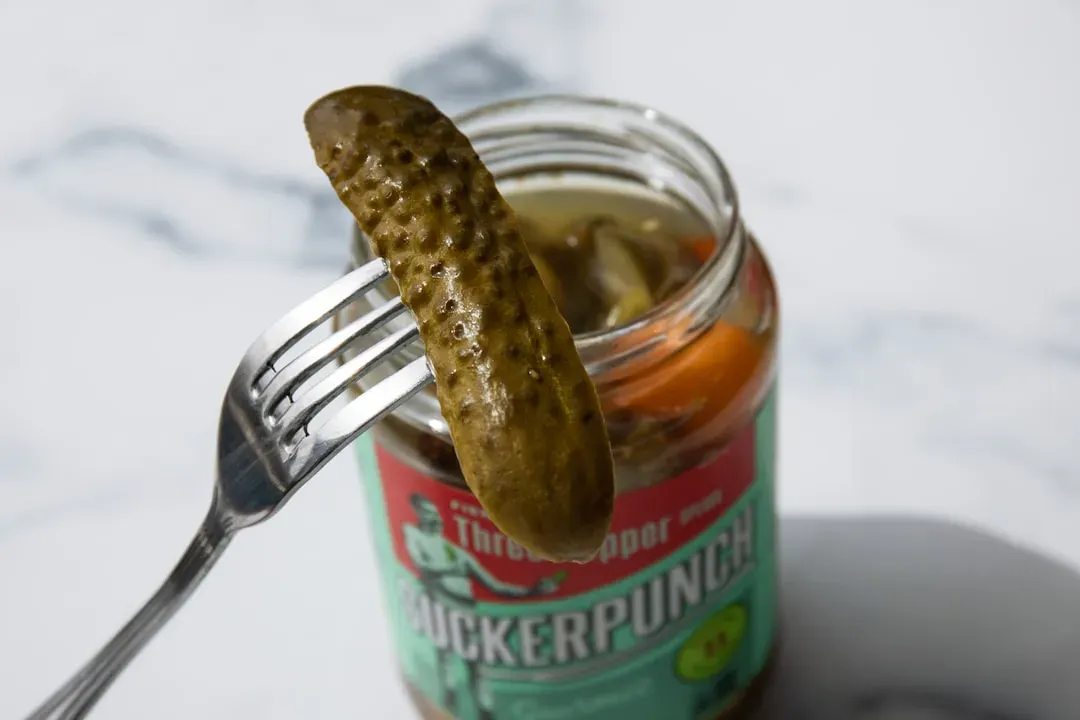
Pickle-flavored everything has reached its breaking point. We don't need pickled lemonade, Warheads sour pickles, or pickle gum. The pickle craze is following the same trajectory as the early-2000s bacon boom: fun at first, then irritating, then exhausting. At some point, you stop celebrating a good thing and start ruining it by forcing it into places it doesn't belong.
What began as a quirky flavor revival has morphed into sensory overload. Diners report feeling bombarded at every turn - pickle-flavored cocktails, pickle-brined chicken, pickle ice cream. There's a limit to novelty, and we've apparently found it. Chefs are now quietly dialing back the pickle obsession and returning to more balanced flavor profiles that don't scream for attention.
Dubai Chocolate Already So 2025
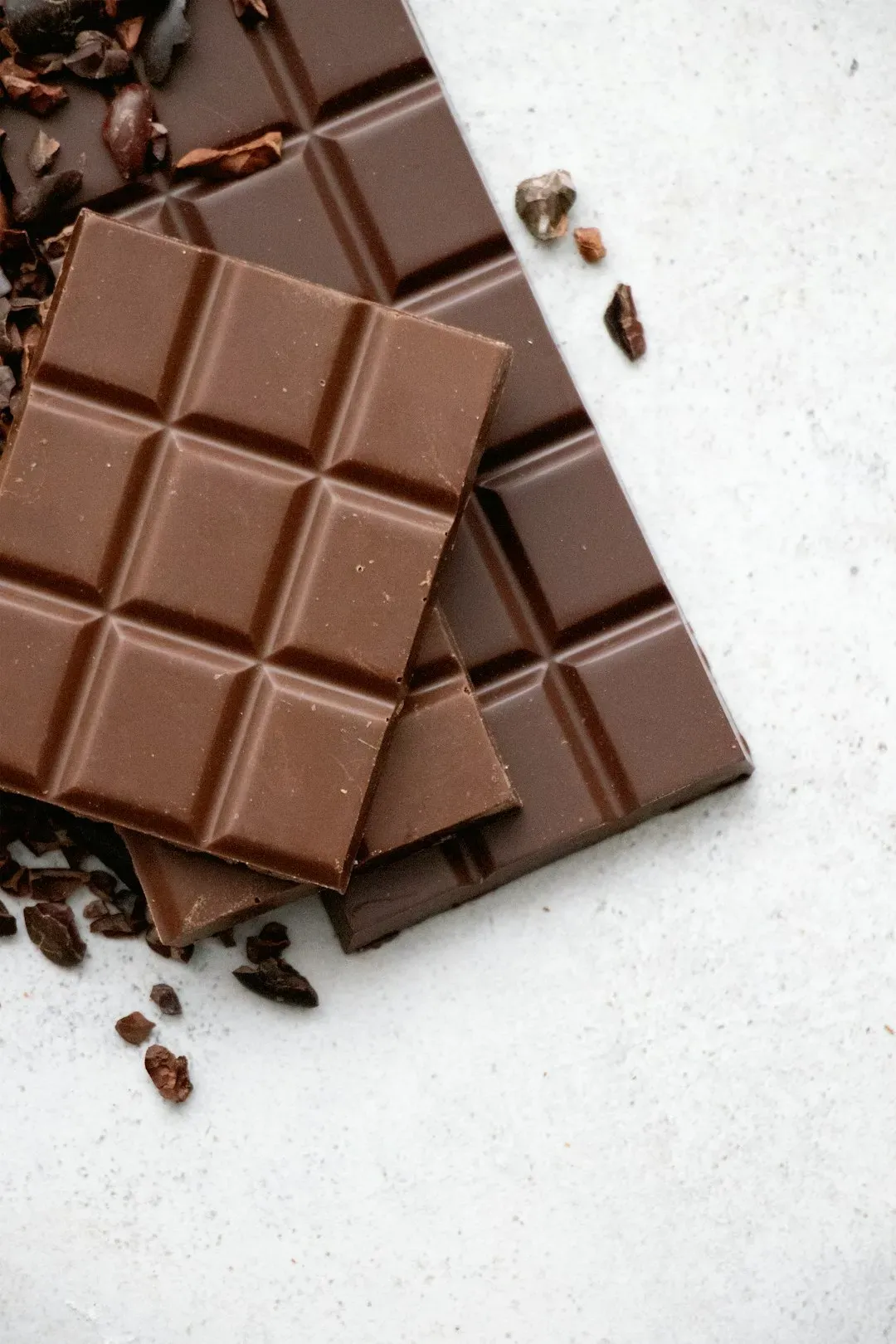
Dubai chocolate, with its pistachio-cream, tahini and kataifi-filled bar, became TikTok gold. After watching influencer after influencer crack open that crunchy, oozy bar, resistance felt futile. It was heaven in a foil wrapper. For a few glorious months, it was the most sought-after confection in America, impossible to find and endlessly hyped. Then everyone had it, made it, or saw it 500 times on their feed.
The novelty collapsed faster than anyone expected. Heading into 2026, the appetite for social-media-hyped foods appears to be cooling, with diners gravitating instead toward recognizable ingredients and flavors that don't require an explainer. Dubai chocolate became a cautionary tale: when every bakery and cafe has the same viral item, nobody wants it anymore.
Instagrammable Decor Over Real Atmosphere
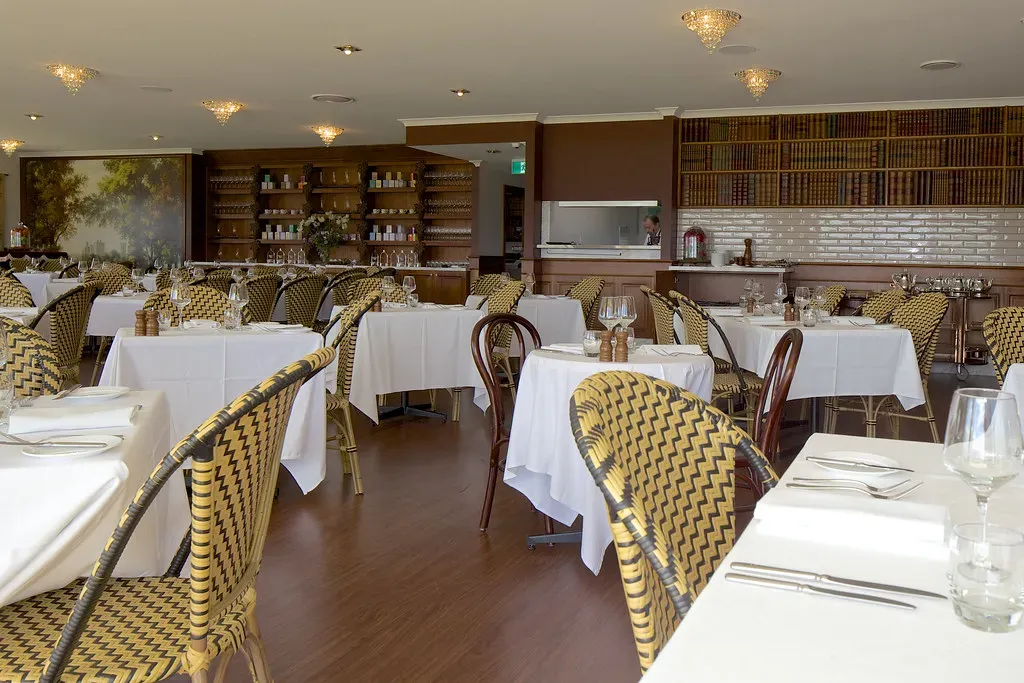
Fake greenery walls, oversized cupcakes, indoor swings and neon signs shouting 'Mimosa Time' or 'You Glow, Girl!' peaked in 2025. In 2026, the mood is shifting toward calmer, more thoughtful spaces that feel lived-in and welcoming, with cozy sofas, conversation corners and vintage jazz drifting through the room. Customers are tired of spaces designed solely for photo ops rather than genuine dining experiences.
There's a palpable exhaustion with performative dining environments. People want to actually talk to each other without competing with neon noise. Restaurants built around Instagram moments feel hollow when the food or service doesn't match the hype. The industry is slowly realizing that substance beats spectacle every single time.
QR Code Menus That Nobody Asked For
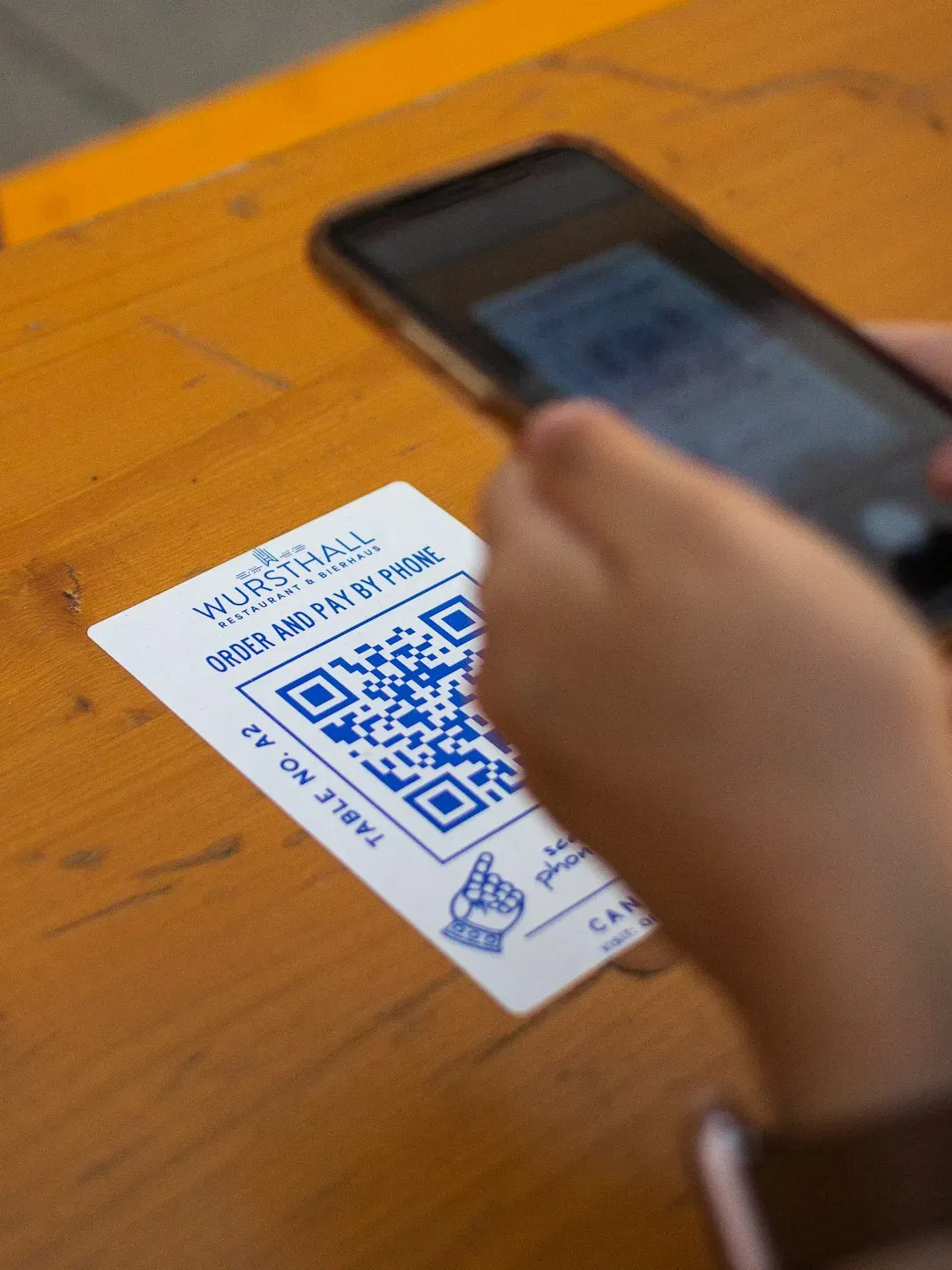
In a recent survey of 1,000 people by Technomic, the vast majority (88 percent) said they prefer paper menus over the digital ones that have become common at sit-down places. What started as a pandemic necessity has turned into a persistent annoyance for a huge swath of diners. Perhaps most alarmingly for operators, 55 percent of respondents said that QR code menus are hard to read and browse. Nearly six in ten (57 percent) ultimately said they just feel like a chore.
Across two studies, findings showed that QR code menus reduced customer loyalty by increasing perceptions of inconvenience, with this effect being stronger among customers with a high need for interaction. Restaurants that forced the technology without offering alternatives alienated entire demographics, particularly older guests. The experience of squinting at a phone screen while trying to enjoy a meal simply doesn't align with what most people want from dining out.
Many sit-down eateries are ditching QR codes and reintroducing paper menus. Some establishments stopped using QR codes on menus altogether, while others have adopted a hybrid approach, catering to the preferences of different customers by offering both printed menus and QR codes.
Overly Complicated Tasting Menus
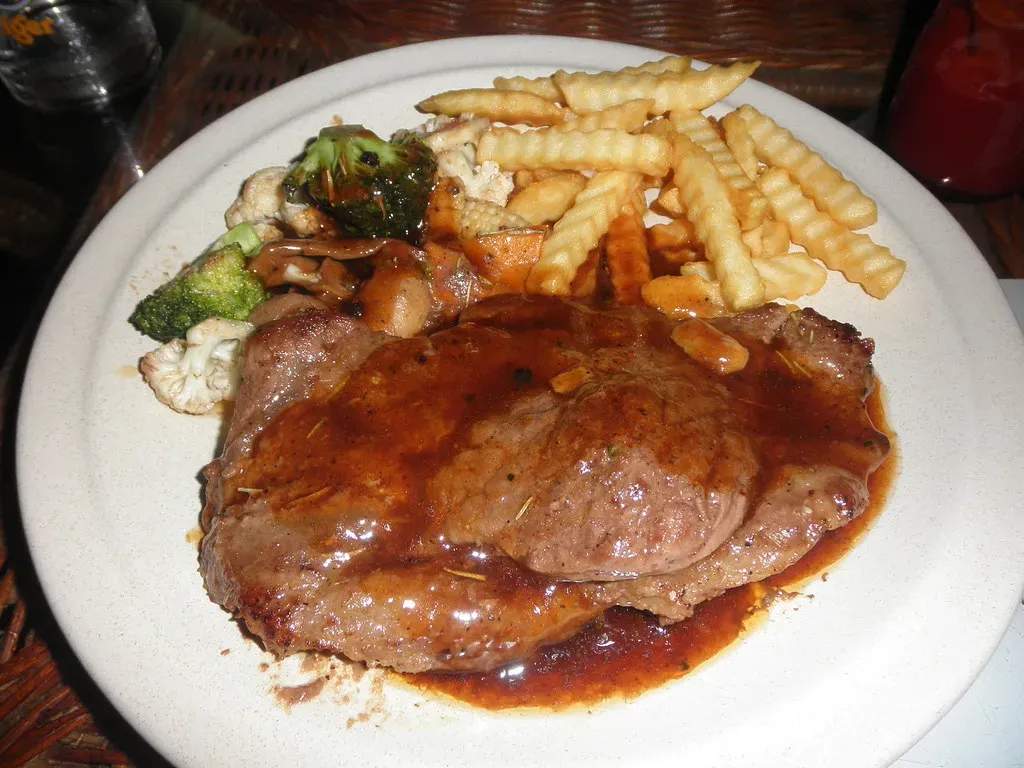
Chefs and bartenders want to cut out the noise and focus on quality. "I think there's a broader move towards keeping it simple and technical, and less complicated and overly done in terms of menus," says James Bailey, Executive Chef at Majordomo. "As we look ahead to 2026, I'm encouraged by a continued return to ingredient integrity and thoughtful restraint. Many chefs are moving away from overcomplication, instead allowing exceptional products to take center stage."
Less tasting menus but more chef curated pre-pay menu options at restaurants. The endless parade of tiny courses, each requiring elaborate explanation, has lost its charm. Diners want memorable food, not a culinary thesis. Simplicity executed with precision now trumps complexity for complexity's sake.
Giant Portions And Wasteful Sizing
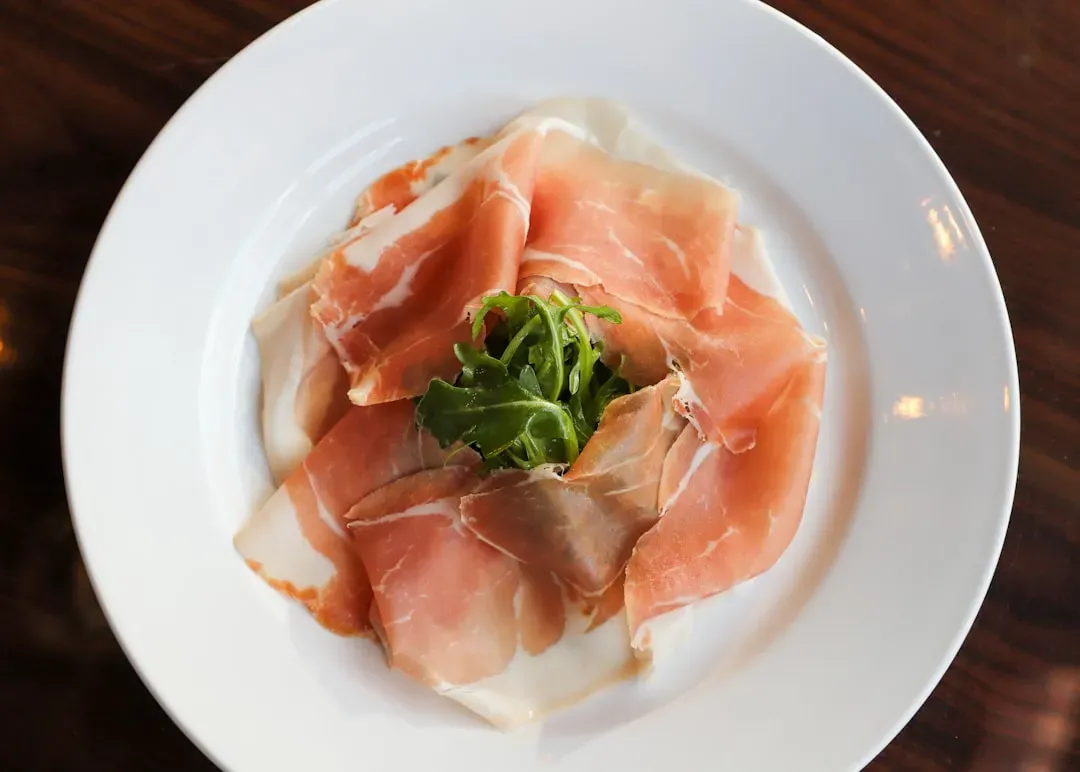
Restaurants are aggressively shrinking menus to reduce both mise en place and labor costs. The rise in GLP-1 use is already influencing menus and portion sizes, with more restaurants offering smaller, more refined plates and a shift away from fast food and snack-heavy options. Chefs and restaurateurs are responding with creativity, agility, and an even stronger focus on quality over quantity.
The era of absurdly oversized portions is fading fast. Customers don't want to feel obligated to take home half their meal in a styrofoam box. An analysis of customer reviews throughout 2025 found that customers were increasingly questioning the value of menu items due to poor food quality. There were numerous complaints about the item they received looking very different from how it was advertised, poor assembly, or overcooked ingredients. Ultimately, consumers want food that feels 'worth it,' even if they're getting a deal. Restaurants are finally listening and adjusting accordingly.



Leave a Reply