
Not every cuisine earns its global reputation. Some are beloved across continents, backed by hard data and millions of satisfied diners. Others, despite their presence on menus worldwide, leave seasoned food lovers underwhelmed. The gap between the two can be surprisingly wide, and knowing which is which before you book a trip, pick a restaurant, or try a new recipe can save both money and appetite. Here's a clear-eyed look at four cuisines that genuinely deliver, and two that consistently fall short of the hype.
Italian Cuisine: The Undisputed Global Champion
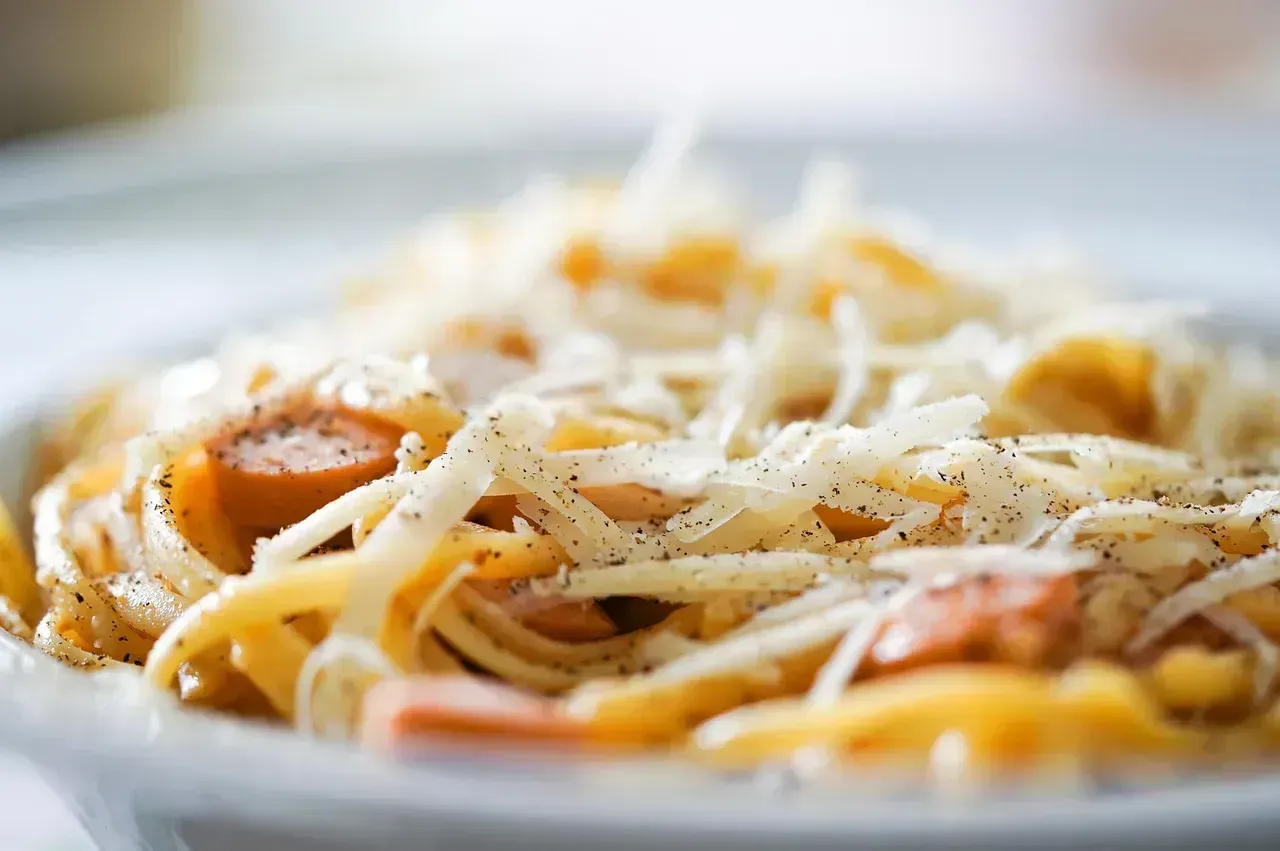
An international YouGov study of more than 25,000 people across 24 countries found Italian food to be the most well-liked cuisine in the world, receiving an average popularity score of 84% across all nations studied. That's not a fluke or a cultural coincidence. It's the result of centuries of culinary refinement built around fresh, high-quality ingredients. The simplicity of Italian food, focusing on fresh, high-quality ingredients, makes it stand out. Dishes like Neapolitan pizza, handmade pasta, and creamy risotto have achieved a kind of universal approval that very few other food traditions can match.
Italian cuisine consolidated its position as a global leader in 2024, with international sales valued at €251 billion, up 4.5% year on year, according to Deloitte's Foodservice Market Monitor 2025. The market is far from slowing down either. The global Italian food market was valued at USD 24.03 billion in 2024, and is projected to grow from USD 25.52 billion in 2025 to USD 40.77 billion by 2032, exhibiting a compound annual growth rate of 6.92% during the forecast period. Italian cuisine is particularly popular in Germany and France, where it ranks second, favored by 47 percent and 40 percent of respondents respectively, and also comes in third in the UK, Mexico, and India. Few cuisines can claim that kind of reach.
Japanese Cuisine: Precision, Balance, and a Top-Ranked Legacy
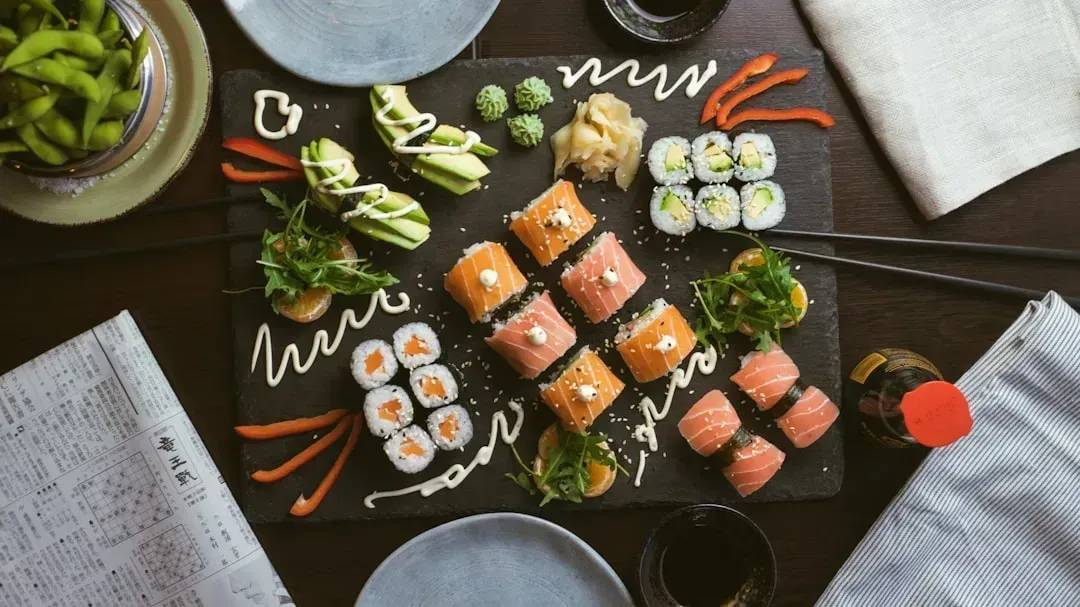
Japan's cuisine tied for the top spot with Italy in TasteAtlas's 2024 rankings, and it comes as no surprise; Japanese food is all about precision, fresh ingredients, and perfect balance, whether it's the melt-in-your-mouth sushi, rich comforting ramen, or crispy golden tempura. The discipline behind Japanese cooking is unlike almost anything else in the culinary world. Every element of a dish serves a purpose, every ingredient is chosen with intent, and the result is a cuisine that manages to feel both refined and deeply comforting at the same time. Every region has its own delicious twist, making each bite feel like a new discovery, and that dedication to detail and flavor keeps Japan at the top of everyone's must-eat list.
The world's third most popular cuisine is Japanese, scoring an average of 71% across the 24 nations studied. Aside from the 94% of Japanese people who like their own food, 94% of Singaporeans who have tried it also do, as well as 93% of Hong Kongers. Japanese cuisine has also proven its staying power in the competitive global restaurant scene. According to TasteAtlas's 2024–25 report, which aggregates 477,287 valid ratings across 15,478 dishes, Japanese cuisine stands among the top-rated on average globally. Its cultural export power, from sushi bars in New York to ramen shops in Paris, speaks for itself.
Greek Cuisine: The Mediterranean Dark Horse Stealing the Spotlight
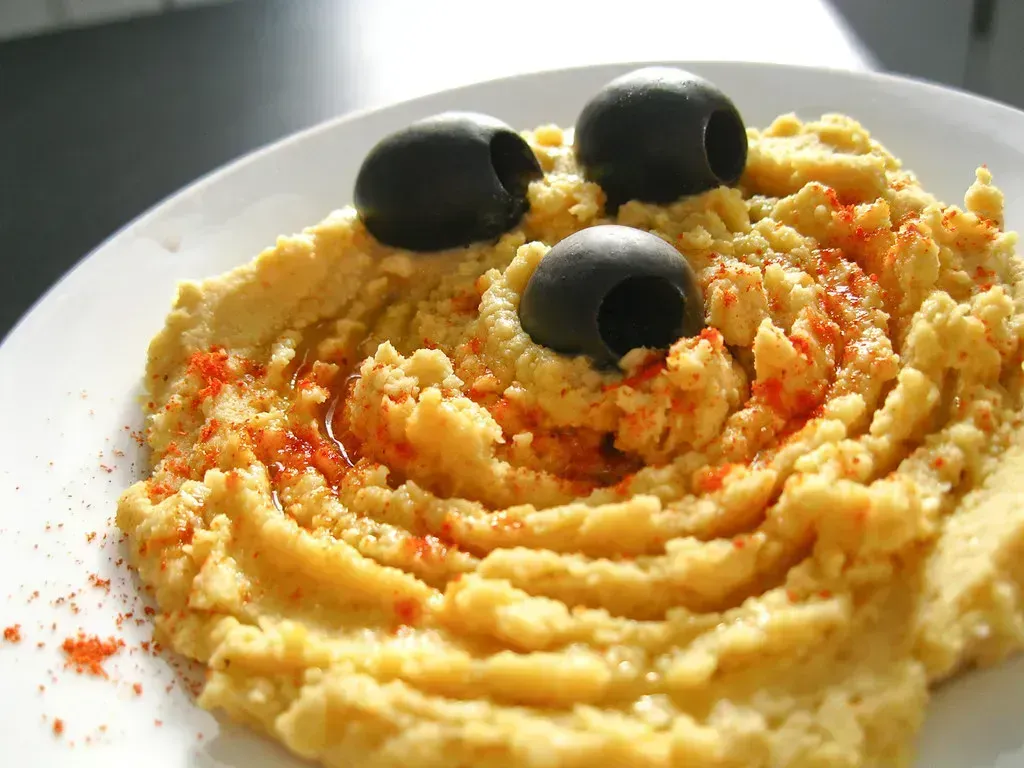
Home to the world's best cuisine in 2024 is a Mediterranean nation: Greece. TasteAtlas looked at 477,287 ratings of 15,478 foods in its database, and Greece beat out everywhere else. That's a striking result for a cuisine that doesn't always get the same global marketing push as Italian or Japanese food. Greek cooking's secret is its philosophy: bold, honest ingredients handled with confidence. Greek cuisine is all about simplicity done right, with rich moussaka, juicy souvlaki, crisp salads with creamy feta, and flaky spanakopita. It's comfort food that still feels light and vibrant, packed with olive oil, herbs, and fresh ingredients.
Greece scored 4.64 in TasteAtlas's 2024 rankings, landing the second spot with its bold, fresh flavors. Food lovers who make the effort to explore Greek cuisine beyond the familiar gyros quickly discover a rich tradition of regional stews, seafood dishes, and pastries that reward curiosity. Greek food is a dream for street food lovers. From souvlaki to gyros, Greece's street food game is unbeatable, with grilled meats, fresh salads, and tangy tzatziki served up in pitas, making it the perfect on-the-go meal. As a destination for culinary travelers, Greece punches well above its weight.
Chinese Cuisine: Scale, Variety, and Remarkable Staying Power

Second place behind Italian food in the global YouGov study goes to Chinese cuisine, which scored an average of 78% across the countries surveyed. It's liked by 95% of Chinese people, with Singaporeans, at 94% of those who have tried it, and Hong Kongers at 91%, also being particularly strong fans. What makes Chinese food remarkable isn't a single dish or flavor profile; it's the sheer scale of its internal diversity. China scored 4.59 in TasteAtlas's 2024 rankings, taking the fourth spot with its endless variety of flavors. From the bold, spicy dishes of Sichuan to the delicate, balanced plates of Jiangsu and Zhejiang, Chinese food has something for everyone, whether it's crispy Peking duck, steaming dumplings, or a bubbling hotpot.
Survey data from Statista's Consumer Insights shows that Chinese and Italian cuisines are among the three most popular in many countries around the world. Chinese dishes are the second most popular behind traditional national cuisines in India, Mexico, and the UK, cited in the top three spots by between 34 and 42 percent of respondents, and the third most popular in France, Germany, and the US. That's an extraordinary geographic footprint. YouGov Profiles reveals that Chinese cuisine is one of the most popular overseas-based cuisines consumed at restaurants in Britain, with nearly half of Brits having consumed it at a restaurant at least once over the past three months. Its versatility across dining formats, from street food to fine dining, keeps it relevant everywhere.
British Cuisine: Struggling Beyond Its Own Borders
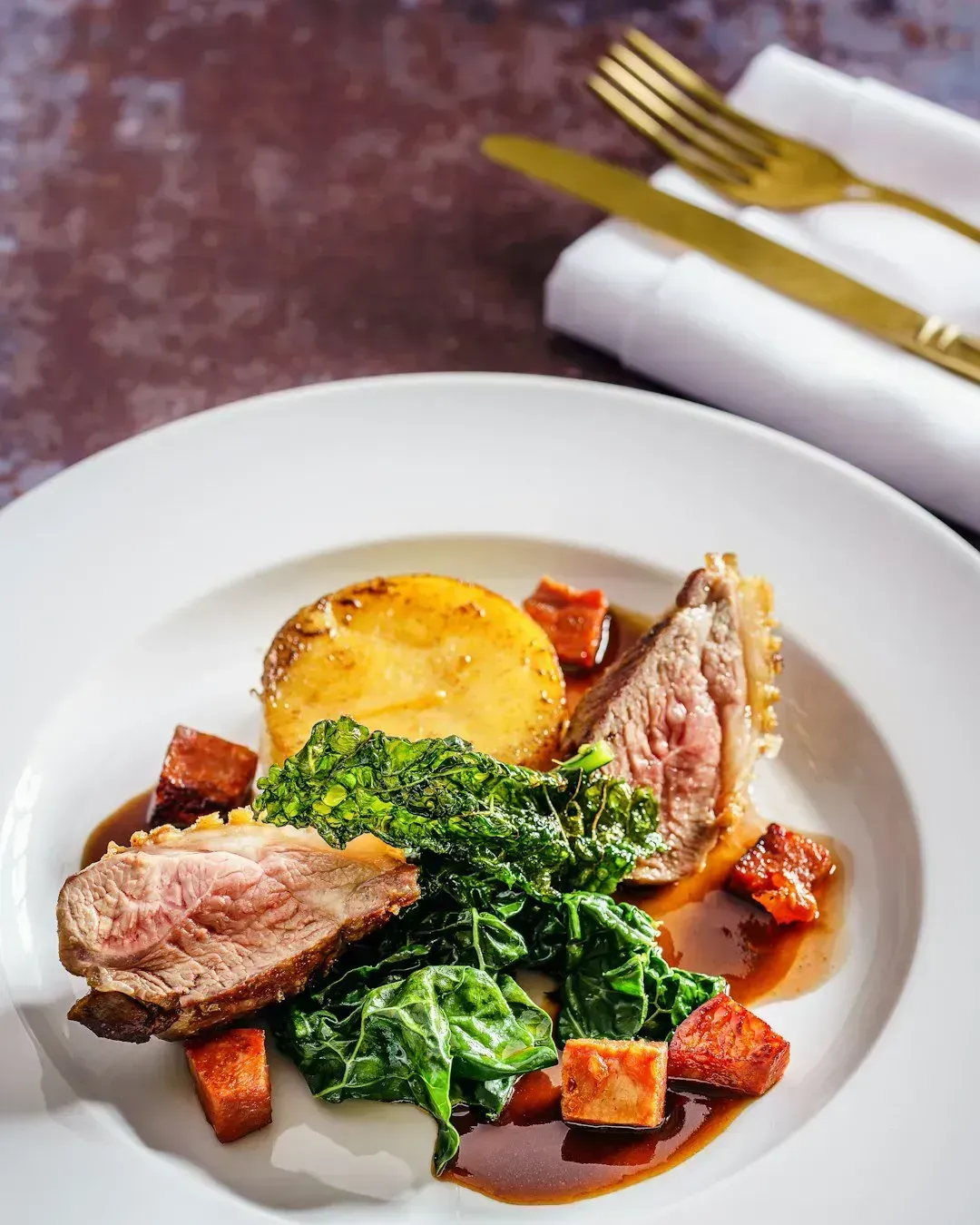
British cuisine is regarded as unpalatable across mainland Europe. That's a blunt conclusion from a major international study, and it's reflected in the numbers too. While 91% of Britons say they like their own national cuisine, fewer than half of those in other European countries agreed, and only the Japanese hold it in greater contempt, with just 20% saying they like it. Traditional British dishes like fish and chips, meat pies, and boiled vegetables have long faced an image problem abroad. Traditional British cuisine includes dishes like fish and chips, roast dinners, and pies, but it is often criticized for being bland.
British cuisine tended to be more warmly received outside of Europe, with a majority of people saying they like it in 11 of the 15 non-European countries surveyed. It's particularly popular in Singapore, at 76% of those who have tried it, and Australia, at 71%. So the picture isn't entirely grim. Still, the consistency with which British food ranks near the bottom in European taste surveys points to genuine structural weaknesses, namely a culinary tradition that doesn't translate well outside familiar cultural contexts. In most countries, traditional national cuisine takes the lead among favorites, with the exception of the United Kingdom, where only half of the population surveyed cited British cuisine as their own top preference. That says something significant about domestic confidence in the food, too.
Finnish Cuisine: The One That Trails at the Very Bottom

At the bottom of the international table comes Peruvian cuisine, which received an average score of only 32%, with Finnish cuisine scoring only fractionally higher and rounding to the same percentage score. For food lovers hoping to be wowed, Finland rarely makes the shortlist. The country's traditional food culture leans heavily on preserved, salted, and pickled items shaped by a harsh northern climate and limited agricultural variety. Americans were least likely to enjoy Finnish cuisine, with only 27% of US respondents rating it favorably, placing it among the least appreciated internationally.
Finland was one of the countries surveyed in the YouGov study, meaning that the loyal 94% of Finns who like their own national cuisine was enough to give them a statistical edge over Peru. Had the study included Peruvian opinions, Finnish cuisine would likely have come bottom. That reliance on domestic enthusiasm to prop up the global score tells the real story. The food market in Finland has been experiencing slow growth, primarily due to a decline in consumption of traditional Finnish foods and increasing health awareness among consumers. Even within Finland, traditional cuisine is losing ground to imported and international options, which reflects a broader truth: when locals start stepping away from their own food traditions, it's rarely a ringing endorsement for outsiders to rush in.




Leave a Reply