
Most of us have stood over a plate of food that looked perfectly fine but tasted completely flat. The ingredients were fresh, the recipe was solid, and yet something felt off. Here's the uncomfortable truth: it probably wasn't the recipe at all.
Flavor doesn't live in your grocery bag. It lives in how you cook. A handful of surprisingly common habits, things you do automatically without thinking, can quietly drain the life out of even the best ingredients. Let's dive in.
1. Overcrowding the Pan and Robbing Your Food of Its Crust
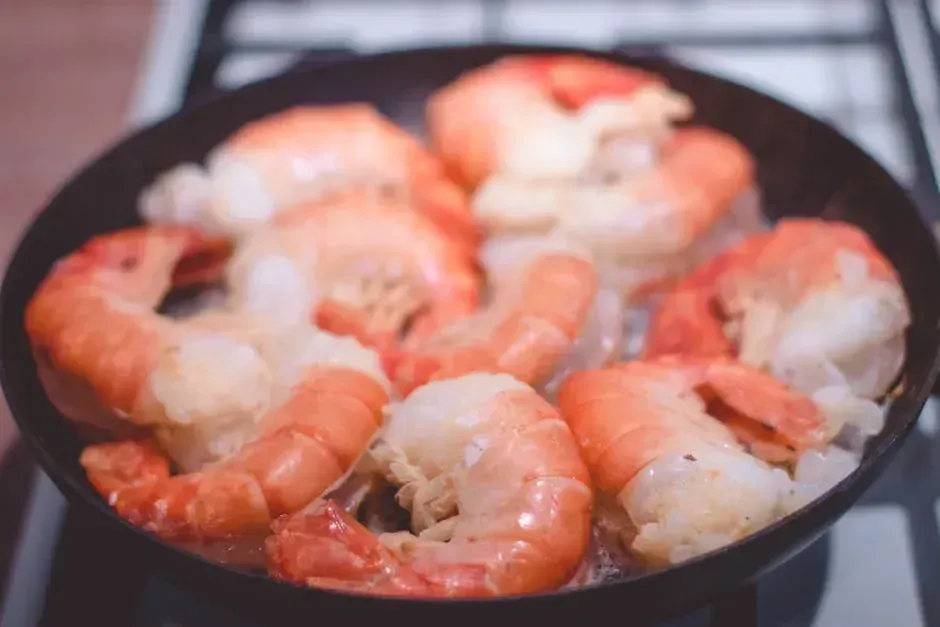
This one is shockingly easy to do, especially on busy weeknights when you just want to get everything cooked fast. Overcrowding a pan is a common mistake many home cooks make, especially when trying to get dinner on the table quickly. The result is almost always disappointing.
When you crowd your pan, the moisture released by the food can't evaporate quickly enough, leading to steaming instead of searing, which prevents the Maillard reaction from occurring properly. And that Maillard reaction? It's essentially the science of deliciousness. It is a chemical reaction between amino acids and reducing sugars that creates melanoidins, the compounds that give browned food its distinctive flavor.
Overcrowding a pan causes a host of issues, including lack of browning and caramelization, uneven cooking, and insufficient fond development, which leads to failure to build the complex flavors that make food truly delicious. The fix is as simple as cooking in smaller batches. Give your food some space, or cook in batches if necessary.
2. Not Preheating the Pan Before You Add Your Ingredients
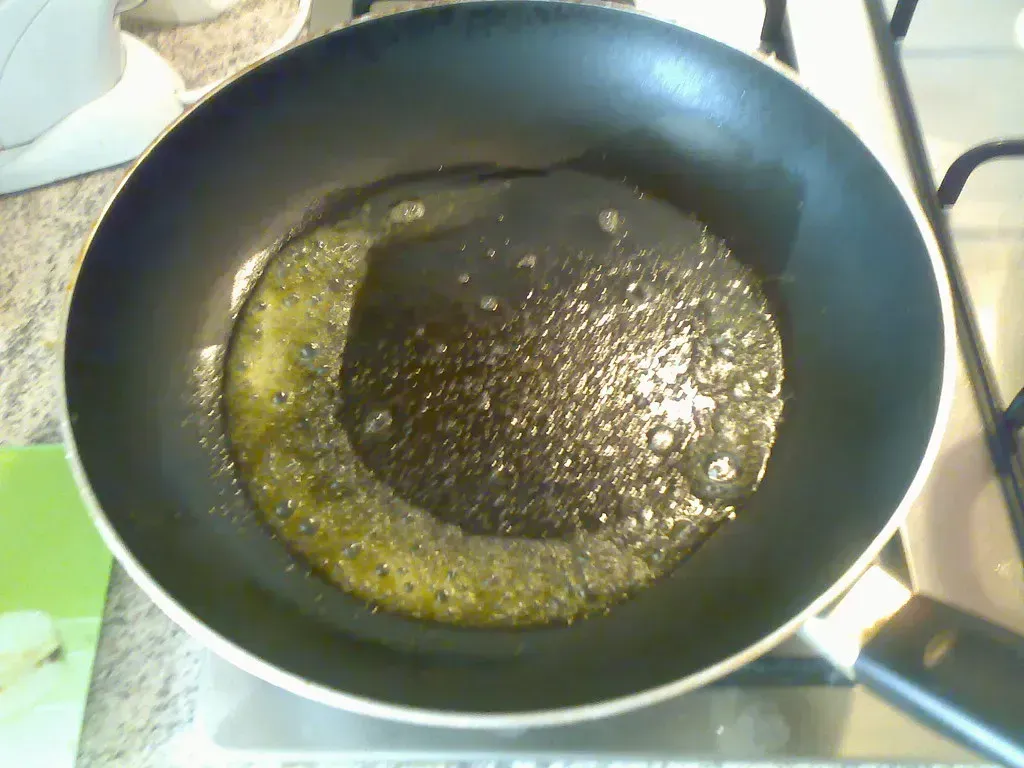
Honestly, this one feels like such a small thing, but it makes a massive difference. It's an easy step to skip, especially when you're hungry and in a rush, but taking the time to preheat your pan will result in better flavor and texture. The science here is straightforward and hard to argue with.
Preheating the pan aids in caramelization. The hot pan quickly evaporates any moisture from the surface of meat or vegetables and creates a crispy, flavorful, browned exterior. Think of it this way: tossing a steak onto a cold pan is like trying to toast bread in an oven you haven't turned on yet. Nothing special is going to happen.
The Maillard reaction is a chemical reaction between amino acids and reducing sugars that occurs when food is exposed to high heat, usually above 300°F (150°C). This reaction creates hundreds of new flavor compounds and the complex aromas we associate with browned food: roasted coffee, baked bread, seared steak, caramelized onions, toasted nuts. No hot pan, no flavor compounds. Simple as that.
3. Soaking Mushrooms in Water Before Cooking
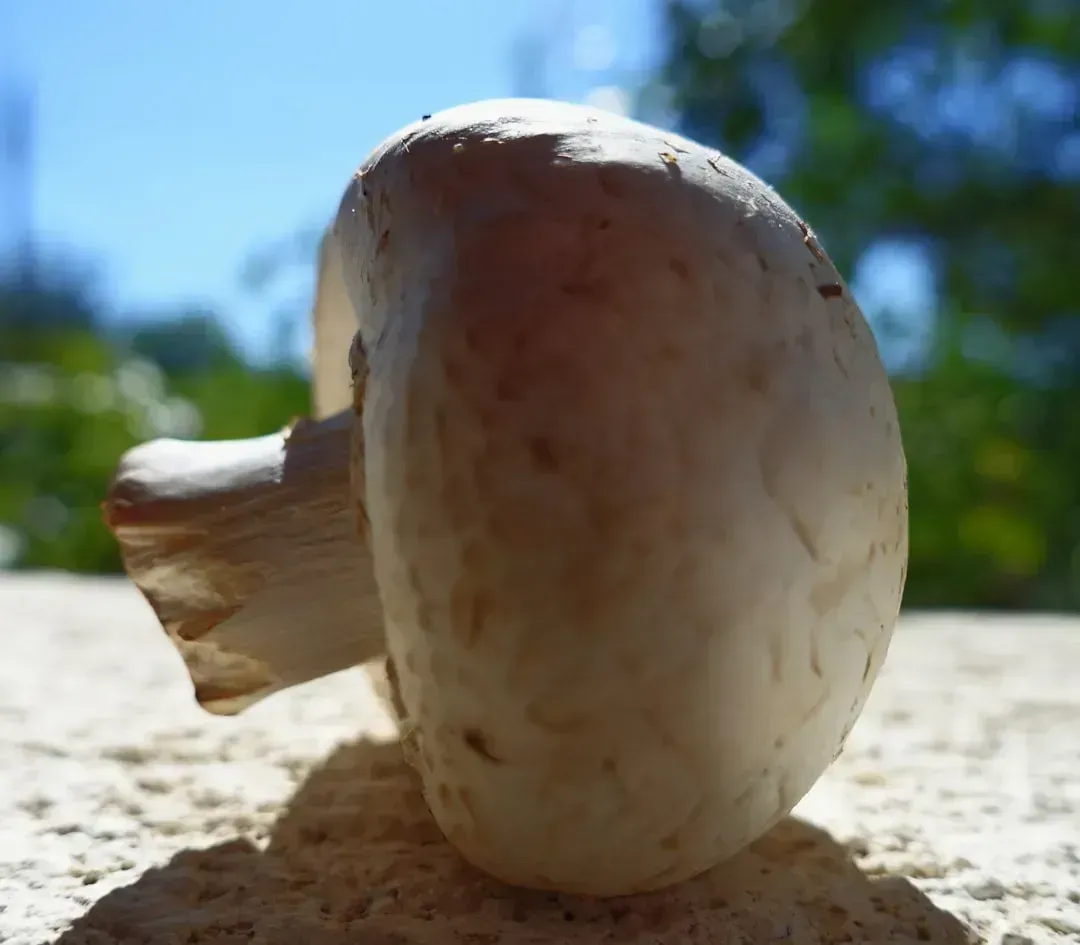
A lot of people rinse vegetables under a tap without thinking twice. With mushrooms, that instinct is a genuine flavor killer. Many home cooks mistakenly soak mushrooms in water, a practice chefs strongly discourage. Mushrooms have a sponge-like structure that absorbs water quickly, and when submerged or washed excessively, they take in moisture that later releases into the pan during cooking.
Instead of browning properly, the mushrooms steam and develop a rubbery texture. Professional chefs usually clean mushrooms by gently brushing off dirt or wiping them with a slightly damp cloth. Think of it like washing a sponge right before trying to fry it. You'd end up with a soggy mess, and that's essentially what happens.
Proper cleaning allows mushrooms to retain their natural earthy flavor and develop a rich golden crust when sautéed. Because mushrooms contain significant natural moisture already, minimizing additional water is essential. Treating them carefully preserves their texture and allows the pan's heat to concentrate their flavor rather than dilute it.
4. Seasoning Only at the End of Cooking
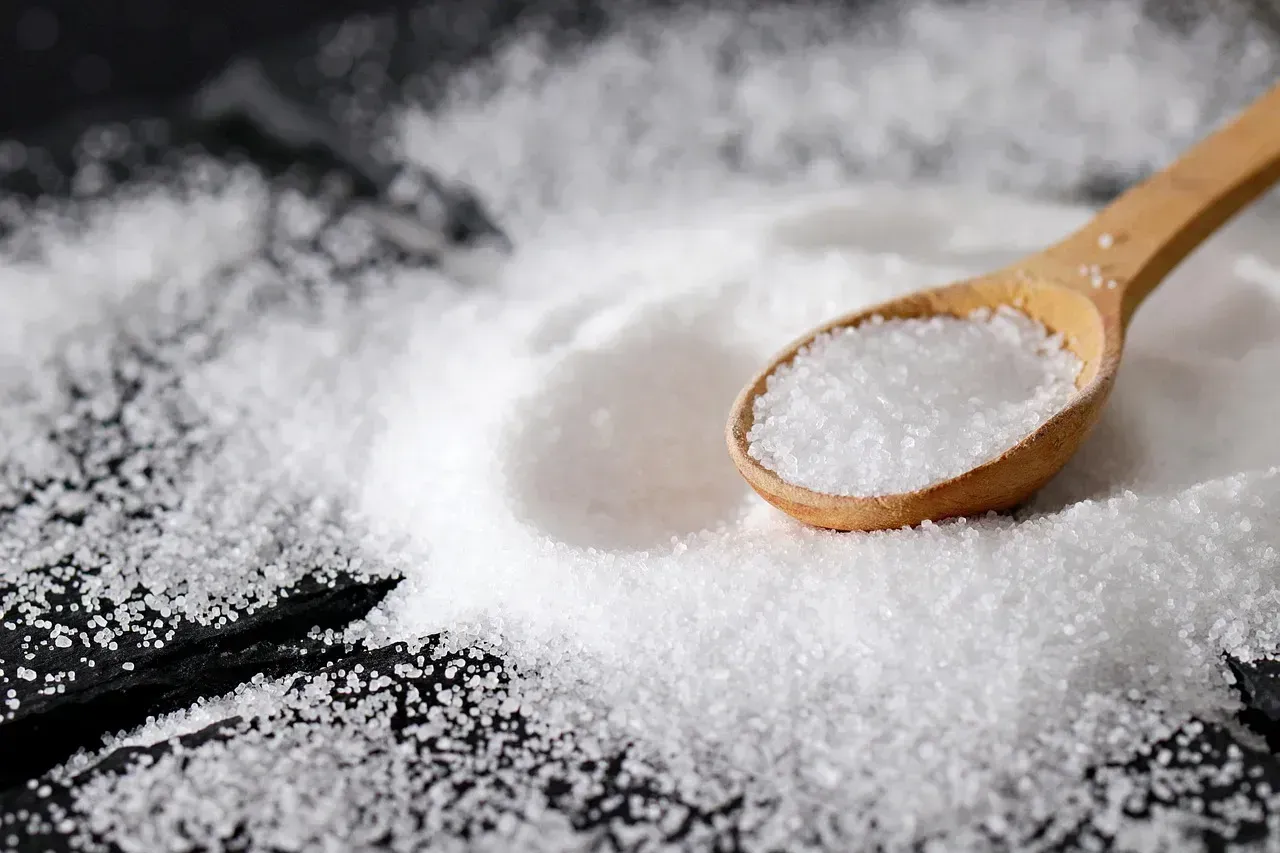
Here's the thing: salt is not a last-minute garnish. Many home cooks treat it that way, and the result is food that tastes like salt is sitting on top of it rather than woven throughout. Seasoning food doesn't necessarily mean adding salt once you have plated it up. Adding salt throughout the cooking process is a much more effective way to properly season the food, and seasoning meat or fish before they cook will give very different flavor results than if you do the same thing at the end.
The key is understanding that seasoning isn't just a final step, it's something you build in layers as you cook. This is exactly what separates a home-cooked meal from a restaurant dish. Restaurants season food more boldly, and that's no accident. Salt enhances natural flavors, while spices and acids add layers of interest, which is why a simple restaurant-made bowl of black beans or roasted vegetables often tastes more vibrant than the homemade version.
When water evaporates during cooking, salt does not disappear; it becomes more concentrated. This is why soups, gravies, and sauces often taste fine initially but become too salty later if not adjusted carefully. The solution is to season in stages, taste as you go, and think of salt as a tool for building flavor rather than a finishing touch.
5. Using Stale Spices From the Back of the Cupboard
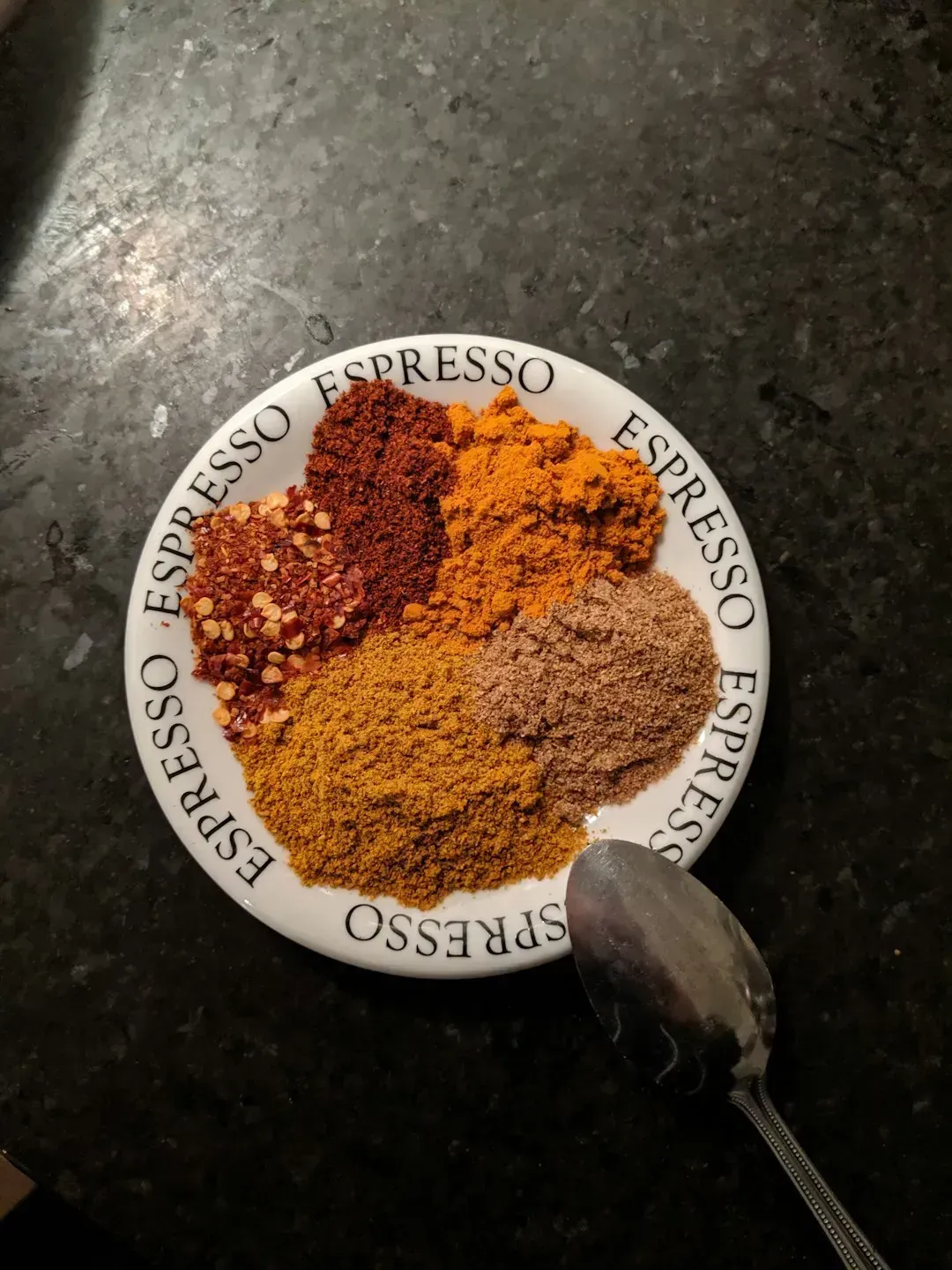
We all have that one dusty jar of paprika we bought years ago. Let's be real, it probably tastes like nothing at this point. Many people don't realize that spices can go stale. In fact, many pre-ground spices are already fairly stale when you buy them from a store, and while they won't necessarily ruin your dish, fresh spices can have a much greater impact on the final result.
If you're using old spices that have gone stale, you'll notice that your food tastes stale, musty, or flavorless. Ground-up herbs do not last as long as intact spices, even if they're in an airtight bottle. It's often better to just grind your own herbs than to try to store ground-up seasonings at home.
Pre-ground spices have a shelf life of about six months to a year after being ground, depending on the spice, which is a lot less time than if you had ground the spices yourself. Treat your spice rack like a perishable ingredient section. If you can't remember when you bought something, it's probably time to replace it.
6. Cutting Meat Immediately After Cooking
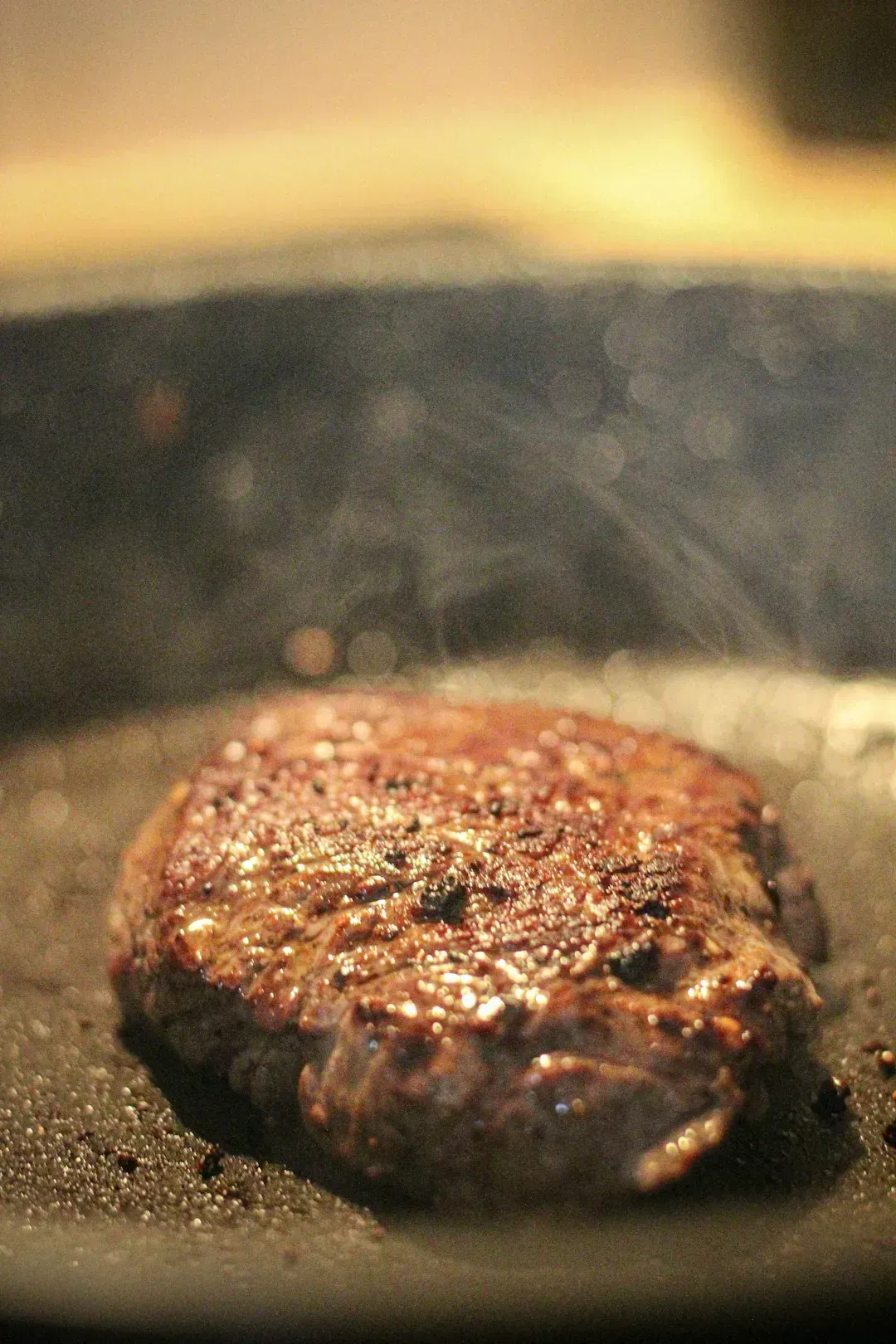
I know how tempting it is. The steak looks gorgeous, you're hungry, and waiting even five minutes feels borderline cruel. Still, slicing too soon is one of the most common ways people unknowingly destroy the flavor they just spent time developing. During cooking, meat's muscle fibers tighten and push tasty juices toward the center. If you cut right away, all that juice just escapes, leaving you with a dry, less flavorful result. If you give it a few minutes, the fibers relax, and juices spread evenly through each bite.
If you allow the meat to rest just 10 minutes, it could mean a roughly 60 percent decrease in juices lost to the cutting board. That is an extraordinary difference in moisture and flavor from one simple act of patience. It is estimated that roughly 15 to 20 percent of the flavor goes out with the juice. Simply dipping the meat in the juice as you eat will not place it back in the fibers where it belongs. The meat is permanently affected.
Allowing cooked meat to rest lets the juices cool, so that the dissolved gelatin and any fat they contain firms up a little, making the juice more viscous, so more of it stays within the muscle. As a result, rested meat will taste less dry and more tender and flavorful. Steaks and chicken need roughly 5 to 10 minutes of rest. Larger cuts like roasts may benefit from waiting considerably longer.
7. Storing Tomatoes, Bread, and Herbs in the Fridge
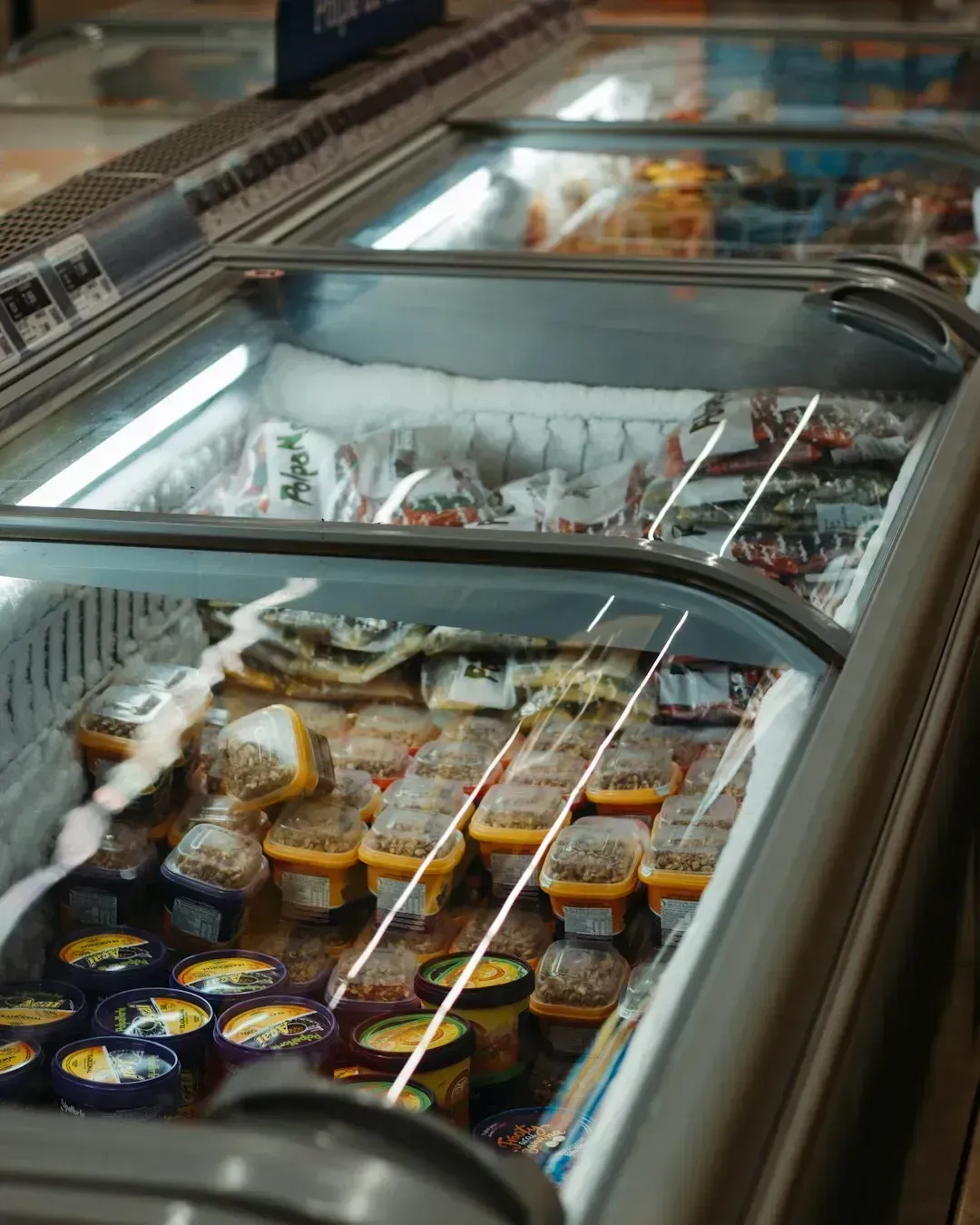
The refrigerator feels like the safest place to store food. It extends shelf life, right? Not always. Although many foods are kept their freshest in the fridge, for others you may be ruining their flavor while in storage. Many of us are in the habit of keeping tomatoes, bread, and other everyday groceries in the fridge, but while this is a common storage option, it's not ideal for the flavor.
Storing tomatoes in the fridge kills their flavor and texture, while keeping potatoes near onions makes them sprout faster. Bread becomes stale in the fridge and is much better suited to keeping covered in the pantry. It's like using a hammer to do a screwdriver's job. The cold environment simply isn't built for every ingredient.
Coffee is another bad choice to store in the fridge as it can absorb flavors from the food around it. Fresh herbs can also lose their flavor and become less effective when stored in the fridge. Learn the quirks of storage: herbs can be kept in water like flowers, onions and garlic prefer cool dark places, and most fruits do best at room temperature until ripe.
8. Adding Too Many Ingredients and Overwhelming the Dish
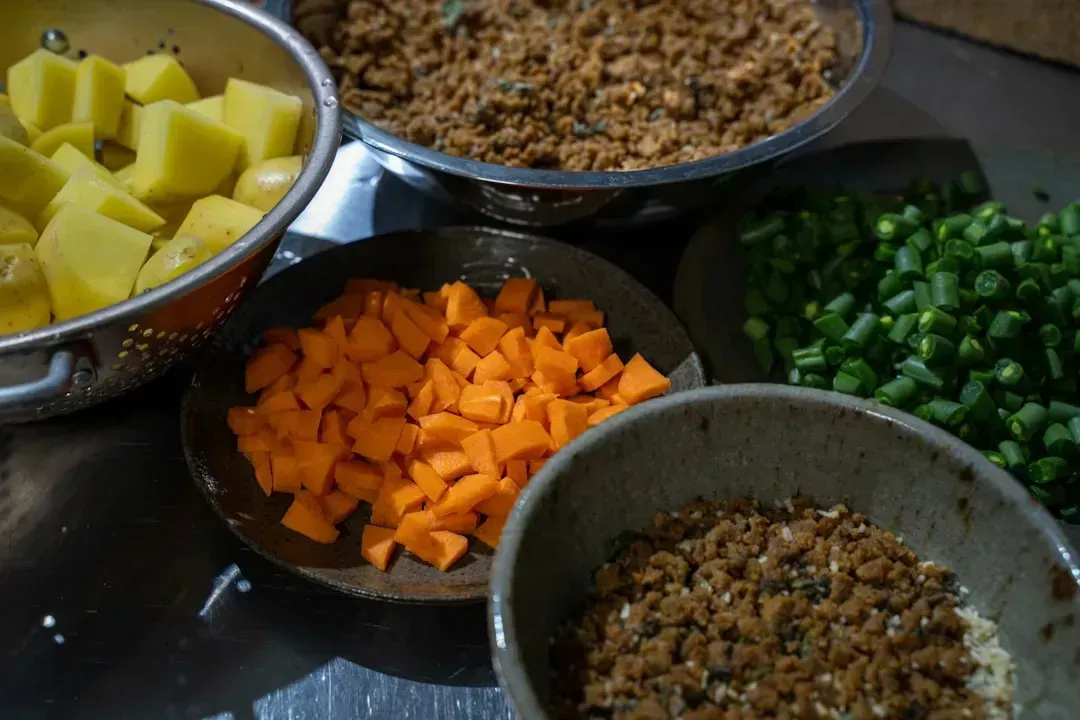
More is more, right? Not in cooking. There is a real temptation, especially for enthusiastic home cooks, to load a dish with every spice, herb, and sauce in the kitchen. It feels like effort. It rarely tastes like it. A mistake chefs frequently mention is adding too many ingredients to a single dish. While variety can be appealing, combining numerous flavors often hides the qualities of the main ingredient. Professional cooking tends to focus on balance and simplicity, allowing the natural taste of vegetables, meats, or grains to stand out.
When a recipe contains too many spices, sauces, or competing components, the flavors blend together and become difficult to distinguish. This can make even premium ingredients taste ordinary. It's a bit like playing a full orchestra without a conductor. Everything is loud but nothing is clear.
Chefs carefully design dishes so that each component has a purpose and complements the others. A simple preparation using a few well-chosen elements often highlights freshness and texture better than a complicated mixture. By limiting ingredients and focusing on quality rather than quantity, cooks can ensure that the natural character of each ingredient remains noticeable.
9. Never Tasting the Food as You Cook
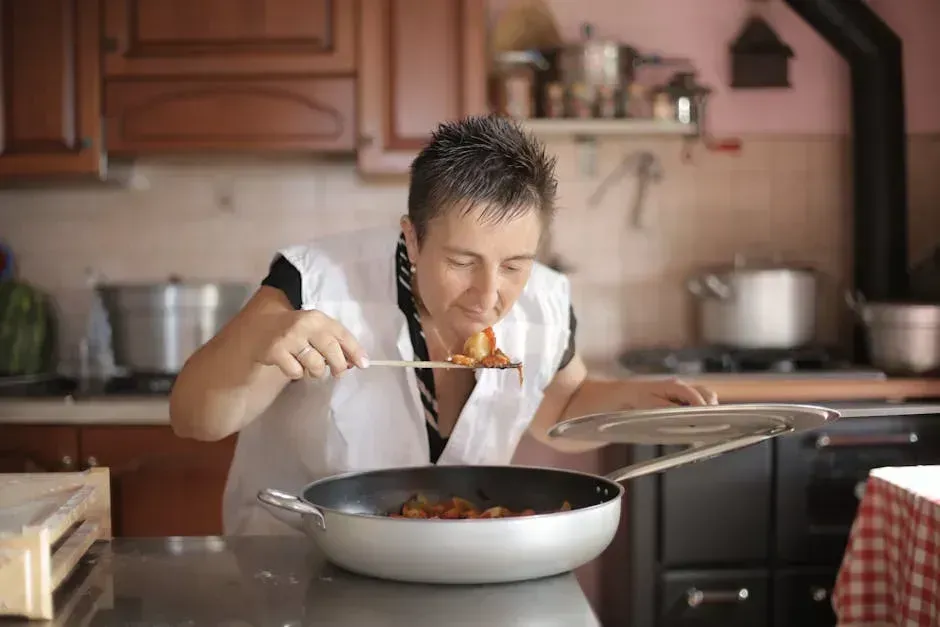
This one might sound obvious, but a surprising number of home cooks follow a recipe robotically and never pause to actually taste what they're making until it's on the plate. By then, it's often too late to fix anything meaningful. One of the most common seasoning mistakes is not tasting the food as you cook. This is essential for ensuring that your seasoning is on point, because as your dish simmers, stews, or sautés, flavors change and develop.
Even if you are following a recipe to the very letter, there's something to be said about tasting the food you're seasoning as you're making it. A small taste will allow you to figure out if it needs more salt and pepper, or if it needs to be diluted because you over-seasoned it. Being able to gauge your flavor by taste will give you all the feedback you need.
If your dish is lacking flavor, more salt isn't always the answer. A well-salted meal isn't necessarily a well-seasoned one; though it might intensify flavors, it won't fix a dish that's missing balance. Tasting while you cook teaches you something that no recipe ever can: the instinct to understand what a dish needs and when. That skill, more than any single ingredient, is what actually makes food taste great.




Leave a Reply