
There are roughly 924 Costco warehouses operating worldwide right now, and millions of people walk through those sliding doors every single week. Most of them think they know the place pretty well. They know where the rotisserie chickens are, they know to grab a hot dog on the way out, and they know the samples are worth slowing down for.
What they don't know, though, is what the employees know. The people who stock those towering pallets, check your receipts, and quietly keep the whole machine running have a front-row seat to information most shoppers will never stumble across. Some of it will save you real money. Some of it will genuinely surprise you. Let's dive in.
1. The Price Tag Is Actually Telling You a Secret
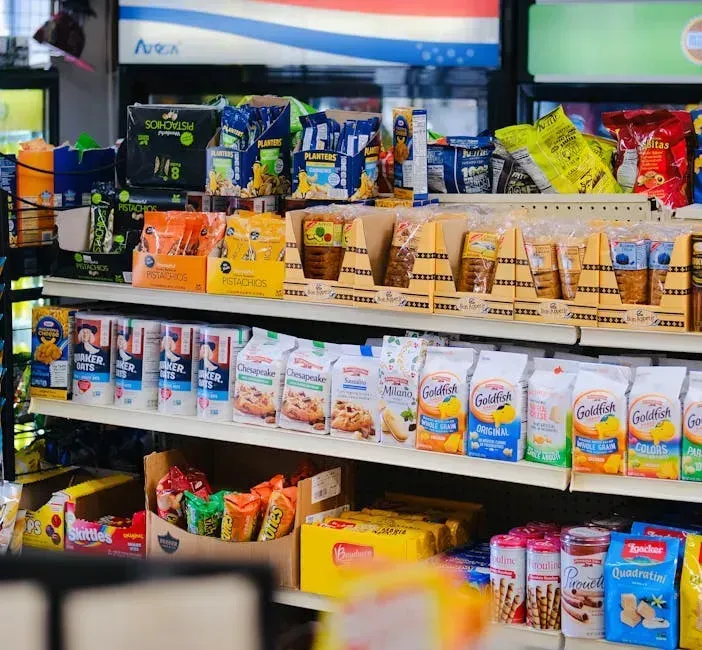
Here's something that sounds almost too simple to be real. Former Costco employees say the key is to look very closely at price tags. If a price ends in .99, it indicates a regular wholesale price, and there is a chance the item may still be reduced. Most shoppers just see a number and move on.
If the price ends in .97, that means the product has already been discounted and will not be slashed again - so that's your last chance to grab it at a deal before it disappears from the floor. If the price ends in .00, it usually means the manager of that specific store has decided to reduce the price for clearance purposes, and you shouldn't expect to find that same product discounted at another location.
When you see an item price that ends in $.00 or $.88, that means the item is on Manager's Special, and those are often items that have been returned or have superficial packaging damage. Be sure to look them over, but even if you discover an issue at home, Costco's return policy will still protect you. Honestly, once you know this code, you'll never look at a price tag the same way again.
2. The "Treasure Hunt" Layout Is a Deliberate Strategy
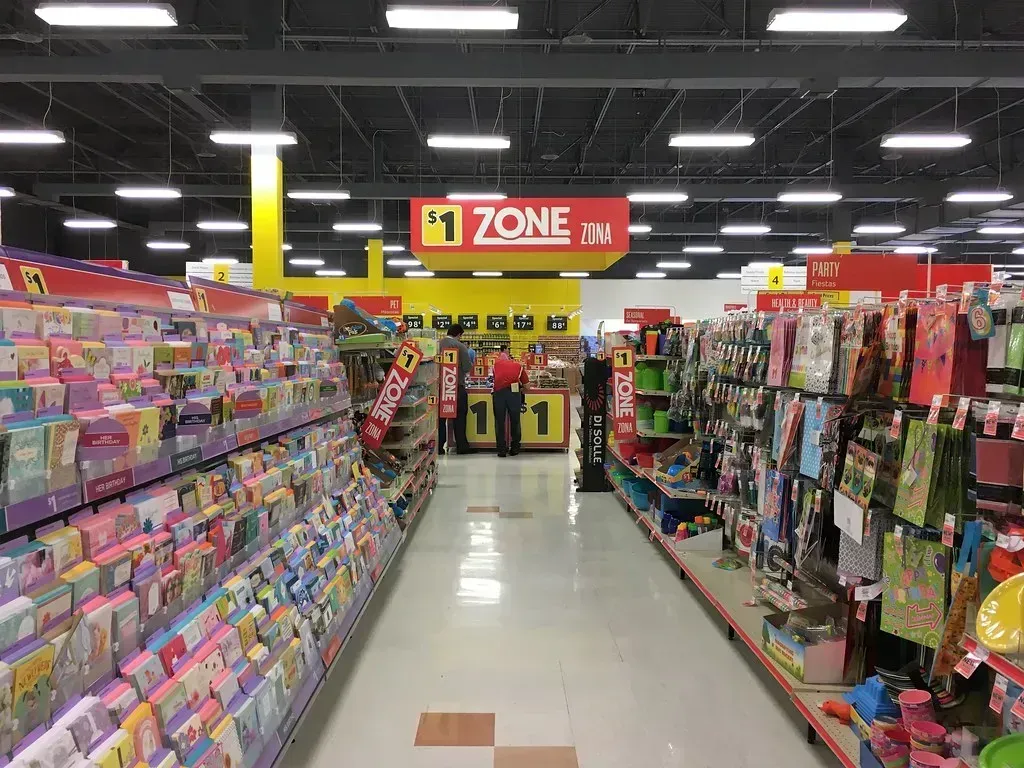
You've probably noticed that you can never find the same item in the same spot twice. That's not an accident. Costco stores constantly move their stock around, and the company touts it as a "treasure hunt," knowing that the more time you spend scanning shelves, the more likely you are to notice - and buy - other items.
Much of the layout of the warehouse and the systems in place are there to inspire impulse purchases, and insiders are aware of these ploys, which sometimes result in useful products but other times break the bank. Think about it like a casino that smells like pizza. There are no windows, no clocks, and the exit always seems to be just one more aisle away.
The actual reason is to provide a "treasure hunt atmosphere" for members, which leaves them wandering around aimlessly, and before they know it, their cart is full and they're not sure how it got that way. This is an actual Costco marketing scheme. Seasoned Costco shoppers on a budget often make a grocery shopping list and stick to it - and now you know why that strategy matters so much.
3. Employees Are Not Trying to Upsell You
Unlike traditional retail workers, Costco employees aren't pushed to upsell or meet sales quotas, which means they're not secretly trying to get you to buy the priciest blender or biggest TV. This is a genuinely rare thing in retail, and it makes the shopping experience fundamentally different from walking into most stores.
Costco staff are paid an impressive base wage of over $30 at most U.S. stores, meaning there's no pressure to upsell or earn commission-based income. To put that in context, Costco's average wage is more than $31 an hour across the U.S. and Canada. That's strikingly high for the retail sector.
Costco also offers excellent medical and retirement benefits and tends to promote executives from within the company, and the results are staggering: Costco's turnover rate is about 8%, a sharp contrast to a whopping 60% at other retailers. Employees who aren't worried about their next paycheck are employees who actually want to help you find what you need.
4. There Is No "Back Room" to Check
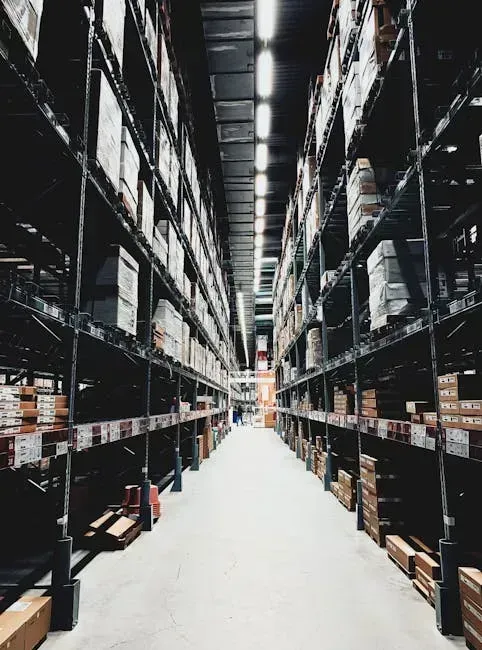
How many times have you asked a Costco employee to "check in the back" for an out-of-stock item? Here's the thing - that request almost never goes where you think it does. When an item's out of stock, asking a Costco employee to "check in the back" won't help, because most Costco locations don't have a secret stash out back. What you see on the floor is all that is there.
Shipments arrive quickly and are sometimes sold even faster, so if it's not there, your best bet is to come back soon. The warehouse model is designed around constant, rapid floor replenishment rather than a traditional storeroom reserve. It's a totally different supply chain logic compared to a regular grocery store.
The average Costco keeps around 4,000 products in stock, rotating certain products regularly. That's a tiny fraction compared to a typical supermarket carrying tens of thousands of SKUs. Scarcity is built into the model - and when something's gone, it might be gone for good.
5. The Receipt Check at the Exit Is About More Than Theft
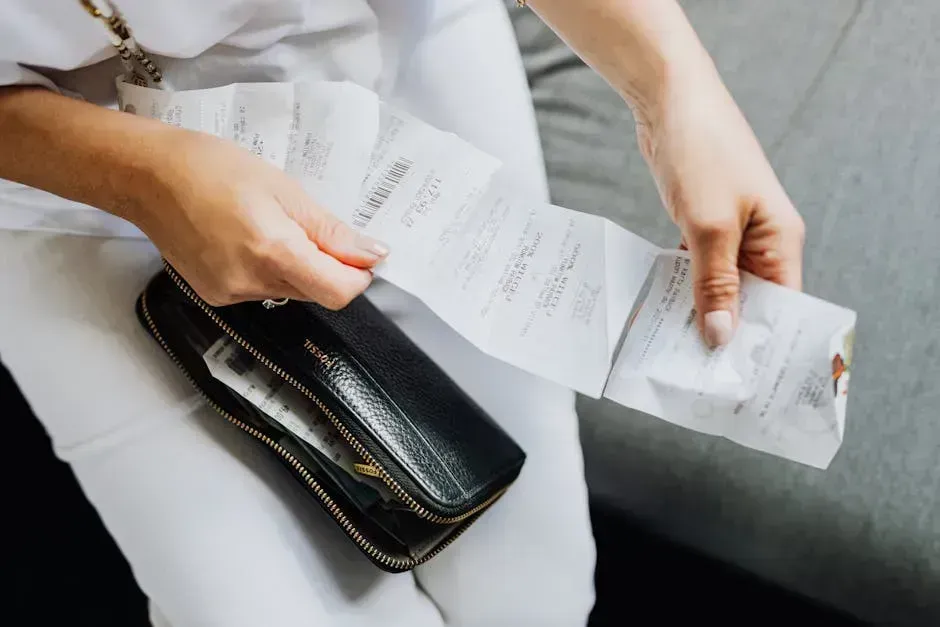
Let's be real, most people find the exit receipt check slightly annoying. You've already paid. You're tired. Your cart is heavy. So why is someone stopping you at the door? Many customers find this extra step irritating, but there is an important reason for it, and for most people, it doesn't mean that you're suspected of shoplifting.
The receipt checking when members leave is to make sure that customers are not stealing large items, because the more theft, the more loss for Costco, and then the higher prices will go. Think of it as a kind of collective agreement between the store and its members to keep costs down for everyone. It's protective, not accusatory.
There's also a secondary benefit most shoppers never realize. The receipt check serves as a last-minute accuracy verification - if a cashier accidentally charged you twice for an item, that employee at the door is statistically your best chance of catching it before you leave the building. Many shoppers have walked away from that exit line having saved money they didn't even know they'd lost.
6. Kirkland Signature Is Made by Brand-Name Manufacturers
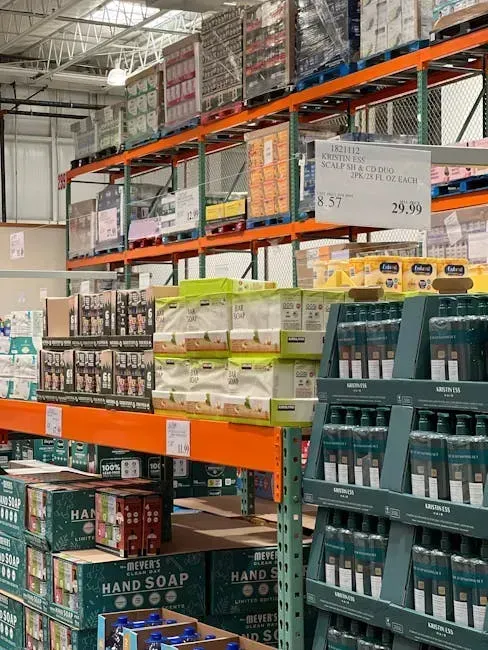
This one genuinely surprises people every time. Costco does not actually make any Kirkland Signature products themselves. Instead, they partner with manufacturers around the world to create these items. The label on the package is Kirkland, but the hands that made it might belong to a company you already recognize and trust.
Many of those manufacturers also make products for famous name brands that you already know and love, so that cheaper Kirkland item might be coming from the exact same factory as the expensive stuff. Costco has only one private brand: Kirkland Signature, which makes it easier for shoppers to trust the label across wildly different product categories.
Costco's commitment to offering low prices, with markups typically no more than 14% on regular items and 15% on Kirkland Signature products, attracts price-sensitive consumers and fosters strong customer loyalty. According to Costco's 2024 annual report, Kirkland Signature brands bring in higher profit margins than national brands and play a significant role in maintaining customer loyalty.
7. You Can Ask for a Price Adjustment Within 30 Days
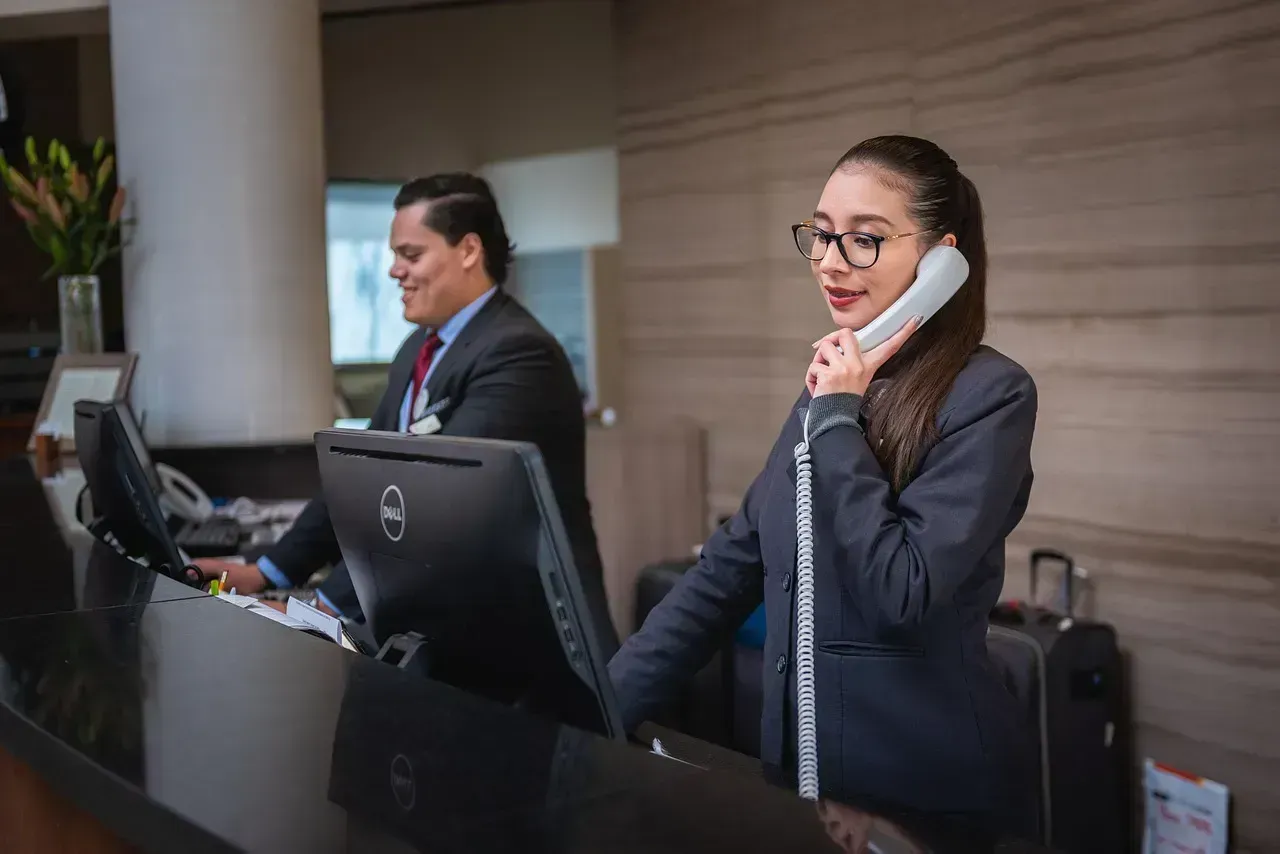
Paid full price on Monday and then noticed the same item is cheaper on Friday? Most shoppers assume they're just out of luck. They're wrong. If you buy something at Costco and notice the price went down on your next shopping trip, you can head to the membership desk and ask for a price adjustment. Costco offers 30-day price matches, and you don't even need to bring the receipt or the item, because the store can look at your shopping history.
Costco apparently retains records of member purchases for 10 years, which is one of those quietly powerful facts that most people walk right past. It also means the return desk has a very clear picture of your shopping habits over time, for better or worse.
For warehouse purchases, customer service employees will often reimburse your price adjustment, but you'll need to do so in-store at the help desk. This is one of those policies that employees know well but almost never volunteer at checkout. You have to ask for it specifically. The lesson? Always check back within 30 days on big purchases.
8. The Best Time to Shop Is NOT the Weekend
Sunday shoppers can expect wall-to-wall carts, long checkout lines, and packed aisles. Employees know it's the most chaotic day of the week, as restocking becomes nearly impossible and tempers run high. For a smoother trip, try weekday mornings - you'll have more space to browse and a much happier crew helping you out.
According to a Costco insider, the early morning hours on weekdays are when crowds thin out, the after-work rush has fizzled, and shelves are still fully stocked from the afternoon restock. Another Costco employee recommends coming in as early as possible to snag the best discounts. Early birds really do get the worm here - or at least the marked-down jacket.
Starting June 2025, select locations such as Manhattan have offered exclusive 9 a.m. shopping hours for Executive Members to provide a less crowded experience. It's a small perk, but if you're already paying for the Executive tier, it's worth knowing that early access is becoming more of a formal benefit in certain regions.
9. The Return Policy Has Limits - Even If It Feels Unlimited

Costco's return policy is generous, but it's not something to take advantage of. Employees have likely seen people try to return half-eaten cakes, five-year-old TVs, and even empty wine bottles. Yes, staff usually process returns with a smile, but pushing the limits just makes their jobs harder and potentially forces Costco to reconsider its policy.
The return policy is "extremely generous" according to former employees who worked primarily in the returns department. Costco figures that people will spend more than they return, and employees can see shopping history that goes back a decade. That means they know more about your purchase history than you probably realize.
There's a quiet and important truth here. The return policy exists because Costco trusts its members - and the members who abuse it are essentially eroding something that benefits everyone. Shoppers say managers will roll your entire cart, perishables included, into the walk-in fridge if you need to step away temporarily and come back later to pick up where you left off. That kind of goodwill deserves respect. Use the policy wisely, and it will stay generous.
10. Costco's Hot Dog Price Is Actively Protected
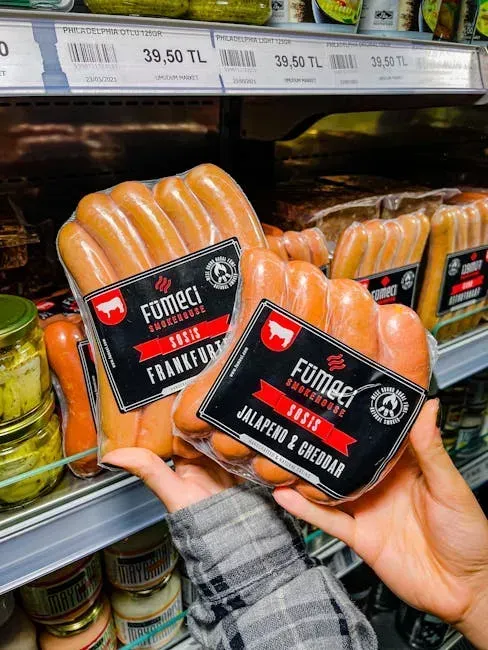
It almost sounds like a folk legend, but it's completely real. The almighty Costco hot dog remains inflation-proof, and the cost of a hot dog and soda has remained $1.50 since 1985. That's across multiple economic crises, recessions, supply chain disasters, and now a global inflation surge that sent grocery prices soaring everywhere else.
The Costco chickens are still $4.99 despite inflation because they create so much draw and membership loyalty that raising the price wouldn't be overall beneficial, even if the chain isn't pulling a large profit on the birds themselves. The same logic applies to the hot dog. It's a loss leader that pays for itself in membership renewals and brand loyalty, not in the price per unit.
Costco membership fees totaled $5.323 billion in 2025, up more than 10% from 2024. The U.S. and Canada membership renewal rate was 92.3% in 2025. That's a staggering level of retention, and products like the $1.50 hot dog and the $4.99 rotisserie chicken are no small part of why members keep coming back year after year. In late 2024, it was reported that Costco would be reverting to Coca-Cola products in early 2025, and warehouses began the transition in July 2025 - proof that every food court decision is made with long-term member satisfaction front of mind, down to the soda in your cup.
What do you think - did any of these surprise you? Drop your thoughts in the comments, especially if there's a Costco secret you've discovered that we didn't cover here.




Leave a Reply