
You pack your bags, book your flights, and think you know what to expect. Then you sit down at a restaurant abroad and suddenly realize that almost everything you know about eating is, well, kind of wrong. Or at least, very different.
Food consumption is one of the most culturally sensitive human behaviors, relying heavily on the sociocultural environment in which a person lives. Cultural norms, values, and beliefs about food selection and consumption play a decisive role in shaping what people eat and how they eat it. For American tourists stepping outside their comfort zone, the gap between what they expect and what they find on the table can be startling, hilarious, or downright humbling. Let's dive in.
1. Japan: When No Tip Is the Best Compliment
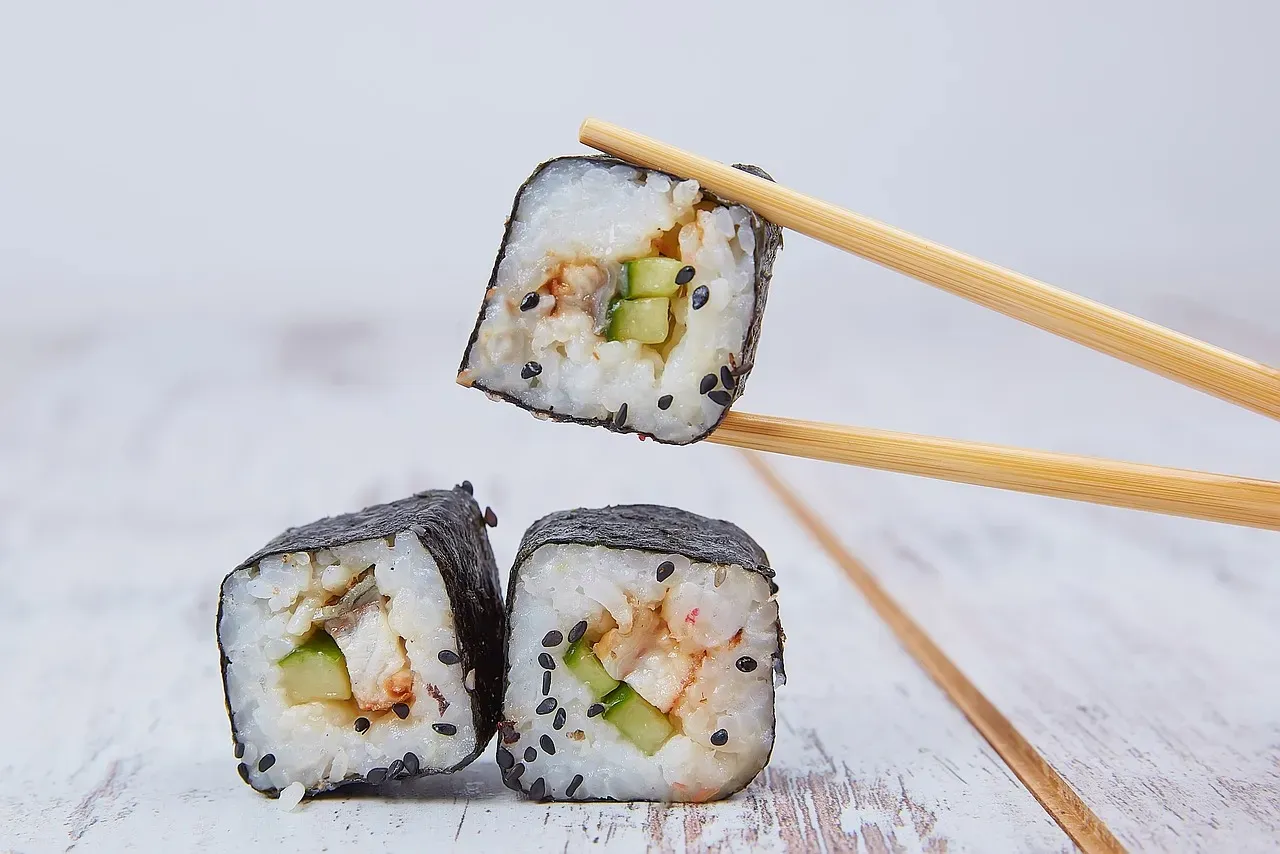
Honestly, Japan might be the single biggest dining culture shock for Americans, and I think most travelers will agree once they've been there. According to a survey conducted in the departure lobbies of Japanese airports, nearly 93 percent of tourists from the United States cited eating Japanese food as one of their main motivations to visit Japan. That's a staggering number - which makes the cultural surprises that follow all the more jarring.
Tipping is a common and even desired custom in many countries, but in Japan it is quite the opposite. It is rare, and in some places, staff might even reject the money. For Americans accustomed to calculating a 20 percent gratuity before standing up from their chairs, this feels completely counterintuitive.
A bowl of rice may seem like a great place to rest chopsticks, but in Japanese culture, sticking chopsticks upright in rice resembles a custom known as 'tate-bashi,' a type of offering reserved for Buddhist and Shinto funerals. Doing it at a dinner table would be considered a bad omen. Slurping noodles is described as a distinctively Japanese custom going back hundreds of years, believed to have originated when soba noodles were eaten on the go at food stalls during the Edo period.
2. France: Slow Down, You're Not at a Drive-Through
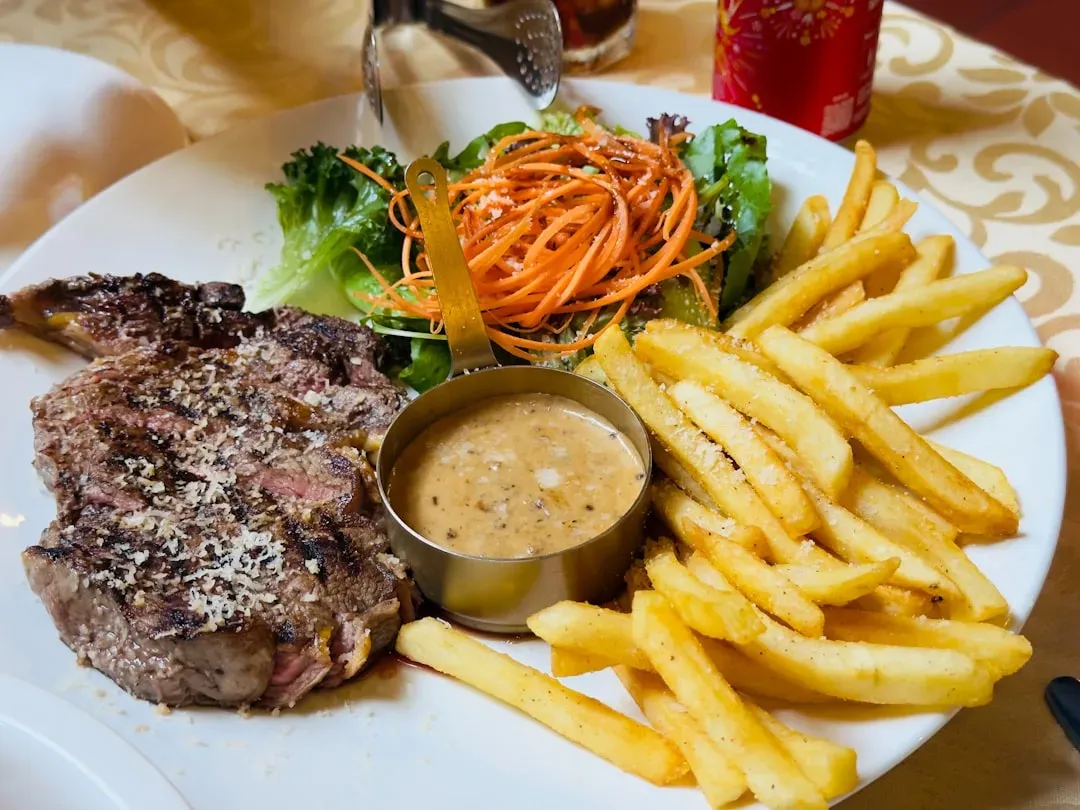
France is the country where Americans are most likely to feel like they are doing dining completely wrong. French lunch breaks are regularly an hour or two. Unlike in America, French waitstaff do not rely on fast table turnover for adequate pay because they do not depend on tips. This means you will never be rushed out the door. For Americans used to receiving the check practically before finishing their entrée, this is a genuine revelation.
Splitting the bill is generally considered rude in France. Either you pay the entire bill or let someone else do it. That alone is enough to send a table of American college grads into a quiet panic. The French also take bread further than most. Rather than viewing bread as a vehicle for leftover sauces, in France it is customary to use it as you would use a utensil, tearing off a piece to help move food from the plate to your mouth.
According to the 2026 Europe Food Travel Survey, a remarkable 92.1 percent of U.S. travelers say food influences which cities and countries they choose to visit. Yet despite France's iconic culinary reputation, Paris is increasingly described by American travelers as "overrated," which tells you something about the gap between expectation and reality.
3. Italy: The Cappuccino Curfew Is Very Real
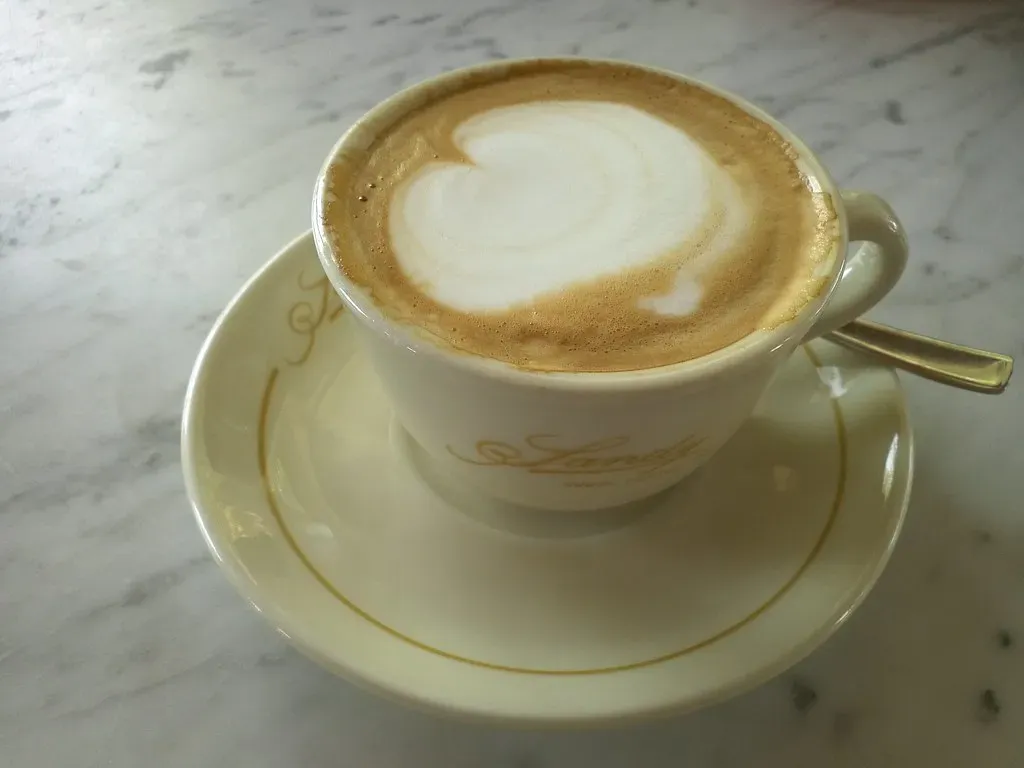
Italy surprises American tourists in ways that feel almost personal. Let's be real, most Americans have been ordering cappuccinos at noon, after pasta, completely unaware that this is a source of quiet Italian horror. Espresso is usually consumed after a meal in Italy, and ordering a cappuccino post-lunch is seen as an Italian faux pas. The reasoning is physiological: Italians never order milky beverages after a meal, as milk is seen to hinder digestion. Instead, they stick to espresso or black coffee, which is viewed as a digestive. Ordering a cappuccino won't result in outrage, but it will definitely mark you out as a tourist.
Italian dining is a joyous, familial affair typically structured in a specific order: antipasto, primo, secondo, and dolce. It is also considered inappropriate to order spaghetti with meatballs in a traditional Italian restaurant, as these dishes are typically served separately. That particular revelation has broken the hearts of more than a few American visitors who grew up believing spaghetti and meatballs was quintessentially Italian.
4. India: Your Left Hand Is Not Welcome at the Table
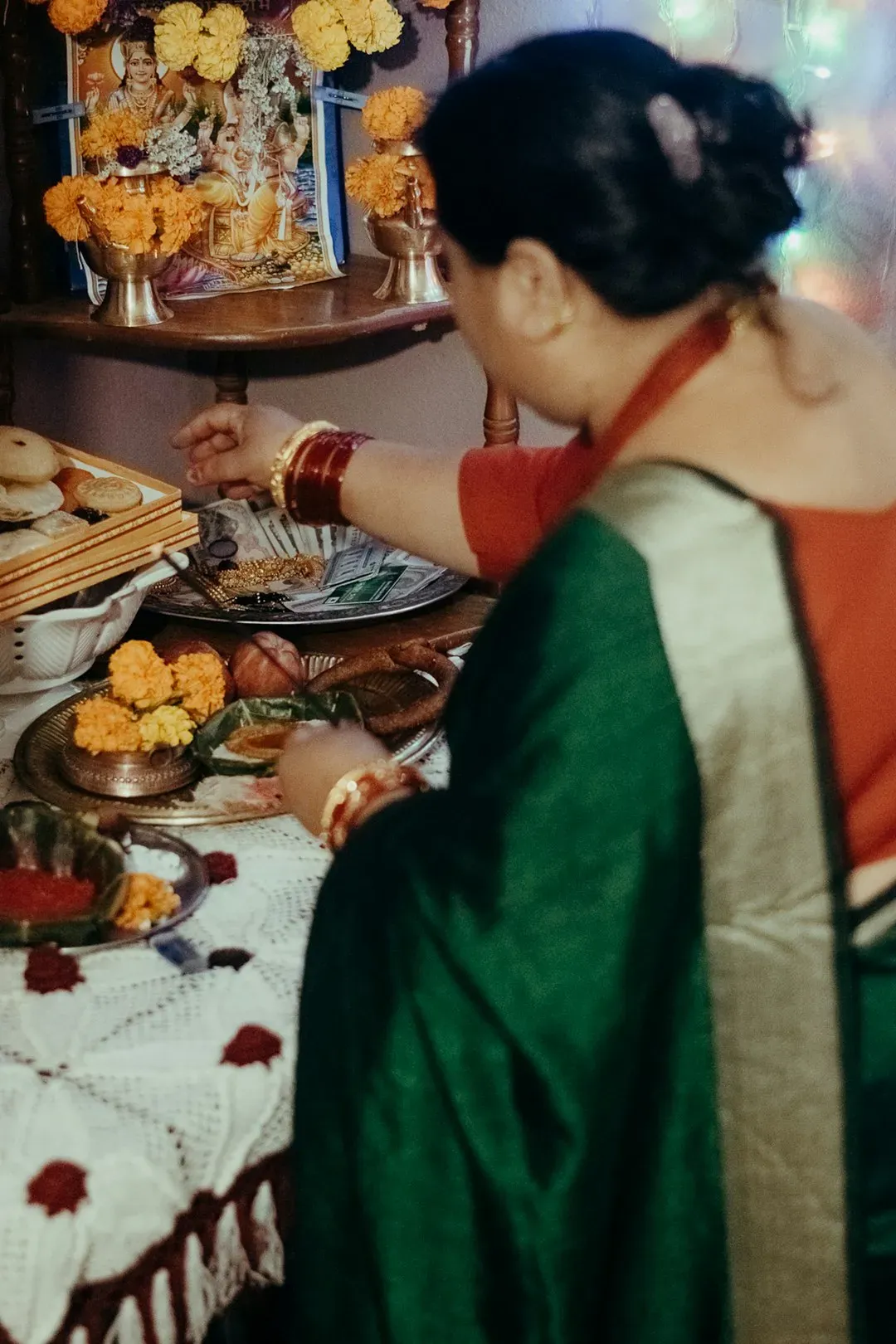
India offers one of the most profound dining culture shocks for Western tourists, and that's not an exaggeration. The sheer variety of regional cuisines, food philosophies, and mealtime customs is staggering. Dining in India often emphasizes community and sharing. In many Indian households, eating with the right hand is traditional, and it is important to avoid using the left hand, which is considered unclean.
In Ethiopia, Southeast Asia, and India, using the right hand to grab food directly is not only common but important. The left hand is often associated with toilet hygiene, so it is best to avoid using it to eat, and one should use only fingertips rather than the entire hand. Americans who reflexively reach for food with their left hand can find themselves the subject of wide-eyed stares. Many Indians also adhere to vegetarian diets for religious or cultural reasons, which means the meat-heavy instincts of many American travelers need a significant recalibration.
5. Spain: Dinner at 10 PM Is Completely Normal
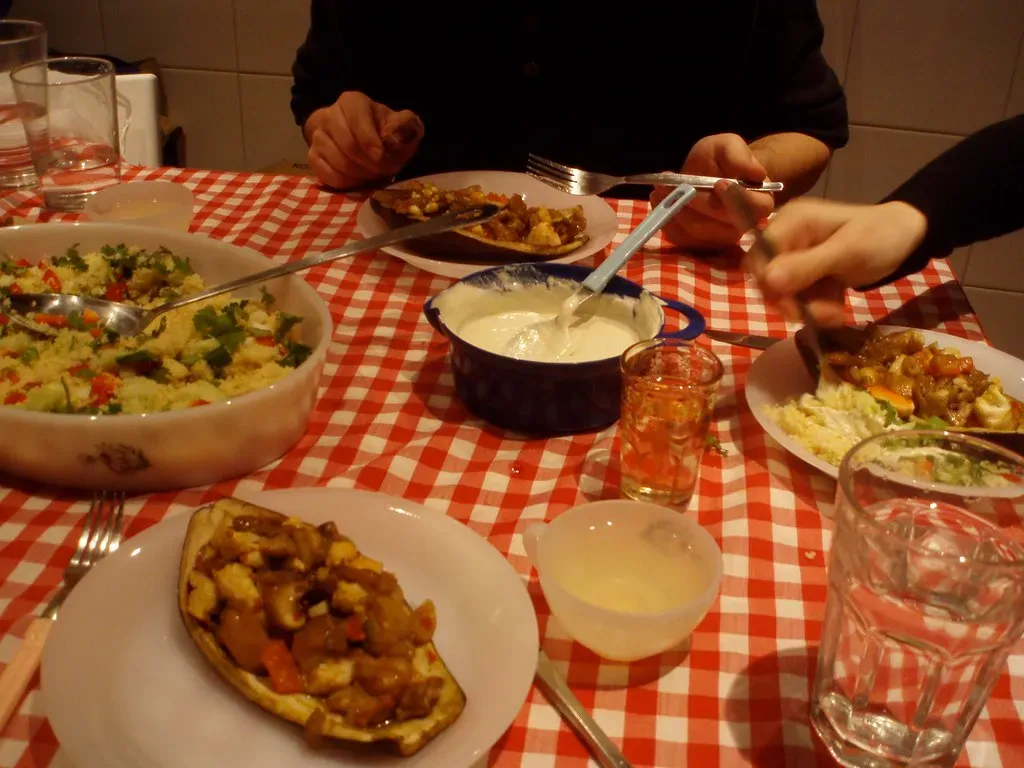
Spain has a reputation for being lively and vibrant, but nothing prepares Americans for the sheer lateness of Spanish mealtimes. Dinner before 9 PM is practically unheard of in most of Spain, and 10 or 11 PM is genuinely standard. Dinner in Latin cultures is a purely social event and can occur very late. It is not unusual to sit down to dinner at 10 or 11 PM throughout much of the Spanish-speaking world. For American tourists used to eating at 6 PM and being in bed by 10, this is nothing short of a lifestyle reset.
Spain appeals to American food tourists through its tapas culture, walkable food scenes, and social dining. The tapas tradition is another puzzle: meals are not served in one single plate but in small shared dishes arriving across the course of a very long evening. Dining in countries on the European continent such as Spain typically involves bringing the fork to the mouth with the tines facing downward, never putting the knife down while eating - a Continental style that leaves Americans very aware of their "zigzag" cutting habits.
6. Morocco: The Meal is a Multi-Hour Ritual
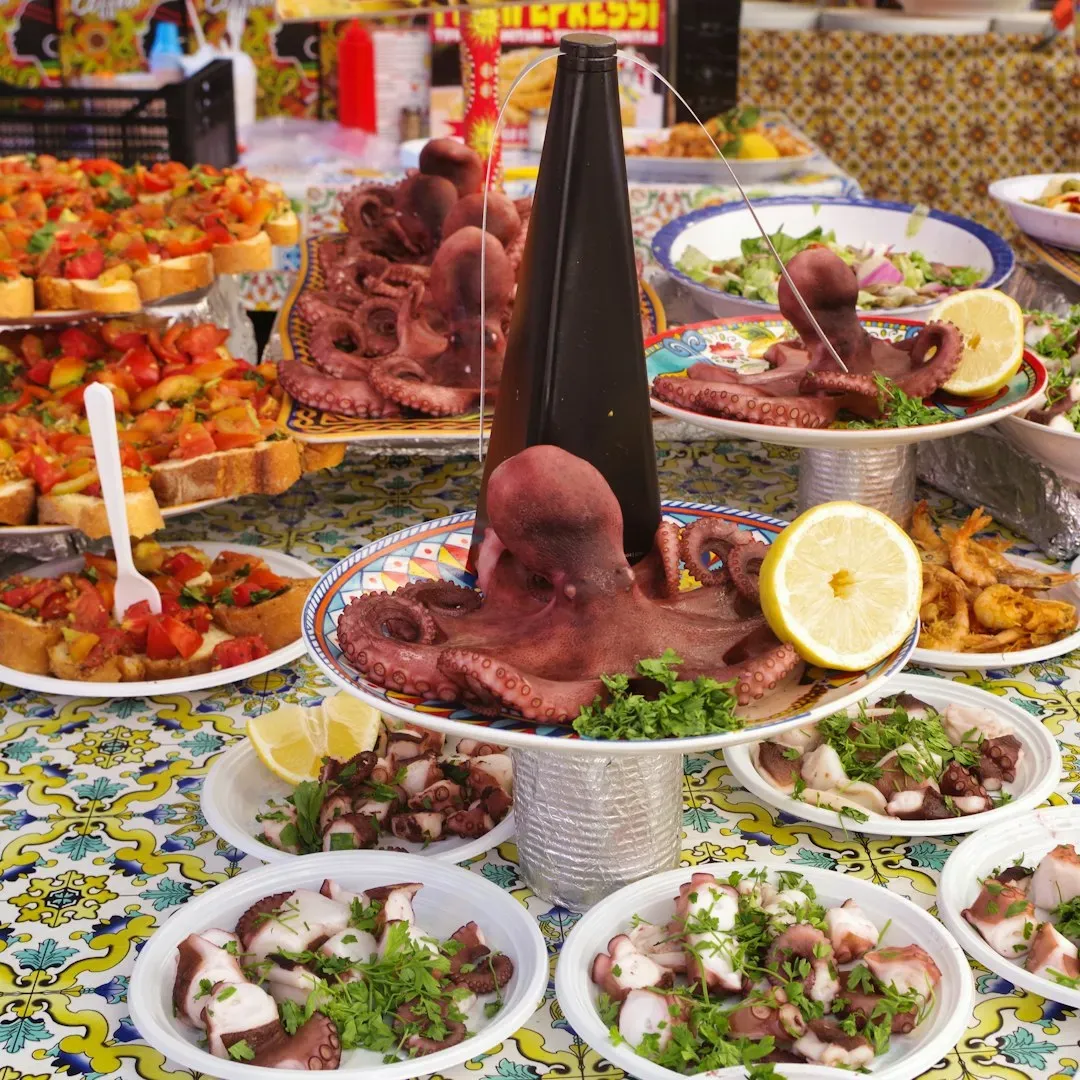
Morocco is one of those places where sitting down to eat is not just an act of nutrition - it is a cultural ceremony. Moroccan mealtimes can be very lengthy. It is a social situation, not just an opportunity to fill your face and satisfy your stomach. To rush a meal in Morocco is seen as very rude and disrespectful. Americans who are used to efficiency-driven dining routinely find themselves confused, then gradually enchanted, by this pace.
Moroccan dining is a feast for the senses, blending flavors, colors, and aromas. Meals are often served on large communal platters and guests are typically served first as a sign of honor. The serving of mint tea is also a cherished ritual, symbolizing hospitality and welcome. In Morocco, the tradition of sharing is woven deeply into hospitality. Meals are commonly served from one large communal platter, often a fragrant tagine or bowl of fluffy couscous, eaten with the right hand and scooped up with fresh bread. The idea of digging into a communal pot with your hands can feel wildly unfamiliar - yet deeply moving once you experience the warmth behind it.
7. China: Leaving Food on Your Plate Is Polite
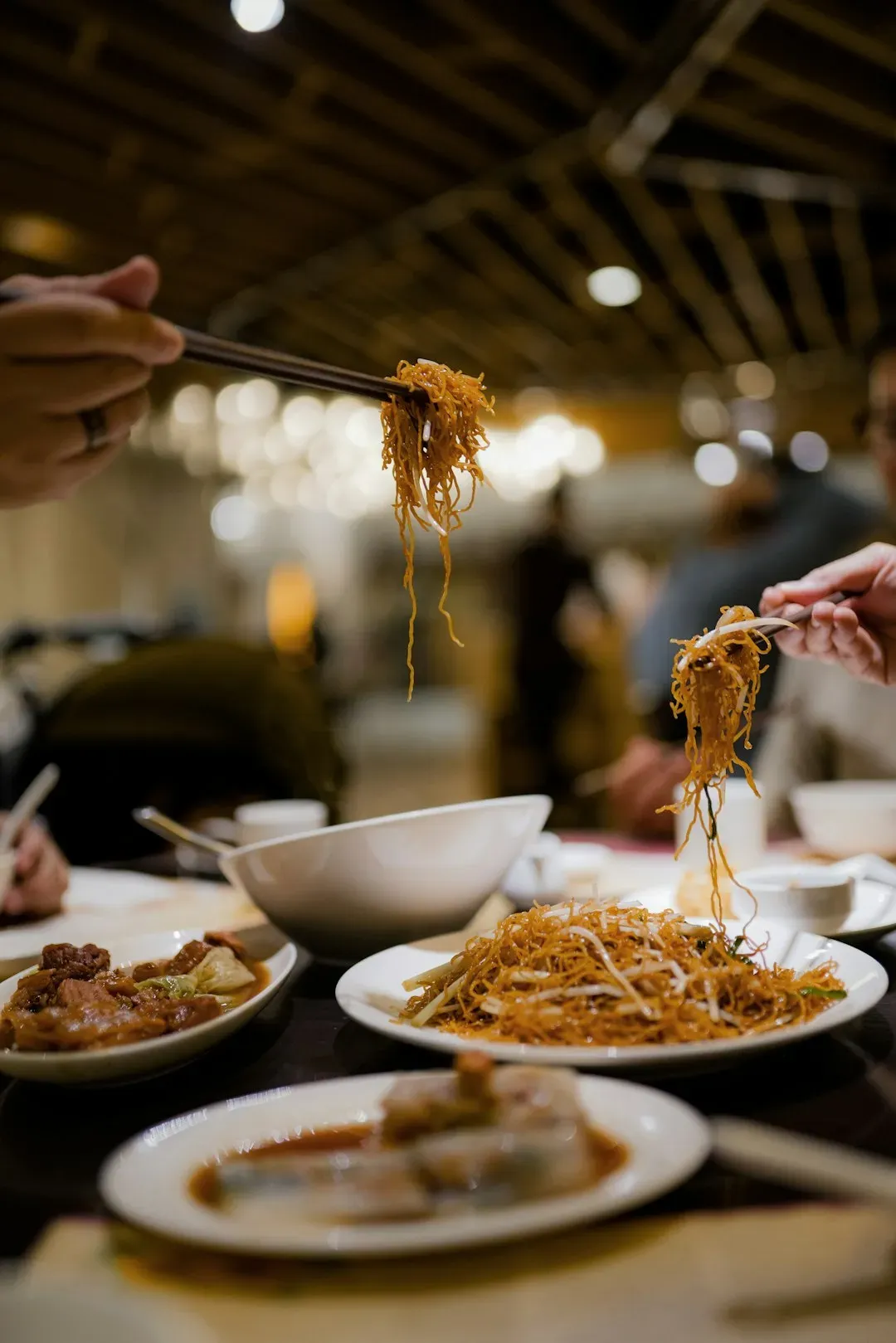
This one genuinely trips up almost every American visitor to China, because it runs directly against everything they were taught as children. In China, it is perfectly normal and even preferred to leave at least a small portion of food on your plate at the end of a meal. The reasoning is simple: finishing everything signals that you haven't been served enough and may still be hungry, while leaving a last bite shows that your host has given you more than an ample amount. It keeps the host from wondering whether to offer more, and allows the evening to flow into post-dinner activities more smoothly.
When dining in China, leaving a little food on your plate after finishing shows that you have been given more than enough by your hosts and that you are full. Additionally, when eating fish, one should not flip it over after eating one side, as this is said to resemble a capsizing boat and is considered bad luck. The chopstick rules alone could fill a manual, and in Japan and China, many dishes are shared among a group, and one should never use the pointed end of the chopsticks used for eating to dip into shared dishes. The blunt end should be used instead.
8. Ethiopia: Your Hands Are the Utensils
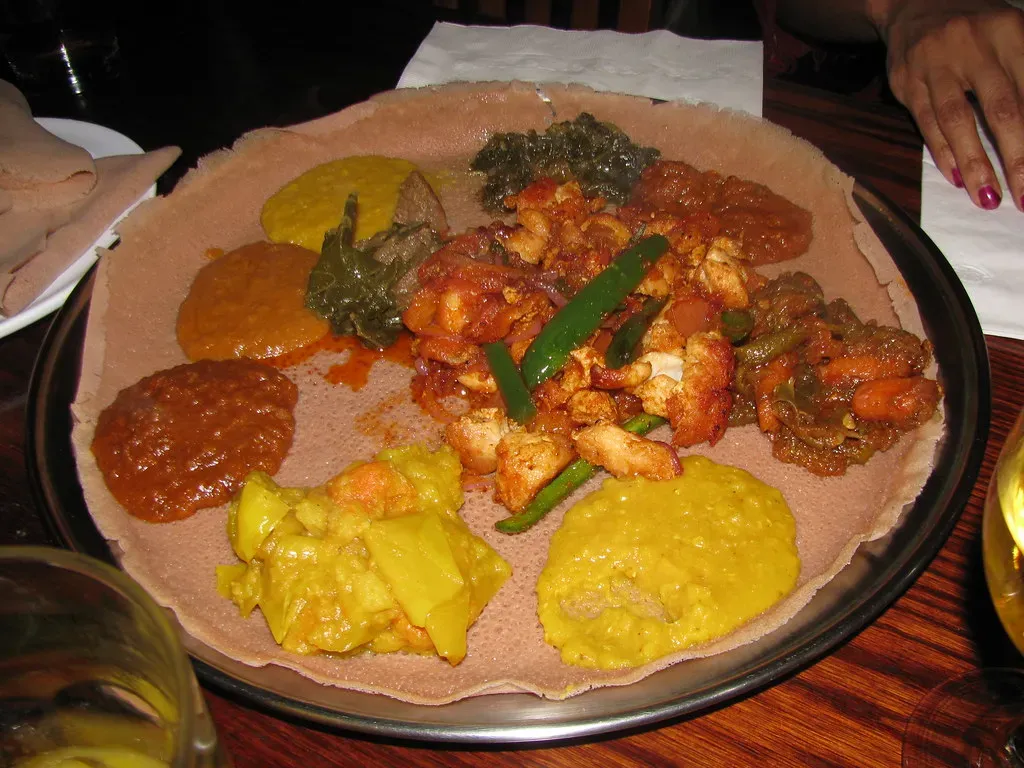
Ethiopia is perhaps the most surprising dining destination for American tourists because the entire concept of how a meal is structured is different. There are no individual plates, there are no forks, and the flatbread is both the table and the spoon. In Ethiopia, dining revolves around injera, a soft, spongy flatbread used to scoop up richly spiced stews and vegetables. Meals are communal, symbolizing unity and friendship, as everyone eats from the same platter using pieces of injera with no utensils required.
In Ethiopia, feeding one another at the dinner table is a "gursha" tradition that shows affection and friendship and strengthens community bonds. This act, where someone places food directly into another person's mouth, can genuinely stop an American tourist in their tracks. Injera, an assertively sour and spongy flatbread, is ubiquitous in both Ethiopian and Eritrean cuisine, and it is not something most American palates have encountered before. The sourness, the texture, the communal immersion: all of it lands as a complete reset of what a meal means.



Leave a Reply