
Most people walk into a restaurant thinking their only job is to sit down, order food, and eat. Simple enough, right? Well, not exactly. There is a whole invisible dynamic happening between guests and their servers - one that shapes everything from the speed of your service to whether you get that complimentary extra or end up quietly ignored. Honestly, the difference between a forgettable dining experience and a truly great one often has very little to do with the food itself.
Ever wondered why some diners seem to get the VIP treatment - extra refills, complimentary sides, and better seating - while others just get standard service? It turns out it's not necessarily about spending more money, but rather because that customer has mastered the art of building positive rapport and fostering goodwill with their servers. So let's dive into exactly what those habits look like - and how you can use them at your very next dinner out.
1. Greet Your Server Like a Human Being
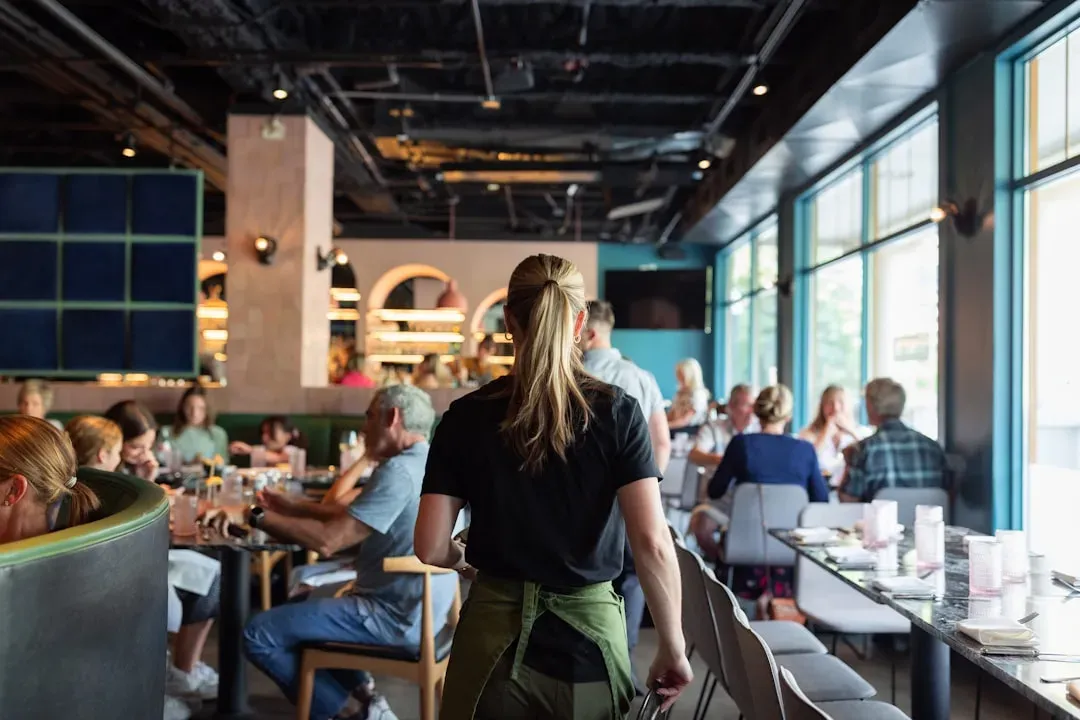
Here's the thing most diners overlook entirely: the first ten seconds of interacting with your server sets the entire tone of your meal. Most restaurant servers undergo rigorous training on greeting customers, with a common rule being to welcome guests within 30 seconds of arrival - and there is no reason why this effort shouldn't be reciprocated. A warm greeting from the diner's side can humanize the interaction and set the mood for the meal to come.
The principles are the same as making a good first impression anywhere - your facial expression, body language, and tone of voice all influence the server's initial opinion of you. To ensure it's a positive one, make eye contact, smile, and keep your body language open and friendly. Think of it like a first handshake at a job interview. You would never stare at your phone through that, would you?
2. Learn and Use Your Server's Name

If you are looking to build a connection with your server, make the effort to remember their name and use it respectfully throughout your interactions. It shows genuine appreciation, builds rapport, and helps your server feel valued - often leading to more attentive, thoughtful hospitality. This isn't about being performatively charming. It's about showing basic human acknowledgment.
The graceful approach is to learn the server's name during the initial introduction and use it naturally in conversation. It helps to add the name at the end of polite phrases, like "Thank you" or "That was wonderful." However, it's worth avoiding overusing the name or making it feel scripted. Research data from 2024 suggests that personalization like name usage increased satisfaction in staff interactions by roughly a fifth. It is a small move that carries a lot of weight.
3. Communicate Your Order Clearly and Concisely
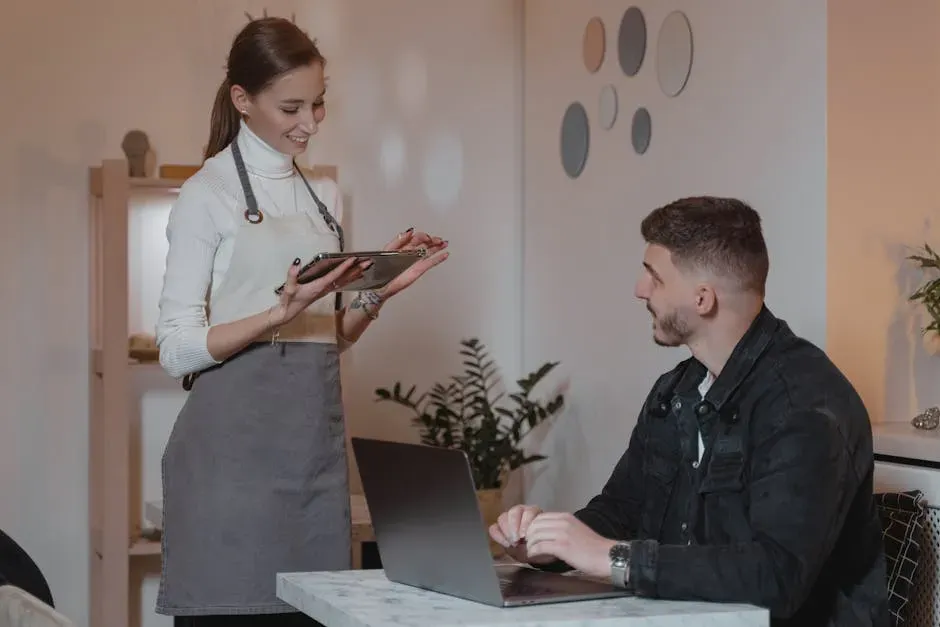
Nothing slows down a table faster than vague or scattered ordering. If you ask your server to bring over "whatever's good," you cannot be offended if the food you receive isn't what you wanted. When an order isn't relayed clearly and precisely, misunderstandings can snowball, wasting resources and causing customer dissatisfaction - clear communication ensures the kitchen receives accurate details, reducing errors and improving overall service quality.
Wanting to customize your order is not a crime, but the way you communicate it to the waitstaff can determine how far they're willing to go to accommodate you. Think of your server as the relay runner in a relay race - if your handoff is messy, the whole race suffers. Keep it clean, keep it specific, and you'll get exactly what you want.
4. Use Polite Language - "Please" and "Thank You" Still Matter

Certain phrases, such as "please" and "thank you," cushion how requests land. It is also important to phrase requests as courteous questions rather than demands. This sounds almost too basic to mention - and yet, servers will tell you it's one of the most commonly violated courtesies in the dining room.
Maintaining a calm, friendly tone and showing appreciation for the staff's effort matters more than most diners realize. Studies from 2023 found that eye contact and smiling from diners boosted tip averages and overall interaction quality noticeably. The relationship between guest and server is genuinely a two-way street. Treat it that way and the whole evening transforms.
5. Be Ready When It's Time to Order

I know it sounds obvious, but you would be amazed how often diners flag down a server only to then spend four minutes deciding between the pasta and the salmon while the server stands there awkwardly. Servers should aim to be prompt, friendly, and attentive to customers' needs. They strive to make a personal connection with guests, engaging in conversation and making them feel comfortable and appreciated. That relationship works best when the guest meets them halfway.
A useful habit is to look at the menu before you sit down, or at least have a shortlist in mind when your server approaches. According to a Deloitte report, roughly three fifths of customers will frequently visit restaurants where they had a positive experience - and so a great way to drive that experience is keeping service interactions smooth and efficient on both sides. Respecting your server's time during a rush is one of the most underrated gestures in the room.
6. Stay Calm and Patient During Busy Periods

Every restaurant has a rush. Saturday evenings, Sunday brunches, holiday weekends - during these times your server is likely juggling five or six tables at once. Remaining polite when asking about expected wait times, and noting your appreciation for their efforts, never hurts. This understanding helps preserve goodwill, encourages staff to do their best, and contributes to a smoother dining experience despite delays.
If you can, consider making an early reservation, because booking a table during peak hours could be the mistake that costs you excellent service. By choosing to eat early, you are more likely to receive the undivided attention of the chef and staff, as there will be fewer diners in the restaurant. Think of peak dining time like rush-hour traffic - everyone is stuck in it together. Getting agitated never makes the highway move faster.
7. Tip Fairly and Understand What It Means
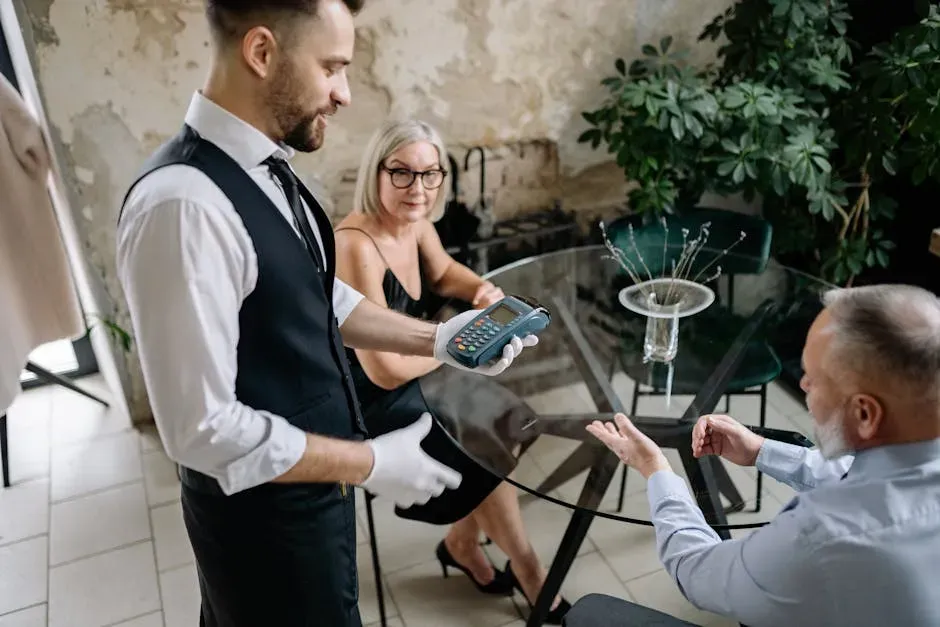
Let's be real - tipping culture in the United States is genuinely complicated right now, and most diners feel the pressure. A 2025 survey found that roughly two thirds of consumers feel weary of frequent tipping requests, and a similar proportion feel pressured by digital payment screens suggesting gratuities. Still, understanding the bigger picture matters.
Research shows that more than half of a waitstaff member's hourly earnings come directly from tips. In the U.S., tipping is the lifeblood of the service industry - as wages generally run low in the hospitality sector, most servers rely on tips as a way to make ends meet. The appropriate percentage depends on several factors including the type of restaurant, with around 18% considered appropriate at a full-service establishment. When the service has been genuinely great, tipping generously is not just polite - it's meaningful.
8. Acknowledge Good Service Beyond the Tip
Money is not the only form of appreciation, and servers know the difference between a generous tip left by someone who barely looked up from their phone and genuine warmth from a guest. Besides reaching for your wallet, there are several other gestures that show appreciation for good service - genuine verbal compliments, thanking servers warmly, and mentioning excellent service to management all help boost staff morale.
Research from 2023 found that the vast majority of fine dining patrons cited personalized service recommendations as a key satisfaction driver - and that same energy, when reflected back toward the server, creates a genuine loop of positive interaction. Research consistently shows that customers are significantly more likely to return when they receive exceptional service - and this isn't just about being nice, it's strategic hospitality wrapped in genuine human connection. Being that guest who acknowledges that connection makes you someone servers remember and genuinely look forward to seeing again.
Conclusion
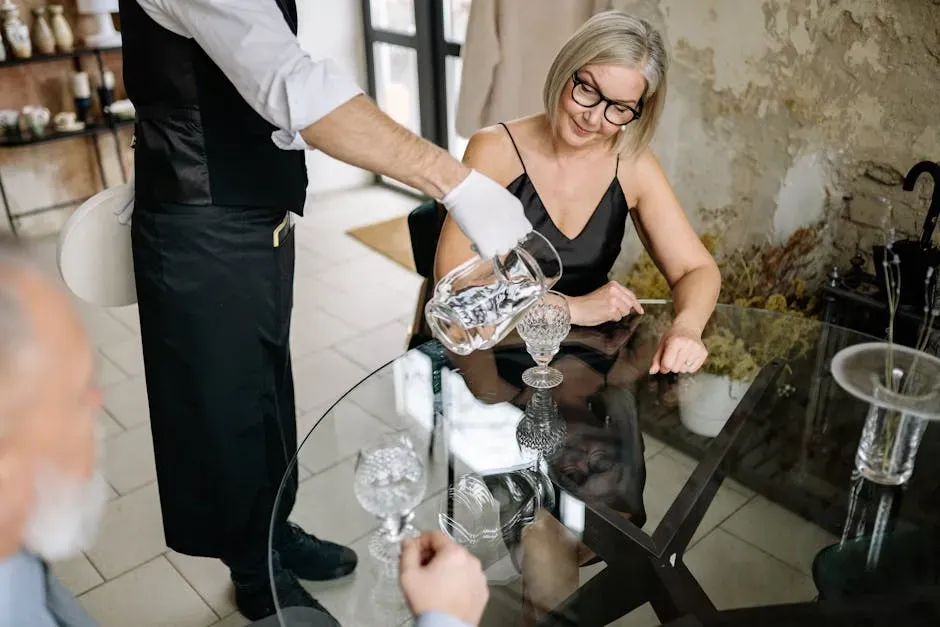
Being a great restaurant customer is honestly a lot simpler than most people make it. It is not about spending more, knowing the right wine, or having impressive culinary knowledge. It comes down to basic human decency and a few small, intentional habits - greeting warmly, communicating clearly, staying patient, and tipping fairly.
According to PricewaterhouseCoopers research, nearly three quarters of diners believe that a good consumer experience when dining out exceeds the average in any other industry. That says a lot about what the stakes really are. Nearly nine in ten adults say they enjoy going to restaurants - so if we all love being there, why not make it a better experience for everyone involved, including the people serving us?
The next time you sit down at a table, try even just two or three of these habits. You might be surprised how quickly the whole room seems to warm up around you. What do you think - have you ever noticed the difference between diners who get great service and those who don't? Tell us in the comments.




Leave a Reply