
Grocery shopping has quietly become one of the most financially draining activities in the average American household. Food prices rose roughly 25.5 percent between December 2020 and December 2024, according to an analysis of Bureau of Labor Statistics data by the Federal Reserve Bank of St. Louis. That kind of cumulative hit doesn't just sting once - it compounds week after week, cart after cart. The good news? Where you shop matters enormously. When the Strategic Resource Group compared prices on baskets of commonly purchased items at mainstream grocery chains in six regionally representative cities across the U.S., the difference between the highest- and lowest-priced store in each city was more than 33 percent. That gap is your money to save - or lose.
1. The Stores You Should Think Twice About: Whole Foods, Erewhon, and The Fresh Market
The most expensive supermarket across most metro areas examined, as well as nationally, was Whole Foods. Overall, groceries from the supermarket cost 39.7 percent more than comparable items at Walmart. That gap is not just a rumor - it's been confirmed repeatedly in hard data. In Chicago, Whole Foods was bested by regional supermarket chain Jewel-Osco by 1.3 percent, and in Denver, it lost to Trader Joe's by 0.4 percent on average prices. In some cities like Virginia Beach, Whole Foods was found to be nearly 60 percent more expensive than Walmart.
Erewhon is widely considered one of the most expensive grocery stores in the world, with prices reaching $19 for a single strawberry and $43 for a bottle of extra-virgin olive oil. Shopping for bits and bobs at Erewhon can easily cost more than a meal at a restaurant. Meanwhile, The Fresh Market, which opened its first store in Greensboro, North Carolina, in 1982, now operates 166 locations in 22 states and was rated just 1 out of 5 by Consumer Reports for its price competitiveness. For everyday shoppers on a budget, these stores simply don't add up.
2. Costco - The Surprising #1 Cheapest Grocery Store in America
Consumer Reports compared prices at dozens of retailers across six cities in late summer 2025, using Walmart as its baseline to highlight where shoppers can find the best deals. With food prices still high as of March 2026, the findings come as welcome news for budget-conscious Americans. According to that study, Costco's average prices were 21.4 percent less than Walmart's, and BJ's Wholesale Club came in at 21 percent lower. These aren't marginal differences - they represent real money saved on every single trip.
The Consumer Reports study found that Costco was by far the cheapest place to buy groceries across all metro areas. In some places, like Boston, a basket of groceries from Costco was 37 percent cheaper than the same haul from Walmart. It is important to note that while Costco and BJ's are reportedly the cheapest grocery chains compared to Walmart, both require a membership for entry. The lowest level of membership at Costco is $65 per year, and BJ's least expensive membership level is $60 per year. For most regular shoppers, that annual fee pays for itself very quickly.
3. Aldi and Lidl - Unbeatable Value for No-Frills Shoppers
The overall cheapest non-warehouse grocery store in the U.S. is Aldi. It keeps costs down by not selling brand names and by keeping staffing to a minimum. While the chain doesn't offer a loyalty program, it claims to save shoppers up to 40 percent on their weekly grocery bill compared to other traditional grocery stores. That's an enormous claim - and the data largely backs it up. In a recent price check, Aldi's raspberries cost $2.99 compared to $7.99 at Trader Joe's, and organic milk at Aldi was $4.25, while Trader Joe's charged $5.99.
According to Market Force Information's survey, 81.4 percent of respondents who primarily shop at Lidl do so because of the value it provides for their money. Lidl is a grocery store chain that started in Germany in 1973, and since then it has expanded into 31 countries, including the U.S. in 2015. Despite its massive growth, the company's goal has remained the same: to offer high-quality produce at unbelievably low prices. The discount retailer stocks mostly store-brand items and operates with a no-frills model where goods are displayed in the boxes they're shipped in, but it also offers great deals on name-brand products, and its wine and flower sections shouldn't be missed.
4. WinCo Foods - Warehouse Prices Without the Membership Fee
With 139 locations across 10 states from California to Oklahoma, WinCo Foods is a majority employee-owned company. Similar to warehouse retailers like Costco and Sam's Club, WinCo is a no-frills warehouse-style shopping experience, and it keeps prices low by buying directly from product manufacturers and enlisting customers to bag their own groceries. WinCo's no-frills model also requires customers to limit payments to cash or debit, cutting operational overheads. Those savings are passed directly to you at the register.
According to a Market Force Information study, 73.1 percent of survey respondents who primarily shop at WinCo Foods do so because of the value it provides for their money. WinCo now has over 140 stores across the U.S. and is notably a great place to buy perishable grocery items like meat and produce because it sources from local farmers - meaning you can not only save money but also feel good about supporting smaller local businesses. It's a warehouse-style store, and the best part is you don't need a membership. If you're searching for competitive prices and bulk quantities, WinCo is a great pick.
5. H-E-B - Texas's Budget Champion With a Loyal Following
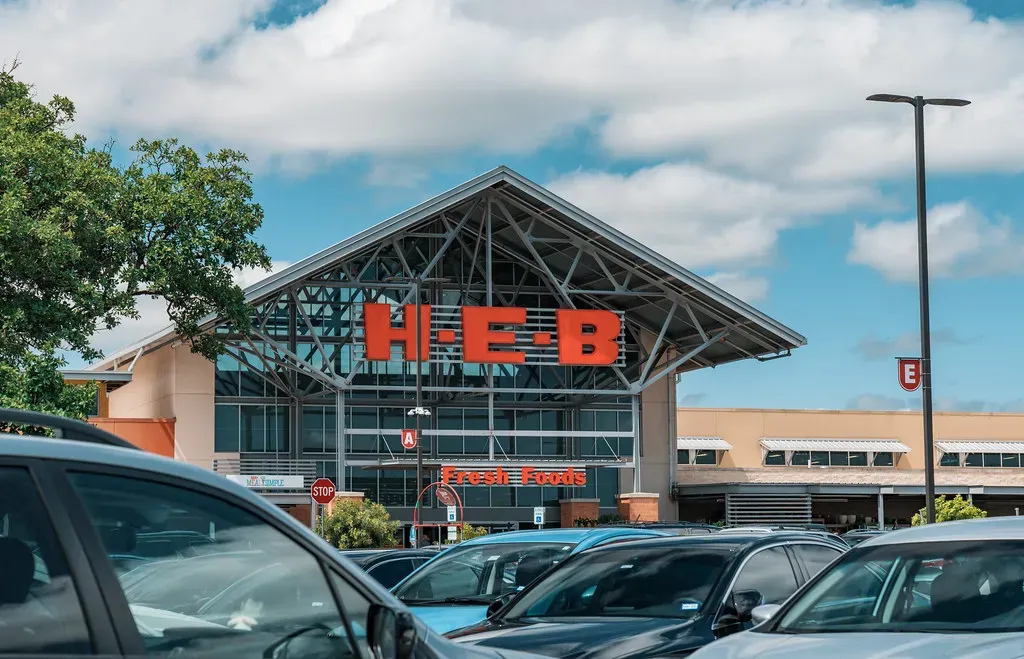
Texas-based retailer H-E-B has ranked first on dunnhumby's annual Retailer Preference Index for the fifth time in nine years. H-E-B, Market Basket, and Woodman's are the three most popular U.S. grocery retailers, according to dunnhumby's ninth annual Retailer Preference Index (RPI) for U.S. Grocery, a comprehensive nationwide study of the approximately $1 trillion U.S. grocery market. H-E-B remained at the top because of its superior ability to deliver a combination of better savings, quality, experience and assortment. That's a hard combination to beat.
In a direct price comparison involving the same grocery items at Walmart, H-E-B, and Kroger in Sugar Land, Texas, H-E-B had the best deals. The total was $60.61, while Walmart came to $64.67, and Kroger was the most expensive at $72.19. H-E-B gains an edge through regional sourcing and deep community ties, which help negotiate better supplier deals. With more than 420 stores across Texas, H-E-B remains one of the most trusted names in value-focused grocery retail in the country.
6. Market Basket and Grocery Outlet - Regional Gems Worth Seeking Out
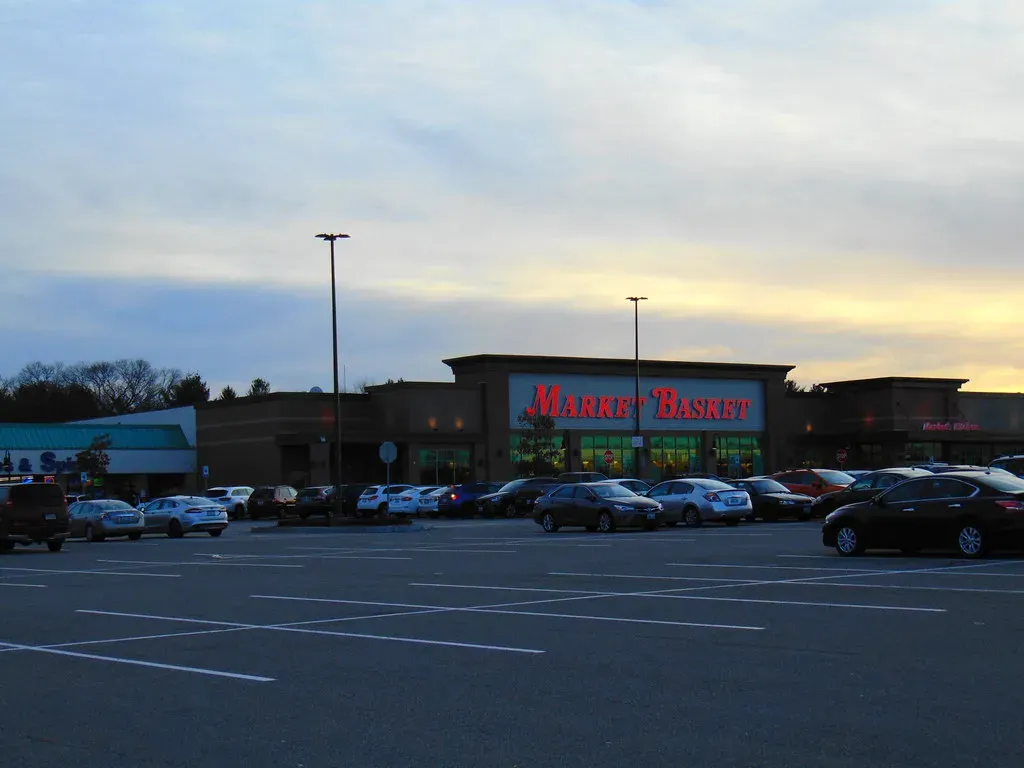
Founded in 1917, Market Basket is a chain of 90 stores scattered across New England. The company's slogan is "More for your dollar," which many customers think is true. In Market Basket stores, you'll find the usual departments for groceries, produce, meat and dairy, but also dedicated areas for cheese, sushi and fresh seafood. Market Basket clinched the cheapest prices on five items in a direct comparison study - sourdough bread, Greek yogurt, shredded cheddar cheese, bacon, and orange juice - and someone who took that shopping list on their weekly grocery trip would save about $90 annually going to Market Basket over Wegmans, or more than $600 over Whole Foods.
Grocery Outlet is an outlet-style grocery store, meaning it stocks excess inventory directly from other grocery manufacturers and sells it at a discount, with locations in California, New Jersey, Pennsylvania, and Oregon, among others. Grocery Outlet now serves more than 1.5 million shoppers per week, according to the company's website. The dunnhumby Retailer Preference Index found that 41 percent of a retailer's long-term success is due to "saving customers money" via competitive pricing, promotions and rewards - a three-point increase from last year, marking a new record high. This remains the most important of the five customer perception pillars, and retailers that consistently deliver savings attain stronger long-term market success in the United States. Both Market Basket and Grocery Outlet consistently deliver exactly that.


Leave a Reply