
Most of us reach for a drink when we need a boost. A fizzy can here, a tall latte there, maybe a glass of something cold at the end of a long day. It feels logical. It feels good in the moment. The problem is that some of the world's most popular beverages are quietly working against you, leaving you even more drained than before you cracked that first sip.
Honestly, the research on this is more startling than most people realize. What you drink throughout the day has a massive impact on how you feel by evening - and the science from the last couple of years has made things a lot clearer. Let's dive in.
1. Energy Drinks: The Ultimate Irony
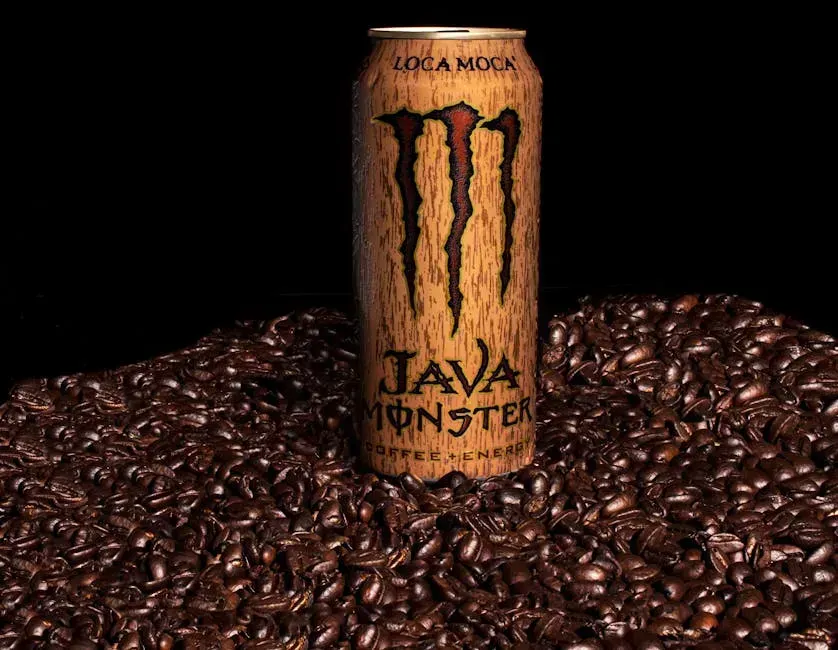
Let's be real - nothing sounds more contradictory than an energy drink making you tired. Yet here we are. Energy drinks are a huge, booming business, with people spending $21 billion on them in 2024 alone. That's a lot of money spent on something that may be actively working against you.
On days when people consumed energy drinks, they reported lower sleep quantity and quality that night, and greater next-day tiredness, compared to days they did not use energy drinks. This was documented across thousands of person-days in real-world settings - not a tiny lab study with five participants.
Research shows people who regularly consume caffeine have an increased number of adenosine receptors, meaning they can be more sensitive to the chemical and how sleepy it makes them feel. Think about that like turning up the volume on a speaker - eventually the blast comes back even louder. The next day, you may feel tired or groggy, which can make you more likely to drink another one, hoping it can power you through the day. But it becomes a vicious cycle.
A case study published in December 2025 in BMJ Case Reports found that excessive energy drink consumption may be linked to an increased risk of cardiovascular disease and stroke. The health stakes are not small here.
2. Alcohol: The Sleep Saboteur

Everyone knows that nightcap feeling - warm, drowsy, ready for bed. The trouble is what happens after you fall asleep. Alcohol may make you feel sleepy initially, but it disrupts normal sleep patterns, leading to lighter, less restorative rest and more frequent awakenings. Alcohol reduces REM sleep, the stage linked to memory and emotional processing, which can contribute to fatigue and poor focus the next day.
Despite stable sleep structure, participants in a 2024-2025 prospective observational study reported reduced subjective sleep quality under alcohol exposure. Even moderate alcohol intake transiently elevates nocturnal resting heart rate, likely impairing physiological recovery. Your body is working harder all night, even when you don't realize it.
Based on data from roughly 160,000 Sleep Foundation profiles, nearly 90% of respondents who regularly consume alcohol in the evening have reported at least one sleep-related problem. That is an extraordinary number. While alcohol's sedative effects wear off quickly, its impact on sleep quality and circadian rhythms can linger for several days. Heavy or repeated drinking disrupts normal REM cycles, making consistent refreshing sleep harder to achieve. Some people also experience rebound insomnia, vivid dreams, or fatigue for several nights as their body readjusts.
3. Soda and Sugary Drinks: The Blood Sugar Rollercoaster
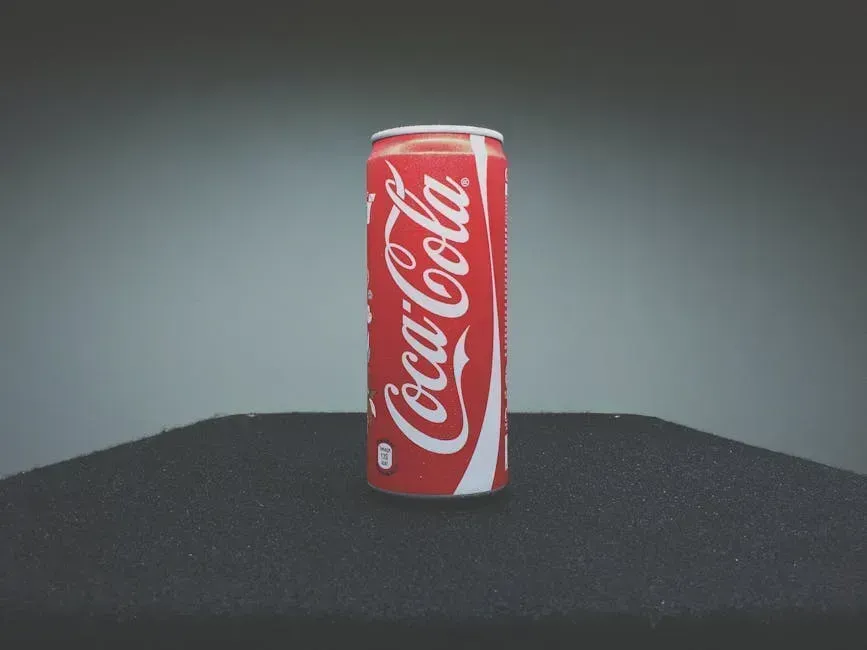
A can of regular soda is essentially a blood sugar time bomb. A standard 12-ounce can of Coca-Cola contains about 10 teaspoons of sugar - nearly double the American Heart Association's entire recommended daily limit for women. When that much sugar hits your bloodstream at once, your body scrambles to deal with it.
Caffeine, which is a big part of many sugary drinks, can make people feel anxious, and when the effects of the sugar wear off, it can lead to a "sugar crash," where the individual suddenly feels tired and low. It is almost perfectly designed to leave you feeling worse than before you drank it. Imagine borrowing energy from tomorrow - that is exactly what's happening.
One of the top adverse effects of excessive sugar consumption through sugar-sweetened beverages is the systemic and chronic inflammation they produce, even when individuals get the recommended amount of weekly moderate physical exercise. Inflammation is exhausting to the body on a cellular level. A study by researchers at Tufts University, published in Nature Medicine, estimated that sugary drinks like soda and energy drinks contributed to over 330,000 deaths and 3 million new cases of diabetes and heart disease combined in 2020.
4. Too Much Coffee: When Your Brain Fights Back
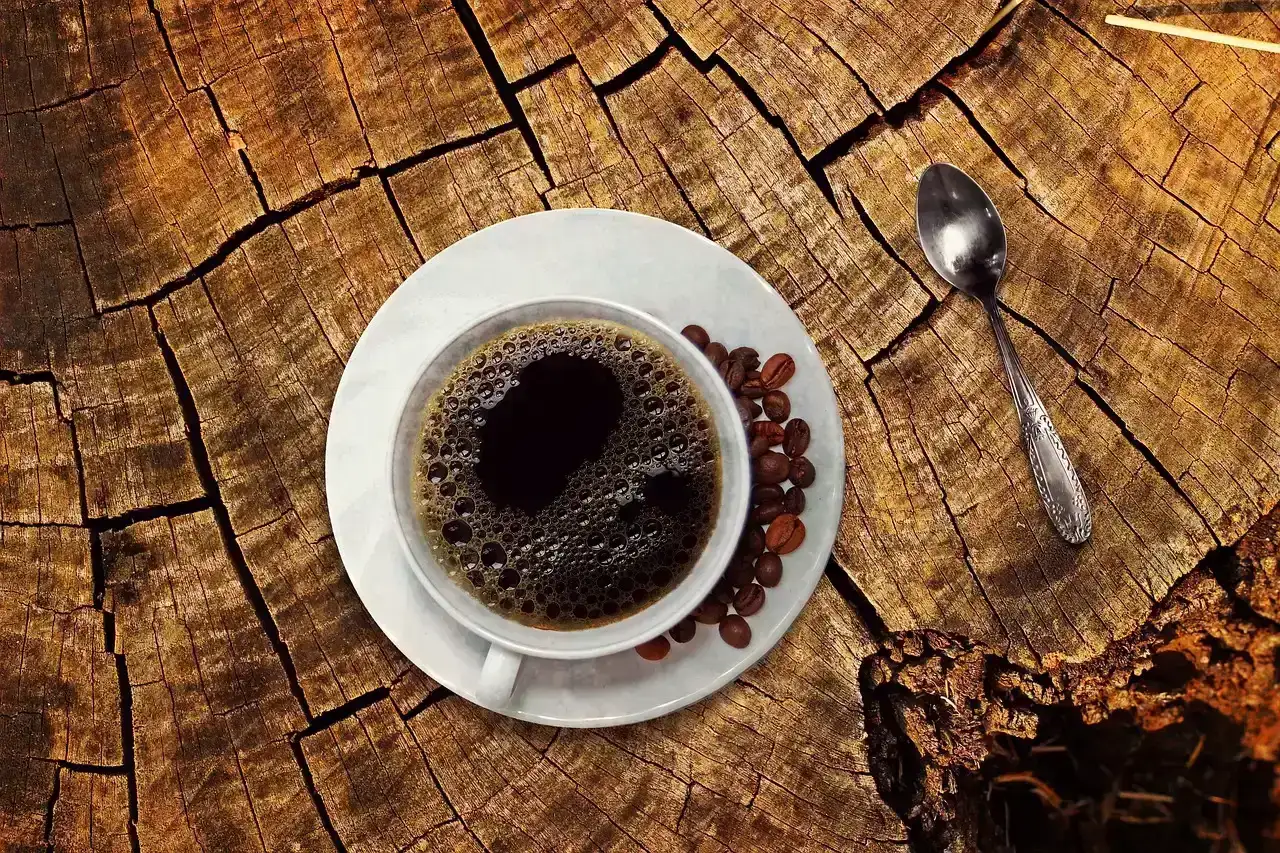
Coffee is not inherently the enemy - I genuinely love a strong morning cup. The problem is the rebound. Coffee promotes alertness and reduces tiredness by blocking adenosine receptors, preventing the chemical from exerting its sleep-promoting effects. However, research suggests that the body compensates for this effect by increasing sensitivity to adenosine. Once the effects of the coffee wear off, the resulting surge can cause sleepiness and muscle fatigue.
Your body gets used to the amount of caffeine you regularly consume and will start needing more and more of it. Some researchers say you can develop a caffeine tolerance within three to five days of regular use. That escalating need is a trap, not a feature. Fatigue is a major caffeine withdrawal symptom, and one study found withdrawal symptoms get worse the higher the caffeine intake you're used to.
The benefits of caffeine, such as improved physical performance and cognitive function, provide a convincing case for its consumption. However, these benefits come with risks such as addiction, cardiovascular issues, and detrimental effects on sleep. In other words, use it - but respect it.
5. Diet Sodas: The False Friends
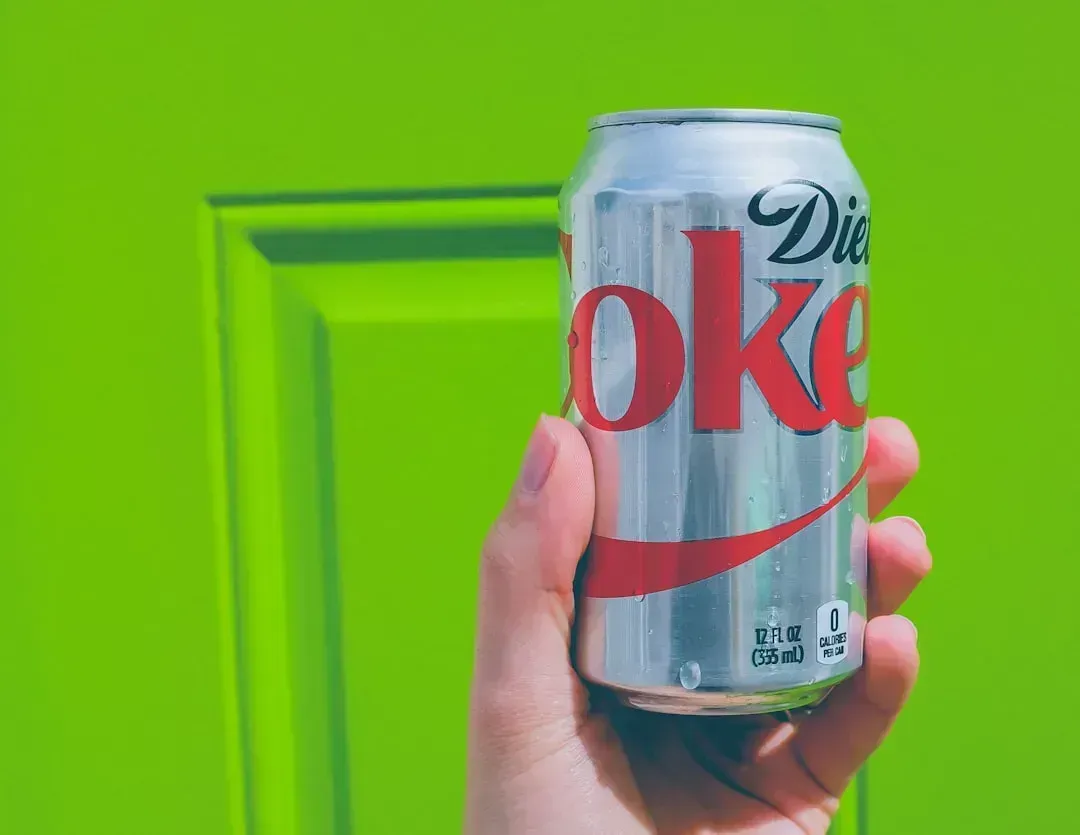
Many people switch to diet soda thinking they've outsmarted the problem. It's sugar-free, so it should be fine, right? It's a bit more complicated than that. Research has found that regular consumption of artificial sweeteners instigates hyperactivity, decreased sleep quality, and insomnia. Less restorative sleep means more daytime fatigue - simple as that.
Artificial sweeteners can cause a range of physical symptoms, including fatigue. Fatigue can then prompt us to reach for additional sugars and carbohydrates, trapping people in that same exhausting loop as regular soda drinkers, just via a different route. The destination is the same, frustratingly enough.
Some sweeteners in diet soda even cause insulin spikes in the blood, which worsens insulin sensitivity over time and may eventually raise blood sugar levels. It sounds almost too ironic to be true, but the research is consistent on this point. Drinking coffee or sweet drinks in the morning may contribute to insulin resistance and negatively impact your body's ability to tolerate glucose. This makes you more sensitive to sugar or carbohydrates, and it can cause a temporary surge in blood sugar. High blood sugar levels are associated with increased feelings of fatigue.
6. Fruit Juice: Healthy Label, Hidden Drain

Here is one that surprises people. Fruit juice carries a halo of health around it - vitamins, natural goodness, bright colors. It feels virtuous. The issue is in what has been removed in the juicing process. Fruit juices contain various nutritious vitamins, minerals, and other bioactive phytochemicals such as polyphenols and carotenoids, however, they tend to be rich in naturally occurring sugars. Furthermore, compared with whole fruits, fruit juices contain fewer dietary fibers.
Without fiber to slow absorption, all that natural fruit sugar hits the bloodstream rapidly - essentially the same blood sugar spike mechanism as a soda. The crash that follows is real. Think of fiber as the braking system on a car. Remove it, and you lose control fast.
Frequent, or regular, consumption of sugary beverages - whether they be soda, fruit drinks, juices, sports drinks, energy drinks, flavored or sweetened waters, coffee, or tea - has been reported as the top source of calories in the US alone. Fruit juice is right there in that category, despite what the packaging suggests. It's worth paying attention to portion sizes here more than almost anywhere else.
7. Sports Drinks: Not as Necessary as You Think
Sports drinks were designed for elite athletes undergoing intense physical exertion. The average person grabbing one during a casual lunch or a 30-minute walk is a very different story. According to the CDC, frequent consumption of sugary drinks is linked to adverse health outcomes that include obesity, type 2 diabetes, heart disease, nonalcoholic liver disease, and gout - and sports drinks fall squarely in that category of sugary beverages.
The sugar load in a standard sports drink is significant. When you're not actually depleting electrolytes through intense sweat, that sugar has nowhere productive to go - it spikes your blood glucose, and then the crash comes. You end up feeling more sluggish, not less. That's the opposite of the athletic promise on the label.
Sugar-sweetened beverages have high carbohydrate content but poor energy compensation and induce low satiety effects. Experimental studies have demonstrated that high intake of these drinks has detrimental effects on health, including accelerating chronic inflammation, disordering lipid metabolism, and promoting oxidative stress. Chronic inflammation, it's worth saying again, is a known driver of persistent fatigue.
8. Alcohol-and-Energy-Drink Combinations: Double the Damage
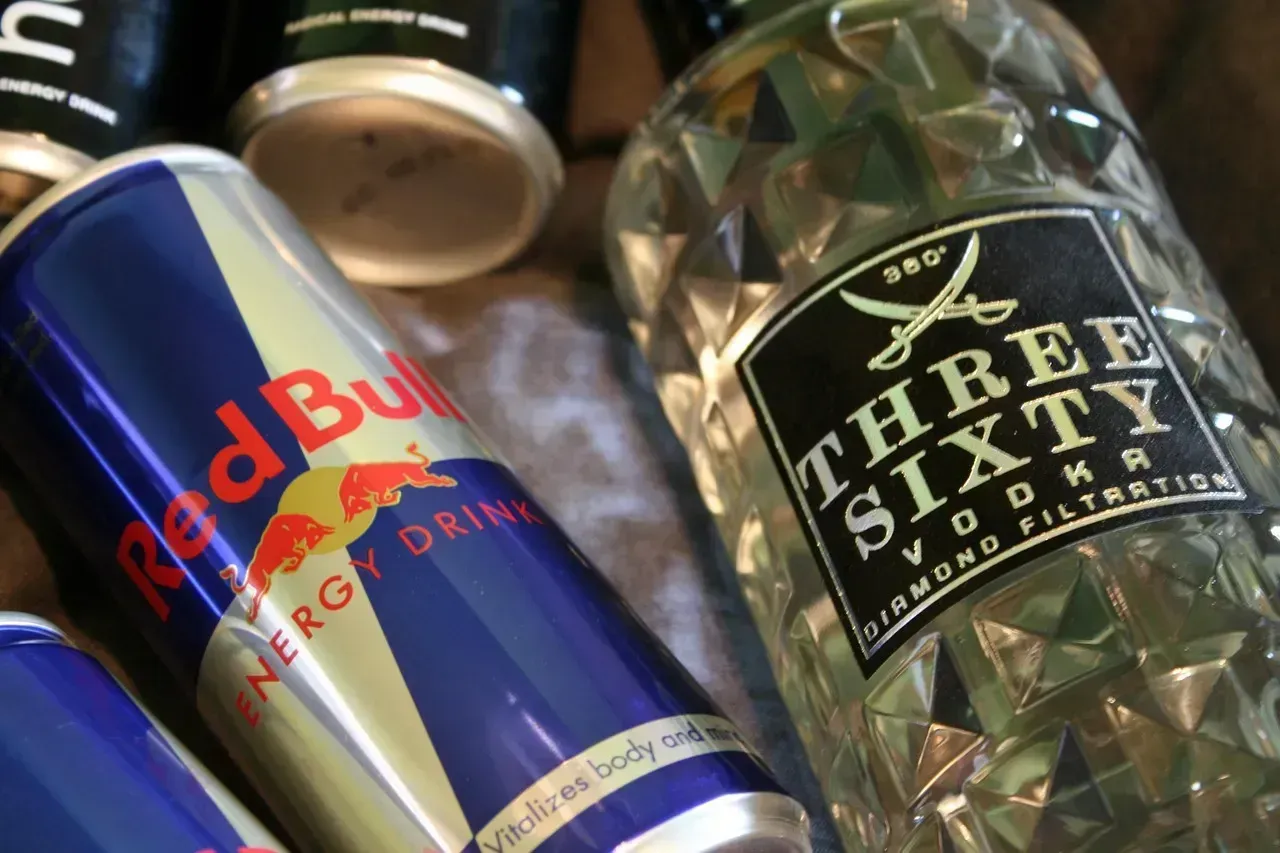
Mixing alcohol with energy drinks has been popular in certain social settings for years. The logic is that the caffeine keeps you alert while you drink. The reality, according to research, is considerably darker. Combining alcohol and energy drinks is associated with more negative alcohol consequences. Cross-sectional studies evaluating self-reported outcomes of combining alcohol and caffeine, compared with using alcohol alone, indicate greater sleep difficulties and decreased sleep quality.
On days when students binge drank, they reported lower sleep quantity and quality that night, and greater next-day tiredness, compared to days they did not binge drink. Stack energy drinks on top of that, and you've essentially built a double-barreled sleep disruptor. The caffeine masks how intoxicated you actually are, which often leads to drinking more.
A study focusing on adolescents aged 13 to 19 found alarming trends, indicating that roughly two in five experienced adverse reactions after consuming energy drinks. These reactions ranged from insomnia and jitteriness to more severe symptoms like palpitations, nausea, and even seizures. Add alcohol into that equation, and the risks compound significantly. The fatigue the following day from these combinations is not just unpleasant - it is a measurable physiological consequence of disrupted sleep architecture and overstimulated, then exhausted, body systems.




Leave a Reply