
You walk into the restaurant thinking you're just choosing between the pasta and the steak. Wrong. Your server has already read you like a well-worn menu before you've finished scanning the appetizers. It's hard to say for sure, but they've probably developed an almost supernatural intuition from dealing with hundreds of diners every single week. Let's be real, they aren't mind readers, yet they're picking up cues you didn't even realize you were broadcasting.
Reading guests by their body language and behavior is becoming an increasingly valuable skill for wait staff, according to recent industry reports. In a world where tips make up more than half of their income and average full-service restaurant tips hover around 19.3%, understanding you faster means better service and better pay. So what exactly are these seasoned pros noticing the second you settle into that chair?
How Your Body Language Speaks Volumes Before You Utter a Word
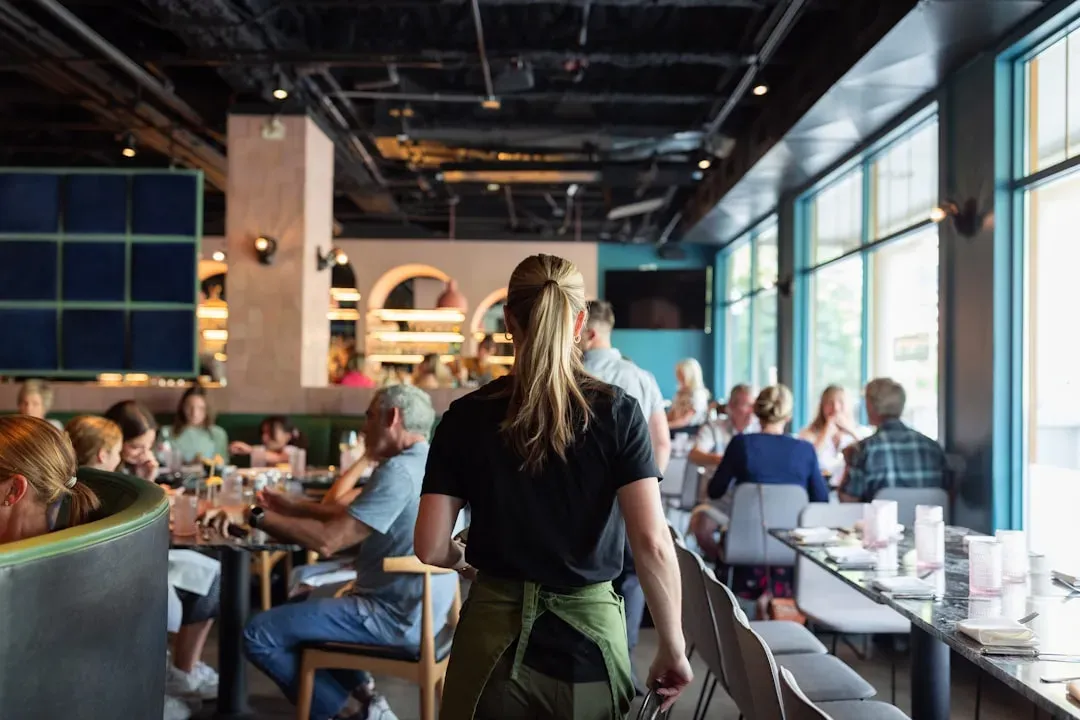
Within moments of approaching your table, servers gauge whether you're stressed, celebratory, tired, or impatient. They're scanning everything from your posture to the way you're holding your shoulders. Leaning back with relaxed body language tells them you're ready to savor the experience.
Fidgeting? Checking your watch every thirty seconds? If you're fidgeting, glancing around, or checking your watch, a server may recognize you're in a rush and speed things up - offering quicker suggestions or prioritizing your order. Meanwhile, someone slouched over the menu with crossed arms is broadcasting impatience or irritation loud and clear.
Servers pick up on body language like leaning forward, which is inviting, while crossed arms is a closed-off sign, and they identify the dynamics of the table, asking if this is a group of coworkers, a couple, or a family. This emotional intelligence is what separates good servers from great ones. Think about it next time you're sitting down.
Where You Place Your Phone Says Everything About Your Dining Intentions
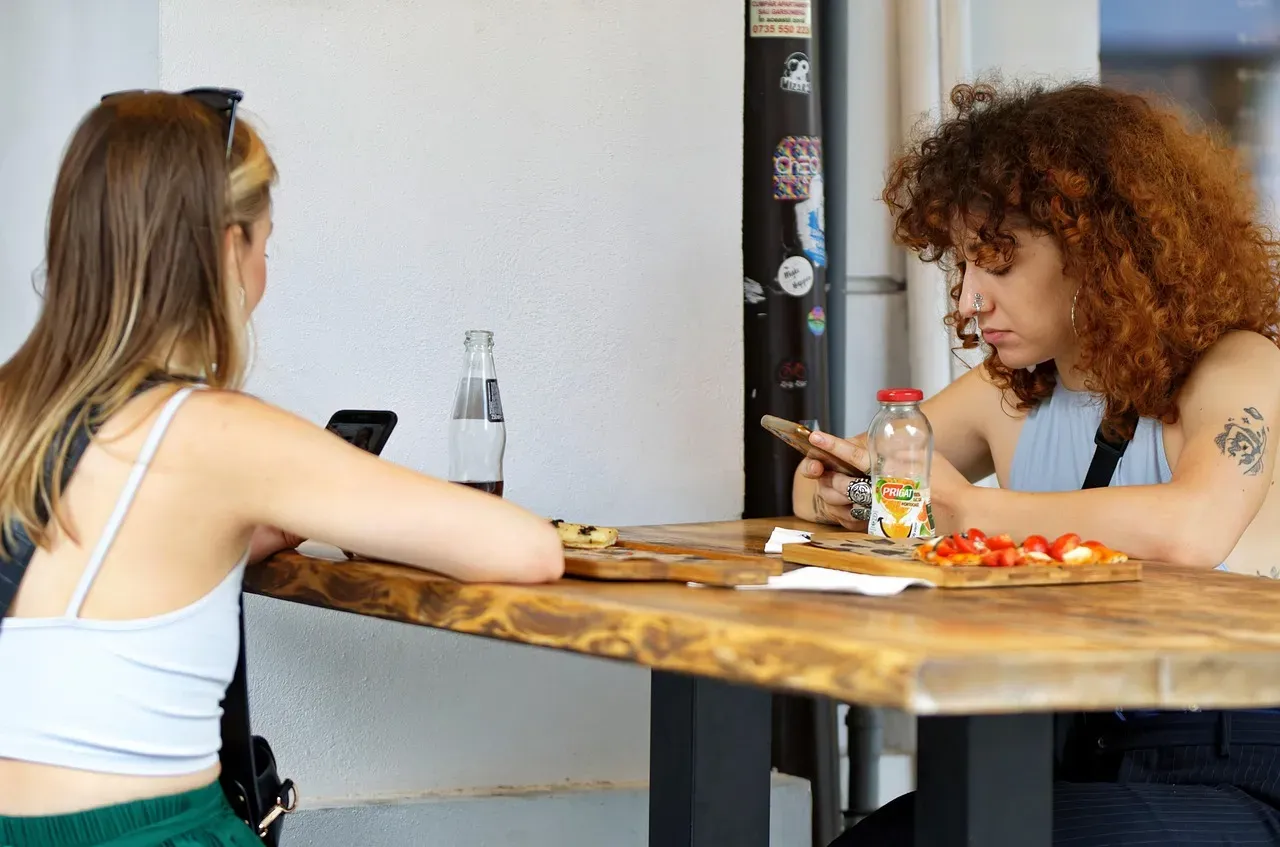
When servers see people put their phone face up next to their plate, they think they are trying to multitask or work, which can make the server move a little quicker and speak a little less, as they don't want to interrupt if you're busy. It's that simple. Your phone placement is like a neon sign announcing your priorities.
If you prop up the phone like a centerpiece and start livestreaming your meal, servers immediately adjust their approach. Some appreciate the social media promotion, honestly. Others find it disruptive when you're creating content while they're trying to serve hot food to a packed dining room.
Phones on silent, tucked away? That signals you're present and engaged. Servers remember those customers because it makes their job easier when you're actually paying attention to them instead of scrolling through Instagram during the specials rundown.
The Speed and Confidence of Your Menu Decisions
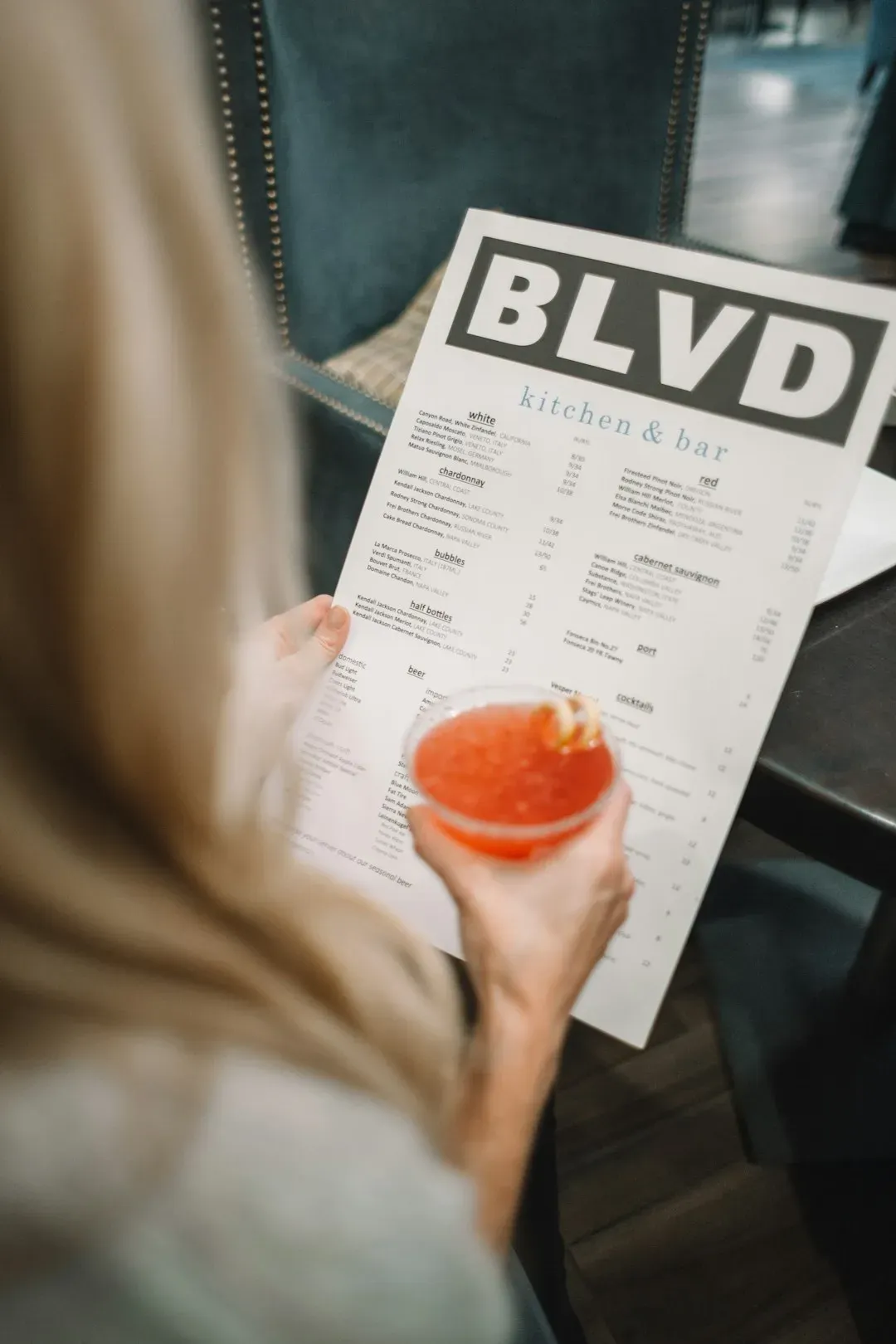
The people who immediately flip open the menu and scan it like they're speed-reading a contract usually know what they want and won't waste anyone's time - servers love them. Decisive diners who close the menu quickly after a brief scan are the dream. They respect everyone's time and keep the rhythm of service flowing.
Contrast that with the person flipping pages back and forth for fifteen minutes, asking detailed questions about every ingredient. Asking about ingredient substitutions or cooking methods means you're likely an experienced diner who knows what they want, while hesitating and asking basic questions about popular dishes suggests you might need more guidance.
There's a middle ground, of course. Servers quickly assess your food knowledge and adjust their recommendations accordingly, as they won't overwhelm a novice with technical jargon, nor will they oversimplify for someone who clearly understands cuisine, since the questions you ask unlock the level of detail they provide. Your menu behavior is basically a personality test you're taking in real time.
Your Initial Greeting and Eye Contact Patterns

The biggest indicator that someone was going to be friendly, or at least nice, is eye contact, as customers don't often recognize how simple gestures like this can improve the relationship between them and their server. It's shockingly predictive. Making eye contact and offering a warm smile immediately sets the tone for your entire meal.
Your response to their initial greeting sets the tone for the entire meal - a warm smile and engaged reply makes their job easier, while a cold grunt or dismissive wave means they'll pull back, offering only the essentials. Connection is the name of the game in hospitality.
Servers literally light up when diners pause their conversation to look at them while ordering, compared to folks who bark orders while scrolling through their phones. It's about basic human respect. Servers aren't background noise or robots programmed to bring you food. They're people doing a demanding job, and how you treat them in those first thirty seconds shapes everything that follows.
The Table Dynamics and Who's Actually in Charge
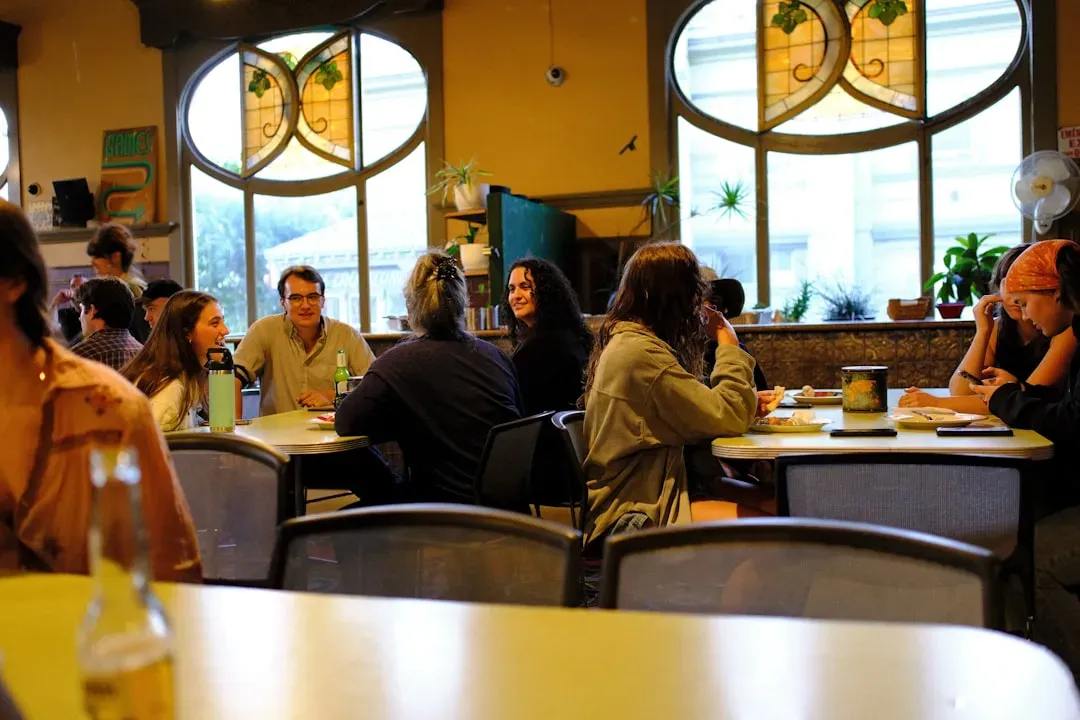
Within moments, servers figure out who's calling the shots by observing who's holding the menu longest and who's asking all the questions. They're watching the power dynamics play out in real time. Is this a first date where someone's trying to impress? A business dinner where one person is clearly the boss?
Servers pick up on everything, especially how people interact with those at the table - how couples look at each other, how friends sit (side-by-side or across), how parents treat their children or whether they exhibit impolite restaurant behaviors in front of friends and family. This informs how your server will act.
Someone who orders for the entire table without asking what others want? That sends a clear message about control. Someone who insists on ordering for the whole table, makes fun of what someone else eats, dominates the conversation, or orders the waitstaff around sends clear signals about table dynamics, and smart servers adapt their focus accordingly, directing questions to the decision-maker but remaining inclusive of everyone. It's a balancing act they've perfected through thousands of shifts.
How Quickly You're Ready to Order and Your Time Expectations
Here's the thing. If you're dressed up and eating early you most likely have another event planned after dinner and require faster wait service, while chatty patrons are probably ready to party and will be offered more drinks and dessert. Your attire and timing give waiters context about your evening.
Those who arrive at 7:15 p.m. for an 8:00 p.m. schedule frequently expect their food to take precedence over other orders, creating pressure on kitchen staff and affecting service quality for all guests, while regular diners understand the natural rhythm of service during peak hours. Unrealistic expectations don't help anyone.
Every extra five minutes a customer waits for their meal can reduce satisfaction scores by 10–15%, and servers notice when guests check their watches repeatedly before they've even ordered appetizers. Time pressure radiates off certain customers like heat from asphalt. Experienced servers can feel it immediately and adjust their approach to manage expectations without creating conflict.

Leave a Reply