
Something strange is happening at the grocery store. People are flipping packages over, squinting at tiny print, and quietly putting items back on the shelf. Not because of the price. Because of what's inside.
American confidence in the safety of the U.S. food supply has dropped sharply in recent years, with only about half of Americans now feeling at least somewhat confident in what they're eating, down from roughly seven in ten just two years ago. That erosion of trust has real consequences. It's reshaping what millions of people buy, cook, and eat every single day.
So what exactly are Americans running away from? Let's dive in.
1. Seed Oils: The "Hateful Eight" That Took Over Social Media
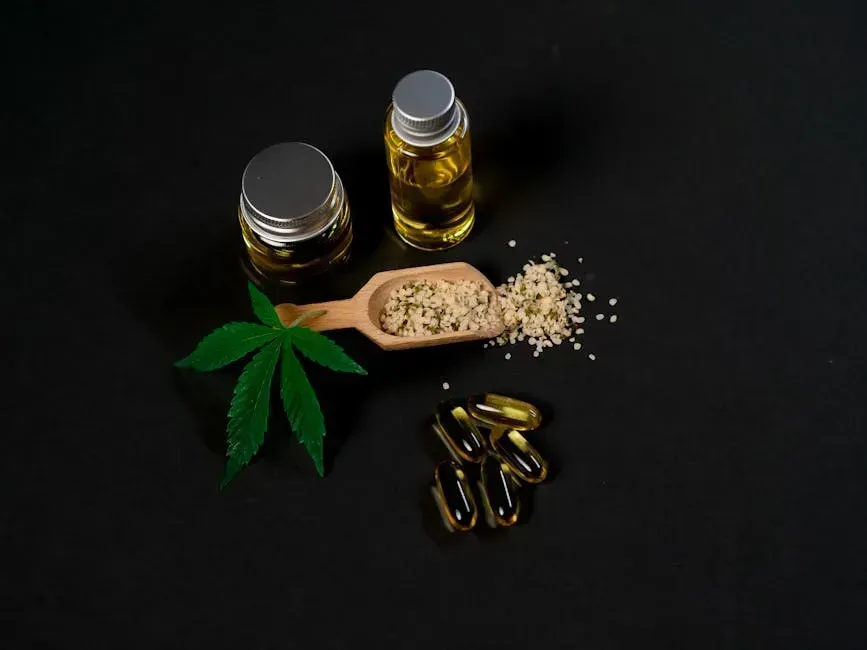
Here's the thing - not long ago, most Americans had never heard the phrase "seed oils." Then social media happened. In 2025, they became hard to ignore, with wellness influencers on social media and popular podcasts warning of the dangers of what critics call the "Hateful Eight": canola, corn, cottonseed, grapeseed, rice bran, safflower, soybean and sunflower oil.
According to IFIC's February 2025 survey "Americans' Perceptions of Seed Oils," roughly three in ten U.S. adults said they actively avoid seed oils. That's a significant chunk of the population making a real dietary change. Researchers found that roughly one in five Americans are trying to avoid seed oils in cooking, up slightly from the year before, and more than half of consumers are encountering information about seed oils on social media.
A 2025 review of human outcome data concluded that linoleic acid from seed oils does not increase chronic disease risk, and the research shows that linoleic acid intake does not affect inflammation or increase inflammatory biomarkers. Science and online sentiment, it turns out, are still having very different conversations. Sales of certified seed oil-free products have surged, with data reporting average sales growth of over two hundred percent in the first quarter of 2025 compared to the prior year, with some product lines seeing over four hundred percent growth across a twelve-week period.
2. Artificial Food Dyes: A Rainbow Nobody Wants Anymore

Bright red candies, electric blue sports drinks, neon-yellow cereals. They look fun. But a growing number of Americans have started asking a simple question: what is actually making this food this color? Research from Innova Market Insights indicates that roughly more than a third of U.S. consumers actively avoid artificial food colorings, additives, and preservatives.
Nearly half of Americans surveyed said they believe the U.S. allows some food colors that are banned in other countries, and roughly four in ten believe food colors must be reviewed and approved by the government before being added to products. That belief, accurate or not, is shaping real shopping decisions. In January 2025, the FDA issued a final order to ban synthetic red food dye FD&C Red No. 3 in all foods, and in April 2025, the FDA and HHS launched an initiative to phase out all petroleum-based, synthetic food dyes by the end of 2026.
Major food brands including Kraft Heinz, Nestle, Campbell's and even Mars have pledged to phase out synthetic dye from snacks, candy and cereals. The regulatory pressure is matching consumer sentiment. Though California's laws banning synthetic dyes don't take effect until 2027, they have kicked off legislative action in other states, with more than fifteen such bills adopted across the country in 2025 alone.
3. High-Fructose Corn Syrup: The Sweetener Americans Love to Hate

It's in sodas, ketchup, bread, salad dressings, and dozens of things you wouldn't expect. High-fructose corn syrup has been quietly hiding in the American food supply for decades. Now, consumers are hunting it down and pushing it out. The new 2025-2030 U.S. Dietary Guidelines encourage consumers to avoid packaged foods that are "salty or sweet," and for the first time include a strict limit on added sugars, noting that one meal should contain no more than ten grams.
A recent ADM Outside Voice survey showed that more than half of consumers in the United States reported taking specific measures to regulate their blood sugar. That blood sugar awareness is directly fueling the push against high-fructose corn syrup specifically. Studies have linked high intake of food containing refined, added sugar with a wide range of adverse health conditions, from cardiovascular diseases to diabetes, obesity, and cancer.
Walmart's Sam's Club, for example, committed as early as 2022 to removing dozens of ingredients from its store-brand line, including high-fructose corn syrup, some preservatives and artificial dyes. Consumer pressure is clearly getting through. American concern about the type of sugar in food peaked around 2015, and while it has softened slightly since then, well over half of Americans still express some level of concern about it in 2025.
4. Artificial Preservatives: Shelf Life Vs. Your Life

Think about the logic for a second. If something can sit on a shelf for months without going bad, what exactly is keeping it "fresh"? That question is now front of mind for a huge number of American shoppers. About half of Americans say they seek out natural flavors, natural sweeteners, and natural preservatives, while artificial flavors, colors, sweeteners and preservatives were sought out by only about one in ten consumers, with roughly half saying they actively avoid each of them.
IFIC found that about a quarter of Americans included "limited or no artificial ingredients or preservatives" in their definition of healthy food, a figure that has risen noticeably since 2022. That's not a fringe concern anymore. It reflects a mainstream shift. According to the Organic Trade Association's 2025 survey, clean-label products free from synthetic colors, artificial flavors and preservatives have evolved from premium options to baseline consumer expectations, and clean-label purchasing is now important to roughly four in five U.S. shoppers.
5. Monosodium Glutamate (MSG): A Stigma That Refuses to Fade

Honestly, MSG has had one of the longest bad reputations in American food history. It's been blamed for headaches, fogginess, and general discomfort for decades. Scientists have largely debunked much of this fear, but the cultural shadow of MSG lingers. The 2024 IFIC Spotlight Survey specifically lists monosodium glutamate as one of the ingredients that consumers actively report avoiding across a broad range of packaged foods and beverages.
The irony, of course, is that MSG naturally occurs in foods like tomatoes, parmesan cheese, and soy sauce. Still, the "chemical sounding name" problem is very real. Americans are paying more attention to ingredient lists and consistently choosing products with clean-sounding ingredients while avoiding anything that sounds chemical or synthetic. MSG, with its lab-coat name, has never shaken that association in the popular imagination.
While advancements in food science and nutrition continue and science-based professions are trusted sources of information, science is not what consumers want to hear most about when it comes to the safety of food and food ingredients. That pretty much explains the entire MSG situation in one sentence.
6. Sugar Substitutes and Artificial Sweeteners: Out of the Frying Pan...

Americans wanted to cut sugar. So the food industry gave them aspartame, saccharin, sucralose, and a whole alphabet of alternatives. Now those, too, are under suspicion. It's a classic "out of the frying pan, into the fire" situation. Consumers are increasingly skeptical of artificial sweeteners like aspartame, which is driving demand for natural sweeteners like monk fruit and stevia.
In a 2023 IFIC survey of about one thousand U.S. consumers on their attitudes about low- and no-calorie sweeteners, roughly three in ten Americans said they regularly consumed them, and a similar percentage claimed they never consumed them. That's a deeply split population. Scientific bodies note that claims linking non-nutritive sweeteners to chronic illness remain largely suggestive and require stronger evidence, whether considered individually or collectively.
The trust gap between science and consumer behavior is widest here. People aren't waiting for the science to settle. They're already voting with their shopping carts, reaching for stevia packets and putting the blue, pink, and yellow ones back.
7. Gluten: The Ingredient That Sparked a Dietary Revolution
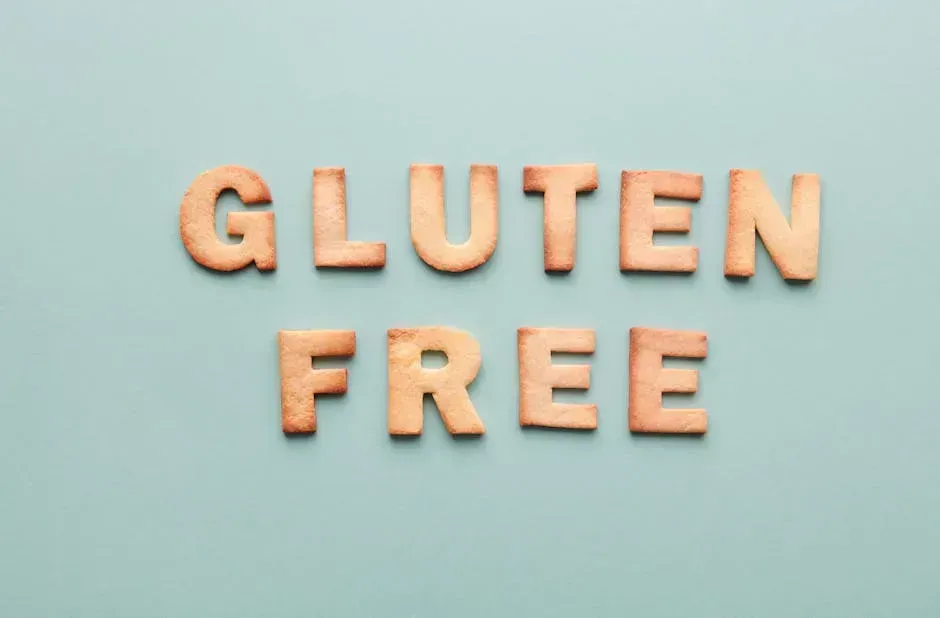
Unless you have celiac disease or a genuine gluten sensitivity, your body is probably just fine with gluten. But try telling that to the tens of millions of Americans who have gone gluten-free. The movement has gone far beyond medical necessity into lifestyle territory. New research suggests that many perceived benefits of gluten-free products are actually exaggerated.
The U.S. natural and organic foods market, which includes a massive gluten-free segment, surpassed one hundred and ten billion dollars in 2024 with strong annual growth rates. Some of that growth is driven by genuine celiac diagnoses. Much of it is driven by the belief that gluten is simply "bad." It's hard to say for sure exactly where the medical ends and the trend begins.
What's clear is that the gluten-free label has become a powerful marketing signal, communicating something broader about "clean eating" to a large portion of American shoppers - whether or not gluten was ever the actual problem to begin with.
8. GMO Ingredients: The Bioengineered Debate Continues
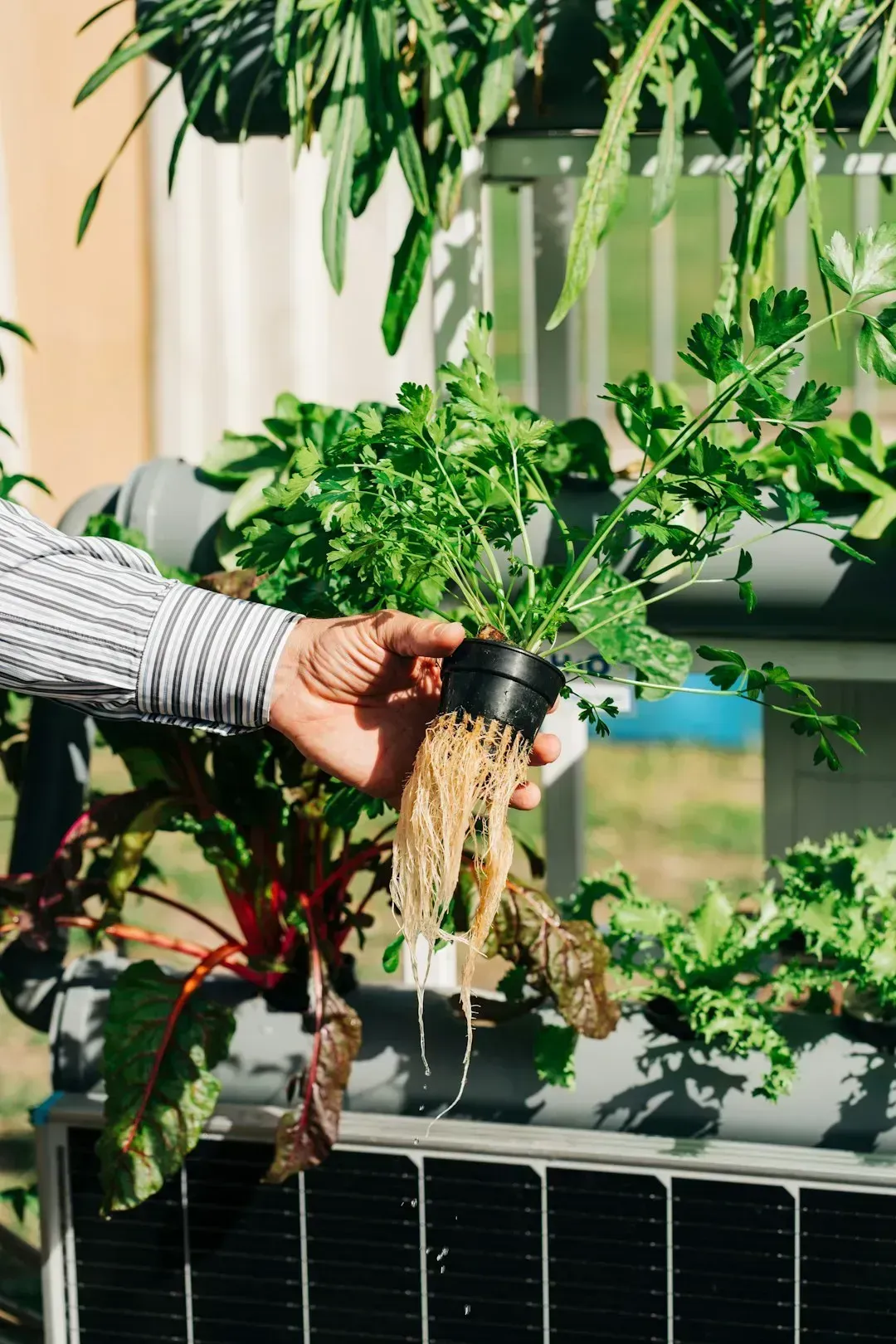
Genetically modified organisms have been in American food since the 1990s. The scientific consensus says they're safe. Yet consumer skepticism remains stubbornly persistent. Majorities of Americans see at least some risk from food produced using pesticides or artificial ingredients, and roughly half the public says that foods with genetically modified ingredients are worse for their health than foods without.
Among consumers who actively avoid seed oils, more than sixty percent also believe those oils are more genetically modified than other options - showing how GMO fears often bundle together with other ingredient anxieties. Only about twelve percent of Americans include "non-GMO" in their definition of healthy food, which is actually down from previous years, suggesting this particular fear may slowly be losing its grip as a top-line concern.
Still, "Non-GMO Project Verified" labels are everywhere, and companies pay a premium to earn them. That is not a sign of a trend going away. It is a sign of an industry responding to real, sustained demand from millions of cautious shoppers.
9. Processed Meats: The Lunch Box Ingredient Under a Cloud
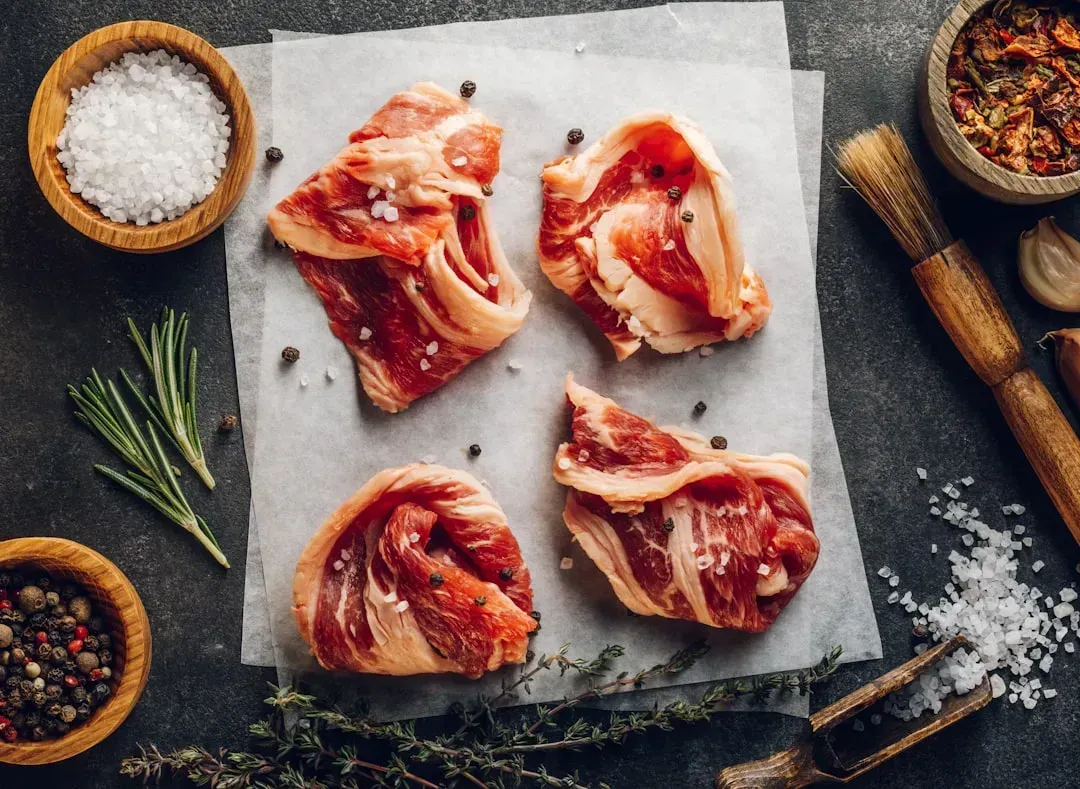
Hot dogs at the ballpark. Deli turkey on a sandwich. Bacon on a Sunday morning. Processed meats are woven into American food culture. But a growing number of people are quietly distancing themselves from these long-time staples. According to the 2024 IFIC Spotlight Survey on food ingredient safety, nearly three in ten Americans say they actively avoid processed meats.
The concern here is grounded in real science, not just social media noise. The consumption of ultra-processed foods, including processed meats, has been linked to increased risk of mortality, cancer, and various mental health, respiratory, cardiovascular, gastrointestinal, and metabolic adverse health outcomes. That is a hard list to ignore. Roughly seventy-two percent of U.S. shoppers are actively trying to cut ultra-processed foods out of their diets, and processed meats sit squarely in that category for most consumers making those cuts.
10. Pesticide Residues: The Fear You Can't Wash Off
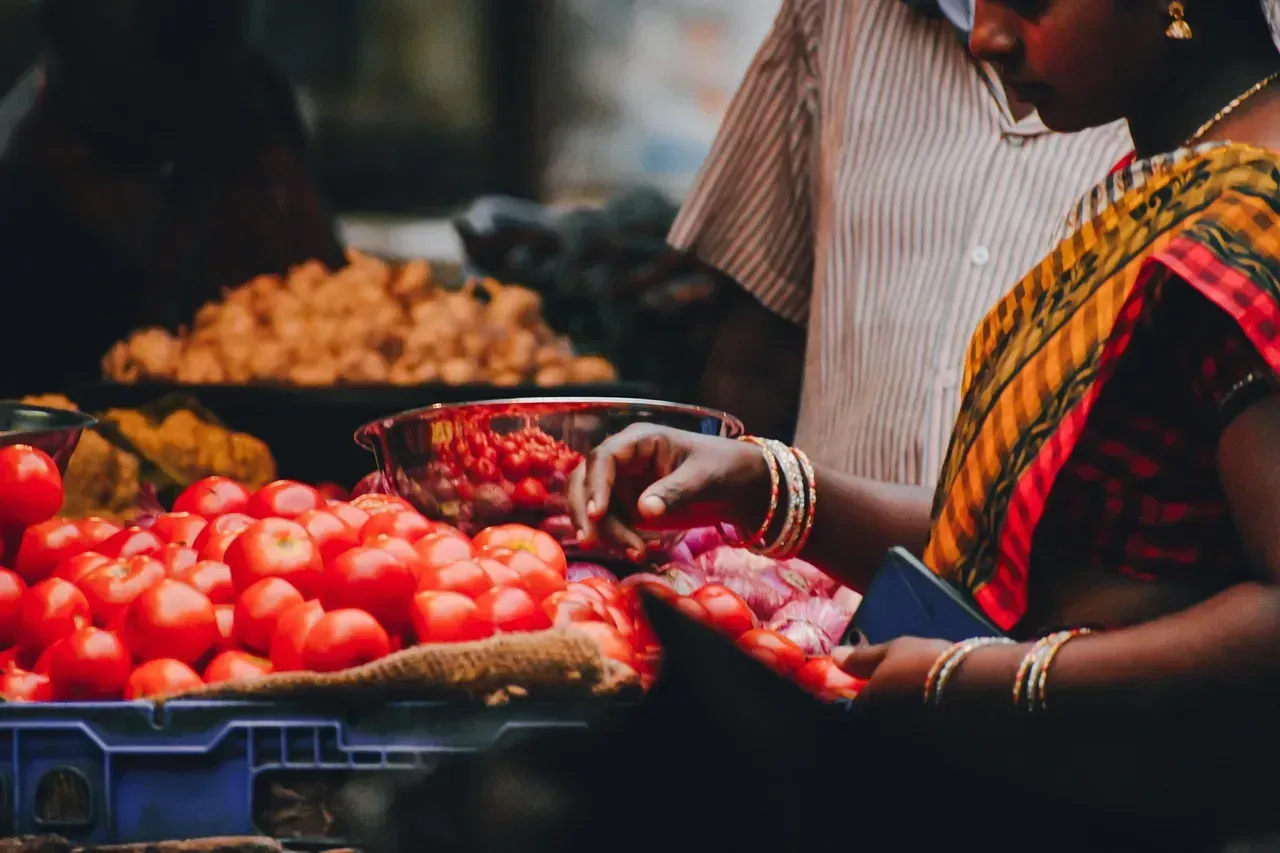
Most people assume a good rinse under the faucet takes care of pesticide residue on produce. Turns out, that assumption makes a lot of consumers deeply uncomfortable. Because, honestly, it only does so much. Pesticides and pesticide residues are among the top concerns for Americans evaluating food safety, with close to half of those who express low confidence in the food supply naming them as a major worry.
For consumers, the wave of newly proposed food legislation in 2025 signals a major cultural and regulatory shift - food safety is no longer just about bacteria or contamination, but about the chemicals and colors hidden in everyday products. Pesticide residues are very much part of that chemical anxiety. Major concerns driving low confidence in the U.S. food supply include the belief that profit outweighs food safety, cited by more than half of worried consumers, and that not all parts of the food system work together to ensure safety.
The organic produce sector has thrived as a direct result of this fear. People are essentially paying a premium for peace of mind - even when the science on residue levels in conventional produce is more nuanced than the label suggests.
11. Artificial Flavors: When "Natural" Becomes the Only Acceptable Word
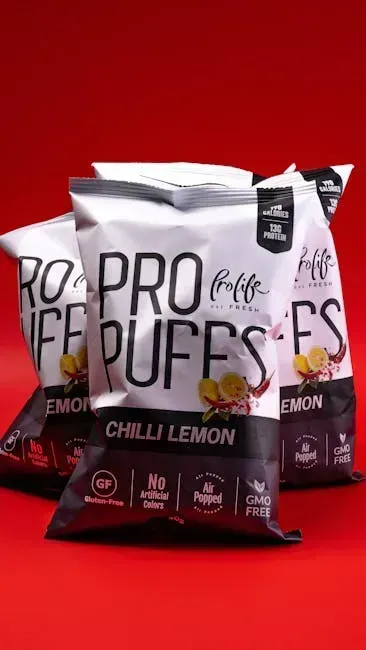
Flip over almost any packaged snack and you'll see "artificial flavors" somewhere in the fine print. For decades, nobody blinked. Now, that phrase is a dealbreaker for a significant and growing slice of American shoppers. The words "natural" and "artificial" evoke strong reactions around food choices, with about half of Americans saying they seek out natural flavors at least some of the time.
IFIC found that roughly a quarter of Americans included "limited or no artificial ingredients or preservatives" in their personal definition of what makes a food healthy - which tells you a lot about how the word "artificial" is now perceived. It's essentially become synonymous with unhealthy, regardless of what the science says. Some industry observers have noted that growing consumer awareness of ingredient manipulation, industrial additives, and cosmetic techniques is increasingly disconnecting food from its sense of nourishment.
As more consumers try to manage their weight and adopt specific dietary patterns, many are confused by nutritional information and unsure who to trust, with research finding that roughly eight in ten Americans in 2025 don't know what to believe because nutrition information seems to keep changing. That confusion, more than anything, may be the biggest driver of food fear across all eleven ingredients on this list.




Leave a Reply