
Something big is happening behind the walls of America's food factories - and most shoppers have no idea. Massive investment waves, new automation technologies, foreign capital pouring into U.S. production facilities, and a supply chain being rebuilt almost from scratch. All of this is quietly reshaping the food manufacturing landscape in ways that will eventually show up right where you feel it most: your grocery bill.
The question nobody seems to be asking loudly enough is this: when factories get bigger and more powerful, does the everyday shopper actually win? The answer is complicated, layered, and frankly a little surprising. Let's dive in.
The Factory Boom Is Real - And It's Massive
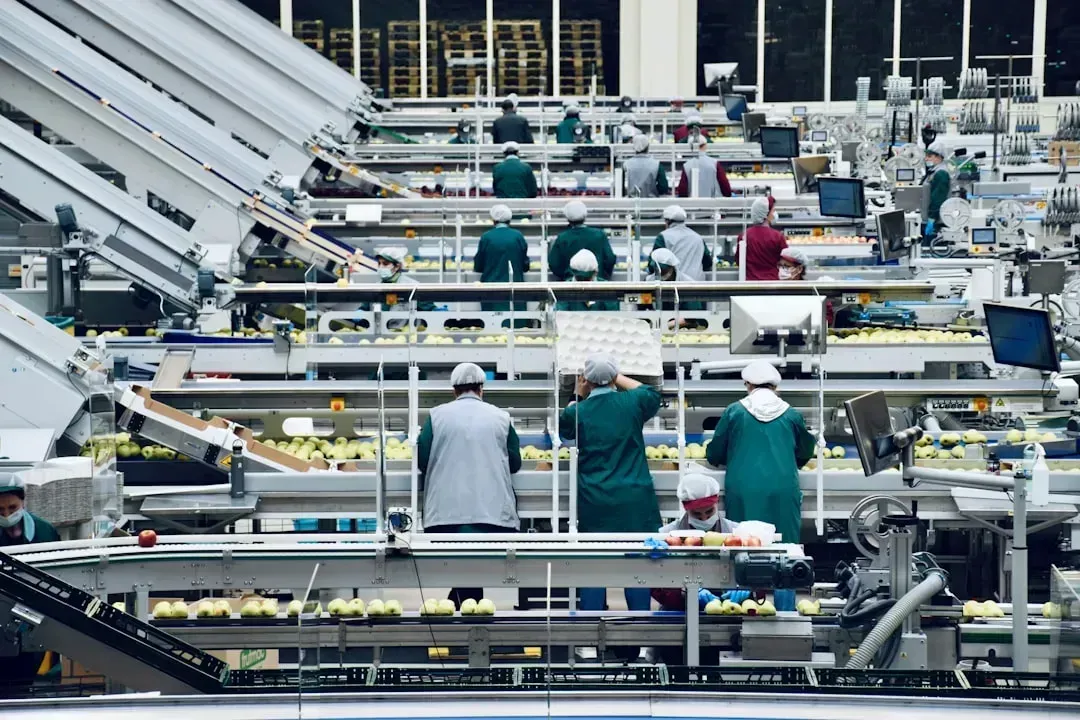
Walk into any major food manufacturing corridor in the Midwest right now and you'll sense something shifting. States in the Midwest lead in employment concentration within the food and beverage sector, and within 2024, cross-border capital investments in the food and beverage industry surged, driven by both foreign and domestic companies. This isn't subtle tweaking at the edges. This is a full-scale industrial push.
In April 2024, Japan-based Kikkoman announced an $800 million investment in two Wisconsin facilities, including a 22,300-square-foot new production facility to brew soy sauce in Jefferson and an expansion of its existing brewing facility in Walworth. That's a staggering number for a single condiment company. Separately, Switzerland-based Nestlé announced a $175 million investment in Webster County, Iowa, to expand manufacturing operations at a Purina PetCare plant in February 2024.
The food and beverage production sector in the U.S. is a significant contributor to the economy, accounting for nearly 3.5 million jobs and over $534.3 billion of GDP in 2023, with notable job growth in food manufacturing, particularly in beverage production. Those are not numbers from a struggling industry. That is a sector with real momentum - and real ambitions to grow even further.
Why Factories Are Expanding Right Now
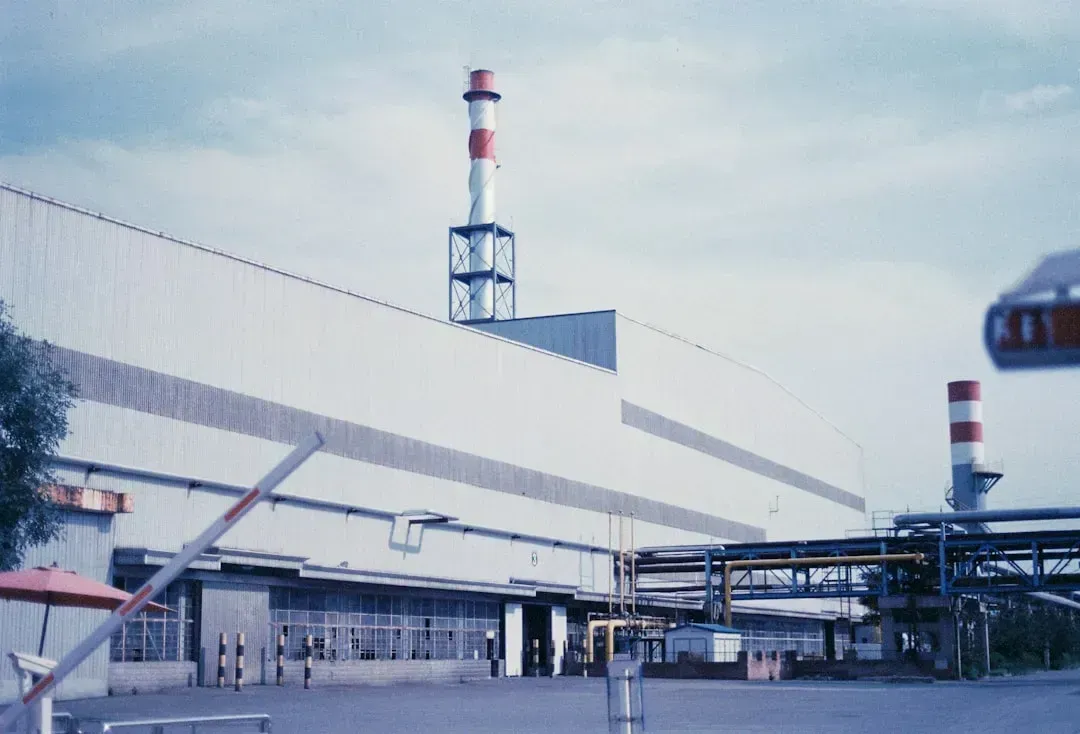
Here's the thing: it's not just optimism driving these expansions. Similar to 2024, roughly three in five food manufacturing professionals expected their location's throughput to increase in 2025, by about 20% on average, with manufacturers citing increased business or new customers and increased demand as the primary reasons driving growth. Demand is the engine, plain and simple.
Companies like Tyson, in particular, closed processing locations to prevent sales declines from impacting yearly revenue - but closing those plants meant other plants had to pick up the slack, which led to investing in those remaining facilities to improve their throughput. So sometimes expansion isn't about growth. It's about survival and efficiency redistribution. Honestly, that's a crucial distinction consumers rarely hear about.
In an attempt to mitigate labor and supply chain risks, packaged foods companies invested heavily in capital expenditure - expenses that, while achieving more stable sources of transportation and staffing, ate into EBITDA margins, which fell far below historical performances and market figures. Expansion costs money, and right now, those costs are squeezing the very companies building the bigger plants.
Rising Costs Inside the Factory Are Not Going Away

It sounds counterintuitive. More factories, more capacity - so why aren't food prices falling? Overall, survey respondents say the cost of manufacturing products has increased in 2025. In fact, roughly four in five reported experiencing increases from 2024, with nearly 70% saying their company's total cost per product increased by up to 10%, and 13% reporting cost jumps between 11% and 15%. The mean increase sits at 13%. That gap between expansion and efficiency is where your grocery bill lives.
Nearly eight in ten respondents in a 2025 survey reported higher total cost per product compared to 2024, with the mean increase being 13%, while labor costs are widely expected to rise and more than four in five manufacturers also project material cost increases, driven by ingredients, raw materials, and logistics. Every single layer of production is getting more expensive at once.
Inflation remains the dominant strain for supply chain leaders. Roughly a third cite rising input costs as their single greatest supply chain pressure, ahead of tariff and geopolitical pressures at 17% and labor shortages at 15%. So when you wonder why your pasta costs more than it did five years ago, this tangled web of overlapping pressures is a big part of the answer.
Tariffs Are the Wild Card Nobody Saw Coming
Let's be real: the tariff situation has made an already volatile food price environment genuinely unpredictable. It is not that there was no impact from tariffs because consumer prices didn't rise sharply in 2025. It's just that those costs haven't had time to flow through the system yet - and it is in 2026, and potentially even late 2026, that consumers starts to feel a real pinch from higher tariffs. That delay creates a dangerous false sense of calm at the checkout line.
More than half of supply chain respondents in early 2026 had already raised consumer prices to offset higher costs, a notable jump from 2025 when roughly a third reported doing the same. That acceleration in price-passing is something worth paying close attention to. Almost 44% of U.S. food imports come from Canada and Mexico, with fruit prices particularly exposed to trade policy shifts.
USDA's midpoint estimate predicts that grocery prices will increase by roughly 1.7% in 2026 - which would be below the 20-year average - but USDA uses ranges to forecast the consumer price index, and the current forecast encapsulates a great deal of uncertainty, with estimates ranging from a slight decline all the way to a 6% increase. That is an enormous range. It tells you just how little certainty experts actually have right now.
Automation in Expanded Factories: Who Really Benefits?
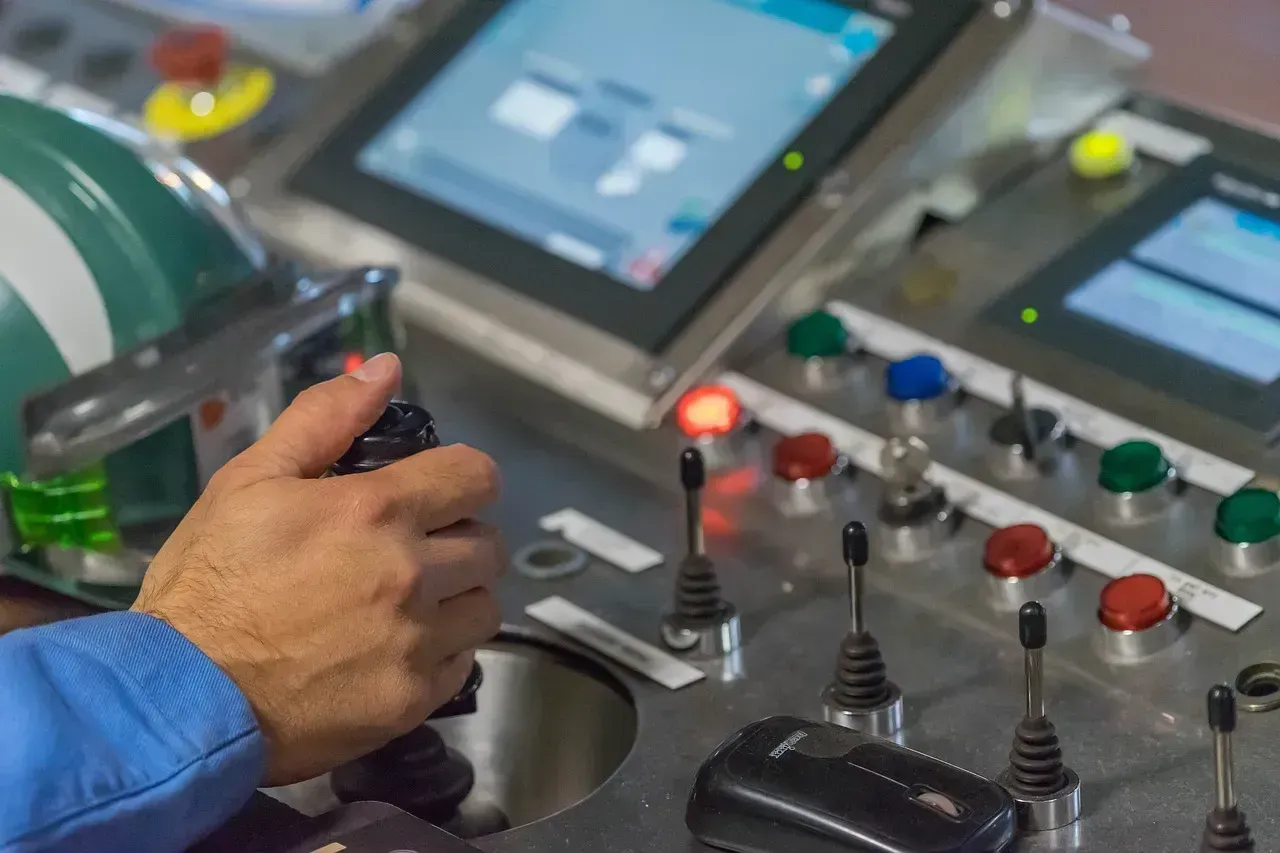
New factories aren't just bigger. They're fundamentally different. In 2026, AI-powered automation is no longer a futuristic concept - it's a competitive necessity. From predictive maintenance to real-time quality control, smart technologies are helping manufacturers reduce downtime, improve consistency, and cut costs, with facilities that have embraced AI and robotics reporting up to 45% improvements in overall equipment effectiveness. That is a jaw-dropping efficiency gain on paper.
Today, only around 10% of manufacturers have extensively digitized operations, and it will take many years before these efforts are accurately characterized as widespread. The most significant reason for this is high upfront costs - the investment cost for robotics, sensors, integration, and infrastructure is significant even for new facilities, and it's even more expensive to retrofit existing operations. So we're at the very beginning of this shift, not the end.
Companies that adopt automation early report a 15% to 20% increase in labor productivity, and AI vision systems reduce recalls and shrink product giveaways, improving yield and compliance. The key question is whether those efficiency savings get passed to shoppers or absorbed into corporate margins. Industry watchers are genuinely divided on this. I think the honest answer is: it depends heavily on competition, and right now, competition is fierce but also consolidating.
What Expanded Supply Chains Mean for Food Safety and Freshness
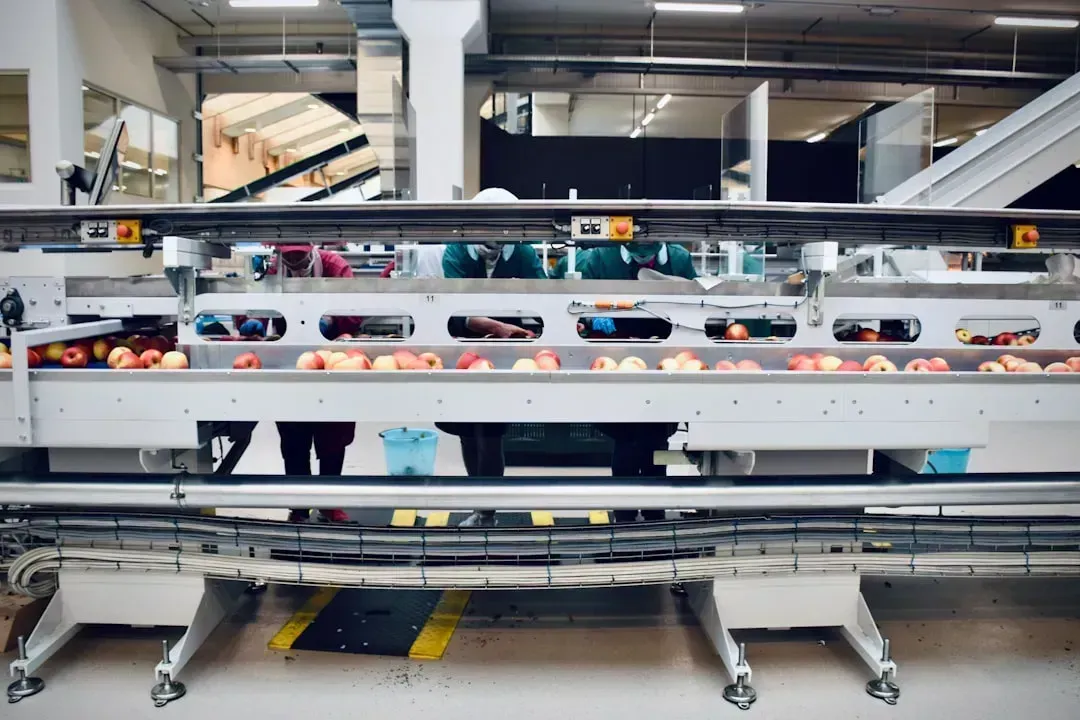
With recent recalls connected to foodborne pathogens and upcoming mandatory traceability requirements under the Food Safety Modernization Act, food safety has become more important than ever - and nearly half of surveyed manufacturing professionals conducted safety-related training over the last year, compared to 46% in 2024. Bigger factories mean more product moving through more hands. The stakes for getting safety right only get higher.
Having localized production operations ensures fresher baked goods, faster distribution, and the ability to meet growing demand in regional markets. Localized expansion - building production closer to consumers rather than shipping from one mega-facility - is one of the more promising trends coming out of recent factory announcements. Think of it like swapping a single gigantic warehouse hundreds of miles away for several smaller, nimbler ones closer to your neighborhood.
According to FDA data, 2024 recorded more than 740 food and beverage recalls, and roughly 70% of manufacturers were impacted by labor shortages in 2025. In response, companies are adopting AI for real-time contamination detection, predictive risk modeling, and automated compliance tracking to minimize disruptions and increase food safety. Larger footprints bring larger responsibilities - and the industry is scrambling to keep pace with that reality.
What Shoppers Can Actually Expect at the Checkout
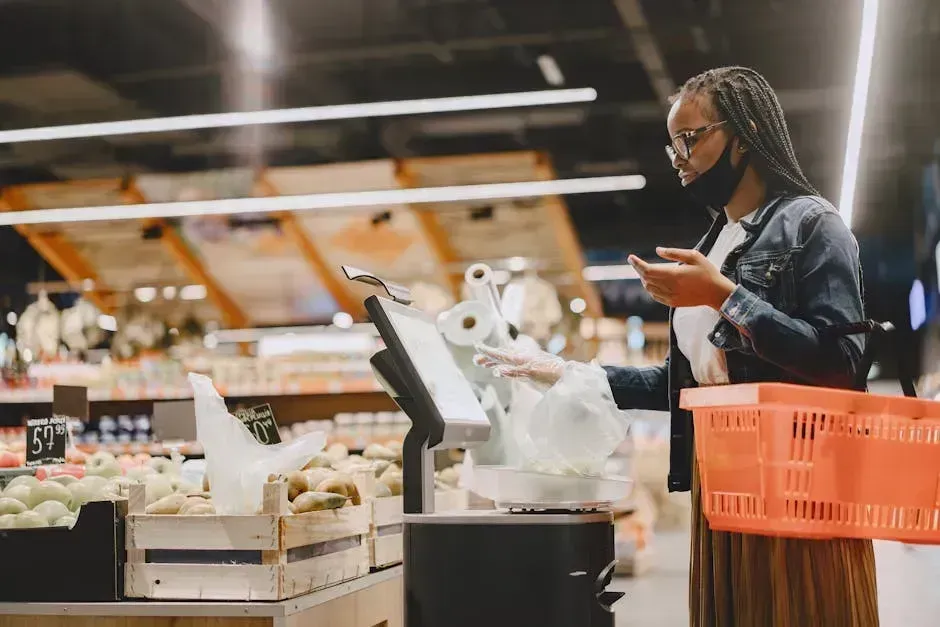
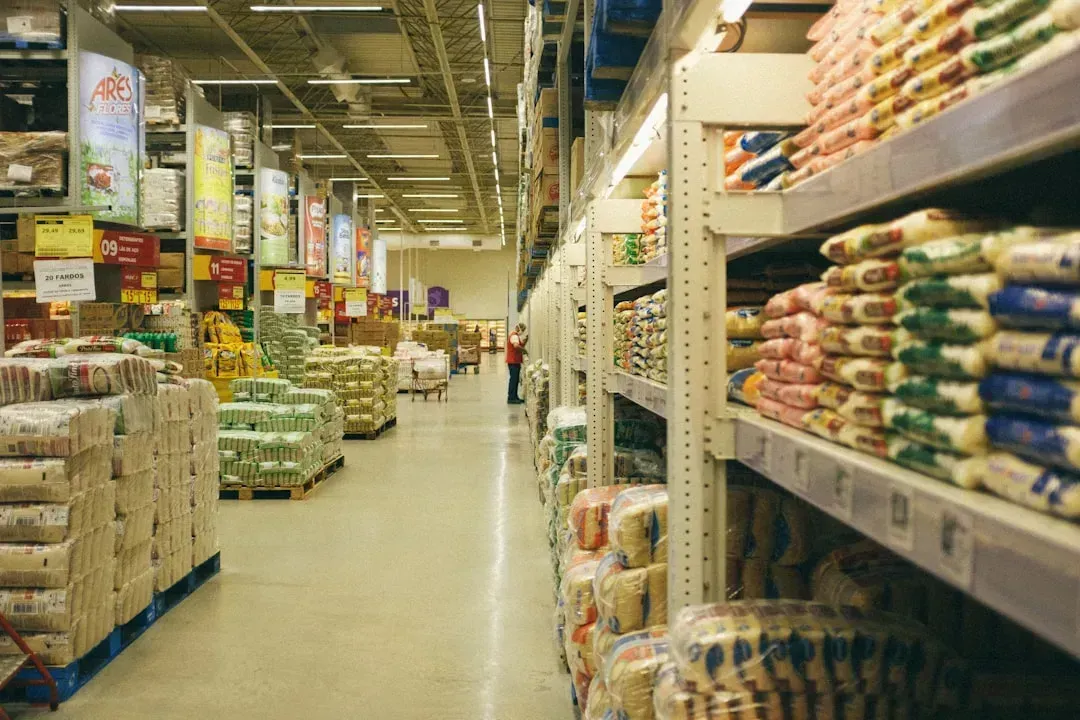
In the grocery retail sector, U.S. households still face food prices that are almost 30% higher than pre-COVID levels, and consumers are seeking affordable options while competition in the food sector is increasingly focused on price, creating margin pressure for both producers and retailers. Factory expansions alone are not a magic lever that brings those prices back down.
While inflation may be slowing and even dipping in some categories, overall grocery bills will continue to rise for a range of reasons. According to FMI, the average weekly grocery spend is now $170, up significantly from $120 per week in 2020. That jump outpaces even what standard inflation numbers alone would predict. Shopping habits, income pressures, and product mix shifts all play a role.
The outlook for 2026 points toward a gradual return to near-normal historical inflation levels, with most forecasts expecting price increases to ease further as supply chains continue to stabilize and agricultural markets move into more balanced territory. That is mildly encouraging news. Still, food and beverage prices are unlikely to return to pre-pandemic levels, yet the pace of inflation should continue to settle during 2026. Gradual stability, not a sharp reversal, is the realistic expectation.
Conclusion: Bigger Factories, Complicated Answers
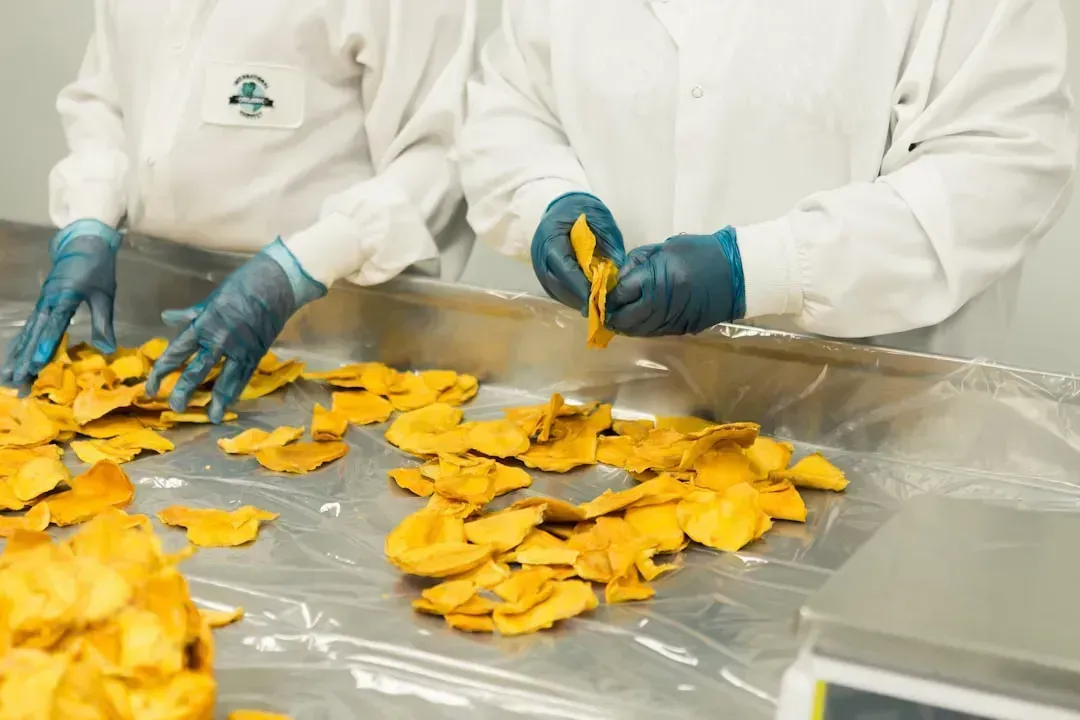
The factory expansion wave sweeping the U.S. food industry is real, well-funded, and genuinely transformative. New technologies, new facilities, and new investment are reshaping how food is made. But none of that automatically translates into lower prices or better outcomes for ordinary shoppers. The relationship between factory scale and grocery shelf prices is far more complicated than a simple equation.
Tariffs, labor costs, material expenses, and the slow rollout of automation all act as friction points. Labor shortages, tariffs, and supply chain disruptions now collide with rapid advances in AI, new sustainability and packaging rules, and rising consumer expectations for transparency and trust. That collision doesn't resolve itself quickly or cleanly.
What's clear is that the food industry is investing heavily in its own future - and consumers will eventually feel the effects of that, for better or worse. The question worth sitting with is this: when those massive new factories finally hit full capacity, will the savings land in your basket, or somewhere else entirely?



Leave a Reply