
There is something almost radical about cooking at home on a tight budget in 2026. Food prices have climbed relentlessly over the past few years, grocery aisles have gotten more stressful, and yet millions of Americans are quietly figuring out how to feed themselves well without spending a fortune. It is not glamorous. It is not Instagram-perfect. Honestly, it is mostly beans, rice, eggs, and a lot of creativity.
What does a real week of budget cooking actually look like, though? And more importantly, how does someone stretch every single dollar until it practically begs for mercy? Let's dive in.
The Numbers Behind the Grocery Cart

Before getting into the food itself, let's talk about what people are actually spending. The average American household spends around $6,224 a year on groceries, according to the Bureau of Labor Statistics Consumer Expenditure Survey for 2024. That works out to roughly $519 a month. For a lot of people, that number is genuinely shocking.
The USDA publishes four grocery budget tiers: Thrifty, running from about $247 to $309 per month, Low-Cost, Moderate, and Liberal, going up to $566 per month, all for a single adult. A true budget home cook lives deep in that Thrifty zone, which is where it gets interesting.
Average annual food-at-home prices were 1.2 percent higher in 2024 than in 2023. For context, the 20-year historical level of retail food price inflation is 2.7 percent per year, so price growth actually slowed considerably in 2024 compared to the brutal increases of 2022 and 2023. Still, cumulative pressure on wallets is real, and budget cooks feel it most.
Monday and Tuesday: The Pantry Staples That Do the Heavy Lifting

A budget home cook's week almost always kicks off with a pantry audit, not a shopping list. What is already there? Half a bag of lentils? A can of black beans hiding behind the pasta? The cheapest meals usually rely on pantry staples like rice, pasta, beans, and eggs. Think fried rice, spaghetti, lentil soup, or egg burritos. These meals are not only affordable but also super customizable depending on what you already have on hand.
A bag of dried brown rice can stretch into a dozen meals for just a few dollars. Pair that with lentils, and you have a protein-rich base that costs almost nothing per serving. Monday might be a simple lentil soup with whatever vegetables are in the fridge. Tuesday could be fried rice using leftover rice from the night before, scrambled eggs, and a handful of frozen peas.
Many healthy budget recipes come in at around 50 cents to $1.30 per serving, based on 2025 U.S. prices, when you simply add up the ingredients used and divide by the number of servings. That is the kind of math that transforms a tight budget from a source of stress into something almost like a puzzle worth solving.
Wednesday: Batch Cooking as a Financial Strategy
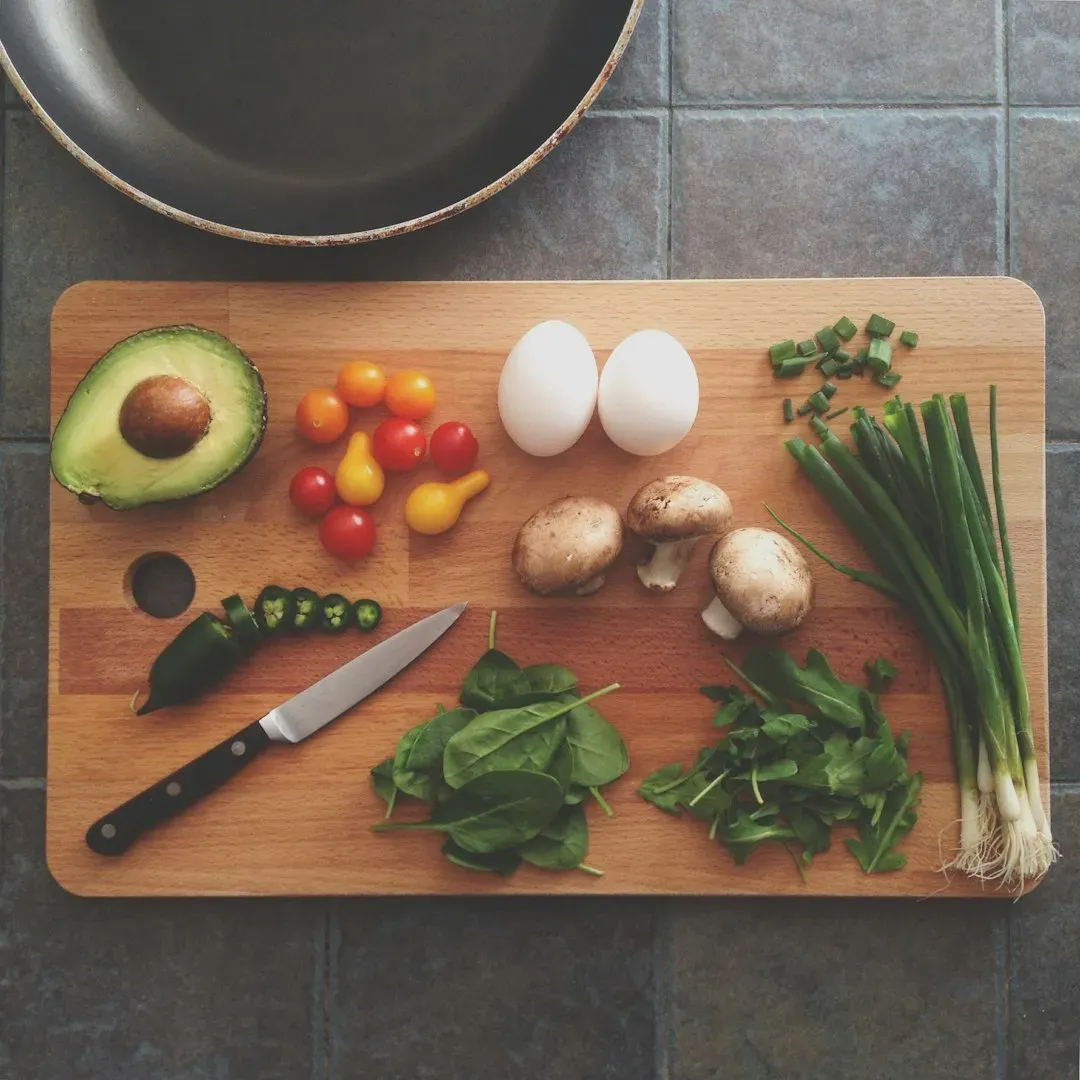
Here is where the real magic happens. Midweek is batch cooking day for a serious budget cook, and it is less about meal prep culture and more about pure financial survival. Cooking in bulk saves more than time. It saves you from impulse takeout orders and repeated grocery runs. Large batches of soup, chili, curry, or stir-fry freeze beautifully and stretch across the week, and you waste fewer ingredients because you are using up the full bag of spinach or entire can of beans.
A protein veggie chili using canned beans, lentils, and pantry spices delivers big flavor and small spend. Making a double batch means it tastes even better on day two and handles the freezer beautifully. Wednesday's dinner becomes Thursday's lunch, which is the whole point.
Research shows that shoppers can save up to 30 percent just by opting for store-brand goods and shopping based on weekly promotions. A budget cook combines these two habits into an almost automatic reflex, always reaching for the generic can on the lower shelf.
Thursday and Friday: Eggs, Vegetables, and Swapping Meat Out

Let's be real: meat is the budget killer. Around 70 percent of U.S. adults say meat is the item they spend the most money on. That lines up with what dietitians see regularly because meat and other animal products often end up being some of the priciest items in people's carts. A budget cook knows this instinctively.
According to a 2024 study published in JAMA Network Open, people following a low-fat vegan diet cut grocery costs by 19 percent compared with a Standard American Diet, and by 25 percent compared with a Mediterranean diet. That translates to more than $650 per year in savings compared with the Standard American Diet. You do not have to go fully vegan to benefit from this logic, though. Swapping even two or three dinners per week to plant-based meals makes a noticeable dent.
Thursday might be scrambled eggs with roasted sweet potatoes and frozen spinach. Friday could be a lentil masala over rice with a sprinkle of whatever spices live in the back of the cabinet. Even small swaps, such as beans instead of beef, can reduce costs by around 15 percent. Over a full month, those savings really stack up.
The Weekend Splurge That Is Not Really a Splurge

Saturday for a budget cook is something like the weekly "treat," but the definition of treat has shifted considerably. It might mean buying a whole chicken on sale, roasting it, and then turning the bones into a stock that lasts all next week. It could mean buying seasonal produce that is at its cheapest right now. Seasonal produce is not just tastier. It is often cheaper because there is more supply.
In 2025, the price of food at home increased 2.7 percent year-over-year, driven by higher prices for eggs, beef, and fruit and vegetables, as weather-related disruptions made it harder to get those items to market. Knowing which categories spiked is useful because a smart shopper simply pivots away from those items when prices rise and comes back when they fall.
Fish and seafood prices actually declined by about 1.9 percent in 2024, and dairy products dipped slightly too. That is the kind of insight that changes what ends up in a shopping cart. Canned tuna? Actually a great deal right now. Budget cooks are paying attention to these shifts in ways that most people are not.
The Food Waste Problem: The Silent Budget Killer
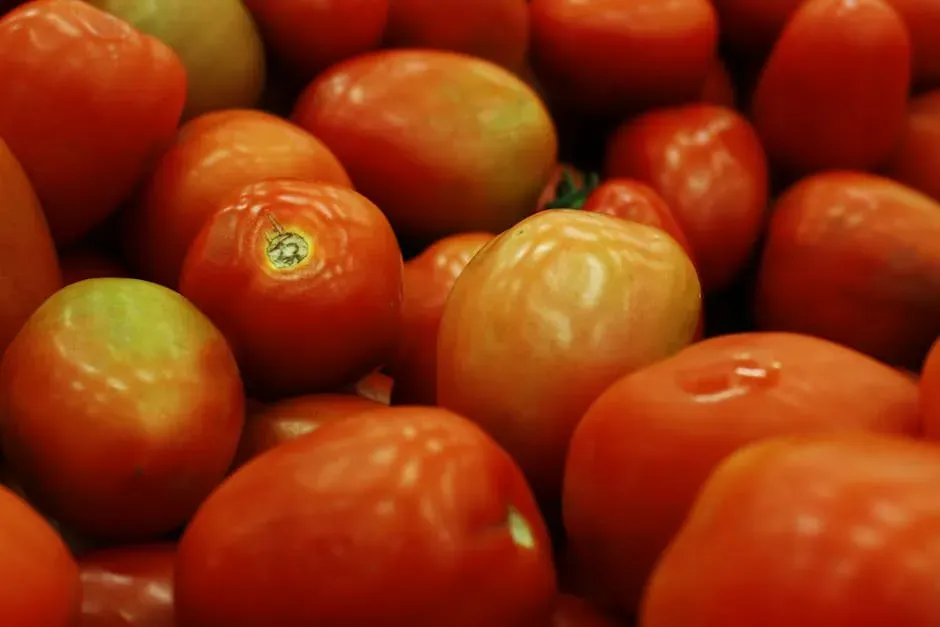
Here's the thing nobody talks about enough when discussing grocery budgets: the food you throw away. It is genuinely one of the most damaging things happening to household finances right now. According to the U.S. Environmental Protection Agency, the cost of food waste to each U.S. consumer is $728 per year. For a household of four, the annual cost is $2,913, with an average weekly cost of $56. That is a staggering amount to be quietly losing every single week.
On average, U.S. households lose more than $2,000 per year to food waste, while individuals lose an average of $792. Overwhelmingly, the primary cause of food waste in the residential sector is spoilage, accounting for nearly $70 billion of waste each year. A budget cook treats the fridge like a real-time inventory system. Nothing gets forgotten at the back of a shelf.
In 2024, the U.S. let a staggering 29 percent of its total food supply go unsold or uneaten. While a small portion is donated to those in need and more is recycled, the vast majority becomes food waste, going straight to landfill, incineration, or simply left to rot. For a budget cook, reducing waste is not an environmental philosophy. It is pure self-preservation economics.
The Mindset That Makes It All Work
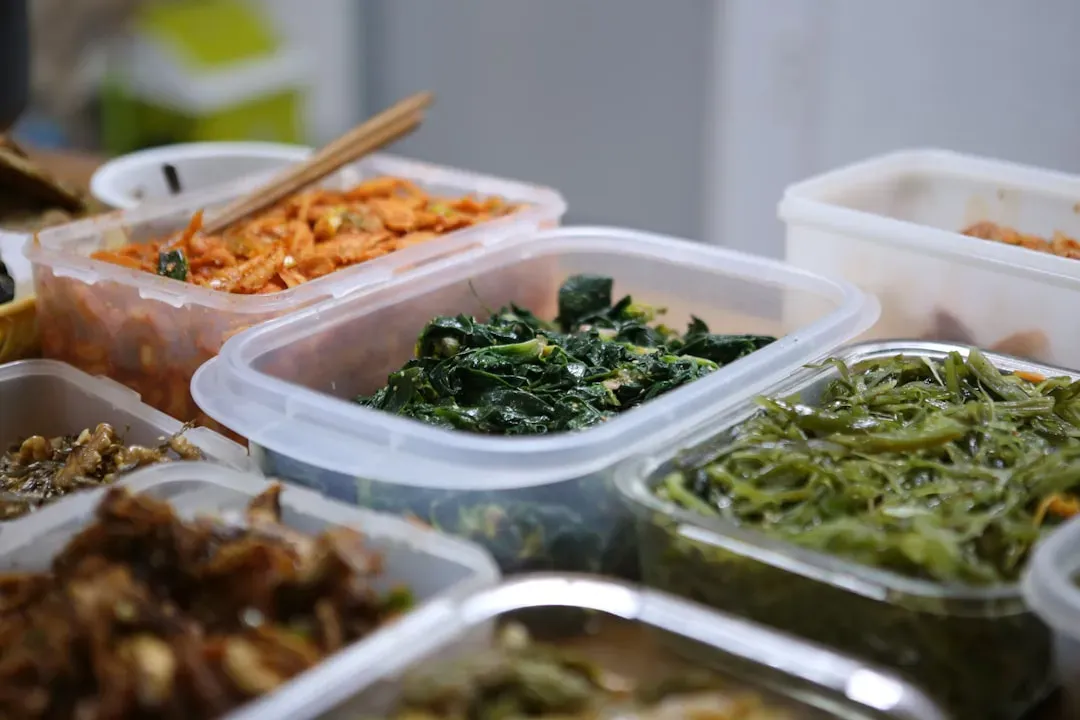
I think the most underrated ingredient in budget cooking is not any specific food. It is a mindset shift. A budget cook looks at a near-empty fridge on Sunday evening and sees possibilities, not a reason to order delivery. Shopping habits make the real difference: impulse buys or up-market stores inflate bills, while meal planning and sale-hunting keep them lean.
Grocery prices rose roughly 30 percent in the four years between 2020 and 2024. The good news is there are many ways to save money on grocery shopping, including planning ahead for meals, purchasing generic non-branded products, buying in bulk, and shopping at multiple stores to find the best prices. None of these strategies are revolutionary. Combining them consistently is what separates someone who manages their food budget from someone who wonders where all the money went.
Financial advisors generally recommend spending 10 to 15 percent of your take-home pay on groceries. This fits within the broader 50/30/20 budget rule, where food falls under the needs category alongside housing and utilities. A dedicated budget cook is always aiming for the lower end of that range, not because they have to, but because the discipline of it has become its own kind of satisfaction. There is something genuinely rewarding about a week well-fed for under $60, honestly.
So, what's your own food budget looking like these days? Could you pull off a full week on the Thrifty plan? Tell us in the comments.




Leave a Reply