
The grocery store has always been a mirror of society. What we toss into our carts tells a story about our fears, our values, and yes, our budgets. Over the last couple of years, that story has shifted dramatically, and some trends that once seemed unstoppable are now quietly fading from the shelves and from our habits.
Some of these shifts are driven by tight wallets, others by changing attitudes or even new laws. A few of them might genuinely surprise you. Whether you're a bargain hunter or someone who used to proudly reach for that fancy plant-based burger, this list is worth a read before your next grocery run. Let's dive in.
1. Plant-Based Meat Products: The Hype Has Cooled Off

Not long ago, plant-based burgers were the darlings of the grocery world. Everyone was talking about them, and supermarkets were giving them prime shelf space right next to conventional meat. That era appears to be winding down fast.
According to the Good Food Institute, sales of plant-based meat and seafood dropped 7% to $1.2 billion in 2024, while sales of plant-based milk fell 5% to $2.8 billion. The numbers keep getting worse. Frozen plant-based meats declined 5.3% in dollars and 7.8% in units, while refrigerated alt proteins dipped 12.1% in dollars and 14.4% in units. Among the greatest drops, refrigerated plant-based burgers fell 26% in dollars and 34.2% in units.
Plant-based price increases coincided with elevated inflation and tight consumer budgets, and purchase dynamics indicated weakening consumer engagement in plant-based categories. Retailers are responding too. Retailers have been gradually reducing their assortments in the refrigerated alt meat category, with an average of 9.7 items per store in April 2025, down 10.3% since April 2024 and down 31% since early 2021. Honestly, when taste and price both disappoint, consumers vote with their wallets.
2. Rigid Brand Loyalty: Shoppers Are Officially Uncommitted

For decades, people had "their" grocery store. Maybe it was the one their parents went to, or the one closest to their house. That sense of loyalty? It's fading fast, and the data backs it up in a big way.
Upside's inaugural Consumer Spend Report, based on over 1.1 billion transactions and feedback from more than 7,000 households, sheds light on the growing trend of the "uncommitted customer." These are shoppers who no longer remain loyal to one store, instead opting to spread their spending across multiple retailers, a behavior driven by price sensitivity, economic pressures, and the increasing convenience of cross-shopping.
According to the Consumer Spend Report, the average grocery shopper visits 5.2 stores to meet their needs. Think about that for a moment. Five stores. That's not loyalty, that's a full-time scavenger hunt. This behavior cuts across all income levels and demographics, impacting not just value-driven shoppers but also premium segments.
3. Premium Name-Brand Products: Store Brands Are Winning

Here's the thing about name brands. They spent decades convincing us they were worth the premium. The rise of high-quality store brands has made that argument much harder to make, and shoppers are noticing in a big way.
In 2024, private-label brand sales totaled over $270 billion, a 3.4% increase from 2023, according to the Private Label Manufacturer Association. The growth isn't limited to budget shoppers either. Consumers with household incomes above $100,000 are becoming more likely to buy private label groceries, according to recent survey results from management consulting firm Alvarez and Marsal.
Private label is no longer seen as a trade-down option. That is a remarkable shift from even five years ago. Nearly 40% of shoppers have tried private-label products for the first time, seeking lower prices and better value. The era of paying extra just for a recognizable logo is quietly ending.
4. Single-Use Plastic Bags: Legislated Out of Existence

For generations, grabbing a fistful of thin plastic bags at the checkout was just part of grocery shopping. You'd take them home, maybe reuse one for a trash bin, and toss the rest. Those days are being regulated away, state by state.
Several states implement stricter packaging laws in 2026, targeting plastic bags, PFAS, and single-use containers, with new regulations from California to New York aiming to reduce waste, improve recyclability, and eliminate harmful materials. California went even further. Shoppers can now say goodbye to plastic bags at grocery store checkouts in the Golden State, where SB 1053 took effect January 1 of 2026. While California had passed a ban on certain single-use plastic carryout bags more than a decade ago, plastic bags made of a thicker film that were considered reusable were still allowed.
According to CalRecycle data, the tonnage of grocery and merchandise bags disposed by Californians grew by 47% between 2014 and 2022. The loophole made things worse, not better. Now stores can only offer recycled paper bags at checkout, and the pressure to bring your own bag has never been stronger.
5. Frequent Weekly Shopping Trips: People Are Stretching Their Groceries
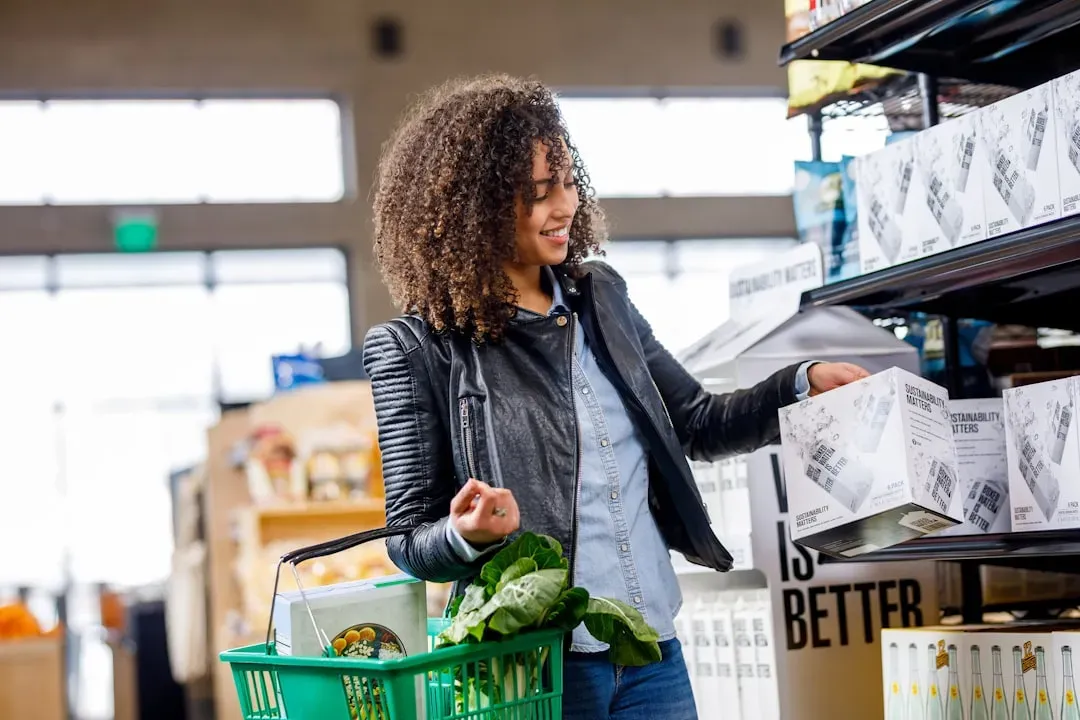
The idea of popping to the store two or three times a week used to feel normal, even enjoyable. But with prices climbing and budgets tightening, that casual relationship with grocery trips is changing fast.
While roughly three quarters of consumers grocery shop at least weekly, there has been a notable decline in frequency since 2024. This shift reflects how many shoppers are making their groceries last longer between trips to better manage their budgets. It's a bit like stretching a dollar, except people are literally stretching their food.
Over a six-month period, more than 40% of respondents said they had somewhat reduced grocery spending, while 15.6% reported making significant cuts. Despite these efforts, 40.6% of respondents reported spending more on groceries in 2024 compared to the previous year. So people are going less often yet still spending more. That's the strange math of food inflation right now.
6. Pre-Cut and Pre-Marinated Meat Packages: Convenience Getting Cut
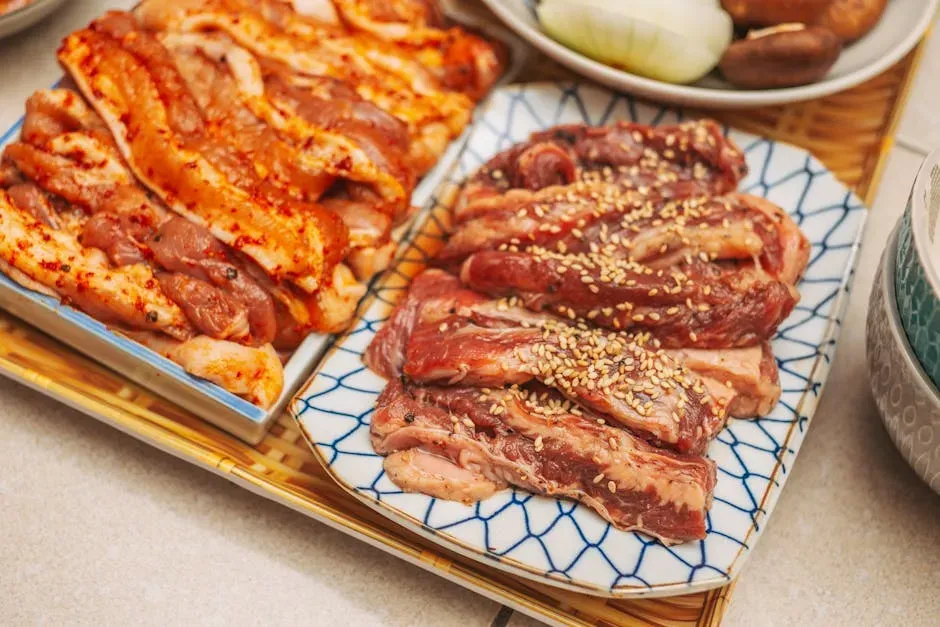
Pre-marinated steaks and neatly packaged party platters used to fly off shelves. They seemed like the perfect shortcut for busy weeknight dinners. Turns out, consumers are increasingly deciding they're not worth the price bump.
Though consumers are looking for ways to save time and money, this is no longer translating to increased demand for pre-cut and pre-marinated meats. These offerings are now mainly driven only by special events, which can be seen in the strong decline of meat party platters, down 22.4% year over year, and processed meat combination packs, down 22.5% year over year.
Retailers are responding to this trend by focusing less on their assortment of pre-prepared meats and instead leaning into core pillars of the category. By aligning with shifting consumer behaviors and focusing on the basics, meat brands have the opportunity to build a strong foundation for 2025 and beyond. Basically, shoppers would rather buy a plain cut and season it themselves if it saves a few dollars.
7. Single-Store Supermarket Dominance: Discounters Are Eating Their Lunch

Traditional supermarkets long held the crown. They were the default. But that dominant position is under real pressure from discount grocery formats, and the market share numbers tell an uncomfortable story for the old guard.
The share of shoppers that have a limited assortment retailer as their main grocery retailer grew by 30%, reaching 12%, now third overall behind traditional stores at 53% and supercenters at 21%. That kind of growth in limited assortment retailers is striking. Key drivers for this include low price points, cited by more than half of shoppers as the main reason, good-quality products at 18%, and convenient store locations at 7%.
Supermarkets continue to lose share to other channels, and the trend shows no signs of reversing. 36% of respondents switched to dollar or discount stores in 2024, with roughly two thirds citing lower prices as their main reason. When price is everything, traditional grocers face a steeper challenge than they'd like to admit.
8. Low Engagement With Traditional Loyalty Programs: The Punch Card Is Dead

Grocery loyalty programs have been around forever. Collect points, get a free turkey at Thanksgiving, feel vaguely appreciated. But the old model of loyalty programs is losing its grip on shoppers, and the reasons are more interesting than you'd expect.
While loyalty programs can be enticing, they don't appear to be a major driver for most respondents. Only roughly a fifth of shoppers said these programs were very influential in their decision-making. People are enrolled in everything, but moved by nothing. Their declining popularity speaks to changes not just in payment preferences, but in how we think about customer loyalty.
Today's "uncommitted customers" are secondary or tertiary shoppers who lack loyalty to a single grocery store. Unlike traditional loyal shoppers who favor one primary retailer, uncommitted customers now shop across several locations, looking for value, convenience, and variety. No loyalty program can compete with a genuinely better price across the street.
9. In-Store-Only Shopping: The Digital Shift Is Real
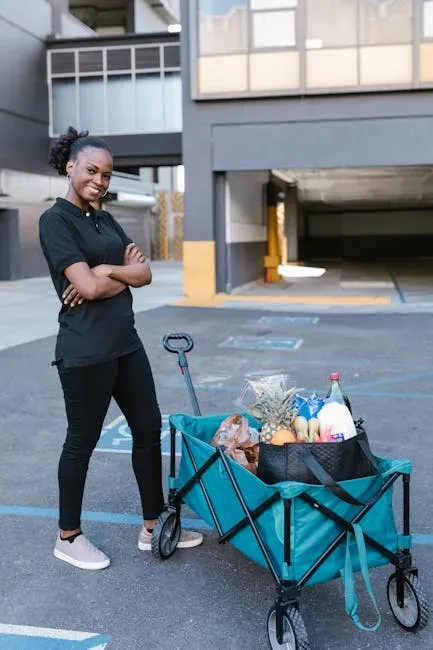
There was a time when the idea of ordering groceries online felt strange, maybe even unnecessary. Today, it's not just accepted, it's rapidly becoming the normal way that millions of Americans shop for food every single week.
By year-end 2025, 61% of U.S. households bought groceries online, and U.S. online grocery penetration reached 19% of total grocery spending in December 2025, the highest share since May 2020. The momentum is staggering. Sales of CPG products purchased online are growing at almost five times the rate of in-store sales, with a 10% increase in the past year versus just 2% for in-store.
2025 marked a turning point: online grocery is no longer just a convenience channel, it's becoming the primary way high-value shoppers buy groceries. This isn't just a pandemic blip that faded. The use of grocery delivery services in 2024 rose by 56% compared to 2022. Purely in-store shopping is becoming a minority behavior for large segments of the population.
10. Impulse Buying of Non-Essential Grocery Items: The Splurge Is Over
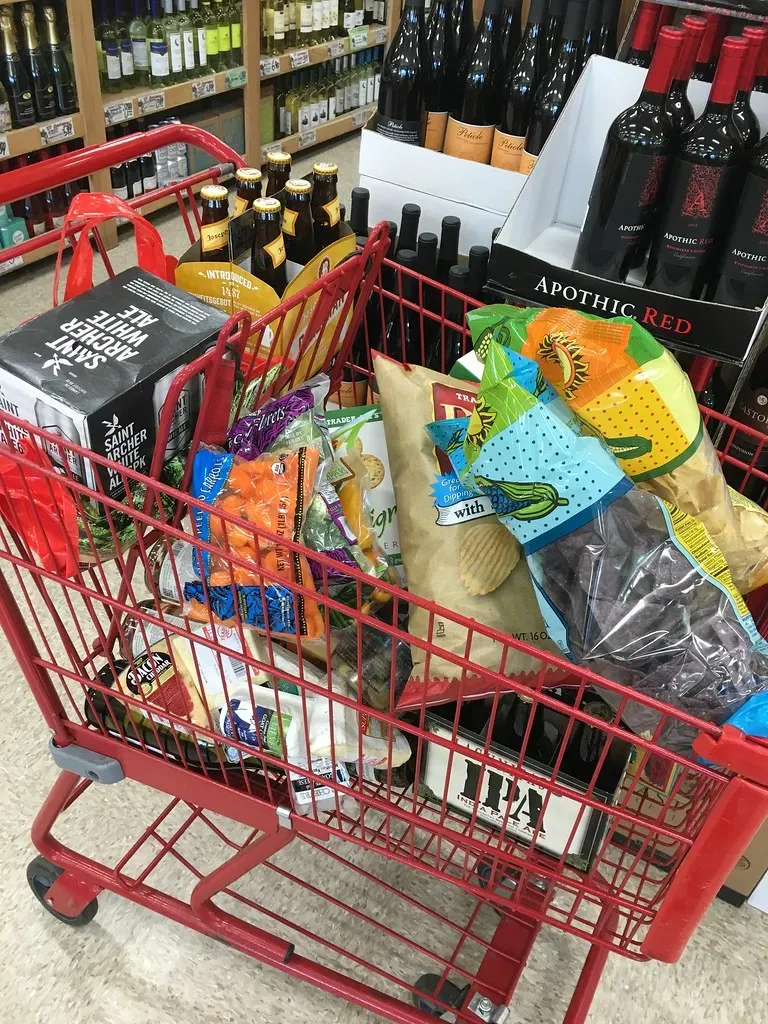
We've all been there. You go in for bread and eggs and somehow come out with a fancy cheese, a new hot sauce, and something called "activated charcoal lemonade." That impulsive, exploratory side of grocery shopping is getting dialed back hard.
In 2024, the average unit price only increased 1.7%, an improvement from prior years, though consumers are still overwhelmed and trying to make their dollars go further to cover the basic necessities. Unfortunately, many grocery products just don't make the cut when consumers need to decide between necessities and nice-to-haves.
Shoppers are prioritizing core items needed for meals and cutting out luxuries or experimentation with new products. It's a survival-mode mentality in the grocery aisle. A remarkable 87% of shoppers have adjusted their habits, utilizing an average of nearly four cost-saving strategies, including shifting to value-focused retailers, opting for private-label products, taking advantage of promotions, and purchasing items in bulk. The days of the carefree grocery cart are, for many shoppers, on hold indefinitely.



Leave a Reply