
Walk down any grocery aisle today and you're bombarded with products that look healthier, cleaner, and more innovative than ever before. New labels shout about protein content, gut health benefits, and "natural" ingredients. It's a lot to take in, honestly.
The problem? Not everything that looks good for you actually is. Behind many of the fastest-growing food trends, there's a complicated, sometimes alarming, nutritional story hiding in plain sight.
Some of the products flying off shelves right now are raising serious red flags among health professionals, researchers, and dietitians who study this stuff full-time. Let's dive in.
1. Ultra-Processed Foods Hiding in Plain Sight
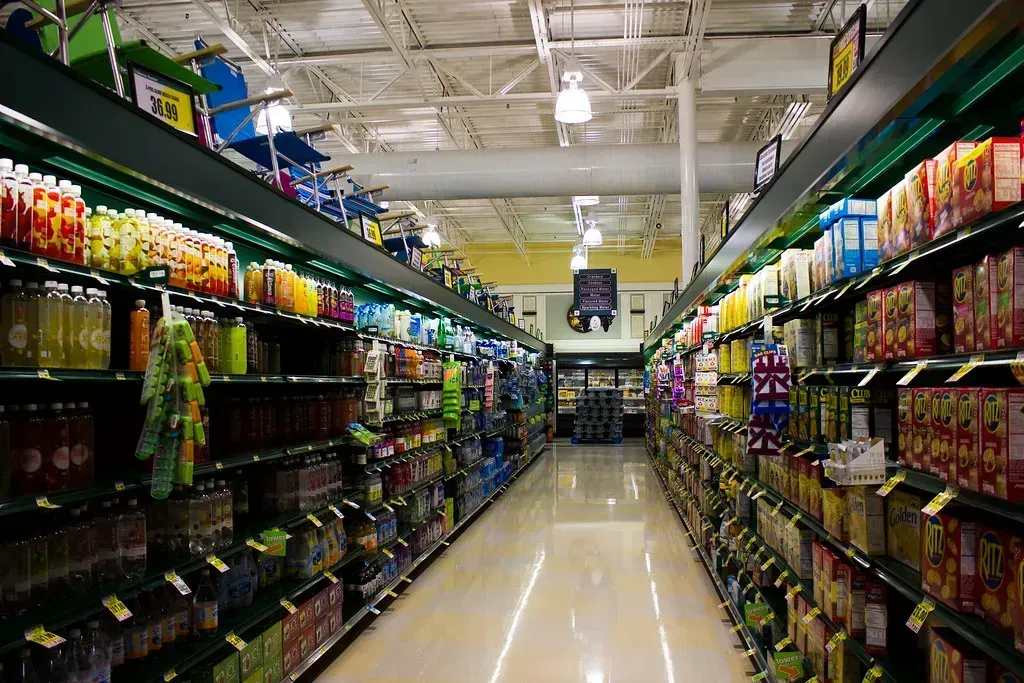
If there is one grocery trend that health experts keep circling back to, it's the explosion of ultra-processed foods, or UPFs. These aren't just the obvious junk food. Think packaged protein bars, flavored yogurts, instant soups, and frozen meals that look "healthy" but are filled with industrial additives, emulsifiers, and flavor enhancers rarely found in a home kitchen.
Ultra-processed food now accounts for nearly 60% of U.S. adults' calorie consumption. Among American children, that portion is close to 70%. Those numbers should honestly make you stop and think next time you're reaching for something "quick" at the store.
A 2024 review of 45 meta-analyses, covering nearly 10 million study participants, found "convincing" evidence that a diet high in ultra-processed foods increases the risk of death from cardiovascular disease by 50% and the risk of anxiety by 48%. It found "highly suggestive" evidence that greater consumption of these foods increases the risk of obesity by 55%, sleep disorders by 41%, and Type 2 diabetes by 40%.
A major three-paper series in The Lancet finds that ultra-processed foods are rapidly replacing fresh and minimally processed meals around the world, with evidence linking rising UPF intake to poorer diet quality and higher risks of multiple chronic diseases. The scale of this shift is difficult to overstate.
2. "High-Protein" Snack Foods With Ingredient Lists a Mile Long
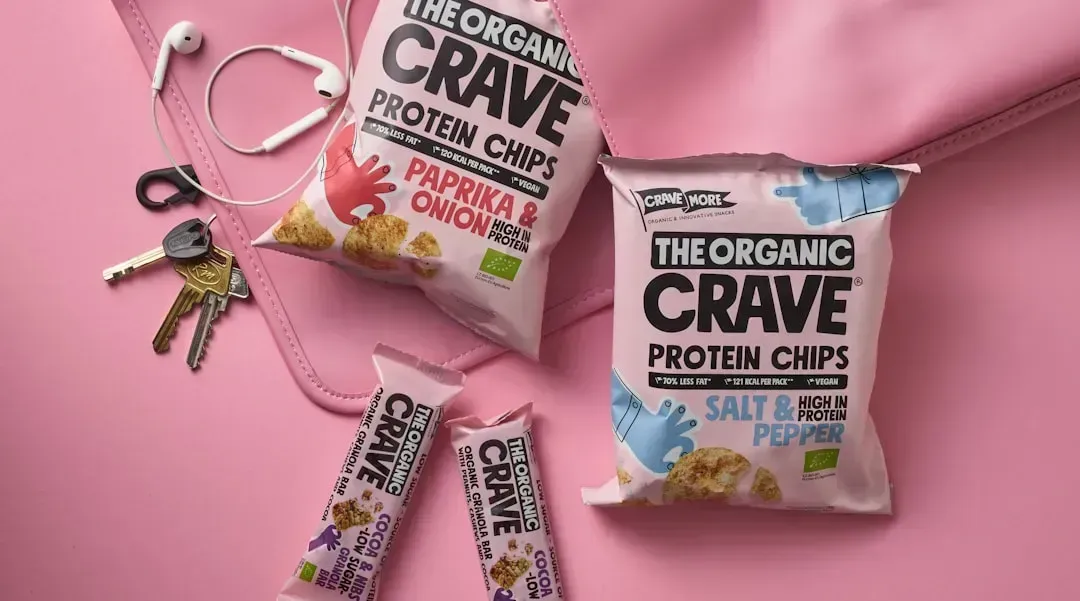
The protein obsession is real. A 2024 IFIC Food and Health Survey found that 71% of Americans are trying to consume more protein, an increase from 67% in 2023 and 59% in 2022. Food companies have heard that loud and clear, and they've responded with an avalanche of protein-forward snacks, bars, cereals, and drinks.
Here's the thing, though. Many of these products come with a hidden cost. Think of it like getting a ride to work but arriving covered in mud. You got there, sure, but at what price? High-protein diets have surged in popularity and were identified as the most commonly followed diet in the 2024 IFIC survey, widely recognized for their role in promoting satiety and supporting metabolic health. Still, the delivery vehicle matters enormously.
As a research dietitian at Stanford notes, the concern with many ultra-processed options is "not just about what's added to these foods; it's what's missing." They tend to be lower in fiber, micronutrients, and phytochemicals, naturally occurring compounds with potential health benefits. A protein bar with 25 grams of protein but 30 ingredients is not the same as a grilled chicken breast, full stop.
3. Plant-Based Meat Alternatives Loaded With Additives

Plant-based burgers, sausages, and nuggets have been flooding grocery shelves for years. Plant-based proteins have steadily been growing in popularity, with many people choosing plant proteins for health, environmental, and ethical reasons. Yet the reality of what's actually in many of these products is quietly worrying nutritionists.
While only about 44% of consumers at least occasionally choose plant-based alternatives, factors like taste dissatisfaction, price premiums, and concerns about ultra-processed ingredients may be impeding wider adoption. Those concerns are not unfounded.
As plant proteins start showing up in more places, it's important to keep in mind that there are many different kinds and they can vary significantly in nutritional quality. If you decide to add plant-based proteins to your diet in place of animal proteins, you need to understand these differences. Choosing a veggie burger that's stuffed with methylcellulose, sodium, and natural flavors is not automatically the health upgrade it's marketed as.
4. Added Sugars Hidden Across Grocery Categories
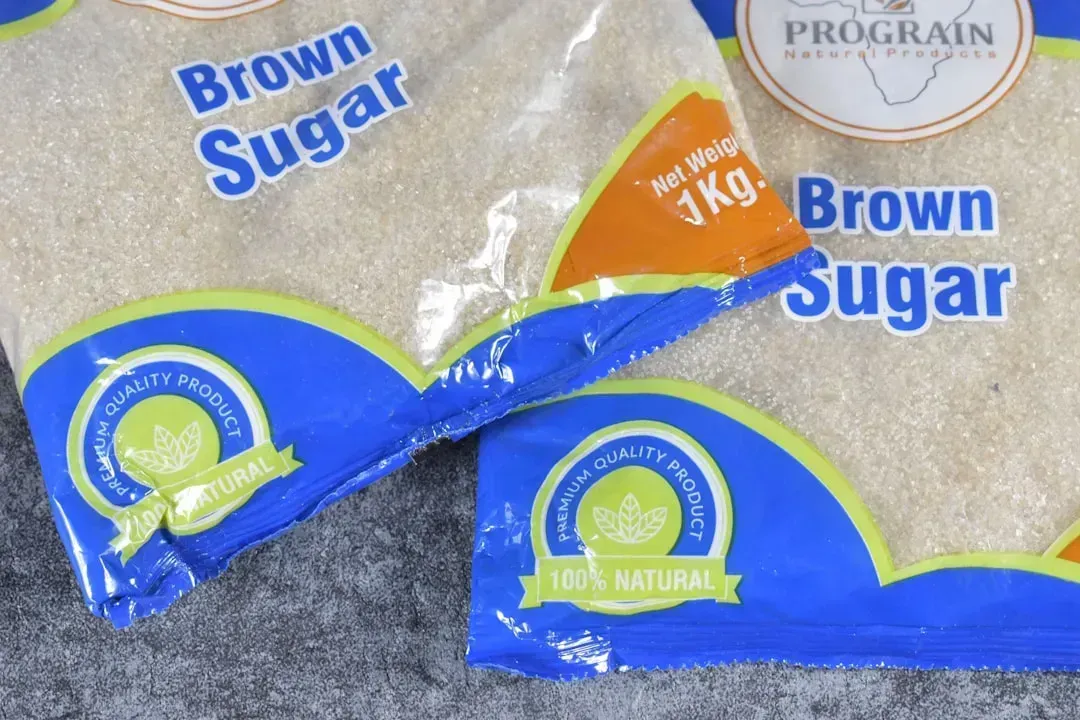
Sugar is not just in candy and soda anymore. It's in pasta sauce, salad dressing, granola, flavored oatmeal, and dozens of other products that wear a health halo. Sugary drinks are the leading source of added sugars in the American diet, and adults who often drink sugary drinks are more likely to experience health problems, including weight gain, obesity, type 2 diabetes, heart disease, cavities, and gout.
Three in four Americans are trying to limit or avoid sugars in their diet. Yet the hidden placement of added sugars in savory and "healthy" products makes that goal genuinely hard to achieve without carefully reading every label. It's like trying to avoid traffic while driving blindfolded.
Low-quality carbohydrate foods, including added sugars, artificial sweeteners, refined grains, and starches, account for more than 80% of total carbohydrates in U.S. diets. That statistic, pulled directly from the Scientific Foundation for the 2025-2030 Dietary Guidelines, is one that should genuinely rattle your next grocery run.
5. Artificial Sweeteners in "Diet" and "Zero Sugar" Products

People swapping regular soda for the "zero sugar" version feel like they're making a smart trade. It's completely understandable. The use of certain food ingredients, like added sugars, artificial sweeteners, and food colorings, has become a topic of concern because of the increasing rates of chronic illnesses such as diabetes and heart disease. Artificial sweeteners are often used as a sugar alternative that is lower in calories, but there are concerns about their possible effects on blood sugar levels, weight gain, gut health, and even cancer.
Many health professionals are especially cautious about artificial sweeteners, and recent studies have linked several of them to an increased risk of heart attack and stroke. That's a trade-off most "diet" product labels conveniently leave off the packaging.
The EU Food-Based Dietary Guidelines recommend reducing sweetener intake to prevent metabolic issues. A 2024 study from the Horizon 2020 SWEET project found that low- or no-calorie sweeteners provided modest weight loss maintenance benefits over one year, with no significant effects on glucose regulation or cardiometabolic markers. Modest benefits, a long list of uncertainties. Worth pausing over before you grab that next bottle.
6. Synthetic Dyes and Artificial Colors in Everyday Grocery Products

Walk down the cereal aisle, the candy section, or even the sports drink shelves, and synthetic colors are absolutely everywhere. The toxicity of food additives is widely studied and concerns many consumers worldwide. Synthetic food colors are often considered an unnecessary risk to consumer health.
In April 2025, U.S. federal agencies announced measures to phase out the use of petroleum-based colors in food, and the new administration also expressed concern about seed oils. That regulatory shift is not happening in a vacuum. It's a direct response to growing scientific alarm about what these dyes are doing inside the human body.
In 2025 alone, nine major food and beverage manufacturers announced plans to completely end use of synthetic colors and some additives. Conagra Brands announced it would remove synthetic colors from its U.S. frozen products by year end. Walmart announced it will eliminate synthetic dyes and dozens of other ingredients from its private brand by 2027. Hershey said it will remove synthetic dyes from its snacks by the end of 2027. The industry is moving, but slowly.
7. Dangerous Food Additives Still Legal in the U.S.

Many additives common in American grocery products have already been banned in Europe, China, India, and other nations. That regulatory gap is something nutritionists find deeply troubling. The amount of additives in the food supply has increased significantly over the decades, and many of them are known as harmful or likely harmful substances. Many food additives have been banned in the European Union and elsewhere due to health concerns, but they remain prevalent in U.S. foods.
Potassium bromate, mainly used in breads and other baked goods, is a suspected carcinogen that has been banned for human consumption in Europe, China, and India but is still used in the United States. That's the kind of detail most shoppers never notice while tossing a bag of rolls into their cart.
Propionate, a preservative used in baked goods and other products, may increase hormone levels associated with diabetes and obesity. Meanwhile, azodicarbonamide, a whitening agent and dough conditioner banned in Europe, India, and China, has been linked to cancer. Both are still widely found on U.S. store shelves in 2026.
8. "Gut Health" Products That Oversimplify a Complex Science
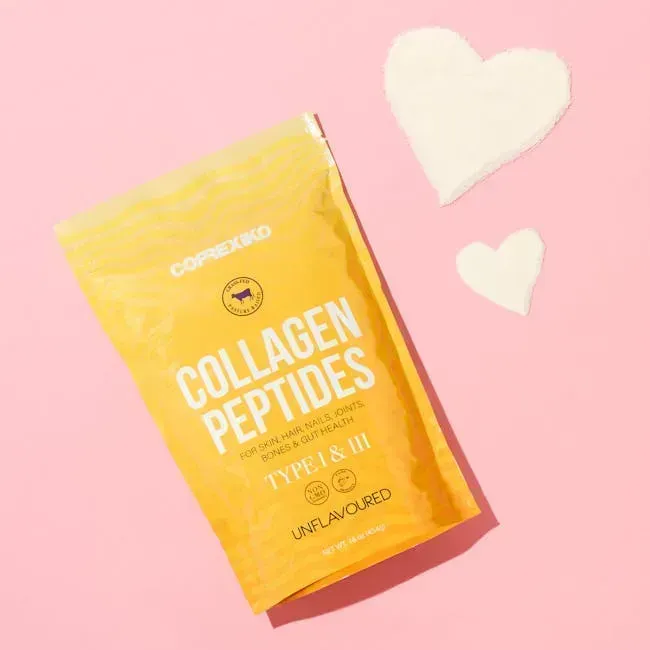
Gut health is everywhere right now. Probiotic drinks, prebiotic snack bars, fermented everything. In consumer trends research, Innova Market Insights asked consumers what health benefits they valued most, and gut health came out on top. Specifically, Gen X and Boomers are driving gut health as the most desirable approach for function and natural function.
The problem is that social media and aggressive marketing have turned a legitimate scientific field into a Wild West of unverified claims. Social media has a big impact on consumers and can drive foods going viral, and this often has nothing to do with what is on the package. One example is matcha, which has been linked on social media to cognitive health and gut microbiome changes. Real gut health science is nuanced. Shelf-stable "probiotic" gummies, not so much.
Cellulose gum, a thickening agent used in many products including ice cream and salad dressings, has been found to disrupt the gut microbiome and cause intestinal inflammatory problems. Polysorbates, emulsifiers used in many food products, have also been linked to gut microbiome disruption and gut inflammation. These additives often appear in the same "gut-friendly" products consumers trust most. That's genuinely ironic.
9. Sugar-Sweetened Beverages Still Dominating Store Shelves
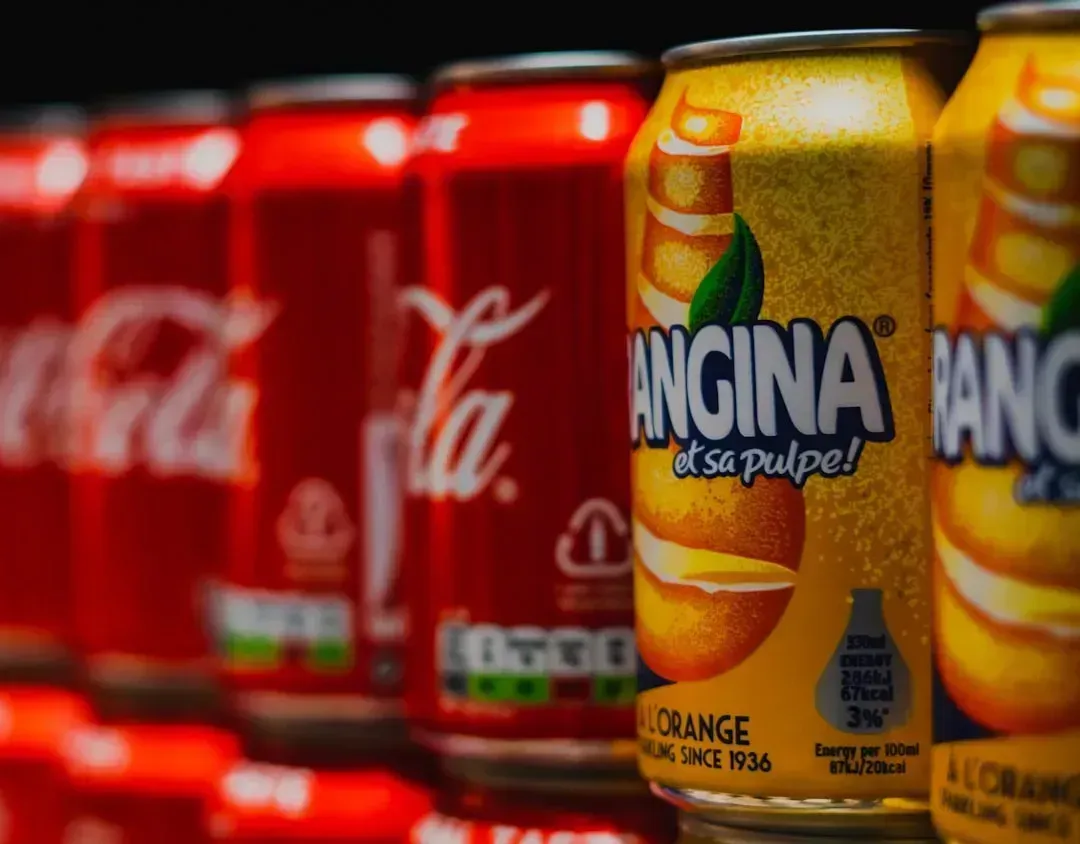
Despite years of public health warnings, sugar-sweetened beverages remain one of the most purchased grocery items in America. They look refreshing, they're aggressively marketed, and they're priced to move. There is a well-established association between the consumption of all sugar-sweetened beverages and obesity, diabetes, and other metabolic diseases. Due to their liquid form, they are rapidly absorbed and go almost unrecognized by the body's satiety signals, thus promoting excess energy intake, fat storage, and ultimately weight gain.
Consuming even one sugar-sweetened beverage per day was associated with a 10% increased risk for all-cause mortality, a 14% increase for cardiovascular disease, and approximately a 20% increase for type 2 diabetes. One drink per day. That's not a rare or extreme habit. That's millions of people every single morning.
The regulatory response is slowly catching up. The 2025 Surgeon General's Advisory delivered a strong message about the significant health risks associated with drinking alcohol, and similarly, public health bodies are calling for updated warning labels on beverages to include specific disease risks, aiming to educate consumers and shift perceptions. But in the meantime, colorful, sweetened drinks are still taking up entire grocery aisles with little visible consequence for manufacturers.
10. Misleading "Health" Labeling on Grocery Products
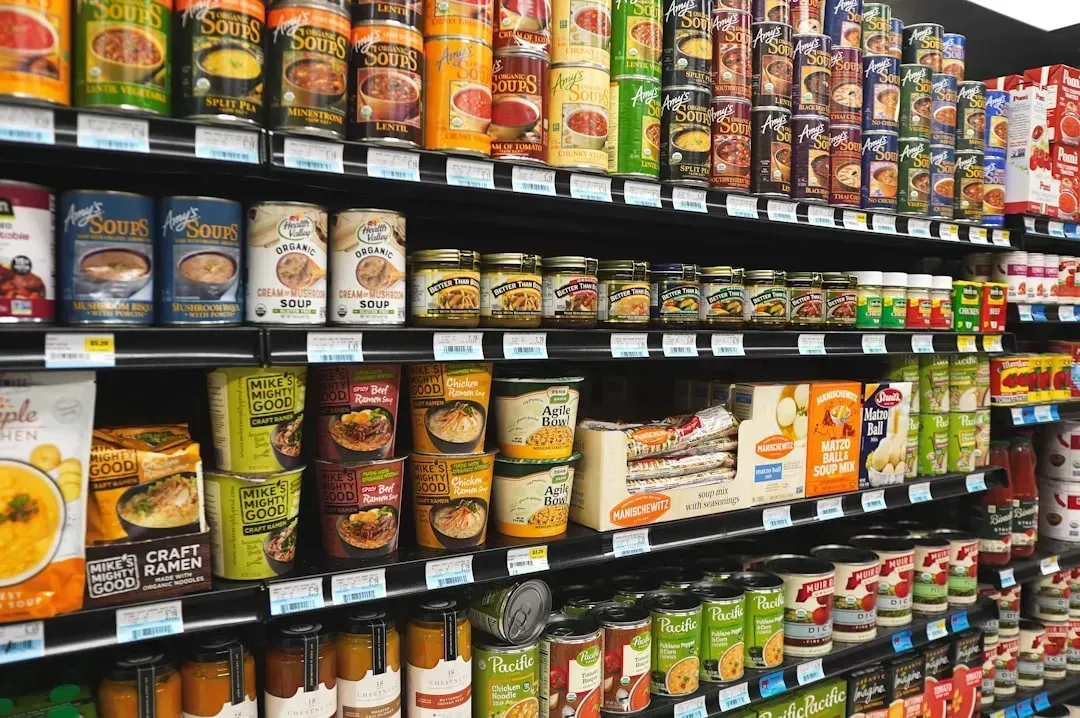
Perhaps the most broadly unsettling grocery trend is not a single ingredient or product category. It's the systematic deception baked into how "healthy" is defined on packaging. Terms like "natural," "clean," "wholesome," and even "gut-friendly" are used loosely, inconsistently, and sometimes cynically. As the term "regenerative" gains popularity, concerns about greenwashing have arisen. Some brands label their products as regenerative without fully adopting sustainable practices.
Despite inflation concerns, many consumers remain committed to health-focused products, with nearly a third willing to pay more for products meeting their dietary needs. However, there's a clear income divide - the vast majority of high-income households prioritize healthfulness in purchasing decisions compared to roughly half of low-income households. That means deceptive health marketing disproportionately affects those with the least ability to scrutinize labels.
There was also a significant uptick in food recalls in 2024, which continued in 2025 due to enhanced control measures. According to FDA data, Class 1 recalls increased to 1,071 in 2024 from 592 in 2023 in the food and cosmetics category. Behind the glossy packaging and wellness language, the food system clearly still has serious transparency problems to solve.




Leave a Reply