
When you pour your morning coffee or sip a cold glass of orange juice, the last thing on your mind is that these drinks might one day simply not exist anymore. It sounds extreme. Dramatic, even. Yet a growing body of scientific research from leading climate institutions around the world is painting a picture that is hard to ignore.
Climate change is not just melting glaciers or raising sea levels. It is reaching deep into the fields, valleys, and mountain slopes where the raw ingredients of our most beloved drinks are grown. Honestly, when I first looked into this, I was genuinely shocked by how specific the projections had become. The data is no longer vague or distant. It is timestamped, mapped, and uncomfortably close.
So here is what the research actually says, drink by drink.
1. Arabica Coffee: The Star That Could Go Dark
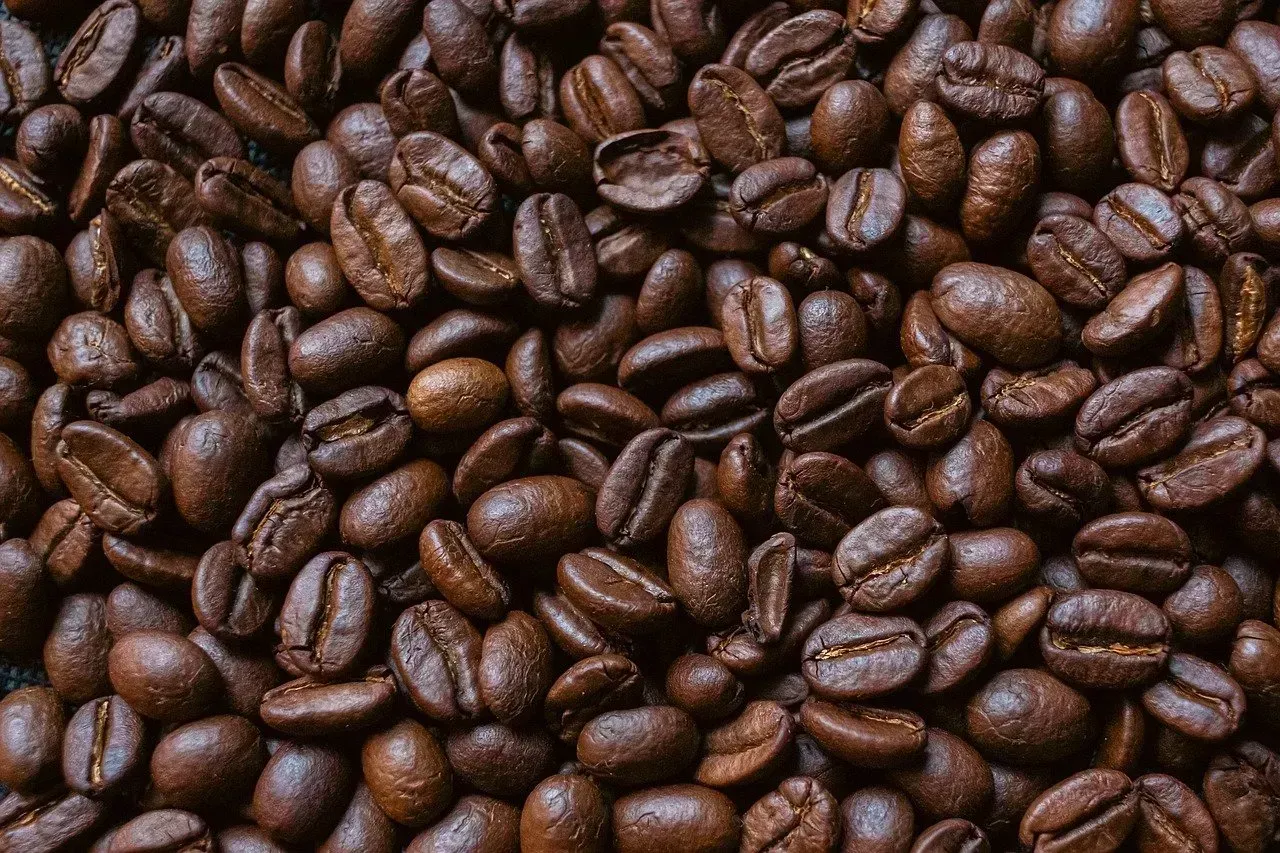
Of the 124 known coffee species, 75 - roughly three fifths - are under threat of extinction, including Arabica, one of the two main species grown and consumed globally alongside Robusta. That is not a fringe claim from an alarmist blog. That is peer-reviewed science.
Coffee is one of the most vulnerable crops to climate change, with as much as half of the current viable growing regions potentially becoming non-viable by 2050. In Brazil alone, the world's top producer and exporter of Arabica, the worst drought in 70 years reduced yields in early 2025 by as much as roughly one tenth.
The biggest losers under future climate projections will be producers in hotter areas with long dry seasons, such as parts of Brazil, India, and Central America, where almost four fifths of current coffee areas could become unsuitable. In a worst-case scenario, earlier research found Arabica could actually be extinct by 2080.
2. Traditional Wine: A Bottle Half Empty
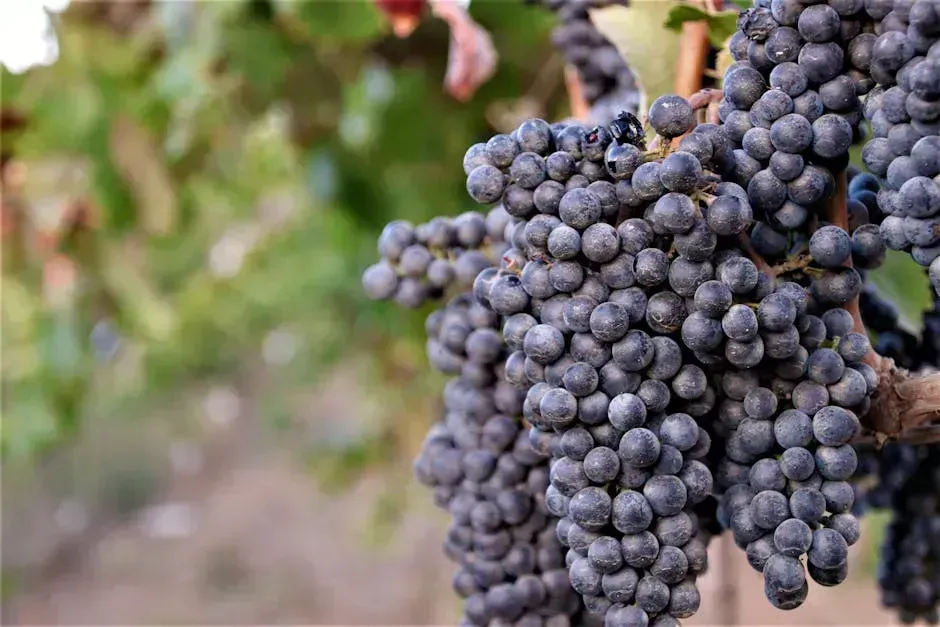
Here's the thing about wine - it is deeply tied to place. Bordeaux tastes like Bordeaux because of Bordeaux's soil, climate, and geography. Take away any of those, and you lose the wine itself.
About nine tenths of traditional wine regions in coastal and lowland regions of Spain, Italy, Greece and southern California could be at risk of disappearing by the end of the century because of excessive drought and more frequent heatwaves. Seventy percent of the world's winemaking regions could become unsuitable for growing wine grapes if global temperatures exceed 2°C above the pre-industrial average.
Last year, Bordeaux recorded its lowest wine production since 1991 - just 3.3 million hectolitres, down from 3.8 million the year before - as frost and mildew wrecked crops. Overall, the suitable surface area of traditional wine-producing regions is expected to decline by somewhere between a fifth and two thirds by the end of the century, depending on the severity of the warming scenario.
3. Tea: The World's Second Most Popular Drink Is in Trouble
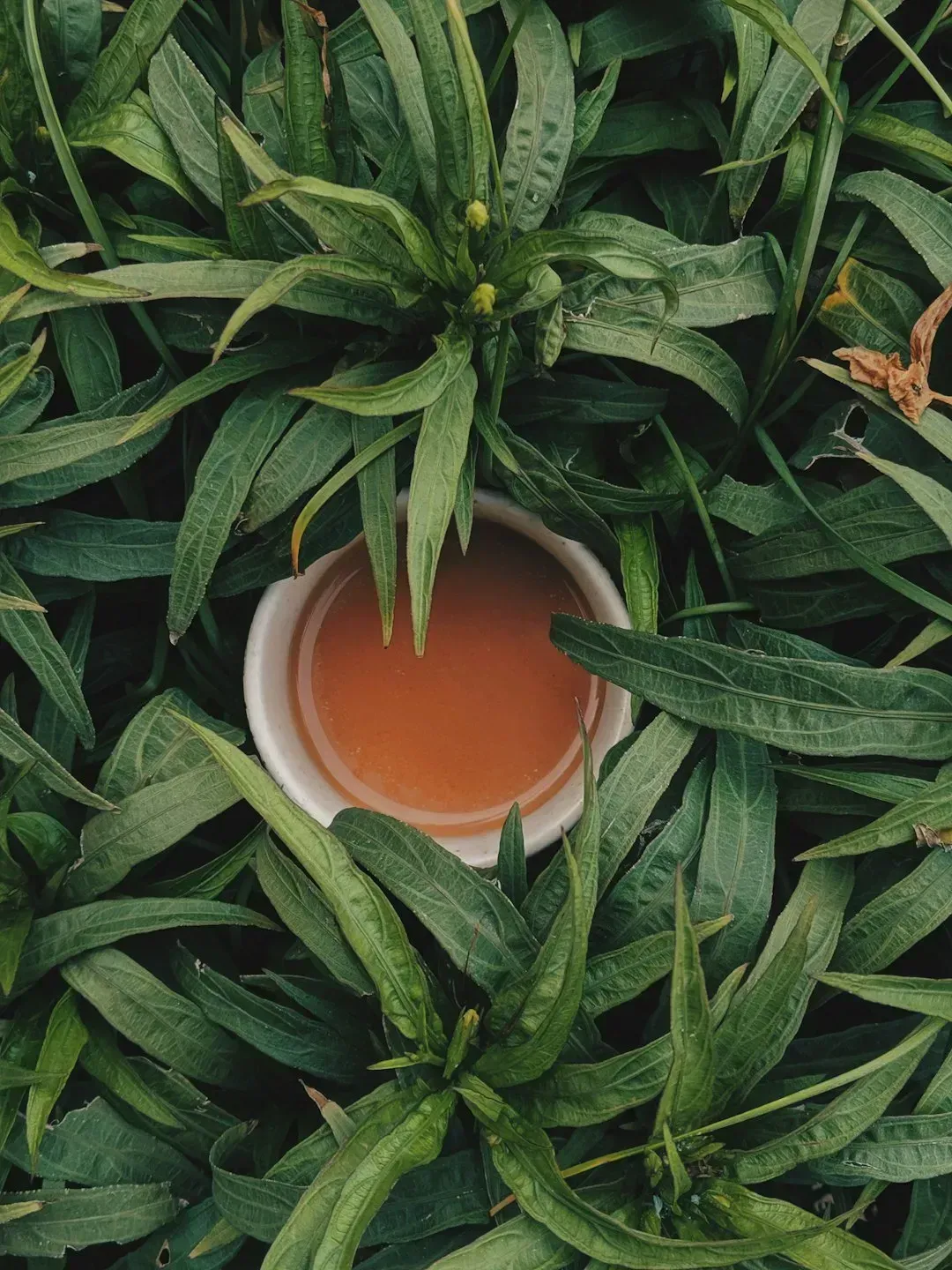
Tea is quietly one of the most consumed beverages on Earth. It is the world's second-most consumed drink after water, grown in more than 60 countries, with most production today coming from China, India, Sri Lanka and Kenya. Let that sink in - and then consider what climate change is doing to those exact four countries.
A report by the Ethical Tea Partnership indicates that by 2050 the optimal suitability of tea growing regions in Kenya, Sri Lanka and China will be reduced by 26.2%, 14%, and 4.7%, respectively, and by 2070 suitability in Sri Lanka will decline by nearly 30%. India's tea production took a significant hit in 2024, falling 7.8% from the previous year to 1,284.78 million kg.
The UN Food and Agriculture Organization projects that climate change will impact roughly a third of tea-growing areas by 2050. Some tea-producing countries such as Argentina, Malawi and Tanzania are projected to experience a reduction of between three fifths and nearly four fifths of their highly suitable area for tea by 2050.
4. Orange Juice: Florida's Liquid Gold Is Running Dry

I know it sounds extreme, but orange juice as we know it might be one of the most immediately threatened drinks on this list. In the US, orange juice prices have been soaring thanks to a bacterial disease and climate-change-induced extreme weather. In 2022, Florida - home to roughly nine tenths of the country's orange juice supplies - was hit by Hurricane Ian, Hurricane Nicole and freezing conditions one after the other, decimating orange yields in the state.
One grower association stated that at the industry's height, they were producing around 244 million boxes of oranges, but that season ended with just under 16 million boxes. That is not a gradual decline. That is near collapse.
Florida's citrus crisis is one of the most vivid, real-time examples of how quickly a beloved drink can unravel. Combine ongoing disease pressure with increasingly volatile weather patterns, and the future of classic orange juice looks genuinely uncertain. It's hard to say for sure if it disappears entirely, but the trajectory is deeply worrying.
5. Champagne and Sparkling Wines: The Bubble May Burst

Champagne is one of the most geographically specific drinks in the world. It can only legally be called Champagne if it comes from the Champagne region of France. That specificity is precisely what makes it so vulnerable.
France's famed Chablis region saw losses of up to nearly two thirds in 2023, with late frosts, hail and mildew decimating crops. Changes are already being seen: harvesting in most vineyards now begins two to three weeks earlier than it did 40 years ago, with significant effects on grapes and the resulting styles of wines.
Temperature increases can change how a wine tastes if grapes lose acidity, increase wine alcohol content, and modify aromatic signatures. That shift in flavor profile matters enormously for a product whose entire identity is built on consistency and place. In more severe warming scenarios, most Mediterranean regions risk becoming unsuitable for wine production, and the only solution to retain vineyards below 45° North would be to relocate to higher altitudes.
6. Hot Cocoa and Chocolate Drinks: A Sweet Drink Under Siege

Let's be real - hot cocoa is a comfort drink for millions of people around the world. Yet the cocoa tree itself is one of the most climate-sensitive plants on the planet.
In 2021, scientists warned that cocoa trees are seriously threatened, and as many as a third of them could die out by 2050, which could lead to a global chocolate shortage. A study found that tropical crops like cocoa, watermelon, mango and coffee may also be at risk due to the loss of insect pollinators.
Cocoa thrives in a very narrow band around the equator, requiring specific rainfall, humidity, and temperature. As those conditions shift, the belt of viable cocoa growing land shrinks. Large portions of important coffee and cocoa-producing nations, including Brazil, Vietnam, Honduras, and India, are projected to become unsuitable for these crops under climate change scenarios.
7. Darjeeling Tea: A Taste That May Never Come Back
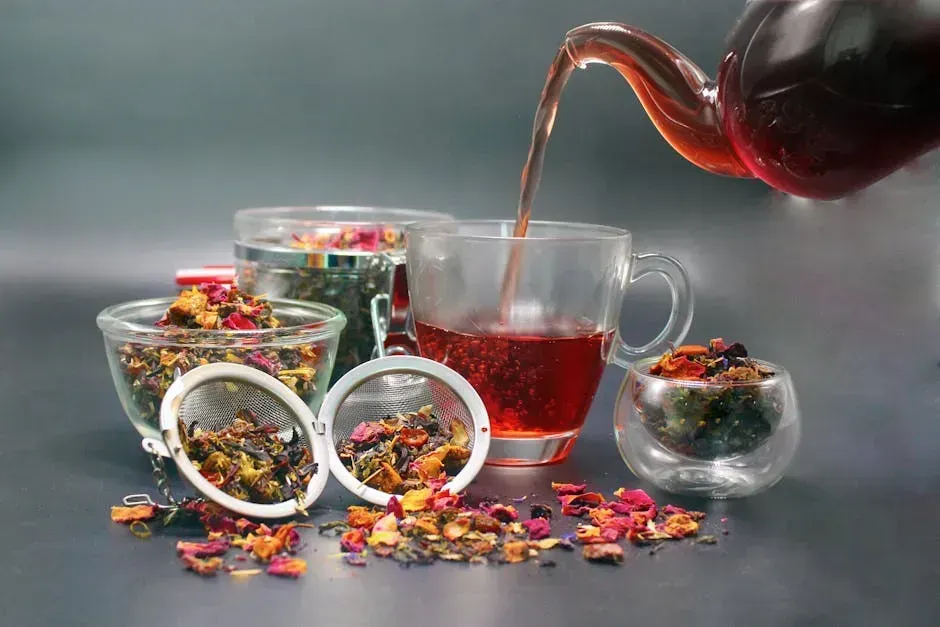
Darjeeling is to tea what Champagne is to sparkling wine. It is a specific, irreplaceable taste tied to a specific place high in the Himalayan foothills of India. Think of it as geography in a cup.
Assam, which makes up over half of India's total tea output, saw its production fall from 688.33 million kg to 649.84 million kg in 2024. Heatwaves and floods during peak harvesting seasons caused this decline. Darjeeling sits above Assam in altitude, but faces compounding pressure from shifting monsoon patterns and unpredictable frost events.
Studies show that climate suitability at lower elevations will be lost to a greater extent, shifting tea cultivation to higher elevations. Research has demonstrated that the optimum tea production zones are predicted to move towards high altitudes, while there will be declining climate suitability in existing tea-growing areas. At some point, there may simply not be enough suitable elevation left to grow it at all.
8. Bordeaux-Style Red Wines: An Icon Under Pressure

Bordeaux is arguably the most famous wine in the world. Its Merlots and Cabernet Sauvignons carry centuries of culture, tradition, and identity. The idea that they could one day become a rarity feels almost unthinkable.
Spain, France, Italy and Germany collectively account for half of global wine production. Europe has seen the greatest increases in heat extremes during the growing season, while North America has experienced comparatively smaller temperature rises.
If the climate challenge is not addressed, Cabernet Sauvignon, once exclusive to southern Europe, may thrive in central and northern regions by 2100. That shift might sound like adaptation, but it also means the original Bordeaux-style wines as we know them today simply won't taste the same. Diversifying can be especially complicated if a region's value in the wine market is tied to a particular kind of grape or flavor. Germany, for example, which is known for crisp white Riesling grapes, could struggle to grow its primary varietal.
9. Kenyan Black Tea: East Africa's Export Pride at Risk

Kenya produces some of the most distinctive black tea in the world, prized for its bright, brisk flavor. It is also one of the country's biggest economic lifelines. The threat here is not just culinary. It is economic survival.
Kenya, one of the leading exporters of black tea, could lose up to roughly a quarter of its optimal tea-growing zones, with average suitability dropping by as much as nearly two fifths. Droughts in Kenya alone can already decrease tea yields by up to 30%.
About 9 million smallholders currently produce nearly three fifths of global tea and are already facing severe challenges. For these farmers, climate change is not a future crisis. It is happening now, season by season. Climate change brings unpredictable rainfall, landslides, more severe droughts, increasing numbers of pests, and shrinking areas for production - and these are not future impacts; they are already being felt today.
10. Classic Riesling and German White Wines: A Cool-Climate Crop Losing Its Cool

Germany's Riesling is one of the most elegant white wines in the world, famous precisely because it is grown on the edge of what is climatically possible for grapes. That razor-thin margin is its genius. It is also its greatest vulnerability.
A major global study led by UBC researchers reveals that temperatures during the growing season have increased globally across the major wine regions, with regions having warmed by the equivalent of almost 100 extra growing degree days on average. For a grape that thrives on cool precision, that is enormous.
Warmer temperatures are shifting the regions suitable for wine growing toward the poles, while traditional regions are yielding grapes that ripen faster and have higher sugar levels, which alters the taste of the wine. Seventy percent of wine growing regions will be at substantial risk from climate change if we pass 2°C of warming. Riesling, grown at its northern limits in Germany's Rhine and Mosel valleys, may simply run out of the cool nights it needs to develop its signature acidity and mineral complexity.

Leave a Reply