
It started as a curious experiment. I fed an AI tool a pile of recent agricultural reports, climate data, and supply chain research from 2024 and 2025, and asked it a simple question: which foods that people order every day at restaurants could realistically vanish from menus by 2030? The answer wasn't just eye-opening - it was backed by real, verifiable evidence that most diners have no idea about. From beloved brunch staples to seafood classics, the pressures building behind the scenes of the global food system are far more serious than most menus let on. Here is what the data actually says.
1. Avocado Toast - The Brunch Icon Under Threat

The rapidly expanding demand for avocado production places significant strain on agricultural communities and associated ecosystems. As temperature increases and water scarcity worsen, the avocado - a high-water demanding crop - faces declining yields and increased tree mortality. The math is brutal: Mexico is the largest exporter, supplying nearly 45% of the world's avocados, and yet drought and high temperatures partly tied to El Niño constrained supply in the major exporting countries of Mexico and Peru. Restaurants are already feeling the squeeze, with one food industry analyst warning that "people are gonna start taking avocado toast off their menu, or raising the price considerably."
A report predicts that the worsening climate crisis could cause a 14 to 41 percent decline in the areas used for growing avocados by 2050. Even before that horizon, the situation has already hit restaurant menus directly. From avocado toast to guacamole, many businesses rely on avocados as menu staples. The shortage has forced restaurants to either raise prices or remove these items altogether. A staggering 320 liters of water are gulped down to cultivate just one avocado, exposing the crop's deep vulnerability in an era of accelerating drought cycles.
2. Chocolate Desserts - A Sweet Treat Heading Toward Luxury Status

Cocoa prices - which have typically held between $1,000 and $3,000 per tonne - rocketed to a 50-year high of almost $13,000 as climate change, disease, and aging trees resulted in mass crop failure across Ghana and Ivory Coast, where most of the world's cocoa is grown. Harvard researchers have found a clear culprit: 68% of year-to-year variation in Ghanaian cocoa yields could be explained by wet-season excessive rainfall and dry-season drought, a remarkably high figure for any agricultural system. In Côte d'Ivoire and Ghana - where 60% of the world's cocoa is produced - months of unseasonably dry weather saw global cocoa production fall by 14% in the 2023-24 growing period, causing major brands to warn of unprecedented cost inflation.
The consequences for restaurant menus have already arrived. For consumers, the effects were immediate. Prices rose sharply, bars tasted different, and boxes shrank, while seasonal chocolates edged closer to luxury items. In the UK, it was reported that household brands such as Nestlé and Pladis plummeted below legal thresholds that forced them to drop the word "chocolate" from packaging altogether. The ultimate risk, for everyone from farmers to consumers, is that unless something major changes, real chocolate could become the preserve for royalty, once again.
3. Coffee Drinks - Your Daily Cup Is Being Repriced Out of Reach
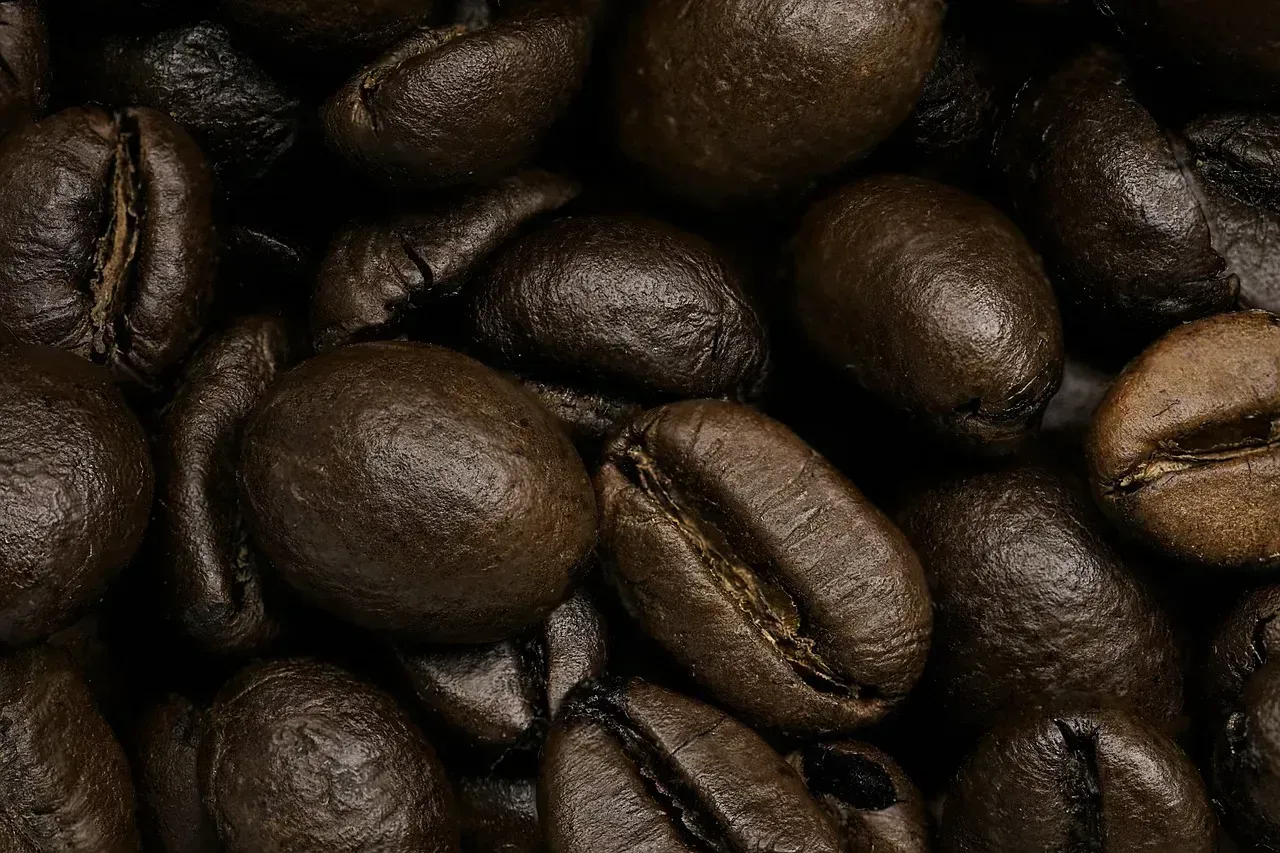
In Brazil, which supplies one-third of U.S. coffee, a 2023-2024 drought led to a 55% increase in the global market price of coffee in August 2024 compared to a year prior. The situation escalated dramatically into 2025. Arabica coffee prices surged by over 70%, reaching their highest levels in decades. Robusta beans also saw significant price hikes, doubling in cost over the past year. One Barchart analyst noted in early 2025 that "Arabica coffee prices are surging on lingering supply concerns, with 2025/26 production estimates slashed by 11 million bags due to severe drought in Brazil. Global deficits are projected to widen, marking the fifth consecutive year of shortages, keeping prices elevated and volatile."
The longer-term structural risk is even more alarming for café menus. Climate and agriculture experts have hinted that land suitable for growing coffee could be halved by 2050. As part of the Fairtrade FairVoice project, a study of coffee farmers in Kenya showed that more than 90 percent of farmers are experiencing the effects of climate change on their farm, according to Fairtrade Foundation CEO Michael Gidney. Climate risks could lead to price volatility, supply shortages, and increased pressure on margins. Premium products, such as specialty coffees, could become even more exclusive, reshaping consumer expectations and market dynamics.
4. Orange Juice and Citrus Dishes - Florida's Collapse Is Real
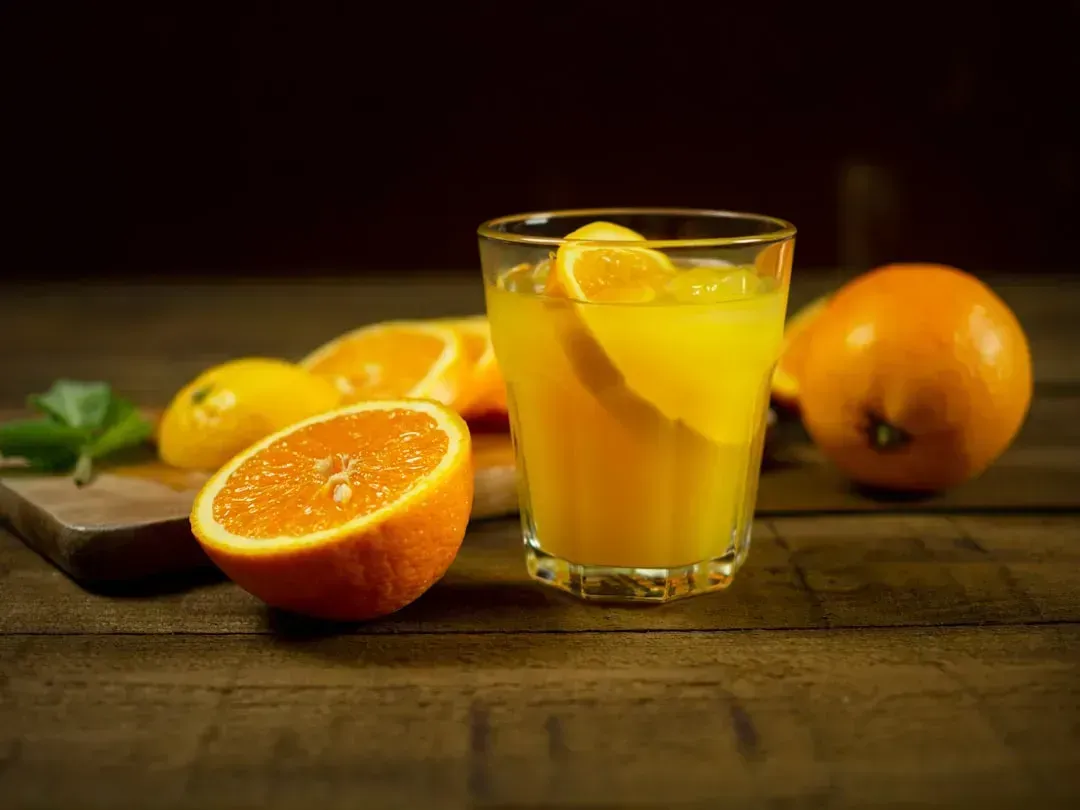
In Florida, orange yields fell dramatically during the 2022-2023 harvest, partly due to Hurricane Ian, which made landfall in September 2022 and devastated the state's orange crop with heavy wind and rain. Citrus greening disease, which is spread by an invasive insect, has also been damaging citrus crops. The problem has compounded steadily. Florida oranges have also been growing less sweet thanks to citrus greening disease. That made a portion of the Florida crop ineligible for processing into juice thanks to an FDA standard of identity that requires a higher sugar content level. The FDA proposed lowering its standard in 2025 to allow more oranges to be processed, but the underlying biological threat has not been solved.
Climate change is damaging essential crops, including corn, wheat, rice, and potatoes. Added to that, luxury commodities such as cocoa, coffee, and sugar are also under threat. Citrus falls squarely into this broader collapse pattern. Extreme events fueled by climate change can damage crops, reduce yields, and disrupt supply chains - all of which can drive food prices higher. For restaurants that rely on freshly squeezed orange juice as a brunch staple, the combination of disease, weather destruction, and regulatory friction is making this once-standard menu item a genuine rarity in more places each year.
5. Salmon and Popular Seafood Dishes - Warming Oceans Are Shrinking the Menu
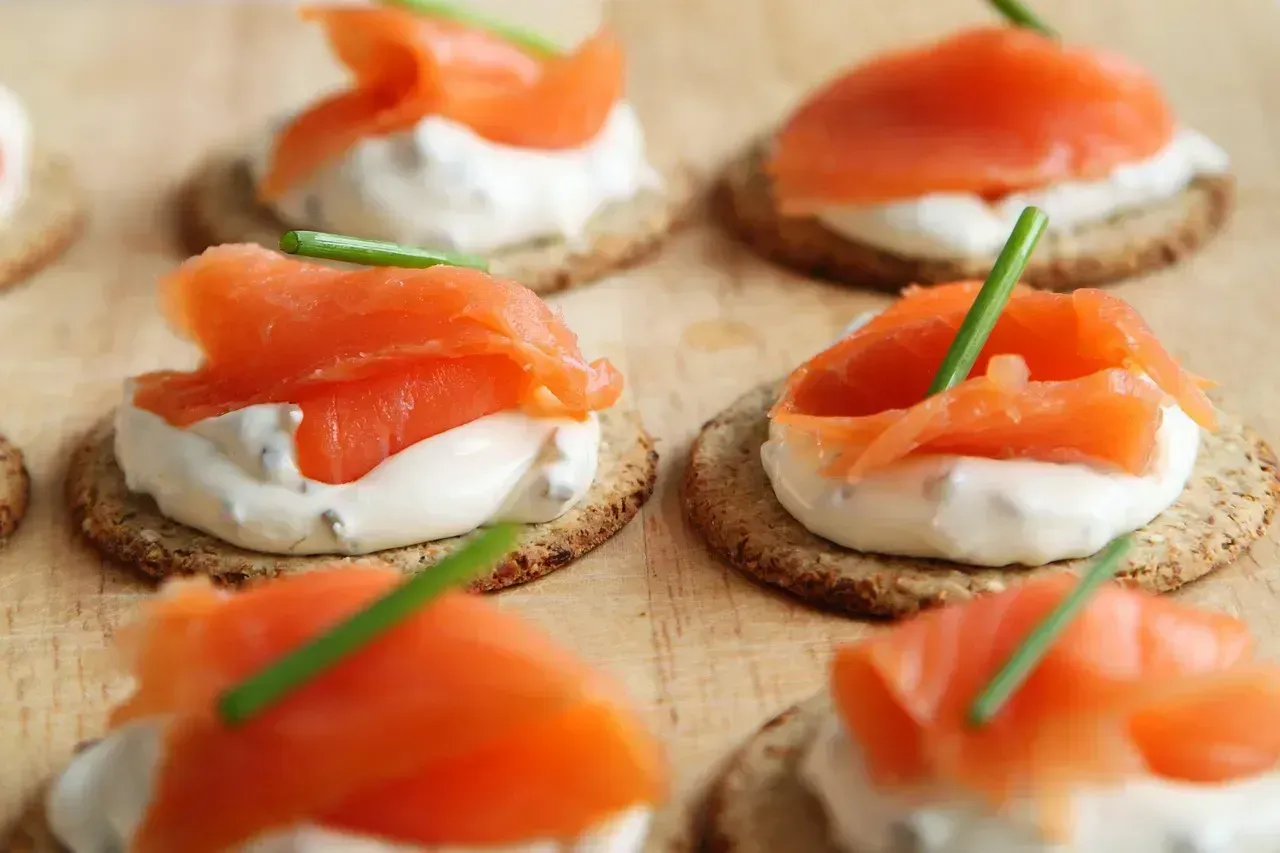
Climate change is a huge driver of declining fish populations. Increases in temperature and acidification have led to losses in habitat. Warming waters all across the globe are disrupting the natural life cycles of all sea life. The scale of the problem is staggering: almost 90% of the world's fisheries are either fully exploited or overexploited, and in recent years, demand for wild-caught fish has seen twice the available supply. A study published in March 2026 by Inside Climate News warned that "if people try to compensate for smaller fish and less revenue per fish by harvesting more fish, then the problem worsens quickly," with the net effect being "less protein available."
Seafood supply chains are particularly sensitive to external shocks. Climate change, extreme weather events, geopolitical tensions, fluctuating fuel prices, and labor shortages can all disrupt production and transportation. In the U.S. specifically, regulatory pressure is adding further strain: the cod quota for 2026 has been reduced by 21%, and a ban on Russian seafood imports has tightened supply across multiple species. McKinsey's analysis pinpoints five popular species - shrimp, tilapia, tunas, salmonids, and lobster - as prime candidates for substitution by alternative seafoods, signaling that the restaurant industry is quietly preparing for a world with far less wild-caught fish on the menu.
6. Beef Dishes - The Cattle Crisis Quietly Thinning Restaurant Menus
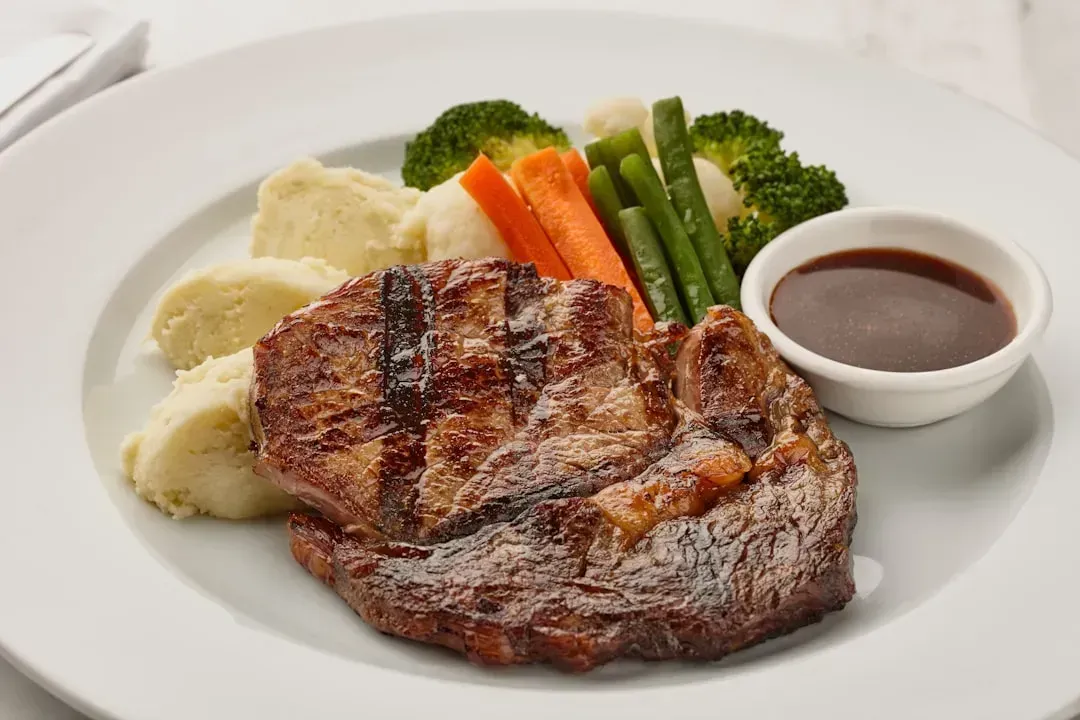
There has been a cattle shortage for a while, and 2026 could be the lowest year yet. The USDA's January cattle report put total numbers at about 86.2 million head, which is a little lower than 2025's numbers. The structural reasons behind this shortage are layered. This is mainly because of fears that weather and economic issues that originally reduced herd sizes could strike again. Mexican herds are also dealing with a screwworm infection that has halted imports of those cattle into the U.S., making it more difficult for ranchers to increase herd size through purchasing. The knock-on effect for restaurant operators is direct: many ranchers are keeping female cattle for breeding, so beef production will likely be lower for another couple of years. Yet other ranchers are selling cattle quickly instead of breeding them, so their herds continue to shrink. What that means is that beef prices will rise, and you could see less beef at the store.
Over the last few years, crop failures and food shortages have been much more frequent and visible all around the world due to an increase in floods, droughts, heatwaves, hurricanes, and storms - all of which disrupt global agricultural systems and farmers' ability to grow crops consistently. Beef sits at the end of a long, fragile supply chain that is exposed to every link in that disruption. Climate change is likely to diminish continued progress on global food security through production disruptions that lead to local availability limitations and price increases, interrupted transport conduits, and diminished food safety, among other causes. For budget-conscious restaurants, the days of cheap steak specials and beef-heavy menus may already be numbered.




Leave a Reply