
Everyone told me it would be a dream. A city packed with Michelin-starred restaurants, artisan coffee roasters, buzzing farmers' markets, and neighborhoods that practically smelled like slow-braised short ribs on a Sunday morning. I believed it. I packed my bags, signed a lease, and dove headfirst into what I thought would be a life lived deliciously.
Honestly? It wasn't what I expected. Not even close. Here is everything nobody warned me about before I moved to a foodie city - and every reason I eventually packed those bags again and left.
1. Eating Out Became Brutally Expensive
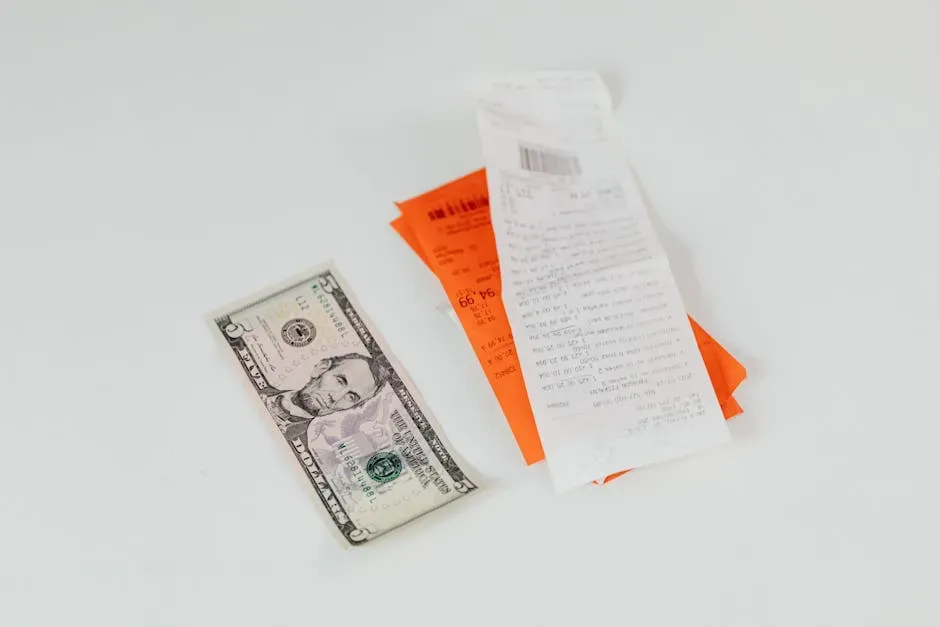
Let's be real, dining out in a high-profile foodie city is not cheap. Full-service restaurants in major cities now see average checks exceeding $45 per person, and in cities like New York and San Francisco, a three-course meal for two at a mid-level restaurant can easily cross $150 - territory once reserved for fine dining. That's a Tuesday night dinner, not a special anniversary.
Average menu prices increased roughly a third between February 2020 and April 2025, according to data from the Bureau of Labor Statistics. You feel every single percentage point of that when you're trying to explore your neighborhood's restaurant scene three nights a week.
Since 2019, food and labor costs have each gone up more than a third at the average U.S. restaurant. The places I loved most - independent spots run by passionate chefs - were the ones raising prices the fastest just to survive. There was a particular irony in loving a food city so much that you could no longer actually afford to eat in it.
2. The Gap Between Restaurants and Grocery Stores Was Staggering
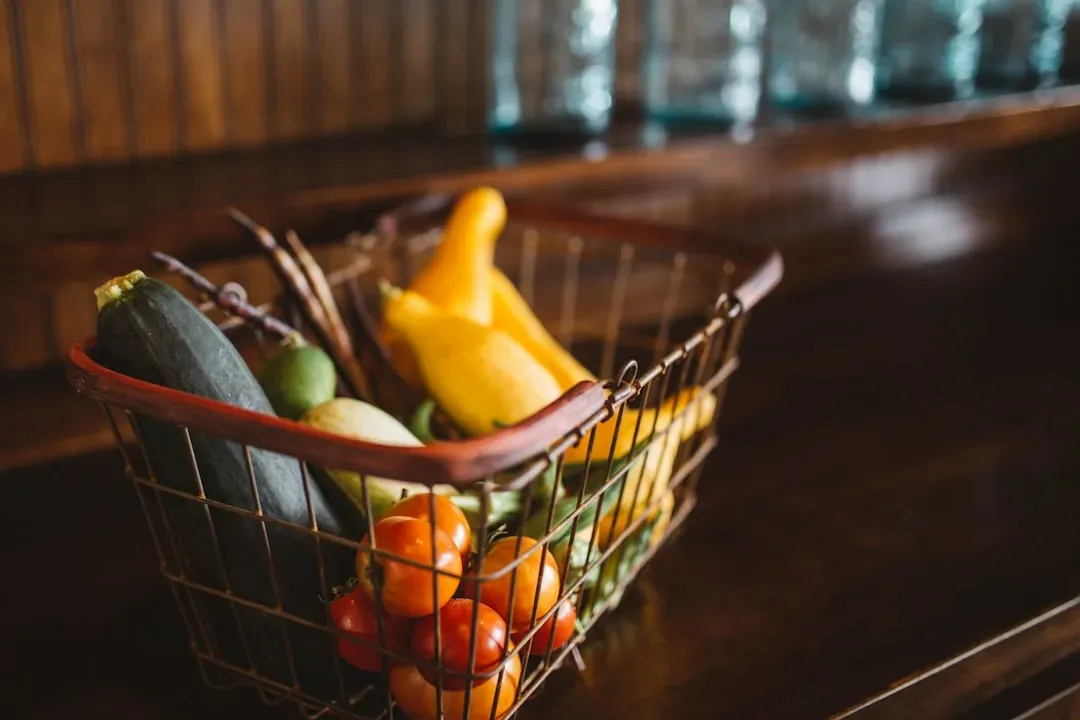
According to a study by Kalinowski Equity Research, the difference between restaurant and grocery price inflation in August 2024 increased by 310 basis points - a massive jump compared to the historical gap of just 60 basis points. That gap was five times wider than the long-term average. Think about that for a second.
On average, preparing a meal at home costs about $4 to $6 per person, while eating out at a restaurant can run $15 to $20 or more - a price difference of at least $10 per meal. This gap is only getting bigger. Living in a city that brands itself around restaurant culture means you feel social pressure to eat out constantly. Cooking at home feels almost like an act of rebellion.
A poll by Vericast found that roughly two-thirds of respondents consider dining out at a restaurant too expensive, with a similar proportion switching to home-cooked meals to avoid rising costs. I was clearly not alone in feeling the pinch. The food culture was glamorous. My bank account was not.
3. Foodie Culture Created a Two-Tiered City
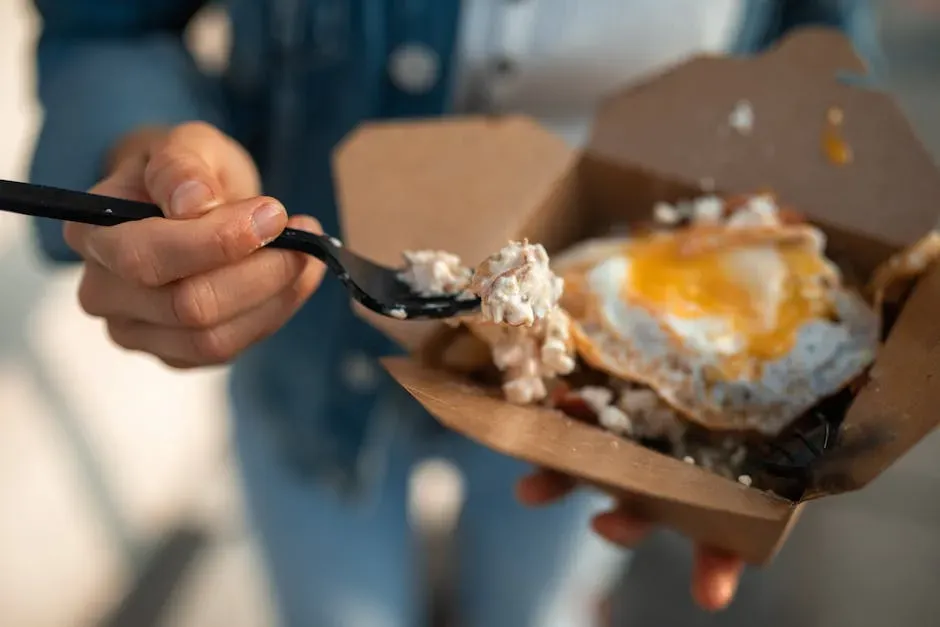
Here's the thing nobody puts in the glossy travel magazines. Microbreweries, fair trade coffee shops, artisanal food trucks, and other hallmarks of foodie culture often serve as gentrification's leading edge by signaling that a community is ripe for investment. Gentrification also changes what food retailers exist in the local environment, sometimes creating "food mirages" - where high-quality food is priced out of reach of longtime residents.
While foodie pursuits may enhance the vibrancy and perceived diversity of urban foodscapes, they also contribute to cultural alienation, social exclusion, and physical displacement. I watched it happen block by block. First came the cold brew café. Then the $18 avocado toast spot. Then the longtime residents simply disappeared.
Food, housing, and retail gentrification are closely intertwined, especially in places that develop a national reputation for "foodie" culture - praised in publications like the New York Times, Bon Appetit, and Southern Living. Being featured on a "must-eat" listicle is basically a signal flare for developers.
4. The Housing Costs Were Insane
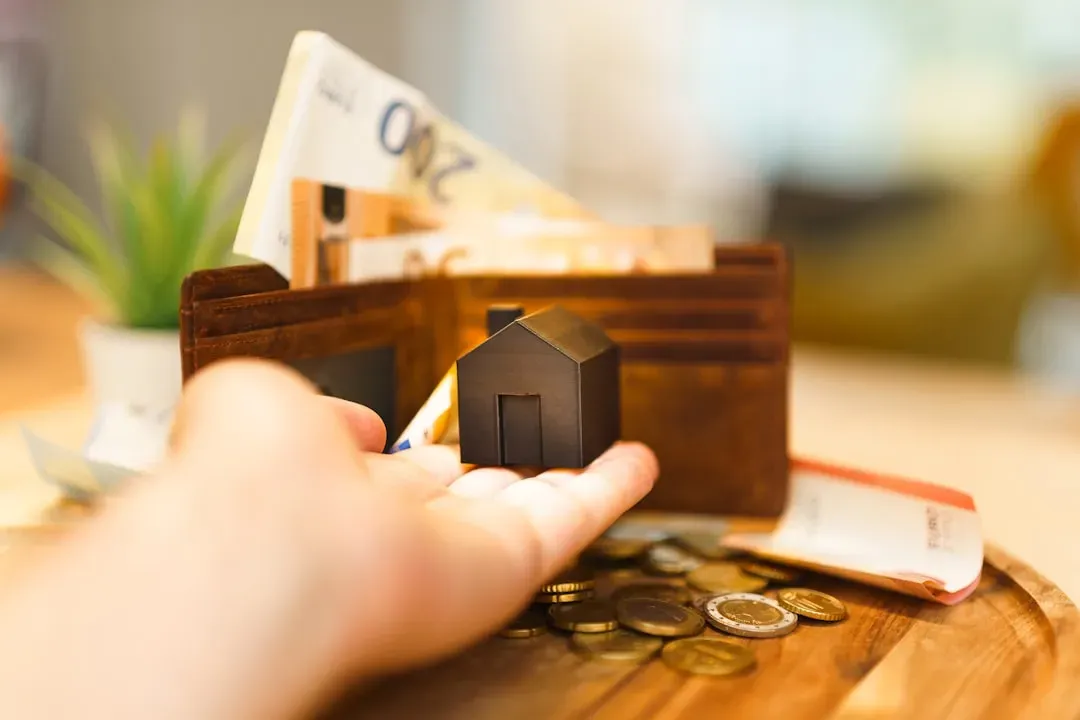
I knew rent would be high. I did not know how high. Miami, for example, saw average rental costs increase by roughly thirteen percent in a single year between 2023 and 2024. Foodie cities tend to cluster in expensive coastal metros, and the housing pressure is relentless.
Hawaii had the highest cost of living as of the third quarter of 2024, according to data from the Council for Community and Economic Research. Many of the most celebrated food destinations in the United States are located in states where housing eats the majority of your paycheck before you even think about eating.
The cost of living in 2025 continued to increase, with the Consumer Price Index showing prices up nearly three percent between July 2024 and July 2025, according to the Bureau of Labor Statistics. It doesn't sound dramatic until you realize it stacks on top of every previous year's increases. I was spending more and more just to stand still.
5. The Restaurant Scene Was Dominated by Tourists
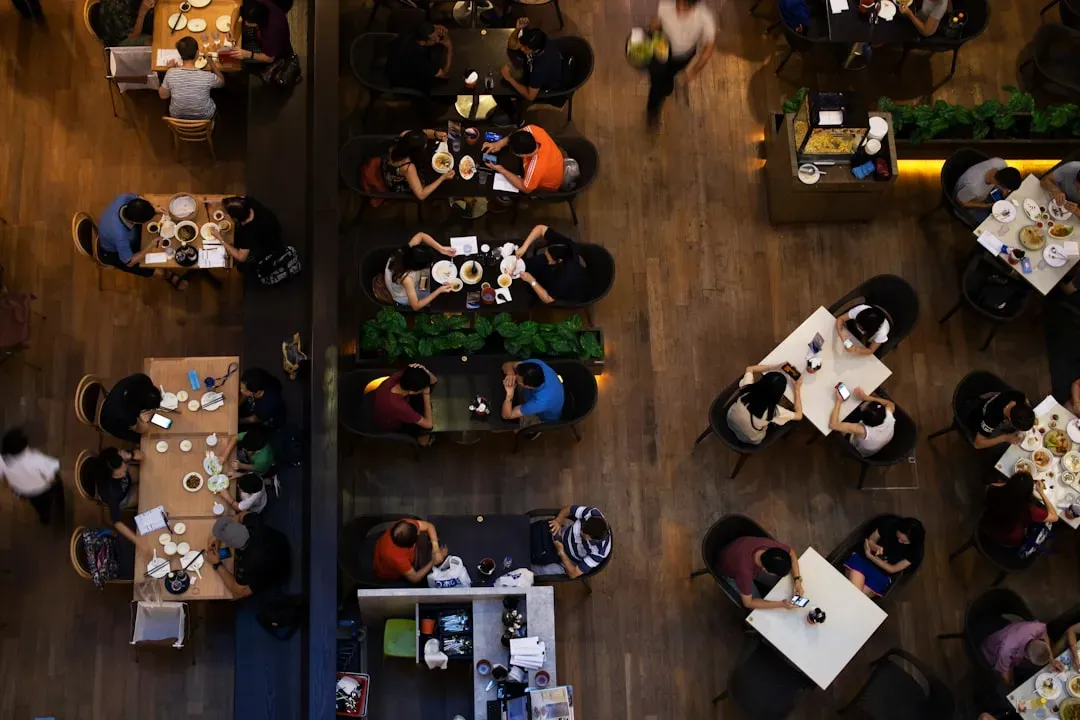
I moved to this city to live in it, not to queue behind visitors with travel blogs and matching luggage. Overtourism is the tipping point where the number of visitors exceeds a destination's carrying capacity - meaning infrastructure can no longer support the crowds, the environment begins to degrade, and the quality of life for local residents drops sharply.
The most heartbreaking aspect of overtourism is the displacement of culture. When a neighborhood becomes dominated by tourist-menu restaurants, the authentic soul of the place dies. Small hardware stores, local bakeries, and community centers are replaced by luggage storage lockers and international coffee chains. Sound familiar? It should. This is what happens to every celebrated food neighborhood eventually.
For residents, overtourism often leads to rising costs of living, as tourism demand drives up the prices of real estate, goods, and services. In cities like Barcelona and Dubrovnik, many residents have been forced to move away due to these economic pressures. The same dynamic plays out, in a quieter way, in hyped food cities across America.
6. Wait Times and Reservations Became a Full-Time Job
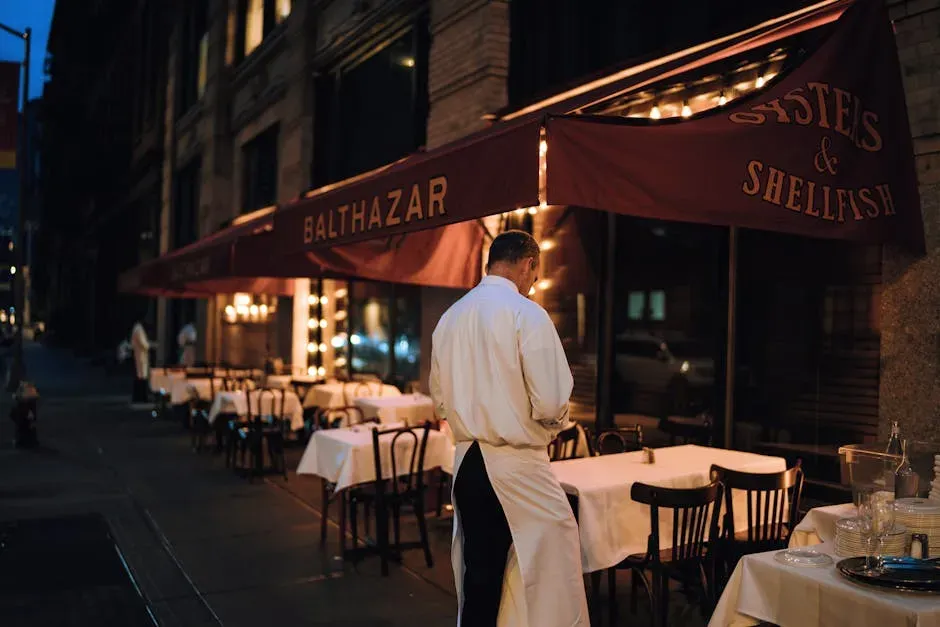
I once spent forty-five minutes refreshing a reservations app trying to secure a Friday night table at a place I could literally see from my kitchen window. Not exaggerating. Cities like Miami lead the country when it comes to the availability of affordable restaurants rated at least 4.5 stars out of 5 and also rank extremely high in restaurants per capita. More options sounds great. Until everyone has the same idea at the same time.
Full-service restaurants have taken the biggest hit from price inflation, with menu prices rising sharply, while overall guest traffic still hasn't returned to pre-pandemic levels. It's a strange contradiction - fewer people can afford to eat out regularly, yet the most coveted restaurants are somehow more booked than ever before.
I think the social media machine deserves a lot of the blame. Every "hidden gem" is hidden for maybe three weeks before it shows up on a dozen food influencer accounts, and suddenly there's a line stretching halfway down the block. The joy of discovery evaporated almost completely.
7. The "Authentic Local Food" Was Becoming Harder to Find
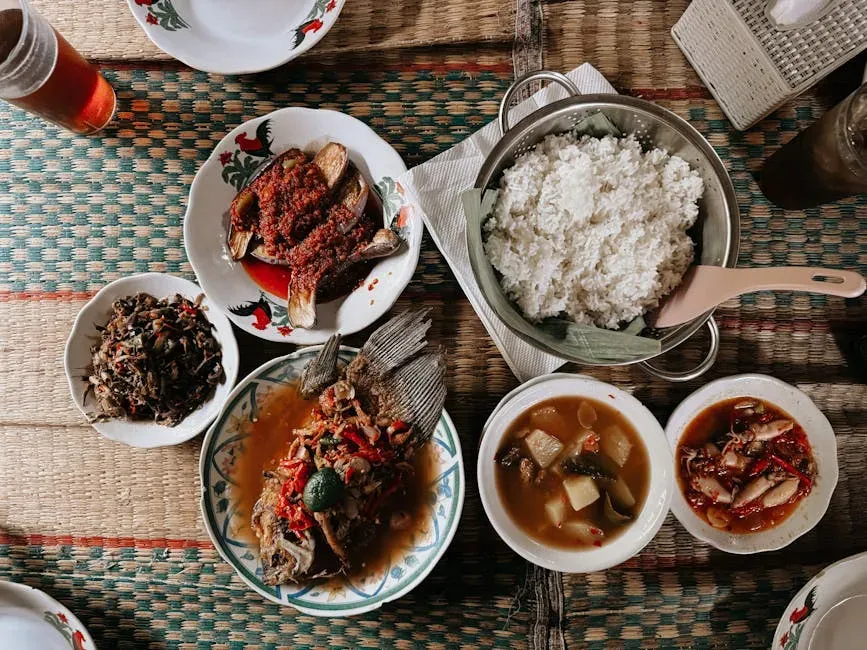
This one genuinely broke my heart. Overtourism threatens cultural heritage - local traditions and practices may be altered or even lost as destinations cater to the preferences of tourists rather than preserving authentic experiences. Heritage sites and local cultures risk being commercialized or overshadowed. The same logic applies directly to food culture.
The most heartbreaking aspect of overtourism is the displacement of culture, and when a neighborhood becomes dominated by tourist-menu restaurants, the authentic soul of the place dies. The old-school family-run spots I moved there for were slowly getting replaced by upscale riffs on "local cuisine" designed to photograph well on Instagram rather than taste the way grandma made it.
It's hard to say for sure how fast this process happens, but I watched a beloved neighborhood taqueria close and be replaced by a $22-a-bowl ramen concept within a year of the neighborhood appearing on a national "best food cities" list. That's not a coincidence. That's the market doing exactly what the market does.
8. Shrinkflation Was Quietly Robbing Me
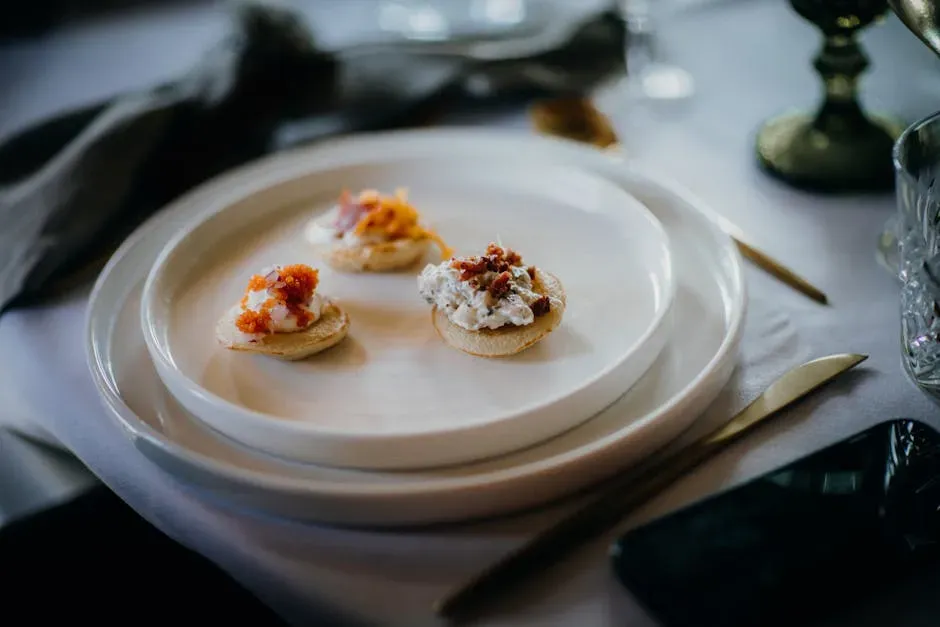
Menu changes reflect ongoing supply chain difficulties, with the vast majority of restaurants reporting delivery delays or ingredient shortages. Many kitchens now adapt their offerings, choosing different meat cuts or adjusting portion sizes to stay profitable. In plain English: you're paying more and getting less.
In the last five years, food and labor costs for the average restaurant have each gone up roughly a third, while other expenses for running a restaurant - buildings, supplies, credit card processing fees - are also going up quickly. Restaurant owners generally try to keep menu prices as low as possible, making an average of just three to five percent pre-tax margin. Those margins mean the portion that hits your plate is the first thing that gets trimmed.
I started noticing it everywhere. The burger I ordered on my first week in the city was noticeably smaller eighteen months later. Same price. Same description on the menu. Smaller. A foodie city promises abundance but the economics quietly deliver the opposite of that.
9. The Social Pressure to "Keep Up" Was Exhausting

Nobody tells you this. Living in a city defined by its food culture creates this low-level, constant social pressure to be eating the right things at the right places at the right time. Since 2019, food costs have increased by roughly a third, and consumer dining habits are shifting, with fewer than two in five people dining out weekly while more than half use apps for deals, highlighting growing price sensitivity.
Yet in a foodie city, admitting you ate at home instead of trying the new tasting menu that just opened feels almost like a social failure. It's exhausting in a way I didn't anticipate. A growing number of people are choosing to eat at home instead, with a CivicScience study from June 2024 finding that well over half of consumers were dining in more often, up from about half in 2019, likely as a way to save money.
There's a gap between the city's identity and the actual behavior of its residents that nobody talks about openly. Most of us were quietly eating pasta at home and telling ourselves we'd try that new place on the weekend. Spoiler: we usually didn't.
10. The Food Scene Was Constantly Changing - But Not Always Improving
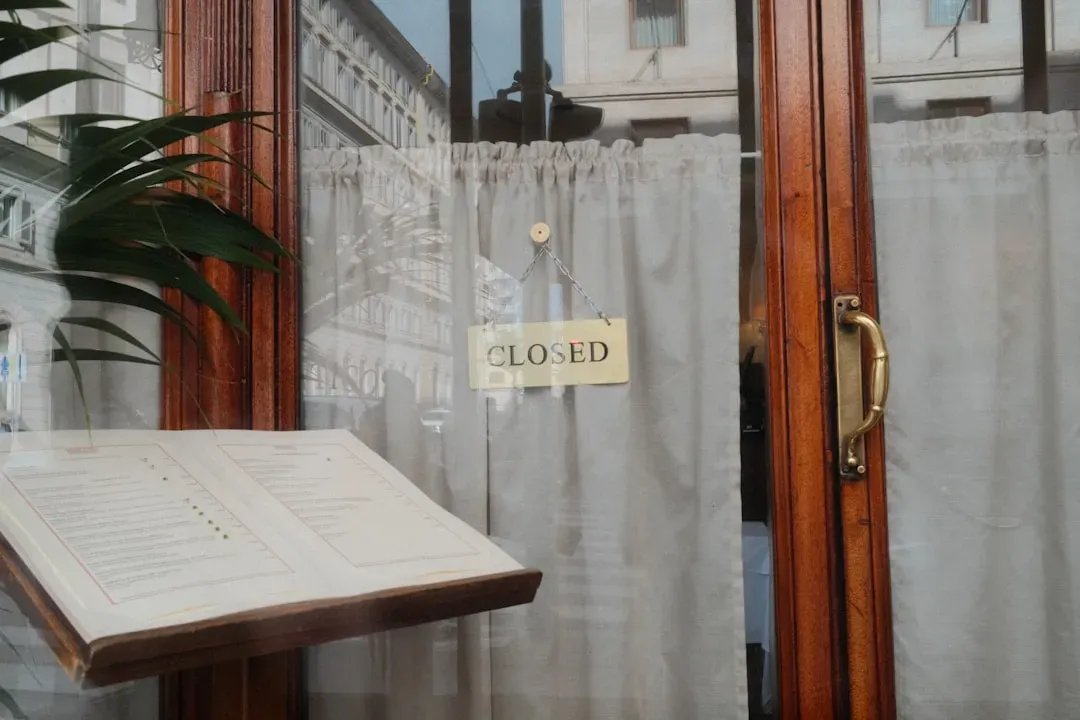
In the first half of 2025, U.S. restaurants and bars saw one of the weakest six-month periods of sales growth in the past decade, according to a CNN analysis of Commerce Department data. Restaurants were opening and closing at a dizzying pace in my neighborhood. You'd fall in love with a place and it would be gone six months later.
Food-away-from-home prices rose above their historical average pace in both 2024 and 2025, and in 2026, overall food prices are predicted to rise further, with food-away-from-home prices expected to rise even faster than their 20-year historical average rate. The economic pressure on restaurants is real, and it's not letting up anytime soon.
What replaced the closed restaurants wasn't always better - it was just newer and louder and more expensive. The constant churn wore me down. A food city is supposed to be alive, and it was, but it was the frantic alive of something that can't quite catch its breath. Eventually I stopped chasing and started thinking about somewhere quieter, somewhere slower, and - honestly - somewhere I could actually afford a decent meal.
So, Was It Worth It?
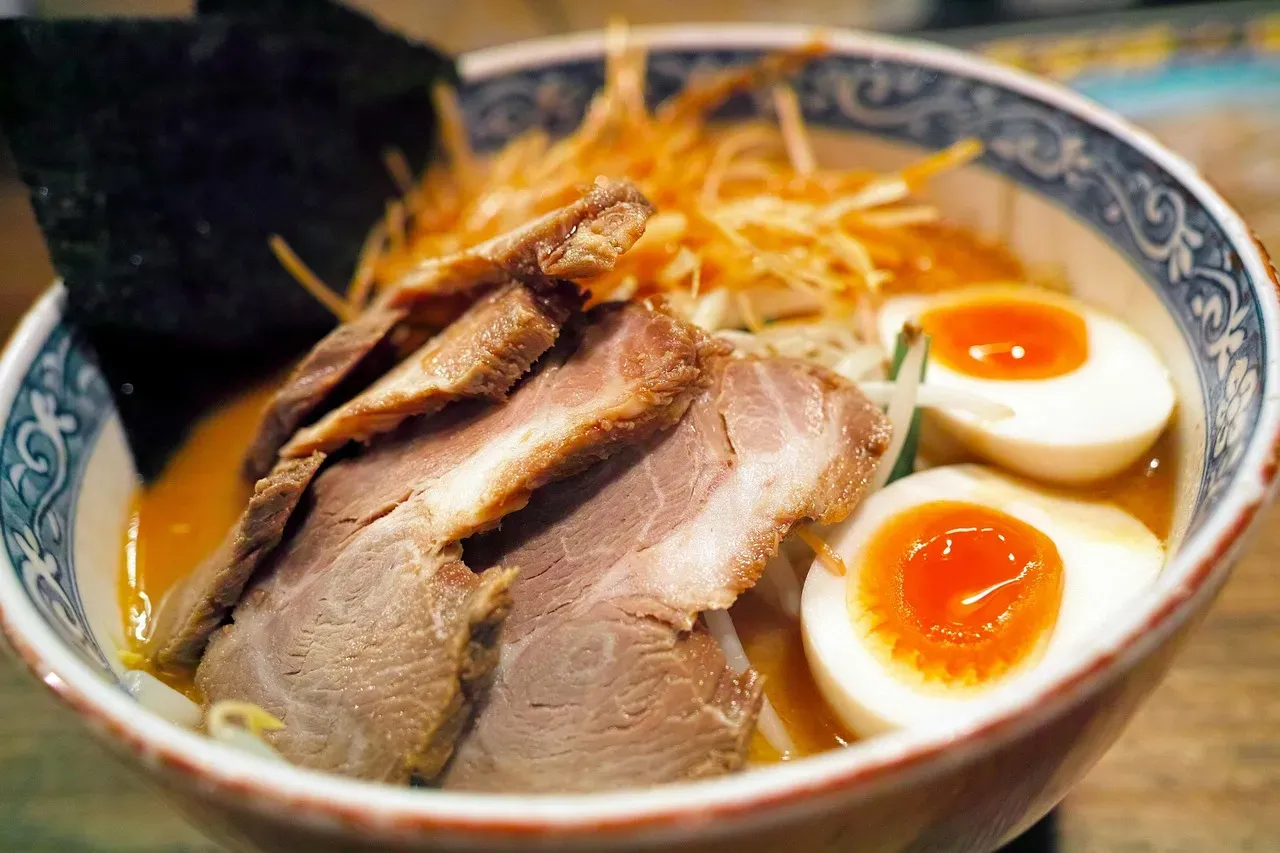
There were incredible meals. Nights I still think about. A bowl of ramen at 11 p.m. in the rain. A market stall that sold the best mango I have ever tasted in my life. I don't regret going. I just regret staying past the point where it stopped making sense.
The foodie city fantasy is a beautiful one. The reality, backed by real numbers and real economic forces, is more complicated. The average cost of groceries in America in 2025 is $370 per month per person - and that's before a single restaurant meal, delivery fee, or tasting menu surcharge enters the picture. Add a punishing rent, a neighborhood that's changing faster than you can keep up with, and a social culture built around spending money on experiences, and you have a recipe that not everyone can sustain.
Leaving wasn't giving up. It was clarity. Did you expect a foodie paradise to come with this many hidden costs? Tell us what you think in the comments.




Leave a Reply