
Let me be upfront: I went all-in on organic. I rearranged my grocery budget, changed my shopping habits, and genuinely believed I was doing something great for my body and the planet. And then, slowly, reality crept in.
The truth about organic eating is messier than the pretty packaging suggests. There are real benefits, sure, but there are also some uncomfortable surprises nobody warns you about before you commit your wallet and your kitchen to the organic lifestyle. So before you overhaul your diet, read this first. Let's dive in.
1. The Price Tag Hit Me Harder Than Expected
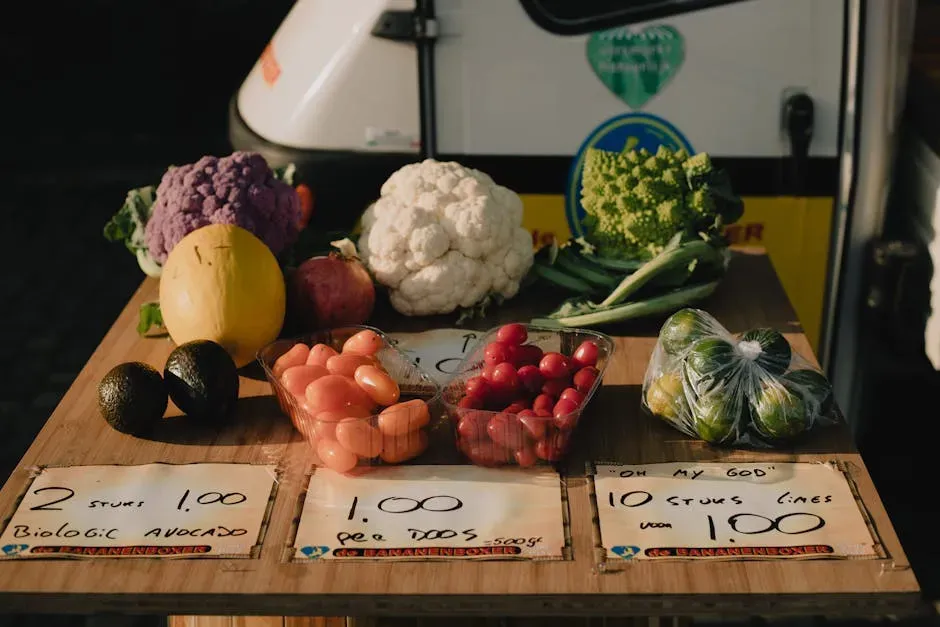
Honestly, I knew organic would cost more. What I didn't expect was just how much more. Organic fruits and vegetables cost an average of over 52 percent more than their conventional produce counterparts, according to an analysis of USDA data from early 2024 and 2025. That is not a rounding error. That is a significant chunk of a monthly grocery budget gone, just like that.
Organic apples and green beans, for example, cost around 67 percent more on average than their conventionally grown forms, according to USDA data. Think about how often those items end up in your cart every single week. It adds up fast, faster than most people realize when they romanticize the idea of "eating clean."
Organic produce is more expensive in part because it requires more investment to grow and often brings in a lower yield than conventional farming methods. Getting certified and licensed costs money, and these additional costs are passed directly on to the consumer. So it is not just a marketing markup. It is a real cost structure, and you are the one footing the bill.
2. The Science on Health Benefits Is Murkier Than Advertised
Here is where things get genuinely uncomfortable. I switched to organic partly because I believed it would make me healthier. More antioxidants, fewer toxins, better outcomes. Sounds logical. Turns out the scientific evidence is far less clear-cut than the wellness industry would have you believe.
A large review of studies in 2024 found that there isn't enough evidence to make firm conclusions that eating a diet rich in organically grown fruits and vegetables is healthier than eating those grown non-organically. That is a big deal, especially when you are paying over 50 percent more for something on the basis of a health promise.
Scientific studies have shown better quality of organic fruit and vegetables in terms of nutrients and pesticide contents, but it appears difficult to conclude if there are potentially greater health benefits of these products compared with conventional food. In other words, science acknowledges a nutritional edge in some areas, but translating that into measurable real-world health improvements is still a question mark.
3. "Organic" Does Not Mean "Pesticide-Free"
This one honestly surprised me the most. When I bought organic, I pictured produce that had never seen a drop of any pesticide. I was wrong, and I suspect a lot of people are walking around with the same misconception.
It is a common misconception that the label "organic" on fresh produce means it is free of chemical pesticides. The term "organic" does not necessarily mean "pesticide-free," and organic produce can have pesticide residue from organic pesticides used in their cultivation. The key difference is that organic farms use naturally derived rather than synthetic pesticides, but they are still pesticides.
The truth is that in some cases, organically produced crops could have been sprayed many times and with many pesticides before they reach the store shelf. The bottom line is that both conventional and organically grown food can have pesticide residues when they come home from the grocery store. That does not mean organic is no better, but it does mean the "completely clean" story you see on Instagram is a myth.
4. My Food Started Spoiling Way Faster
Nothing stings quite like throwing away expensive organic produce that went soft and moldy three days after you bought it. I thought I was imagining it at first. I was not. This is a real and documented phenomenon that comes with the organic territory.
Organic foods generally avoid synthetic preservatives and limit pesticide use, making them more perishable. Conventional farming often uses synthetic pesticides, fungicides, and chemical preservatives to protect fruits and vegetables after harvest. Many conventionally grown apples and pears receive wax coatings that reduce moisture loss and slow spoilage. These practices help extend shelf life and minimize food waste during transport and storage.
Because organics are not sprayed with anti-bacterial chemicals, bacteria can build up on organic fruit and vegetables and cause spoilage faster. I was spending more money and then throwing away more food. That felt like losing on both ends. It is a practical issue that nobody talks about when they are trying to sell you on going organic.
5. Greenwashing Made It Nearly Impossible to Trust Labels
So you decide to go organic, you walk into a grocery store, and you are instantly bombarded with labels screaming "natural," "eco-friendly," "green," "clean," and a dozen other words designed to make you feel virtuous. Let's be real: most of those words mean absolutely nothing enforceable.
On food packaging, this often means vague labels like "eco-friendly" or "all natural," or just plain old "green." Greenwashing also involves using visual symbols of nature, like a leaf or a tree, to convey the same message. None of these terms are federally regulated, which means any company can slap them on a product without accountability.
With greenwashing on the rise, it can be hard to trust product labels. Some of the most popular claims on products today include "clean," "natural," "regenerative," "free-range," "sustainably harvested" and "green," and none of these claims are federally regulated. The only term that actually carries legal weight in the U.S. is the USDA Organic seal. Everything else is just marketing noise designed to separate you from your money.
6. Organic Junk Food Is Still Junk Food

This one caught me completely off guard. Once I started eating organic, I started buying organic versions of pretty much everything, including snacks, cereals, cookies, and chips. The mental leap I made was simple: organic equals healthy. That logic is dangerously flawed.
Organic junk foods, including sodas, chips, and prepared meals, may be better for you than conventional snacks, but they're still highly processed. An organic chocolate chip cookie is still a cookie. An organic soda is still full of sugar. The "organic" label says something about how the ingredients were grown. It says nothing about the nutritional quality of the final product.
Think of it this way: saying something is "organically grown sugar" is a bit like saying a car crash was "naturally caused." The process might be cleaner, but the outcome is the same. The primary motivation for purchasing organic food is its perceived health benefits, followed by considerations for ecosystems and the environment. But perceived benefits and actual benefits can diverge widely, especially in the processed organic food category.
7. The Availability Problem Is Still Very Real
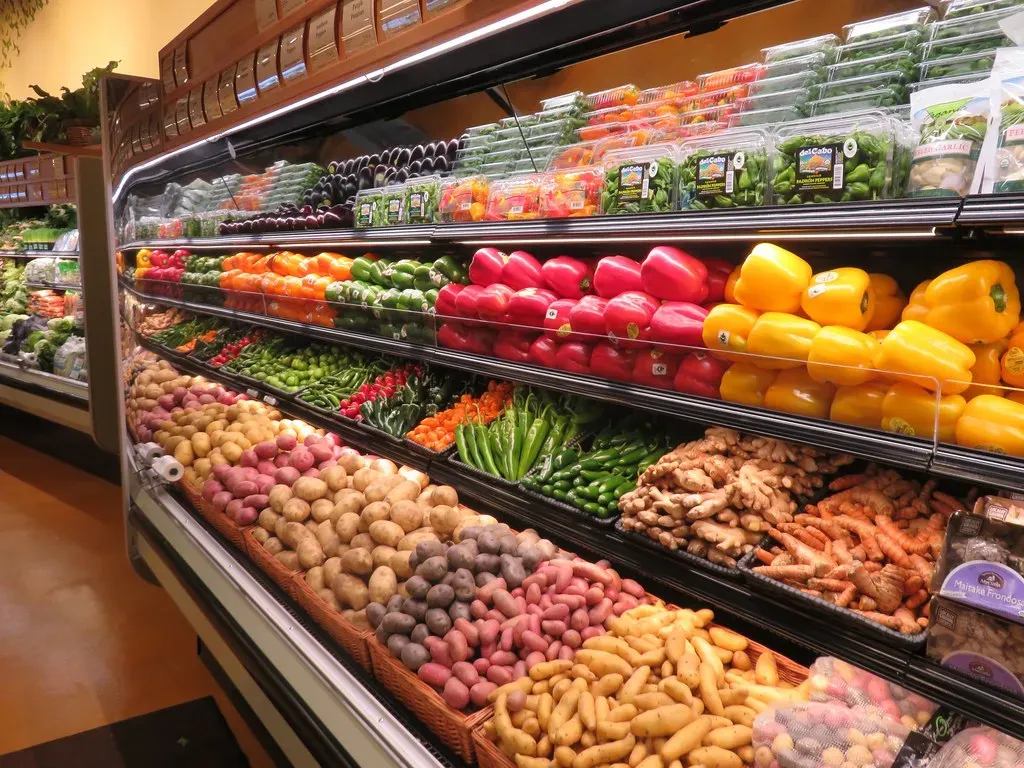
Living in a city with well-stocked health food stores, I initially had no trouble finding organic options. Then I traveled. Then I visited family in a smaller town. Then I tried to eat organic on a weekend road trip. The cracks in the organic lifestyle showed up fast.
Although the number of organic farms has increased over the years, there are still not enough to meet the demand for organic food. Supply chains for organic products remain thinner and more fragile than conventional ones, which means shoppers in many regions still face limited access and inflated prices. Not everyone lives next to a Whole Foods.
Organic campaigns are often targeted at urban elites who are able to afford the higher prices for organic fruits and vegetables. Unfortunately, this keeps organic produce out of reach of the average person. That is a problem worth sitting with. A dietary philosophy that is structurally inaccessible to a huge segment of the population carries real ethical baggage alongside its health branding.
8. The Mental Load and Social Friction Were Exhausting
Nobody talks about this one. Going strictly organic is not just a grocery swap. It becomes a lifestyle, a set of rules, a source of guilt when you cannot follow through, and sometimes a source of friction with friends, family, and coworkers who are not doing the same.
It is hard to say for sure how much of this is personal, but the cognitive overhead of constantly checking labels, calculating whether something truly qualifies, deciding which store to visit, and managing the faster spoilage is genuinely tiring. Every meal away from home becomes a negotiation. Every shared dinner becomes complicated.
The pressure to stay consistent can turn eating, which should be one of life's simple pleasures, into an anxiety-laden performance. Organic foods can be a great choice for some people, but they aren't the only path to eating healthy. That is a grounding reminder, and one I wish someone had handed me before I turned my entire relationship with food into a rulebook.
A Final Thought Worth Keeping
Look, I am not here to tell you organic eating is a scam. It is not. There are genuine reasons to choose organic, particularly for high-pesticide produce like strawberries and spinach. Organic produce is often a good way to reduce pesticide exposure, since many studies have connected a diet high in organic food with lower exposure to synthetic pesticides. That matters.
What I regret is the all-or-nothing thinking. The uncritical acceptance of every claim on every label. The assumption that "organic" was a magic word that fixed everything. The reality is nuanced, expensive, and occasionally frustrating. Eating well is important. Going broke or stressed over a label is not.
So the next time you reach for that organically certified granola bar, ask yourself honestly: are you buying health, or are you buying the idea of health? There is a difference, and knowing it might just save you a lot of money and peace of mind. What do you think about your own relationship with organic eating? Tell us in the comments.




Leave a Reply