
It sounds like the most logical financial move in the world. Stop eating out, cook everything yourself, and watch the savings pile up. I was convinced. The math seemed airtight, and honestly, the internet made it look easy. Meal prep videos, budget recipe blogs, "I fed my family of four for $50 a week" posts everywhere.
So I went all in. Every single meal, at home, for weeks. No takeout, no restaurants, no exceptions.
Here's what nobody tells you about that plan. Let's dive in.
1. Grocery Prices Have Climbed More Than You Think
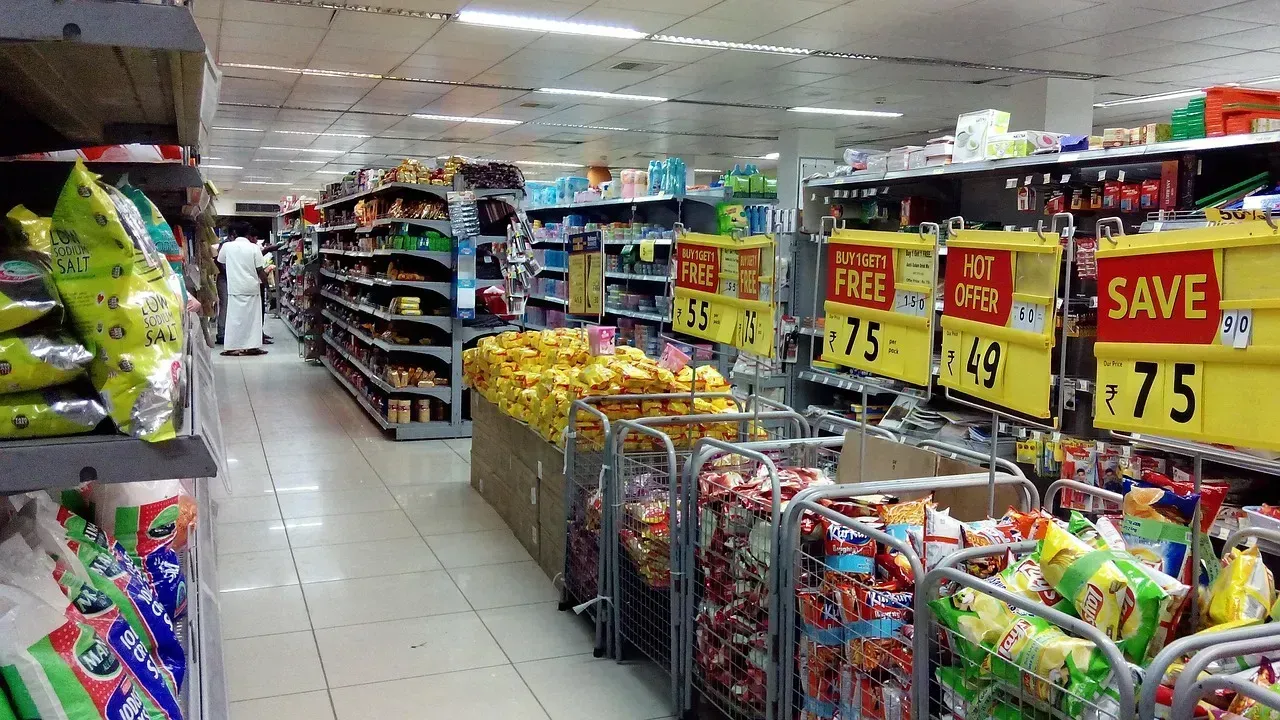
The first shock wasn't at the dinner table. It was at the checkout counter. Food prices have increased nearly a quarter from 2020 to 2024, according to the U.S. Department of Agriculture's Economic Research Service. That's not a small number. That's the kind of increase that quietly destroys a carefully planned grocery budget.
Food prices rose 2.7 percent from September 2024 to September 2025 according to the federal Consumer Price Index, with higher labor costs for U.S. farmers, supply-chain disruptions, and tariffs on imported foods all driving prices upward. Meat prices hit especially hard. Meat prices specifically jumped 12.3 percent from September 2024 to September 2025. Try building a home-cooking budget around that.
2. Food Waste Quietly Devours Your Savings
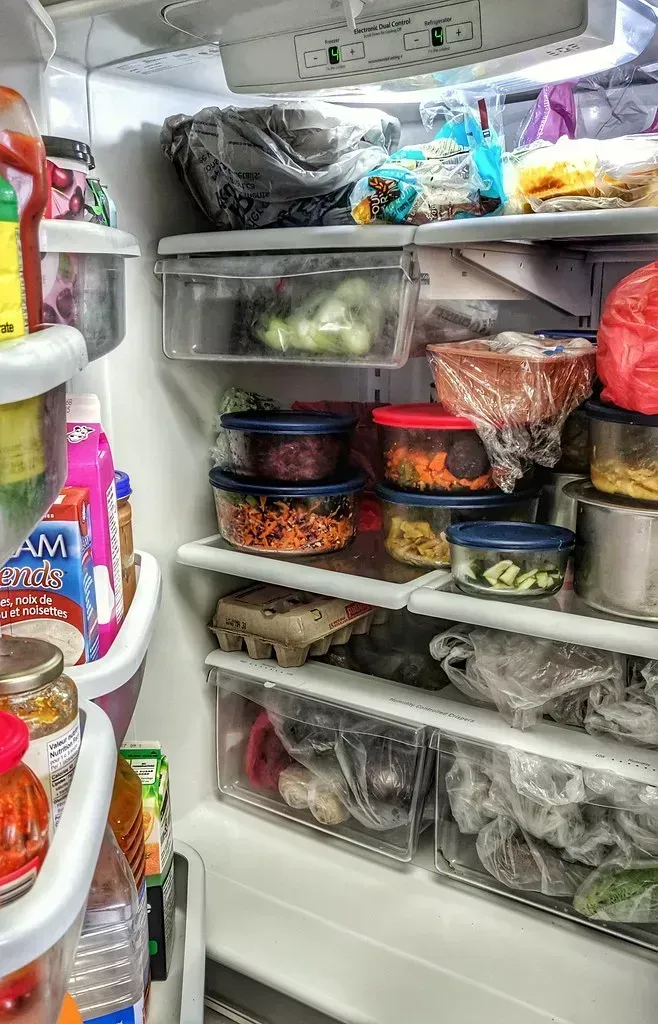
Here's a brutal truth. When you cook every meal at home, you buy a lot of ingredients. Some of those ingredients you only need a little of - like a single rib of celery, or a quarter cup of buttermilk. In 2024, the average American spent $762 on food that went uneaten. That's real money vanishing straight into the trash.
According to the EPA, a family of four throws away $2,913 worth of food per year. That's $243 a month going straight into the trash. I know it sounds crazy, but you can cook every night and still hemorrhage money on wasted produce, expired pantry items, and leftovers nobody wanted to eat twice. More than eight in ten Americans discard perfectly good, consumable food simply because they misunderstand expiration labels.
3. The Upfront Investment in Kitchen Equipment Is Real
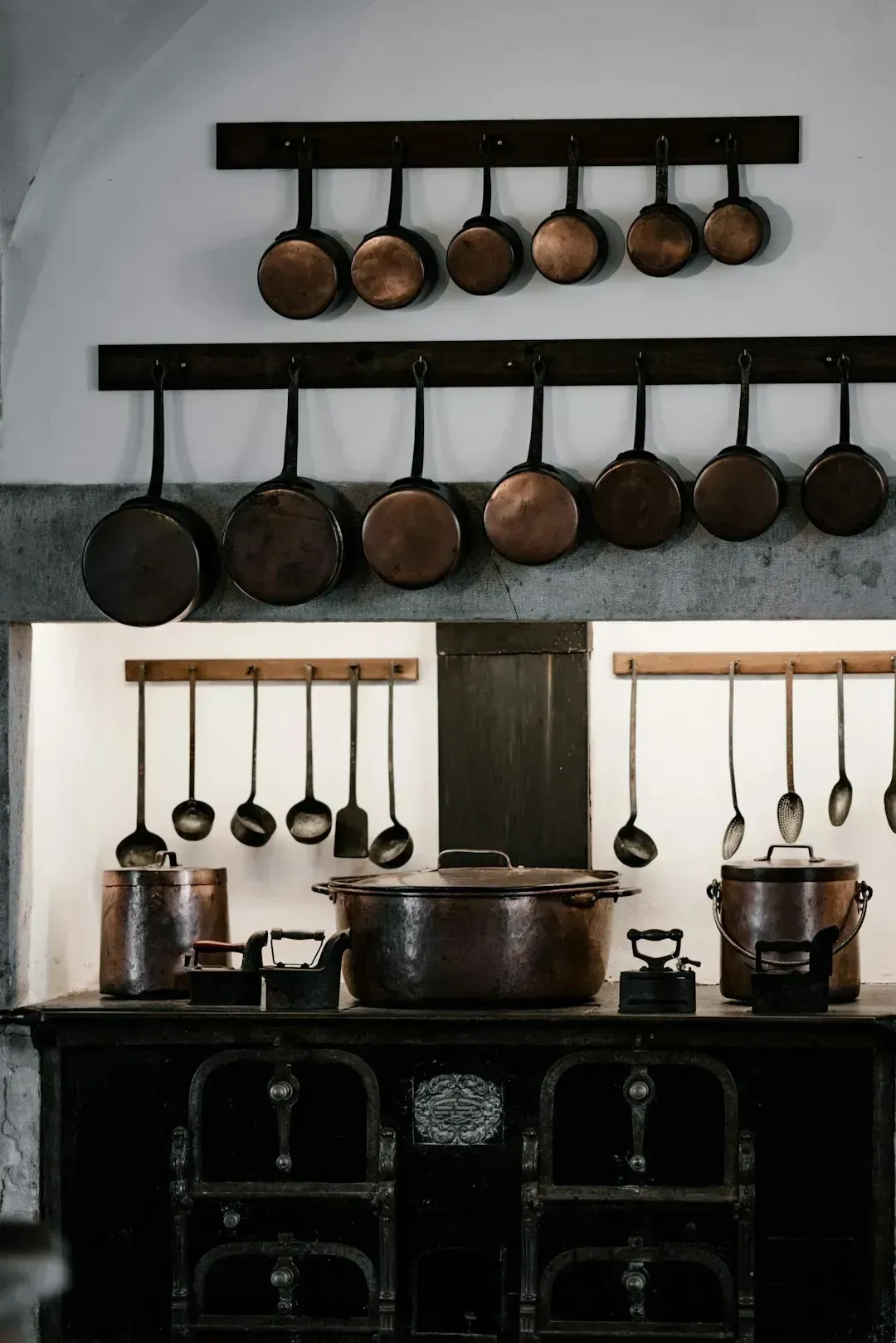
Cooking at home requires an upfront investment in kitchen equipment and time dedicated to meal preparation and cleanup. That's the polite version. The reality is that a decent pan, a sharp knife, a cutting board that doesn't warp, and a handful of spices can run you well over a hundred dollars before you've cooked a single thing.
Cooking from home usually requires an initial investment for ingredients, supplies, and equipment you may not already have in your kitchen, so if you're starting from scratch, you may not see the biggest savings right away. Think of it like starting a gym routine. The membership looks cheap until you also buy the shoes, the gear, and the protein powder. The kitchen version of that is shockingly similar.
4. Impulse Grocery Buying Is a Real Budget Killer

Nobody warns you about what happens inside the grocery store when you're shopping for every single meal. Progressive Grocer's 2025 consumer study found that roughly a third of shoppers enter the store with no plan at all, and even among those who bring a list, impulse purchases account for up to 62% of grocery sales revenue. That's a staggering figure.
Americans are often impulsive in their food purchases, unrealistically assessing how much food is required, and as a result buying more food than they need or buying food they won't actually eat. I fell into this trap constantly. I'd walk in for chicken breasts and pasta. I'd walk out with fancy cheese, three sauces I'd never open, and a bag of something on sale that sounded healthy. More than half of Americans say grocery expenses are a major source of stress, according to a July 2025 survey from the Associated Press-NORC Center for Public Affairs Research.
5. The Time Cost Is Massively Underestimated

Let's be real - time is money. Everyone says it. Few people actually calculate it when deciding to cook every meal at home. A recent study found that Americans already spend 400 hours in the kitchen each year, which boils down to 67 minutes per day. Commit to cooking every single meal and that number climbs fast.
The data on cost savings from home cooking doesn't include the time saved by eating out, and for some people this can be significant - because time is money, and determining how much your time is worth compared to how much money you save can be genuinely difficult. Honestly, if you're a professional billing even a modest hourly rate, the math can flip surprisingly fast.
6. Single-Serving Ingredients Are a Cruel Joke

One of the most frustrating parts of cooking every meal at home is the single-serving trap. Recipes call for one tablespoon of tomato paste but the can holds twelve servings. You need half an onion. You need one egg. Making a chicken sandwich at home to rival a budget chain option is difficult because you'll likely have to buy ingredients from the grocery store in larger amounts, as items like chicken breast, buns, veggies, and sauces rarely come in single-serving sizes - and there's no way to come in at the budget fast-food price range for a single sandwich in a single sitting.
This is where the savings illusion really cracks. You're not just buying dinner. You're buying a pantry's worth of components to build dinner. Accounting for wasted food and pre-made components can increase the effective per-meal cost significantly. The excess ingredients either sit in your fridge and rot, or you feel obligated to cook even more meals just to use them up. Either way, you lose.
7. Grocery Inflation Keeps Moving the Goalposts
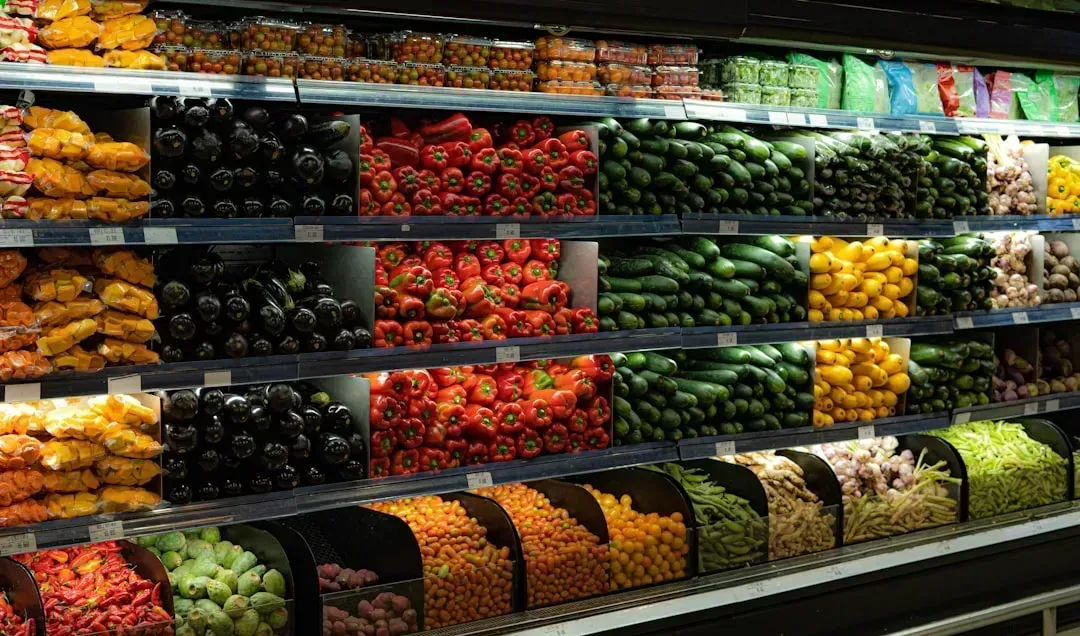
You budget carefully, you plan your meals, and then the store raises prices again. Global food trends research shows that nearly two-thirds of consumers report spending more on food and beverages in the past year because of inflation and higher prices. It's not a one-time hit. It's a slow, grinding upward pressure on every grocery run.
The average American household spends $6,224 a year on groceries according to the BLS Consumer Expenditure Survey for 2024, which works out to $519 a month - and that number doesn't include the $728 per person per year that the EPA says you waste on food you buy and never eat. Add those two figures together and suddenly the "cheap" home cooking strategy looks a lot less cheap.
8. Decision Fatigue Is a Very Real Problem

Here's something nobody talks about in the budget cooking conversation: the mental load of planning, shopping, prepping, and cooking every single meal is exhausting. Among those who cook, nearly two-thirds have wanted to "quit dinner" at some point. That number isn't surprising to anyone who's lived it.
Cooking at home takes a lot of planning - you have to consider what to make, what ingredients you have, what items you need to buy, and factor in your budget, and with so much mental effort involved, shopping for groceries weekly can feel burdensome after a while. By the third week of cooking every meal, the fatigue is real. And when you're exhausted, you make expensive mistakes - you order takeout anyway, or you buy the overpriced pre-cut vegetables just to save fifteen minutes.
9. The Leftovers Problem Nobody Plans For

Home cooking almost always produces more food than a single meal requires. On paper, that sounds great. Leftovers equal free future meals, right? In practice, it's messier than that. In a survey, more than half of respondents said that they threw away leftovers at least weekly, and in households with children, that figure jumped to more than two-thirds.
Another hidden cost is the impact on your grocery budget - when you rely heavily on dining out, you might end up wasting groceries you intended to cook but never used, and this waste translates to money down the drain, further straining your finances. The same logic applies when cooking at home without a tight plan. Cooked too much pasta on Monday? By Thursday it's getting tossed. That's another dollar gone. Multiply that across a month and the numbers get uncomfortable.
10. Fast Food Can Occasionally Win on Price Per Serving
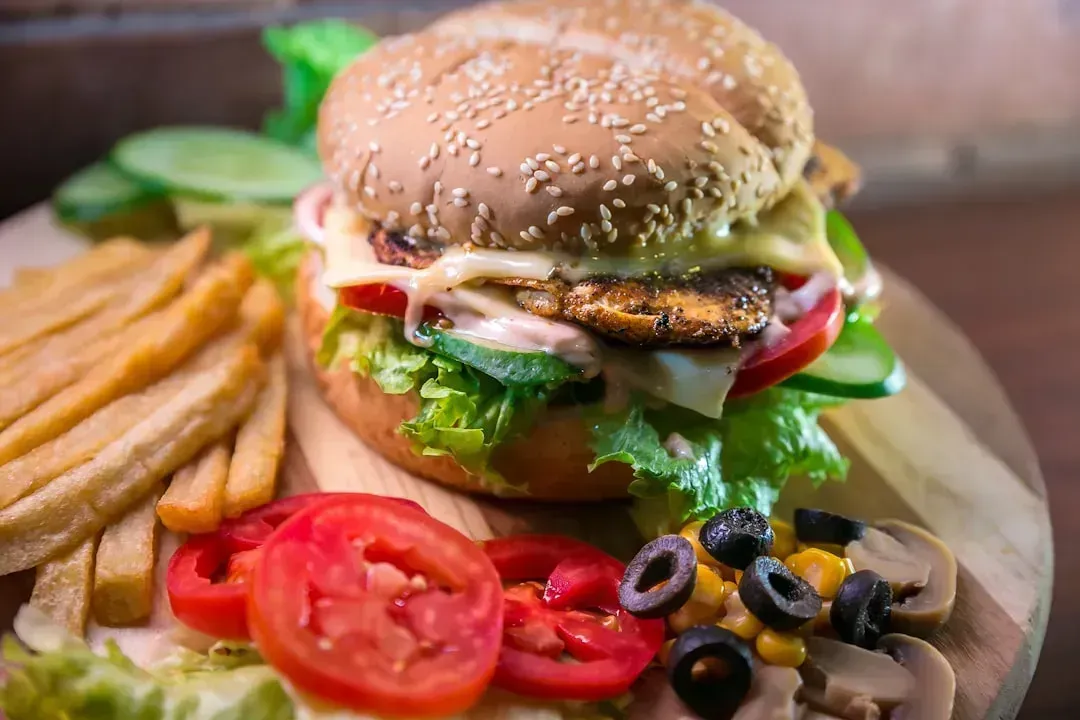
This one stings a little to admit. The entire premise of cooking at home to save money has a notable exception that doesn't get discussed enough. When comparing certain items dollar for dollar, cooking at home can be more economical - but sometimes, the fast food drive-through wins out on both time and money. It's uncomfortable but true.
One study contended that the cost of a meal at a mid-scale chain restaurant is actually less than that of a comparable meal cooked at home - only by a margin of two or three dollars, but still cheaper. The broader picture still shows home cooking wins on average, with the average price per serving of a home-cooked meal at around $4.31 versus the average cost of eating out at around $20.37. Still, the gap isn't always as wide as people assume, especially once you factor in waste, equipment, and time.
So Was It Worth It?

Cooking every meal at home sounds like the simplest financial win imaginable. And in broad strokes, the data does support home cooking as the cheaper option over the long run. Americans save around $12 by opting to cook and eat at home, and annually it costs over $13,000 more to eat out than to prepare the same amount of food at home. Those are real numbers. They matter.
The problem isn't the idea. The problem is the execution. Food waste, impulse buying, ingredient overbuying, decision fatigue, and rising grocery prices all quietly chip away at those theoretical savings. Although it's common knowledge that eating at home is generally more economical than eating out, there's more nuance to the issue worth exploring, because for those who place different values on time, convenience, and saving money, the answer may not be straightforward.
Cooking at home absolutely can save you money - but only if you go in with a real plan, track your waste, and stay honest about your hidden costs. Without that, you might just be moving money from the restaurant's pocket directly into your trash can. What do you think - have you ever tracked what your "savings" from home cooking actually cost you in the end?




Leave a Reply