
You think having a gleaming row of fancy kitchen gadgets means you're ready to cook like a pro? Let's be real. Working in a Michelin kitchen taught me fast that more equipment doesn't mean better food.
Some of the most expensive, hyped gadgets home cooks obsess over are the exact opposite of what we'd use in a professional setting. They collect dust, waste space, or worse, create more problems than they solve. I've seen the disconnect firsthand. After years behind the line, I know which tools make sense and which ones are pure vanity.
So let me walk you through the six home gadgets that always caused headaches, frustration, or outright disasters whenever I encountered them outside the restaurant.
1. Oversized Food Processors That Become Kitchen Furniture
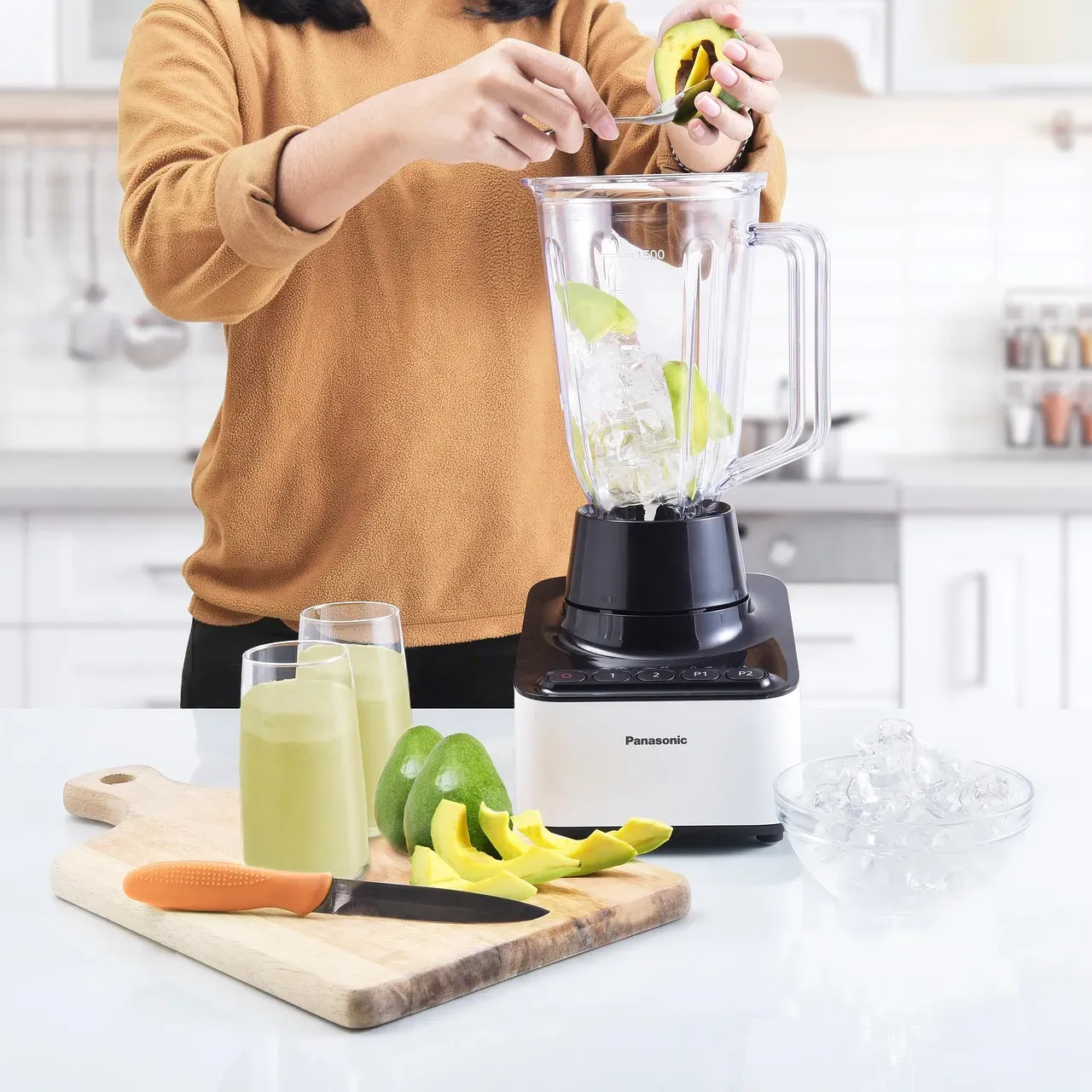
Michelin star chef Gabriel Kreuther says one of the biggest mistakes he sees home cooks making is outfitting their kitchen as if they were running a restaurant. He notes that in private kitchens, all kinds of food processors and machines are barely used or not used at all, becoming pieces of furniture.
Here's the thing: unless you're meal prepping for a family of twelve daily, that massive food processor is overkill. If the production isn't big enough, you'll find yourself cleaning for hours because everything is just hanging on the sides of that food processor or machine. I've watched friends spend hundreds on these bulky units only to use them twice a year. The cleanup alone is enough to make you regret it. Multiple bowls, blades, and parts that don't fit in the dishwasher? Pass.
These machines are sometimes just a vanity in the kitchen, honestly. A good knife and ten minutes of practice will get you nearly the same results without the countertop clutter or hour of disassembly and scrubbing.
2. Electric Knife Sharpeners That Destroy Your Blades
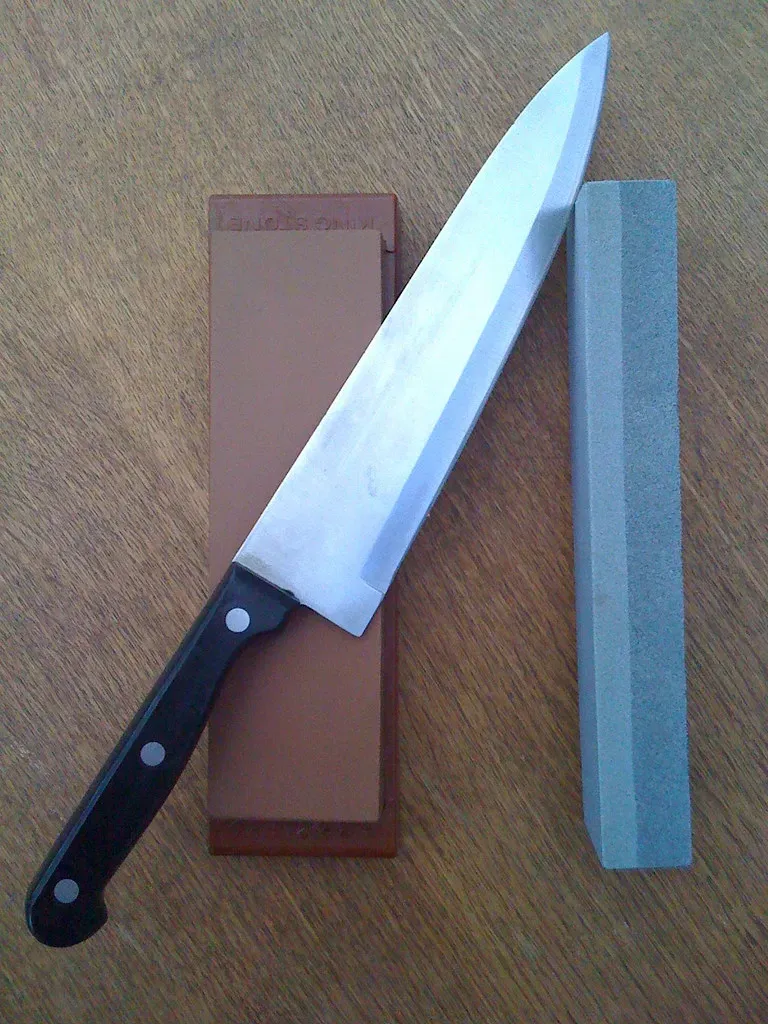
Walk into any Michelin kitchen and you'll see whetstones, honing rods, maybe a professional sharpening service. What you won't see? Those electric pull-through knife sharpeners home cooks love. They're aggressive, they remove too much metal, and they wreck the angle of your blade over time.
A sharpening stone with both 1000 and 6000 grit gives you the best of both worlds when keeping your knives in great shape, with the 1000 grit side perfect for sharpening dull or slightly damaged blades and the 6000 grit side refining and polishing the edge to make it razor-sharp. Sure, there's a learning curve. It takes patience. Still, once you get the hang of it, you'll never go back to those electric monsters that chew through your expensive knives like a wood chipper.
The worst part? Most home cooks don't even realize the damage until their blade feels duller faster and faster. By then, you've shortened the lifespan of a knife that should've lasted decades. It's one of those situations where convenience costs you in the long run.
3. Mandolines Without Proper Safety Features
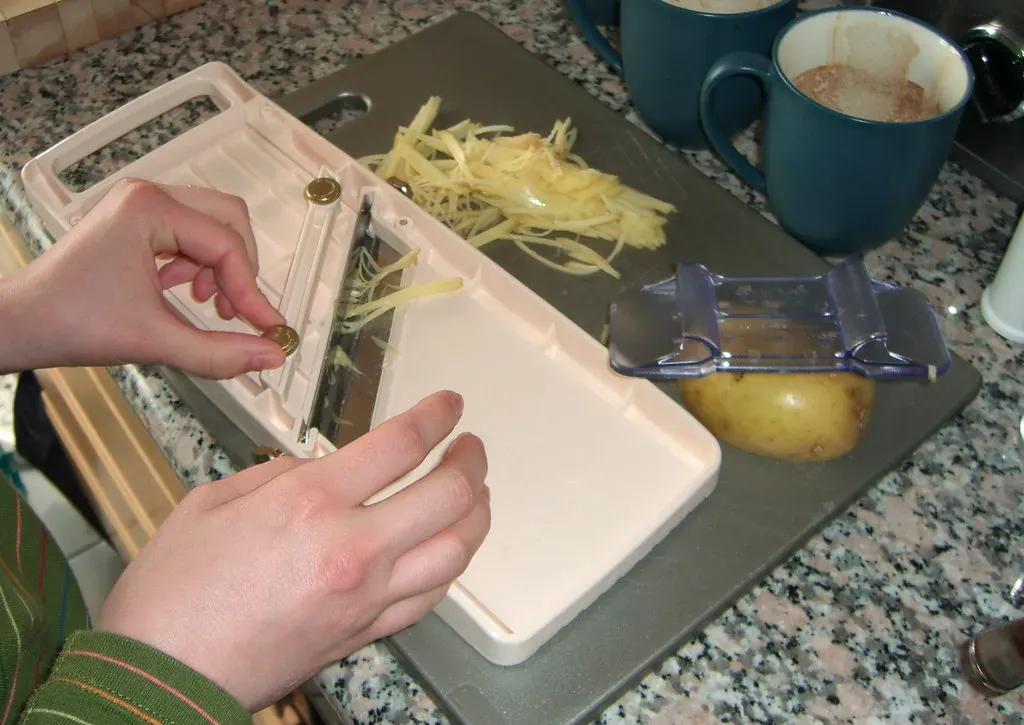
Let me paint a picture. It's a busy Saturday night, we're prepping garnishes, and someone slices their fingertip clean off with a mandoline. Blood everywhere. Service nearly derailed. Sound dramatic? It happens more often than you'd think, and it's even worse at home where people get careless.
Dull blades make cutting difficult and can lead to uneven results or accidents. Ironically, mandolines are always sharp, which is why they're so dangerous. Most home versions come with flimsy guards that people skip because they're awkward to use. Professional kitchens mandate cut-resistant gloves and proper technique, yet home cooks just freestyle it.
I know it sounds crazy, but the convenience of perfectly uniform slices isn't worth a trip to the emergency room. If you must own one, invest in a quality model with a solid guard and actually use it. Or better yet, practice your knife skills. Thinly sliced vegetables aren't that hard to master with a sharp blade and some patience.
4. Single-Use Gadgets That Clutter Drawers
Avocado slicers. Garlic peelers. Egg separators. Herb strippers. The list goes on forever. In a professional kitchen, we use one tool for multiple jobs. A bench scraper moves chopped veg, portions dough, and cleans surfaces. A simple spoon separates eggs. Our hands peel garlic in seconds.
Focus on multipurpose items, skip trendy single-use gadgets, and watch for lifetime-warranty brands to assemble a pro-level kit for a fraction of retail. Bulky appliances and excessive gadget size leads to clutter and inefficient kitchen layouts, with large stand mixers, oversized food processors, and bulky electric grills as prime examples.
Every single-use gadget represents wasted space and wasted money. They're marketed to solve problems you don't actually have. Most end up shoved in a drawer, forgotten until you're decluttering three years later and wondering why you ever bought a banana slicer. Seriously, just use a knife.
5. Cheap Immersion Blenders That Overheat and Burn Out
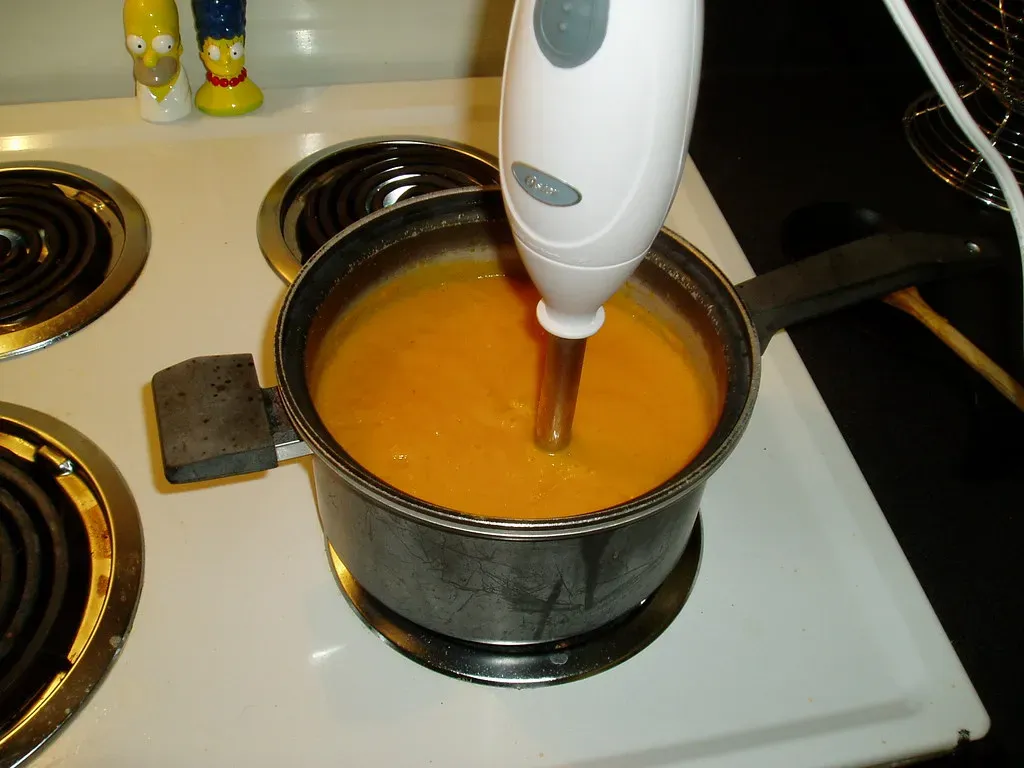
Immersion blenders are workhorses in professional kitchens. We use them constantly for soups, sauces, purees, emulsions. The difference? Ours cost a few hundred bucks and can run for extended periods without overheating. That budget model you bought online for twenty dollars? It'll burn out before you finish your second batch of soup.
Small kitchen appliances often come with headaches like leaks, overheating, or sudden electrical issues, and kitchen equipment overheating usually comes from blocked vents or overuse. I've seen friends cycle through three cheap immersion blenders in the time I've had one professional-grade unit. They overheat, the motor smells like burning plastic, or the blade assembly just gives up entirely.
It's hard to say for sure, but it feels like manufacturers cut corners on the motors in budget versions. They're fine for occasional use, maybe blending a smoothie here and there. Try to make a silky butternut squash soup for a dinner party? You're toast. Invest in a quality model from a reputable brand or skip it altogether.
6. Nonstick Pans Without Proper Care Instructions
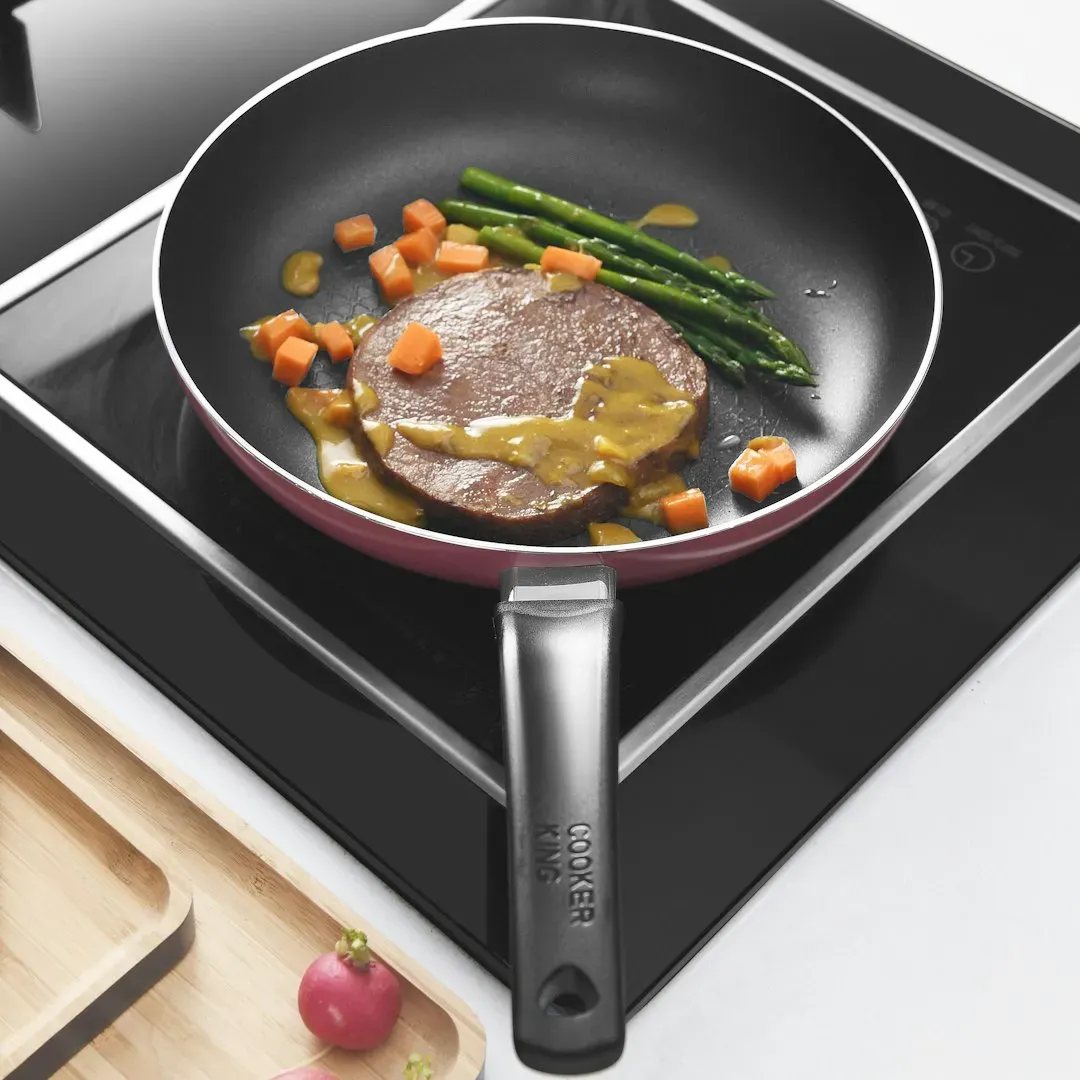
Nonstick pans have their place. Eggs, delicate fish, quick cleanups. That said, I've watched so many home cooks destroy their nonstick cookware within months by cranking the heat, using metal utensils, or tossing them in the dishwasher. Then they wonder why food starts sticking and the coating flakes off.
Using abrasive cleansers and harsh tools can scratch a countertop cooker's interior nonstick surface, making food more likely to stick and compromising the coatings, so clean with a sponge, cloth, or soft brush plus grease-dissolving dish soap and water. In professional kitchens, nonstick pans are babied. Low to medium heat only. Wooden or silicone utensils. Hand wash and dry immediately. They last years that way.
Difficult cleaning and maintenance with time-consuming processes discourages frequent use and affects gadget lifespan, especially with food processors with multiple blades and bowls, immersion blenders with hard-to-clean attachments, and electric grills with grease traps, so prioritize dishwasher-safe models and gadgets designed for easy disassembly. Home cooks treat nonstick like cast iron or stainless steel and then complain when it fails. It's user error, not the pan's fault. If you can't commit to proper care, stick with stainless or carbon steel and learn to cook with fat properly.



Leave a Reply