
Think about the dinner table you grew up at. Not the fancy holiday spreads or the birthday cakes, but the ordinary Tuesday nights. What was on your plate? Turns out, those unremarkable weeknight meals say a lot more about your family's socioeconomic standing than most people realize. Food has served as a social marker throughout human history, and eating behavior is a highly affiliative act closely tied to one's social class.
We're not talking caviar here. It's not about caviar and truffles. It's about everyday staples that signal a particular relationship with food, health consciousness, and disposable income. The clues are buried in the quiet, everyday choices your parents made at the grocery store. Let's find out what those dishes really reveal about where you grew up.
1. Fresh Salmon - Not Fish Sticks, the Real Thing

Let's be honest, there is a massive difference between pulling a frozen fish stick from a box and sitting down to a lemon-seasoned salmon fillet with a side of roasted vegetables. If salmon showed up regularly in your household, that was not a coincidence. Research on food consumption patterns has consistently found that higher-income households purchase significantly more fresh fish than lower-income ones, partly because of price and partly because of health awareness.
If salmon showed up casually in your childhood, it meant someone was shopping at stores that sold fresh seafood, that your parents were reading articles about omega-3s and heart health, and that dinner was not just about feeding you - it was about optimizing your nutrition in ways that required both knowledge and resources.
That kind of casual luxury - where healthy food isn't reserved for celebrations - is one of the clearest markers of upper-middle-class life. Think of it this way: for some families, salmon was a Tuesday. For others, it was a special occasion. Which camp were you in?
2. Quiche - A Dish That Took Time and Technique

Quiche is not a difficult dish to make, strictly speaking. However, it requires planning, a proper crust, good eggs, real cream, and a parent who had both the time and the social incentive to make it happen. If your parents made quiche regularly, it was a statement about what kind of household you were - one where they had the time to cook something that required planning and technique.
It also meant your family had a social circle that appreciated it, and that hosting was part of their identity, not just an obligation. There is something quietly aspirational about quiche. It signals that food was also a form of social performance in your home.
Entertaining with homemade food rather than ordered pizza or store-bought dips is a telling habit. The middle class engages in the same upper-class practices of eating out and eating foreign foods to display their cultural capital. Quiche landed right in that intersection of effort, culture, and class presentation.
3. Whole Grain Bread From an Actual Bakery
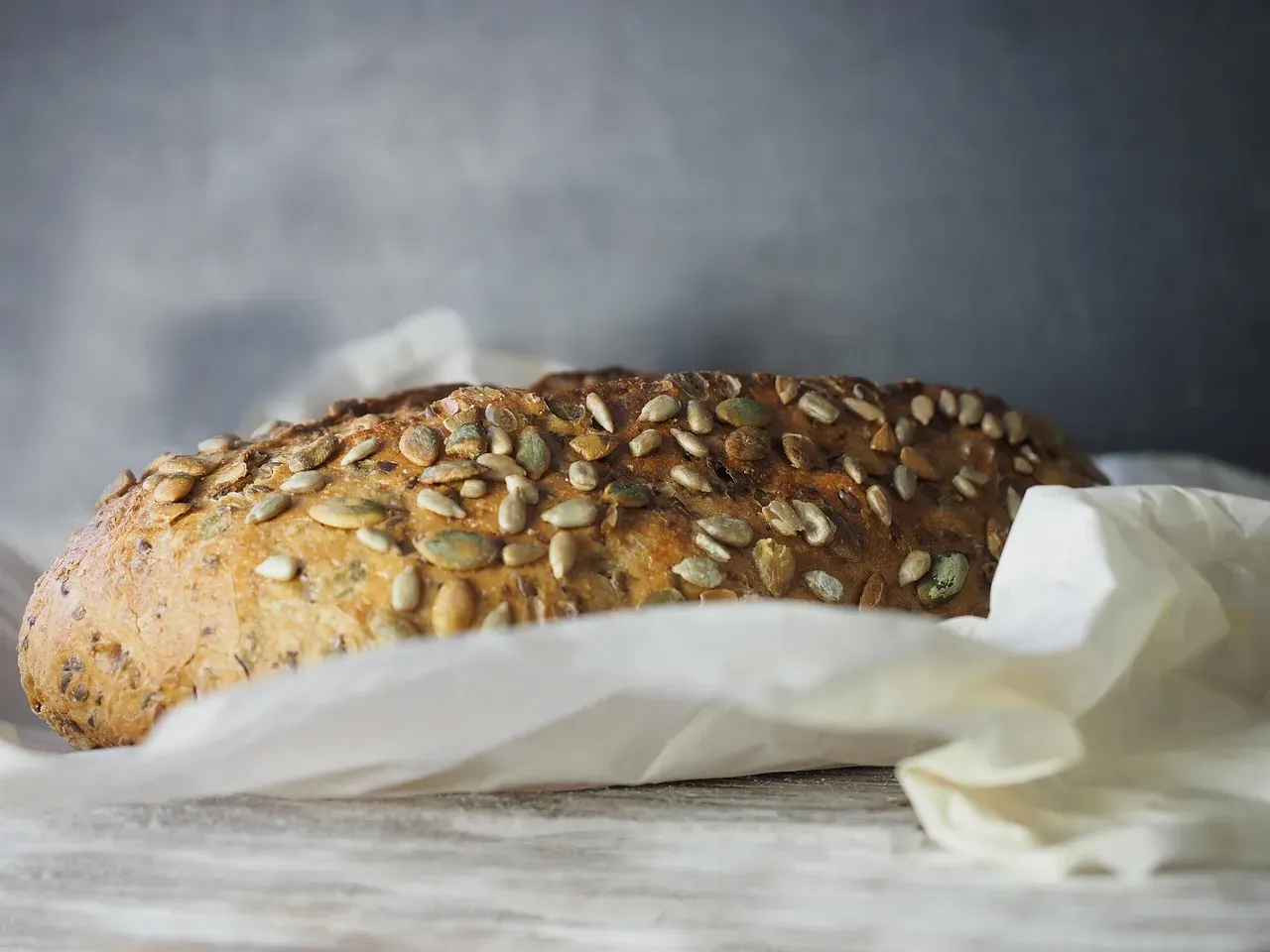
White bread was sometimes "for guests" or for specific recipes, but in many upper-middle-class homes, the everyday bread was darker and heavier. It was the loaf that came in a paper bag from a bakery counter, not a plastic sleeve from the middle shelf of the supermarket. If this sounds familiar, your upbringing is showing.
Studies on grocery purchasing show that higher-income and more educated households are more likely to buy whole-grain products, often because of early adoption of health messaging. Your parents were not just buying better bread, they were acting on nutrition knowledge that spread unevenly across income groups.
Several studies have found that with increased education and income, diet quality improved. Whole grain bread was one of the earliest and clearest signals of that shift. It was not just bread. It was a philosophy baked into your lunchbox every morning.
4. Organic Milk or Non-Dairy Alternatives - Before It Was Trendy
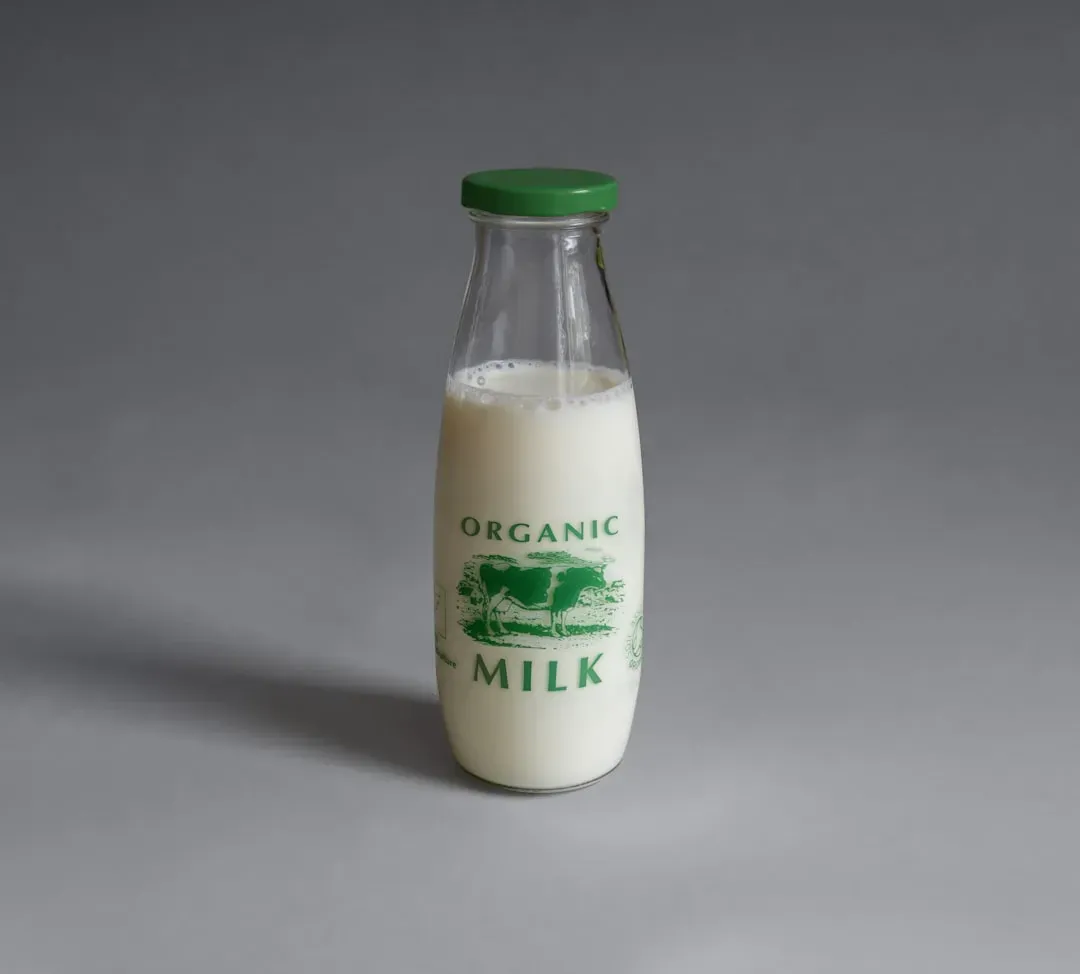
Long before oat milk became trendy, upper-middle-class families were buying organic milk or experimenting with alternatives. The regular milk in the fridge often had an organic label, sometimes from a local dairy, or the fridge held soy milk, almond milk, or rice milk years before these became mainstream options.
This was not necessarily about taste. It was about health consciousness and the financial ability to pay double for milk because the label promised something better. That is a very specific kind of privilege. The ability to absorb a higher grocery bill because of something you read in a parenting magazine takes real financial flexibility.
The consumption of organic foods is one way that both the upper and the middle classes engage in inconspicuous consumption, requiring not just expendable money but also nutritional knowledge and the ability to access the same grocery markets as the rich. If organic milk was just normal to you as a kid, you may not have noticed just how deliberate that choice was.
5. Homemade Pasta Dishes With Actual Ingredients
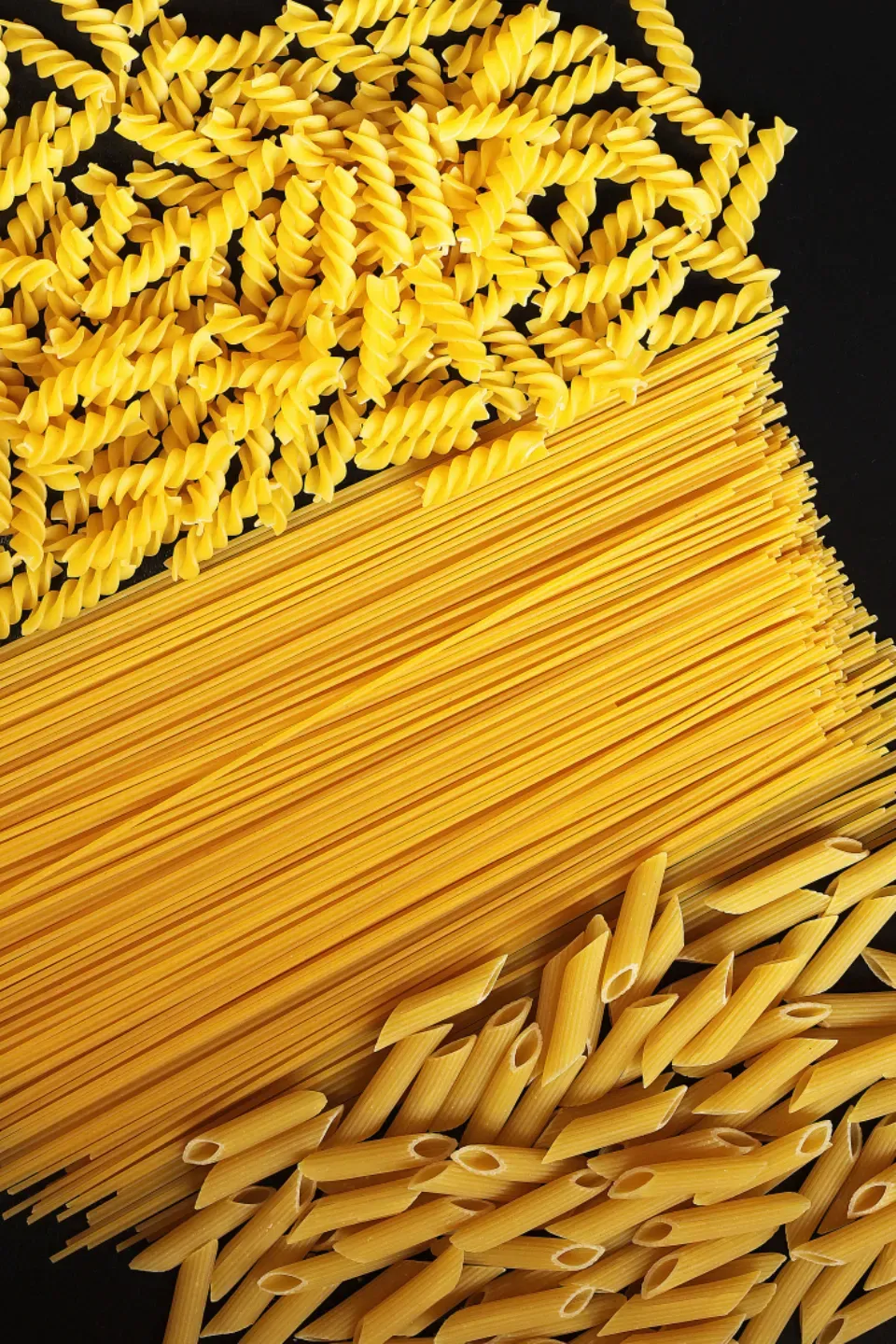
Pasta is universally beloved. The difference lies in how it was made. There is a world between boxed mac and cheese and a homemade pasta dish with imported olive oil, freshly grated parmesan, and sautéed vegetables from the farmer's market. Consuming unfamiliar foods, especially foods from different cultures, signifies a sense of worldliness that can only be obtained through social and economic capital. Upper-class groups were more likely to endorse eating foods outside of their native culture and prefer dine-in establishments over fast food chains.
If pasta in your home came with discussions about the region of Italy the recipe came from, that is a cultural marker, not just a culinary one. The middle class engages in the same upper-class practices of eating foreign foods to display their cultural capital. Your childhood dinner table was doing exactly that.
Middle-class people generally have healthier diets than lower-class people, and the considerations that underlie food choices may explain this class difference in eating habits. Homemade pasta, with its real ingredients and intentional preparation, is a textbook illustration of that principle.
6. Roasted Vegetables - Not the Canned Kind
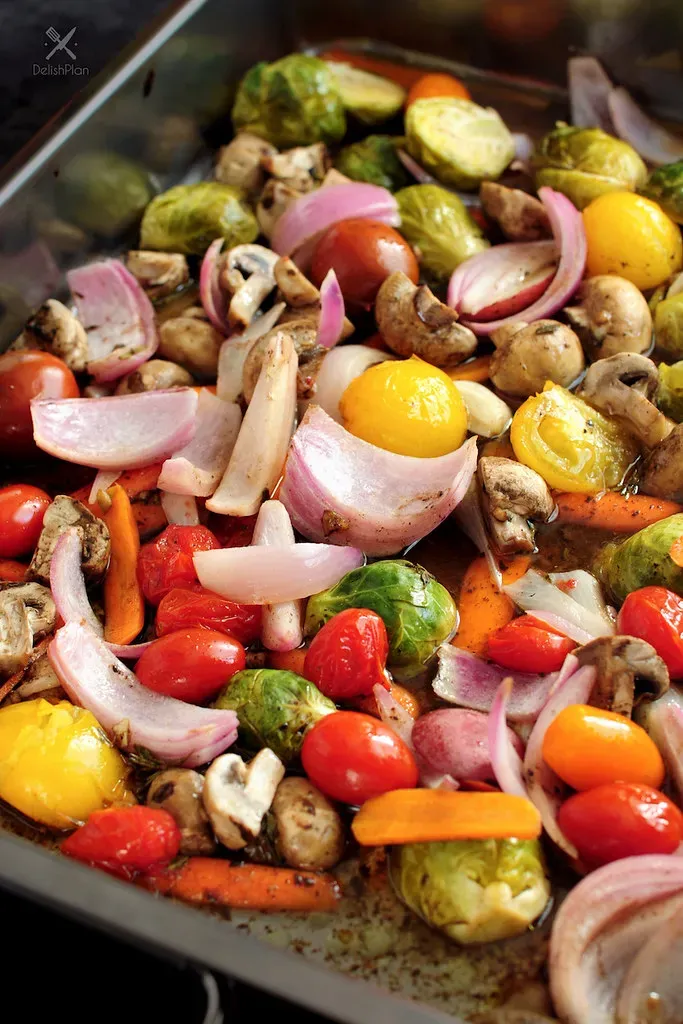
Here's the thing about vegetables: they can come in a tin, frozen in a bag, or freshly roasted from the oven with olive oil, sea salt, and maybe a little balsamic. If yours arrived the latter way, you probably did not think twice about it as a kid. Research shows that children and adolescents from low-income families tend to consume less fruit and vegetables and more sugar, fats, processed meat, soft drinks, and salty snacks compared with those from higher social class households.
According to researchers, the causal mechanisms include that healthy foods are frequently more expensive, and that families on lower incomes differ in terms of their education and food culture, leading them to make less healthy food choices in areas with lower availability of healthy food. Fresh roasted vegetables required access to stores that carried them, money to buy them, and time to prepare them. That intersection is not a given for every family.
Socioeconomic disparities contribute to variations in food availability, accessibility, and quality, which in turn affect children's eating behaviors. A roasted broccoli floret on a Tuesday night carries more class signal than it might seem. It meant your family's kitchen had the resources and the knowledge to prioritize it.
7. A Cheese Drawer With Actual Variety
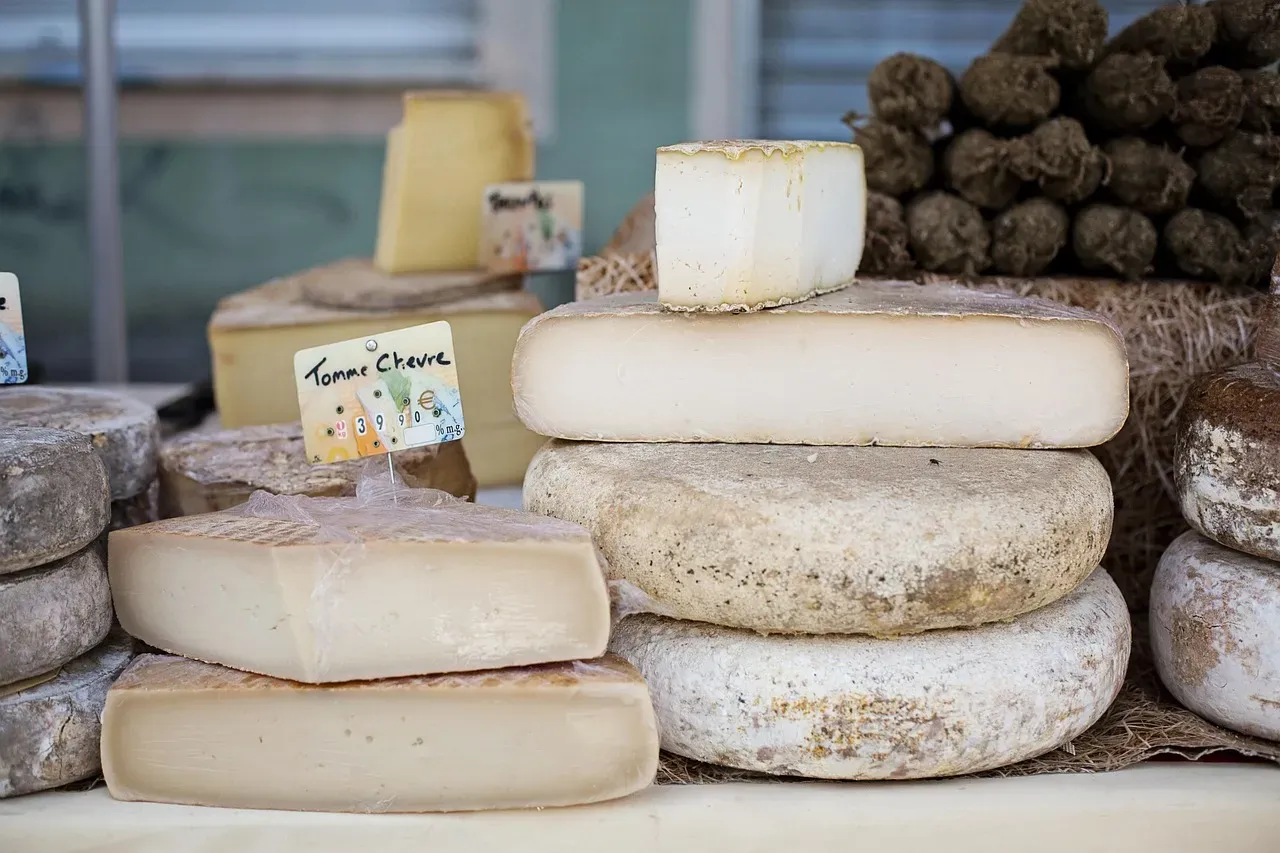
Upper-middle-class fridges didn't just have cheese. They had a cheese drawer with variety. There was always sharp cheddar for sandwiches, of course, but also brie for when guests came over, goat cheese for salads, parmesan that came in a wedge rather than a green can, and maybe some gruyere or manchego just because.
This wasn't about being fancy. It was about having options and treating cheese as an ingredient worthy of consideration rather than just a yellow slice for a sandwich. Honestly, I think the parmesan-in-a-wedge detail is one of the most specific class markers in the entire food landscape. If your parents grated their own parmesan, you probably grew up with more cushion than you realized.
The foods that lived in your childhood fridge reveal more about your class background than you might realize. Class isn't just about income. It's about the unexamined habits that feel normal until you realize not everyone grew up the same way. Multiple cheese varieties in the house is a perfect example of that invisible, unexamined normal.
8. Greek Yogurt or Plain Yogurt - Not the Neon-Colored Kind

Think about the yogurt situation in your childhood fridge. Was it the brightly colored, heavily sweetened kind in cartoon-character packaging, or was it a plain container of Greek yogurt that your parents ate with honey and granola? One way to look at middle-class diets is that it reflects an aspirational pursuit of obtaining a higher social standing. Greek yogurt was, for decades before it became mainstream, a distinctly aspirational product.
Studies show that mothers with higher education are more likely to prescribe healthier foodstuffs for their children and restrict unhealthy food items, and that higher-class mothers consider health aspects more often in their food choices. Plain yogurt, with its higher protein content and lack of artificial flavoring, was exactly the kind of item that informed, higher-educated parents gravitated toward.
Research has found differences in eating patterns of preschool-aged children based on parental education, and parental education seems to influence the dietary habits of young children. What seemed like a boring, healthy snack was actually a quiet declaration of where your family sat on the socioeconomic ladder. It's hard to say for sure that one yogurt choice defines a childhood, but the pattern it belongs to speaks volumes.



Leave a Reply