
Most of us walk down the grocery aisle feeling reasonably confident. We flip the package over, glance at the back, nod like we know what we're looking at, and toss it in the cart. Honest truth? in a study on consumer knowledge about food labeling, over nearly two thirds of people admitted having difficulty understanding the information on food products. That's not a fringe group. That's most of us.
As more people focus on healthier lifestyles, some food manufacturers use marketing tactics that can make processed products appear more nutritious than they really are, and the complexity of food labeling regulations only adds to the confusion. The gap between what a label seems to say and what it actually means can quietly derail even the most health-conscious shopper. Let's dive in.
Mistake #1: Trusting the Front of the Package at Face Value
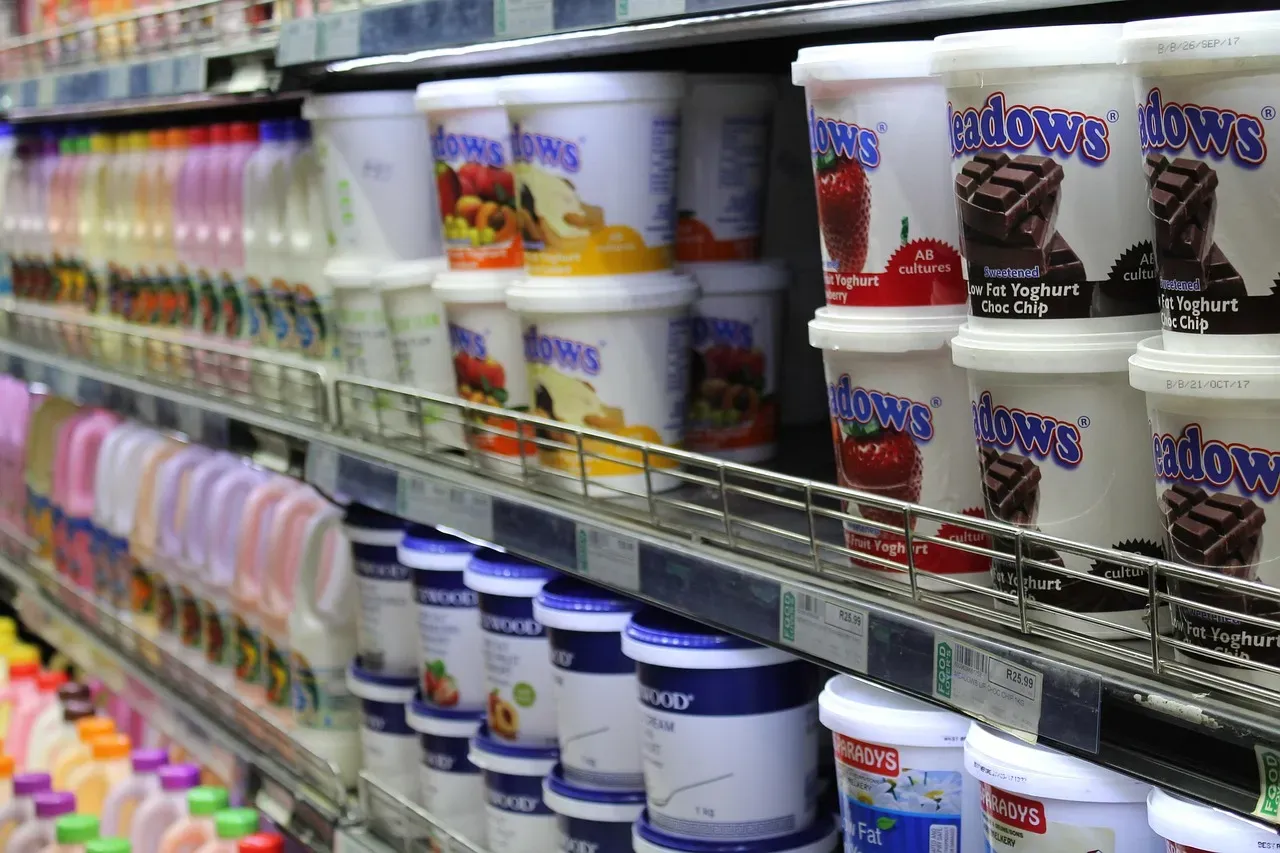
Here's the thing about that bright, bold packaging you see at eye level: it's designed to sell, not to inform. One of the best tips nutritionists offer is to completely ignore claims on the front of the packaging, because front labels are often designed to attract buyers by highlighting health-related claims, which may not always accurately reflect the product's overall nutritional value.
Research from 2020 shows that front-of-package nutrition labels can create a "halo effect," leading consumers to perceive even unhealthy products as healthier, which can influence their choices regardless of the food's actual nutritional quality. Think of it like judging a book by its cover, except the consequences show up on your health over time.
Choosing healthy foods at the grocery store can be challenging, especially when the average consumer is up against a multi-billion dollar marketing industry with expertise in selling products and misleading shoppers. The front of a package is prime advertising real estate. Nothing more, nothing less.
Mistake #2: Ignoring the Serving Size Trap
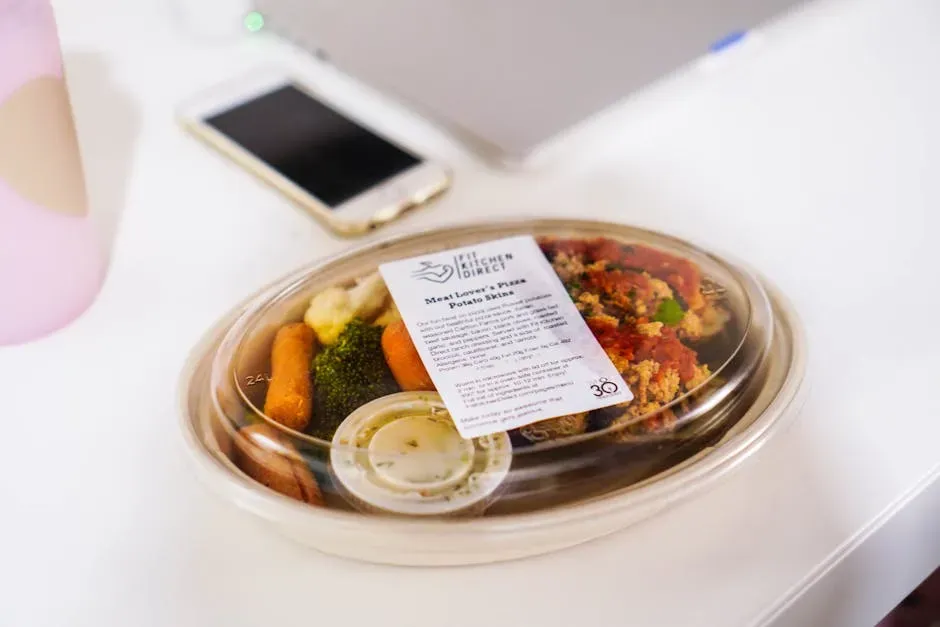
This one catches practically everyone. You check the calories and think, "That's not so bad." But wait. Many people may not realize that a single package often contains multiple servings, mistakenly assuming the entire container represents just one.
Serving sizes listed on packaging may be misleading and unrealistic. Manufacturers often list much smaller amounts than what most people actually consume in one sitting. A bottle of juice that looks like a single portion might actually be counted as two and a half servings on the label. Do the math, and the calories nearly triple.
Spray oil is a great example of a super small serving size that shows a low-fat and low-calorie content. However, if you spray for longer than a quarter of a second, which is the recommended serving size on the label, you will likely consume more fat. It sounds almost absurd, but these are the real numbers on real products in stores right now.
Mistake #3: Falling for the Word "Natural"

Roughly two thirds of Americans actively look for the word "natural" on food labels, making it the most sought-after term in grocery shopping according to the MSU Food Literacy and Engagement Poll. Yet many shoppers believe a product labeled "natural" is automatically better for them, but the FDA does not strictly regulate the use of the term "natural" on food packaging, allowing manufacturers considerable discretion in its use.
The FDA, which regulates the vast majority of food products including dairy, seafood, and produce, lacks a formal definition and has a vague policy that it means nothing artificial or synthetic has been added. For the USDA, which regulates meat, poultry, and eggs, natural means without artificial ingredients or only minimally processed. Neither agency verifies the claims.
As a result, foods labeled "natural" can still be highly processed, may contain added sugar, or include extra ingredients such as preservatives or flavorings. To truly gauge the nutritional value of a "natural" product, reviewing the ingredients list for wholesome, simple ingredients is far more useful. So the next time you reach for something proudly labeled "all natural," flip it over first.
Mistake #4: Misunderstanding Hidden Sugars on the Label

Sugar is one of the most cleverly disguised ingredients in the modern food supply. Added sugars are difficult to quickly spot because many companies use clever marketing to distract consumers. The trick is that sugar goes by dozens of names, and most people don't recognize half of them.
Food manufacturers often take advantage of how ingredients are listed. To make their products appear healthier, some use smaller amounts of three or four types of sugar in a single product, spreading them out across the ingredient list so no single sugar appears prominently near the top.
Companies have reduced common sweeteners like refined beet sugar and high-fructose corn syrup but added alternatives, such as monk fruit and the sugar alcohol erythritol, which aren't considered "added sugars" under FDA regulations. The result? Products can appear low in sugar on paper while still being remarkably sweet and calorie-dense in reality.
Mistake #5: Believing "Low Fat" Means Healthy

I know it sounds counterintuitive in 2026, but the "low fat" label still fools a surprising number of shoppers. It's one of the most enduring myths in food marketing. "Low fat" is an FDA-regulated claim that gives you some information, but not the whole nutritional picture. Low-fat foods are often higher in sugar to make up for flavor and texture, and a low-fat version doesn't automatically make it a healthy product.
When manufacturers lower the calories or fat in a product, they often add other ingredients to maintain its flavor or texture, so that the product doesn't feel watered down. Sometimes this results in lightened-up products containing hidden sources of sugar, carbs, or sodium that may not necessarily align with your health goals.
Think about low-fat flavored yogurt, for example. It sounds like a sensible breakfast choice. Some yogurt cups can contain as many as six teaspoons of sugar, and even whole-grain breakfast bars, which may seem like a healthy choice, can pack up to four teaspoons of sugar. As many people don't realize these foods have added sugar, they're unaware of how much they're consuming.
Mistake #6: Confusing "Gluten-Free" With "Nutritious"
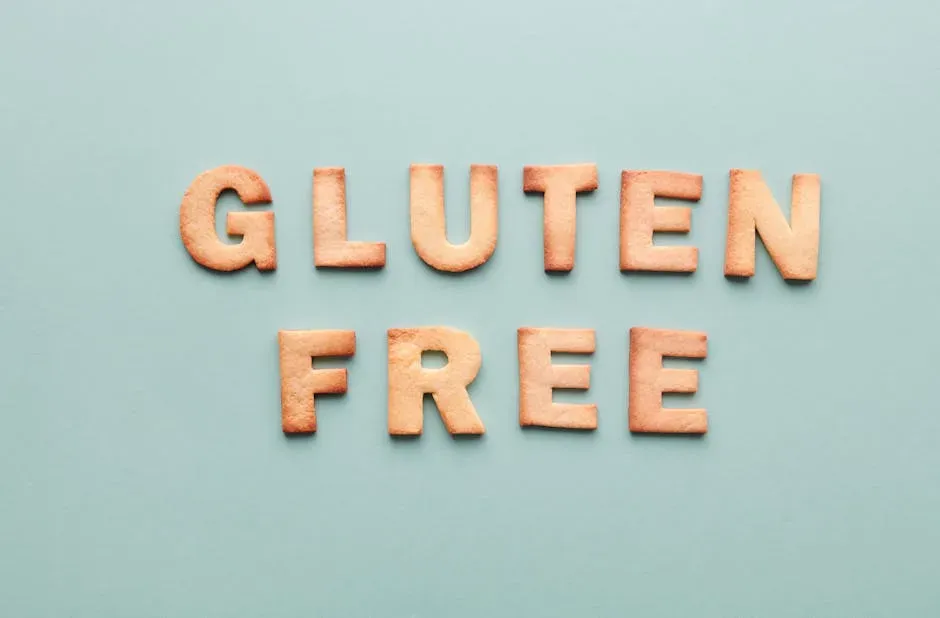
Gluten-free has become one of the most powerful marketing terms of the past decade, and it's widely misunderstood. Labels such as "gluten-free" create a halo effect which makes the products perceived as healthier or less caloric. Unless you have celiac disease or a documented gluten sensitivity, choosing gluten-free packaged foods doesn't automatically translate to better nutrition.
A nutritional comparison of 25 product pairings found that, on average, all gluten-free products contained more calories, total carbohydrates, and total sugar. The majority of the gluten-free products were classified as "confectionery" or "baked goods," emphasising that products primarily consisted of foods high in sugar.
Research has shown that individuals with low nutritional knowledge who overestimate their competence are more likely to consume gluten-free products without medical necessity. It's a curious pattern: the more confident someone feels about their food knowledge, the more likely they are to reach for the gluten-free label as a shortcut. Worth thinking about.
Mistake #7: Being Tricked by "No Added Sugar" Claims

This one trips up even seasoned label-readers. "No added sugar" sounds like a promise of something clean and wholesome. In reality, it's a legal statement with a narrow technical meaning. "No added sugar" doesn't mean sugar-free; naturally occurring sugars from fruit and dairy still count toward your total carb load.
Manufacturers may also use sugar-related claims to mask other less healthy ingredients or hide the overall nutritional content of the item. Just because an item says it is low in sugars, it cannot be assumed that it is also low in calories or is necessarily healthier than the regular item.
Food companies are using increasing health consciousness to their advantage through misleading consumers using food labeling practices that trigger the health halo effect. This refers to the act of overgeneralizing the healthfulness of a food item based on the attributes of a single health claim. One claim on the front should never be the reason you buy something. Always check the full panel.
Mistake #8: Getting the "Best By" and "Use By" Dates Wrong

This is arguably the most expensive misreading on this list, both for your wallet and for food waste in general. The phrases "best by," "sell by," "use by," and "expires on" are often treated as the same thing. They are not. Research has found that the vast majority of consumers, about 84 percent, toss out food at least some of the time because of the date label, and more than a third say they do it most of the time.
The USDA estimates that the average family of four spends at least $1,500 each year on food that ends up uneaten, and with food prices so high, other estimates suggest an average household is now spending more than $3,000 a year on food that gets tossed out. That's a staggering amount of wasted money, driven largely by confusion over a few words on a label.
Many consumers don't realize the difference between these terms, and this rampant confusion over what date labels mean leads to a lot of wasted food and money. That's why the FDA and USDA are currently asking the food industry and the general public for their input on how food date labels are used and interpreted, as part of a national strategy to reduce food loss and waste.
Mistake #9: Overlooking the Ingredients List in Favor of the Nutrition Panel
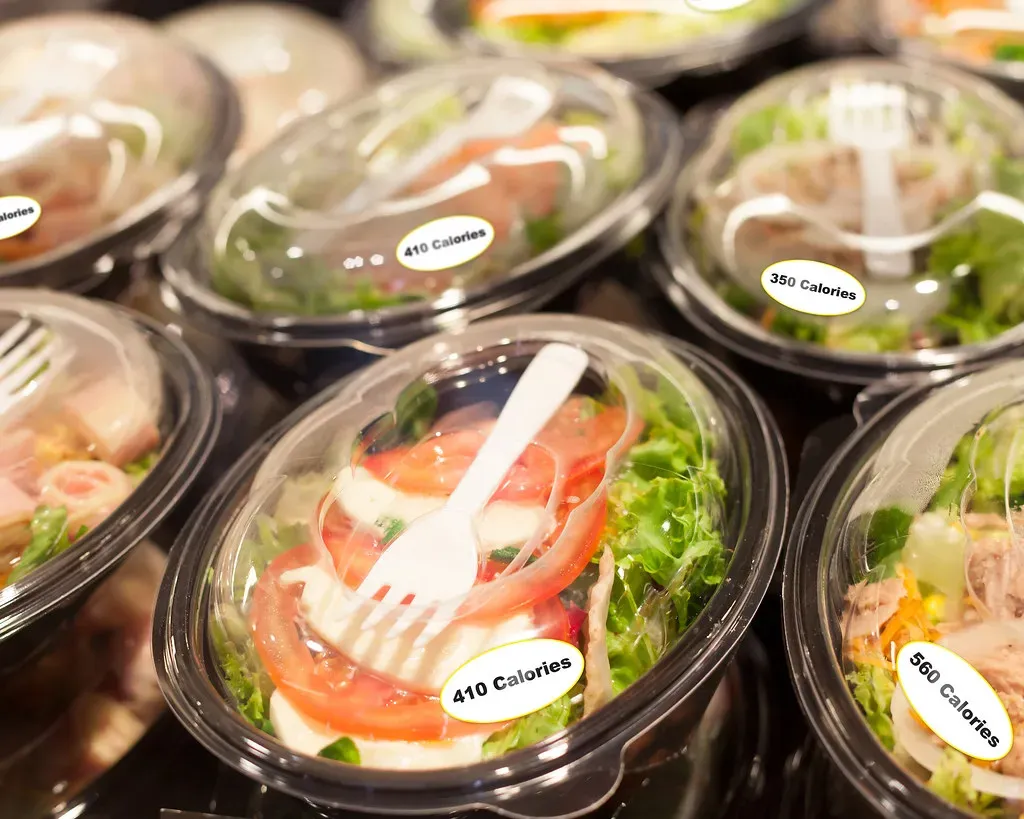
Most people go straight to the nutrition facts box and skip over the ingredients list entirely. That's a significant oversight. You can also read the ingredient list on the nutrition label to understand how much added sugar is in a food. Nutrition labels list ingredients from the highest amount to the smallest amount, and if a type of sugar appears at the beginning of the ingredient list, that's a good clue that the food has a lot of added sugars.
Looking at the nutrition facts panel and the ingredient list together is the most helpful when trying to make healthier choices. Scanning the label for fiber content, type of fat, and added sugar can be more helpful than putting too much stock in the claims alone.
Let's be real: the ingredients list is where the truth lives. The nutrition panel gives you numbers. The ingredients list tells you what those numbers actually come from. Learning to read both together is what separates genuinely informed shoppers from the rest.
Mistake #10: Assuming "Organic" Means Low-Calorie or Nutritionally Superior
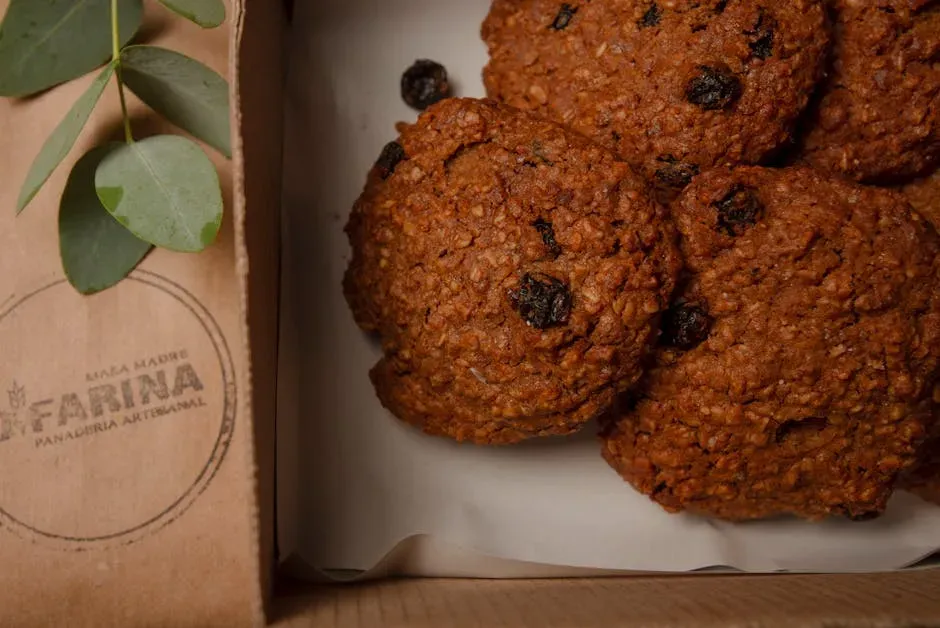
Organic food has earned a strong and loyal following, and for good reason in many cases. The problem arises when the organic label becomes a blanket pass for all things healthy. Numerous studies have observed that organic foods are considered to be lower in calories and fat, but higher in fiber and more nutritious. They are also perceived as equally healthy as non-organic foods that actually contain significantly less sugar and fat.
The misconception that "organic" means more nutritious is widespread. The reality is that organic processed foods, like cookies or snacks, can still be high in sugar and calories, so they shouldn't be considered a healthier option without checking the nutritional content.
Think of it this way: an organic cookie is still a cookie. The organic certification tells you something about how the ingredients were farmed and produced. It says nothing about whether the finished product is appropriate for your daily sugar or calorie goals. Only about one in six adults finds health claims on food labels very trustworthy, which honestly seems like the right level of skepticism to maintain.
Mistake #11: Not Understanding What "% Daily Value" Actually Means

That little percentage column on the side of every nutrition facts panel confuses a lot of people. It's easy to assume it tells you how much of a nutrient you've already consumed from that product. It doesn't quite work that way. The percentage daily value is based on a reference diet of roughly 2,000 calories per day, which may not match your personal needs at all.
A "low-calorie" label indicates that the food contains 40 calories or fewer per serving. This can be helpful if you're watching your calorie intake, but it's essential to consider the full picture. Some low-calorie foods may be low in nutrients or come in very small serving sizes, which can be misleading if you eat more than one serving.
Consumers are frequently confused about nutrition labeling, particularly regarding technical and numerical information, such as serving sizes and their relationship with energy and calories. The percentage daily value column is most useful as a quick comparison tool between two similar products, not as a precise prescription for your individual health. Use it as a guide, not a rule.
The Bigger Picture: Label Literacy Is a Real Skill

Reading a food label well is genuinely not as simple as it looks. About 83 percent of US consumers read food labels before making a purchase decision, and nearly two thirds pay more attention to labels now compared to five years ago. That growing awareness is a good sign, but attention alone isn't enough if the understanding isn't there to back it up.
Reading a food label can be challenging because different trigger words used on packaging are subject to different regulations. Some label claims that are frequently used are subject to stringent rules around the contents of the product, while others have no regulatory guidance at all. The rules of the game are inconsistent, and that's by design.
The single best habit you can develop is this: flip the product over, ignore the front entirely, and read the back. Check the serving size first. Then the ingredients. Then the nutrition panel. In that order, every time. It takes about 30 extra seconds and it changes everything about the choices you make. What would you have guessed was the most misunderstood thing on a food label before reading this?




Leave a Reply