
You reach into the freezer, pull out a package of chicken or a pint of ice cream, and there it is - a frosty white crust clinging to the surface. Most people just shrug and toss it into the pan. Others panic and throw everything away. Honestly, the truth sits somewhere in the middle, and it's a lot more interesting than you'd expect.
Ice crystals on frozen food are one of those everyday phenomena that almost everyone encounters but very few people actually understand. There's a real science behind what you're seeing, and knowing it can save you from wasting perfectly good food, or from eating something that's lost far more than just its frost. Let's dive in.
What Those Ice Crystals Actually Are
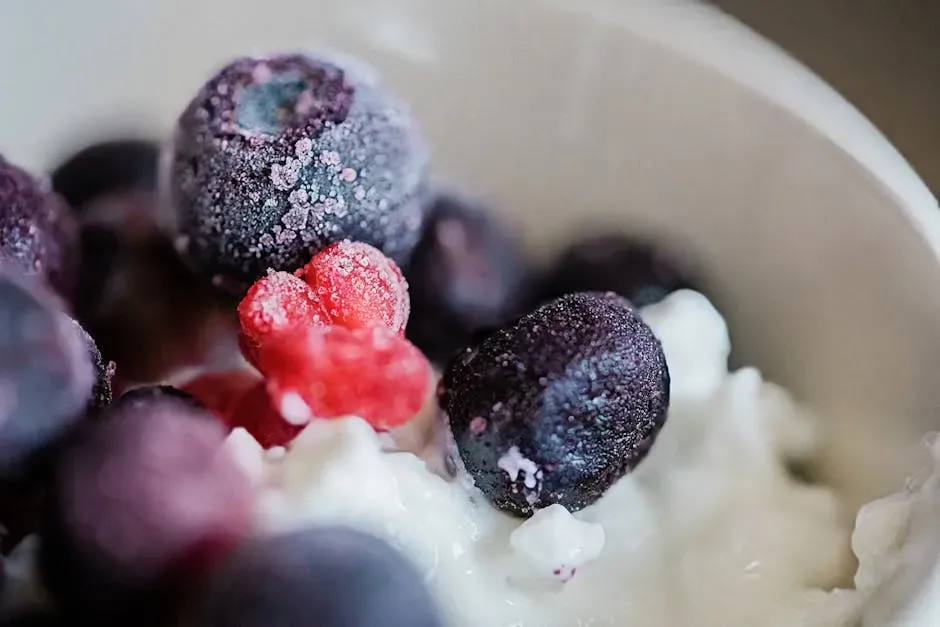
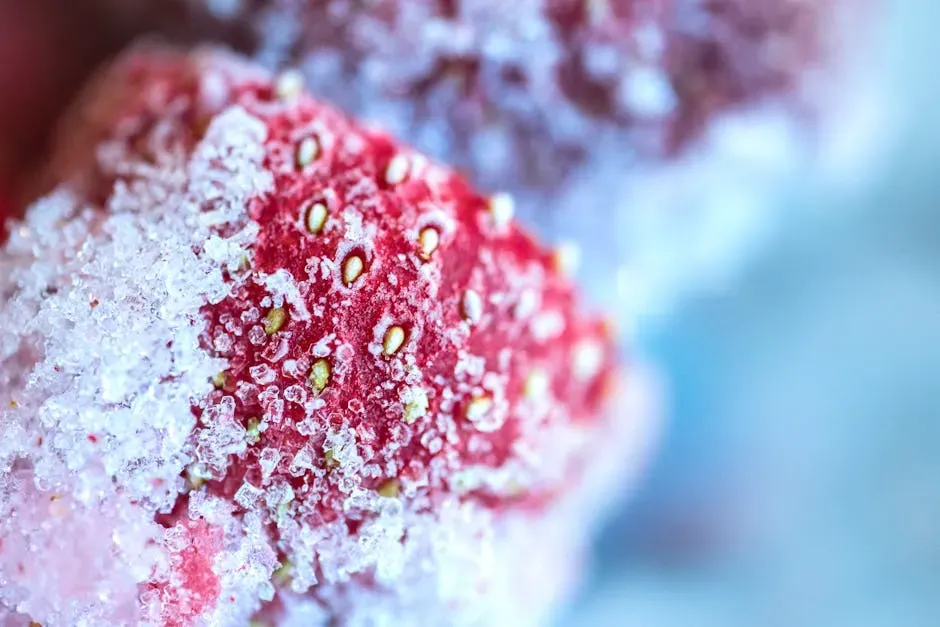
All foods contain water, which forms thousands of ice crystals when frozen. These crystals migrate to the surface of food and eventually to the coldest part of your freezer through a process called sublimation, which is when a substance goes from a solid to a gas. Think of it like a slow, invisible leak. The moisture doesn't drip out like water from a faucet. It just quietly evaporates as a gas.
Sublimation is similar to evaporation, but it doesn't involve liquid. Instead, a substance changes directly from a solid into a gas. It's the reason why ice cubes become smaller if you don't use them for a long time. The same thing is happening to your frozen steak or your bag of peas, just on a smaller, slower scale.
The phenomenon of freezer burn happens when tiny ice crystals on the food's surface evaporate directly into vapor without first going through the liquid water phase. This moisture loss or dehydration leaves the food's surface layers dried out and discolored. So those white crystals are essentially your food's own moisture, pulled out and left behind on the surface.
The Real Difference Between Small And Large Ice Crystals
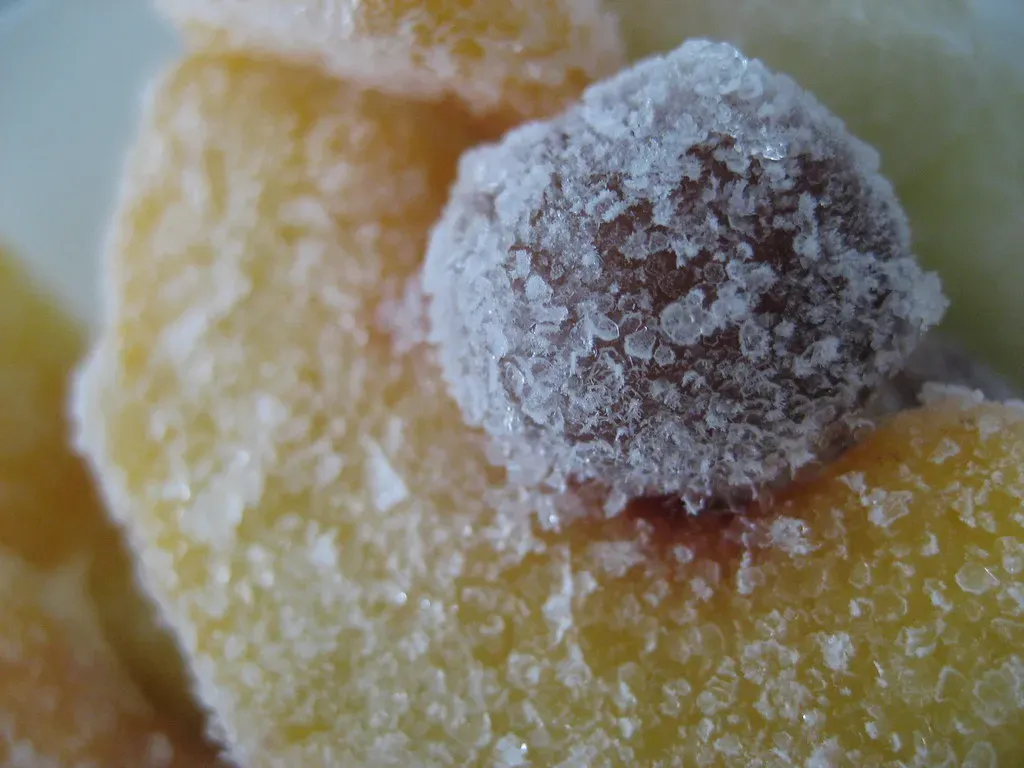
Here's the thing most people don't realize: not all ice crystals are the same, and the size of those crystals actually tells you a very different story depending on what caused them.
If the ice crystals are small, this shows that the food has simply lost its moisture. If the ice crystals are very large, this may indicate that the meat has thawed and refrozen, meaning that it is more likely to spoil. Small crystals often mean slow, gradual dehydration over time. Large ones are a red flag worth paying attention to.
When food is thawed and refrozen, the ice crystals present in the initial freezing process melt and refreeze, forming larger ice crystals. This is a clear indication that the product has undergone a thawing and refreezing process. So size really does matter when it comes to what's in your freezer. Keep that in mind the next time you're reaching for frozen goods at the supermarket.
Is It Actually Safe To Eat? Here's What The Science Says
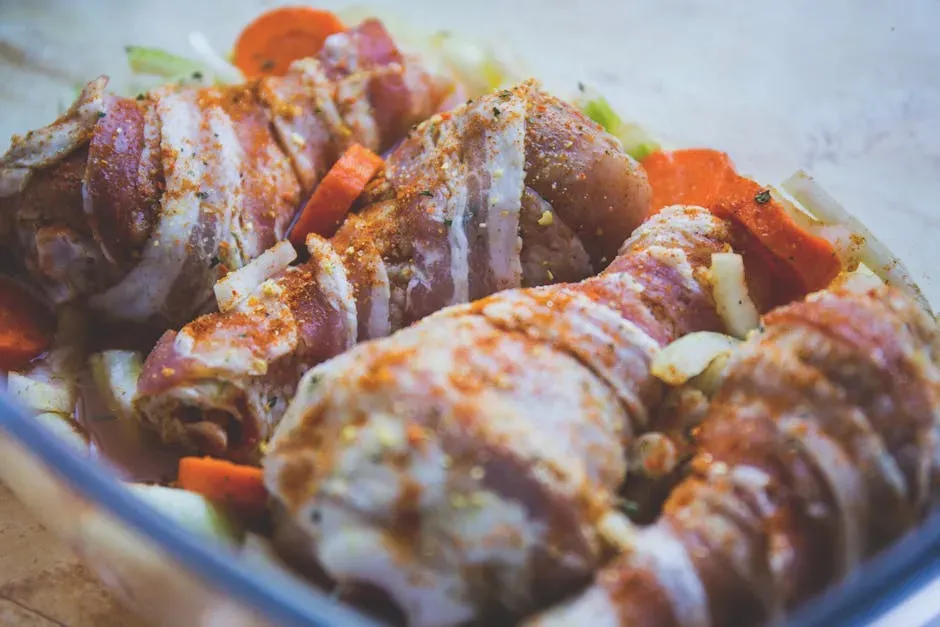
This is the big question, isn't it? You stare at the icy chicken breast and wonder if you're about to make a terrible mistake. The reassuring answer is: probably not.
Freezer burn does not mean food is unsafe. Freezer burn is a food-quality issue, not a food safety issue. It appears as grayish-brown leathery spots on frozen food. The FDA is pretty clear about this, and so is the USDA. The danger zone for food safety is temperature, not ice crystals.
Freezing keeps food safe by slowing the movement of molecules, causing microbes to enter a dormant stage. Freezing preserves food for extended periods because it prevents the growth of microorganisms that cause both food spoilage and foodborne illness. Freezing to 0°F inactivates any microbes - bacteria, yeasts, and molds - present in food. The freezer is essentially hitting pause on microbial activity, not rewinding it.
Severely freezer-burned food will have an off taste and smell that is especially noticeable. It's best to toss any food that exhibits severe freezer burn as the quality does not merit the effort to save or prepare it. Products exhibiting mild freezer burn are usually fine to eat by cutting away the burned area either before or after cooking. Use common sense here. Mild crystals? You're fine. A thick frosted crust with discoloration and a strange smell? That's your cue to let it go.
How Ice Crystals Wreck The Taste And Texture Of Your Food
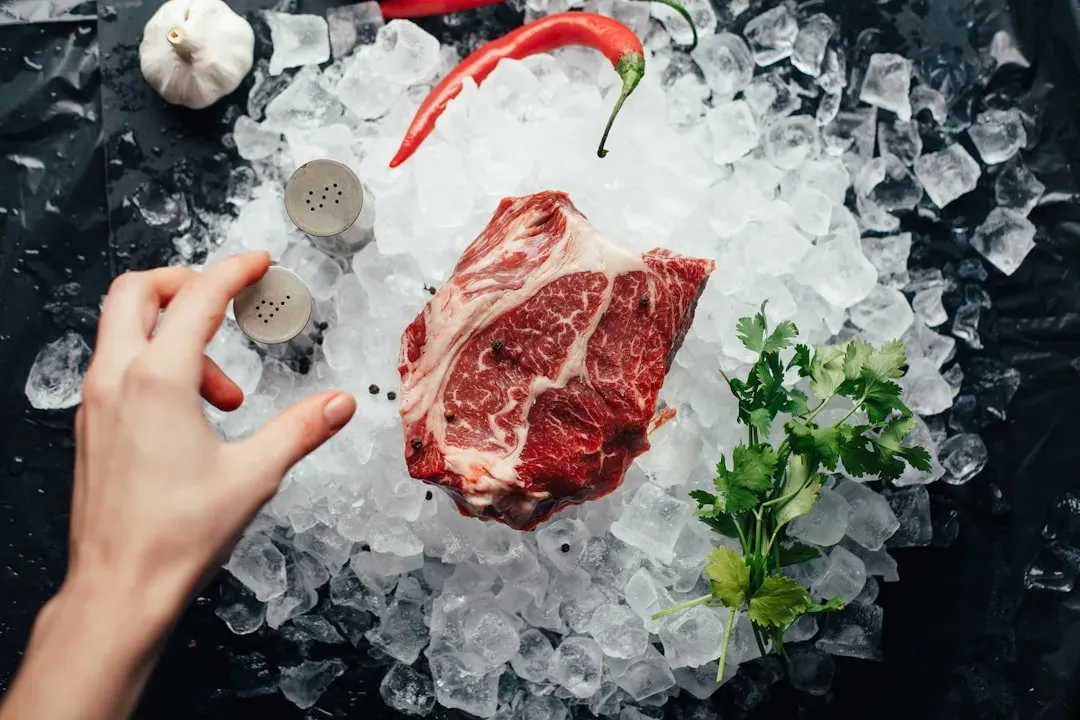
Safety aside, let's talk about what most people actually care about: how the food is going to taste. I think it's fair to say that most of us have bitten into something that came out of the freezer and thought, "why does this taste like cardboard and disappointment?"
Freezer burn noticeably affects the flavor and texture of food, resulting in dishes that taste unusually dry and bland. Your freezer-burned meats and vegetables may feel tougher to chew due to the loss of moisture, and you're likely to notice a grittier texture from freezer-burned ice cream as a result of accumulated ice crystals. Losing moisture is essentially losing flavor. The two go hand in hand.
Slow freezing creates large, disruptive ice crystals. During thawing, they damage the cells and dissolve emulsions. This causes meat to "drip" and lose juiciness. Emulsions such as mayonnaise or cream will separate and appear curdled. This is exactly why that frozen chicken breast ends up looking grey and dry on the plate. The cell structure itself was compromised long before cooking even began.
Foods Most Vulnerable To Ice Crystal Damage
Not all foods suffer equally from ice crystals. Some handle the freezer like a champ for months. Others start falling apart within weeks. Water content is the key variable here.
Foods with high water content, including produce, poultry, meat, fish, and ice cream, are affected by freezer burn more than low water content foods such as nuts or seeds. Discoloration from freezer burn is noticeable on most foods; poultry turns whitish, red meat turns greyish brown and may be tough and dry when cooked. Vegetables and fruit turn pale or dull and crystals are likely to form.
Ice cream may be the least forgiving food when it comes to freezer burn. Freezer-burned ice cream loses moisture and creaminess as it sits in the back of the freezer. Even once you scrape off the ice crystals, it won't taste the same as fresh ice cream. It's a cruel irony. The thing you most want to enjoy from the freezer is also the thing most destroyed by it.
The water content of proteins is 60 to 70 percent on a wet basis, and the small ice crystals formed through rapid freezing help retain the cellular structure of proteins, making this process ideal for meat, poultry, seafoods, and other proteins. Protein producers may use a sauce or marinade that freezes around the protein, acting as a protective barrier to reduce freezer burn and oxidation. This is actually a smart trick worth knowing if you're freezing meat at home.
When Ice Crystals Signal A Bigger Problem
There's a scenario where ice crystals on frozen food cross from "mildly annoying" into "genuinely concerning," and it has everything to do with temperature history.
Large ice crystals on frozen food packaging often indicate that the food has thawed and refrozen, which can compromise its safety and quality. It may also suggest a malfunctioning freezer, but the food may still be safe to consume. The key distinction is whether the food spent time in the temperature danger zone before refreezing.
Once thawed, microbes can again become active, multiplying under the right conditions to levels that can lead to foodborne illness. Since they will then grow at about the same rate as microorganisms on fresh food, you must handle thawed items as you would any perishable food. So if your freezer failed overnight, the ice crystals you see when it comes back on could be the only clue you have. Pay attention to them.
If there is a power outage, the freezer fails, or if the freezer door has been left ajar by mistake, the food may still be safe to use if ice crystals remain. Presence of ice crystals is actually a reassuring sign in this scenario. Their absence? That's when things get worrying.
How To Prevent Ice Crystals And Protect Your Frozen Food
The good news is that most ice crystal formation is completely preventable with the right habits. It's not complicated. Think of it like sealing a letter properly before sending it. If the envelope is loose, the content gets damaged.
Freeze food as fast as possible to maintain its quality. Rapid freezing prevents undesirable large ice crystals from forming throughout the product because the molecules don't have time to form into the characteristic six-sided snowflake. Speed is your best friend when it comes to freezing. The faster moisture is locked in, the less opportunity it has to migrate and cause problems.
Frequent changes in temperature, such as those caused by frequent opening and closing of the freezer door, can increase the risk of freezer burn. This happens because the ice crystals that form on the food can melt and refreeze, which accelerates moisture loss. Every time you open the freezer unnecessarily, you're essentially inviting the problem in.
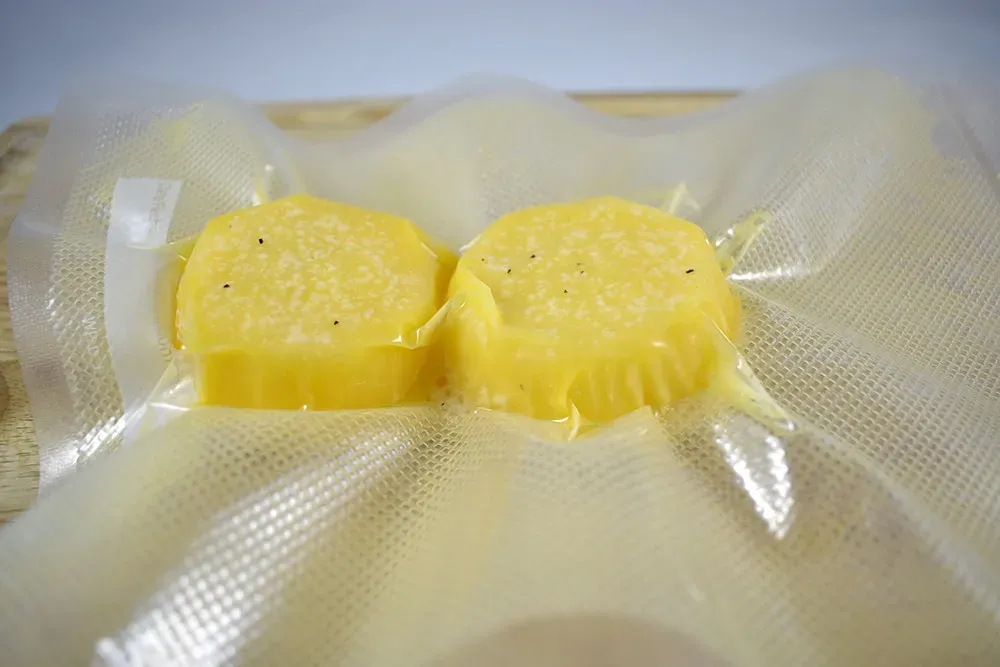
Always repackage store-bought food, as the packaging that makes it convenient to take home from the supermarket is not freezer-friendly and will most likely lead to the formation of ice crystals on your food. Extract excess air from food before freezing, because air is a main component of freezer burn. A vacuum sealer is genuinely one of the most useful kitchen investments you can make if you freeze food regularly. It removes the air that drives the whole problem in the first place.
Finally, labeling matters more than people think. Leftovers can be kept in the refrigerator for 3 to 4 days or frozen for 3 to 4 months. Although safe indefinitely, frozen leftovers can lose moisture and flavor when stored for longer times in the freezer. Knowing what went in and when it went in takes the guesswork out of the equation entirely.
Ice crystals on your frozen food are telling you something. Sometimes they're just whispering that time has passed. Other times, they're shouting that something went wrong. Now you know how to tell the difference. What would you have guessed before reading this - safe to eat, or straight in the bin?

Leave a Reply