
There is something genuinely powerful about the smell of a casserole bubbling in the oven. It does not just signal dinner. It signals home, safety, a particular version of America that many people carry somewhere deep in their memory. The 1950s were a strange and fascinating decade for food - a time when convenience ruled the kitchen, canned goods were considered modern luxuries, and families gathered around dishes that were both wildly practical and oddly creative.
The 1950s was a transformative period in American history, marked by post-war prosperity, cultural shifts, and the rise of consumerism - and the food landscape reflected all of it, characterized by a mix of traditional dishes, new culinary trends, and the increasing influence of technology on food production and consumption. If any of the five dishes below make you feel something in your chest - a flash of the kitchen table, the sound of the evening news - there is a good chance you were there. Let's dive in.
1. Green Bean Casserole: The Dish That Conquered Thanksgiving
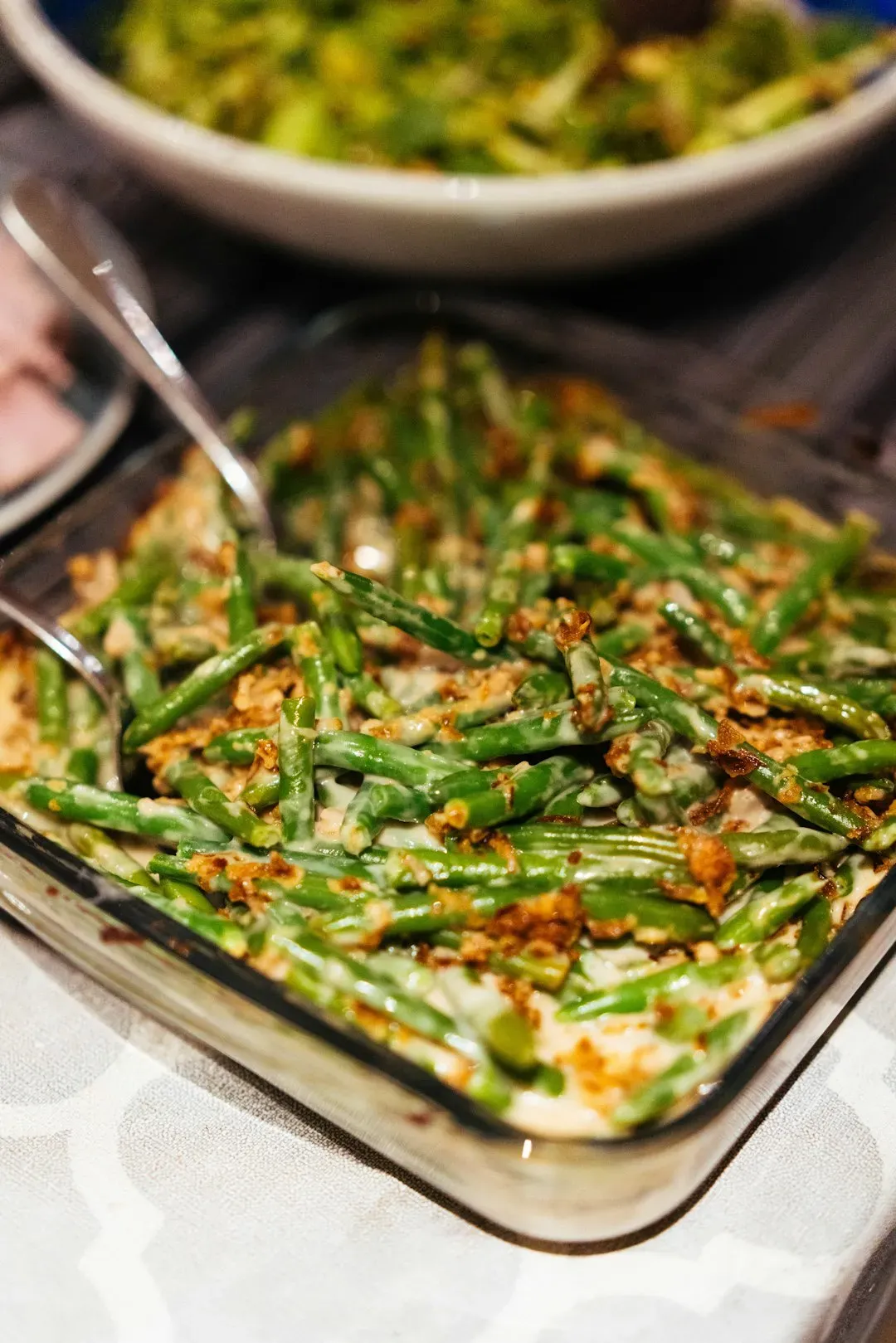
Honestly, few dishes carry as much emotional weight as this one. It looks almost too simple to matter. Green beans, cream of mushroom soup, crispy fried onions on top. Yet somehow, it ended up on more American tables than almost anything else in history.
The recipe was created in 1955 by Dorcas Reilly at the Campbell Soup Company, and as of 2020, Campbell's estimated it was served in 20 million Thanksgiving dinners in the United States each year, with roughly 40 percent of the company's cream of mushroom soup sales going into a version of the dish. That is a staggering number. Think about it - nearly one in six American households now celebrates the holiday with a dish invented in a corporate test kitchen in New Jersey.
Dorcas Reilly created the recipe while working in the home economics department at the Campbell's Soup Company in Camden, New Jersey. The recipe was originally created for a feature article for the Associated Press, with the requirement being a quick and easy dish using ingredients most U.S. households kept on hand.
The dish did not even test well within the company at first, but eventually earned a reputation for being a comfort food standout. Culinary historian Laura Shapiro called the recipe's use of the crunchy fried onion topping a "touch of genius" that gave an otherwise ordinary convenience-food side dish a bit of glamour. Reilly passed away in 2018, but her original recipe card for "Green Bean Bake" now belongs to the National Inventor's Hall of Fame in Akron, Ohio - the same building where Thomas Edison's light bulb is on display.
2. Tuna Noodle Casserole: The Weeknight Workhorse
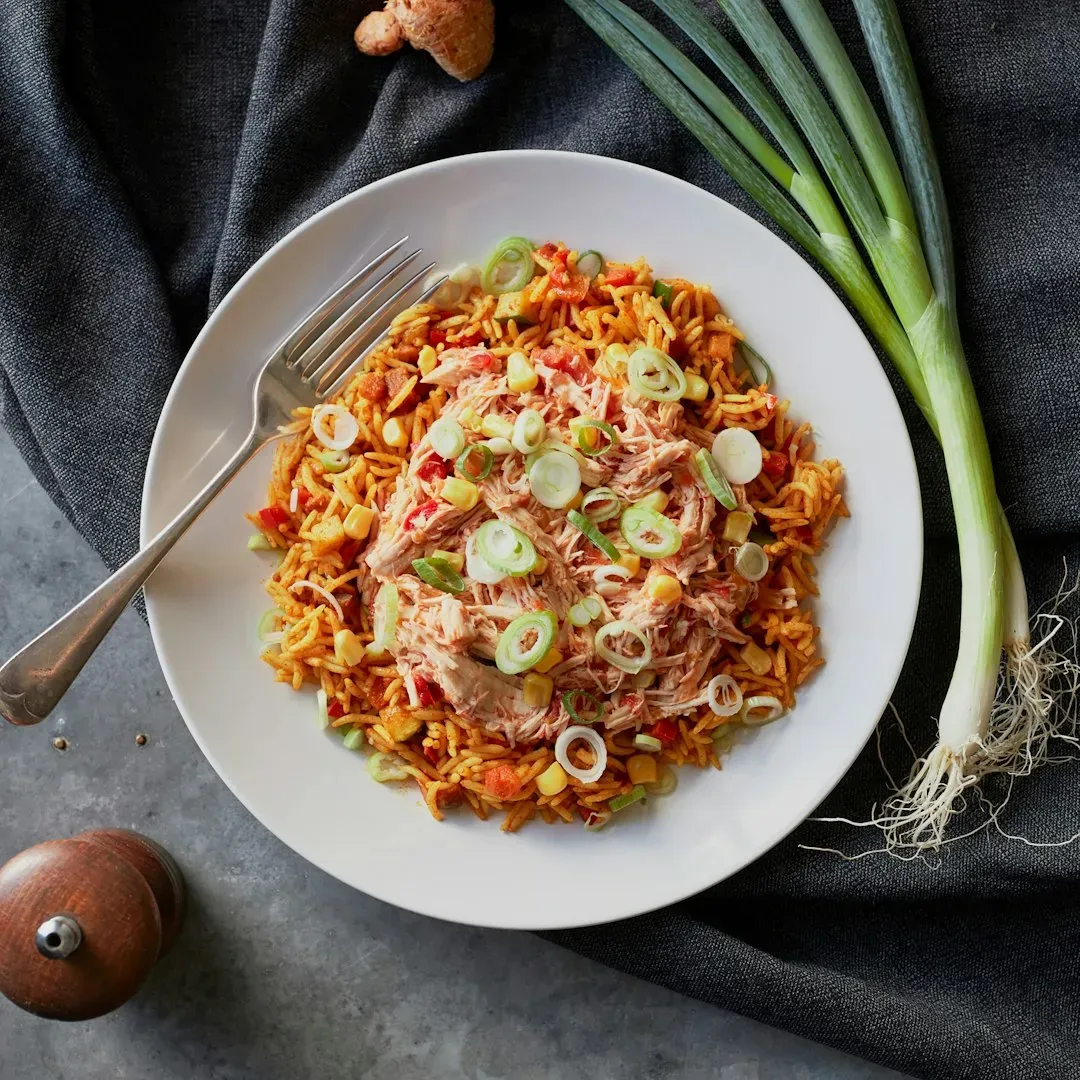
Every generation has its comfort food that divides people straight down the middle. For anyone who grew up in the 1950s, tuna noodle casserole was exactly that dish. You either adored it or you dreaded Tuesday nights.
Casseroles became popular in American households in the 1950s mainly because the ingredients were cheap and easy to find at the supermarket. In 1952, Campbell's published a book of recipes using canned soup which included a recipe for tuna casserole. The whole thing practically sold itself.
While the first recipe appeared in print in the 1930s, it was in the 1950s that tuna noodle casserole really gained popularity in mainstream America, becoming a regular part of the dinner and potluck lineup. The reason people loved to make it was because it was built from packaged foods and was easy to put together.
A survey done by the U.S. Bureau of Commercial Fisheries in 1959 found that roughly 8 out of 10 households served canned tuna once a week, with tuna fish casseroles ranking in the top three preferred dishes. Families reported that they liked using canned tuna because it was quick, easy, cheap, and convenient. There is something almost poetic about that. No one was calling it gourmet. It just worked.
3. Meatloaf: The King of the Mid-Century Dinner Table
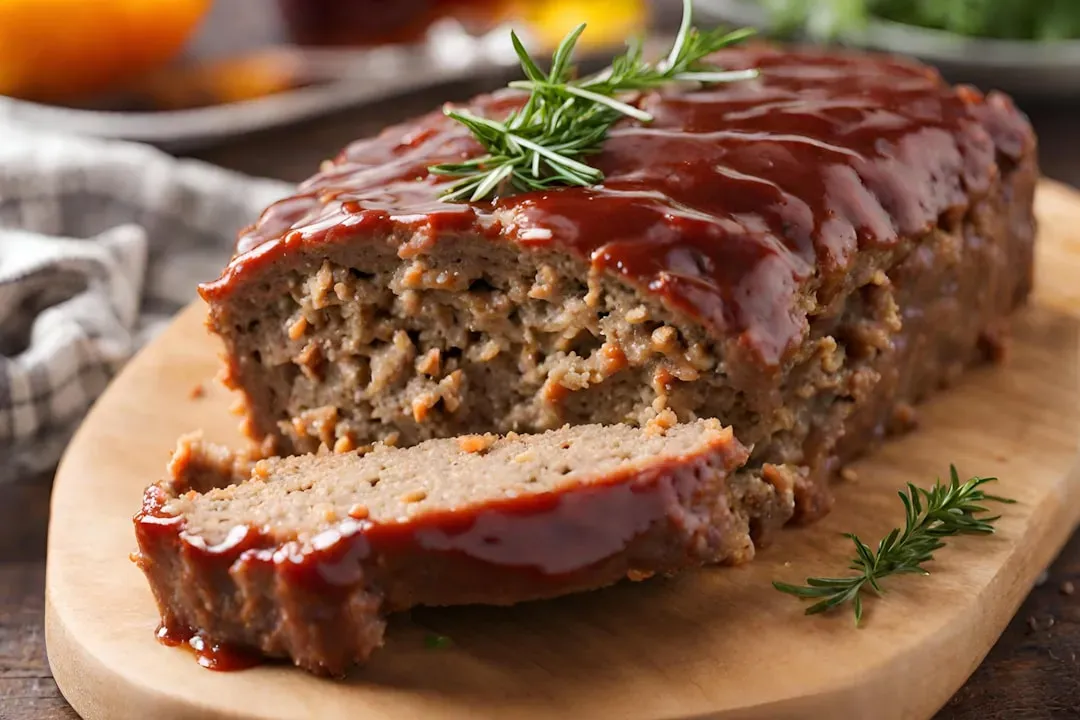
Here is the thing about meatloaf - it has a bad reputation today that it absolutely does not deserve. In the 1950s, it was practically royalty. A centerpiece. Something a family could depend on.
There was no such thing as the keto diet in the 1950s. Meat and potatoes reigned supreme, and you would find hearty main dishes like Salisbury steak, beef stroganoff, and meatloaf on a typical dinner menu. Meatloaf was the one that felt most like home.
Meatloaf was made of hamburger covered in a ketchup-based gravy and was hugely popular with Americans who had spent the previous decade living off Victory Garden vegetables. Add a side of buttery mashed potatoes and a tall glass of whole milk and you had the quintessential 1950s feast.
Meatloaf with creamy onion gravy was once a staple in nearly every home because it turned a few ingredients into two full dinners. This version came with enough to freeze for later and didn't skip on the rich gravy. It was hearty, classic, and made potatoes feel necessary again. I think that tells you everything about the decade's food philosophy - practical, filling, and deeply satisfying without pretending to be anything else.
4. Stuffed Bell Peppers: Practicality Dressed Up for Dinner
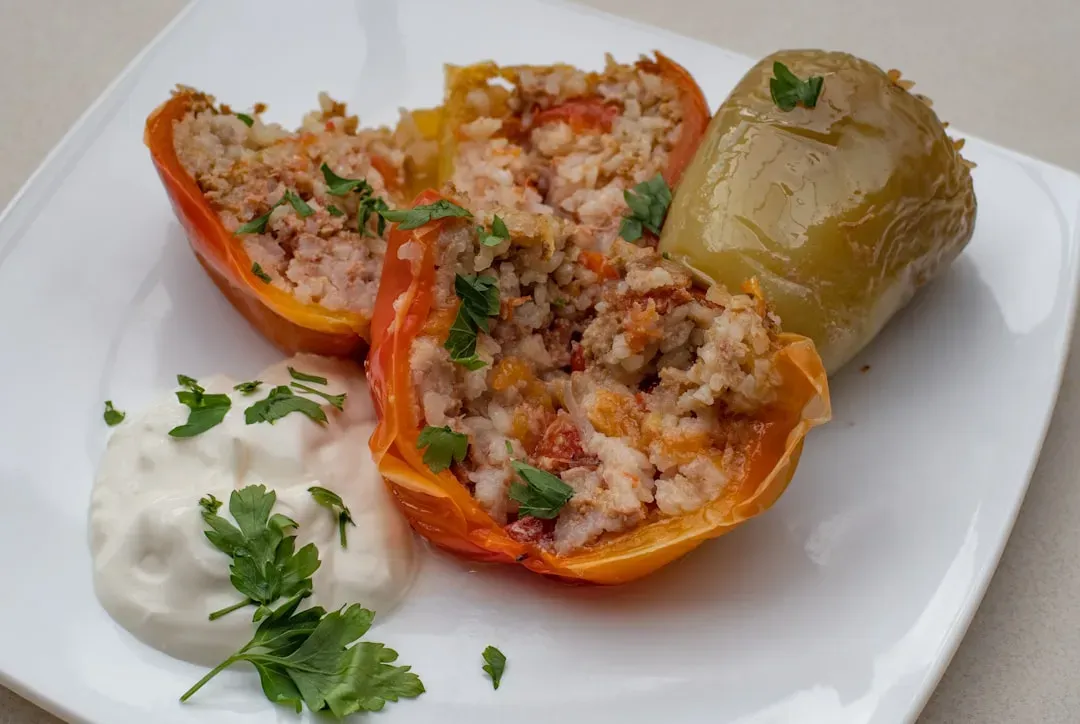
If there was one dish that perfectly captured the 1950s spirit of "stretch it, dress it up, and get it on the table," it was stuffed bell peppers. Colorful, clever, and completely functional.
Stuffed bell peppers were a clever way to turn leftover rice and ground beef into a presentable, full meal during the 1950s. The colorful vegetables doubled as serving vessels, cutting down on dishes while keeping dinner intact. Baked until tender, they came out of the oven looking like effort when they were really about practicality.
Recipes from this era were influenced by the end of World War II rationing, an ongoing interest in convenience, and the growing peacetime prosperity and leisure that many Americans enjoyed. In many parts of the country, outdoor dinners and practical home cooking were hallmarks of the decade's new domestic optimism.
The dish was also a perfect mirror of the times. Post-war economic prosperity encouraged conspicuous consumption, and processed foods, easily and quickly assembled into meals using electric appliances, became standard fare. Grocery bills went up as women happily purchased more and more convenience foods. Stuffed peppers managed to sit right at the intersection of home cooking tradition and mid-century convenience, which is exactly why they became a staple.
5. Jell-O Mold Salads: The Most Daring Thing on the 1950s Table
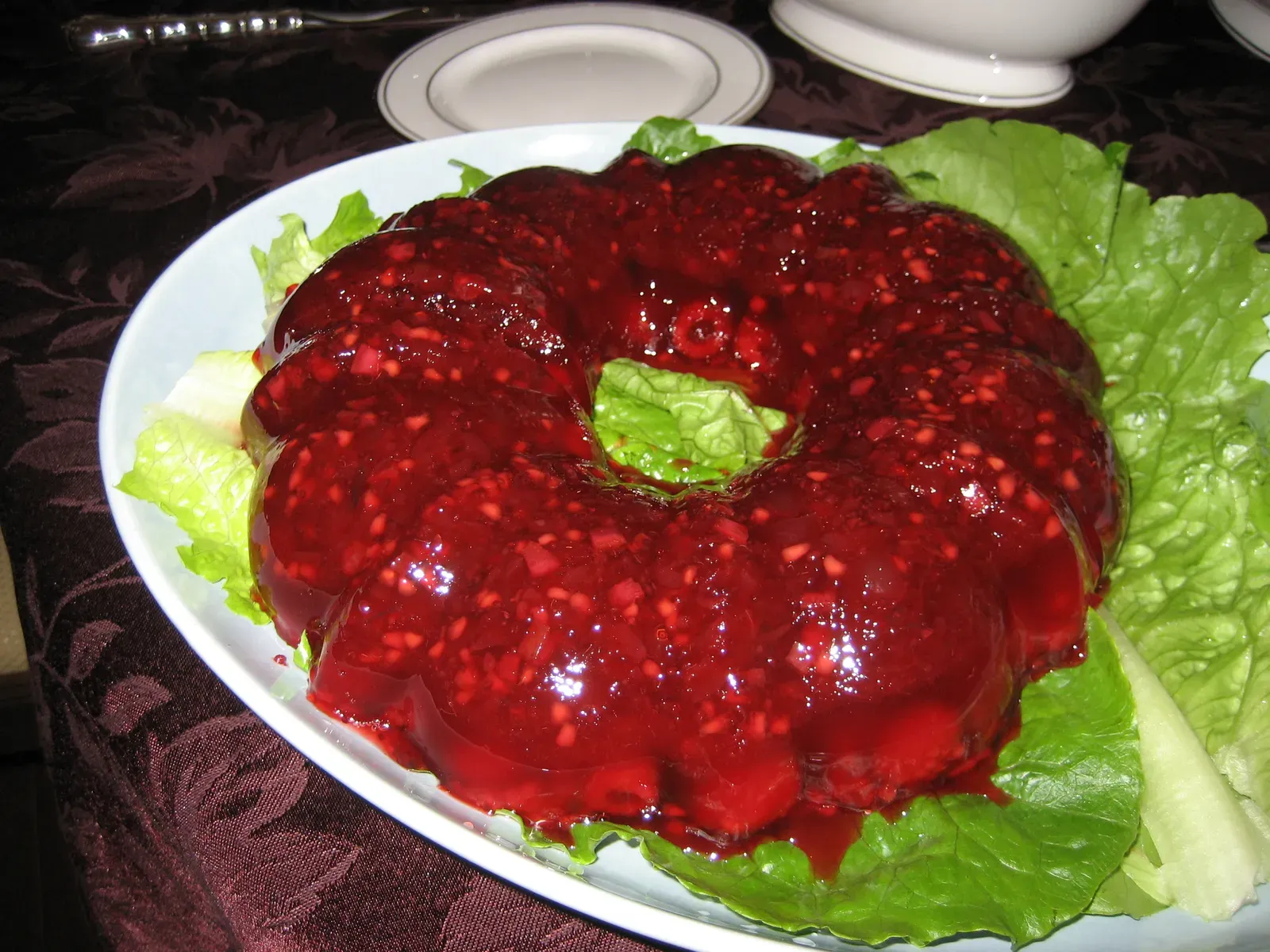
Okay, let's be real. This one is wild. It is perhaps the most distinctly 1950s thing that has ever existed in an American kitchen. A wobbly, neon-colored structure sitting at the center of the dinner table, holding shredded carrots, canned fruit, or in the most adventurous kitchens, actual tuna.
Nostalgia hits hard when you picture a wobbly, neon-colored gelatin mold sitting proudly at the center of a 1950s dinner table. Jell-O salads were not desserts back then - they were the main event, stuffed with shredded carrots, olives, or even canned tuna. These jiggly creations were considered elegant and modern.
Molded gelatin was all the rage in the 1950s, and it took some pretty surprising forms. Sweet applications were most popular, usually made in a Bundt pan, but there were plenty of savory ones as well. At the end of the day, it was a great way to use up a family's leftovers, and it was neat and tidy.
Visually pleasing with their bright colors and unique shapes, aspic-style dishes were a hit during an age where accessible ingredients and presentation were key. Home cooks often used packaged goods or leftovers from the night before and elevated them with unique gelatin molds, making them both affordable and visually intriguing. It is hard to say for sure whether anyone actually loved them or just accepted them as part of the era's aesthetic - but either way, they meant something.
The World That Made These Dishes
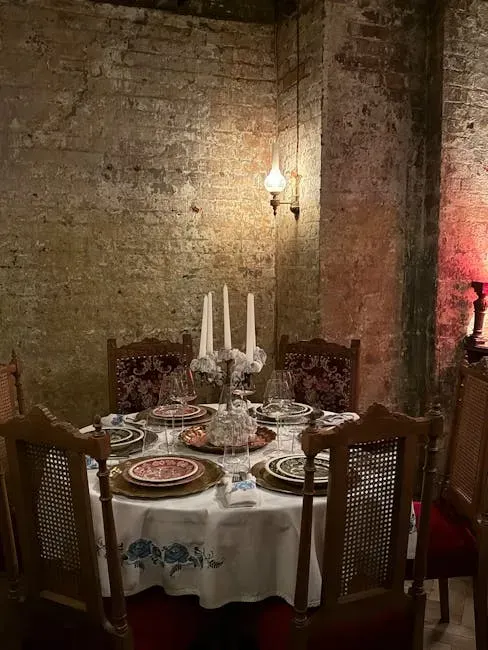
To really understand these five dishes, you have to understand the decade that created them. The food did not come out of nowhere. It came from a very specific cultural and economic moment in American history.
In many parts of the country, backyard barbecues became a new summer tradition as Americans celebrated newfound leisure time through casual outdoor dinners. After the frugality of wartime living, postwar home cooks invested in grills and accessories for their suburban backyards. As many Americans enjoyed greater prosperity after World War II, meat took center stage on the plate. At the same time, men assumed a new role in many households: grill masters.
Between 1948 and 1958, the number of supermarkets in the United States doubled to over 2,500, with most of the expansion occurring outside central cities. Supermarkets anchored a new post-war housing model. This meant access to more products, more canned goods, more ready-made ingredients - and, in turn, entirely new kinds of cooking.
With thousands of American families moving to the suburbs and the advent of new culinary technology like the electric range, blender, and refrigerator-freezer combo, home cooks were in a luxury of convenience. Televisions played advertisements for products like Campbell's soup or Heinz pickles. Magazine ads and recipe cards displayed printed recipes using the advertised products. Supermarkets were stacked with gelatin powders, canned meats and veggies, and premade baking mixes.
The result was a decade of food that was simultaneously hopeful, convenient, creative, and sometimes absolutely bizarre. American dinner tables were a wild mix of creativity and convenience. Canned goods, gelatin molds, and processed meats were transformed into "gourmet" masterpieces that ranged from oddly charming to downright bizarre. Jellied salads shimmered, casseroles bubbled, and meatloaf reigned supreme while neon-colored desserts winked from every plate.
These five dishes are more than just recipes. They are time capsules. Each one carries the particular smell of a decade - of optimism after war, of suburban kitchens humming with new appliances, of families eating together in front of a television that had only recently appeared in the living room. Did any of them take you somewhere unexpected?

Leave a Reply