
Most Americans don't think much about their grocery bill until it shocks them at checkout. The number on the receipt feels personal, even random. Yet behind every cart of food is a surprising story about income, diet quality, geography, and what it actually costs to eat well in the United States right now.
The gap between what people spend and what they should spend has never been more visible. With food prices still elevated after years of inflation, and with government data painting a stark picture of who's eating well and who isn't, your monthly grocery budget might be saying a lot more about your health than you realize. Let's dive in.
The Average American Grocery Bill Might Surprise You
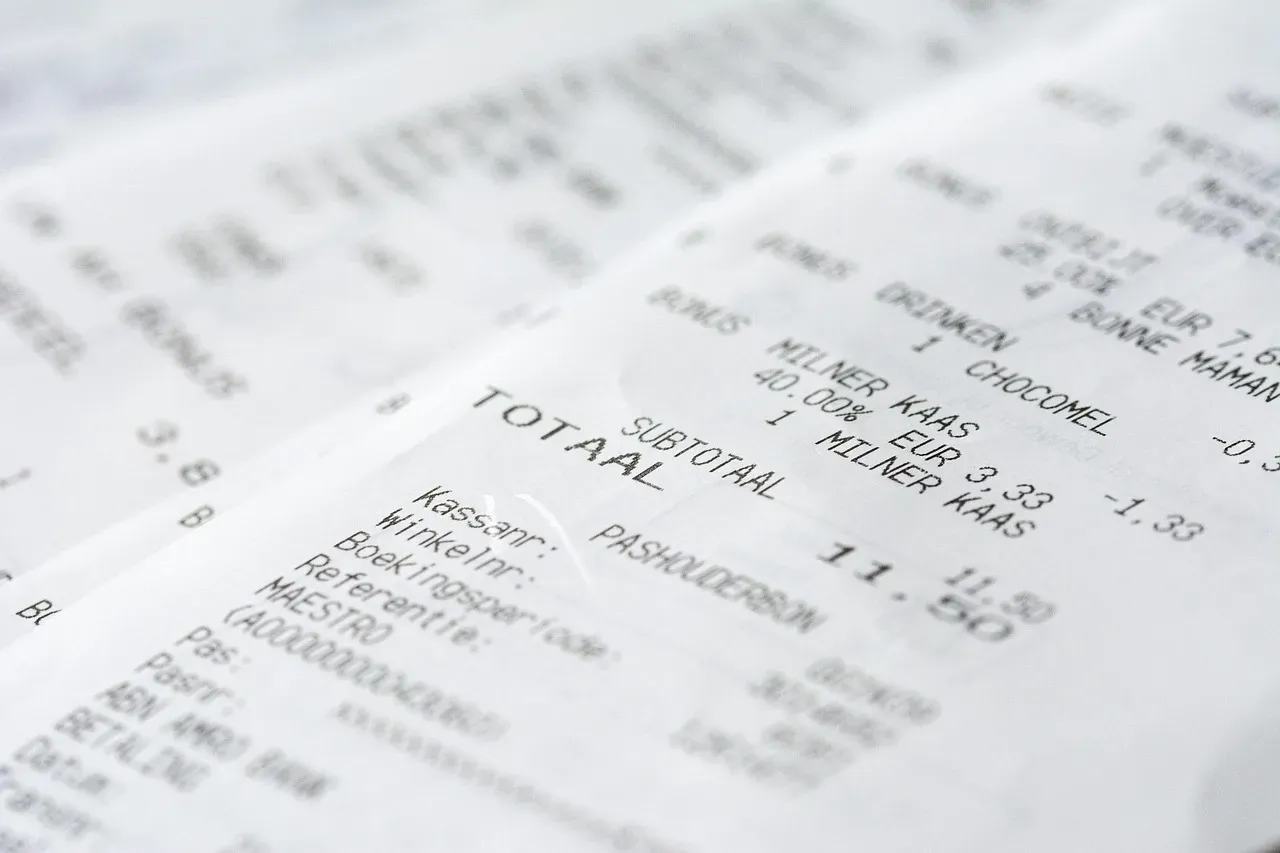
Here's the thing. Most people assume their grocery spending is about average. Turns out, that average is higher than many expect. The average American spends $518.67 on groceries per month. That's per household, not per person, and it's a number that's climbed steeply over the past decade.
Grocery costs jumped roughly 57 percent between 2014 and 2024, according to the U.S. Bureau of Labor Statistics. That is not a small drift upward. That is a seismic shift in how much a basic necessity eats into a paycheck.
The average American household spends $6,224 a year on groceries, according to the BLS Consumer Expenditure Survey from 2024. That works out to about $519 a month. So if your bill is hovering around that range, you are sitting squarely at the national midpoint. Nothing extraordinary. Nothing especially healthy either.
What the USDA Actually Says You Should Spend
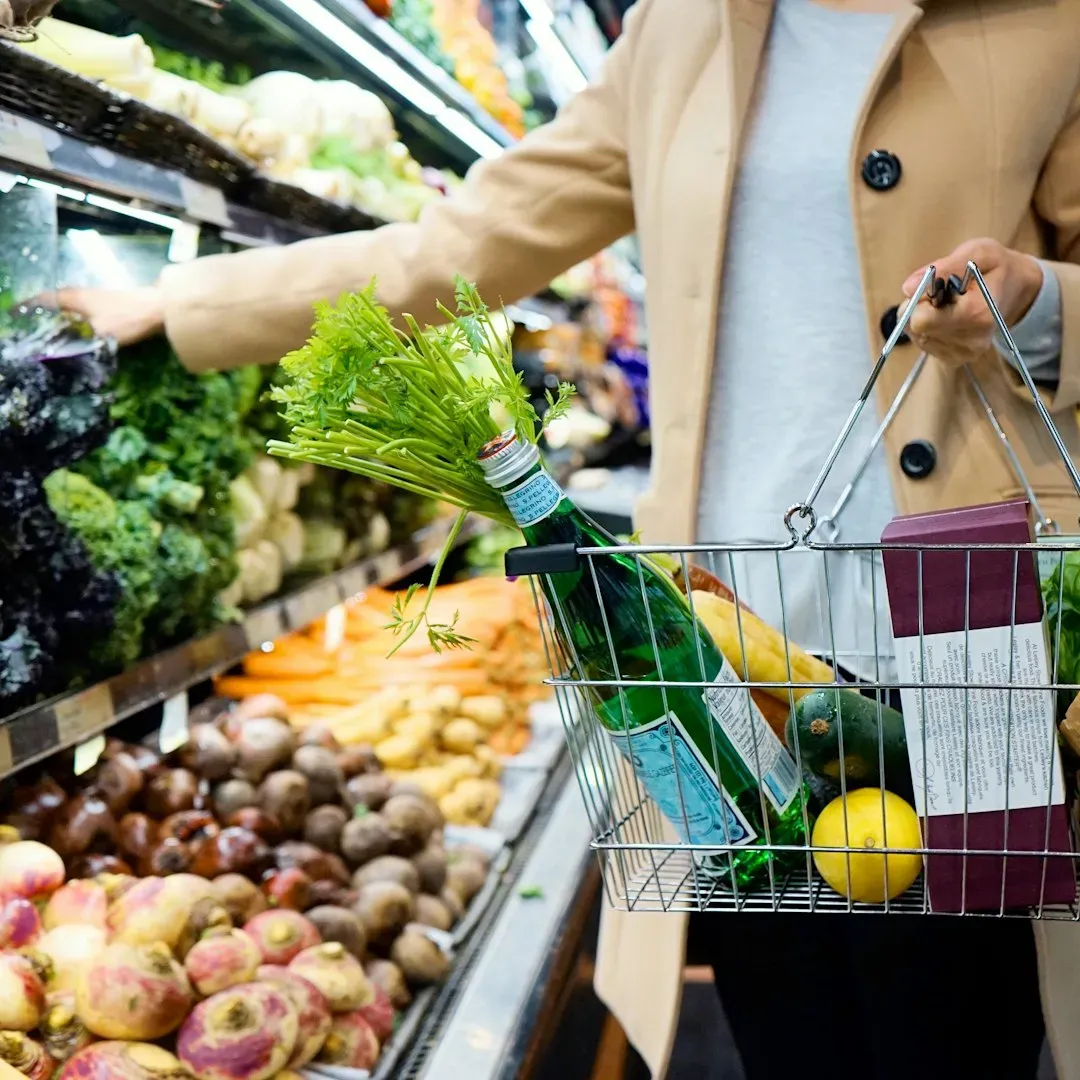
The U.S. Department of Agriculture publishes something most Americans have never heard of: official food cost plans. The USDA produces four food plans at successively higher cost levels, including the Thrifty, Low-Cost, Moderate-Cost, and Liberal Food Plans, each specifying quantities of foods and beverages that could be purchased and prepared to make healthy meals and snacks at home.
For 2025 and 2026, the USDA publishes four grocery budget tiers: Thrifty at roughly $247 to $309 per month, Low-Cost at $323 to $371, Moderate at $392 to $465, and Liberal at $499 to $566, all per single adult. Think of it as a ladder. The higher you climb, the more variety, nutrition, and food quality you can realistically access.
The Moderate-Cost Food Plan represents food expenditures in the second from the top quartile of food spending, while the Liberal Food Plan represents food expenditures in the top quartile. In other words, if you're spending at the moderate level or above, you are already spending more thoughtfully than a large portion of the country. Honestly, that's a meaningful benchmark most people overlook entirely.
The Sweet Spot: When Your Spending Signals Better Eating

So what number puts you ahead of most Americans? Based on USDA benchmarks and current BLS data, a single adult spending around $400 to $465 per month on groceries, or a family of four spending in the range of $1,250 to $1,400 per month, is operating in the moderate-to-liberal tier. That tier is where diet quality starts to meaningfully improve.
On average, the cost of food for a single adult male on a moderate USDA food budget is $465 a month, while a single adult female is approximately $392. A realistic monthly grocery budget for a couple, one adult male and one adult female, on a moderate food budget would be $785. These aren't luxurious figures. They're the baseline for a genuinely varied, nutritious diet.
Under the USDA moderate-cost plan, a family of four should budget roughly $1,250 to $1,400 per month for groceries in 2025 and 2026. The thrifty plan brings that closer to $900 to $1,000 per month but requires cooking almost everything from scratch. The gap between those two numbers is the gap between convenience and survival-mode meal planning.
Food Inflation Has Reshaped the Picture Since 2020

Let's be real. The numbers today look nothing like they did five years ago. From 2020 to 2024, the all-food Consumer Price Index rose 23.6 percent, a higher increase than the all-items CPI, which grew 21.2 percent over the same period. Groceries outpaced general inflation. That matters for every household budget in America.
Due to a resurgence of a highly pathogenic avian influenza outbreak that began in 2022, egg prices rose the most, at 8.5 percent across products in 2024. The second largest price increase in 2024 was in beef and veal prices at 5.4 percent, followed by sugar and sweets at 3.0 percent. Anyone who buys eggs regularly felt that. Hard.
From September 2024 to September 2025, food prices rose 3.1 percent, up from the previous year, according to the Bureau of Labor Statistics. Price growth hasn't stopped. It has just slowed down. And for households already stretched thin, even a modest rise can push eating well out of reach.
Where You Live Changes Everything
Your zip code might be doing more damage to your grocery bill than your shopping habits. Hawaii, Alaska, and California rank among the most expensive states for groceries. The average household in Hawaii spends over $1,500 per month on groceries. Higher transportation costs, geographic isolation, and limited local food production drive these prices up.
States like West Virginia, Arkansas, and Iowa tend to have the lowest average grocery bills. Households in these states spend as little as $770 to $850 per month, thanks to a lower cost of living, more accessible local food sources, and reduced shipping costs. The same meal, purchased on the same day, can cost dramatically more depending on which side of the country you're on.
Louisiana residents are the most cost-burdened by grocery spending, with the typical household spending about 13 percent of its income on groceries. Massachusetts residents spend the smallest share of their income on groceries, at just 6.7 percent. Annual grocery costs aren't cheap there at about $7,071, but the state has one of the highest median incomes in the U.S. It's a reminder that the dollar amount tells only half the story. The percentage of income spent is the real pressure point.
The Diet Quality Crisis Behind the Numbers

Spending more doesn't automatically mean eating better, but the research suggests the two are closely linked. Americans' self-reported diet quality remains intermediate, with an average dietary questionnaire score well below the healthy threshold. This figure was measured using the Mini-EAT dietary questionnaire, which assessed actual eating patterns.
Higher-income households report better diet quality scores, though all income groups fall short of healthy targets, according to market research analysts at Purdue University's Consumer Food Insights survey. I think that last part is the most sobering detail. Even the people spending the most aren't fully clearing the bar.
As food prices have crept up, eating healthy has gotten tougher for many Americans. Nearly 7 in 10 say these price hikes make it more difficult for them to eat healthy, according to a 2025 Pew Research Center survey. Meanwhile, ultraprocessed food makes up close to 60 percent of dietary energy consumption in the United States, the most among higher-income economies, according to a 2024 BMJ review of multiple studies.
Food Insecurity Is Still a Staggering Reality for Millions
While some households debate between moderate and liberal food budgets, millions of Americans are struggling just to eat consistently. Nearly 14 percent of U.S. households, which amounts to 18.3 million households, were food insecure at some time during 2024. That is roughly one in seven families.
14.1 million children lived in households that experienced food insecurity in 2024, a slight increase from the 13.8 million children reported in 2023. These are not abstract statistics. These are kids skipping meals or going to school hungry, and the numbers have held stubbornly high despite a relatively strong economy.
Almost one in four Black non-Hispanic households, one in five Hispanic households, and nearly one in three American Indian and Alaska Native non-Hispanic households were food insecure in 2024, at least double the rate for non-Hispanic white households. It's hard to say spending more solves this, because for many families, spending more simply isn't an option. This is where systemic factors, not just personal budgeting, drive the outcome.
The uncomfortable truth is that the grocery receipt in your hand is a window into something much larger than just your weekly meals. It reflects income, geography, access, habit, and sometimes just plain luck. If you're spending anywhere near or above the USDA moderate-cost benchmark for your household size, you are, by almost any measure, eating better than a significant portion of Americans. What would you have guessed about your own grocery number before reading this?




Leave a Reply