
Working as a pastry chef has been one of the most rewarding experiences of my life. There's something incredibly satisfying about transforming simple ingredients like flour, butter, and sugar into beautiful creations that bring joy to people. However, this profession has also completely changed the way I shop for baked goods when I'm not at work. Let's be real, once you've spent years perfecting techniques and learning what truly goes into quality pastries, you start to notice things that most customers never would. Walking through a grocery store bakery section now feels like reading an open book, one that sometimes reveals truths you'd rather not know. I've developed some strong opinions about what's worth buying and what isn't. So let me take you behind the scenes and share which bakery items I avoid like the plague and which ones actually earn my money.
Store-Bought Croissants: A Heartbreaking Disappointment
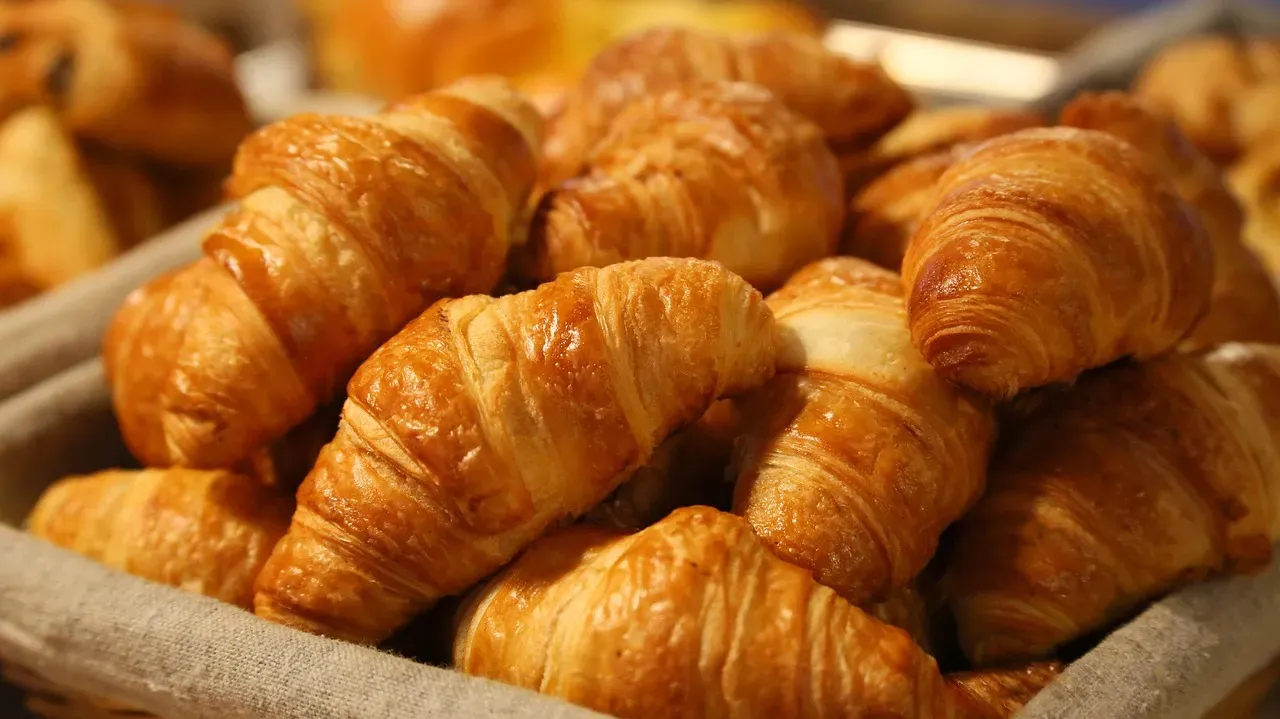
I almost feel guilty putting this first, because I know how many people grab those plastic-wrapped croissants thinking they're getting a little taste of Paris. The truth hits hard though. Most grocery store donuts have a consistency that tends to be dry and sad, and they probably aren't freshly-fried, and the same principle applies to croissants. Real croissants require an incredibly labor-intensive process called lamination, where you fold butter into dough repeatedly to create those beautiful, flaky layers.
The problem with supermarket versions is that they often arrive frozen and are simply thawed or briefly reheated. At room temp, some croissants are quite buttery and soft on the inside, but warmed up, the layers tend to collapse on themselves. What you're getting is essentially a butter-flavored bread roll shaped like a croissant. The real tragedy is the butter quality. Out of common grocery store brands, proper laminating butter should have butterfat content between 82-83% and be slow-churned in the European style.
More often than not, the bakery section at your grocery store is not making cakes, pastries, and pies from scratch, and instead relies on premade mixes or frozen par-baked items. When I see people paying premium prices for these subpar croissants, part of me wants to gently redirect them. Save your money or find a real French bakery if you want the genuine experience.
Grocery Store Bagels Are a Hard Pass
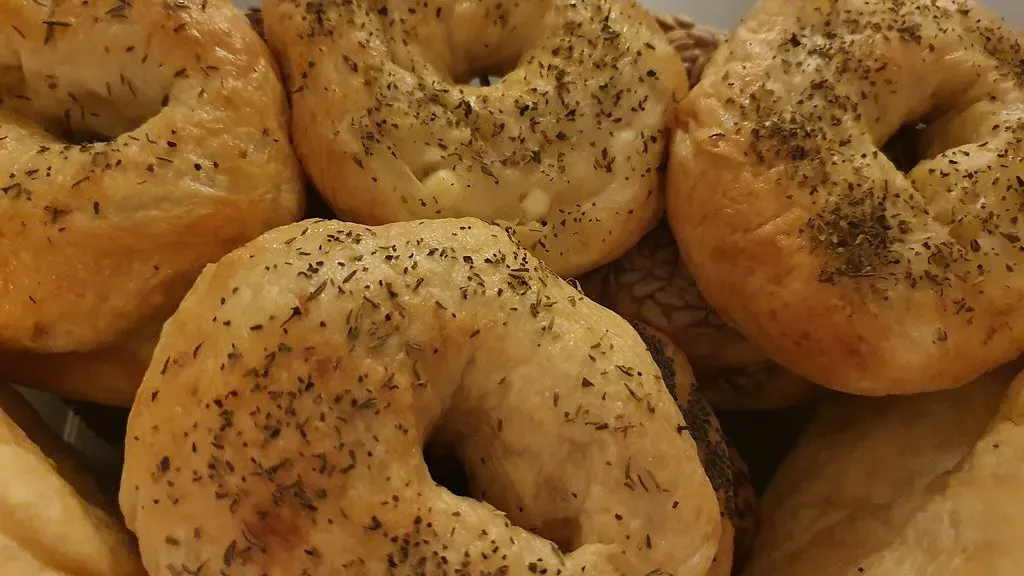
Here's the thing about bagels that most people don't realize: authentic bagels go through a very specific process. A true New York bagel involves long fermentation, high-gluten dough, and a kettle-boiling process that gives it that signature chew and beautiful crust with techniques that are very hard to reproduce without a bakery setup. What you find in most grocery store bakery sections completely skips these crucial steps.
The bagels in most grocery stores bakery sections tend to have that clear shine and boiled coating, but once you crack the surface, the inside is just a plain, thick bread that lacks flavor. I've bitten into so many of these disappointing impostors over the years. They're dense, chewy in all the wrong ways, and taste more like circular sandwich bread than actual bagels. The browning is often uneven, suggesting they were rushed through an industrial oven without proper attention.
What really gets me is that bagels should have this perfect balance, crispy and slightly chewy on the outside with a tender but substantial interior. Grocery store versions miss the mark entirely. They're often too soft, too bland, or oddly sweet when they should be savory. If you want a real bagel, you need to find a dedicated bagel shop or a bakery that actually boils their bagels before baking.
Cinnamon Rolls From the Display Case Rarely Deliver
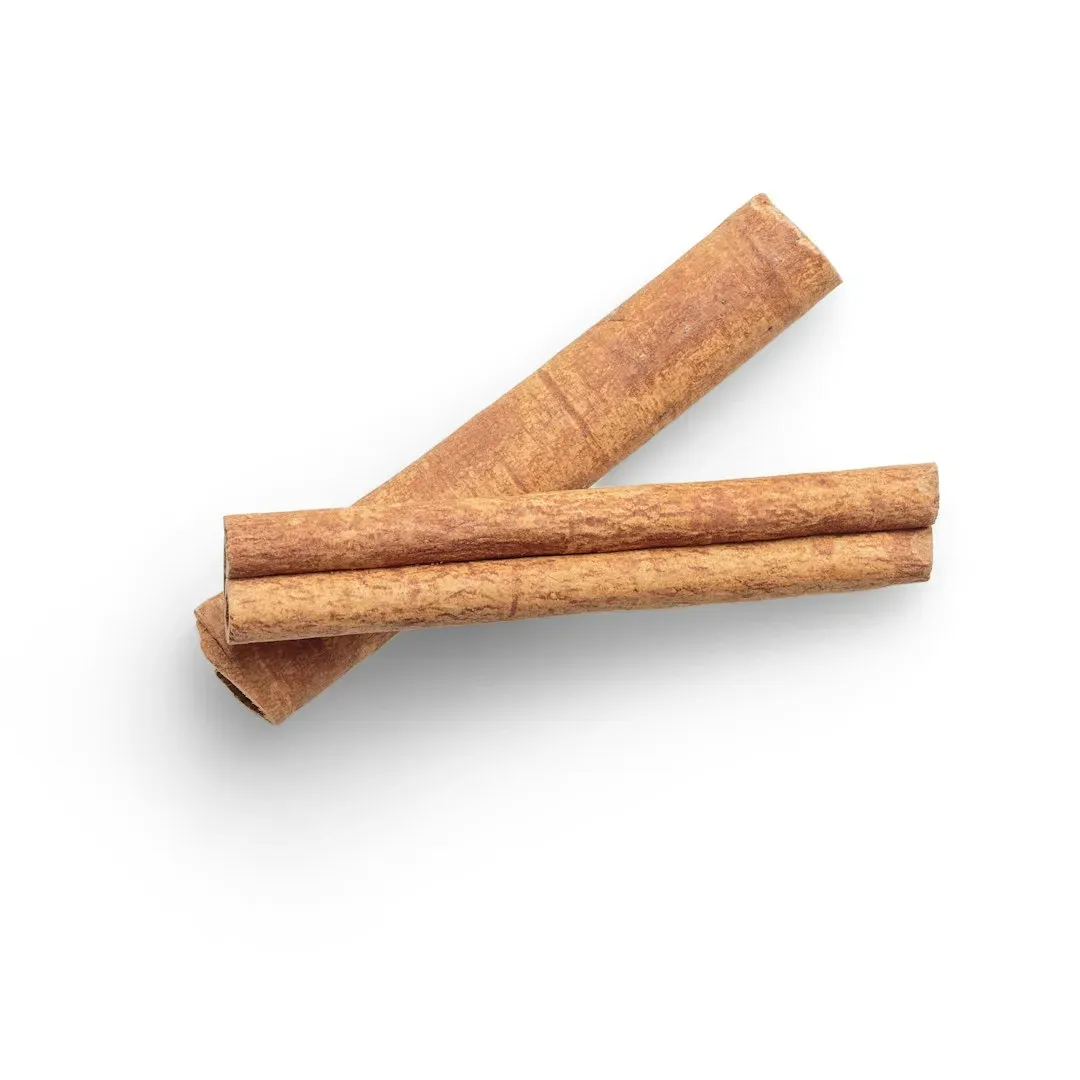
This one genuinely pains me because cinnamon rolls done right are pure heaven. Grocery store cinnamon rolls are dry, stale, and not brimming with those fresh, bright, spicy notes that make the cinnamon roll such an iconic breakfast pastry. I know it sounds harsh, but after making hundreds of cinnamon rolls from scratch, the difference is like night and day.
If your roll has been sitting in the pastry case or a clamshell container for too long, it might come out with an especially dry texture, and these are not an easy pastry to perfect. The dough needs proper proofing time, the filling should be generous with high-quality cinnamon, and the icing needs to be applied while the rolls are still warm so it melts into all those crevices. Store-bought versions typically fail on all these counts.
What you often get instead is a dense, bread-like spiral with a thin smear of filling and that sickeningly sweet icing that tastes more like chemicals than cream cheese or vanilla. The cinnamon flavor is usually artificial and one-dimensional. I've seen people microwave these sad specimens trying to revive them, but honestly, you can't fix what was never good to begin.
Sheet Cakes With Suspicious Ingredients
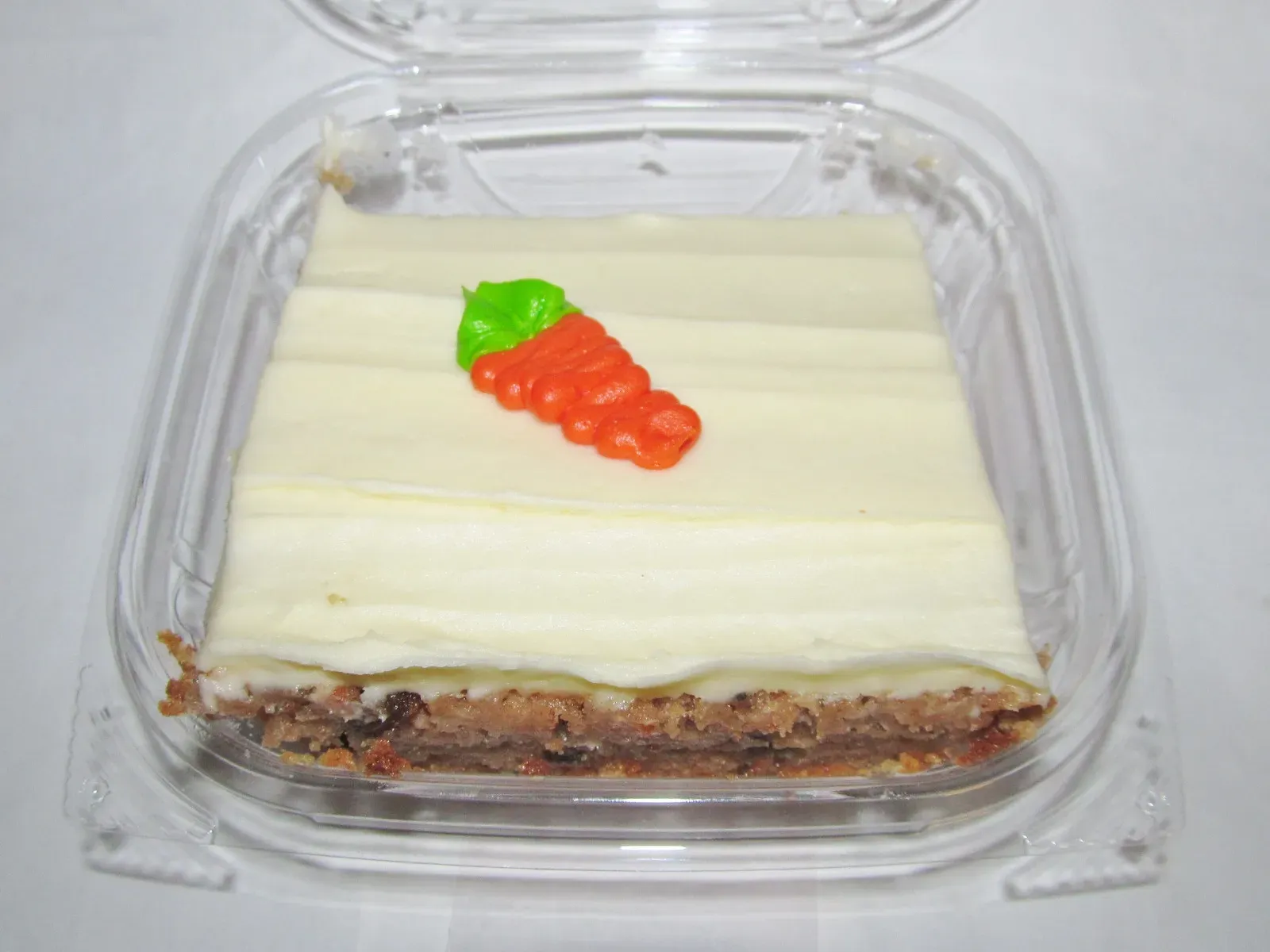
I need to address the elephant in the room when it comes to grocery store sheet cakes. Yes, they're convenient. Yes, they're cheap. However, have you ever actually looked at the ingredient list on one of those things? Research has found 61% of UK adults polled were not confident about the ingredients in a standard supermarket loaf, and similar concerns extend to bakery items.
Enriched and bleached flour is heavily processed and nutritionally dead, with enriched being industry jargon for sprayed with synthetic vitamins since the real ones have been destroyed in processing. Many supermarket cakes also contain artificial colors, flavors, and preservatives that have no business being in something you're celebrating with. Many artificial colors are linked to hyperactivity and attention deficit disorders in children, and Blue 1 is associated with an increased risk of kidney tumors.
Now look, I understand that not everyone has the time or budget for a custom bakery cake. But when you're feeding this stuff to your kids at birthday parties, it's worth knowing what's actually in there. While most grocery store cakes arrive at the store frozen and are only assembled and frosted on-site, they are not all created equal with some having better flavor and texture while others are simply too sweet.
The frosting is typically made from shortening rather than real butter, which gives it that waxy mouthfeel. The cake itself often tastes artificial and overly sweet without any depth of flavor. It's the baking equivalent of empty calories. If you absolutely must buy a sheet cake, at least go for stores that label their products with cleaner ingredient lists.
But Fresh Bread? I'll Buy That Every Single Time
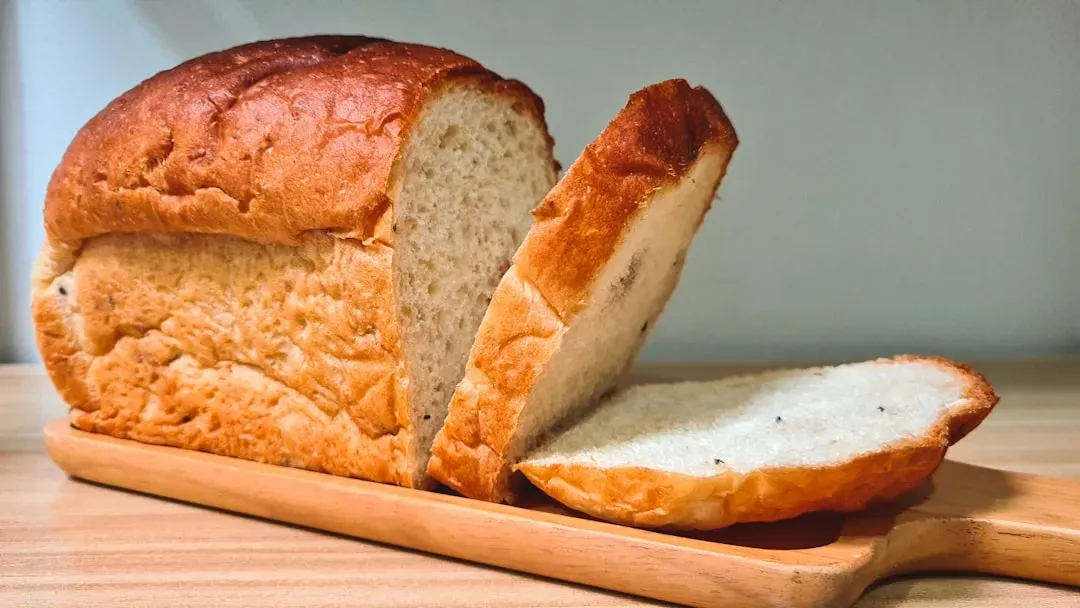
Now let's talk about what I actually do buy from grocery stores. Fresh bread, particularly if it's baked in-house that day, gets my stamp of approval. Fresh bread is typically better at a specialty bakery where it's fresh and almost always worth the extra effort, but when that's not an option, in-store baked bread can be perfectly acceptable.
The key word here is fresh. Most grocery store bread is usually made weeks before you buy it so it's packed full of preservatives and lacks taste and texture, but bread baked daily in the store is a different story entirely. Breads baked daily in-store generally have few if any preservatives because any bread not sold is usually thrown out at the end of the day.
When I'm shopping and I see actual bakers pulling fresh loaves from the oven, that's when I pay attention. A crusty baguette, a hearty sourdough, or even a simple Italian loaf can be fantastic if it's truly fresh. The crust should shatter when you break it, the crumb should be tender but not gummy, and it should smell incredible. Honestly, there's nothing quite like that aroma of freshly baked bread. It's one of the few things that makes grocery shopping actually enjoyable.
You can usually tell quality bread by its weight and texture. It should feel substantial but not like a brick. The crust should have some color variation and character, not be uniformly pale. I'm particular about this because bread is such a fundamental food, and when it's done right, it elevates every meal.
High-Quality Cookies Still Hit the Spot
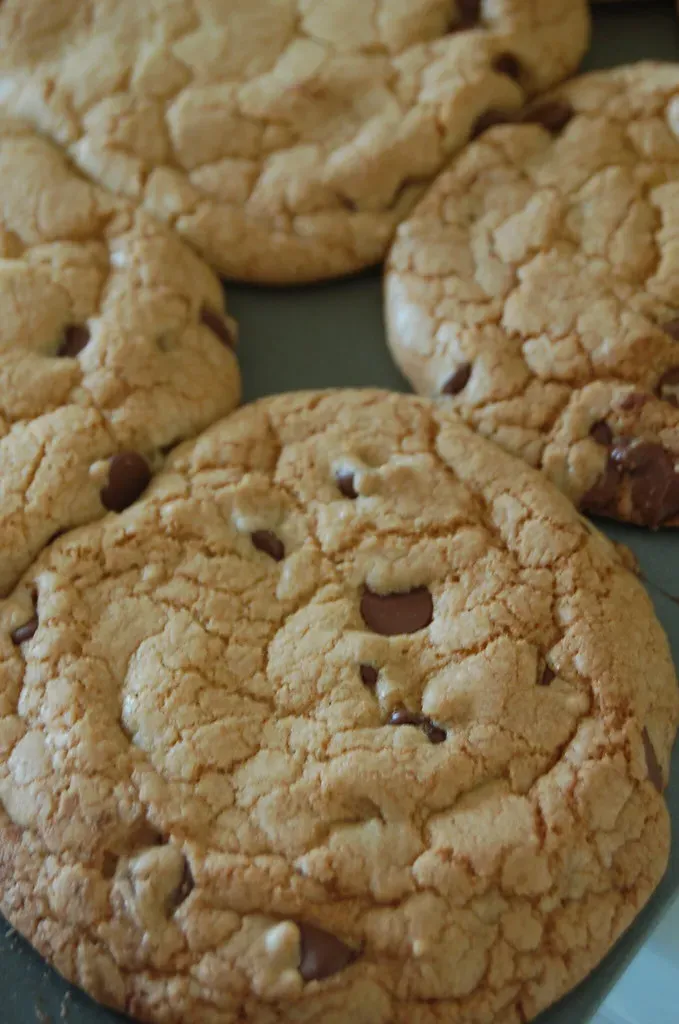
Here's something that might surprise you: I actually buy cookies from grocery store bakeries, but only specific kinds. A survey found that cookies account for 12% of all bakery sales, and old-fashioned favorites like chocolate chip and peanut butter have few ingredients and are loved by many. The reason I'm comfortable with this purchase is that good cookies are relatively straightforward to make, and it's harder to mess them up than more complex pastries.
What I look for are cookies that appear homemade in style, chunky, irregular, with visible chocolate chips or nuts. Cookies like peanut butter and chocolate chip cookies are a perennial crowd-pleaser, and given our love for all things sweet and delectable, it's no surprise they remain popular. I avoid anything that looks too perfect or uniform because that usually means they came from a factory rather than being made on-site.
The texture matters enormously. A good cookie should have some heft to it and a slightly crisp edge with a chewy center. If they're rock hard or weirdly soft and cake-like, pass. Other sweet bakes like cookies can be tasteless or overly sweet, so it's worth being selective. I particularly appreciate when stores offer seasonal varieties or interesting flavor combinations beyond the basics. Those usually indicate someone in that bakery department actually cares about their craft.
The ingredient quality typically shows through in cookies more than in heavily processed items. Butter versus shortening makes a huge difference. Real vanilla extract versus artificial flavoring is immediately noticeable. When a store bakery uses quality ingredients in their cookies, it's often a sign they're doing other things right too.



Leave a Reply