
There's a kind of trust diners place in certain dishes. The ones that feel safe. Familiar. Almost guaranteed to be good. You know the ones - chicken breast, pasta, the soup of the day. They're the comfort blanket of any menu, the items people fall back on when nothing else calls out to them.
Here's the thing though: the people who actually cook that food? They almost never order it themselves. After two decades behind professional stoves, I can tell you that "safe" and "reliable" are sometimes the most dangerous words on any menu. Some of these dishes hide stories you really don't want to hear before your meal. Let's dive in.
1. The Soup of the Day (It's Not What You Think)
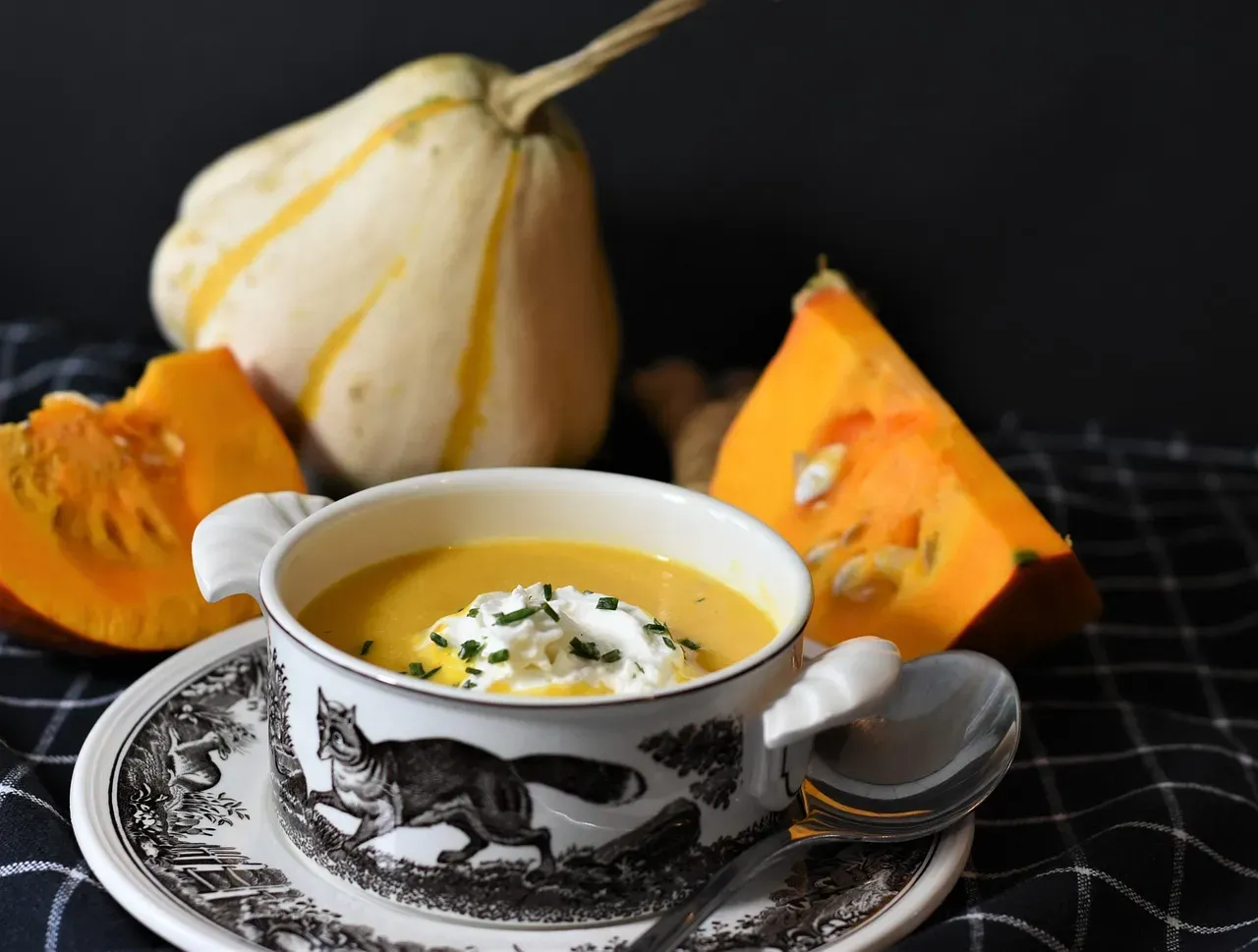
Let's start with the one that surprises people the most. That little chalkboard special, the cozy bowl of something warm and comforting. Looks innocent, right? The soup of the day is actually the number one item that chefs consistently avoid - because it's often yesterday's, or even last week's, leftovers.
Experienced chefs even recommend asking your waiter what the soup of the day was yesterday, and what the general specials were over previous days. If the specials were roast chicken and vegetables, and now the soup of the day is a chicken vegetable soup, that's a significant red flag that the kitchen is using older, leftover ingredients.
The soup is a canny way for kitchens to use up old ingredients, and restaurants often serve their soup of the day for several days in a row. This is done to decrease food waste, but it can result in you ordering a fairly expensive dish that's neither special nor fresh. Honestly, save your appetite for something that was actually made for you today.
2. Chicken Breast - The Safest-Sounding Trap on the Menu
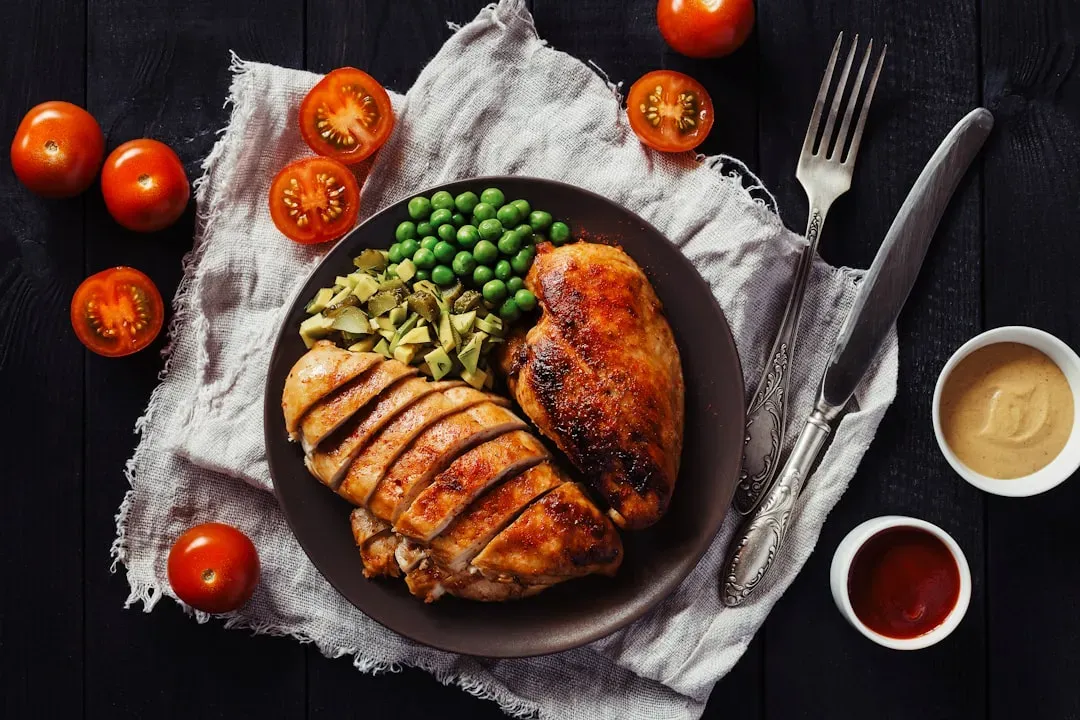
Chicken breast sits on nearly every menu in existence. It feels like the responsible, healthy, dependable choice. But ask most chefs what they'd never order, and chicken breast comes up first almost every single time. The popular poultry simply doesn't appeal to professionals because the bird receives a high markup in restaurants and is often no better than what the chefs themselves could make at home.
Chicken breast is a staple on many menus, but it's so easy to get wrong. The problem is that it's often under-seasoned and overcooked. Many chefs have called chicken "a chore for cooks to make" - it just doesn't get the passion and attention that more exciting proteins receive.
Chef Luke Shaffer notes that the odds aren't in your favor when ordering chicken at a restaurant, as it may just come out "sawdust dry." Most restaurants have something far more interesting to offer, so you can save the bland, boring chicken breast for when you're at home. If you genuinely want chicken, a chicken thigh will offer more flavor than a breast - that's the insider pick.
3. Fish on a Monday
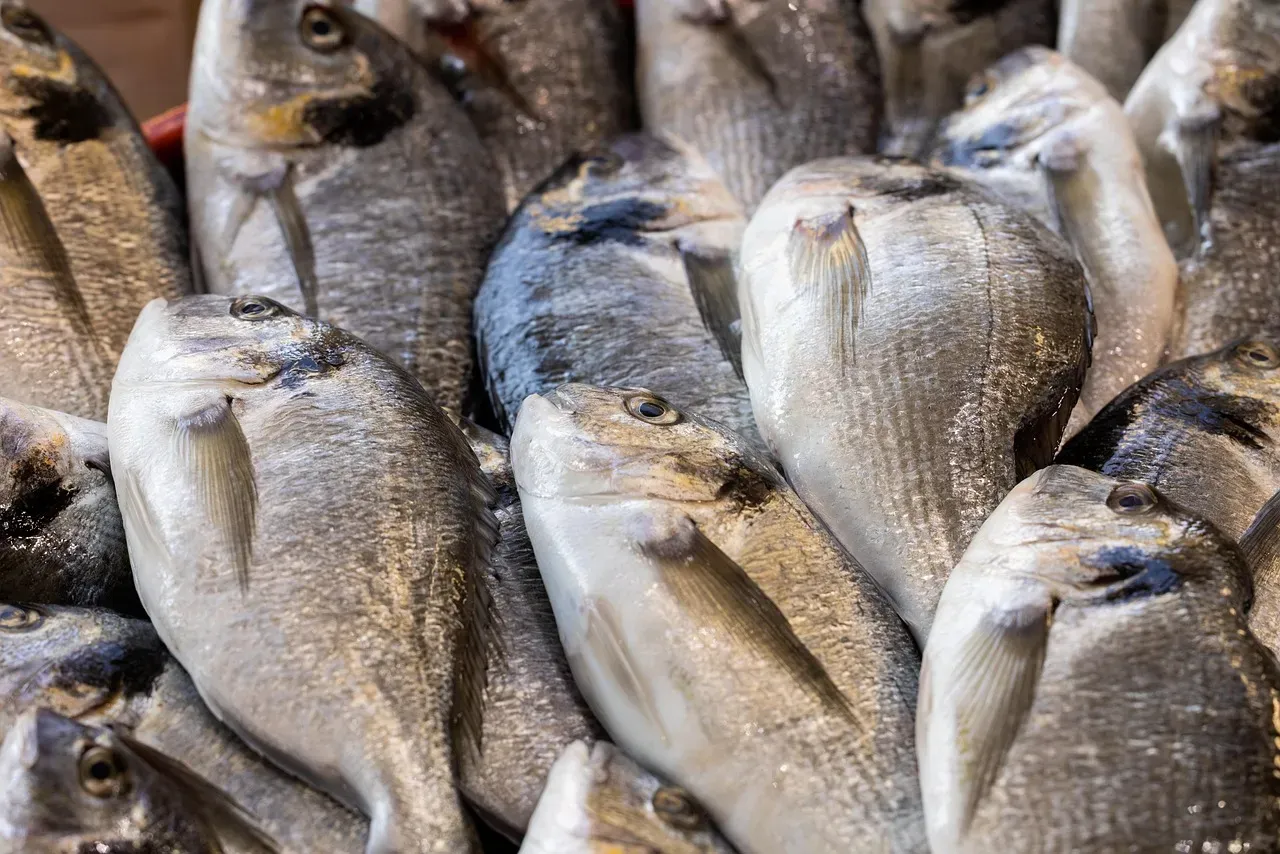
This one has been debated in kitchens for decades, and it still holds up. Chefs often steer clear of fish on Mondays. It isn't superstition - it's practicality. The freshest seafood is typically delivered to restaurants mid-week. By Monday, the fish may not have the vibrant flavor chefs prefer, and restaurants may be serving leftovers from the weekend.
Since most fish markets don't deliver on weekends, the don't-eat-fish-on-Monday debate continues to rage on between freshness-loving chefs. Many avoid it like the plague, though others are comfortable ordering fish if the restaurant has a coastal location or is genuinely known for seafood.
There's also a specific warning worth taking seriously. Executive chef Eric Duchene warns to avoid "fish specials" that come with bacon - bacon is commonly used to cover up the smell of old fish. Similarly, Duchene notes that raw fish should not be ordered on Sunday nights, because restaurants don't receive deliveries on Sunday, so you simply won't get the freshest products. Two days of the week to avoid. Worth remembering.
4. The "Daily Special" That Shows Up Every Day
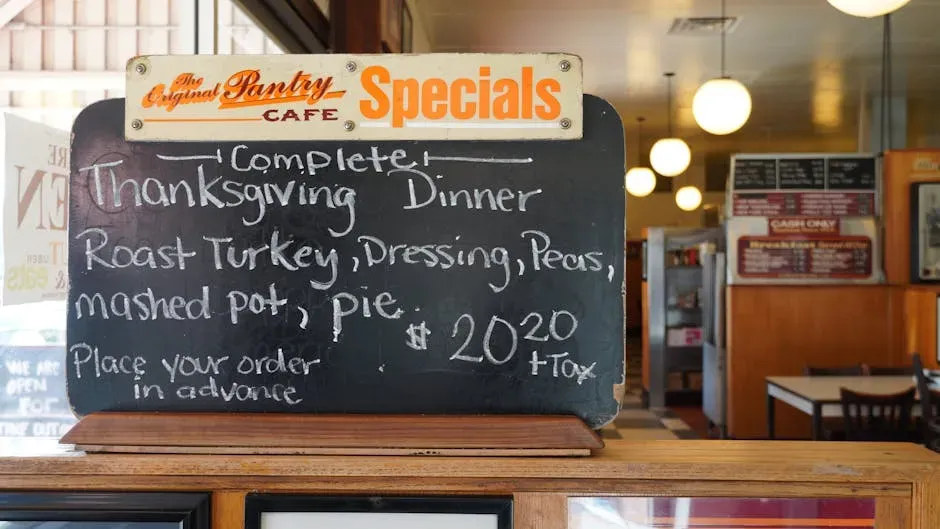
Specials are supposed to be exciting - fresh, seasonal, something the kitchen is genuinely proud of that afternoon. The reality, however, is often very different. Specials are often a way for the kitchen to use up ingredients that are about to expire. A long list of specials is a major red flag, and the same applies to a special that seems to be a permanent item on the menu. A true special is a limited-time offering that uses fresh, seasonal ingredients.
Executive chef Alberto Morreale of Farmer's Bottega in San Diego says he never orders the specials at other restaurants. Some restaurants put together their specials for the day based on what's about to expire or what they're trying to get rid of faster - so instead, he asks the server to recommend something made with local ingredients or what arrived fresh that day.
Think of it like this: a daily special that sounds too convenient - say, "grilled chicken and roasted vegetables" when that was also Monday's entrée - is essentially yesterday's prep in a new outfit. Soup and stew specials in particular can serve as a dumping ground for the kitchen's leftovers, and a restaurant's lengthy specials menu can itself be a red flag that food isn't fresh. Order with your eyes wide open.
5. Pasta - The Most Overpriced Staple on the Plate
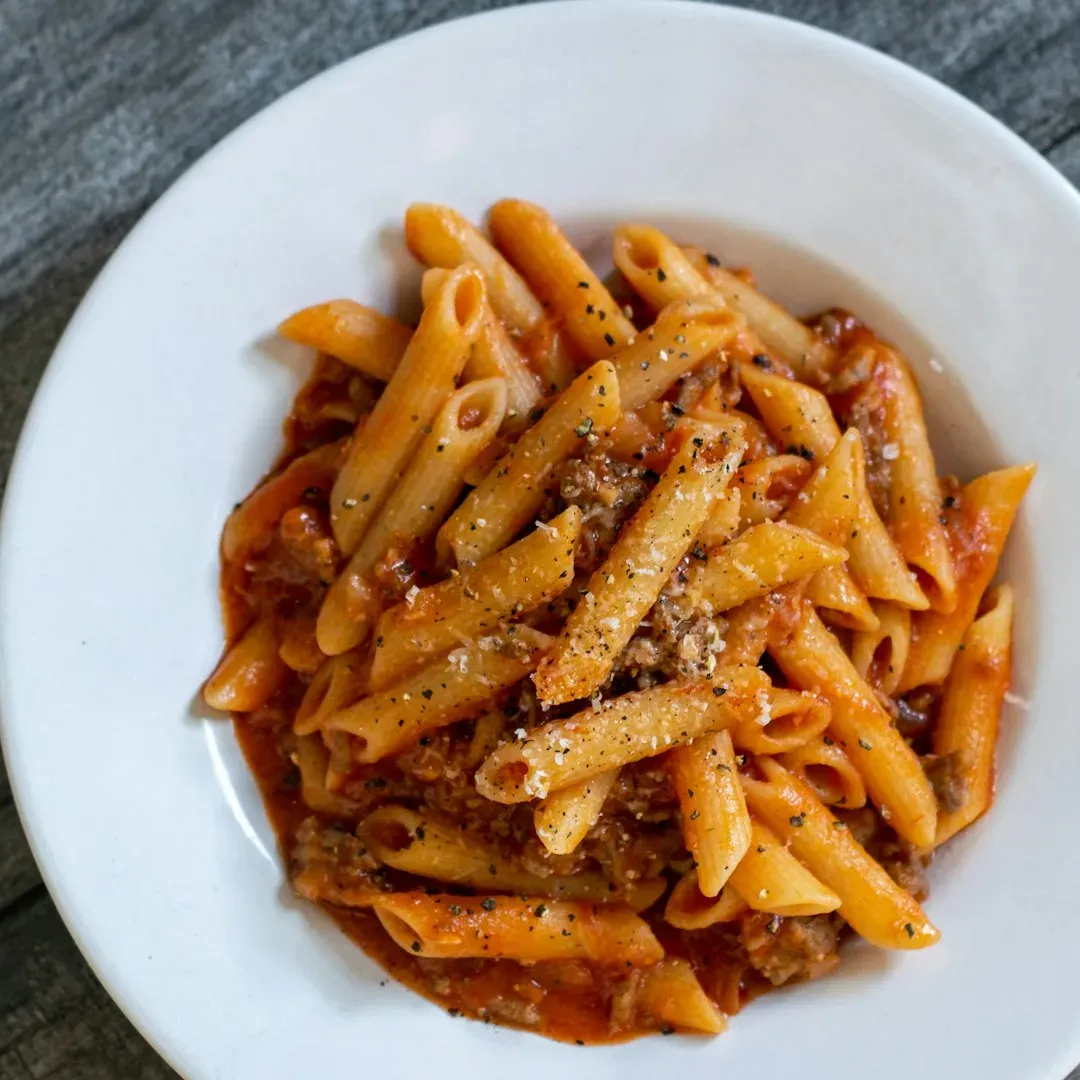
Pasta is the dish that makes everyone feel comfortable. It's familiar, filling, and feels like a sure bet. But here's what the kitchen knows that you probably don't. According to professional chefs, pasta is a menu staple that doesn't offer much bang for your buck. The inexpensive combination of noodles and a basic sauce repels industry members, who believe it's an item they can easily make at home - or one that's simply overpriced.
When dining out, most chefs avoid pasta dishes because they're considered the "most overpriced" and the "least interesting" options on the menu. You're essentially paying restaurant markup on a bowl of carbs that costs the kitchen very little to produce. That gap between cost and price is wider than most diners realize.
Cream-based pasta dishes get an extra layer of professional skepticism. Pasta Alfredo, beloved by many, is often sidestepped by chefs. They seek complexity and depth in flavors, and cream-based sauces can mask subtlety. It's not just about taste - it's about the art of creating layers of flavor. When the sauce is rich enough to drown everything else, that's sometimes deliberate.
6. Well-Done Steak - You're Paying for Their Worst Cut
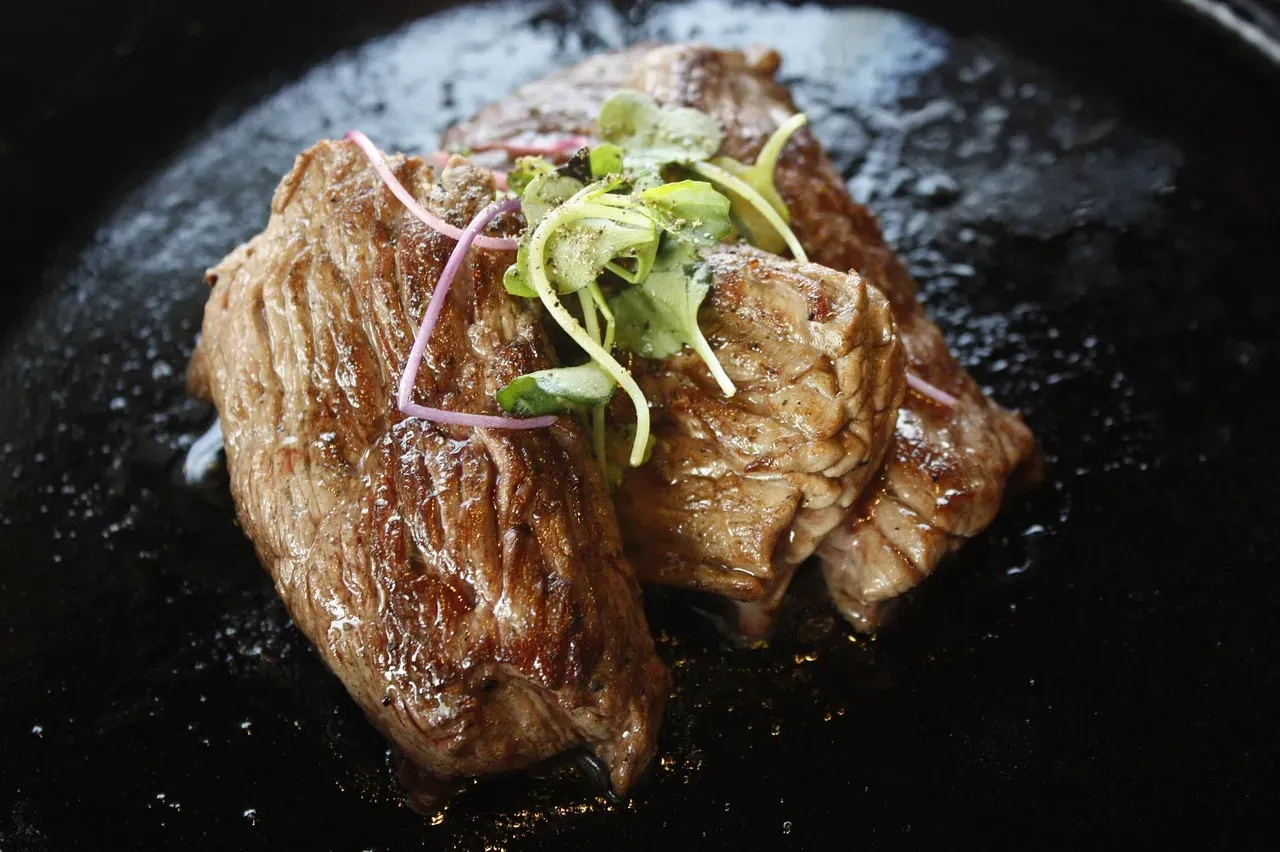
This one stings a little, but it's the truth most kitchens aren't going to tell you directly. Ordering your steak well-done doesn't just change the flavor - it changes which piece of meat ends up on your plate. Ordering a well-done steak makes professional chefs wince - not out of snobbery, but because restaurants often save their lowest-quality cuts for these orders. Overcooking masks flaws and texture problems that would be obvious in a medium-rare preparation. Chefs have been known to select the thinnest, most uneven steaks for well-done orders, sometimes even using cuts approaching their use-by date, knowing the extended cooking would kill bacteria but also every trace of flavor.
Ordering a steak well-done could mean you end up with low-quality meat. James Briscione, director of Culinary Research at the Institute of Culinary Education, explains that chefs typically reserve the least desirable cuts - thin, tougher pieces - to cook well done. In general, less attention is given to well-done orders.
It's also worth knowing that a steak hiding under heavy sauce should give you pause. Too much sauce is another way to ruin a good steak - a "signature" coffee or pepper rub, or a Hawaiian marinade, is most often trying to cover up lower quality beef, and would hide the inherent flavor of higher quality cuts. If a restaurant needs to bury the meat under flavoring, there's a reason for that.
7. The Lobster Roll - "Tourist Pricing" at Its Most Brazen
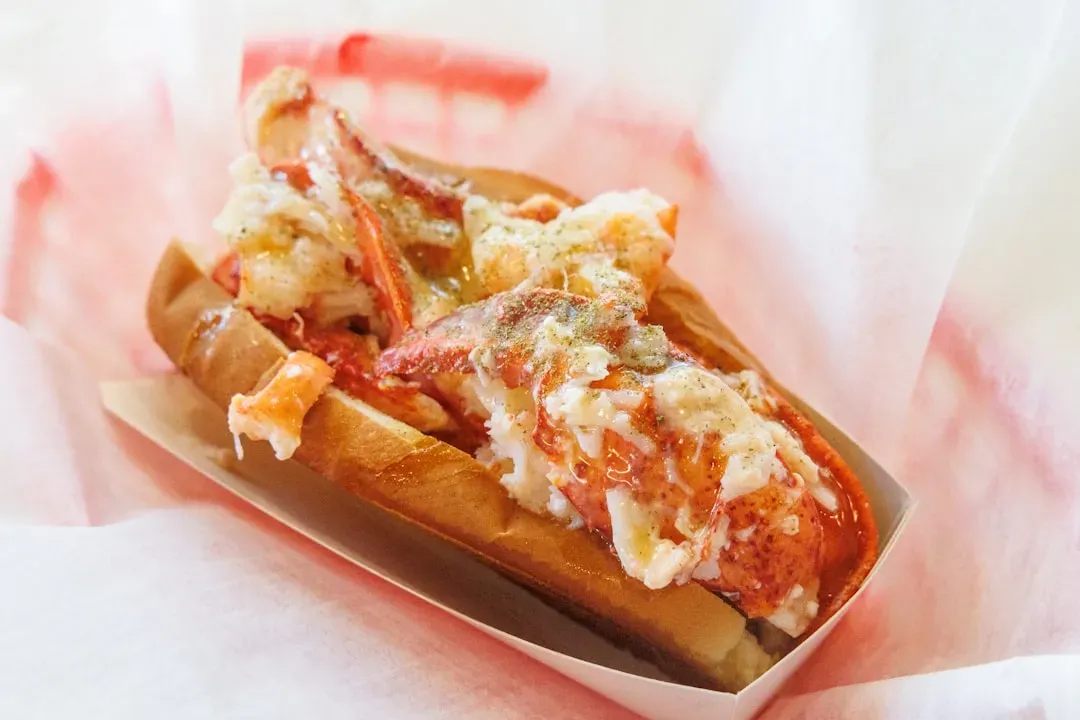
Few things on a menu feel as indulgent as a lobster roll. And few things disappoint chefs as reliably. That buttery lobster roll looks like the ultimate indulgence, but many chefs see it as a trap. The labor involved in prepping it is significant, but the other ingredients are cheap. You're paying a high price for bread, butter, and a few ounces of crustacean.
Chef and restaurant owner Evan Hennessey says he likes lobster, but not enough to justify the cost of a $40 to $50 lobster roll. While there's no doubt lobsters are expensive to source, the rest of the ingredients cost very little. He feels people have become used to paying higher prices without questioning them - and notes that the market has been driven so high that people are willing to pay astronomical amounts without blinking.
"We call that 'tourist pricing,' and locals don't appreciate it." It's a blunt but fair assessment from someone who handles these ingredients professionally. When you're paying mostly for the story of the dish rather than the substance of it, that's a signal worth heeding. The lobster roll, in many restaurants, is the menu's most expensive piece of theater.
8. Raw Oysters at a Non-Specialist Restaurant
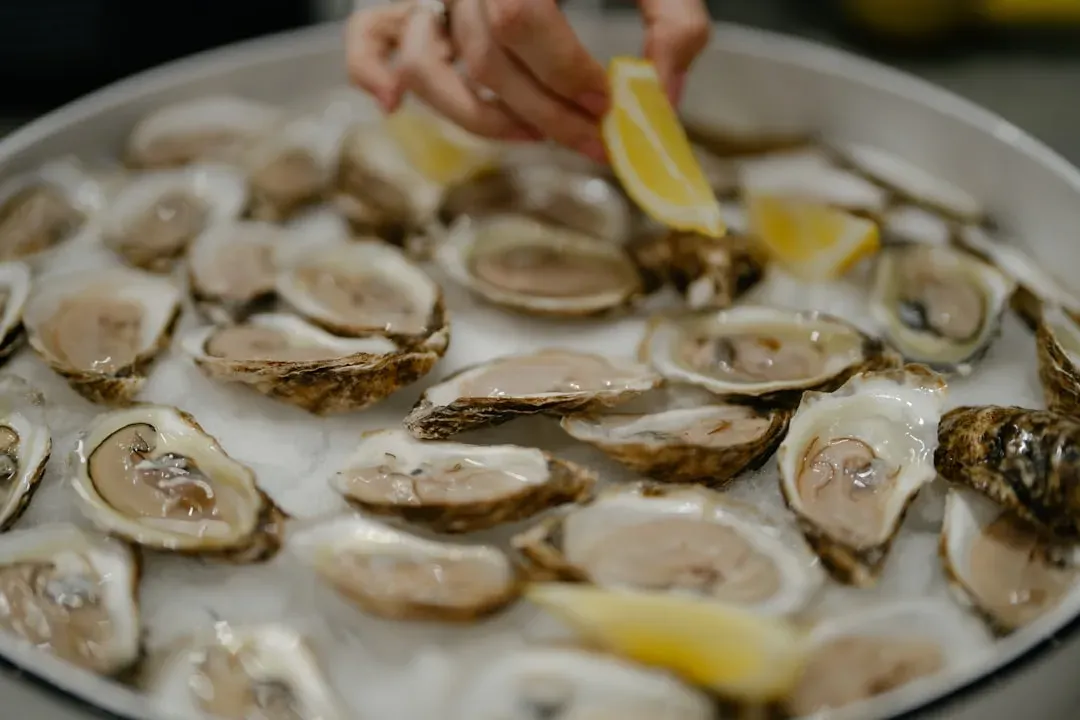
Raw oysters feel sophisticated. They're the kind of order that signals adventurousness, a willingness to eat something alive and briny and expensive. The risk, however, is very real. Oysters filter water, meaning they absorb toxins, bacteria, and pollutants. If not stored correctly, they can contain Vibrio bacteria, which can cause severe food poisoning. They're only truly safe at high-quality seafood spots with fast turnover and fresh shipments.
When it comes to eating oysters, Cordon Bleu-trained chef Mark Nichols, who owns the high-end catering service JC's Catering, won't go near raw oysters if they were harvested more than 100 miles away from the restaurant serving them. Distance equals time. Time equals risk. It's a simple calculation most diners never make.
Chefs aren't the only people who recommend avoiding ordering raw oysters - most people with a basic understanding of food safety do too. Chef Lyle McKnight notes that oysters "can definitely make you ill if not super fresh and stored properly, and can also carry norovirus." The gap between a perfectly fresh oyster and a dangerous one is smaller than most diners are comfortable knowing. Stick to restaurants where seafood is genuinely the specialty, not a menu afterthought.
The Real Takeaway From 20 Years Behind the Stove
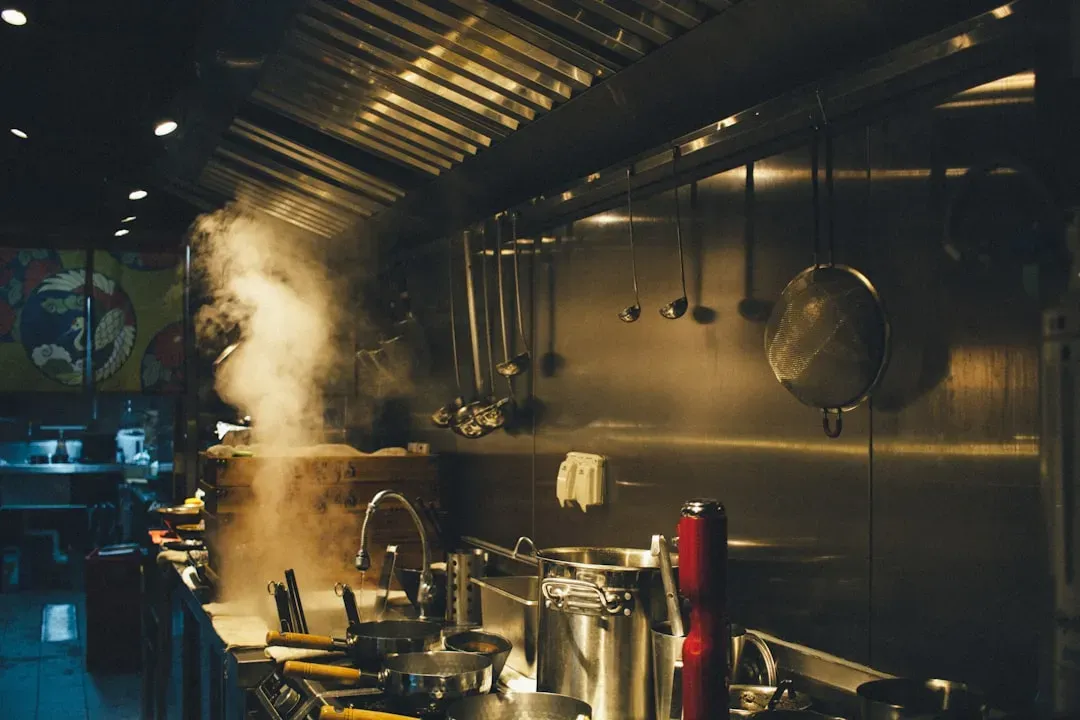
Here's what two decades of professional cooking teaches you: menus are designed to sell comfort and aspiration, not always to reflect what's best for the customer on any given night. The "safe" choices - chicken breast, soup of the day, pasta, the lobster roll - are often the dishes with the widest gap between expectation and reality.
The smarter move is to ask questions. What came in fresh today? What is this kitchen actually known for? What would you personally eat here? Those questions, directed at your server, will reveal more than any menu description ever will. Nobody knows the secrets of commercial kitchens better than chefs themselves - and what they won't order at restaurants they don't run tells you everything.
The best meal you'll ever have at a restaurant comes from ordering with curiosity, not habit. Skip the defaults. Ask the kitchen to surprise you. What would you have ordered before reading this?



Leave a Reply