
Something quiet and almost sad happens every time a restaurant updates its menu. Items that once defined a visit - the ones you used to look forward to ordering - get quietly retired, replaced by newer offerings or simply cut to reduce operational complexity. It's not just nostalgia talking. Sales among the nation's 500 largest restaurant chains increased just 3.1 percent in 2024, the lowest annual increase in a decade excluding the Covid-19 slowdown, according to Technomic's 2025 Top 500 Chain Restaurant Report, and nearly 40 percent of U.S. restaurants experienced a sales decline that year. Faced with tighter margins, rising food costs, and shifting consumer tastes, chains have been making harder choices about what stays and what goes. Here are four once-popular menu items that are fading from menus - and what's driving their disappearance.
1. Red Lobster's Endless Shrimp - A Beloved Deal That Sank the Ship
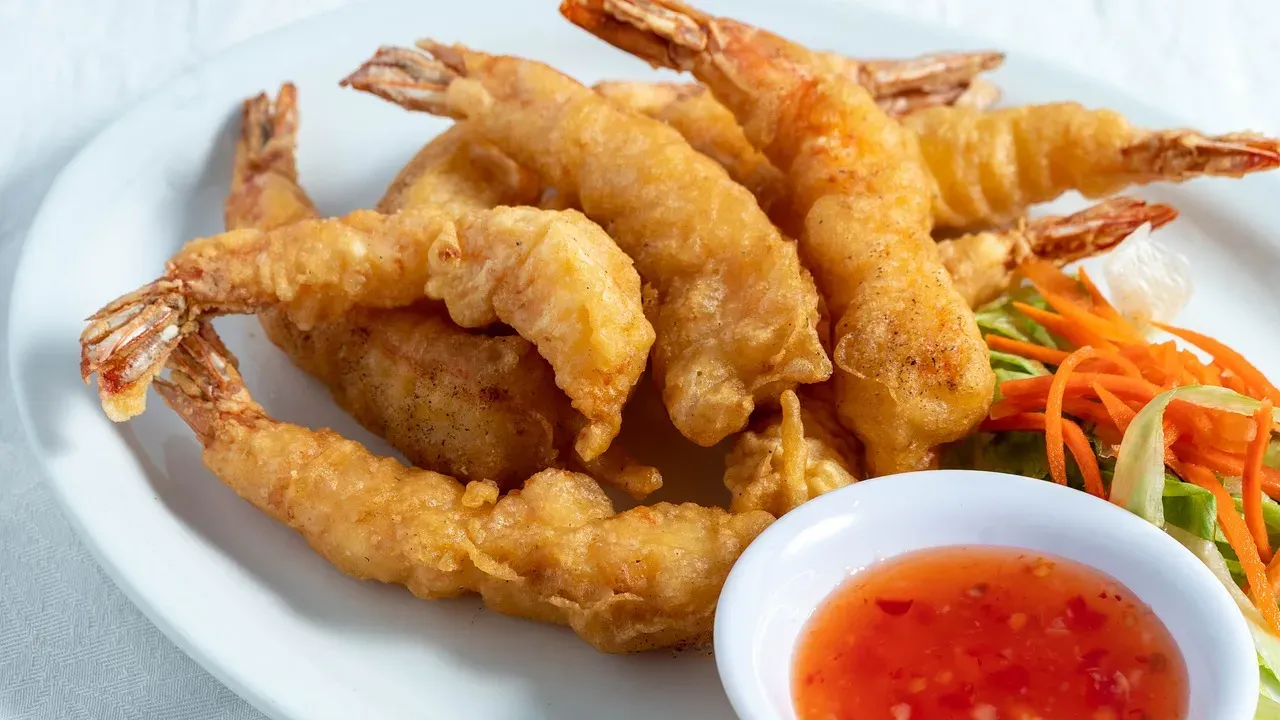
For decades, Red Lobster's Endless Shrimp promotion was a crowd-pleaser that brought loyal diners through the doors in waves. The all-you-can-eat format had a devoted following and became something of a cultural touchstone, inspiring countless TikTok videos of customers enthusiastically gorging on plates of shrimp. Endless Shrimp nearly sank Red Lobster entirely. After the chain's bankruptcy, it replaced the deal with a new offering called SpendLESS Shrimp, after reports revealed that the original $25 promotion was costing the company far more than it was bringing in.
In May 2024, Red Lobster filed for bankruptcy. Despite bringing in $2 billion in annual sales, the company disclosed it was over $1 billion in debt with only about $30 million in the bank, and its bankruptcy filing coincided with the closure of almost 100 locations across 27 states. The chain's new CEO moved quickly to overhaul operations. As he put it bluntly, he opted to remove the unlimited shrimp campaign "because I know how to do math," noting that the promotion had repeatedly cost the chain money. Although the revamped menu is roughly 20 percent smaller, it features seven new items, including bacon-wrapped sea scallops, a lobster bisque, and new pasta dishes.
2. The McDonald's McPlant - Fast Food's Plant-Based Experiment Ends
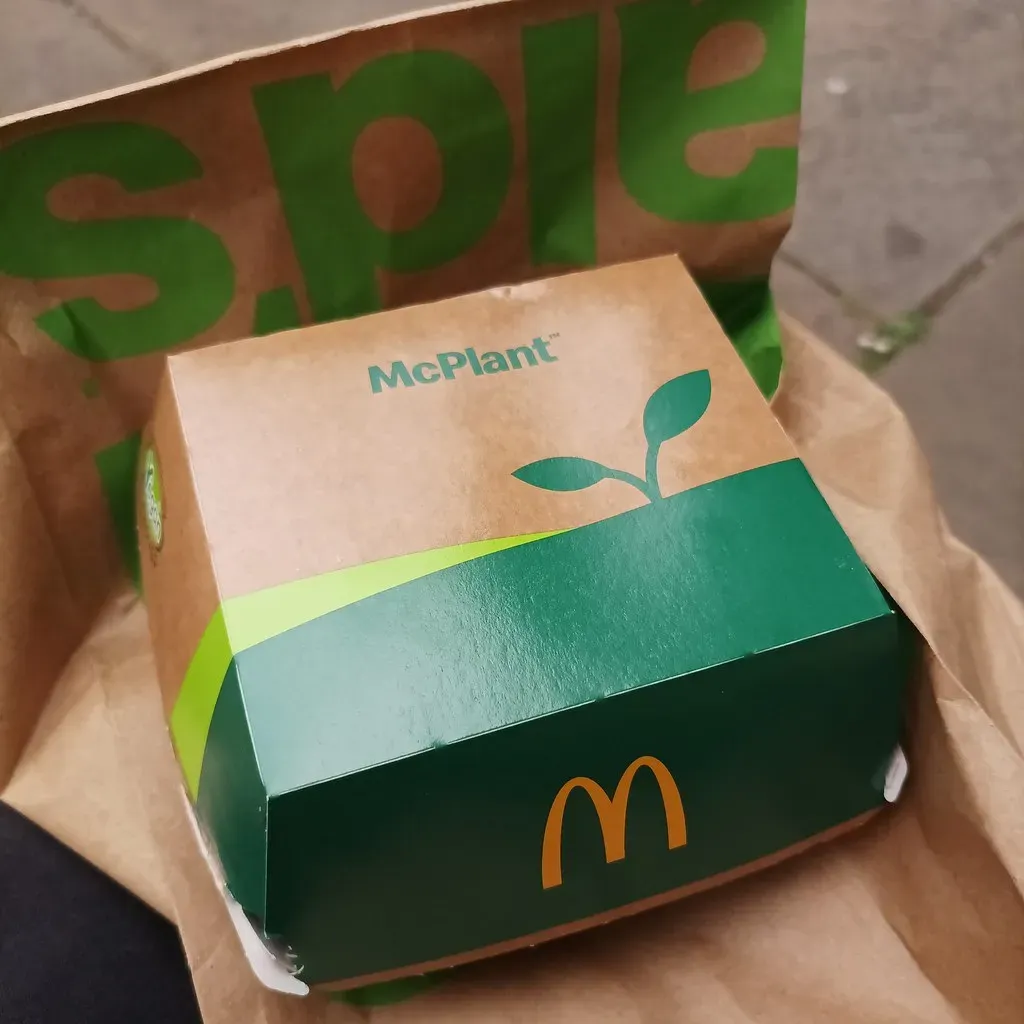
McDonald's bet on the plant-based boom, and for a while it looked like a savvy move. In 2021, McDonald's partnered with plant-based food producer Beyond Meat to create the McPlant, a burger patty made from ingredients such as potatoes, peas, and rice. The partnership generated considerable buzz, positioned as the chain's answer to growing consumer demand for meat-free options. It rolled out in select U.S. test markets with high expectations and a strong promotional push behind it. The results, however, told a very different story.
McDonald's ultimately ended its plant-based experiment due to lagging sales, while pivoting its focus to promoting its growing chicken segment. The test markets chosen didn't produce the numbers needed to justify a wider rollout. McDonald's recently disclosed that it makes as much money from chicken products - such as McNuggets and McCrispy sandwiches - as from beef burgers, representing roughly $25 billion in annual sales, with the bigger trend around protein consumption leaning firmly toward chicken. The McPlant became a casualty of that strategic shift. This may also reflect that full-service and quick-service restaurants alike are feeling the pinch of inflation and are cutting their menus to save on food costs.
3. The Cheesecake Factory's Bistro Shrimp Pasta - A Fan Favorite Gets the Axe
The Cheesecake Factory is famous for its sprawling menu - a true mammoth of a document that regulars treat like a personal challenge. The restaurant chain is renowned for its menu home to everything from different flavors of its namesake to dishes as varied as shrimp, tacos, shepherd's pie, and shawarma, with a total of over 250 items, and the chain introduces even more items twice a year. But that sheer size also means periodic, sometimes painful cuts. In early 2025, the chain made headlines with a significant overhaul. The chain rolled out an extensive list of starters, entrees, and beverages while removing 13 items in total.
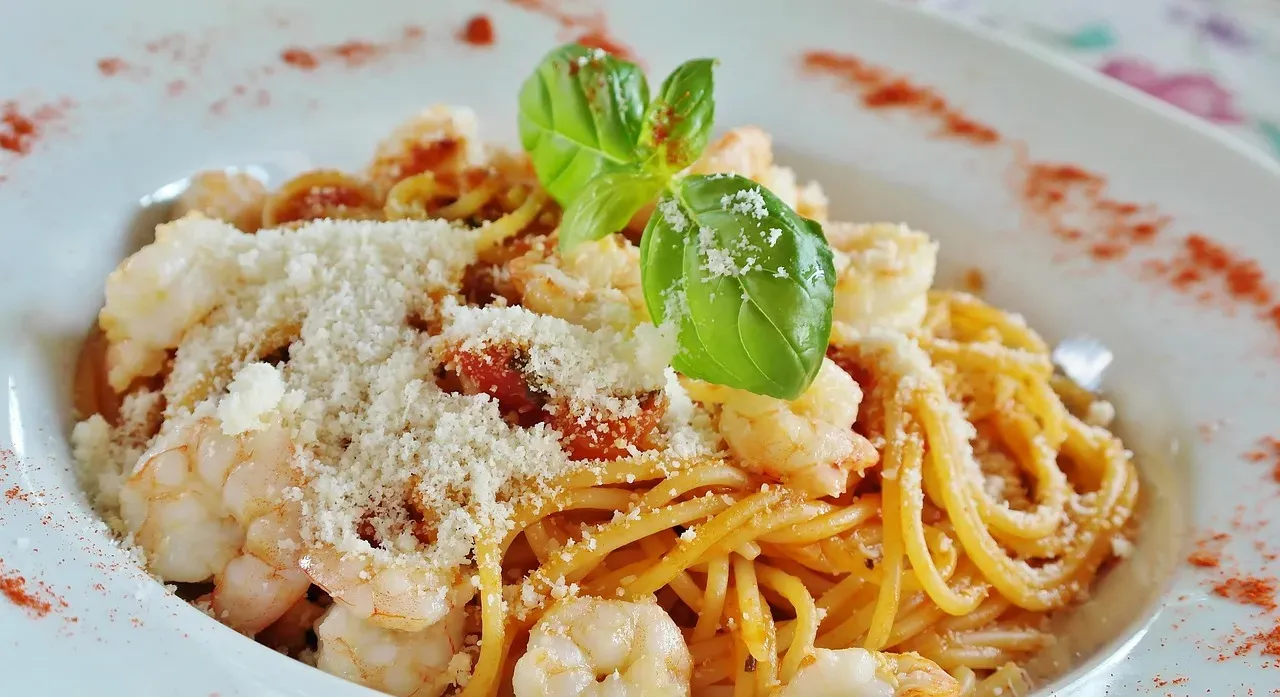
Among the items fans mourned most was the Bistro Shrimp Pasta. The restaurant pulled the Bistro Shrimp Pasta from its menu, which had featured heaps of spaghetti interspersed with crispy shrimp, mushrooms, tomatoes, and arugula mixed with a creamy basil-garlic-lemon sauce. It wasn't the only casualty. In its recent menu overhaul, the company also removed its Fried Shrimp Platter alongside the pasta dish, while adding 22 new items including branzino on its Skinnylicious menu, Ahi Tuna and Shrimp Ceviche, and Thai Stir Fried Noodles with Shrimp. The Cheesecake Factory goes to impressive extents to ensure efficiency in its kitchens, and slashing less popular dishes is one of the easiest ways to maintain order.
4. The McDonald's McRib - A Cult Classic Reduced to Seasonal Ghost
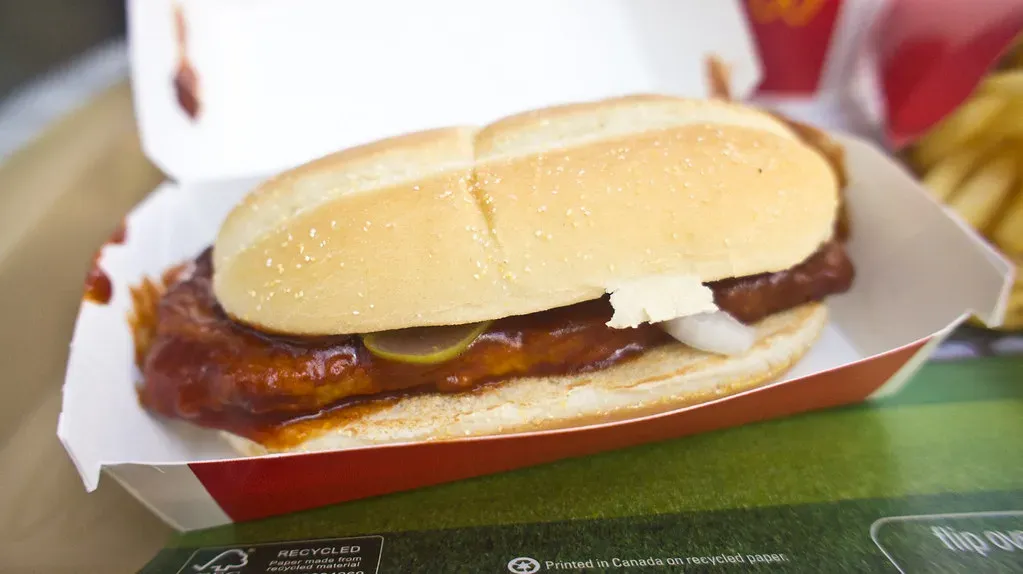
Few items in fast food history have sparked as much conversation, controversy, and cult devotion as the McDonald's McRib. The McRib is a minced pork sandwich with barbecue sauce, introduced in 1981, consisting of a restructured boneless pork patty shaped like a miniature rack of ribs, with barbecue sauce, onions, and pickles, served on a roll. It has never truly been a permanent fixture for most U.S. customers. As far back as November 2005, McDonald's announced a "Farewell Tour" for the McRib, formally pulling it from the permanent U.S. menu, after which it became a limited-time offering rather than a year-round item.
The pattern of disappearance and return has become its own cultural phenomenon, but the window to find one keeps narrowing. On November 11, 2025, McDonald's announced the regional return of the McRib in the United States, including cities such as Miami, Dallas, Cleveland, Atlanta, Chicago, Knoxville, Seattle, and Los Angeles, for a limited time. Availability is genuinely scarce. It won't be available at all McDonald's locations nationwide, but only at select restaurants regionally. Experts say the scarcity is intentional. Basic supply-and-demand economics explain a good chunk of the McRib's popularity - scarcity adds tension and excitement and anticipation, according to Stephen Zagor, an adjunct assistant professor at Columbia Business School specializing in restaurants. McDonald's decision to keep the McRib as a limited-time offer is part of a broader trend of businesses focusing on their primary products and cutting back on total offerings to boost profit.


Leave a Reply