
The Hidden Allergen That Sparked a Massive Recall
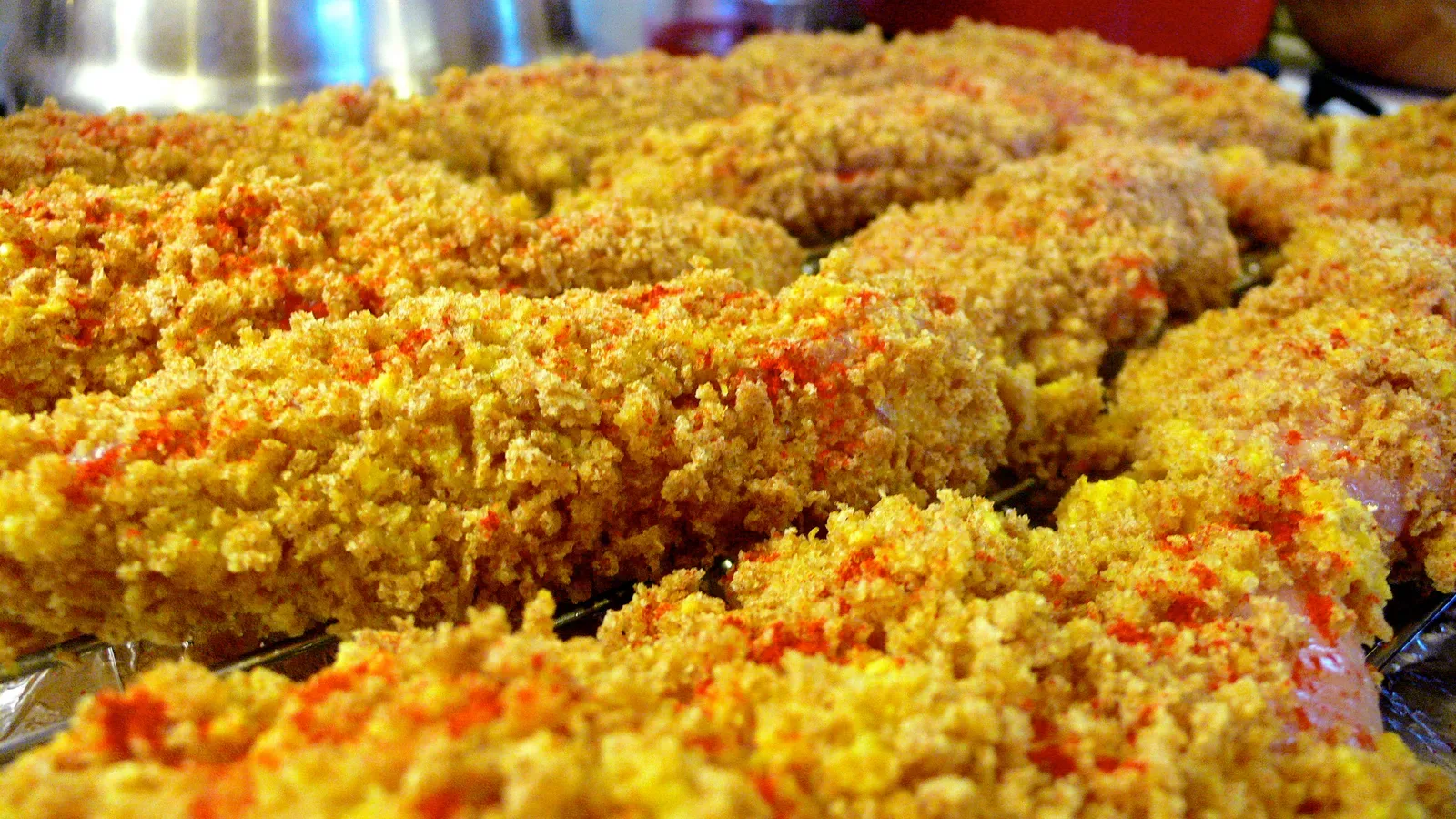
Suzanna's Kitchen of Suwanee, Georgia, initiated a recall of approximately 62,550 pounds of fully cooked, bone-in breaded chicken products after a critical discovery that could endanger consumers with specific dietary restrictions. The product was recalled after it was discovered that it contained soy, a known allergen, which is not declared on the product label. This wasn't just a minor oversight. When a company notices that allergen information is missing from product packaging, the consequences can be life threatening for certain individuals.
The timing couldn't be worse, honestly. With holiday gatherings ramping up across the country, restaurants were stocking their freezers with these breaded chicken portions, completely unaware that they posed a hidden danger to customers with soy allergies. Let's be real, most people don't even think twice about checking ingredient lists when they're dining out, trusting that the establishments they visit are serving safe food.
When the Company Discovered the Mislabeling Error
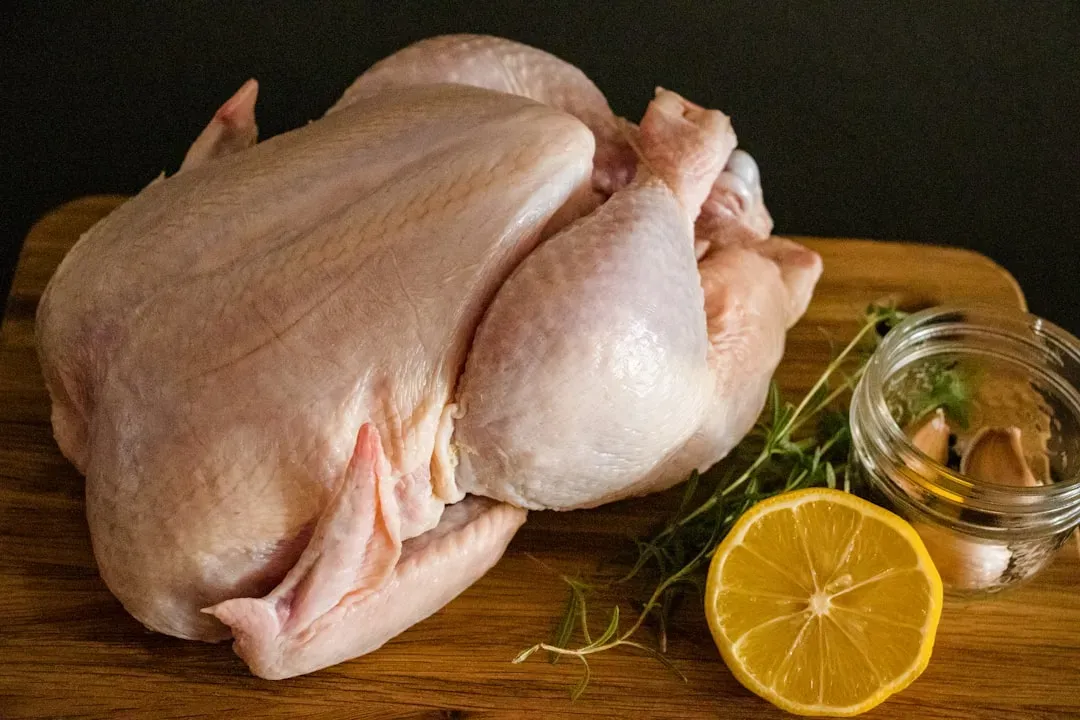
According to the notice, the problem was discovered when the company notified FSIS that they had identified a chicken product containing soy that had been mislabeled with a non-allergen containing product code. This revelation came through internal quality control checks, which means Suzanna's Kitchen caught their own mistake before consumers reported widespread illness. Here's the thing, though, the products had already been distributed nationwide to restaurants by the time the error was identified.
The 8-piece cut, bone-in breaded chicken portions were produced on October 16, 2025, giving these potentially dangerous products nearly two months in the supply chain before the recall was announced in mid December. The affected chicken came in large cases intended for commercial food service operations rather than grocery stores. The recalled products contain 18-lb. cases containing four units of "FULLY COOKED BREADED CHICKEN PORTIONS," with case code "P-1380 126237 B30851 23:11 K04" printed on the side of the packaging.
Understanding Soy Allergies and Their Serious Health Risks
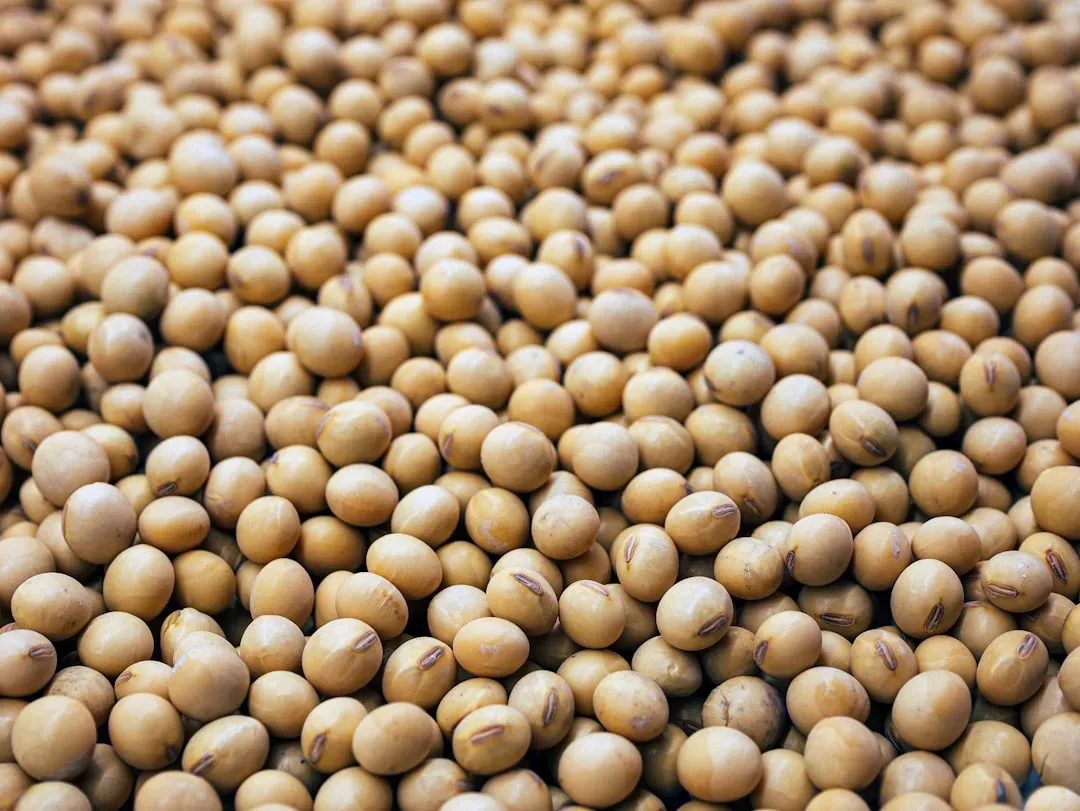
Soy might not get the same attention as peanut or shellfish allergies, but it's a genuine threat to a segment of the population. According to Food Allergy Research and Education (FARE), approximately 0.4% of infants in the U.S. have soy allergy, which might sound like a small number until you consider the total population. That's thousands of vulnerable children and adults who could experience severe reactions.
While most children outgrow their soy allergy, some may remain allergic to it for life, with reactions ranging from moderate to life-threatening. The symptoms can escalate quickly, from mild hives and itching to full blown anaphylaxis requiring immediate medical intervention. What makes this recall particularly concerning is that people dining at restaurants often have no way to verify ingredient lists the way they would at home, placing complete trust in the accuracy of menu descriptions and supplier information.
Where These Chicken Products Were Distributed
The recall involves 8-piece, bone-in breaded chicken produced in October and sent to restaurants nationwide, making it unlikely that the products will be found in home refrigerators. Suzanna's diverse menu features premium beef, chicken, and pork barbecue, chili, corndogs, and a variety of other prepared meat products, all conveniently packaged for restaurants, schools, cafeterias, convenience stores, and virtually all types of food service operations.
This distribution pattern makes tracking down every affected package significantly more challenging than a typical grocery store recall. Restaurants across the entire country potentially received these products, from small diners to large institutional cafeterias. Suzanna's Kitchen distributes its products to restaurants, schools, cafeterias, and convenient stores in the United States, creating a vast network of potential exposure points. The USDA's Food Safety and Inspection Service has been working to identify every location that received the recalled chicken, though that process takes considerable time given the breadth of distribution.
What Restaurants Need to Do Right Now
Food service operators need to act immediately if they've purchased chicken products from Suzanna's Kitchen. The package bears the USDA mark of inspection on the case label and the establishment number "P-1380" on the side, making identification straightforward for anyone checking their freezer inventory. The specific case code and production date information provides clear markers to identify affected products.
Restaurants should not attempt to salvage these products by alerting customers about the soy content. The proper course of action is complete disposal, as the labeling violation means the products cannot legally be sold even with verbal warnings to customers. Questions about the recall can be directed to Dawn Duncan, Customer Service Director, Suzanna's Kitchen, at dduncan@suzannaskitchen.com, according to the official notice. Any establishment that has already served these products should review their recent customer interactions for any reports of allergic reactions, even mild ones, as this information could prove valuable to health authorities tracking the recall's impact.
What Consumers with Soy Allergies Should Watch For
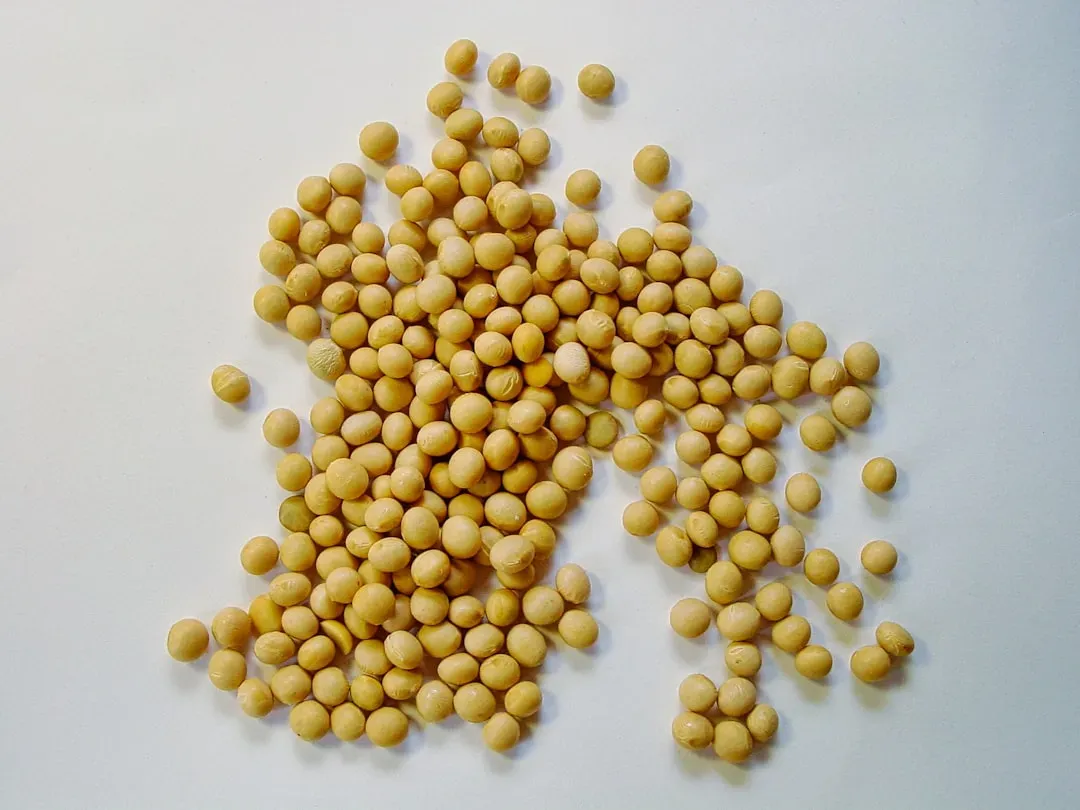
Anyone with a soy allergy who has dined at restaurants serving breaded chicken in the past two months should remain vigilant for any unusual symptoms. While there have been no confirmed reports of injury due to consumption of this product, the timeline between production and recall announcement means potential exposure has already occurred. Allergic reactions don't always manifest immediately, and some individuals experience delayed responses.
Restaurant-goers with soy allergies should be aware of the heightened concern, particularly those who frequently eat at establishments serving fried or breaded chicken dishes. It's worth contacting favorite restaurants directly to ask if they've checked their inventory for the recalled products. Most reputable establishments will appreciate the inquiry and should be able to confirm whether they source from Suzanna's Kitchen. People who suspect they may have consumed the affected chicken and subsequently experienced symptoms like skin reactions, digestive issues, or respiratory problems should document those incidents and consult healthcare providers.
Moving Forward: Lessons from This Food Safety Incident

While the investigation is ongoing, retail distribution lists will be posted on the FSIS website at fsis.usda.gov/recalls as they become available, providing transparency as more information emerges. This recall serves as a reminder that food safety systems, while robust, remain vulnerable to human error in labeling and coding processes. The fact that Suzanna's Kitchen self reported the problem demonstrates that internal quality control caught the mistake, which is how the system is supposed to work.
The incident will likely prompt the company to implement additional verification steps in their labeling processes to prevent similar errors. For the food service industry broadly, it reinforces the critical importance of maintaining detailed records about ingredient sources and lot codes, enabling rapid response when recalls occur. Consumers, particularly those managing food allergies, should remain proactive in asking questions about ingredients even when dining out, recognizing that mistakes can slip through despite everyone's best efforts. The rapid response from both the company and federal regulators helped contain what could have been a far more serious public health situation, showing that while perfect prevention isn't always possible, effective reaction systems save lives.
Did you check your favorite restaurant's chicken lately? Stay informed, stay safe.


Leave a Reply