
There is something almost magical about sitting down with your mom and asking her what she actually ate as a kid. Not the romanticized version with home-baked pies cooling on window sills, but the real stuff. Processed, colorful, occasionally alarming stuff. Turns out, the 1970s was one of the most wildly experimental decades in American food history, and kids at the center of it all had a front-row seat.
My mom's list of childhood favorites was, honestly, a revelation. Some of these things still exist. Others vanished so completely it feels like they never happened. All of them say something fascinating about who we were as a culture back then. Get ready, because a few of these will genuinely surprise you. Let's dive in.
2. Doritos Nacho Cheese: The Chip That Rewired a Generation
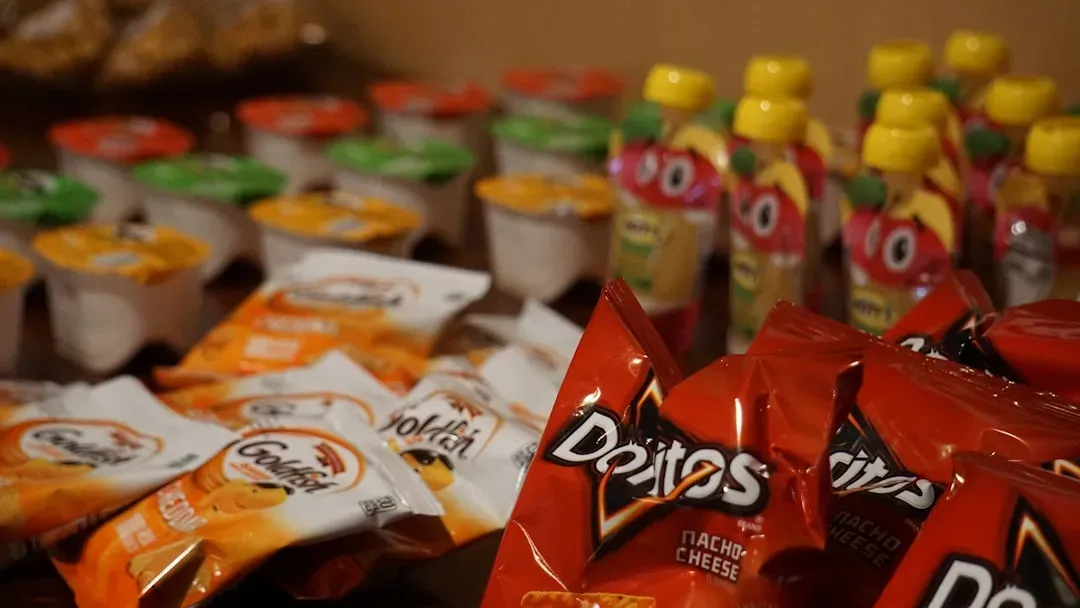
Here's the thing about Doritos - they didn't always come in that familiar orange dust-coated form. The initial flavor was simply toasted corn, followed by taco in 1967, and the now-ubiquitous nacho cheese in 1972. That 1972 nacho cheese launch changed everything for snacking in America.
While Doritos arguably grew in popularity the most in the decades to follow the 1970s, the chips were an undeniable staple of school lunches in the decade. The brand rolled out taco-flavored chips in 1967 and the iconic nacho cheese-flavored chips in 1972, both of which became massively popular additions to school lunchboxes in the following years.
Known for their unmistakable crunch and cheesy taste, Doritos were a favorite of many '70s kids, and even after countless design changes and dozens of new flavors, the chips remain a must-have for school lunches today. Easily 100 million bags of various types of Doritos are consumed daily, which tells you everything about their enduring grip on the snack aisle.
3. Hamburger Helper: One Box, One Pan, One Legend
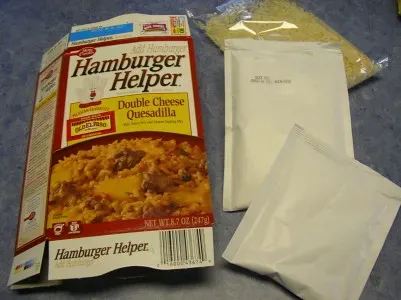
Introduced by Betty Crocker in 1971, Hamburger Helper quickly became a staple in many households. Each box came complete with pasta shapes and powdered seasoning intended to be cooked up with hamburger mix. It proved so popular that the brand launched further varieties, including the Tuna Helper and Chicken Helper. I think this tells you a lot about what family life actually looked like in the '70s.
In the 1970s, a lot of homes became dual-income, which meant Mom had less time to cook. So while Swanson's TV dinners were invented in the '50s, they really hit their stride in the '70s. Convenience wasn't a luxury then. It was a survival strategy.
Cheeseburger macaroni, chili tomato, four cheese lasagna, chili mac, and stroganoff varieties proved particularly popular in the 1970s and 1980s with American families led by working parents who didn't have the time or energy to make a meal from scratch. Today there are 41 distinct flavors of Hamburger Helper, making it one of the most successful pop culture brands to grow out of the 1970s.
4. Cup Noodles: The "Magic Noodles" That Came From Space (Sort Of)
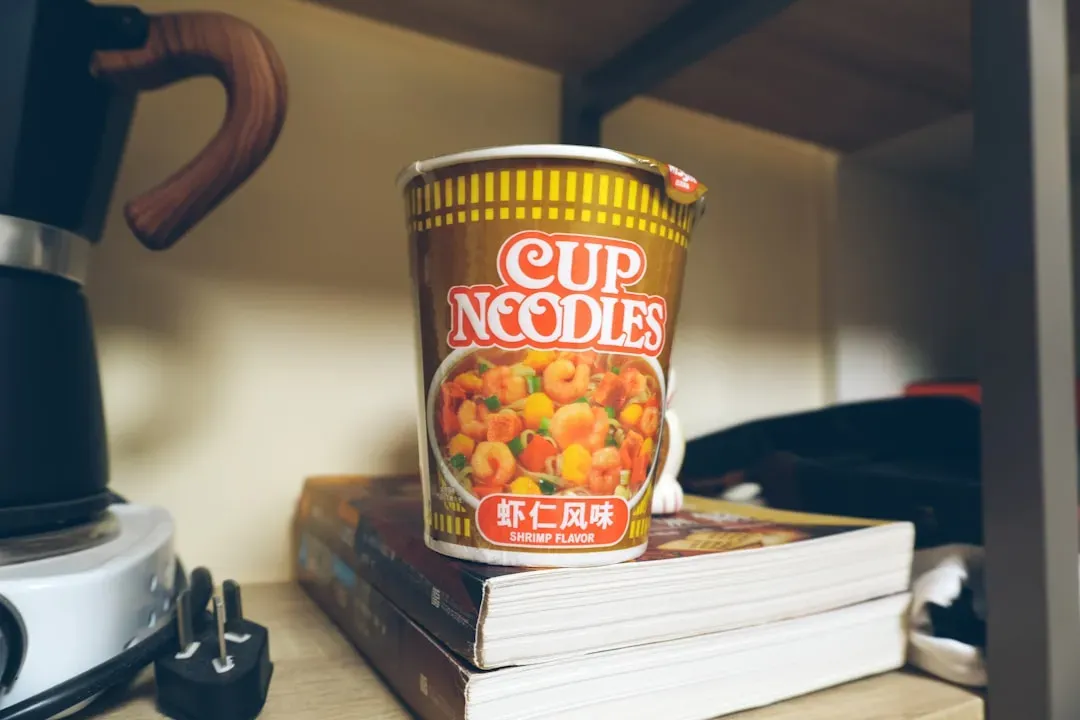
Cup Noodles were super popular in the 1970s and are still very much around. The whole instant noodle idea started in Japan in 1958, when Nissin Foods grew out of post-WWII Japan's need for cheap food made out of available ingredients. It's wild to think how a post-war necessity became a global snack icon.
By 1971, the creator of the noodles, Momofuku Ando, had an idea to expand his product overseas as Cup Noodles. Those early Nissin Cup Noodles from the 1970s came in a styrofoam cup, with a noodle block filling part of the cup and room for hot water to cook them. They were convenient as a meal or a snack and have continued to be popular through the years; they even went to space in 2005 as Space Ramen.
Since the debut of the flavored noodle snack, it's estimated over 50 billion cups have been sold worldwide. Fifty billion. That number is genuinely hard to wrap your brain around. Nissin has tried to keep up with trends internationally by creating over 150 flavors to satisfy palates everywhere.
5. Pop Rocks: The Candy That Sparked a Legend
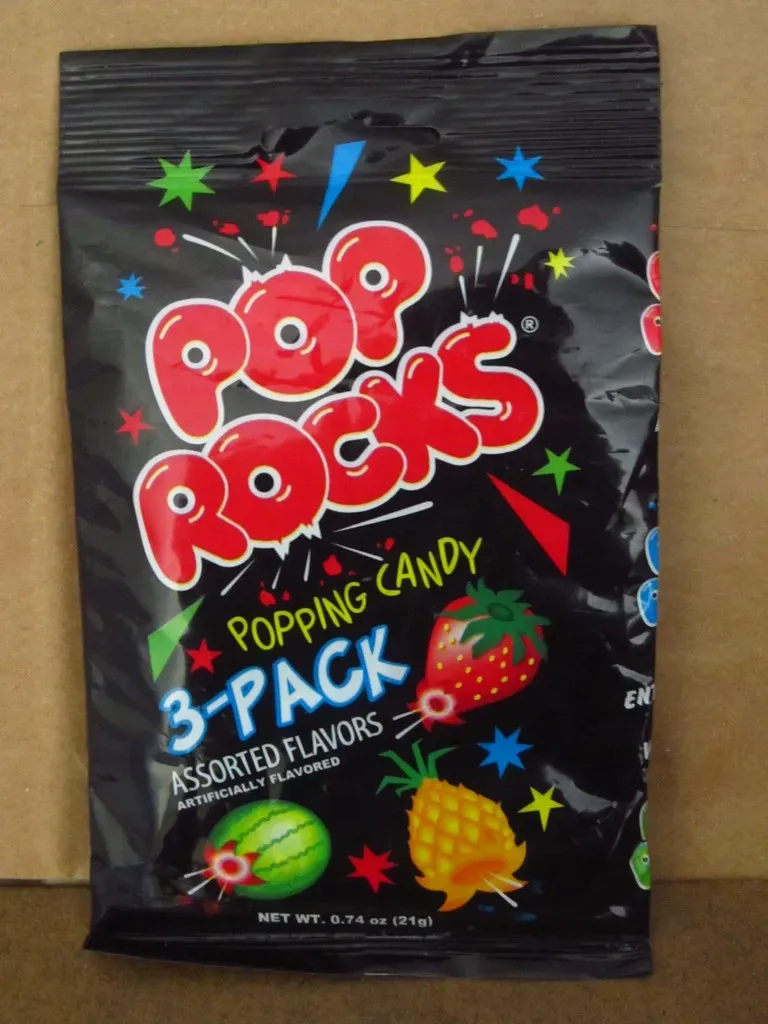
No list of '70s kid food would be complete without Pop Rocks. These little crackling candy granules felt less like a snack and more like a science experiment happening inside your mouth. If you were a kid in the '70s, Pop Rocks were magical. This carbonated candy crackled and burst on your tongue, creating an explosive sensation that had everyone hooked. They were invented by chemist William A. Mitchell in 1956, but weren't widely available until the '70s.
While the concept of Pop Rocks was created in 1961, the popular candy didn't land on grocery store shelves until the mid-1970s. Like all tasty candies, it was an instant hit with kids who adored the crackling sound and tingling tongue-feel of the garishly colored treat.
The product was briefly discontinued in the 1980s, before becoming a children's favorite once more. The urban legends that swirled around Pop Rocks were half the appeal, honestly. Kids convinced each other that mixing them with soda would cause your stomach to explode - which, for the record, is completely false. Still, the myth made every packet feel like a tiny adventure.
6. Peanut Butter and Jelly Sandwiches: The Eternal Classic
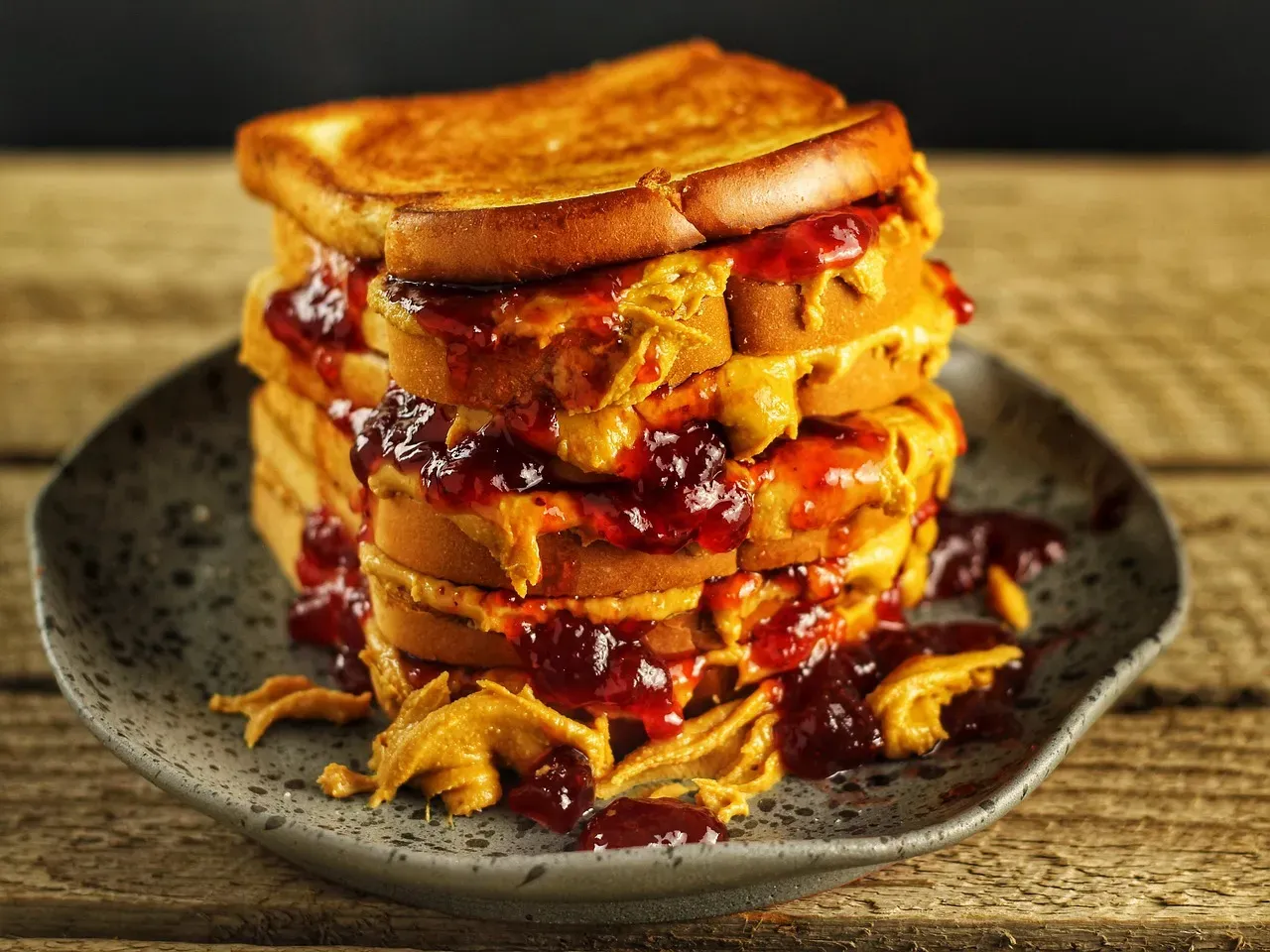
Before you roll your eyes at something this simple showing up on the list, hear me out. The PB&J of the 1970s was a slightly different cultural animal than the one you pack in lunchboxes today. PB&Js were an obvious choice for school lunches by the time the 1970s came around. In fact, considering that many families of the 1970s were in search of convenience, the introduction of Smucker's Goober - which brought peanut butter and jelly together in one jar - in 1968 helped make the sandwich even more of a lunchtime staple throughout the decade.
The 1970s were a period of significant cultural growth for many aspects of the United States, and food was no exception. The decade saw the fast food industry in full swing after first finding success in the 1950s and 1960s. Yet even amid all that fast food excitement, a humble PB&J in a tin lunchbox held its own.
There is something quietly profound about that, actually. A century of food innovation, and the peanut butter sandwich just keeps showing up. While school lunches have evolved over the past 45 years since the 1970s came to an end, some vintage items that kids would bring along with them have persisted, whether it's due to parents' nostalgia or the enduring nature of the food in question. The PB&J is living proof of that staying power.
7. Little Debbie Snack Cakes: The Lunchbox Currency of a Generation
If you grew up in the '70s, Little Debbie wasn't just a snack brand. It was practically a way of life. Nutty Bars, Oatmeal Creme Pies, Swiss Rolls - Little Debbie was omnipresent in '70s lunch breaks. Oatmeal Creme Pies showed up so often that some adults still have trauma. My mom laughed when I read that part out loud to her.
Times have changed - now lunchboxes come with insulated compartments, organic snacks, and parents debating the sugar content of a granola bar. Back in the simpler era, you got what you got, and half the time, if you didn't like it, it worked as cafeteria currency, and you swapped it for something else. That barter economy of the school cafeteria was a whole social ecosystem.
Ding Dongs deserve a special mention here too. Each Ding Dong was wrapped in aluminum foil specifically so that it wouldn't melt within lunchboxes, making it an obvious addition for school lunches. The cream-filled chocolate dessert rose to prominence in the 1970s and 1980s, and while some insist that they are no longer quite as good now that they aren't packaged within aluminum foil, Ding Dongs remain an incredibly popular sweet treat.
8. Koogle Flavored Peanut Butter: The Forgotten Spread
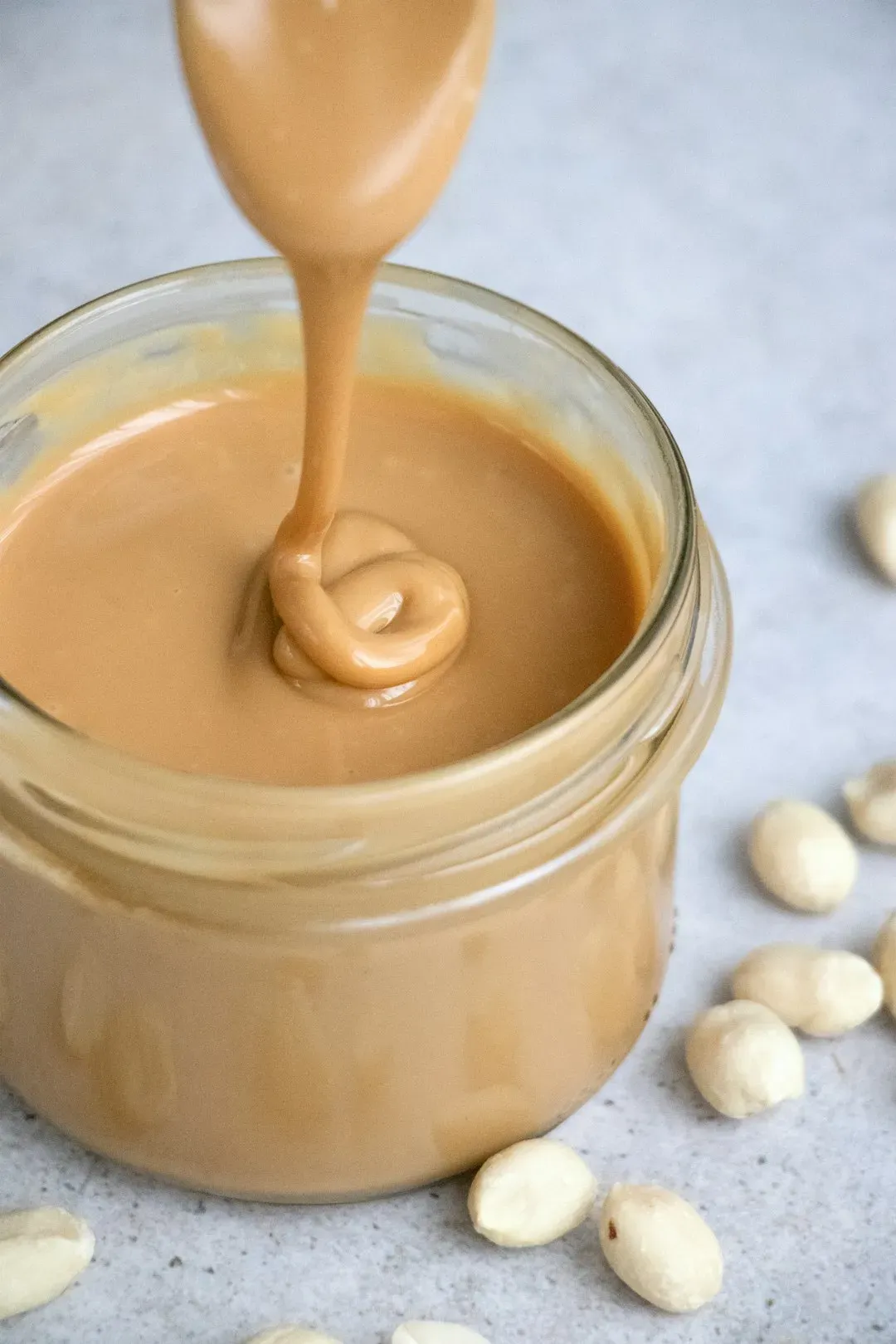
Here is one that probably flew completely under the radar for most people born after 1975. Koogle was a flavored peanut butter spread that, frankly, sounds incredible in retrospect. Koogle was introduced in 1971 by Kraft Foods. A peanut butter spread similar to Nutella, the smooth condiment didn't make your mouth stick together the way peanut butter did. It came in four flavors: chocolate, cinnamon, banana, and vanilla.
Koogle was incredibly popular with children thanks to its alien-like mascot with a body shaped like a container of peanut butter, four eyeballs, scraggly blue hair, and a giant K that made it look like a superhero. Parents loved it because it enticed picky kids who despised peanut butter to eat the spread. Honestly, the mascot alone sounds like a fever dream.
It sounds like a guaranteed winner, right? Sadly for Kraft, the nutritional response to Koogle was pretty negative, with consumer watchdogs criticizing the product for being overly sugary, warning that it was a far cry from natural peanut butter. Perhaps it was this that ushered in Koogle's downfall: by the late 1970s, it was no longer available. A victim of its own deliciousness, in a way.
9. The McDonald's Happy Meal: A Box That Changed Everything
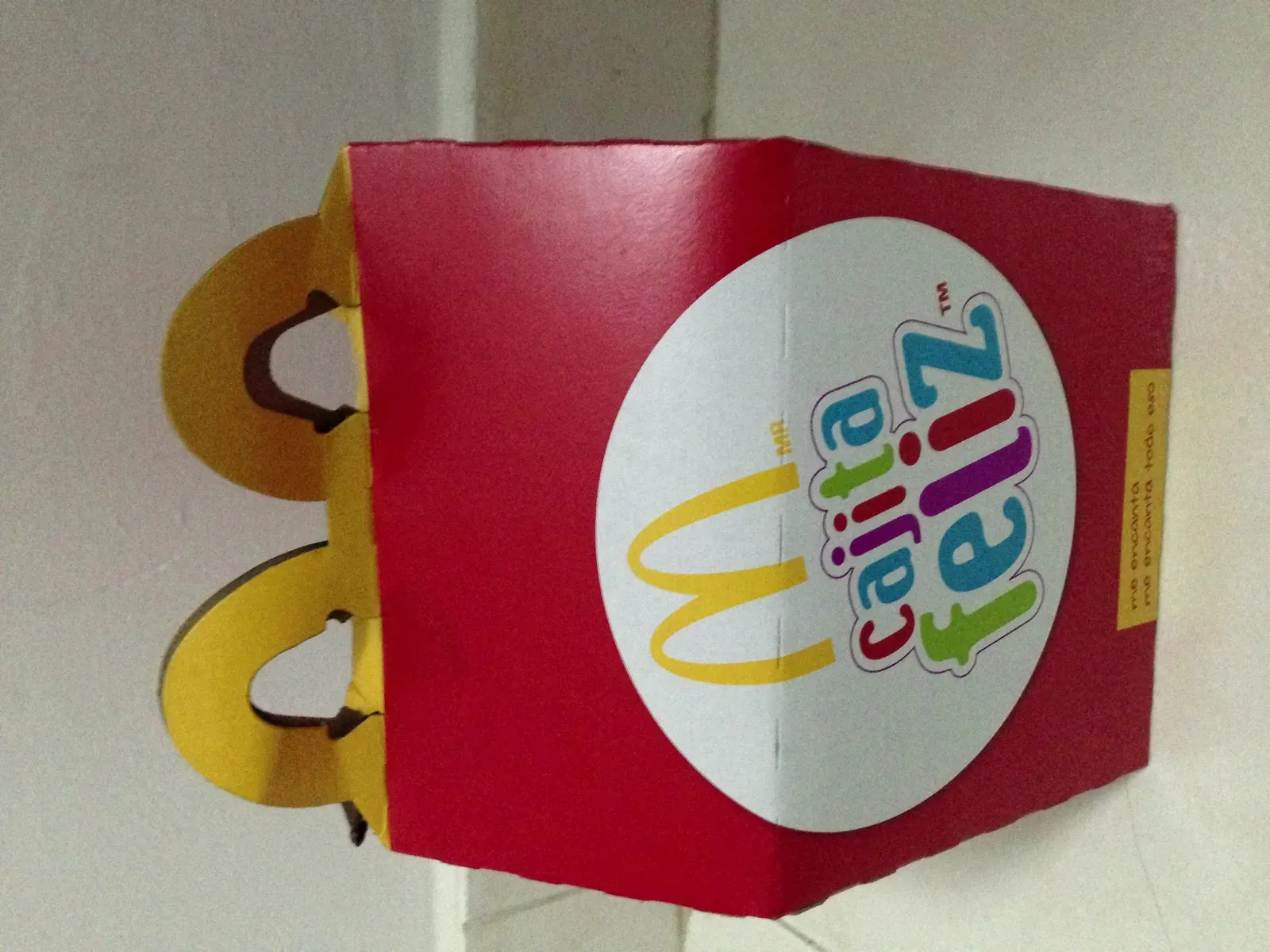
It's hard to overstate what a cultural earthquake the Happy Meal was when it arrived at the tail end of the '70s. A Happy Meal is a kids' meal sold at the American fast food restaurant chain McDonald's since June 1979. A small toy or book is included with the food, both of which are usually contained in a red cardboard box with a yellow smiley face and the McDonald's logo.
After two years of market testing in cities like Kansas City, Phoenix, and Denver in 1977 and 1978, McDonald's introduced the Happy Meal to the rest of America in 1979. Each box, which had a circus wagon theme, came with a hamburger or cheeseburger, fries, cookies, and a soft drink. Inside the $1.15 box was a "special prize" that was one of several novelty items. That price point alone is genuinely staggering now.
By 2017, McDonald's was selling an average of 3.2 million Happy Meals daily, which gives you a sense of just how enduring this concept turned out to be. What started as a circus-wagon box with a spinning top inside evolved into one of the most powerful marketing machines in the history of the food industry. Pretty remarkable for a $1.15 meal.
10. Sloppy Joes: The Gloriously Messy Family Dinner
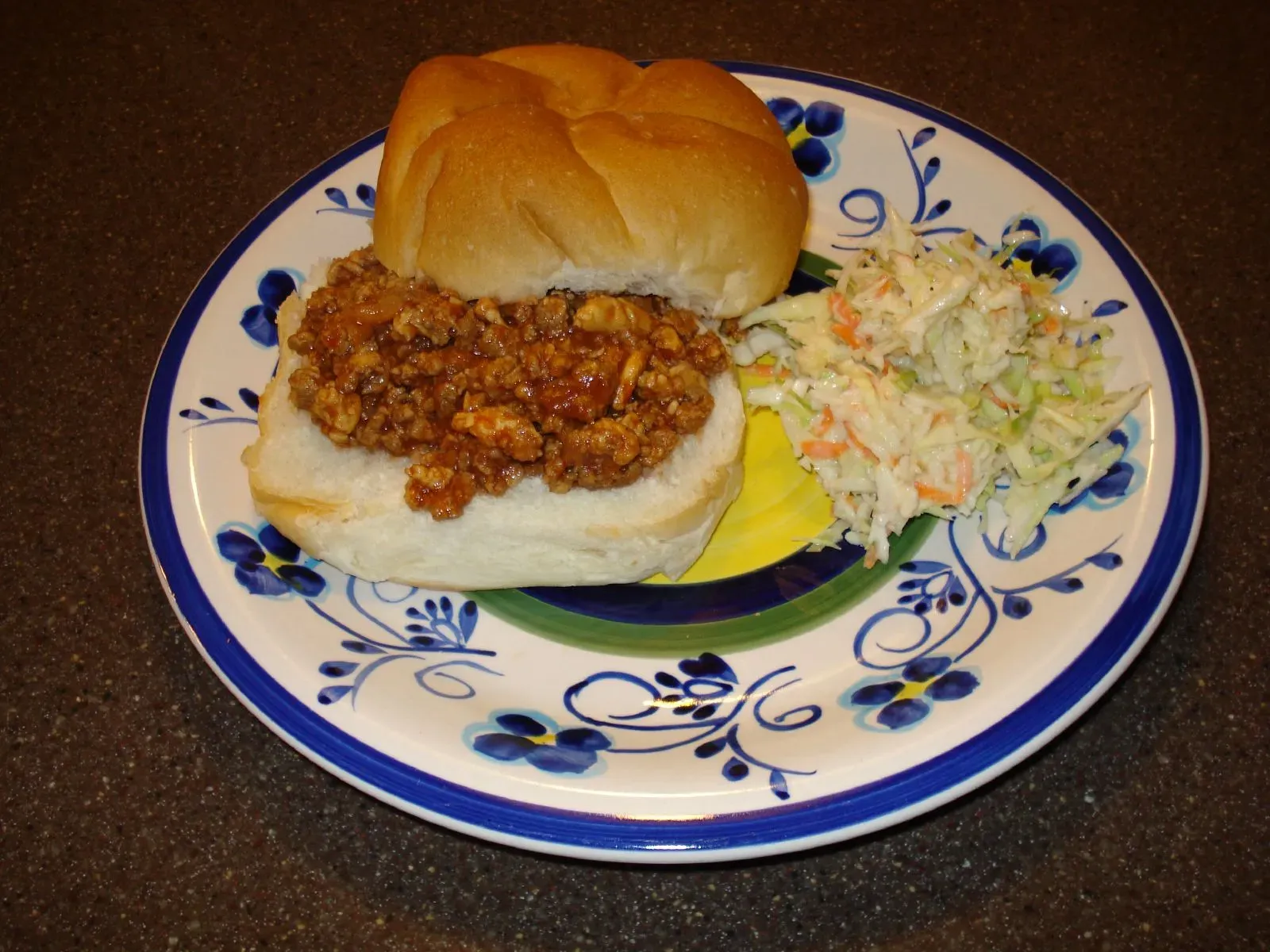
Let's be real: Sloppy Joes are exactly what they sound like, and that's precisely why kids loved them. A Sloppy Joe was a hot, dinner-worthy sandwich made from cooked and pebbled ground beef swimming in a thick and messy sweetened tomato sauce. Served on a hamburger bun and possibly with chopped onions and peppers, and maybe a slice of cheese melting over the filling, Sloppy Joes really took off as something pleasant that parents could make for kids by the 1970s.
This was the time when Libby's canned sloppy Joe sauce and Hunt's Manwich vied for supermarket attention. Two brands going head-to-head for the soul of the American weeknight dinner table - and millions of kids cheering from the sidelines, waiting for the messy result to land on their plate.
Sloppy Joes have since fallen out of fashion, in restaurants and at home, perhaps because they're a bit more labor-intensive than cold sandwiches or stovetop-requiring meals like mac and cheese. Multiple generations of adults now look back nostalgically on this comfort food of the past. There's something genuinely poetic about a meal that was never fancy, never pretentious, just reliably, stubbornly delicious.
The Bigger Picture: What '70s Food Actually Tells Us
Looking back at this list, what strikes me most isn't the food itself. It's what the food reveals about an era. When it comes to the 1970s, some of the biggest snacks around point to a time when people were keen to experiment, try new flavors, and be challenged by the food they ate. Just like some of the old-school desserts people enjoyed, the snacks of that decade were marked by their combination of crowd-pleasing flavors, innovative textures, and slightly wacky concepts.
The 1970s also saw a notable rise in processed snacks, with many of the era's main treats offering grazeable versions of more traditional foods. During this decade, we saw pizza flavors squeezed into crunchy crisps, bacon slices turned into puffy crackers, and pudding packed into cans. Innovation, convenience, and a serious sweet tooth drove the whole decade forward.
It was a decade of working parents, tighter budgets, and a food industry eager to meet families exactly where they were. The result was a generation of kids who grew up eating things that today's nutritionists would eye with suspicion - and who remember every single bite with bone-deep affection. My mom's eyes genuinely lit up talking through this list. That warmth, that involuntary smile? That's the real legacy of '70s food.
So here's the question worth sitting with: how many of these rang a bell for you, or maybe for someone you love? Drop your own '70s food memories in the comments - the weirder, the better.

Leave a Reply