
Something is shifting inside America's restaurants, and it goes well beyond what's on the menu. A growing number of establishments are quietly eliminating the tip line from their bills, folding service costs into higher menu prices and billing the whole arrangement as more transparent and fair. It sounds simple enough on paper. In practice, though, some of the country's most outspoken restaurant owners say the experiment is backfiring, arguing that removing tips doesn't just change a payment structure - it fundamentally alters the culture, energy, and quality of the dining experience itself.
The No-Tip Movement Gains Momentum

As more restaurants experiment with eliminating tips, the idea of a no-tip dining model is gaining traction - but not without resistance from some industry professionals who fear it could drag down service. The shift is a response to growing frustration among diners, as hidden fees, service charges, and inflated gratuities have left many customers feeling blindsided when the check arrives. For some operators, a no-tip system offers a clearer alternative. The pitch is straightforward: what you see on the menu is what you pay.
Joseph Magidow, chef and owner of La Cigale in San Francisco, told Fox News Digital there are two categories of reasons for going tip-free - one for the guest experience, one for the staff. His restaurant, which opened last year, has adopted a no-tip model. Magidow said his restaurant builds labor costs directly into menu prices, creating what he describes as a more transparent experience. The appeal to transparency is real, and for a certain type of diner, it removes an awkward moment at the end of an otherwise pleasant evening.
Owner Backlash: Tips Keep Servers Hustling
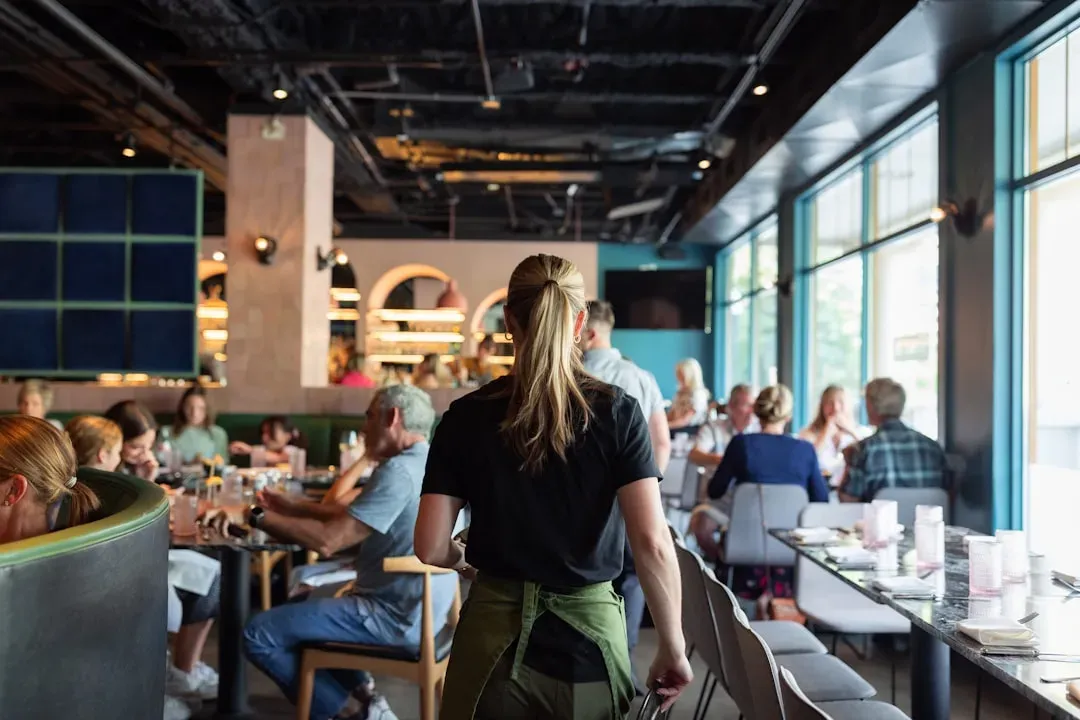
Beyond the financial concerns, some owners worry about what happens to the culture of hospitality itself. "There's no incentive for the servers to be attentive and give extra-good service," Vicki Parmelee, owner of Jumby Bay Island Grill in Jupiter, Florida, told Fox News Digital. "And I think they might lose a little bit of motivation there." That concern, simple as it sounds, cuts to the heart of what makes full-service dining different from fast food.
Taking away the enticement of working for tips would lead to "degrading service levels," warned Derek Simms, who operates multiple restaurants in Frisco, Texas. Simms said he likes the tip system because "it rewards people" and "keeps people hustling for you." His concern isn't just philosophical. He believes it directly affects whether guests get their water refilled, whether their order arrives correctly, and whether they leave wanting to come back.
The Financial Reality Behind the Debate
Simms believes the traditional tipping system works - particularly for servers, who can average $40 to $60 per hour. Tipped servers earn a median of $27 per hour, according to the president of the National Restaurant Association. Those aren't poverty wages, and critics of the no-tip movement argue the system, for all its flaws, provides skilled servers with real earning power that a flat hourly rate cannot easily replicate.
Simms, who worked in California before moving to Texas, said eliminating tips would force restaurants to raise wages in a way that most business models can't sustain. "If you hire everybody at $15 or $20 an hour … the restaurant loses all their profit and will eventually close down," he said. Nationwide, as of September 2024, median pay for full-service restaurant workers was $23.88 an hour including tips and base wages - up from $18.61 in January 2020, a 28 percent increase. That rise didn't happen because restaurants raised base pay. Largely, it happened because tips rose.
Tipping Fatigue Is Real - and the Data Proves It
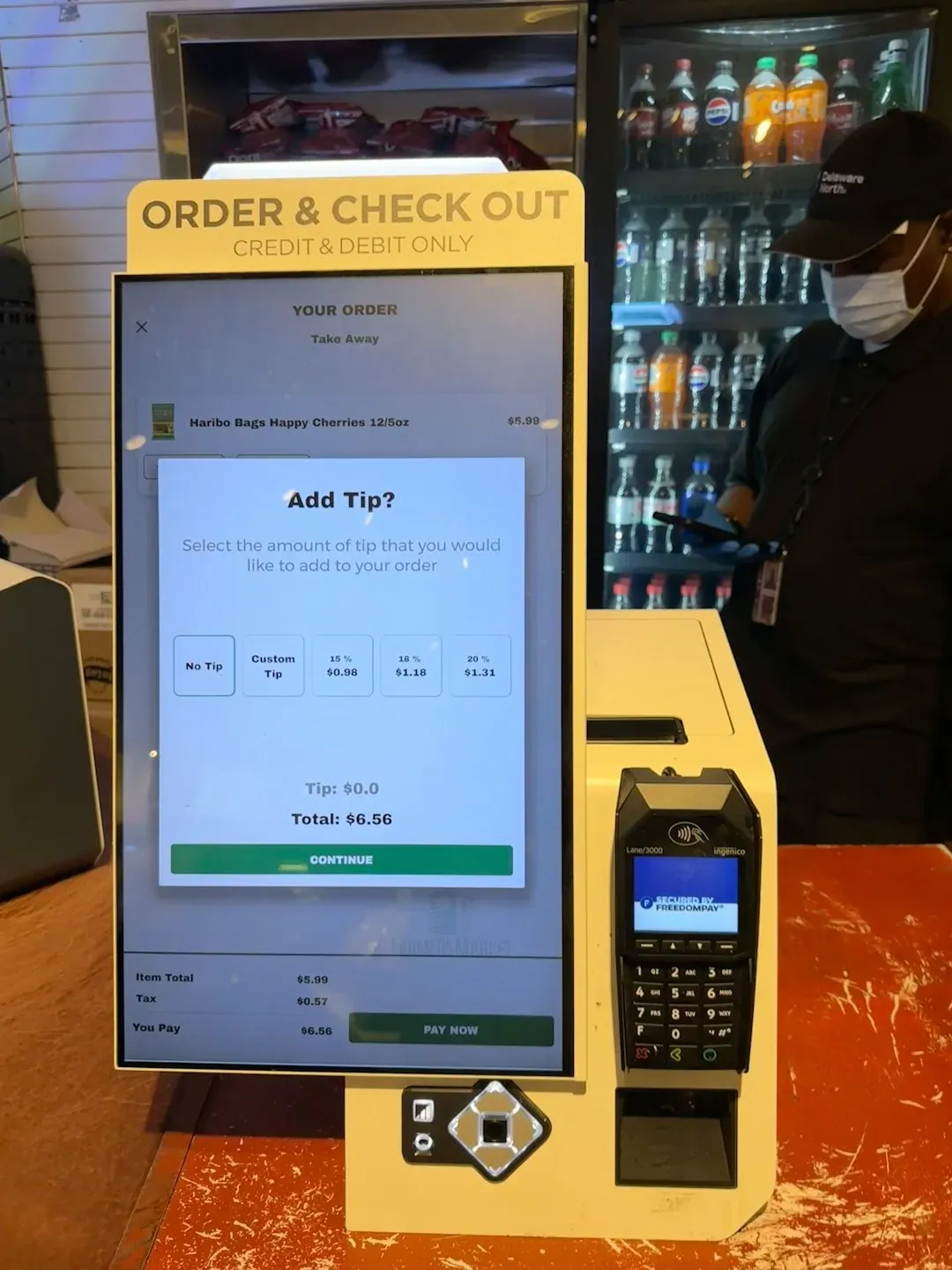
Tipping fatigue continues to plague U.S. consumers, impacting industries that rely on gratuities as part of their income. Two-thirds of consumers say they are fed up with tipping, up from 60% last year and 53% in 2023, according to Popmenu's annual study. A striking nine in ten Americans now think the existing tipping culture in the U.S. has become excessive. That's not a fringe opinion - it's a near-universal sentiment.
The heightened focus on gratuity is reflected on Yelp, with increases in restaurant review mentions of "tip screen" up 811%, "gratuity" up 111%, and "tipping" up 81%. Consumers are more frequently mentioning tips as part of their overall experience, with elevated references of "tip was included" (up 91%), "no tip" (up 71%), and "didn't tip" (up 63%). Yelp reviews mentioning "tipflation" increased 399% from May 2023 to April 2024. The frustration is being written right into the reviews.
What No-Tip Actually Does to the Workforce

One of the most significant concerns voiced by restaurant owners regarding the no-tip model is the potential impact on retaining top-tier service staff. High-performing servers who have grown accustomed to earning substantial amounts through tips may be reluctant to move to a fixed wage system, especially if it means a potential decrease in their overall income. This can lead to a loss of experienced and skilled employees, forcing restaurants to recruit and train new staff - a process that is both time-consuming and costly.
Restaurant owners who have tried and reversed the no-tip policy often cite the departure of their best servers and customer resistance to higher prices as primary reasons for returning to tipping, suggesting that the perceived benefits do not always materialize in practice. Sixty-three percent of restaurants made no changes to their tipping models in 2024, keeping tips a core part of workers' income. While there's growing interest in service charge models, tipping remains critical. The majority of the industry, at least for now, isn't convinced.
The Customer Experience Caught in the Middle

The elimination of tipping can introduce challenges related to customer perception and behavior. Many diners view tipping as a way to express their satisfaction with service, and the ability to control the amount or withhold a tip provides a sense of agency. When this option is removed, some customers may feel a loss of control or believe that the restaurant is less transparent about pricing. Research suggests that customers may also perceive higher menu prices as a decrease in value, even if the total cost remains the same.
A 2025 study found that 64% of consumers have tipped out of guilt even when they received poor service, and 45% have tipped simply because they didn't want to look cheap. For hospitality workers, this means that tips are becoming less a reflection of service quality and more a product of social pressure. Meanwhile, the majority of consumers - roughly 62% - say they would rather pay more for food and beverages to provide higher wages for restaurant workers and eliminate tipping altogether. It's a contradiction that reveals just how conflicted the American dining public really is on this issue.


Leave a Reply