
You think you're eating well. You've swapped out chips for granola bars, replaced soda with fruit juice, and started ordering the plant-based burger. You're being careful. Thoughtful, even. So why are nutritionists raising the alarm?
The truth is, the food industry is really good at one thing: making things look healthy. With clever packaging, green labels, and buzzwords like "natural," "high-protein," or "plant-based," products that are far from innocent end up in shopping carts across the country every single day. And the research keeps piling up. Let's dive in.
1. Granola Bars: The Candy Bar in Disguise
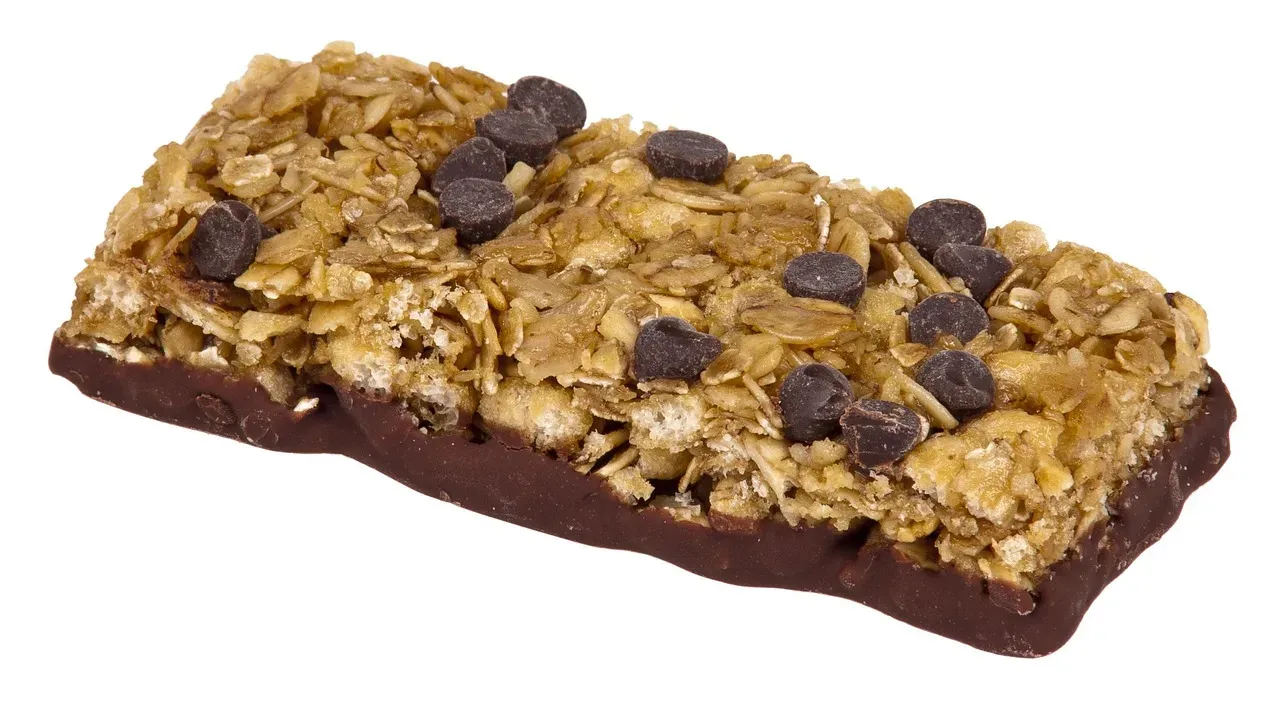
Here's the thing about granola bars. They look like a smart snack. Oats, nuts, maybe some dried fruit. It sounds like something your nutritionist would high-five you for choosing. But flip that package over and the story gets complicated fast.
Many granola bars are highly processed and include ingredients like added sugars, vegetable oils, preservatives, and artificial flavors, and studies indicate that high consumption of processed and sugary foods can increase your risk of metabolic syndrome, a group of conditions that can lead to diabetes, stroke, and heart disease. I know it sounds crazy, but some of these bars are essentially candy with a PR team.
Many popular bars have as much sugar as a cookie, often hiding under sneaky names like "brown sugar syrup" or "tapioca syrup." Despite the healthy-looking oats, some bars offer very little protein or fiber, resulting in a quick energy spike followed by the inevitable crash.
Higher consumption of added sugars is linked to higher risk for type 2 diabetes, as well as weight gain and other health concerns, according to an article in Food and Nutrition Research. The fix? Read labels carefully, or better yet, make your own with oats, nuts, seeds, and a small amount of honey.
2. Flavored Yogurt: A Dessert Pretending to Be Breakfast
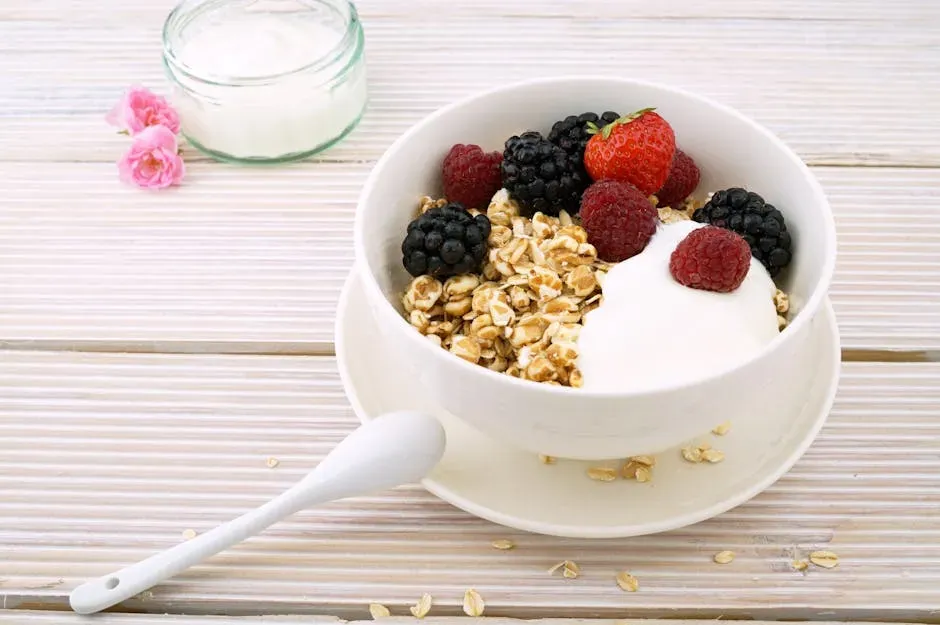
Yogurt has long enjoyed one of the most impressive health halos in the grocery store. It's creamy, it's convenient, and it's got probiotics. Sounds perfect. But the keyword here is "flavored." Honestly, that word should sometimes come with a warning label.
Flavored yogurts, especially those marketed as healthy options, are often packed with sugar and artificial flavors, and many varieties contain more sugar than candy bars, making them a poor choice for regular consumption. Many flavored yogurts are loaded with sugar, artificial sweeteners and artificial flavorings.
Added sugars, artificial sweeteners and stabilizers are all things to look out for, as flavored yogurts can contain these ingredients that outweigh their perceived health benefits. The simple swap? Go plain. Add fresh fruit yourself, and you stay in control of what's actually going into your body.
Ultra-processed foods, including commercially produced items like flavored yogurts, are now classified alongside hot dogs, frozen meals, potato chips, and soft drinks in food processing research. That context alone should give you pause the next time a strawberry yogurt cup with sprinkles catches your eye.
3. Fruit Juice: Not So Fruity After All

Growing up, a glass of orange juice in the morning felt like health in liquid form. Pure fruit! Natural! And yet nutritionists have been quietly sounding the alarm on this one for years, and the science is catching up.
Fruit juice is high in free sugars and low in dietary fibre, and some studies have found that higher intake levels of 100% fruit juice are associated with increased risks of various chronic conditions including diabetes and weight gain. That is not the message on the carton.
Processing and storing 100% fruit juice reduces its fibre, vitamins and other antioxidant contents and transforms intrinsic sugars in the whole fruit into free sugars, while fruit consumed in solid form provides greater satiety due to delayed gastric emptying and related physiological reactions. Think of it this way: squeezing the juice is like stripping out everything that makes fruit actually work for you.
While juice often contains healthful nutrients like vitamins, minerals, and phytochemicals, it should be limited as it contains just as much sugar and calories as soft drinks. A 2025 review published in Nutrition Bulletin, covering more than 80 studies, concluded that current guidelines are confusing and could cause unhealthy consumption of fruit juices and unhealthy sugars.
4. Plant-Based Meat: Ultra-Processed With a Health Halo

Plant-based burgers and sausages felt like a revolution. Better for the planet, better for your body, right? The marketing has been nothing short of brilliant. The reality, however, is more complicated. Let's be real about what's actually in these products.
Plant-based meat alternatives frequently contain anti-nutrients, have less protein, iron, and vitamin B12, and are lower in protein quality, while also having higher amounts of sodium. That sodium number alone is a serious concern for anyone watching their cardiovascular health.
Fake meats can be high in sodium, especially if they're processed, and they also can be high in sugar, carbs and fat from sources like coconut oil to better mimic the texture and juiciness of real meat. Plant-based meat alternatives fall into the category of ultra-processed foods, indicating a need to develop minimally processed, clean-label products.
Research shows that restaurant visitors believe that plant-based meat alternatives are healthier than meat and greatly underestimate the caloric content, fat, and sodium in these products. That perception gap is exactly where the problem lies. If you eat these items thinking they are a free pass, you could easily be consuming more sodium and saturated fat than you bargained for.
5. Protein Bars and Shakes: More Supplement Than Food
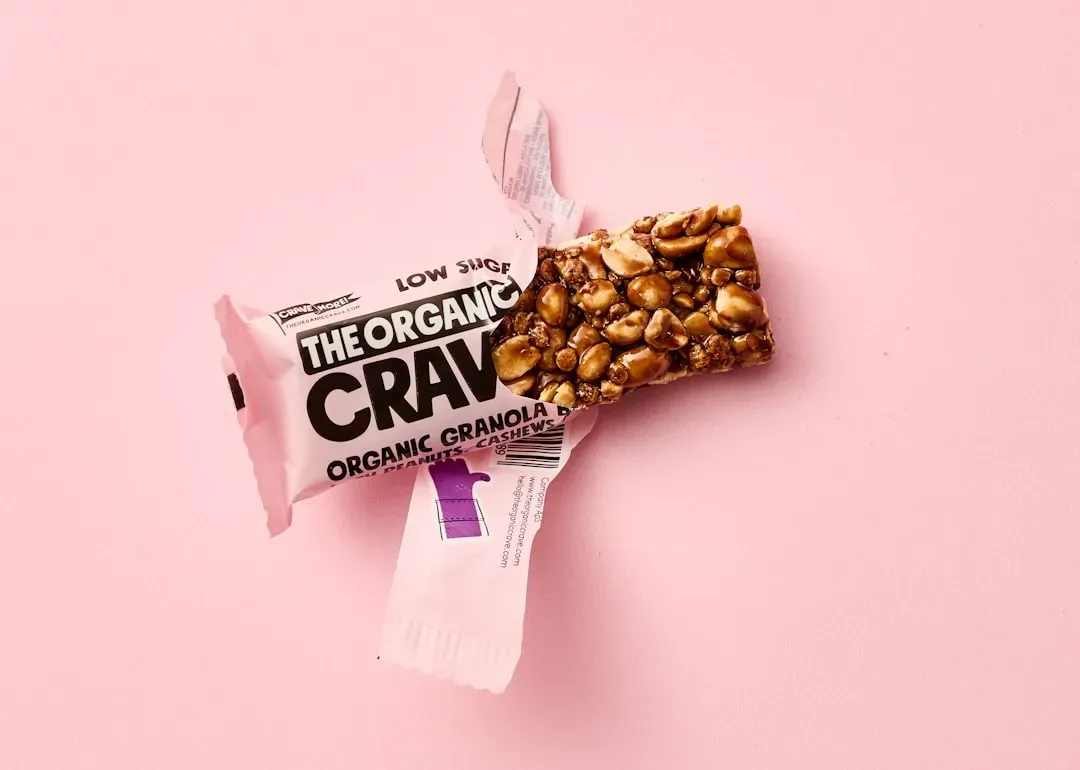
The protein bar industry has exploded. Walk into any gym, gas station, or health food store and you'll see a wall of them, all promising muscle, energy, and recovery. Nutritionists, however, are less enthusiastic. Several are now actively recommending people leave these products behind.
All four nutrition experts consulted by Newsweek agreed that ultra-processed protein bars and shakes should be left behind, as they are loaded with artificial ingredients or high in sugar. None of these things are contained in fresh foods and make processed foods far less nutritious and potentially harmful to the gut microbes.
Dietitian-nutritionist Mindy Haar, assistant dean at New York Institute of Technology's School of Health Professions, said protein powders, bars or supplements were unnecessary for most people and went beyond what the body needs, noting that protein has calories and must be processed by the kidneys, so adding more than needed makes no nutritional sense.
Think of protein bars the way you'd think of a multivitamin: useful in specific circumstances, not a substitute for real food. As Stanford's research dietitian Dalia Perelman noted, it's not just about what's added to ultra-processed foods, but what's missing, as they tend to be lower in fiber, micronutrients, and phytochemicals.
6. Coconut Oil: The "Superfood" That May Harm Your Heart

Coconut oil had a moment. A big one. It was all over wellness blogs, cooking shows, and Instagram feeds around the world, hailed as a miracle fat that could do everything from boost your metabolism to clear your skin. Nutritionists were never quite on board.
Despite popular belief that it's healthy, coconut oil is not the best cooking oil, as it is high in saturated fat, which can raise cholesterol, causing plaque buildup in your arteries and increasing your risk for heart disease. That's a hard truth for anyone who switched from butter to coconut oil thinking they were doing something smart.
It's hard to say for sure how much of the coconut oil hype was driven by good science versus clever marketing. What is clear is that olive, canola, and avocado oils are healthier choices, as they are made mostly from unsaturated fats. The research consistently points in that direction.
Guidance that emphasizes butter and full-fat dairy undermines the saturated fat limit and the science-based advice to emphasize plant-based proteins to reduce cardiovascular disease risk, according to the Center for Science in the Public Interest. Coconut oil sits squarely in this saturated fat conversation, and the verdict is not flattering.
7. Store-Bought Salad Dressings: Turning Salads Into Sugar Bombs

You made a salad. That already puts you ahead of most people at dinner. Then you reached for the bottle of ranch or Caesar dressing, and here's where things go sideways. Salad dressings are one of the most underestimated calorie traps in the grocery store.
Ranch, Thousand Island, and Caesar dressings can turn a healthy meal into a calorie bomb, as they are high in saturated fats and sugars, with mayonnaise, cream, oils, sugar, and high-fructose corn syrup among the many ingredients that add up to excessive calorie counts.
Still, it's not just calories. Many commercial dressings are loaded with sodium, emulsifiers, and preservatives that push them firmly into the ultra-processed category. Ultra-processed foods contain ingredients you wouldn't find in a typical kitchen, such as emulsifiers, colorings, and flavor enhancers, and they tend to be higher in saturated fat, salt, and sugar.
The fix here is almost embarrassingly simple. A drizzle of olive oil, a splash of lemon juice, and a pinch of salt will dress a salad beautifully. Vinaigrette dressings made with olive oil and vinegar, or yogurt-based dressings with fresh herbs and spices, are far healthier alternatives.
8. "Reduced-Fat" and "Low-Fat" Packaged Foods

The low-fat craze of the 1990s never really died. It just rebranded. Walk down any supermarket aisle and you'll still find products proudly proclaiming "low fat" or "reduced fat" as if that automatically means healthy. Nutritionists have been pushing back on this assumption for a long time.
Some packaged foods make claims like low-sugar, high-fiber, plant-based, or organic that seem to suggest healthfulness, but dietitians say these items are sometimes not actually nutritious, with registered dietitian Sherie Nelson explaining that terms like these give packaged food a health halo that often doesn't hold up when you examine the ingredient list and nutrition facts panel.
Here's what typically happens when manufacturers remove fat from a product: they replace it with something. Often that something is sugar, refined starch, or a cocktail of thickeners and artificial flavors designed to compensate for the flavor that fat provides. The result can actually be worse for your metabolic health than the original.
When reading nutrition facts labels, it's important to watch for hidden sugars, fats and salt, especially those added during processing, with most labels now including added sugars. The lesson: a lower fat number on the front of a box tells you almost nothing useful about what's inside it.
9. Ultra-Processed "Healthy" Breakfast Cereals

Nothing quite screams "good morning" like a colorful bowl of cereal. The boxes promise whole grains, added vitamins, and sometimes even heart health benefits. But the reality hiding inside those cheerful packages is worth examining carefully before you pour.
Commercially produced breakfast cereals are classified as ultra-processed foods by food researchers, placing them in the same category as flavored yogurts, hot dogs, frozen meals, soft drinks, and candy bars. That is, I think, one of the more genuinely surprising facts in modern nutrition science.
A major review published in the British Medical Journal in 2024, looking at 45 studies involving almost 10 million participants, found that eating more ultra-processed foods is linked to a higher risk of dying from any cause and has ties to 32 health conditions, including heart disease, mental health disorders, and type 2 diabetes. Breakfast cereals are very much part of that ultra-processed world.
Current dietary guidance now prioritizes whole, fiber-rich grains and calls for a significant reduction in highly processed, refined carbohydrates, while also taking a strict stance on sweets, noting that no amount of added sugars is recommended or considered part of a healthy or nutritious diet. Swapping sugary cereals for oatmeal, eggs, or whole grain toast with nut butter is a genuinely better start to the day.




Leave a Reply