
When you reach for a handful of nuts, you're probably not overthinking it. Maybe you grab what's closest, or whatever's on sale. Yet when it comes to peanuts versus pistachios, there's more going on beneath those shells than you might expect.
Both are crunchy, satisfying, and packed with good stuff. Still, when you compare them side by side, one edges ahead in fiber while the other brings more protein to the table. Then there's the antioxidant question, which gets surprisingly interesting once you dig into what each nut actually contains. So let's break it down and see which one deserves more space in your pantry.
Protein Content: Peanuts Take the Lead
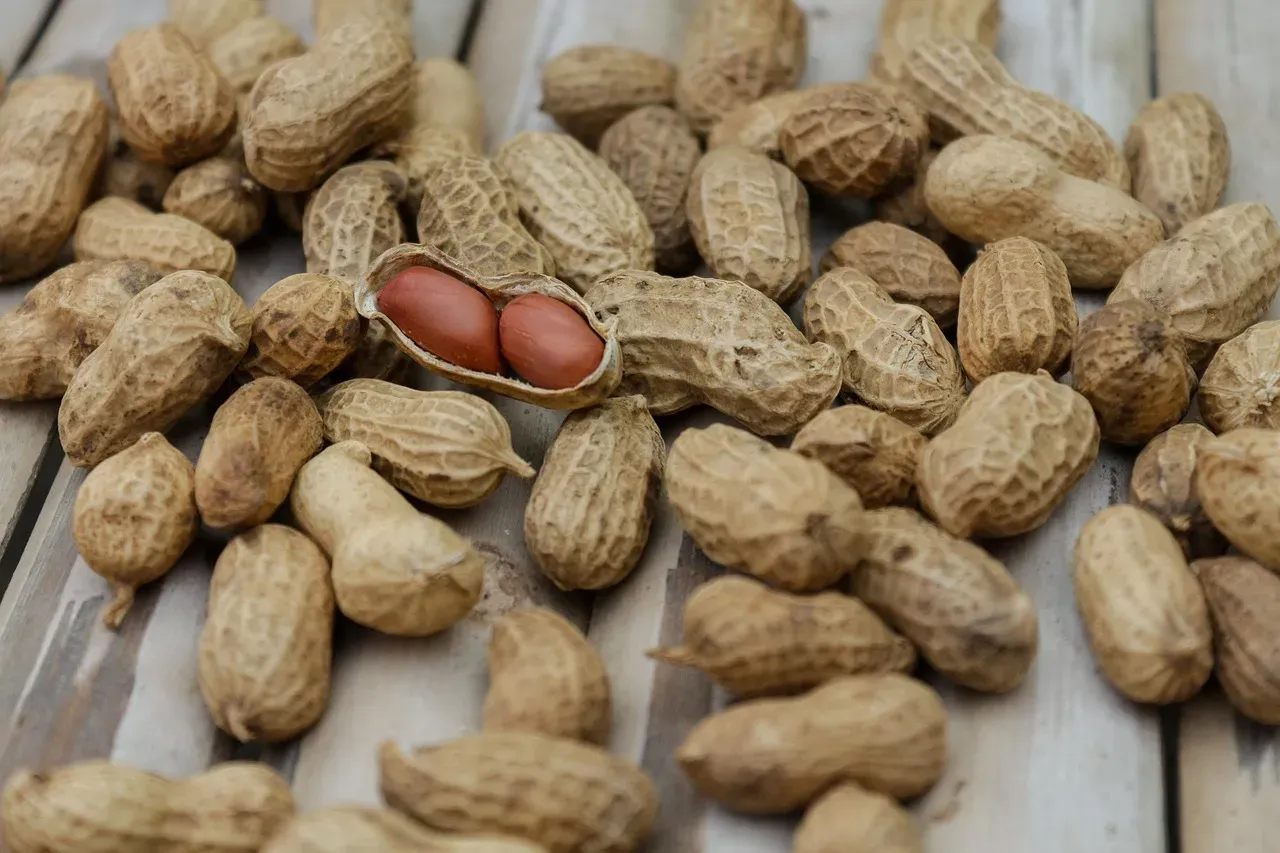
Peanuts deliver about seven grams of protein per one-ounce serving, while pistachios offer around six grams. That single gram might sound minor, especially if you're just snacking casually. However, if you're trying to maximize protein intake from plant sources, that difference adds up over time.
Per 100 grams, peanuts provide roughly 26 grams of protein compared to 20 grams in pistachios. Honestly, I think both numbers are impressive for plant foods. Peanuts actually have more protein than any other nut, which makes them particularly appealing if you're lifting weights or following a vegetarian diet.
Keep in mind, though, that these are legumes masquerading as nuts. The protein content of peanuts ranges from roughly one fifth to nearly one third of total calories, positioning them as a great source of plant-based protein. Pistachios aren't far behind and still offer solid muscle-building support.
Fiber: Pistachios Pull Ahead
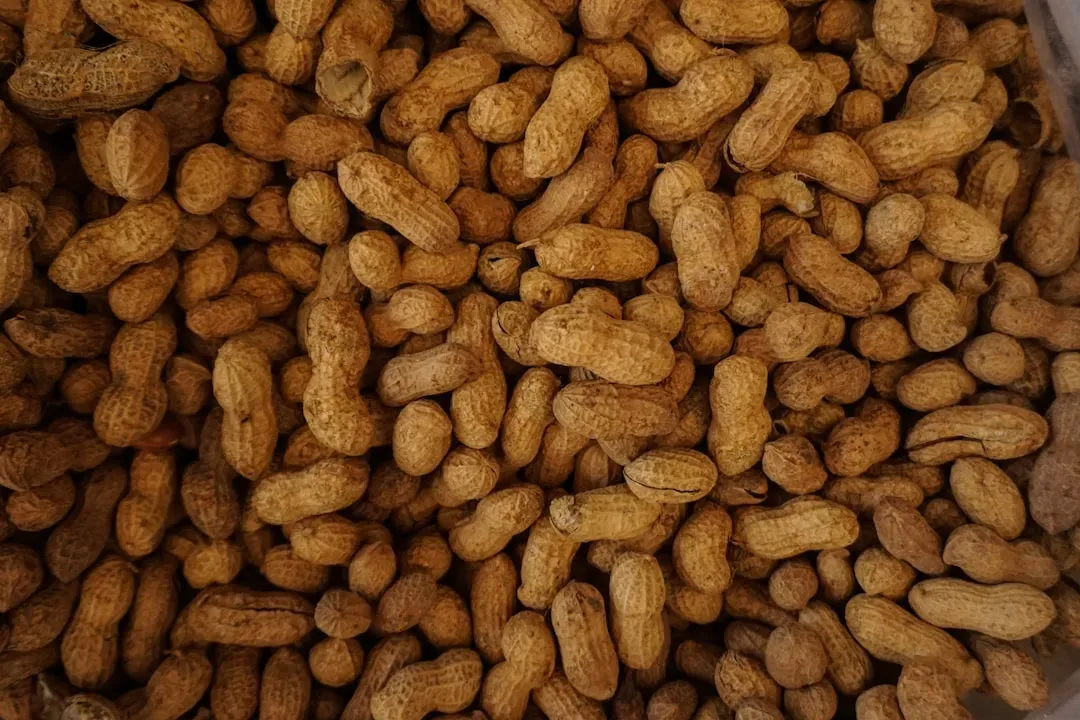
Pistachios come out ahead with three grams of fiber per serving, while peanuts contain a little over two grams. It's close. Really close. Yet when you're aiming to hit your daily fiber target, every bit counts.
Per 100 grams, pistachios provide roughly 10.3 grams of dietary fiber, which is about 23 percent more than peanuts at 8.4 grams. Fiber matters for gut health, blood sugar control, and keeping you full between meals. Most adults in the United States don't get enough fiber daily, but fiber is crucial for gut health and has benefits for heart health and blood sugar management.
If satiety is your goal, pistachios might feel slightly more filling thanks to that extra fiber. Pistachios pair a good dose of protein with a little more fiber, which is why dietitians have previously ranked pistachios the best nut for weight loss.
The Antioxidant Showdown
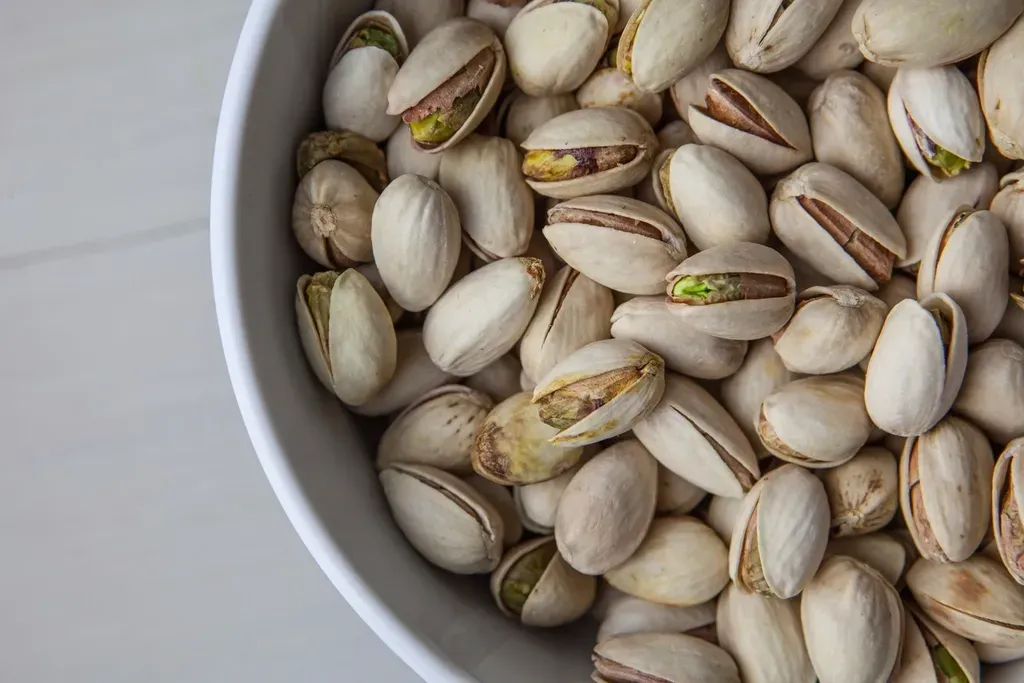
Here's where things get unexpectedly fascinating. A Cornell University study published in Nutrients found that pistachios have a very high antioxidant capacity, higher than many common high-antioxidant foods such as blueberries, cherries, and beets when measured using the same methods. Let's be real, that's a bold claim for a nut.
Pistachios contain a wide variety of important phytochemicals including different members of the vitamin E family like beta-tocopherol and gamma-tocopherol, carotenoids such as lutein, zeaxanthin and beta-carotene, plus phenolics and flavonoids. Pistachios also provide antioxidants, particularly lutein and zeaxanthin, which support vision and eye health and are responsible for the vibrant green color of pistachios.
Peanuts have their own antioxidant arsenal. Peanuts are an excellent source of compounds like resveratrol, phenolic acids, flavonoids and phytosterols that block the absorption of cholesterol from diet. Peanuts offer healthful nutrients such as antioxidants, iron, magnesium, and fiber. Still, when comparing antioxidant capacity directly, pistachios appear to win by a noticeable margin.
Omega-3 Fatty Acids and Heart Health
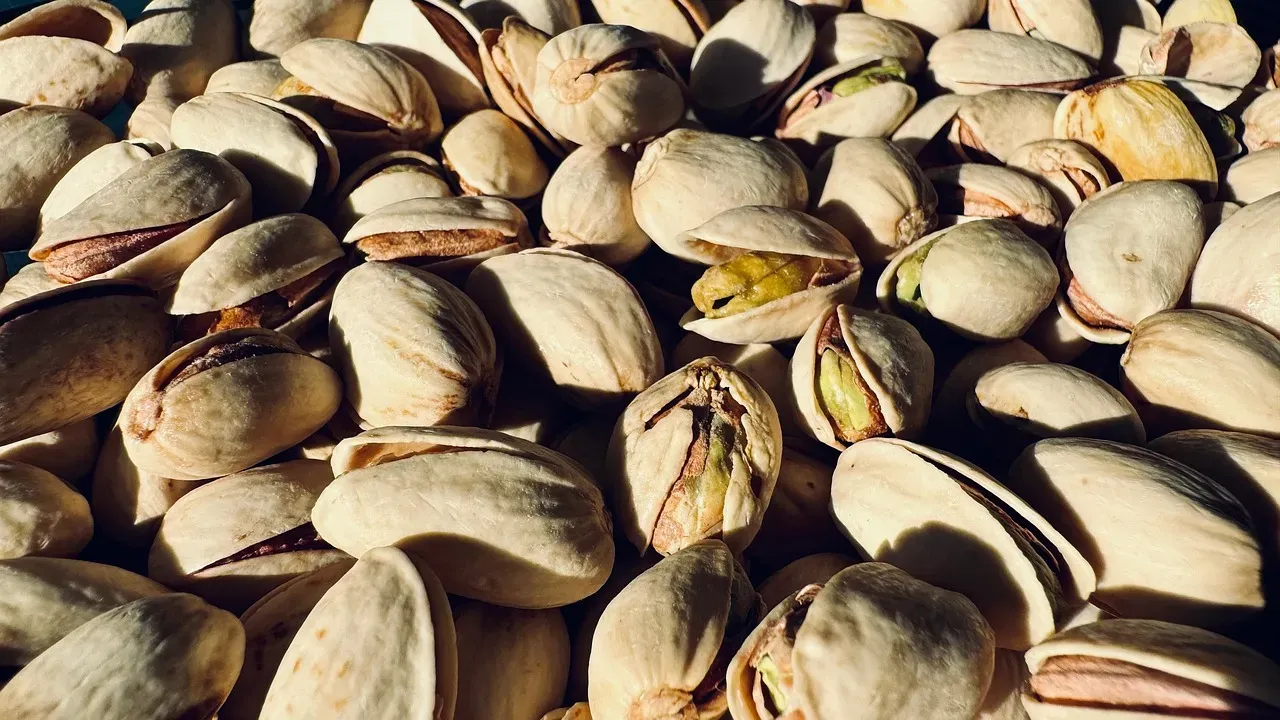
Both nuts are heart-friendly, no question. Pistachios provide about 13 grams of fat per ounce with 11 grams being the healthier unsaturated variety, while peanuts contain 14 grams of fat including 10 grams of unsaturated fat. Pretty similar profiles overall.
The interesting twist? The fat in pistachios includes alpha-linolenic acid, a type of omega-3 fatty acid found mainly in plant foods, and a good dose of omega-6 fatty acids, while peanuts contain only trace amounts of ALA and less omega-6 than pistachios.
The typical United States diet already tends to provide plenty of omega-6 fatty acids, so people should generally focus their efforts on getting more omega-3s in meals. This gives pistachios a slight edge if you're conscious about balancing your fat intake.
Calories and Weight Management
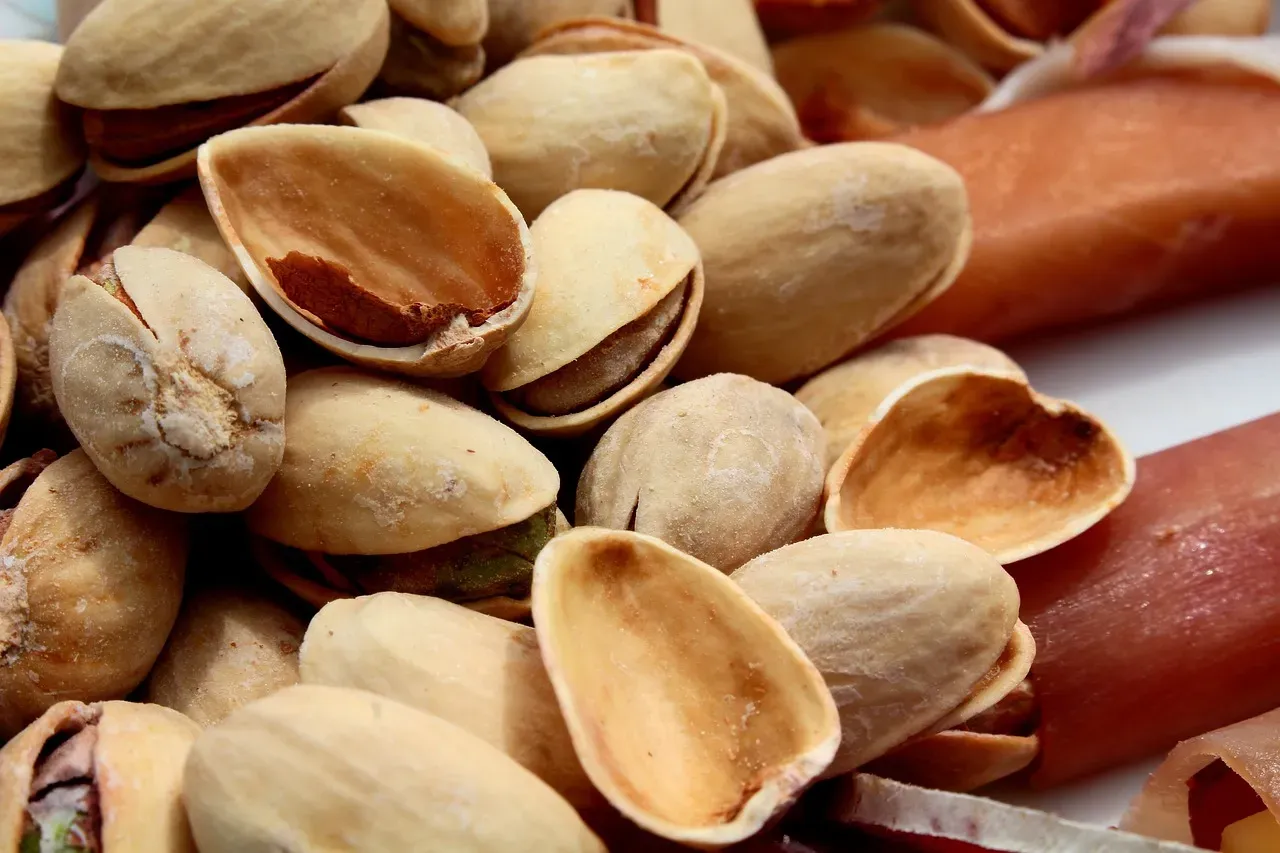
Pistachios contain about 156 calories per ounce with roughly six grams protein, 13 grams fat, three grams fiber, and around 1,000 milligrams potassium, while peanuts have about 166 calories with roughly seven grams protein, 14 grams fat, two grams fiber, and around 200 milligrams potassium. Those aren't huge gaps. Still, if you're tracking every calorie, pistachios are slightly lighter.
You get more pistachios than peanuts in a serving since they are smaller, with a one-ounce serving being about 49 nuts for pistachios compared to about 35 peanuts. There's something psychologically satisfying about eating more pieces, which can trick you into thinking you're eating a bigger snack than you actually are.
Peanuts still have weight control power, as they contain protein, fiber and healthy fats which can make you feel full quicker and longer, and a 2022 study in Nutrients showed peanuts may keep people from gaining extra weight. I know it sounds crazy, but both nuts can actually support weight loss despite being calorie-dense.
Vitamins and Minerals: Different Strengths
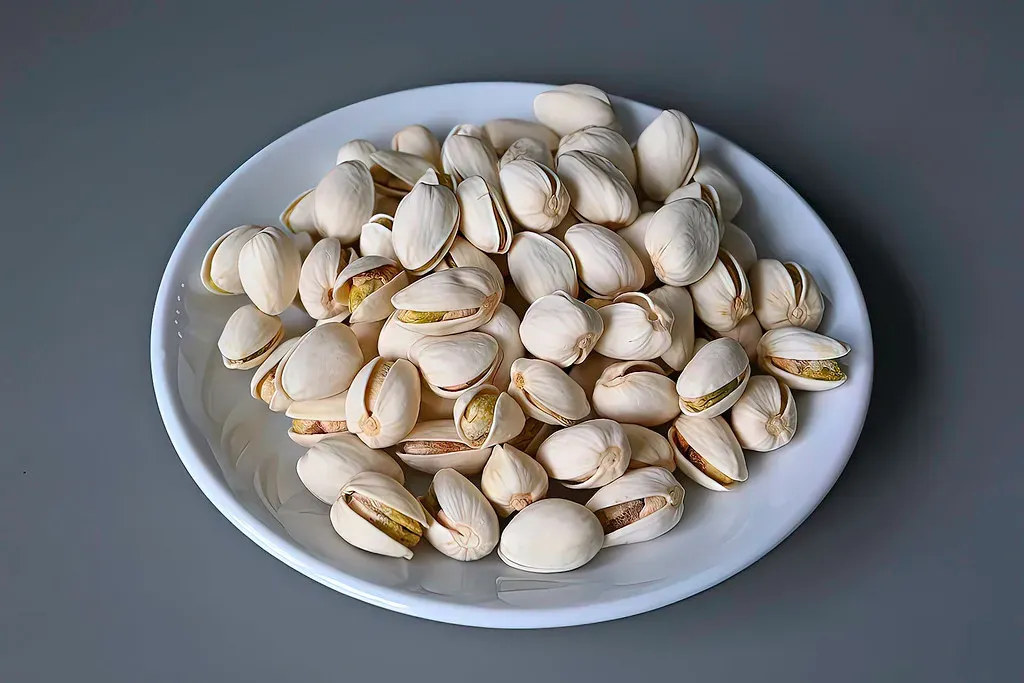
Pistachios are richer in vitamin B6, vitamin B1, copper, and phosphorus, while peanuts are higher in vitamin B3, folate, vitamin E, manganese, vitamin B5, and magnesium. They each shine in different areas.
Pistachios have 84 percent more calcium than peanuts, with 107 milligrams per 100 grams compared to 58 milligrams, and pistachios have 155 percent more iron with four milligrams per 100 grams compared to 1.6 milligrams in peanuts. That's a striking difference if bone health and energy levels matter to you.
Pistachios have 59 percent more potassium than peanuts, with 1,007 milligrams per 100 grams compared to 634 milligrams in peanuts. Potassium is crucial for blood pressure regulation and muscle function, so pistachios deliver more bang for your buck in that department.
Eye Health Benefits: Pistachios Shine Bright
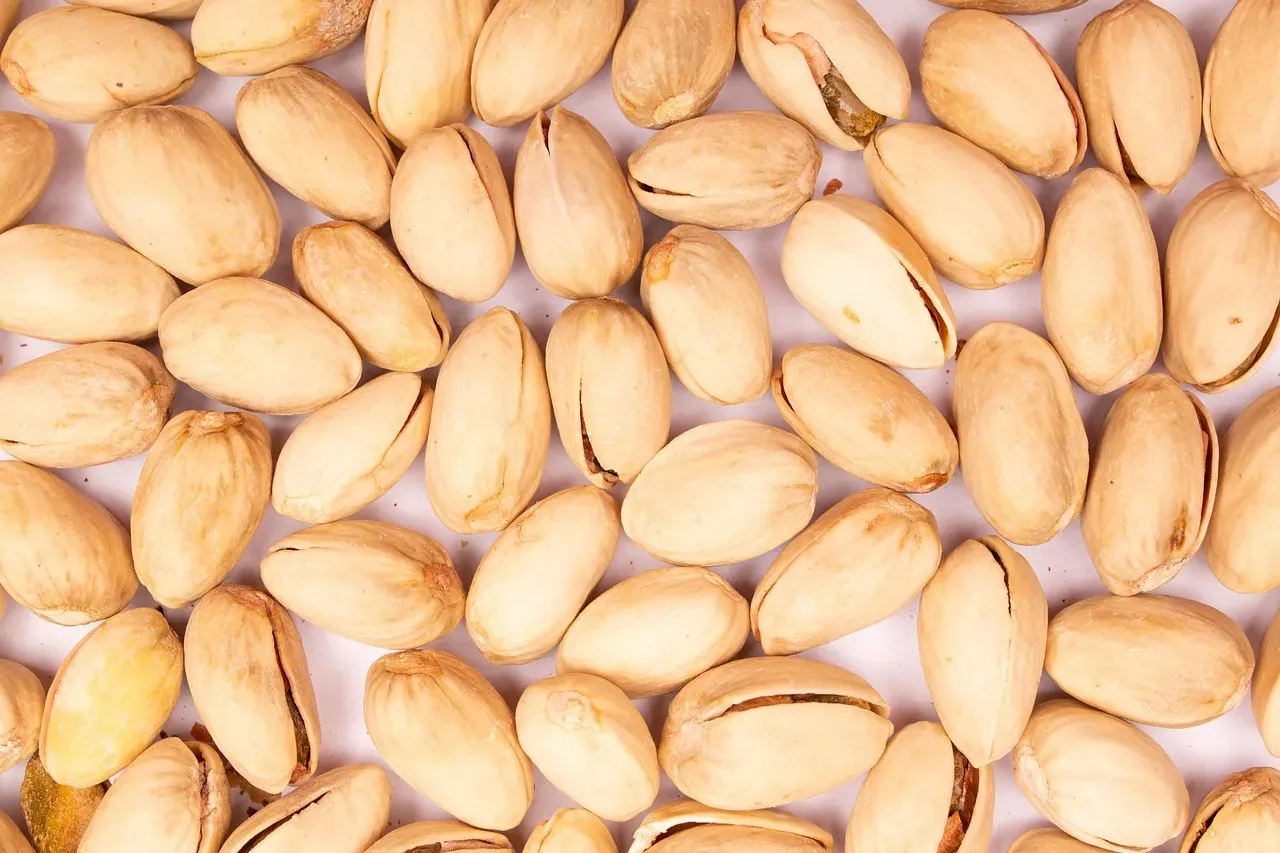
This is one area where pistachios absolutely dominate. Raw pistachios contain 1,405 micrograms of lutein plus zeaxanthin per 100 grams, about thirteen times more than the next highest nut type, hazelnuts, which contain only 92 micrograms. Thirteen times. That's not a typo.
Pistachios are especially rich in lutein and zeaxanthin, two important antioxidants for eye health that help protect your eyes from damage caused by blue light and age-related macular degeneration, a condition in which central vision is impaired or lost. If you spend hours staring at screens, this matters more than you might think.
Peanuts don't really compete in this category. They offer other benefits, but for vision protection, pistachios are the clear winner.
Resveratrol and Anti-Aging Compounds
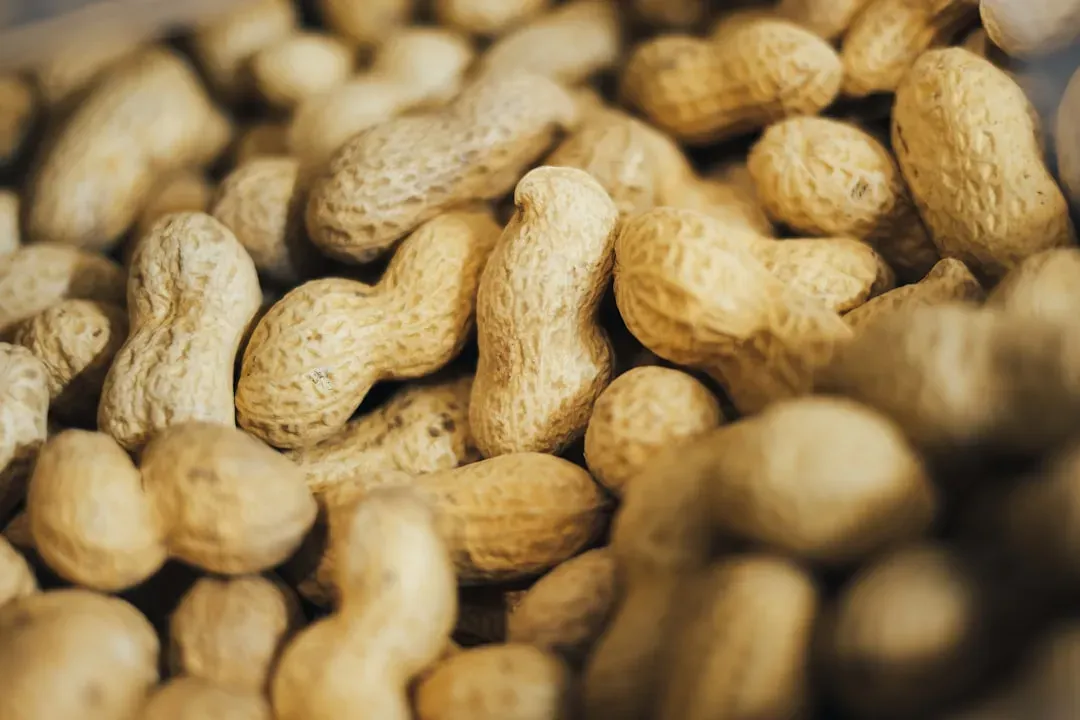
Peanuts are an excellent source of resveratrol, a polyphenol antioxidant that has been found to have protective function against cancers, heart disease, degenerative nerve disease, Alzheimer's disease, tumors and inflammation, and this bioflavonoid is believed to improve blood flow in the brain by as much as 30 percent, thus reducing the risk of stroke. That's a pretty impressive resume for a humble legume.
Pistachios are one of the few nut sources of resveratrol, a powerful antioxidant with anti-aging, anti-cancer, anti-viral and cardioprotective properties. So both contain this beneficial compound, though peanuts are more well-known for it.
Let's be honest, the research on resveratrol is still evolving. It's hard to say for sure how much you'd need to eat to see dramatic benefits, but having it in your diet certainly doesn't hurt.
Blood Sugar Control and Diabetes Management
A 2020 review of six studies concluded that pistachios could significantly reduce fasting blood sugar and improve insulin resistance in people with type 2 diabetes, prediabetes, or metabolic syndrome, and a 2024 study found that eating 57 grams of pistachios after dinner may be a good nighttime snack for people with prediabetes. This makes them particularly attractive if you're monitoring glucose levels.
Peanuts are low in carbohydrates, with carb content being only about 13 to 16 percent of the total weight, and being low in carbs and high in protein, fat, and fiber, peanuts have a very low glycemic index, which makes them suitable for people with diabetes. Both nuts won't spike your blood sugar dramatically.
Pistachio nuts are rich in antioxidants, carotenoids, and phenolic compounds, all of which are beneficial for blood sugar regulation. I'd say both are solid choices for maintaining steady energy throughout the day.
Which One Should You Choose?
Here's the thing: it depends on what you need. If you want to maximize protein, peanuts will give you an extra gram of this nutrient per serving over pistachios, and for those focusing on fiber, pistachios are a better option than peanuts.
For antioxidants, particularly those supporting eye health, pistachios are unbeatable. For resveratrol and certain B vitamins like niacin and folate, peanuts have the advantage. Price-wise, peanuts typically cost less, which makes them more accessible for daily snacking.
Truthfully, there's no wrong answer here. Both are nutrient powerhouses in their own right. Whichever nut you choose, you'll be making a healthy, nutritious choice. You could even mix them together and get the best of both worlds.

Leave a Reply