
Most homeowners treat the garbage disposal like a tiny, all-powerful trash compactor under the sink. Toss in whatever is left on the plate, flip the switch, and done. Honestly, it feels too convenient to question. But plumbing professionals across the country will tell you that this "out of sight, out of mind" attitude is one of the most expensive kitchen habits you can develop.
The damage often starts small. A little slowing in the drain here, a faint odor there. Before long, you're facing a backed-up sink or an emergency plumbing call at the worst possible moment. The foods causing all this chaos? Some of them are probably sitting in your kitchen right now. Let's dive in.
1. Fats, Oils, and Grease (The FOG Problem)
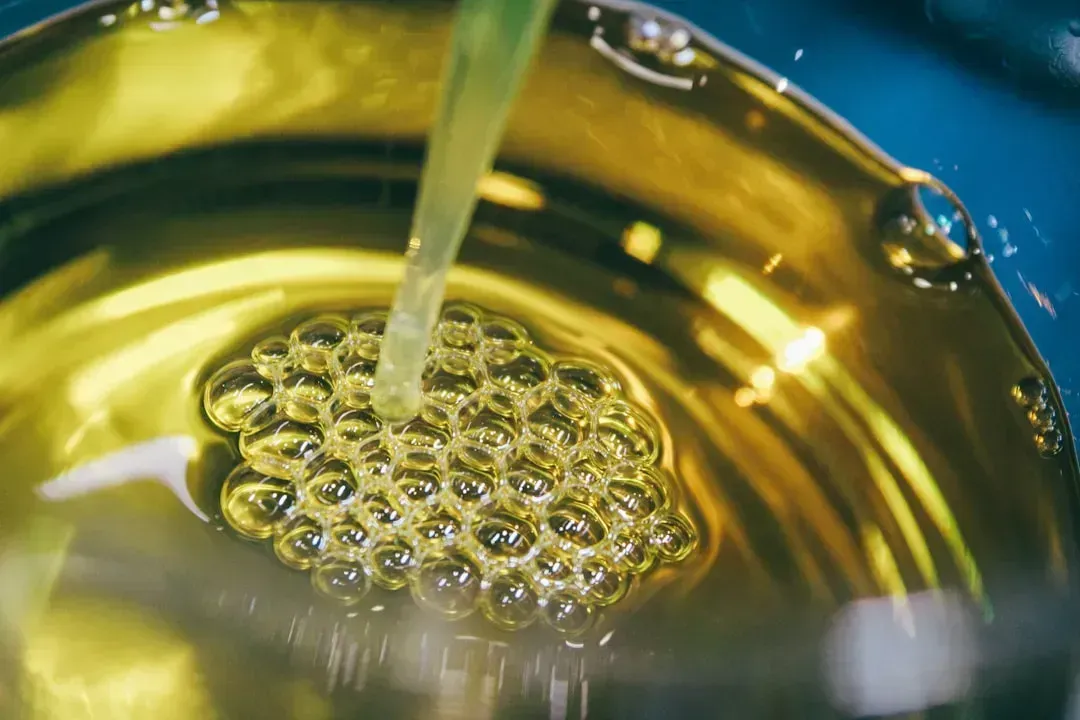
Fats, oils, and grease, known in the plumbing industry as FOG, are the most common cause of kitchen drain clogs. It sounds almost too simple to be true, but this trio is silently responsible for a staggering amount of residential plumbing damage every single year. Think of it like this: pouring bacon grease down your drain is roughly the equivalent of pouring candle wax into your water pipes.
All plumbing experts agree that FOG should never go into a disposal or down any drain. They might start out in a liquid state, but those materials will congeal and eventually cause clogs further downstream in the sewer system. The problem doesn't stop at your kitchen either. Grease is related to up to roughly two-thirds of sewer overflows, according to a wastewater engineer in the Atlanta metro area.
FOG is one of the leading causes of sewer overflows and blockages in the United States. When washed down the sink, fats, oils, and grease stick to the insides of your sewer pipes, both on your property and in the streets. Over time, grease buildup can clog an entire pipeline, causing sewer overflows in your home and neighborhood. The fix? Let grease cool, pour it into a sealed container, and toss it in the trash.
2. Starchy Foods Like Pasta, Rice, and Potato Peels
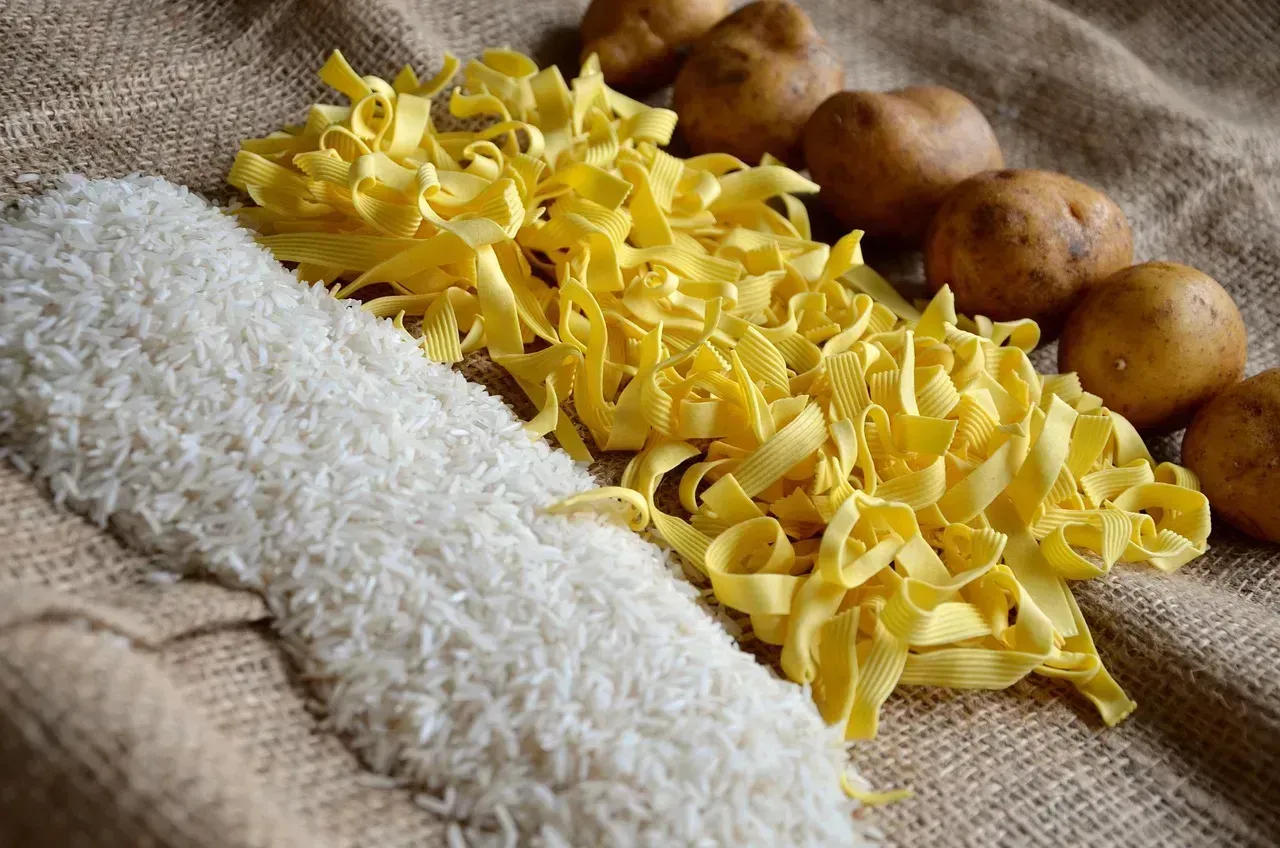
Here's the thing about starches. They seem harmless. A few leftover noodles, some cold rice from last night's dinner, potato peels from tonight's mashed potatoes. It feels like nothing. But starches behave in water the same way they behave in a pot on your stove: they expand and get sticky.
Starchy foods, such as pasta, rice, and potatoes, can wreak havoc on your garbage disposal and plumbing system. When these foods come into contact with water, they expand and form a thick, gluey paste that can easily clog your pipes. This paste can adhere to the inside of your plumbing, restricting water flow and leading to blockages that are difficult to clear.
Regarding starches, including rice, which several plumbers mention are a disposal no-no, it all comes down to clumping. If you ever cook a pot of pasta or rice, it sticks together. So when you grind it up, some will go down the drain, but those starches can stick to the side of your line. What will happen is you get buildup, little by little, and then next thing you know, your kitchen sink is overflowing. Honestly, the trash or compost bin is always the smarter option for these leftovers.
3. Fibrous Vegetables Like Celery, Corn Husks, and Asparagus
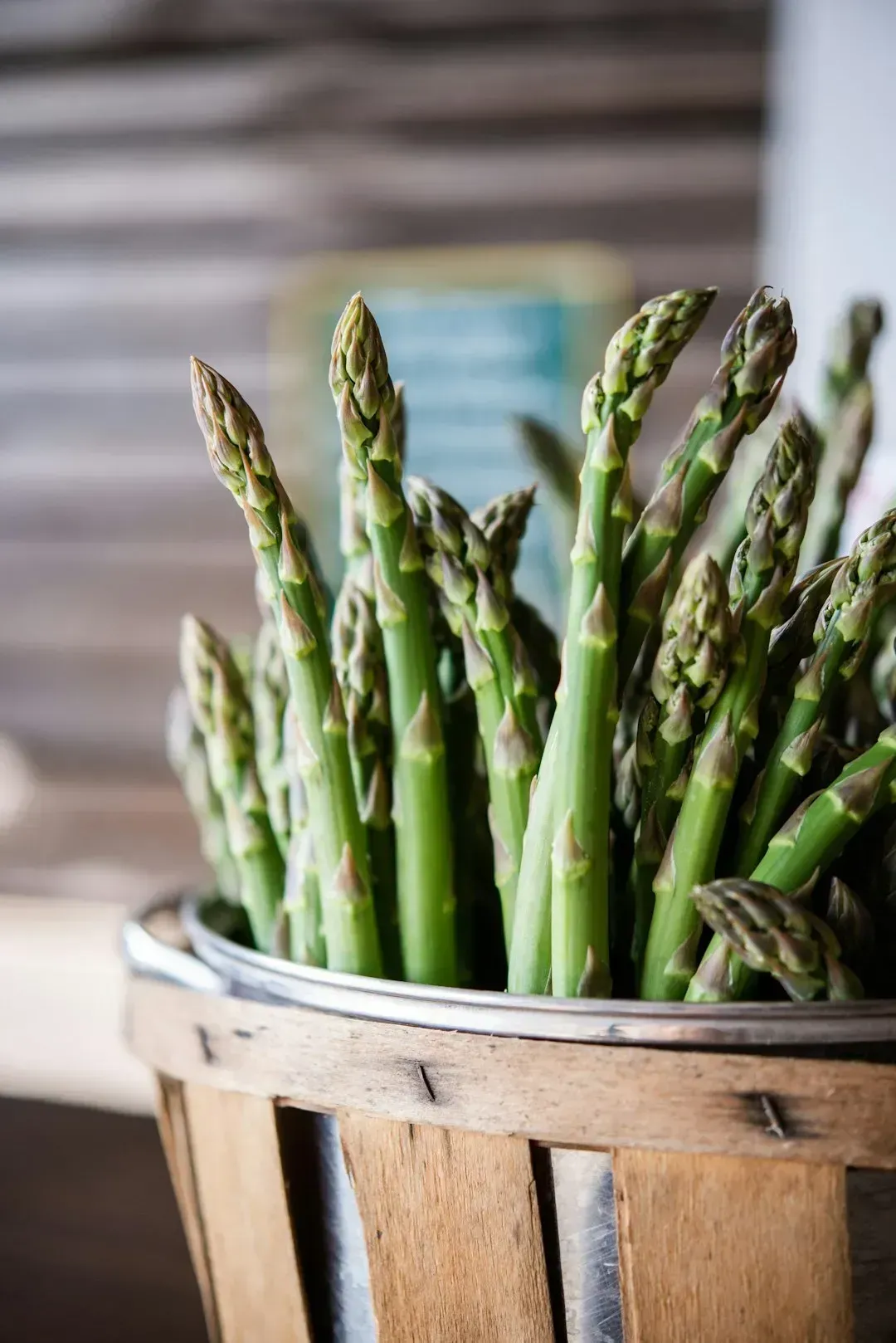
Fibrous vegetables are sneaky offenders. You'd think anything that grows from the ground and can be boiled into a soft mush would be disposal-friendly. Turns out, the long stringy fibers in vegetables like celery, corn husks, and asparagus behave like threads in water. They don't grind down cleanly. They wrap.
Thin or stringy foods such as celery and fruit peels often slip through garbage disposals without being ground up properly. This can cause clogs further down your pipes. Particularly stringy foods can also wrap around your disposal's impellers, causing jams or even motor burnout. Common foods in this category include celery stalks, asparagus, corn husks, onion skins, artichoke leaves, and fruit and vegetable peels.
Foods like celery, corn husks, and asparagus are very fibrous, and the long strands can get wrapped up around the garbage disposal impellers. Once wrapped tightly enough, the motor strains, slows, and in severe cases, burns out entirely. Replacing a garbage disposal unit is not a cheap afternoon project. Composting these fibrous scraps instead takes seconds and saves you a serious headache.
4. Coffee Grounds
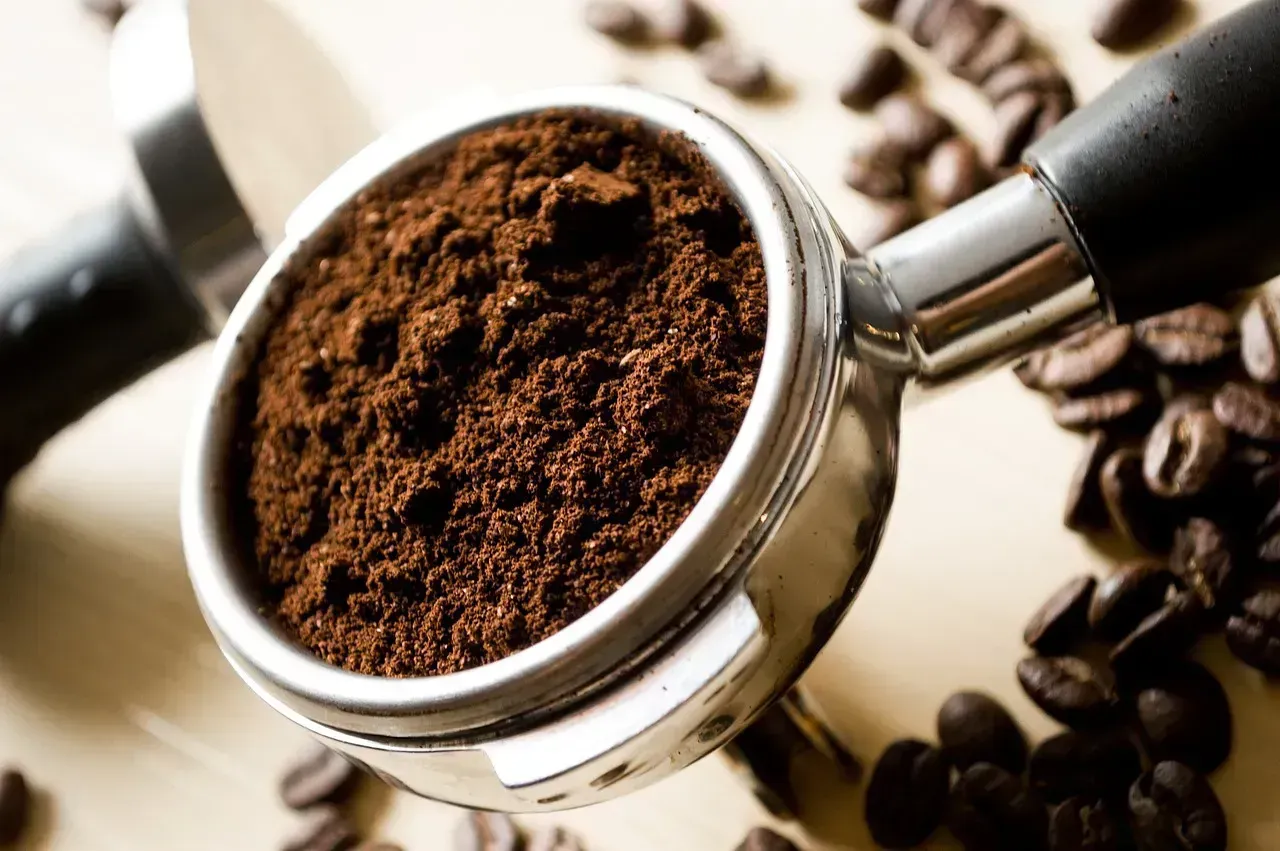
I'll be honest, this one surprises almost everyone the first time they hear it. Coffee grounds seem like the ideal disposal candidate. They're tiny, they smell fresh, and they practically dissolve in water, right? Wrong. Very wrong. The reality of what coffee grounds do inside your plumbing is far less pleasant than the smell.
As innocent as coffee grounds may seem, they're a big no-no when it comes to garbage disposals. Coffee drinkers often pour their excess coffee grounds down the drain, not realizing that coffee grounds take between three and six months to decompose, even in the best of conditions. In the meantime, coffee grounds can accumulate in the plumbing, creating blockages that may require a professional's help to remove.
Coffee grounds can get stuck in your disposal trap and build up in your pipes over time. Eventually, this can lead to a serious clog. Coffee grounds are not completely water-soluble. If these grounds mix with other buildup already in the pipes, like grease, oil, or butter, then your pipes will be more prone to clogging. The coffee grounds will stick to the buildup and cause a clog. Composting coffee grounds is far more useful anyway. Your garden will genuinely thank you.
5. Eggshells
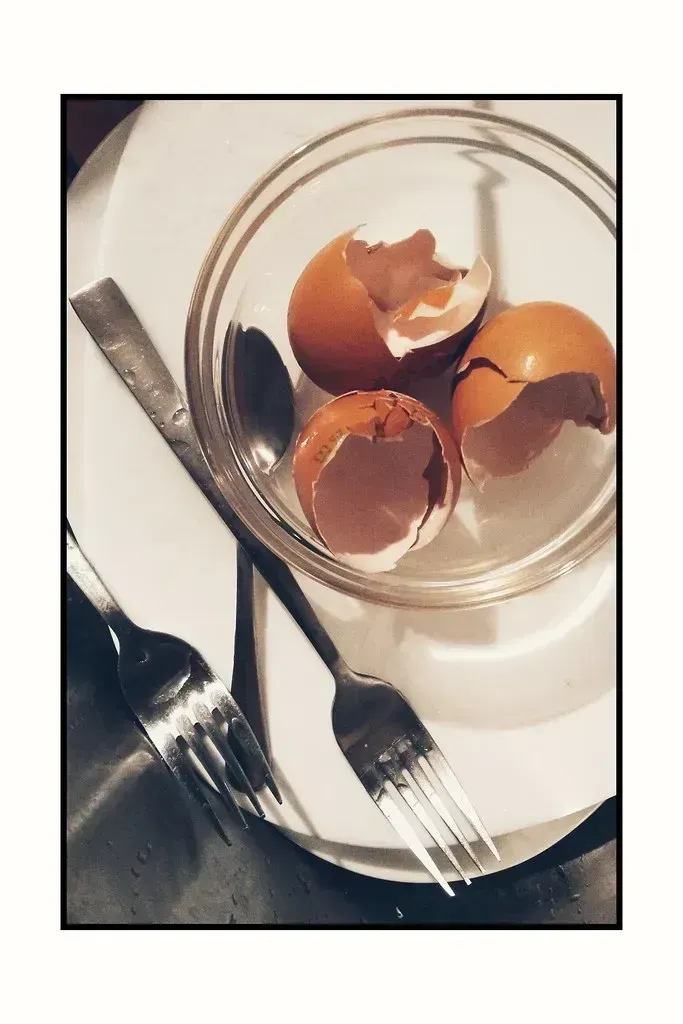
One of the most persistent myths in home maintenance is the idea that eggshells sharpen your garbage disposal blades. It sounds logical on the surface. Shells are hard, disposal parts need to be sharp, so surely grinding shells helps. Plumbers have been correcting this misconception for years, and it simply isn't true.
Contrary to popular belief, eggshells do not sharpen disposal blades. This is a common misconception. What many people refer to as disposal blades are actually impellers that grind up the food. They are intended to be blunt, so there is no need to attempt to sharpen them. In addition, the membrane inside the eggshell can get wrapped up in the disposal and broken bits of eggshell are sharp and not great for pipes.
With eggshells, the problem might not become apparent immediately. For some, it only shows up after a long period of getting away with it or after disposing of many eggshells all at once. The trouble with eggshells is that they do not grind down completely. Those little shell pieces eventually build up in the drain line, blocking it off. But it's not just the shells themselves that can be problematic. Their thin inner membrane lining can also wrap around the garbage disposal blades, causing more issues over time. The compost bin is the right destination for eggshells every single time.
6. Animal Bones and Hard Fruit Pits
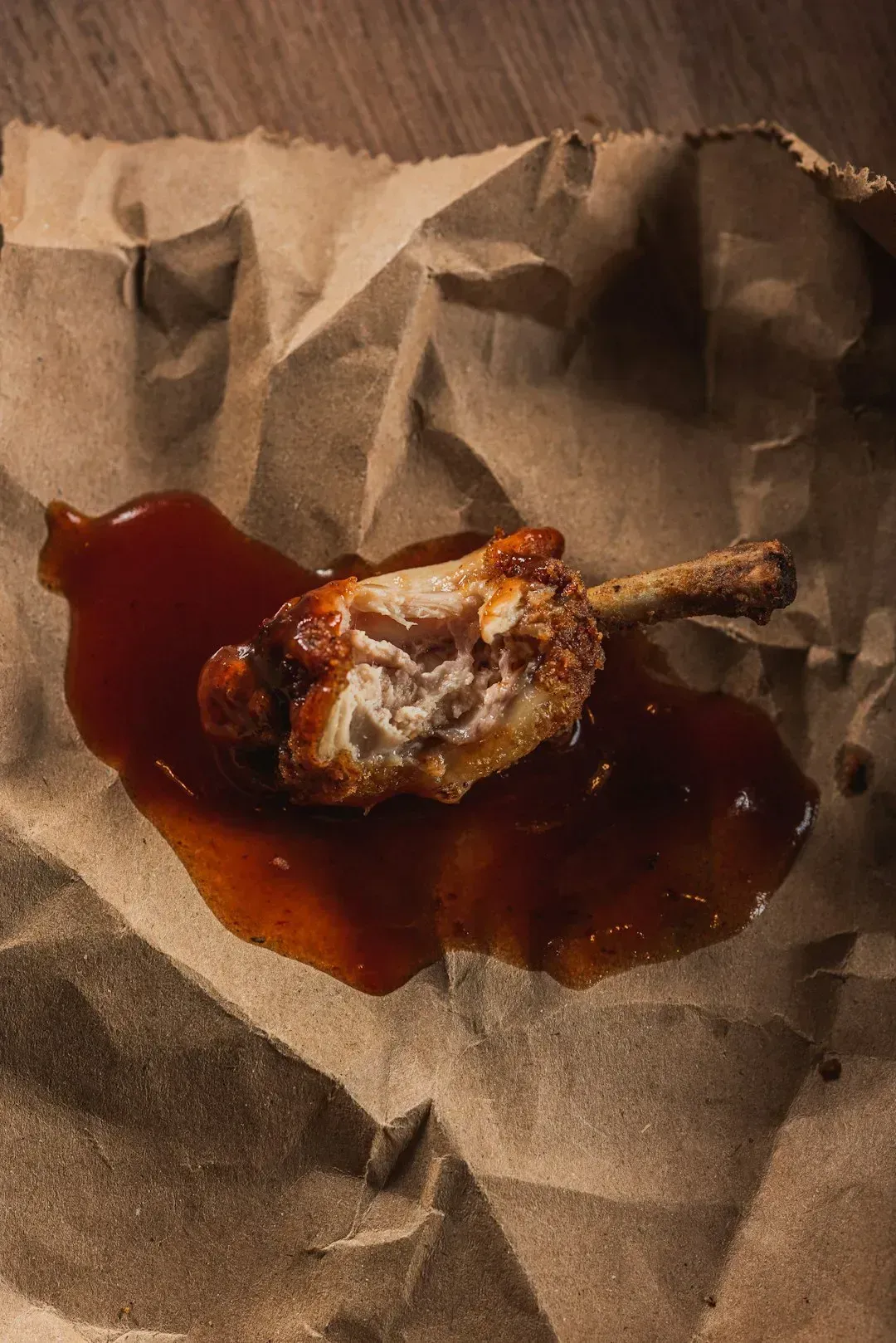
Let's be real, no one expects their disposal to crush a chicken leg. Yet it happens all the time, usually when post-dinner cleanup gets rushed and someone sends a chicken wing bone down with the rinse water. No garbage disposal is indestructible. Chicken bones and the like will do serious damage to your garbage disposal because disposals are not designed to grind up very hard items like this. Smaller bones may not be as dangerous, but make no mistake, they can wear down the garbage disposal's grinding mechanisms and shorten its lifespan.
Plumbers are a bit more cautious when it comes to recommending putting bones into the disposal because it comes down to what your home's pipes can handle. Even small and medium-sized chunks of bone and other hard foods potentially increase the odds of a clog in your drainage system. The risk level depends on the age and condition of your pipes.
Pits and seeds are also too hard for your disposal and can damage the system, get lodged within the unit, or get jammed between the impellers. Think of a peach pit hitting a residential garbage disposal. It's basically like tossing a small stone into a blender. The appliance may survive one encounter, but repeated abuse leads to worn grinding mechanisms and eventual motor failure. Hard items can cause serious damage to the blades and motor of your garbage disposal. The disposal unit is designed to handle soft food waste, but hard objects can dull the blades, crack the unit, or even burn out the motor. This type of damage can lead to expensive repairs or the need for a complete replacement.
Your garbage disposal is genuinely a helpful kitchen tool, but it was never designed to be a substitute for your trash can. With garbage disposals, the best way to think of them is that they're really designed for the stuff that comes off when you're actually cleaning your dishes. Best practice is always to go ahead and dispose of the big chunks and scrape your plate off right into the trash can. Keeping these six foods out of your disposal is one of the simplest, most cost-effective habits you can build as a homeowner.
So next time you're standing at the sink after dinner, ask yourself: is it really worth calling a plumber over last night's leftover pasta? What would you have guessed was the biggest culprit? Share your thoughts in the comments below.




Leave a Reply