
Walk into almost any home on the market today and you might notice something interesting. The kitchen that seemed flawless five years ago now feels somehow off. Maybe it's too open or uncomfortably cramped. Perhaps that island setup everyone wanted suddenly feels awkward. Let's be real, kitchen trends shift faster than most of us realize.
Realtors acknowledge that kitchen size and layout are among the biggest factors affecting a home's value, yet they're often harder and pricier to change. According to interior designers, there are specific layouts that, while once popular, are now feeling out of style and stuck in the past. It's hard to say for sure how much these layouts truly impact a sale, but agents are noticing a pattern. Buyers walk through, glance at the kitchen, and their enthusiasm visibly drops.
So what's turning buyers away? These six kitchen layouts are losing their luster in the current housing market, and understanding why might save you from a costly mistake.
The Fully Open Concept Kitchen
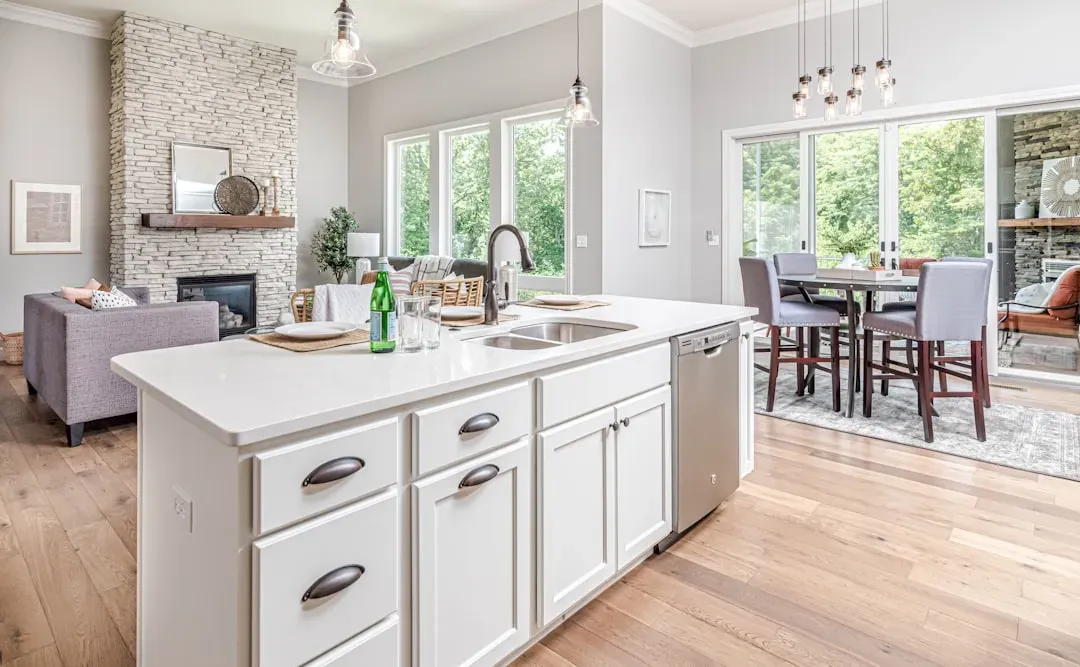
For roughly two decades, the open concept kitchen reigned supreme. Homeowners are now craving cozier spaces with a sense of separation as we head into 2026. The chaos is real when you're trying to entertain guests but every clanging pan, blender sound, and dinner mess is on full display. One major flaw with this style is that noise is always going to be an issue, with sounds from the living room disrupting cooking and kitchen noise carrying into other rooms.
According to a 2023 survey by Houzz, roughly about one quarter of major kitchen remodels now involve enclosing previously open kitchens, reflecting a growing appreciation for the benefits of defined cooking spaces. Honestly, after years of pandemic living with everyone working from home, people realized they actually want some separation between where they cook and where they live. The pendulum is swinging back. Once-loathed closed concepts are making a comeback thanks to the benefits they provide, starting with reduced noise.
The Cramped Galley Kitchen Without Updates
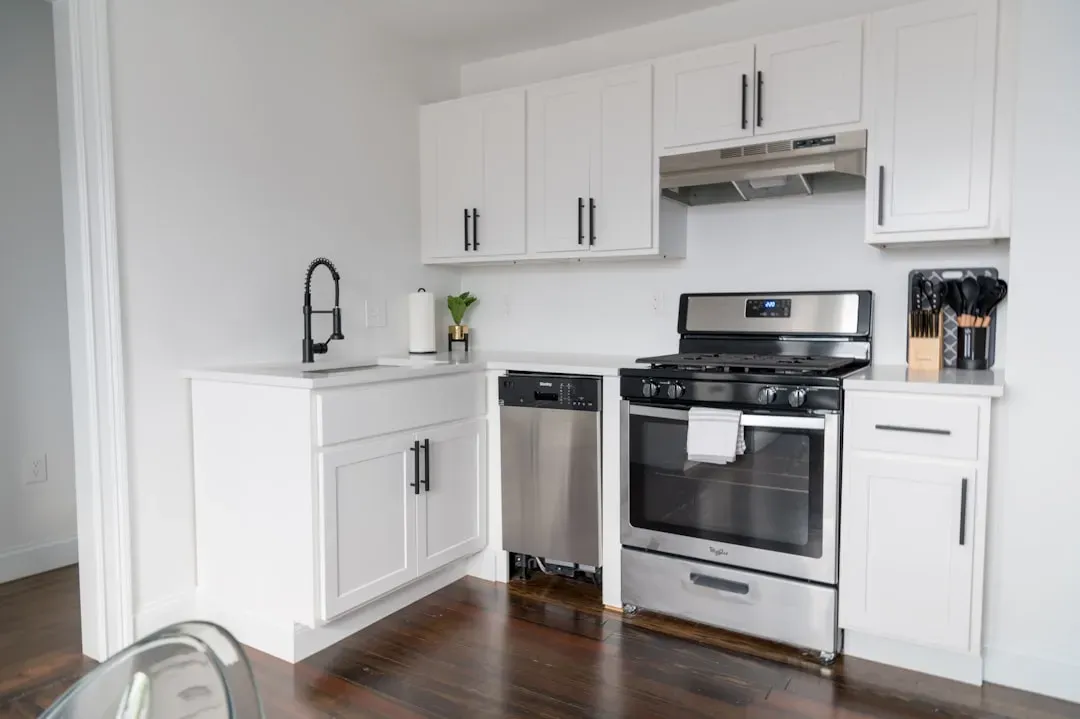
The galley kitchen layout has lost popularity in recent years, in favor of the L-shaped or U-shaped kitchen with an island. Now, here's the thing about galley kitchens. They can actually be highly efficient when done right. The core benefit of galley kitchens is their efficient use of space, with everything within easy reach on either side of the walkway, minimizing wasted steps.
The problem? Most galley kitchens buyers encounter are outdated, dark, and feel like you're working in a narrow hallway. The space issue can't be ignored as the whole point of this design is that there's just enough room to turn around, which is OK if you're alone but becomes problematic when others are in the kitchen trying to help with dinner. When modern families want everyone together during meal prep, that traditional closed galley feels isolating. Kitchens that are cramped for space and only comfortably allow one person working at a time tend to isolate the cook.
The Double Island Layout
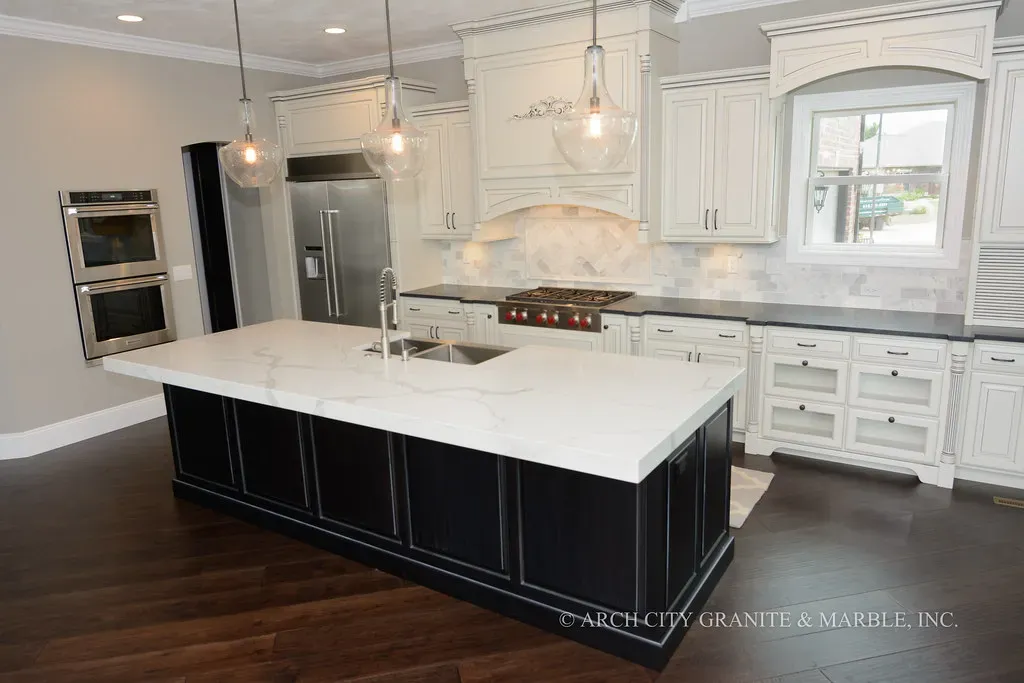
In a sprawling kitchen with a lot of space to play with, one solution over the past year or so has been to adopt a double island layout. Sounds impressive, right? Here's what realtors are noticing though. People are reevaluating how they use their kitchens, not just as cooking spaces but as areas for conversation, hosting, and living, which means layouts that feel more human in scale with islands designed for flow and functionality rather than excess.
Double islands often make a kitchen feel more like a showroom than a home. They eat up valuable floor space and disrupt the natural flow of movement. Instead of instinctively trying to fill empty space in your kitchen, consider the way you use your island as butcher's-block-style tables on wheels or islands that are softer, less boxy, and less dominant are likely to trend in 2026. Sometimes less truly is more.
The Rigid Kitchen Triangle Layout
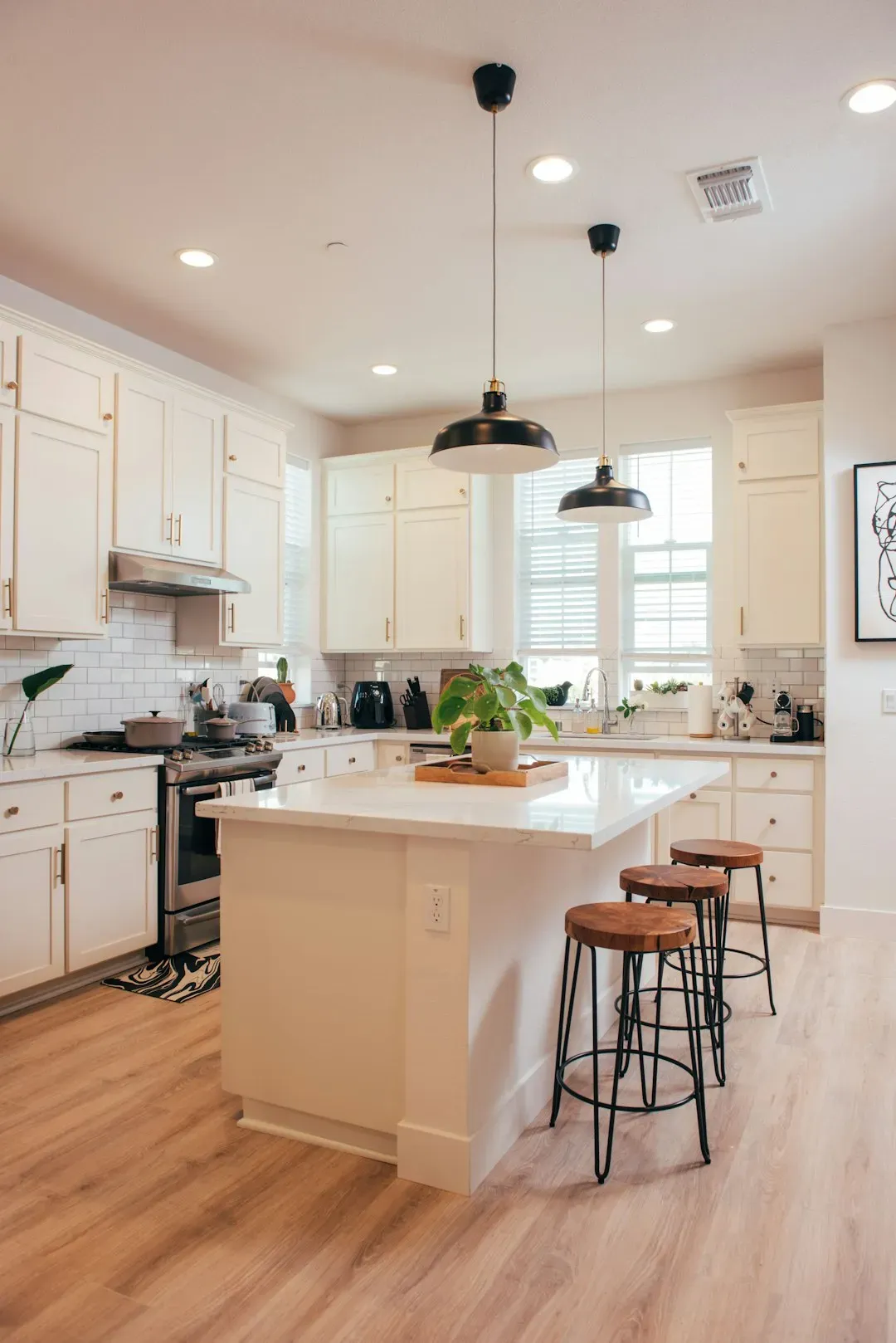
The way we live, cook, and move around our kitchen has changed as a clear reflection of the rise of open-plan living, so instead we now look to zone areas to create better flow and flexibility within a kitchen design rather than sticking to a rigid triangle layout. The old rule about placing your sink, stove, and refrigerator in a perfect triangle? It's fading fast.
There is a growing trend reshaping kitchen layouts this year involving defined zones both within and adjacent to the kitchen, with kitchens being designed with distinct areas for cooking, prep, cleanup, storage, and gathering centered around a highly functional island or worktable. Modern cooking is more complex than the triangle accounted for. We have coffee stations, baking zones, prep areas for multiple cooks. Buyers want flexibility, not a layout frozen in mid-century theory.
The Isolated Closed Kitchen With No Connection
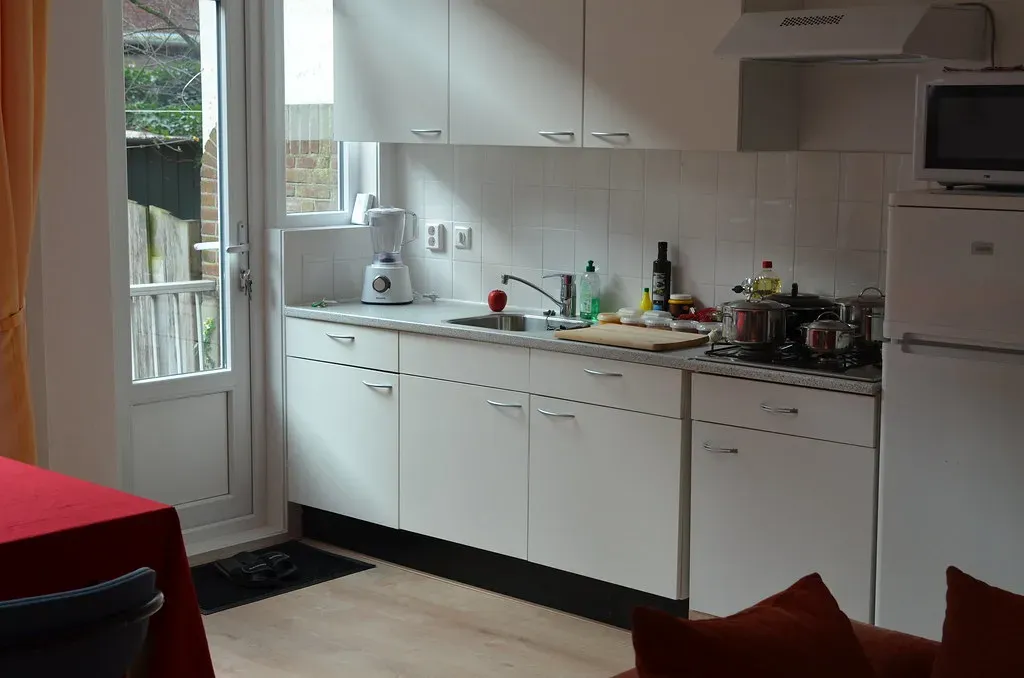
If you want to ensure you avoid a dated kitchen layout in 2025, a closed floor plan should be off the cards as small enclosed kitchens that are cut off from the rest of the home are gone, with culinary spaces now having conviviality at their heart. I know it sounds contradictory after we just talked about open concepts losing favor. The key difference? Total isolation versus thoughtful separation.
A broken-plan layout may be a great option as it's a design that meets in the middle of open and closed layouts by using partial or clear walls to signal a separated space but still letting you see the rest of the house. Buyers don't want to be completely walled off while cooking Thanksgiving dinner. They want options. After the longtime popularity of open kitchens, interior designer Lesley Myrick says people want kitchens that feel calmer and quieter, with clients asking for flexible layouts that include secondary prep kitchens, appliance garages, walk-in pantries, sculleries, and fully-integrated storage solutions.
The Oversized Center Island That Dominates Everything
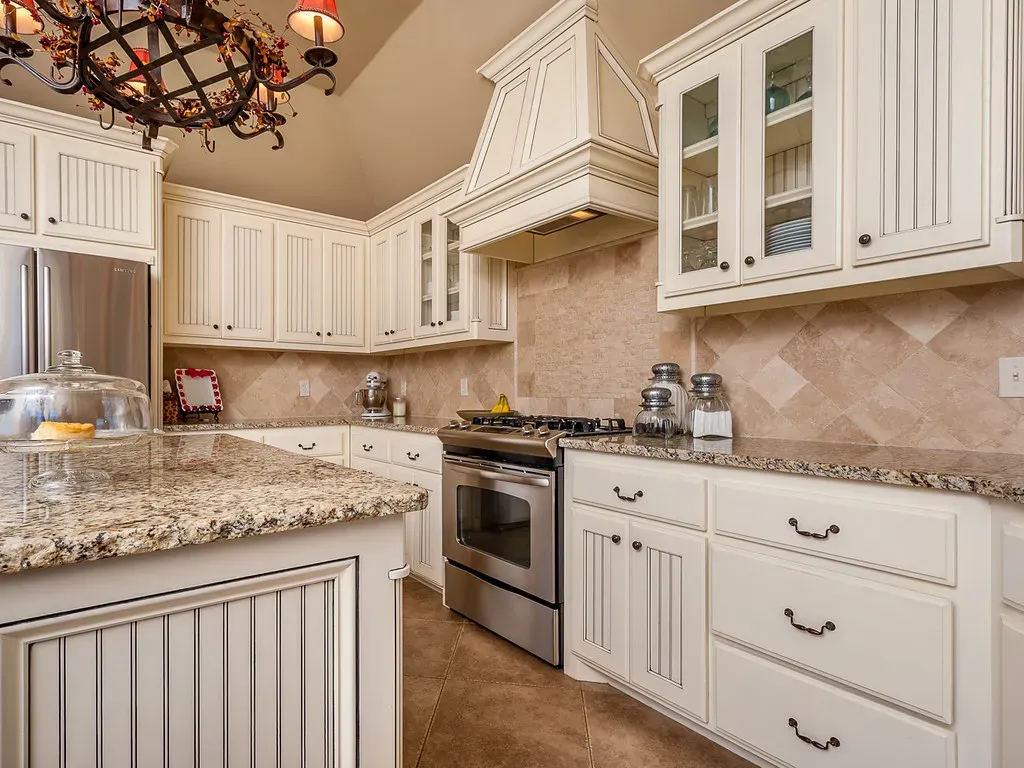
The kitchen island is the focal point where everything happens, from packing children's lunches to enjoying wine with friends, but Chef Yoshimura says oversized center islands crammed with everything look flashy and interrupt the natural flow of cooking. It seems like every renovation show pushed massive islands as the ultimate goal. Bigger is better, right? Not anymore.
Chef Yoshimura says the best kitchen layout is like a conveyor belt, meaning efficiency matters more than sheer size. Buyers are recognizing that a giant island often just gets in the way. It creates dead space around it, forces awkward traffic patterns, and honestly becomes more of a catch-all for clutter than a functional workspace. People want their kitchens to feel more like an extension of their living spaces, so islands are becoming softer, more detailed, and more beautiful, with curved forms, mixed materials, and custom millwork bringing a warm, artful feel to the space.


Leave a Reply