
The restaurant world moves fast. What feels revolutionary on a menu one year can feel deeply exhausting just two seasons later. Diners today are sharper, more informed, and - let's be real - more impatient than ever when it comes to recognizing when something has overstayed its welcome.
In a Menu Matters survey of consumers, the overriding need state for 2025 was simply "just give me something new." That restlessness is reshaping what lands on tables and, more quietly, what's disappearing from menus entirely. Be surprised by just how many once-beloved dishes are now being quietly dropped.
1. The Plant-Based Burger
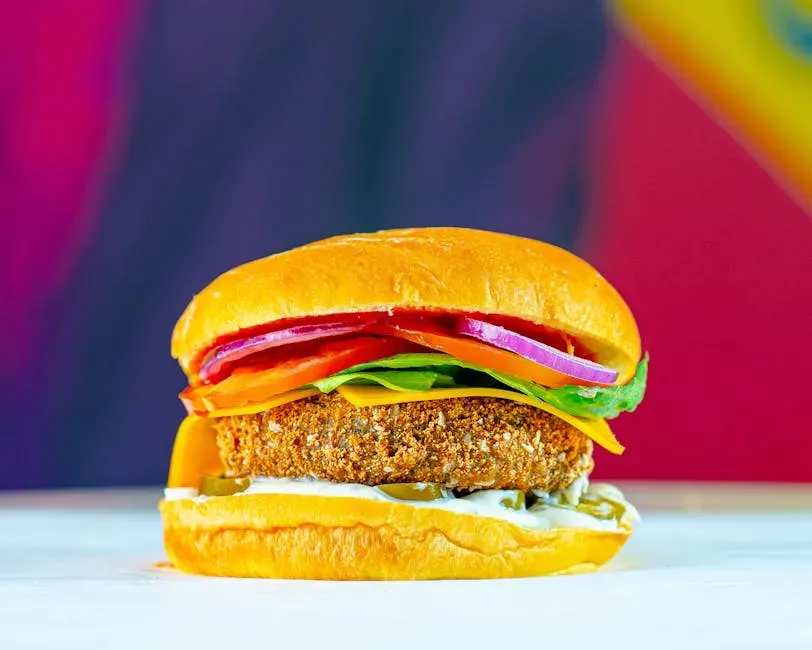
Few dishes captured the restaurant world's imagination quite like the plant-based burger. For a few years, it felt like the future of food, showing up in fast food chains, upscale bistros, and everywhere in between. The hype was deafening - and then it wasn't.
In 2024, plant-based meat and seafood dollar sales decreased seven percent, while unit sales decreased eleven percent. That is not a minor dip. That is a category in serious retreat.
Among the greatest drops, refrigerated plant-based burgers fell twenty-six percent in dollars and over thirty-four percent in units, according to SPINS data. Consumers are increasingly moving away from heavily engineered "fake meats" in favor of whole foods. The very thing that made plant-based burgers exciting - their uncanny resemblance to meat - turned out to be one of their biggest weaknesses once ingredient labels were scrutinized more closely.
Research by Kroger, the Plant Based Foods Institute, and 84.51° found that roughly a quarter of shoppers who cut back on plant-based foods cited price as a major barrier, while a December 2024 Morning Consult survey found that among consumers who had tried plant-based meat but not eaten it in the past year, twenty-nine percent indicated price was a top reason - up over the past year.
2. Avocado Toast
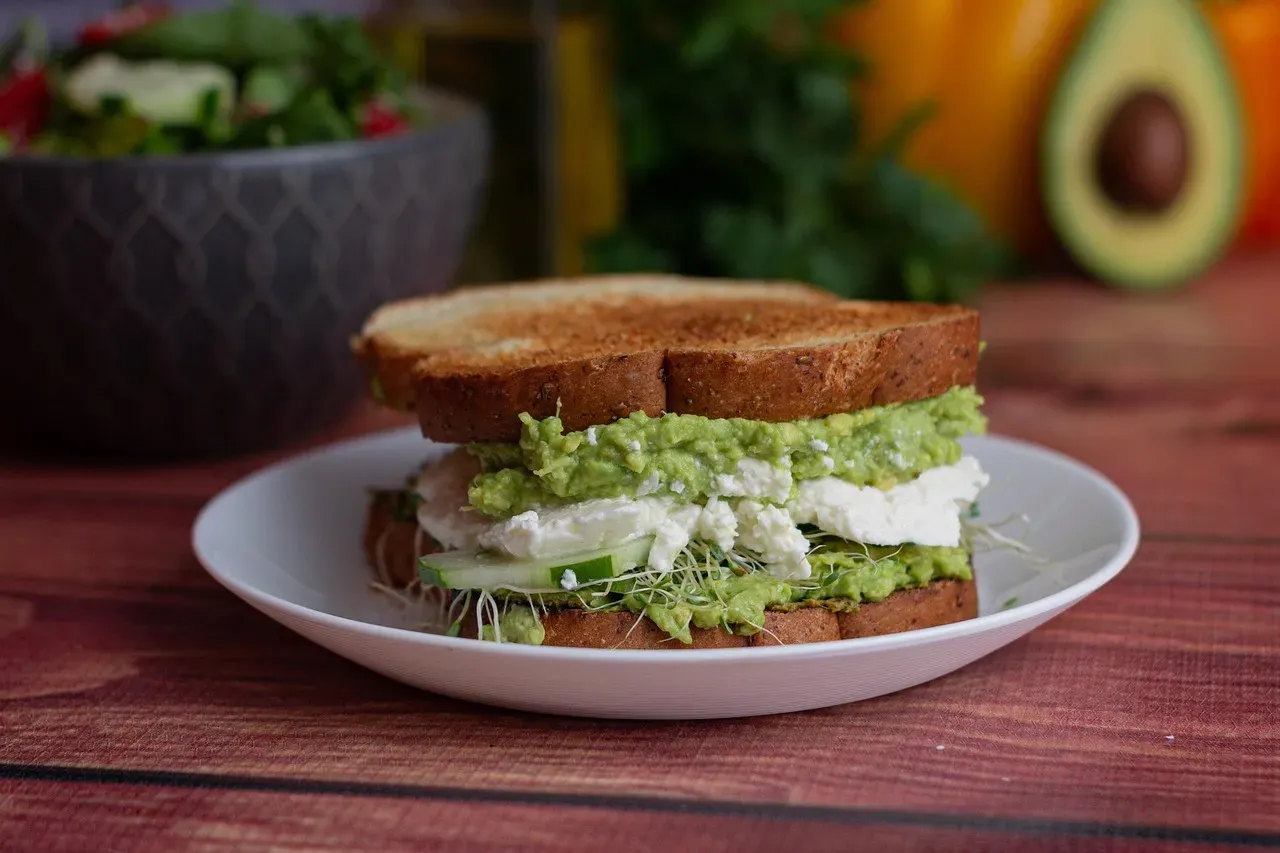
Avocado toast had one of the most remarkable runs in modern food culture. It went from health-café curiosity to restaurant staple to cultural punchline in under a decade. That arc is a masterclass in how quickly the dining public can pivot from adoration to fatigue.
Its decline is also part of a wider trend being challenged, as restaurants and diners seek out alternative toast toppings to the environmentally problematic avocado, with chefs showing that other ingredients need not be boring. The environmental conversation has added another layer of skepticism for sustainability-conscious diners.
Diner frustration is growing, with some openly complaining about paying high prices for what amounts to assembling the dish themselves, with no indication on the menu that it was "deconstructed." Paying eighteen dollars to essentially build your own breakfast is, honestly, a reasonable thing to complain about. The popularity of alternatives is also part of a wider trend of smashed vegetables and pulses, as restaurants and diners seek out different toast toppings.
3. Kale Salads
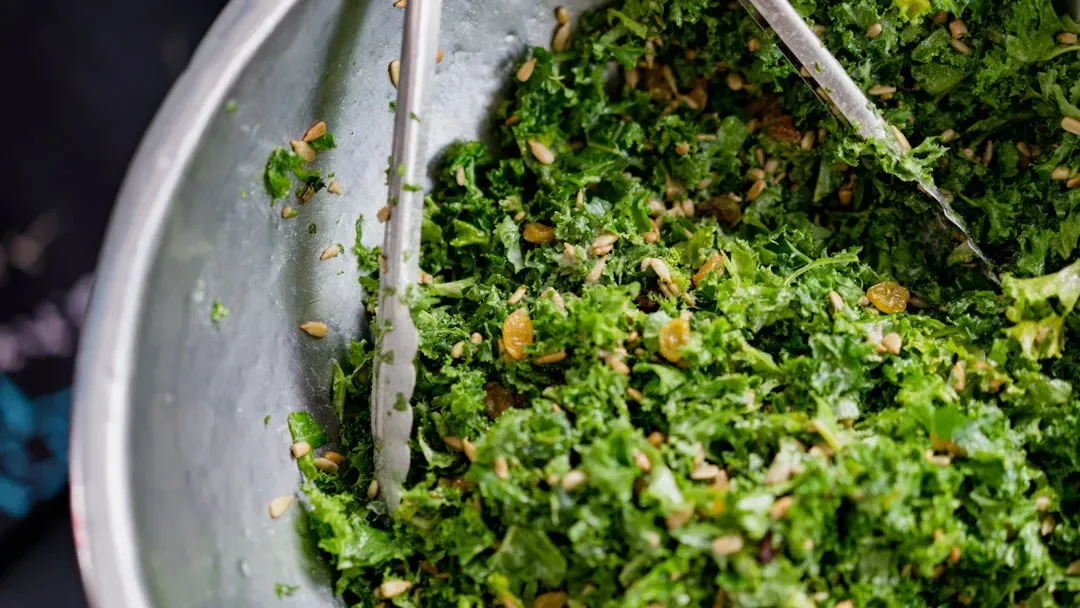
Kale had an extraordinary run as the poster vegetable of the health-conscious restaurant movement. It showed up in salads, smoothies, sides, and grain bowls with relentless enthusiasm. For a while, you could barely open a café menu without spotting it three or four times.
Industry consulting firm Menu Matters' vice president Mike Kostyo specifically called out kale salads as an example of dishes that have become too ubiquitous, advising operators to "get away from the single ingredient or dish that's everywhere." That is fairly blunt advice from someone inside the industry.
According to insight gathered by booking platform Resy, today's diners have "discerning palates" and look for "quality, transparency and uniqueness" in their meals. A predictable kale salad dressed in lemon vinaigrette checks none of those boxes anymore. The kale salad, stripped of its novelty, simply no longer delivers surprise. And in a dining culture obsessed with newness, that is essentially a death sentence for any dish.
4. Hot Honey on Everything

Hot honey was genuinely exciting when it first started showing up on menus. A drizzle of spicy-sweet goodness over pizza or fried chicken felt inventive and bold. The problem? It landed on absolutely everything.
It was all about hot honey in 2024, as menus embraced the trendy and easy way to add sweet heat to pizzas, sandwiches, cheese boards, cocktails, desserts, and more. That kind of omnipresence is the fastest route from "brilliant" to "boring."
Kale salads and hot honey have both been cited by industry insiders as examples of overused trends, with experts urging operators to "get away from the single ingredient or dish that's everywhere." Think of it like a great song played on repeat - eventually, even your favorites become something you skip. Industry observers noted that 2023 was all about sweet heat, powered by the popularity of hot honey - meaning by 2025, it had simply run out of runway.
5. Extended Tasting Menus

There was a period - not that long ago - when the multi-course tasting menu felt like the ultimate dining experience. Twelve courses, two hours, a bill that made your eyes water. For a specific kind of diner, that was the point. Lately though, the appetite for that format has cooled considerably.
According to the US Consumer Price Index, "food away from home" rose about six percent from January 2024 to September 2025, driven by rising labor, rent, and ingredient costs. That kind of inflation puts the lengthy, expensive tasting menu under particular pressure.
Inflation has reshaped consumer dining habits broadly, with guests still wanting to eat out but in more rational, budget-conscious ways, and after sharp price hikes in 2025, more affordable concepts are now attracting wider audiences. A sixteen-course dinner costing several hundred dollars per person is a harder sell when grocery bills feel punishing. I think it's hard to argue with that logic. Even restaurant-obsessed diners have started asking whether the experience genuinely justifies the price.
Among consumers who said dining out "wasn't worth the money," most were disappointed in food quality and portion size following a recent visit. That finding from McKinsey's 2026 analysis speaks directly to the tasting menu dilemma: when portions are small and prices are high, the value equation can collapse fast.
6. Deconstructed Dishes
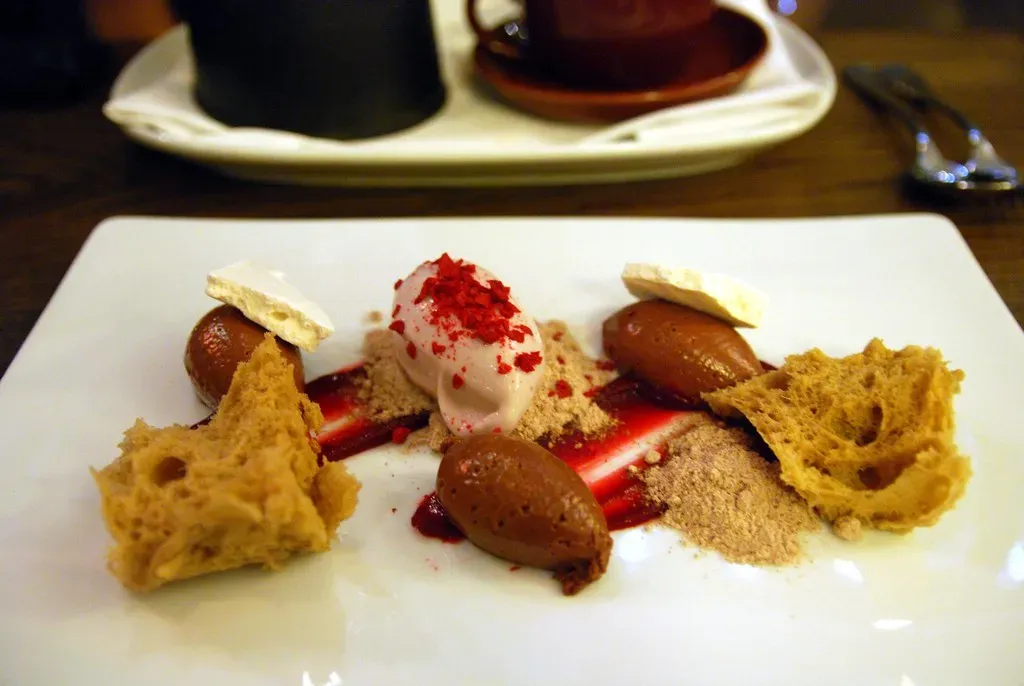
Deconstruction was a darling of the mid-2010s fine dining world. The deconstructed cheesecake. The deconstructed lasagna. The deconstructed everything. Chefs loved the concept; diners, it turns out, were more mixed on it than anyone admitted at the time.
Here's the thing: most diners go to a restaurant to be fed, not to assemble their own meal at the table. Diner frustration has been growing, with some openly complaining about paying high prices for what amounts to assembling the dish themselves, with no indication on the menu that it was "deconstructed."
Most consumers preferred to trade down within their restaurant of choice - either by using more promotions or by ordering fewer or cheaper items - rather than switch to a cheaper restaurant. What they did not want, increasingly, was theater masking a lack of substance. A deconstructed dish that requires work from the guest starts to feel less like creativity and more like an excuse, especially when it comes with a premium price tag.
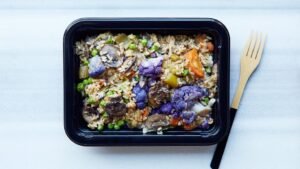
7. Grain Bowls
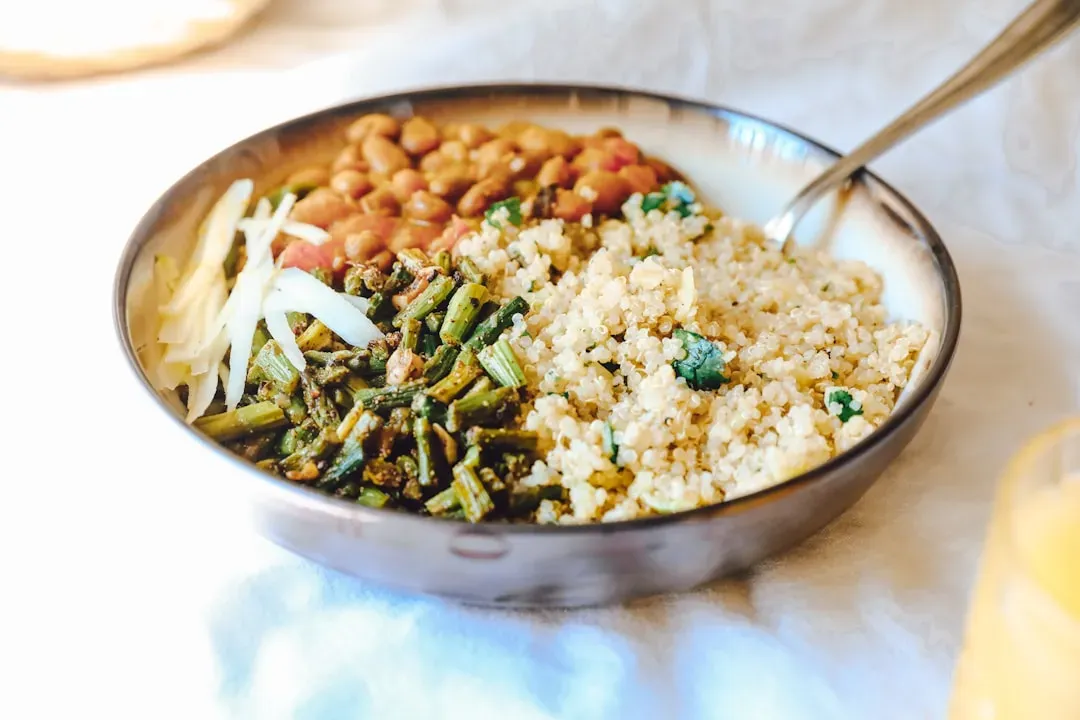
Grain bowls exploded onto menus in the early 2010s and rode the wellness wave for years. Quinoa, farro, freekeh - all stacked with colorful vegetables and a drizzle of tahini. For a while, they were everywhere, from fast casual chains to neighborhood cafes to airport terminals.
In Menu Matters' survey of consumers, the overriding need state for 2025 was "just give me something new." Nostalgia and comfort dominated 2024, and nearly four in ten consumers were looking for more newness on menus going into the new year. A grain bowl no longer qualifies as "new" to practically anyone.
The grain bowl suffers from the same problem as kale: it became so normalized that it lost its identity. It used to signal health-conscious, thoughtful cooking. Now it signals "we haven't updated this menu in three years." Health considerations, channel shifts, and generational preferences are all influencing how and where diners choose to spend, and younger diners in particular are seeking out flavors that feel genuinely global and specific, not just assembled and vaguely nutritious.
8. Brunch Dishes Built Entirely Around Instagram
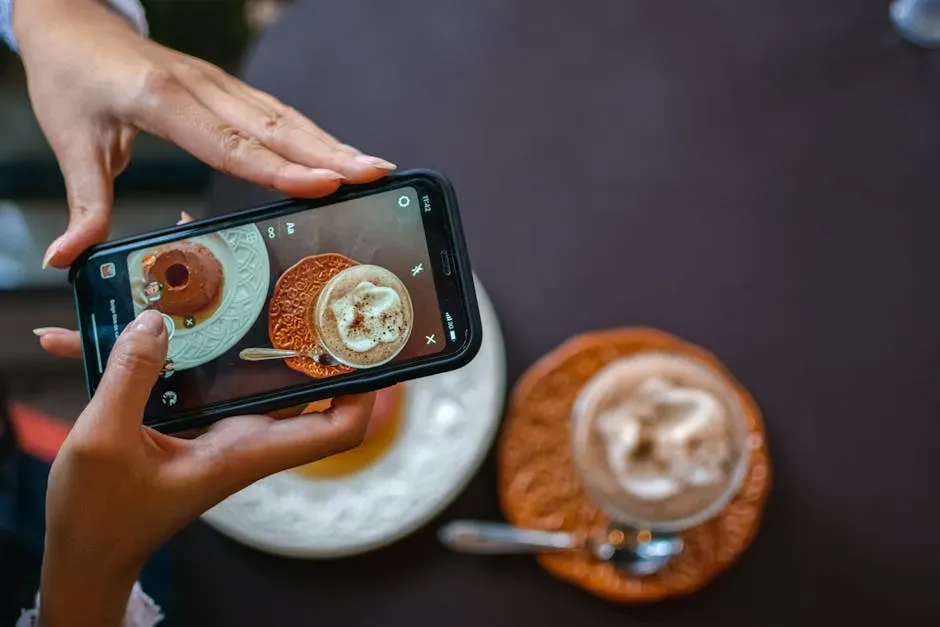
Rainbow bagels. Unicorn lattes. Freakshakes stacked with entire slices of cake. The "Instagrammable" brunch dish had a moment - a long, loud moment - and restaurant owners are now quietly distancing themselves from the genre. The social media shelf life of spectacle food turned out to be surprisingly short.
Restaurant trends point to a divergence across generations in dining behavior: older diners are tightening their wallets, while younger and higher-income consumers are still willing to spend, though across differing channels. Even younger diners, once the most enthusiastic audience for visually absurd food, are moving toward more curated, genuinely delicious experiences.
People are craving unique, curated experiences, such as tasting menus, cooking classes, and more, and dining platforms like OpenTable report growing interest in experiential dining with offerings like mixology workshops and ticketed wine dinners. That shift tells you something important: diners still want an experience, they just want one that involves memory and flavor, not just a photo opportunity.
9. Premium Seafood Platters at Mid-Range Chains
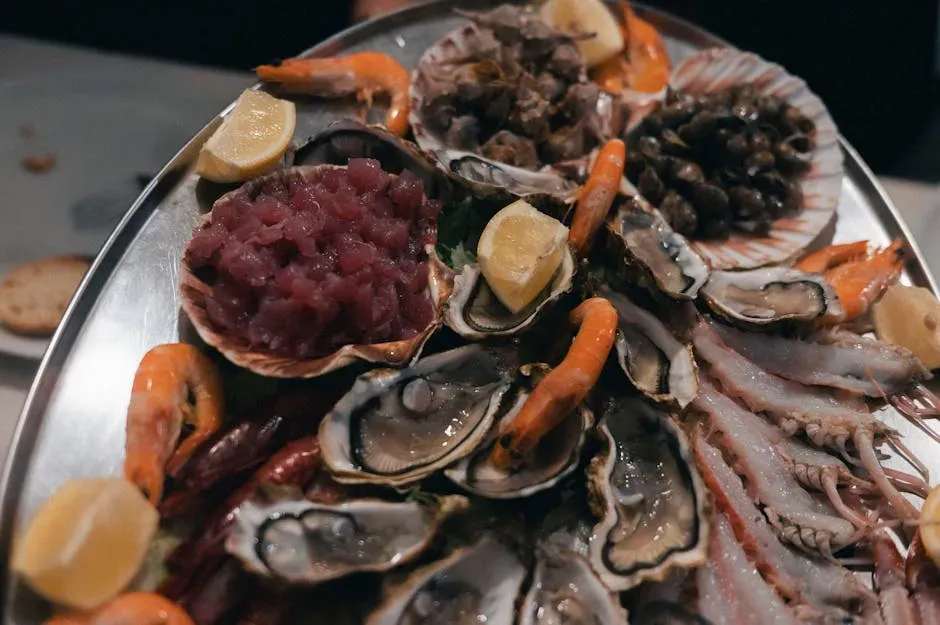
For a stretch, mid-range restaurant chains leaned heavily into premium-feeling seafood offerings - lobster bites, shrimp towers, elaborate fried seafood platters - as a way to feel upscale without crossing into fine dining territory. Diners were initially sold on it. Then the value question started getting louder.
In a recent menu overhaul, Cheesecake Factory removed thirteen items including its Fried Shrimp Platter and Bistro Shrimp Pasta, but added twenty-two new items - a telling signal that even a chain famous for its enormous menu was reassessing what seafood items actually moved the needle.
Red Lobster experienced a sales drop of nearly twenty-three percent in 2024, a collapse that became one of the most-discussed stories in the industry. Traffic at seafood restaurants fell one percent in 2024, while sales were flat for the year. Honestly, the mid-range seafood platter may have always been a difficult sell - promising premium quality at accessible prices is a balancing act that rarely satisfies anyone completely, and diners are calling it out now more than ever.
The Bigger Picture
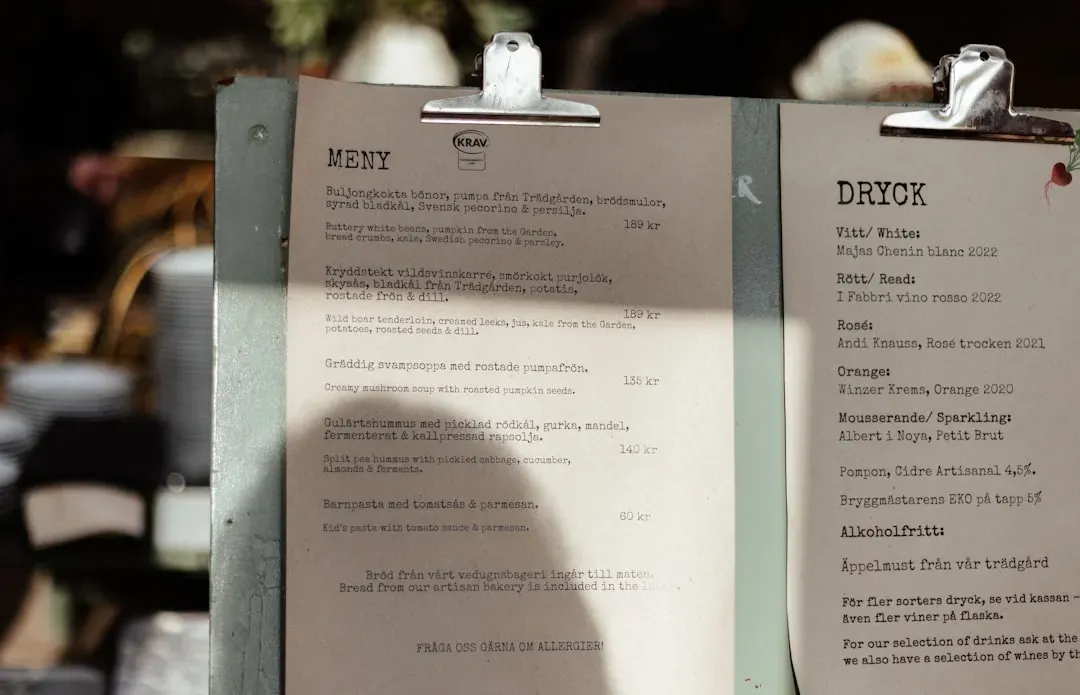
There is a pattern connecting all nine of these once-trendy items. Each one rode a wave of cultural enthusiasm, got adopted by enough restaurants to become ubiquitous, and then quietly lost its power to excite anyone. That is not a failure of the food itself - it's a failure of novelty, which turns out to be the most fragile ingredient on any menu.
Consumers are demanding value in return for the hard-earned money they spend at restaurants. According to Technomic's 2025 annual outlook, nearly three-quarters of consumers wish more restaurants would offer value meals. Value and novelty together are now the twin engines of dining decisions - and tired trend items satisfy neither.
Only about one-third of the brands that Black Box Intelligence tracks saw positive comparable sales in 2025, and even fewer saw traffic growth. That statistic should shake every restaurant operator out of complacency. Industry consultants at Hospitality Works now recommend that restaurant clients remove ten to twenty percent of their lowest-selling menu items - and not replace them - letting guests focus on what the restaurant does best.
The menus that will win going forward are the ones brave enough to let go of what worked four years ago. What would you order if none of these nine items existed? That answer might be exactly what restaurants need to hear right now.



Leave a Reply